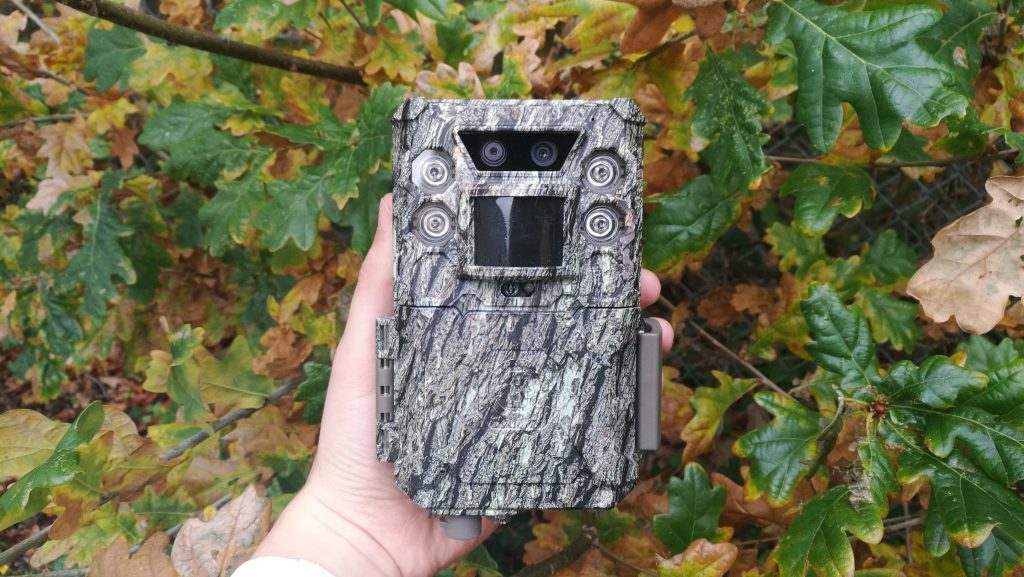
Watching Wildlife – Our New and Favourite Camera Kits

The Hedgehog camera kit

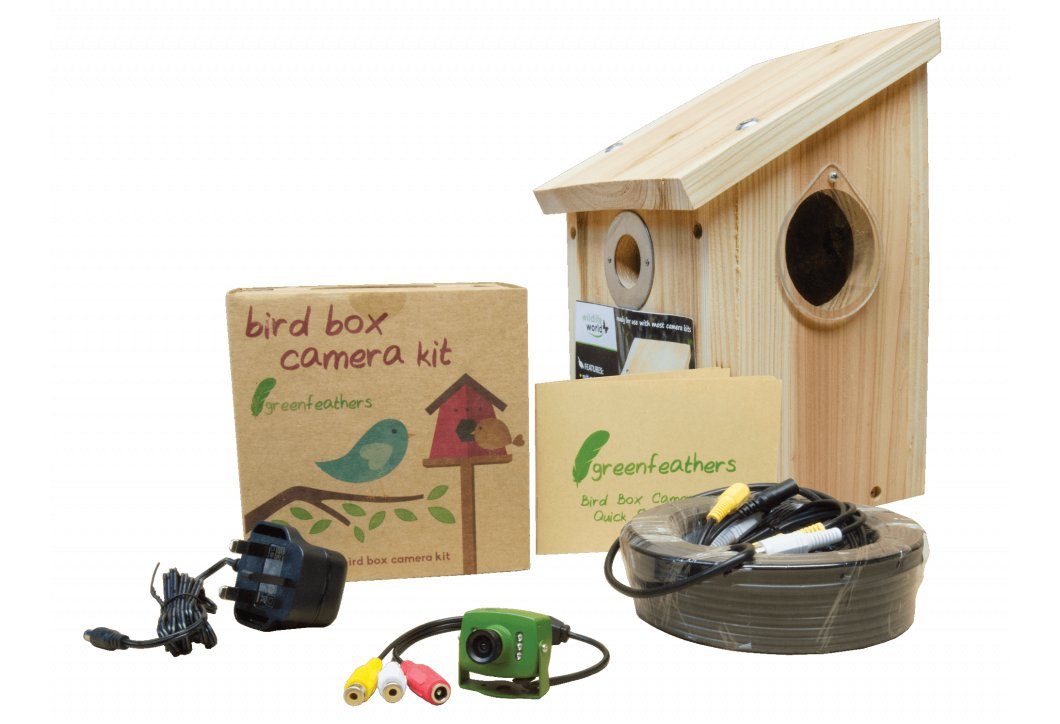
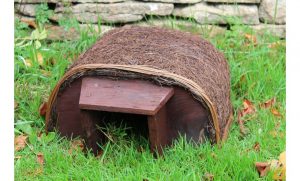
Our brand new Hedgehog Camera Kit includes a high-quality wooden hedgehog nest box, designed and tested by the Hedgehog Preservation Society. It also includes a tiny camera that can easily be screwed to the roof or side of the box with no modifications required. The camera then transmits footage from inside the hedgehog box to your TV or smartphone (3 versions are available) for you to view your hedgehogs from the comfort of your home. With the use of a USB Capture device (sold separately), you can also view footage on your computer/laptop and set the camera to record with motion detection, meaning you won’t miss a thing overnight.

If you already have a wooden hedgehog nest box and would like to attach a camera to it, please feel free to contact us for advice on 01803 865913 or at customer.services@nhbs.com.

Nest Box Camera Kit – Wired Camera

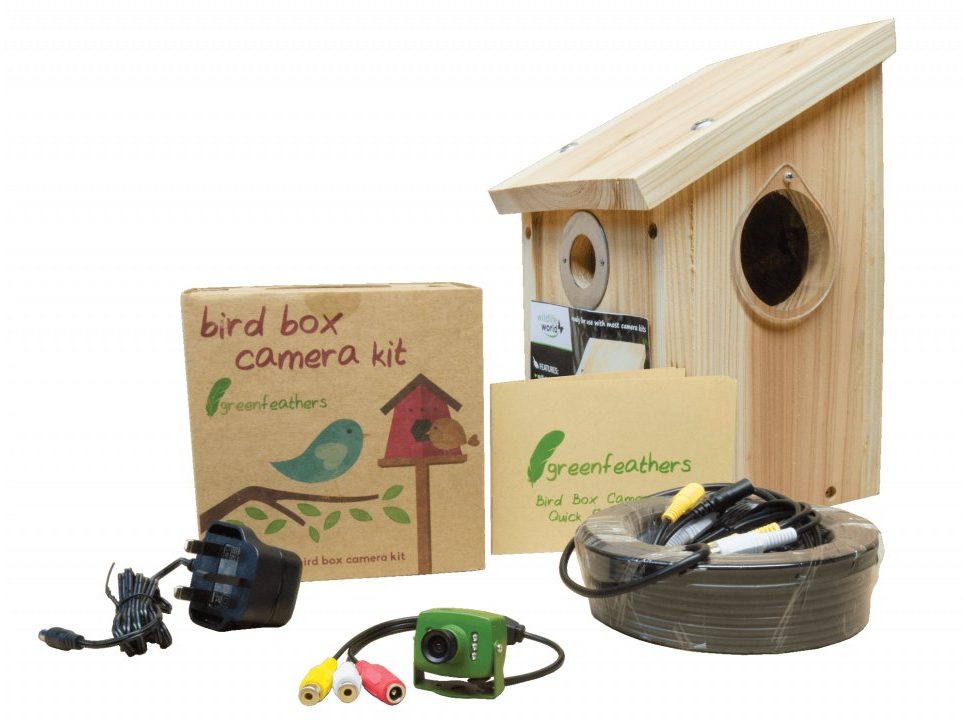
The Wired Nest Box Camera kit is a great choice if you haven’t used a nest box camera before. The kit comes with everything you need to get started, including a camera-ready nestbox. A wired camera produces reliable footage and is easy to set up following the step-by-step instructions.


IP Nest Box Camera

For those who have used nest box cameras before, or want more from their camera, an IP nest box camera is a good next step. With a bit of setup, you can livestream the footage from this camera to anywhere in the world.


Bushnell NatureView Live View

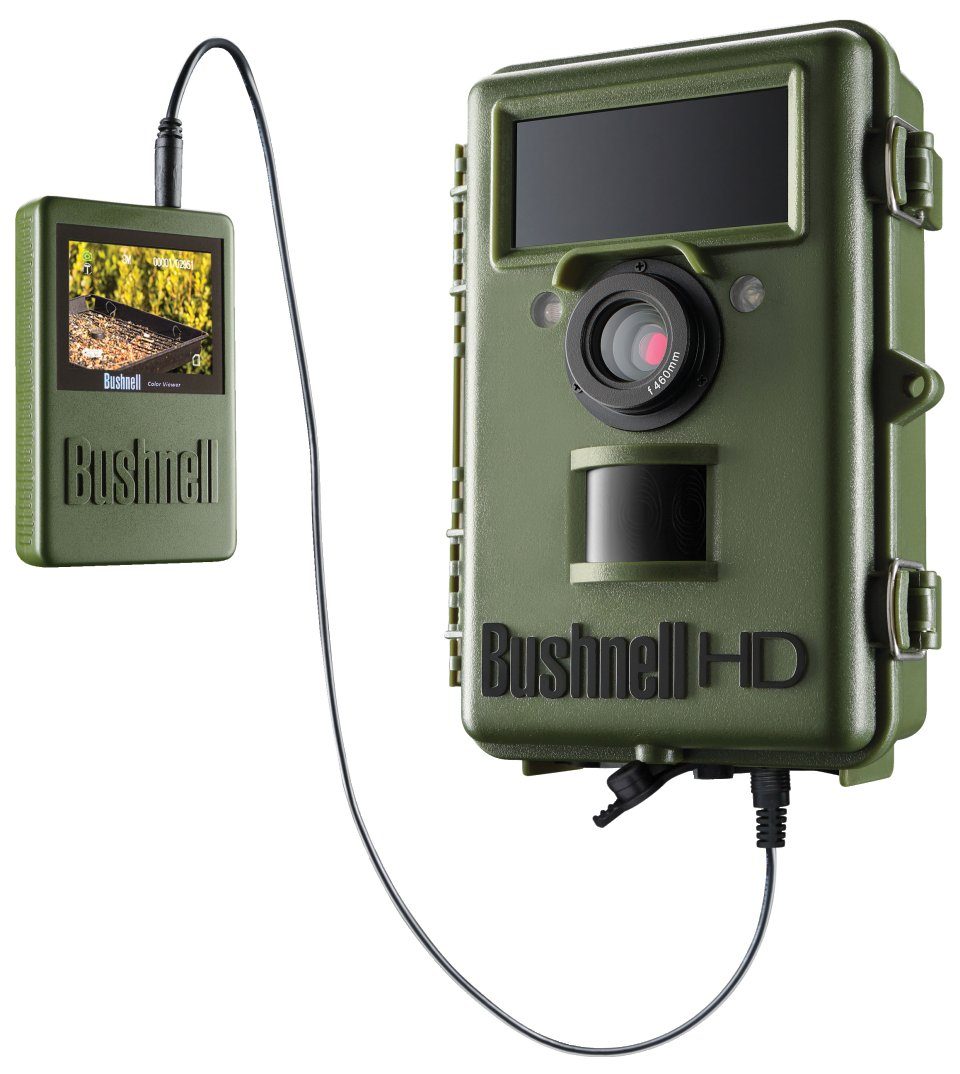
A NatureView Live View is a great camera for garden wildlife. It features a plug-in screen that helps you get your camera positioned correctly when setting up, and also comes with 3 close focus lenses for when you would like to record smaller animals such as birds or small mammals. It features a quick 0.2 second trigger speed and takes 14MP with 1920 x 1080p footage.


Browning Dark Ops Pro X 20MP

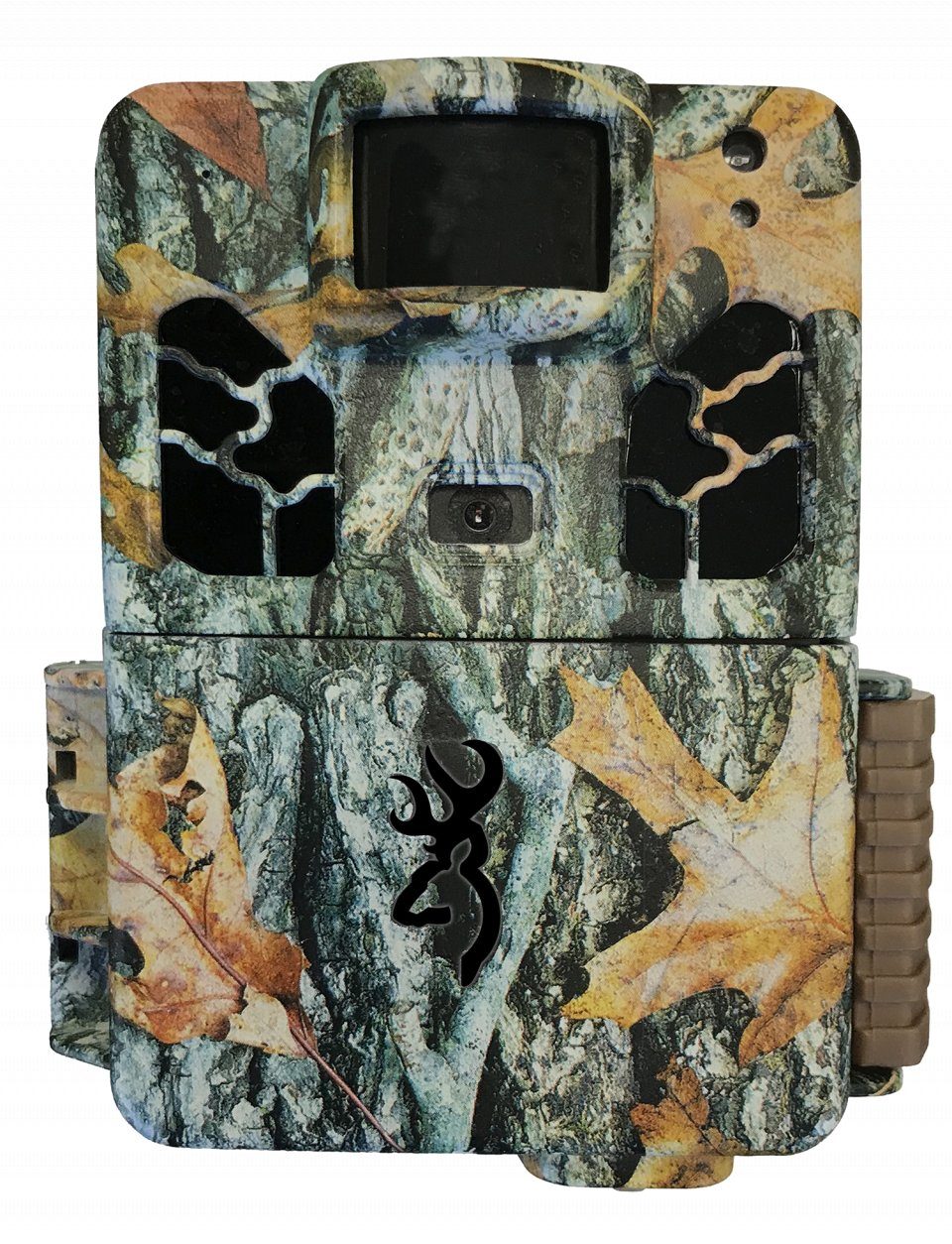
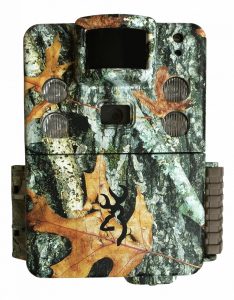
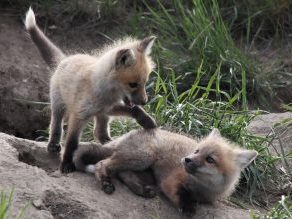
Browning’s Dark Ops Pro X 20MP is another great trail camera with some impressive specifications for its price. It records HD videos (1600 x 900 HD+) and 20MP images and has a 0.22 second trigger speed – great for capturing faster wildlife such as foxes or deer. It also features a built in viewing screen for easy setup and No-Glow IR LEDs that are invisible to humans or wildlife.

Starter Bundles

If you are looking to buy a trail camera and want to start capturing images and videos as soon as it arrives, then you may want to take a look at our starter bundle options. These bundles come with a memory card and batteries to ensure you have everything you need to get started.

Would you like some more advice on which trail camera or nest box camera is most suitable for you? Contact us on +44 (0)1803 865913 or email customer.services@nhbs.com . Alternatively, reply below and we will get back to you.

Introducing the NHBS Moth Trap

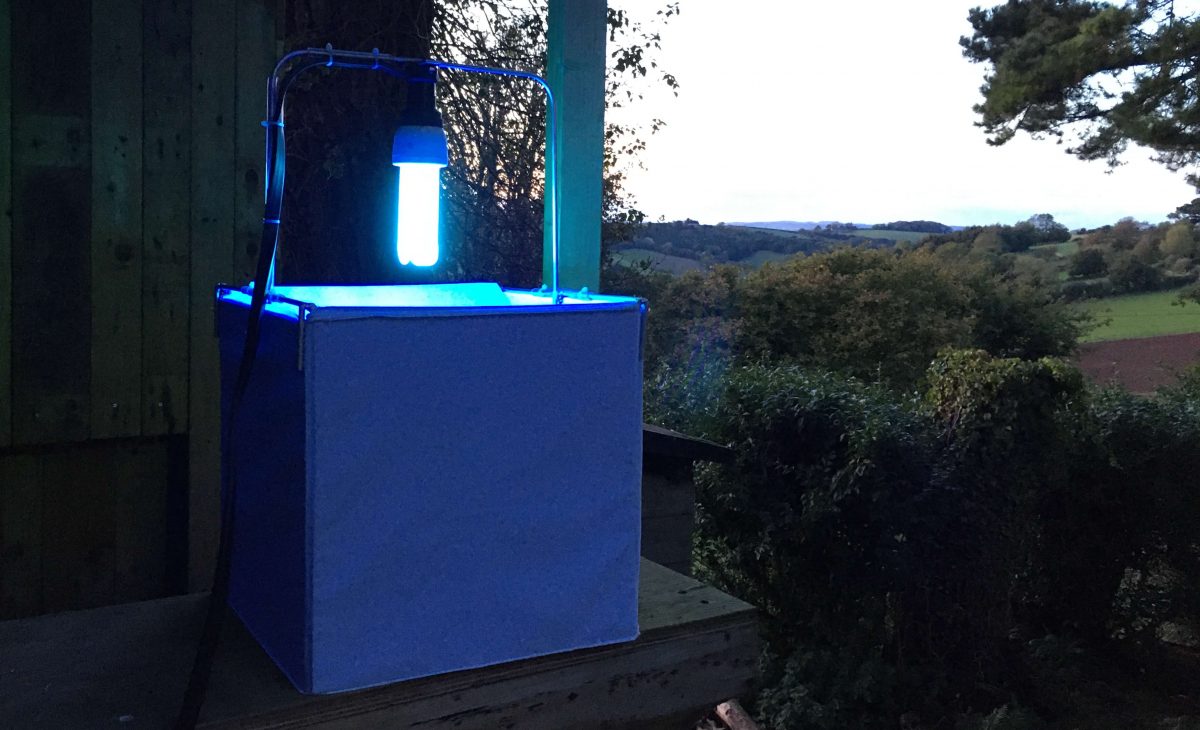
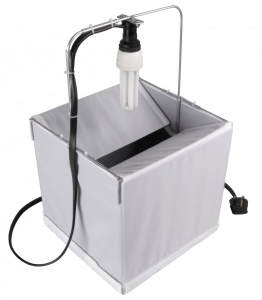
The NHBS Moth Trap is an exciting new lightweight and highly portable Skinner moth trap designed and manufactured onsite at our Devon workshop. It is constructed from lightweight plastic panels covered with a light-coloured nylon material, and is assembled using Velcro. Once assembled the trap container has two panels which help prevent trapped moths escaping. The electrics are added by sliding the light holder into the wall supports.  When fully assembled the trap measures approximately 30cm wide x 30cm deep x 50cm tall, it is mains powered and will run a single 20W Blacklight bulb. A benefit of these bulbs is that they will not shatter in contact with rain, however, like with every moth trap we would advise against using it during adverse weather.

The NHBS Moth Trap is designed with portability in mind. It comes supplied with a lightweight carry bag that you can use to transport and store the trap when not in use. This bag measures approximately 30cm wide and 45cm tall when all trap components are included. The complete trap only weighs around 1.6kg; much lighter than the typical solid plastic assemblies of other Skinner traps.

Butterfly Conservation’s review of the trap

In August 2019 we sent our trap to Phil Sterling, one of Butterfly Conservation’s leading moth scientists and author of the ground-breaking “Field Guide to the Micro-Moths of Great Britain and Ireland”. Phil was kind enough to set out our trap over six different nights and offer his feedback on how it fared.

“The trap is very good, and comparably better in my view than equivalent 20W tube traps on the market currently though I haven’t run comparative studies as such. However, I do regularly run a similar sized black plastic trap with a similar 20W bulb, along with a Robinson 125W mercury vapour trap several metres away, as my standard night time trapping in my garden. Using the NHBS trap in an identical position, the NHBS trap has been surprisingly good, consistently catching more moths than I would expect each time, comparing it with the catches in the black plastic trap.

I like the NHBS Moth trap because it is covered with white nylon, which glows with UV light at night when the light is on. I think this helps attract the moths, and critically, by being fairly light inside the trap itself, the moths readily calm down and rest until morning. I also like the portability of the NHBS trap, and particularly that it doesn’t need a rain shield.

I would definitely recommend this trap.”

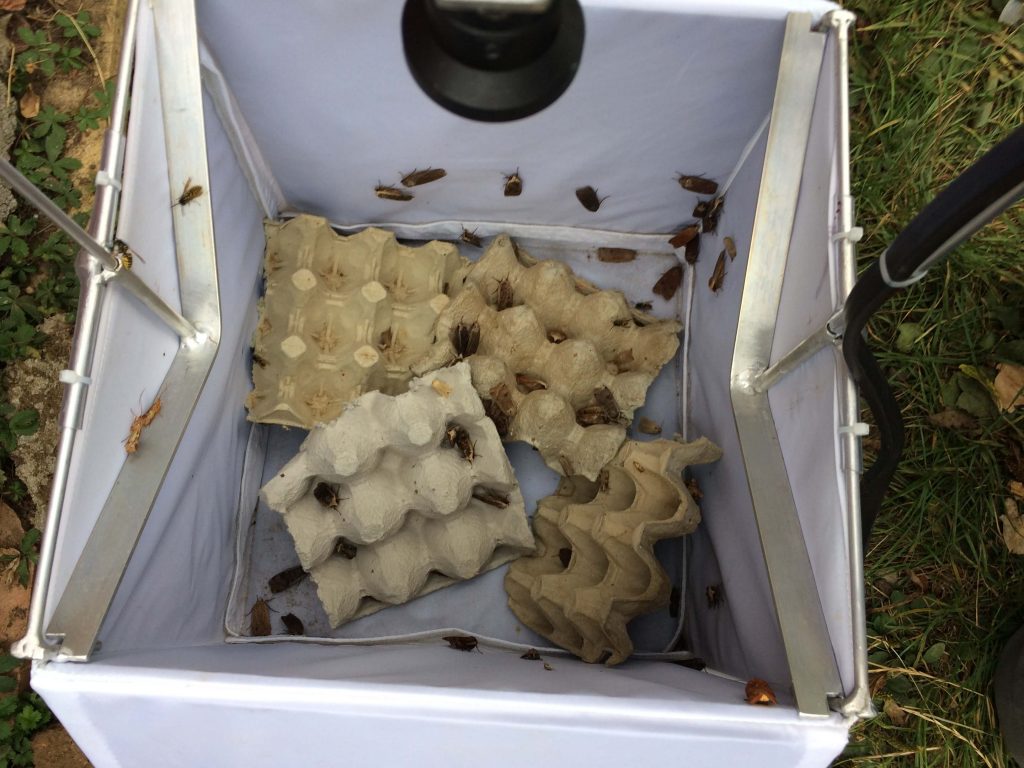
Phil Sterling’s haul from a night’s trapping in August

The NHBS Moth Trap is now available on the NHBS store here. We are grateful to Butterfly Conservation and Phil Sterling for their generosity in reviewing our trap.

To view our full range of entomological equipment please visit www.nhbs.com. If you have any questions on moth traps or would like some advice on the best trap for you then please contact us via email at customer.services@nhbs.com or phone on 01803 865913.

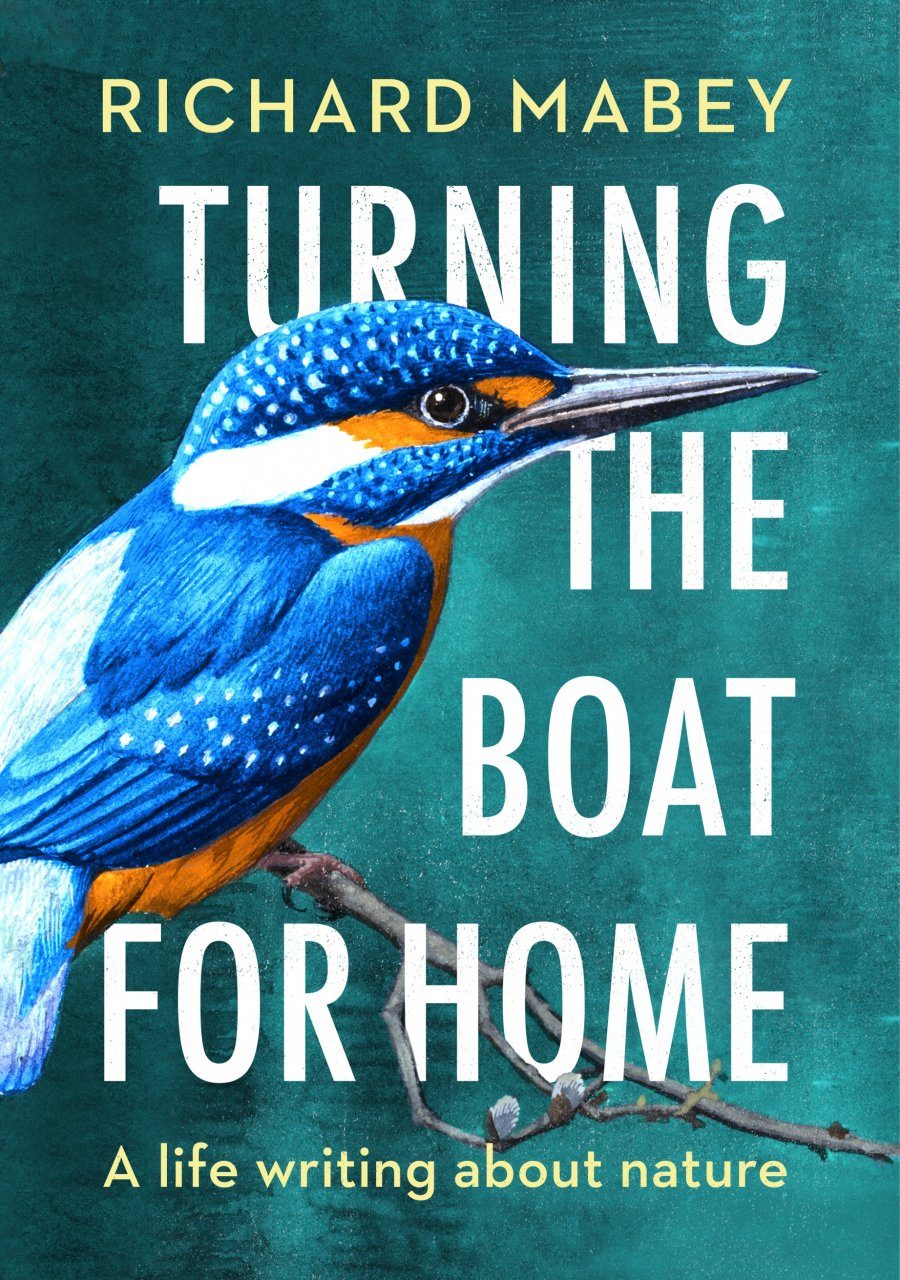
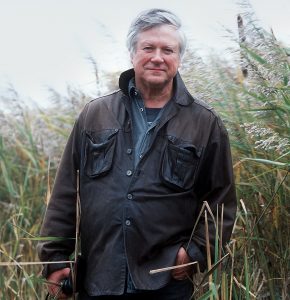
Author Interview: Richard Mabey, Turning the Boat for Home: A Life Writing about Nature

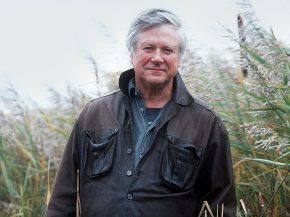
Richard Mabey is often referred to as the father of modern nature writing. His latest book is a retrospective of occasional writings compiled by the author over the last couple of decades. In the author’s words; ‘a sketchy reflection of a life’s work does emerge‘  He has taken time to sign copies of his latest book and answer our questions about fifty years of nature writing.


1. Could you tell us a little about your background and how you got interested in nature?

I was one of that generation of kids allowed to run wild out of doors. We had a hundred-acre abandoned landscape park at the end of the garden, and in it, I saw my first barn owls, smelt my first storm-splintered wood and ate my first hawthorn leaves. Later I was a boy-birder, and by my teenage years began attaching huge symbolic importance to them. The first chiffchaff had to sing in a particular ash clump, the first swifts had to appear on May Day, and I held my blazer collar for luck on the walk to school to will them back. I did my first nature scribblings then, essays and over-romantic poems, shamelessly aping Richard Jefferies and Dylan Thomas.
I went to Oxford to read biochemistry despite never having done a mite of formal biology- but recoiled in horror from the curriculum and changed to philosophy and politics in my first fortnight. I’ve never regretted the change, for the perspective it gave me, or for the fact that school made me just about scientifically literate.

2. Your new book looks back over a life’s work and features a collection of ‘occasional writing’; how did you decide which works to include?

I realised I had got a good portion of the work already done. Over the past 20 years, I’ve done a fair amount of writing – essays, introductions to other writers’ books, radio programmes – which contain autobiographical elements. So, a long think piece I wrote for the Guardian about the history of foraging in Europe contains an account of how I came to write my own contribution, my first book, Food for Free. A BBC Radio 3 talk I delivered live from Bristol (as part of a Nature and Music festival) became an exploration of the relation between birdsong and human music. I worked a lot on most of the pieces, extending them and cutting out overlaps, and strung them together so that they made a rough sketch of a working life.

3. Is there one ‘nature writer’ that has been an inspiration to you?

There are dozens. But the one who struck most sparks is Annie Dillard. Her Pilgrim at Tinker Creek (1974) uncoiled new mycorrhizal links between imagination and the physical world. Pilgrim is a poetic interrogation of evolution, done through an acute contemplation of the natural life of a remote Appalachian creek. Why should anything – light, love, leaf – be the way it is? Dillard’s style is mischievous, gleeful, explosive- just like creation itself. I’ve long been a fan of American nature writing- Barry Lopez, Gretel Ehrlich, Gary Snyder, back to the master Henry Thoreau. The States’ vast untrammelled landscapes seem to nourish a similar freedom in its writers, in contrast to our own corseted acres. The British writers who have most inspired me tend to be radicals who set themselves against this ordered and orderly back cloth; eg John Clare and his poems of solidarity with commoners of all species; Kenneth Allsop, firing broadsides through conventional “country writing” in the 1970s.

4. Do you think the genre of nature writing has changed during the time you have been writing?

I’ve been writing for more than fifty years, so have the luxury of a long view. But I think the idea that the nature writing of the last ten years is in some essential way “new” suggests a great forgetting of our tradition. Current nature writing is a very broad church, from lyrical science to introspective memoir. Yet even the most conspicuous trait – the personal “journey” – has deep roots. I’m no fan of his work but think of Gavin Maxwell in the 60s or John Buxton in the 40s and WH Hudson at the beginning of the 20th century. One of the most exciting trends is the emergence of fiction with strong affinities to the agendas of nature writing, as in Richard Powers’ astounding epic The Overstory (but this too was happening in pre-WW2 fiction).

5. You have won awards and many accolades for your writing; what is your proudest achievement as a nature writer?

I think it would have to be Flora Britannica (1986) not least because it incorporates the voices and stories of many thousands of contributors as well as my own. When I set out my plan to try and survey where wild plants stood in our culture in the late 20th C, I was met with heavy scepticism at first. “Nowhere” was the implied response. When the contributions began to pour in from the general public they were heart lifting, not just for their passion but their diversity. There was very little of the rehashed Victoriana usually passed off as “folklore”. Instead we had deeply felt personal stories from individuals, families, children’s gangs, about the importance of wild plants in their lives: plants used in weddings, and tossed onto a parent’s coffin; outrageously inventive playground games with invasive aliens; favourite local trees used as landmarks, hideaways, sites for lovers’ trysts.
The four years I spent working on this book were certainly the most rewarding of my writing life. I toured the UK meeting contributors, looking at locations, and then in the long writing process (it is a quarter of a million words long) trying to relate these contemporary experiences to the plants’ social histories and ecologies.

6. The loss of nature seems to be more prominent as a newsworthy subject; do you think nature writing can help towards restoring nature and if so how?

The language of loss is as hard to create as to read. I know I’m far from alone in finding that my head and my heart can pull in opposing directions. My intellectual understanding of the terrible collapse of nightingale populations cannot co-exist with the rapturous in-the-moment experience of listening to its song. But I’m encouraged by what has been happening in the last couple of years when the crises of climate change and extinction seem to have revealed not just the vulnerability of the natural world but a new appreciation of its resilient vitality. To paraphrase Amitav Ghosh is his powerful book The Great Derangement (about the implications of ecological catastrophe on writing) it is as if the improbable events that are happening to us have brought about a recognition that humans have never been alone, but live alongside beings who share with us elements we have always assumed were uniquely ours: sentience, will and above all agency. The challenge writers face is how to express this more-than-human agenda in human words.

7. Have you got any future projects planned that you can tell us about?

Age creeps on, and ideas are scarcer fruits. I have no particular plans but hope I’m not written out. Maybe I’ll do a short philosophical meditation on the concept of human-nature “neighbourliness” which I begin to explore in Turning the Boat for Home. Ideas from readers most welcome!


We have a limited amount of signed copies available of Turning the Boat for Home: A Life Writing about Nature

Turning the Boat for Home: A Life Writing about Nature
Hardback, Oct 2019,  £15.99 £18.99

Due to be published in 2020

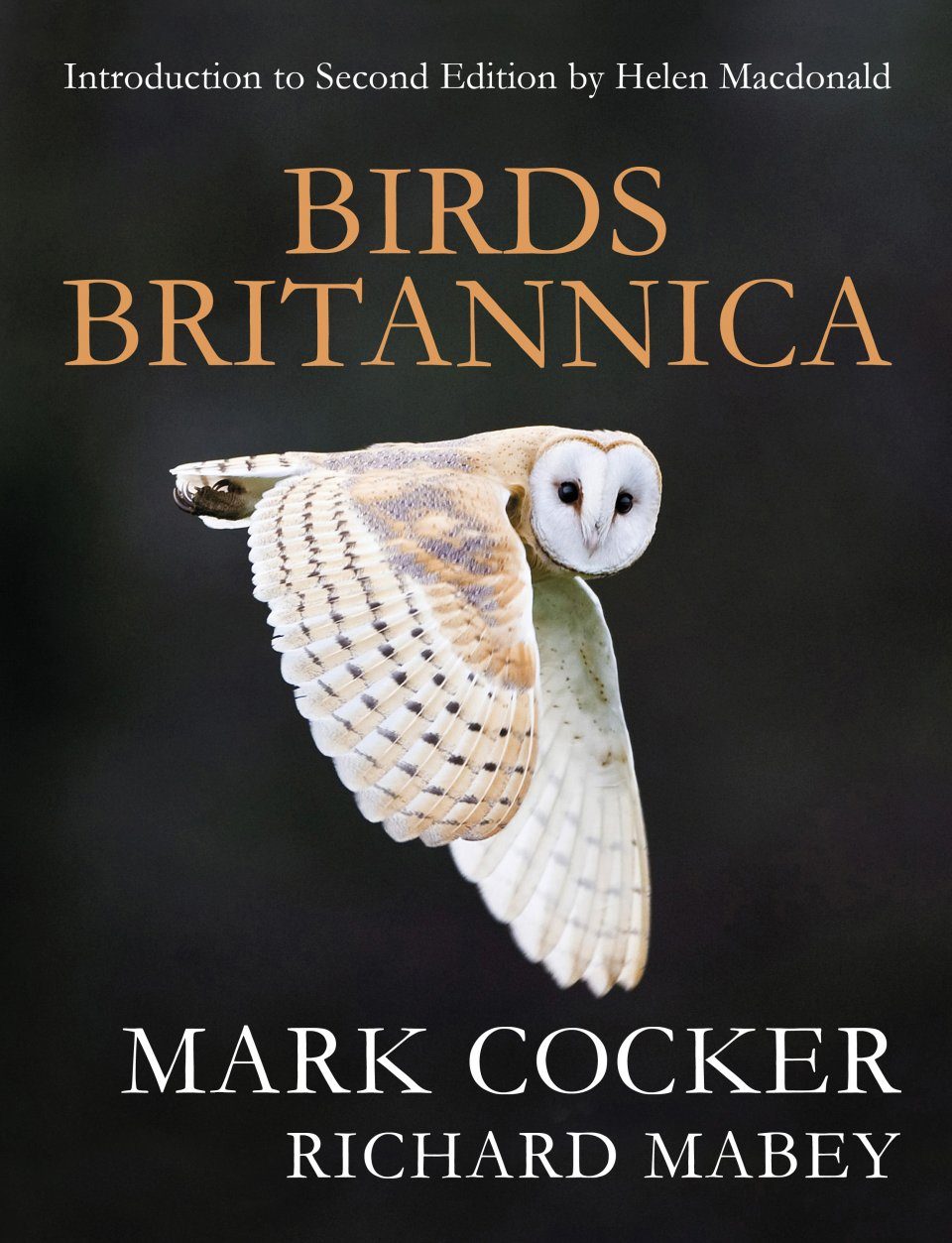
Birds Britannica
Hardback, due March 2020,  £42.99 £49.99

Fifteen years after the very successful first edition, Mark Cocker and Richard Mabey return for the second edition of Birds Britannica, paying homage to the strong bond the British have with birds.


Browse all our Richard Mabey’s books.


NHBS: In The Field – Bushnell CORE DS Low Glow

Bushnell CORE DS Low Glow

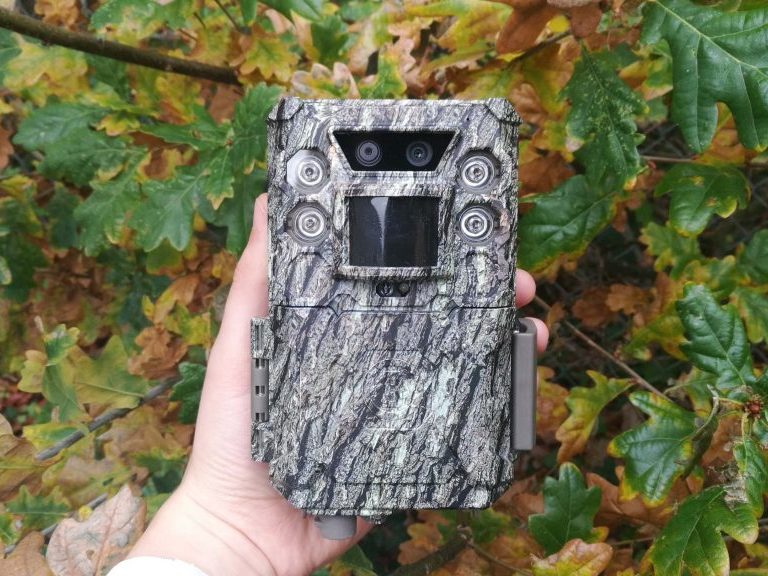
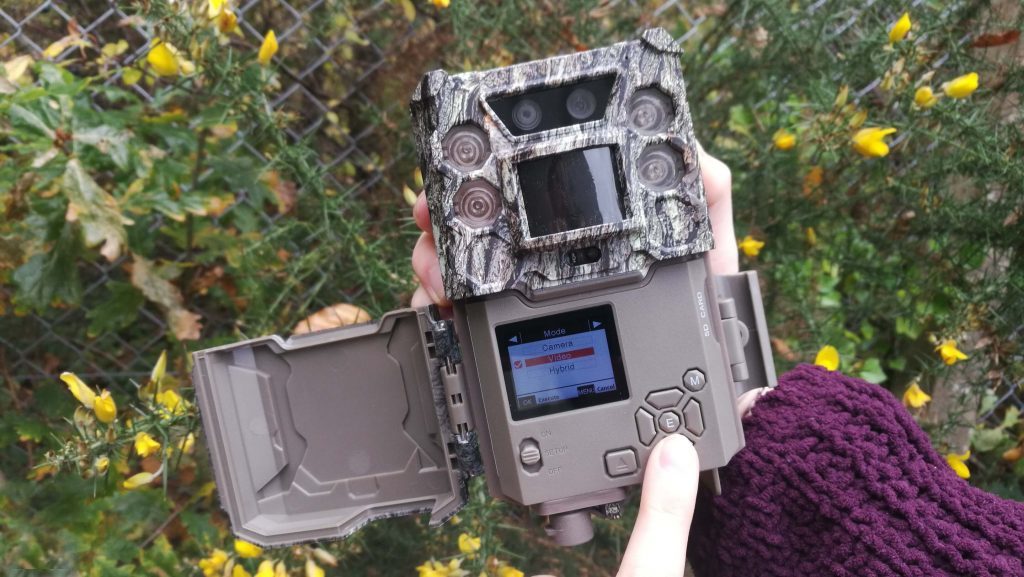
Bushnell trail cameras have always been popular among ecologists and researchers alike, but their famous Aggressor range of cameras has become outdated as trail camera technology has advanced. New for 2019, the Bushnell CORE range features four high specification trail cameras with the latest technology (more about the differences between the four cameras can be found here). We wanted to test one of these new cameras to see how it performed.  

We tested the Bushnell CORE DS Low Glow Trail Camera (DS standing for ‘dual-sensor’). Bushnell’s dual sensor system promises better day and night photos/videos, with one sensor dedicated to each. A 30MP image size and 920×1080 HD videos also indicate sharp, high-quality footage, but this is not always the case. The best way to see the true image/ video quality is to view sample footage from the camera.

Setting Up

We set the CORE up at a badger latrine in a wood in Devon. The camera was simple to set up, and the colour viewing screen came in very handy when trying to get the best angle. Without this feature, it can be very difficult to ensure that the camera is pointing in the right direction. The screen also displays a simple and user-friendly settings menu which was easy to navigate and check. The settings we used in this instance are as follows:

Mode: Video
Video Size: 1920×1080 (30fps)
Video Length:  15 seconds (the videos below are trimmed from originals)
Interval:3 seconds
TimeStamp: On
Video Sound: On
Sensor Level: Auto
Camera Mode: 24 hrs

As we were leaving the camera in a public woodland, we secured it in place with a compatible Python cable lock. The No Glow equivalent might also be a camera to consider if you are setting a camera up on public land and you want extra security.

What we found

The Bushnell CORE caught several videos over the one evening that it was set up. These clips can be viewed in the video below. The black and white IR footage was very impressive. We found it beautifully clear and very smooth, even at 30 fps (the camera has an option of 60fps). The IR flash illuminated the subject without any wash-out whilst remaining bright enough to reveal plenty of detail.  The low-light and day colour footage wasn’t as crisp but was still lovely and smooth. The fast trigger speed was especially apparent in a clip showing a herd of deer running across the river. The first deer are barely halfway across the screen before the video starts, despite the speed at which they were running. 

Our Opinion

We were impressed with the Bushnell CORE DS Low Glow Trail Camera, especially with the night videos. The front-facing colour screen was a key feature that made set-up and camera positioning much easier and is something that we think can either make or break a filming session. The dual sensor is definitely worth the price difference for the night videos. The colour videos were not as crisp but the camera is still excellent quality with an outstanding trigger speed and perfectly suitable for the needs of most researchers and ecologists.


The Bushnell CORE DS Low Glow is available on the NHBS website.

To view the full range of Bushnell CORE cameras, along with other ranges of trail cameras, visit www.nhbs.com. If you have any questions on camera trapping or would like some advice on the best camera for you then please contact us via email at customer.services@nhbs.com or phone on 01803 865913.

Natural History Museum, London: Publisher of the Month

The Natural History Museum opened on its current site in 1881 and now employs more than 300 scientists working in their earth and life sciences departments. The collection houses over 80 million specimens and publishes over 700 scientific papers a year with international collaborators.  Books published by the Natural History Museum, London are inspired by the Museum’s pioneering scientific work and sales help support their scientific research, educational programmes and conservation programs around the world.

NHBS are pleased to announce Natural History Museum, London as our Publisher of the Month for November and December, with some great offers on iconic publishing such as Wildlife Photographer of the Year.

Wildlife Photographer of the Year


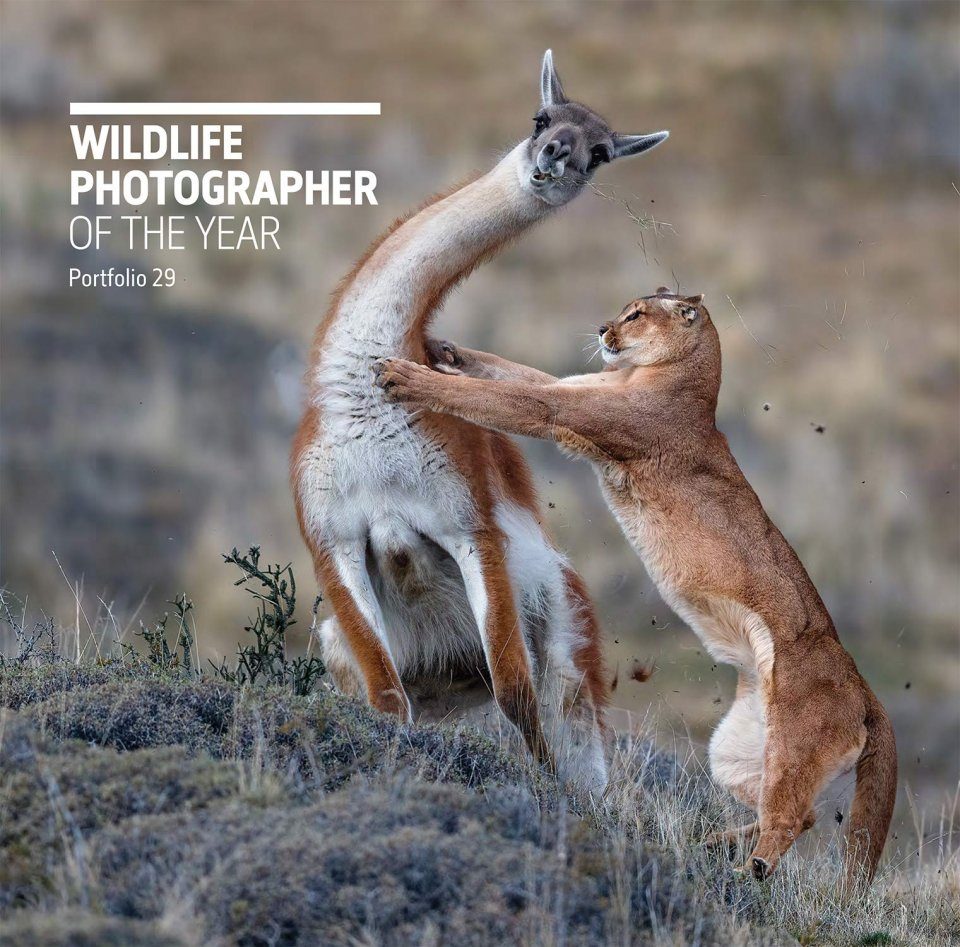
Each year the Wildlife Photographer of the Year exhibition is seen by millions of people throughout the world and Portfolio 29 displays the full collection of 100 images awarded in the 2019 competition.

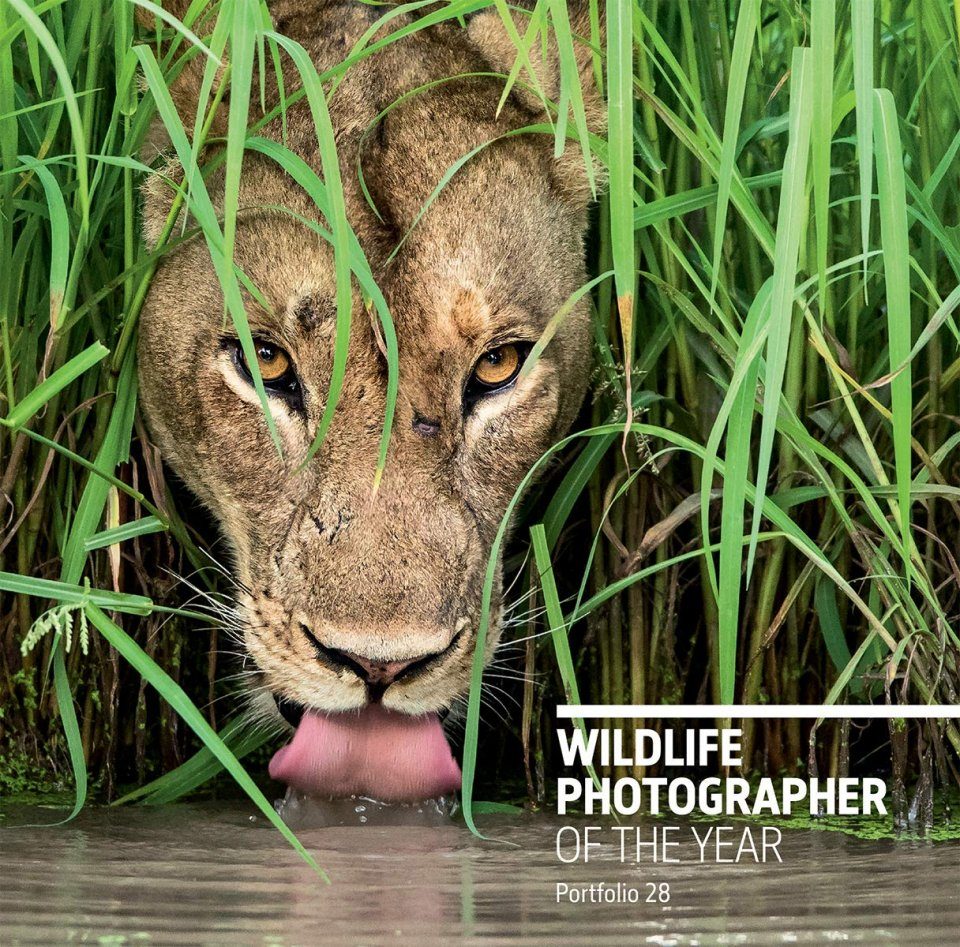
We have previous portfolios that are still in print on special offer – the perfect opportunity to be inspired by the amazing photography and the fantastic flora, fauna and diverse environments that make Wildlife Photographer of the Year such an iconic event.

Browse all Wildlife Photography of the Year portfolios

Bestsellers

As well as Wildlife Photographer of the Year portfolios, Natural History Museum, London publish a variety of natural history titles and we have included our top five titles below:

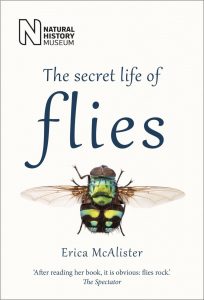
The Secret Life of Flies

Paperback | April 2018| £7.99 £9.99
Combining a deep knowledge and love of flies with a wonderful knack for storytelling, we  peer – amazed and captivated – into the secret life of flies


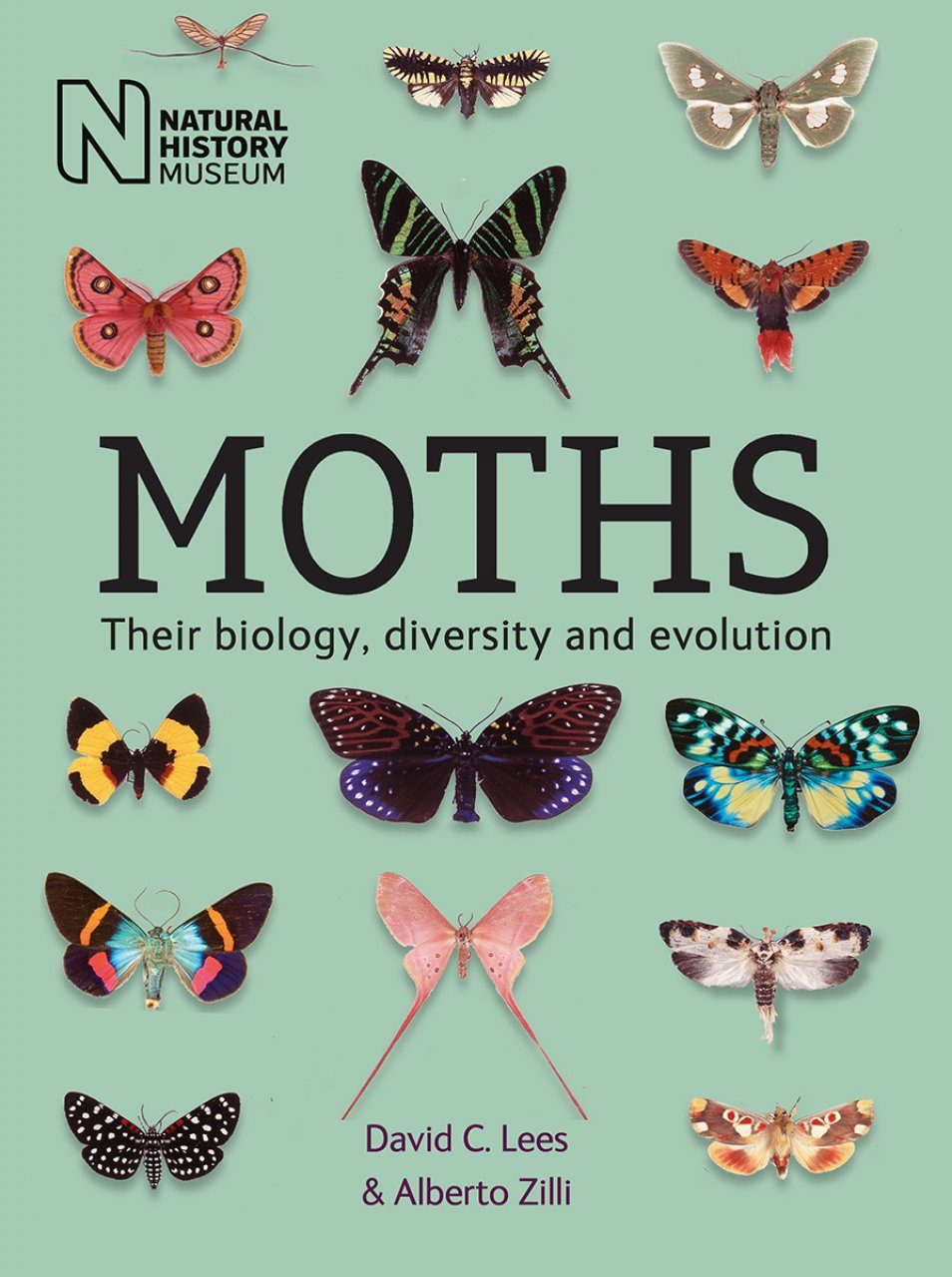
Moths: Their Biology, Diversity and Evolution

Paperback| October 2019 | £11.99 £14.99
An accessible introduction to the stunning diversity, life habits and evolution of moths


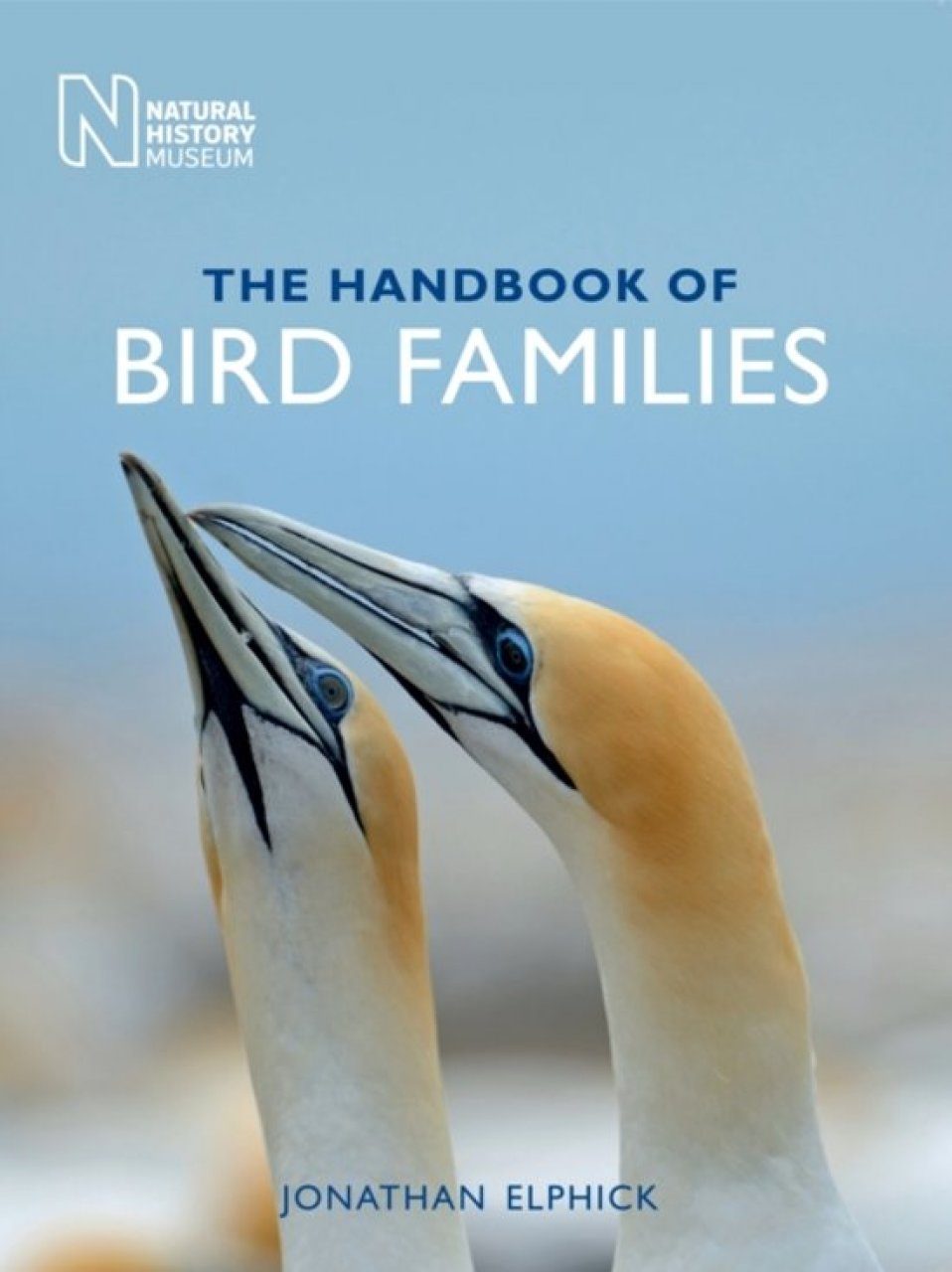
The Handbook of Bird Families

Paperback| Oct 2017| £15.99 £19.99
Discover all the key facts about the orders and families of birds found around the world with this ultimate handbook


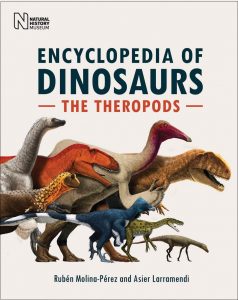
Encyclopedia of Dinosaurs: The Theropods

Hardback| June 2019| £22.99 £29.99
Packed with fabulous illustrations, this book is a great introduction to these fearsome dinosaurs.


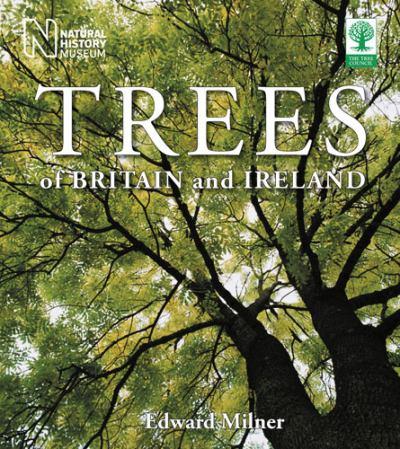
Trees of Britain and Ireland

Hardback| June 2011| £16.99 £19.99
A celebration of the trees of Britain and Ireland including the history of their development, man’s relationship with them, and portraits of all the major native species.

Forthcoming from Natural History Museum, London

Natural History Museum, London, have more publications due in 2020, most notably: The Inside Out of Flies a guide to the anatomy of flies and the science behind their unique adaptations, from the same author of the bestselling The Secret Lives of Flies.

Browse all Natural History Museum, London titles, old, new and forthcoming here


Autumn Hedgehog thoughts

Three’s a crowd?

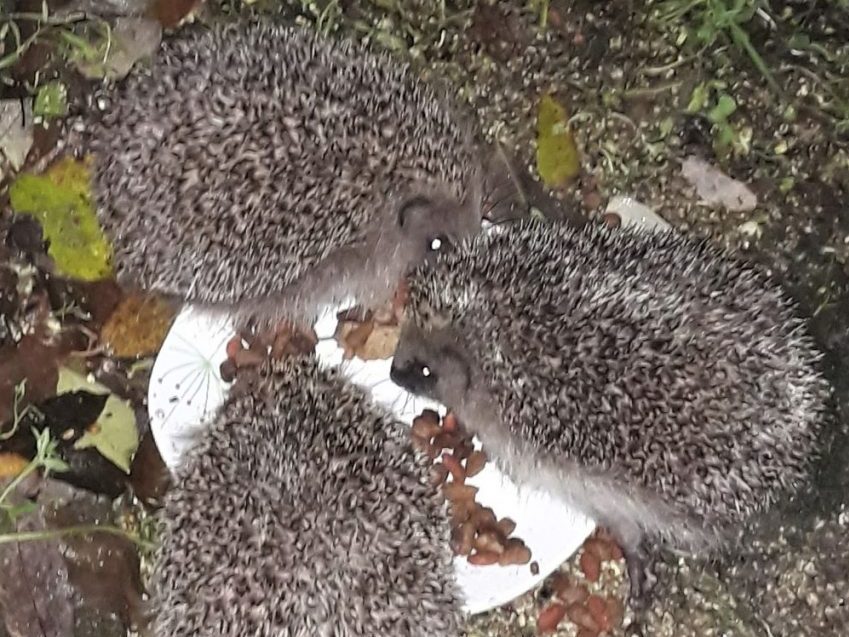
The noise that a hedgehog makes when crunching dried cat food is surprisingly loud… and when you have two or three sharing the same plate, as I sometimes do, they produce quite a din! Such a din in fact that I can hear their munching and squabbling from my bedroom window – even with the windows shut. But what a satisfying racket! It is a real privilege and a delight to have hedgehogs using your garden. By feeding them and making your garden hedgehog friendly you can take comfort in the knowledge that you are doing your bit to help these beleaguered animals.

In the 1950s, there were possibly as many as 30 million hedgehogs living in the UK, but today there could be as few as 522,000 – that’s a reduction of 97%. Suggestions as to why the population of these enchanting animals has taken such a nose dive include: the intensification of agriculture and the loss of hedgerows (which are important wildlife corridors), the alarming decline of the invertebrates on which hedgehogs feed (almost certainly due to the use of pesticides) and another, perhaps surprising factor, is predation by badgers. It turns out that wherever badgers thrive hedgehogs struggle, especially in areas where there is limited cover. Moreover, we are sadly all too familiar with the sight of squashed hedgehogs on our roads and it is thought that many thousands meet their end in this way each year. Although hedgehogs are very urbanised, their road safety skills remain poor!

Hedgehogs are also struggling with the current trends of homeowners who are turning their gardens into “garden rooms”. By covering our gardens in decking, patio, artificial lawn or tarmac we are reducing their wildlife value including foraging opportunities for the hedgehog. The erection of impenetrable garden fencing only adds to the problem because it does not permit egress from garden to garden. Hedgehogs may roam about 2km and visit up to 20 gardens every night to seek out food sources.  Although surveys suggest that urban hedgehogs might actually be doing better than their rural cousins – these current gardening fashions are not doing anything to promote their cause. Our most popular mammal favours an untidy garden with fences full of holes.

So, what can we do to help the hedgehog?  As I write this blog we are marching through autumn, but hedgehogs are still out and about, trying to put on weight for hibernation. November 5th is approaching and this is a dangerous time for hedgehogs as they often seek shelter within bonfire piles, so please check for hedgehogs before setting yours alight.

You and your garden can become hedgehog friendly by just providing some or all of the following:

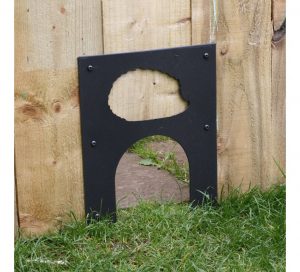
  • Make sure that hedgehogs can gain access in and out of the garden. Holes in fences only need to be 13cm square and they will soon be found and used on a regular basis. If you want to neaten off the hole, then consider the Eco Hedgehog Hole Fence Plate which is made from 100% recycled plastic and available at NHBS.
  • Include compost heaps and overgrown areas in your garden as these are a great source of invertebrate prey
  • Do not use slug pellets and pesticides in your garden.
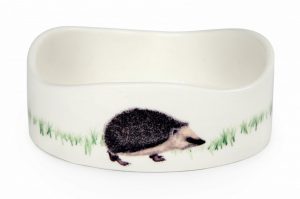
  • Provide a water source for hedgehogs such as a pond with a gently sloping edge, or a simple bowl

    Hedgehog House
  • Provide areas where hedgehogs can spend the daylight hours, hibernate and even produce their young. This can be a simple wood or leaf pile, or if you prefer you could purchase a hedgehog house or shelter of which there is a large range of choices within our catalogue and on the website
  • Make hedgehogs safe; as well as checking your bonfire piles, be careful with the use of lawn mowers and strimmers and make sure that netting cannot cause entanglement – for example, the bottom edge of fruit netting can be raised from ground level.

Of course, hedgehogs also appreciate some help in food sourcing and are quick to make use of our generosity. Feeding becomes particularly important in periods of pro-longed dry weather (such as we had this year) when soft-bodied invertebrates like slugs, snails and earthworms are less likely to be at large. It is also important to put out food towards the end of summer and beginning of Autumn when late born hoglets need all the help they can get in putting on enough fat to sustain them through the winter months. It is worth remembering that a hedgehog needs to weigh about 600g at the start of the hibernation period in order to survive until the following Spring.

Feed hedgehogs on wet or dry cat food and this can be supplemented with items like sunflower seeds, nuts and live or dried mealworms (Please feed these in moderation to ensure a balanced diet). There are also proprietary brands of hedgehog food available which provide a good balance of the nutrients that they need. But never put out bread and milk! Hedgehogs are intolerant to lactose and bread doesn’t provide the nutrition they need.

Hedgehog Bowl

Put the food out in a bowl or saucer in the same place every night and hedgehogs will soon learn where it is located. Of course, this food may also be found by neighbourhood cats and foxes, so you could try to protect the food by placing it within a shelter.

Browning Strike Force HD Pro X

It is great fun to put out a trail camera positioned near the food source so that you can obtain images and videos of your garden visitors – this is how I discovered that at least three visited my garden!

As winter sets in be on the lookout for hedgehogs that are out and about in daylight. An animal that is showing this unusual behaviour is likely to be a late autumn born youngster and probably starving. These animals need help and should be taken in and fed. It is best to contact your local wildlife hospital or rehabilitation centre for advice in this situation.

Hedgehogs are fantastic little mammals whose ancestors first appeared on this planet at least 52 million years ago. By giving some thought to the ones in your garden you can take comfort in the fact that you are contributing to their continued survival. It is very rewarding to have hedgehogs in your garden and certainly worthwhile putting up with their noisy nocturnal snacking.


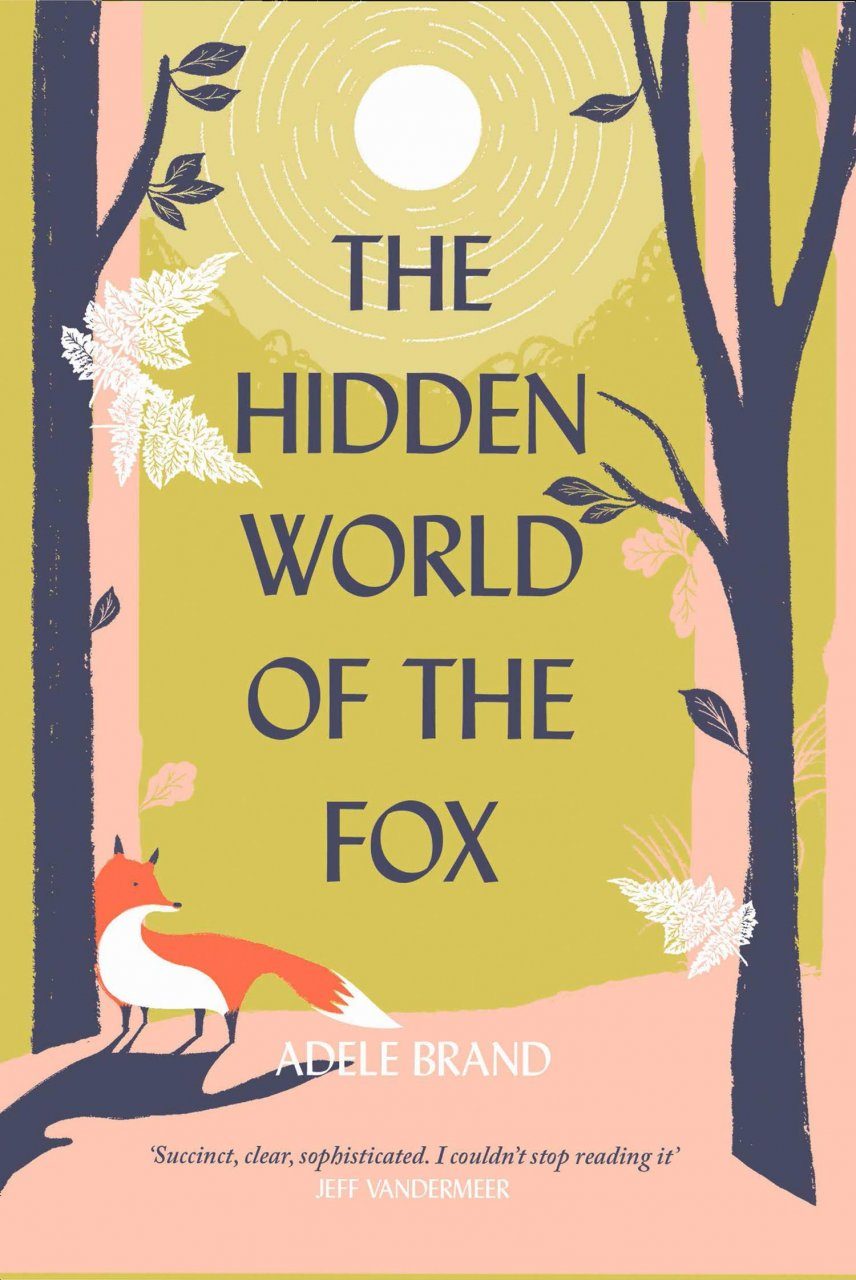
Author Interview: Adele Brand, The Hidden World of the Fox

In The Hidden World of the Fox, Adele Brand shows us how this familiar yet enigmatic animal has thrived in ancient wildwood and adapted to life in the supermarket car parks and busy railway stations of our towns and cities.


© Gillian Brand

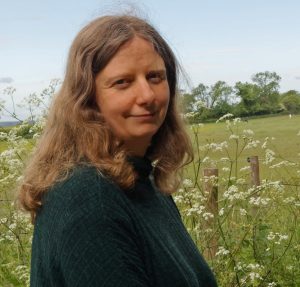
Ecologist and author, Adele Brand has devoted much of her life to studying foxes and has a wealth of knowledge and first-hand experience to share about these often misunderstood animals.


© Adele Brand

1. Can you tell us a little about your background and how you got interested in foxes?

The Surrey countryside is an education of its own. I grew up there, learning that the hills I loved were home to more than people. Foxes have always been around me: loping across roads at dusk, hunting for voles near the local horses, and every glimpse into their lives cemented my interest. Their vivid personalities, their incredible adaptability in coping with nearly any habitat, the complexity of their social lives – foxes always provide rich study material. I am now an ecologist who has worked with mammals from Mexican jaguars to Surrey dormice, but I continue to monitor my local foxes and the landscape in which they live.

© Adele Brand

2. People often have polar-opposite opinions of foxes: why do you think foxes evoke such an emotional response?

Foxes touch human emotions. Of all our wild mammals, they are the easiest to get to know as recognisable individuals, and observing the ups and downs of their lives builds strong empathy. Many people who feed and watch garden foxes give them names and feel that they are an important part of their lives. On the other hand, some people have a strong ideological view that foxes (and sometimes wildlife in general) simply doesn’t belong near civilisation. When foxes behave in ways which would be reprehensible in a human – killing multiple chickens, scattering rubbish, etc. – they are often judged as they are indeed human. In my experience, a person’s attitude towards the fox is likely to reflect their general beliefs about nature; someone who has experienced damage but considers wildlife of intrinsic worth is actually likely to be more tolerant than a person who dislikes them on principle but has never experienced harm.

© Adele Brand

3. If anybody wanted to observe foxes, how would they go about it and what equipment, if any, would they need?

To see a fox, to an extent you need to think like a fox: the voles, blackberries and rabbits that it seeks are particularly abundant in woodland edges and rough grassland. Foxes are very much creatures of edge habitats so scanning these places – plus hedgerows – with powerful binoculars (I use 10 x 50) is a good start. While foxes can be active at any hour, they are most frequently crepuscular, so dawn and dusk are good times. Fields that are intensively grazed or have heavy recreational pressure are less promising sites. I would also recommend a good tracking book because being able to identify fox footprints, fur and scat will greatly increase understanding of how they are using the landscape. Additionally, it is worthwhile to keep alert even in unconventional places for wildlife watching. I have often seen rural foxes while travelling by train, for example.

© Adele Brand

4. Do foxes pose any ‘real’ danger to humans and pets?

There is an undercurrent of concern about foxes posing a risk to people. It is worth remembering that they are smaller than they can appear at a distance and in general have no interest in approaching us. A fox that sits down and watches is not ‘bold’ or ‘brazen’; it is assessing the situation and will bolt for a gap under the fence if it feels threatened. That said, trying to ‘tame’ them with hand-feeding or encouraging them indoors can lead to problematic encounters. I would always encourage people to enjoy watching their local foxes, but also to keep them wild.

Pets are a mixed issue. Clearly, rabbits, guinea pigs and chickens need to be kept in secure pens. Cats and foxes typically ignore each other, but kittens and very elderly cats are more vulnerable to everything in the outside world.

© Adele Brand

5. Despite the best efforts of humans, foxes are survivors; however, do you think their future is secure?

Interesting question. The conservation status of red foxes globally is secure, but with caveats. Foxes have become extinct in South Korea due to poaching and habitat loss, while in the USA, the Sierra Nevada subspecies is critically endangered. There is some evidence that the British population is declining, although they remain widespread. They have survived the industrialisation of farming, but they are not unaffected by it. A rural landscape that has thick, species-rich hedgerows, wildlife margins in arable fields, and less fragmentation from development would benefit foxes along with many much rarer species.

© Adele Brand

6.While writing your book and observing foxes; was there one surprising fact or discovery that you didn’t know previously?

The unlikely relationship between foxes and Mediterranean hackberry: seeds from this plant germinate earlier and are much more likely to survive if they pass through the intestinal tract of a fox and are excreted in its droppings.

  1. Do you have any new projects in the pipeline that you’d like to tell us about?

At the moment, I’m continuing to study how foxes are affected by the changing land uses in the Surrey Hills. I’m particularly interested in how the intensity of grazing from livestock and horses changes their habitat use.

The Hidden World of the Fox
Hardback,  Oct 2019,  £9.99 £12.99

Adele Brand shines a light on one of Britain’s most familiar yet enigmatic animals, showing us how the astonishing senses, intelligence and behaviour that allowed foxes to thrive in the ancient wildwood now help them survive in our cities and towns.

Browse all our books covering Foxes, Wolves, Dogs and other Canids


Johns Hopkins University Press: Publisher of the Month

Founded 1878, Johns Hopkins University Press (JHUP) is the oldest continuously running university press in the United States.

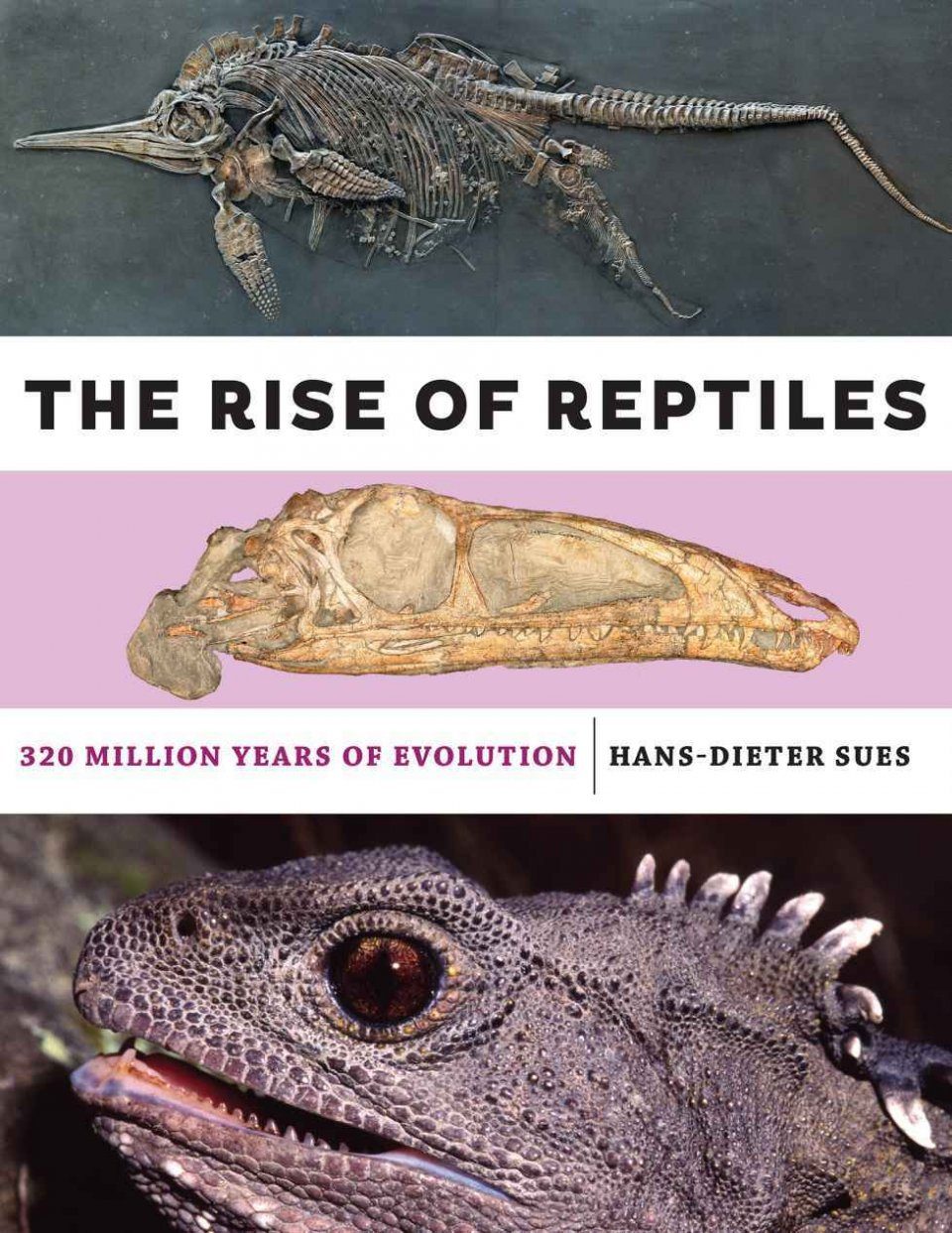
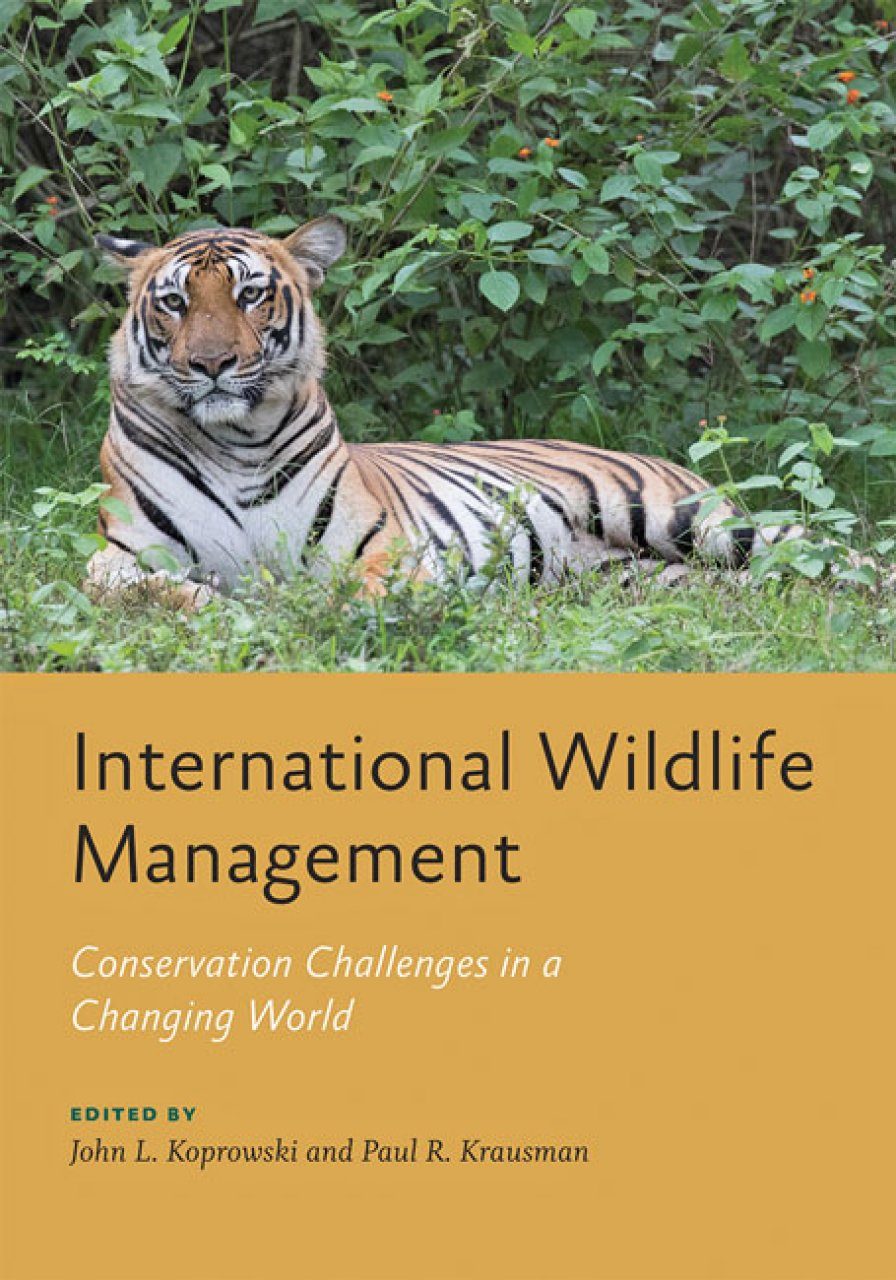
NHBS are pleased to announce Johns Hopkins University Press as our Publisher of the Month for October.  We are offering 20% discount on all their UK distributed books throughout the month; making this a perfect opportunity to explore their vibrant publishing history, recent works and some excellent forthcoming books for wildlife management and conservation, mammalogy, paleontology and evolution, ichthyology, herpetology and more.

Just Published and Forthcoming


The Rise of Reptiles: 320 Million Years of Evolution 247093                                       Tunas and Billfishes of the World 247149                                                                 International Wildlife Management Conservation: Challenges in a Changing World 246734

With new titles due in the Wildlife Management and Conservation series and Johns Hopkins Rise of.. series,  just published, there is plenty of new publishing for the end of 2019 to augment their recent bestsellers in conservation, ecology and natural history.

Bestsellers from Johns Hopkins University Press

Mammalogy: Techniques Lab Manual
Paperback| Dec 2018| £23.50 £29.50
Ideal for any mammalogy or wildlife biology course, this clear and practical guide aids students by getting them outside to study mammals in their natural environments.


Ospreys: The Revival of a Global Raptor
Hardback| April 2019| £23.50 £29.50
Celebrates the recent recovery of the species’; chronicles their spectacular long-distance migrations, and unveils their vital role in bringing life to coastal habitat.


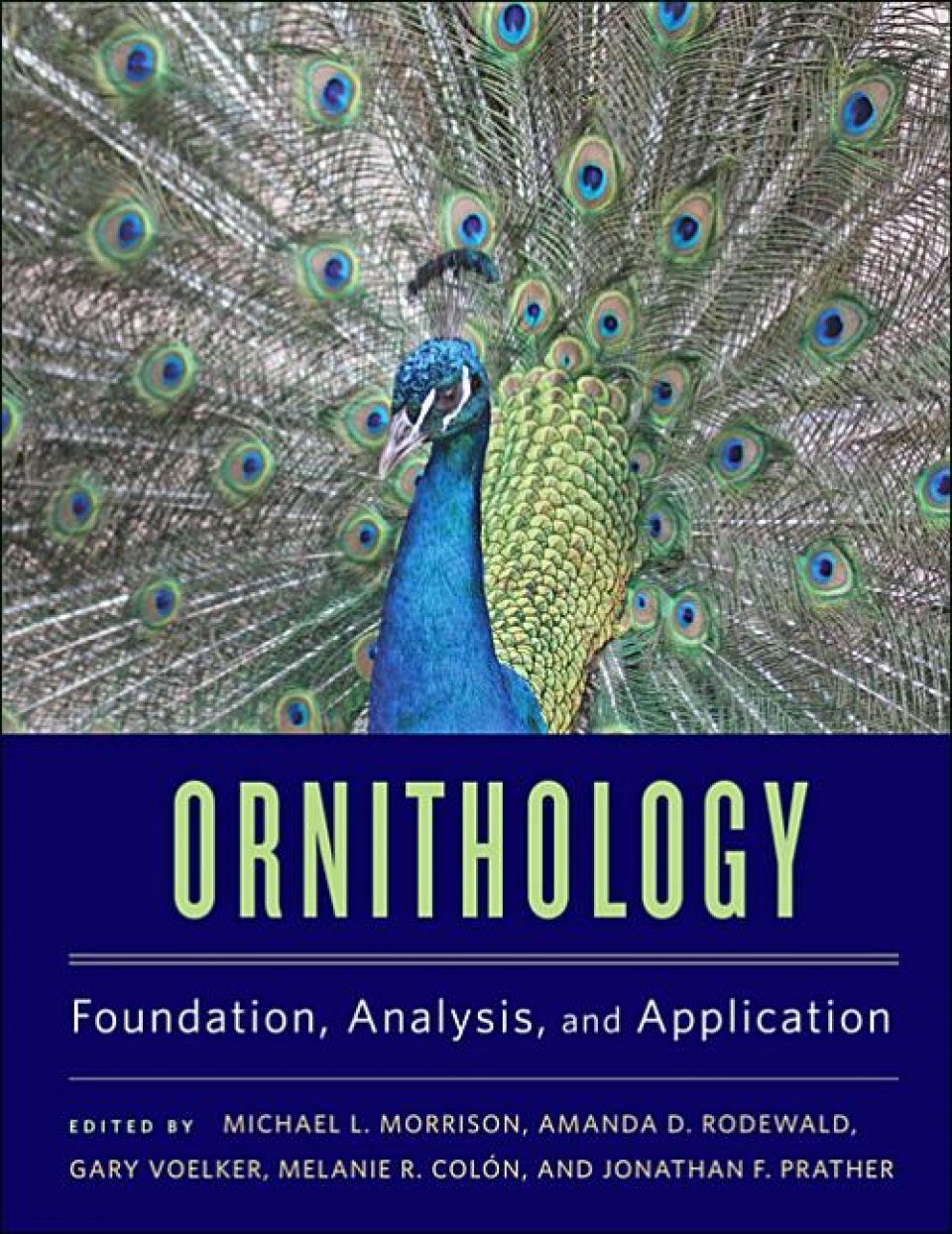
Ornithology: Foundation, Analysis, and Application
Hardback |Oct 2019| £64.50 £81.50
Provides a solid modern foundation for understanding the life and development of birds.


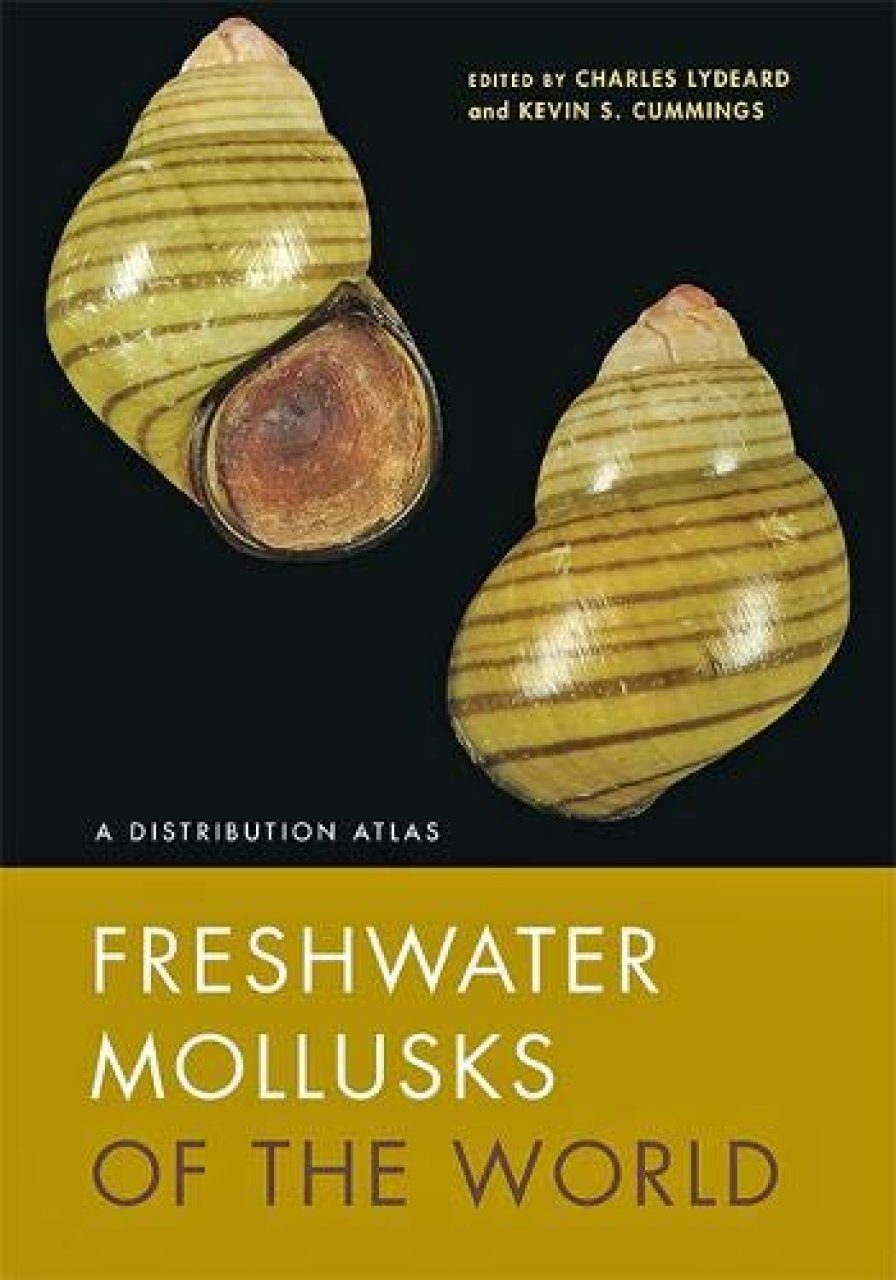
Freshwater Mollusks of the World: A Distribution Atlas
Hardback| April 2019 | £73.50 £92.50
The only comprehensive summary of systematic and biodiversity information on freshwater mollusk families throughout the world


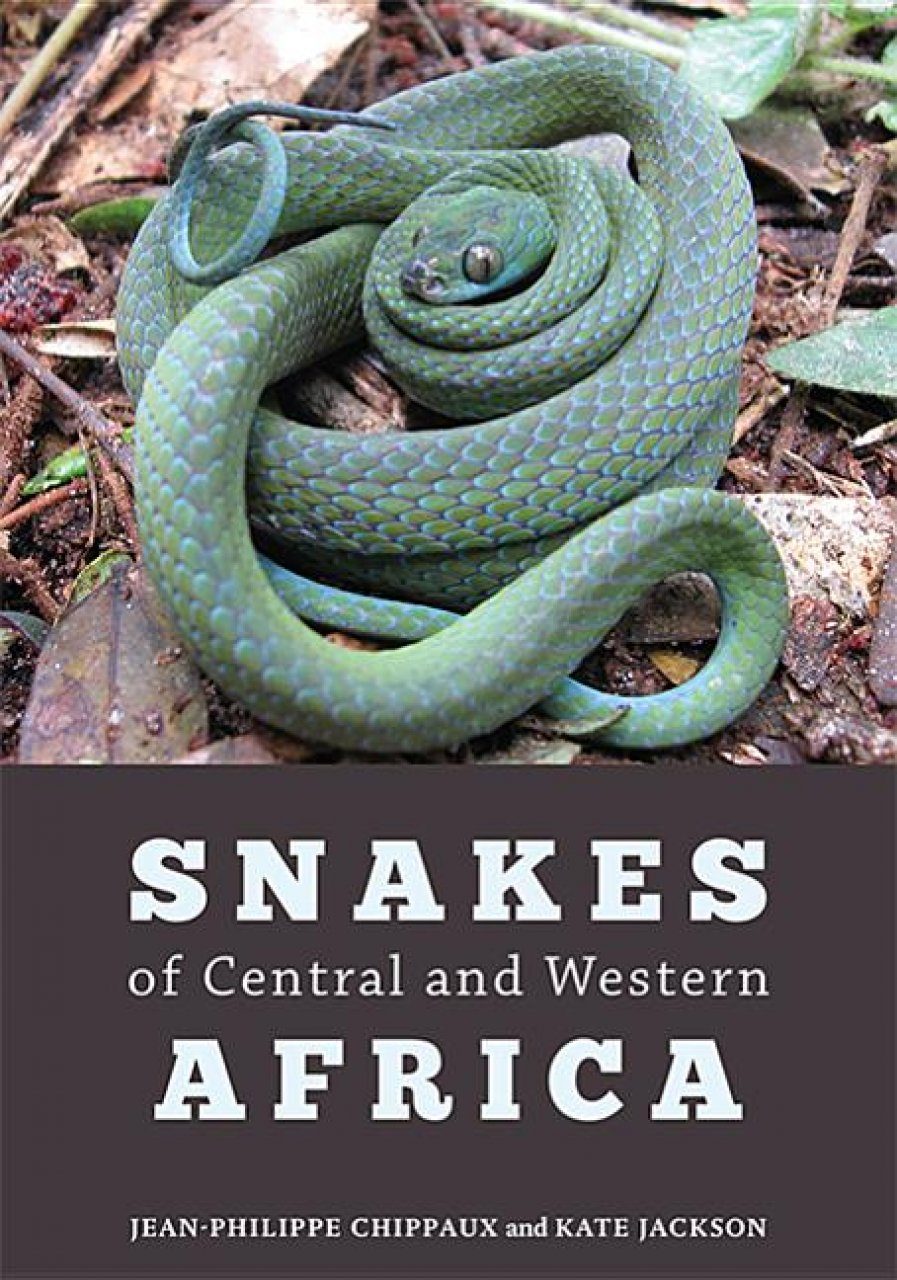
Snakes of Central and Western Africa
Hardback| July 2019| £49.99 £62.99
Temporarily unavailable: due back in stock November 2019


Browse all Johns Hopkins University Press Books

Johns Hopkins University Press is part of a great tradition of American university presses, such as: Yale, Chicago and Princeton whom seek to disseminate their work to a wider audience.

Daniel Coit Gilman, the first ever president of Johns Hopkins University Press puts their publishing ethos well in this quote; “It is one of the noblest duties of a university to advance knowledge and to diffuse it not merely among those who can attend the daily lectures but far and wide”.

Marjorie Blamey

Marjorie Blamey 1918 – 2019

We recently received the sad news that the prolific and talented botanical artist, Marjorie Blamey had died, aged 101.

Author and naturalist Peter Marren, looks back her achievements and her invaluable contribution to botany.


Marjorie Blamey, who died in September, aged 101, will be well-known to many as the artist of distinguished botanical field guides. Her paintings of wild flowers, trees and ferns are not only scientifically accurate but a joy to see in their fresh colours and lifelike arrangements. Her main aim, she once said, was to make plants look alive, and she achieved it by painting freshly gathered specimens, not, as many botanical artists did, by trying to breathe life into pressed ones.

Locating and painting around 2,000 different species for each field guide was quite a task. Marjorie and her husband Philip used to tour Europe in a motorised caravan, getting up at dawn to begin painting specimens gathered the previous afternoon, kept fresh in boxes lined with damp paper (at home she used the fridge or even the bath). In her prime she could get through a dozen watercolour paintings by lunch. Few botanical artists have worked so fast, and yet maintained such consistent quality.

Her big break was the Collins Guide to Wild Flowers of Britain and Northern Europe (1974) – known as ‘Fitter and Blamey’ – which was translated into many European languages and sold a million copies. It was followed by field guides to alpine flowers and Mediterranean flowers, vital identification guides to green tours ever since, and the large-format Illustrated Flora of Britain and Northern Europe (1989) which she wrote with her friend and mentor Christopher Grey-Wilson, and considered her best work. Her last field guide was the ambitious Wild Flowers of Britain and Ireland (2003) – or ‘Fitter, Fitter and Blamey’ –  whose 4,000-odd colour illustrations she completed at the age of 85 (adding yet more paintings to the revised edition ten years later).

Despite her extraordinary output, Marjorie came to botanical painting surprisingly late. Although she had shown obvious talent in her youth – where she also became an accomplished actress, photographer and, after the outbreak of the Second World War, nurse and ambulance driver – she had largely given up painting to run a dairy farm in Cornwall with her husband, by whom she had four children. She was in her 40s when she began to paint local wild flowers. A friend persuaded her to exhibit, and one thing led to another: a book of magnolias, followed by the first of her field guides.

Marjorie Blamey was modest about her talent. She seems to have loved the life of botanical travel, working all hours to complete her assignments. When you consider that the latest Collins Flower Guide took four artists a number of years to complete, and it took Keble Martin a whole lifetime to finish The Concise British Flora, her total of around 12,000 flower paintings for five major field guides, plus other work, begun in her 50s and ending in her 90s, is a record that will, I suspect, never be exceeded.

Marjorie Blamey 1918 – 2019

Peter Marren, 26th September 2019

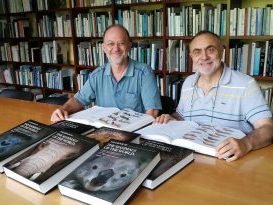
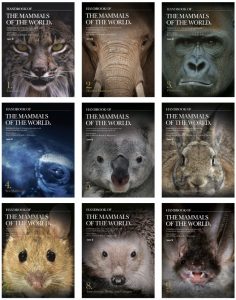
Handbook of the Mammals of the World, an interview with the series creators

The final volume in the Handbook of the Mammals of the World series will be published in October 2019.

The first volume was published over a decade ago and Volume 9: Bats completes this hugely important reference series to the mammals of the world.


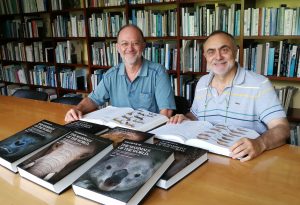
We asked publishers Josep del Hoyo and Albert Martinez to share their thoughts about the conception, production and fruition of this and the earlier Handbook of the Birds of the World series.
1. What inspired you to embark on the Handbook of the Mammals of the World series?
JOSEP: Well, in this case, our inspiration was very clearly the series’ predecessor: the Handbook of the Birds of the World (HBW). When we started on the Handbook of the Mammals of the World (HMW), we had already published 12 volumes of HBW and the results were encouraging, both in terms of enthusiastic reviews and commercial success. So, we thought it would be worthwhile to try to produce a sort of “sister series” covering all the mammals of the world. We saw it as natural that there should be a Handbook to properly treat all the animals forming part of the same Class to which we, as humans, belong. We were aware that while the number of professionals dedicated to mammals were high, that the number of amateur people interested in the group would be much lower than the equivalent public in birdwatching, so the series would be commercially riskier. But we were convinced of the project’s importance for science and conservation, so we decided to look for some support to make it happen.
We were extremely fortunate to find this support in the form of two Chief Editors for the series that were essential for its success. On one hand, celebrated primatologist Russ Mittermeier joined the project, bringing his own knowledge to the series, as well as achieving important funding, most notably from Conservation International, to get the project off its feet. Russ also enlisted the involvement of IUCN, International Union for Conservation of Nature, further emphasising the importance of conservation in the series, and drawing from the expertise of many of the IUCN Species Survival Commission (SSC) Specialist Groups.
On the other hand, Don Wilson, at the time Chairman of the Department of Vertebrate Zoology and Curator of the Division of Mammals at the National Museum of Natural History of the Smithsonian Institution, generously volunteered his time and effort to help the project, and this continued throughout the series in many different facets. For example, Don’s help was especially useful for finding and contacting the specialists to author the chapters, as well as for providing a strong taxonomic base with his book Wilson & Reeder (2005), Mammal Species of the World. A Taxonomic and Geographic Reference (3rd ed).
We are very grateful to both Russ and Don, and to the other Chief Editors and external supporters who made the project possible.

2. Volume 1 was Carnivores, a very charismatic order of mammals; when this was published in 2009, did you already know how many volumes the series would contain, and in what order they would be published?

ALBERT: We proposed Carnivores as an exploratory volume to study the viability of the project as we felt that it could be one of the volumes with the greatest interest for the readers.
When the first volume was published and once it was proven that the series was viable, we agreed shortly after with the Chief Editors, Don Wilson and Russ Mittermeier, on the total number of volumes in the series—eight—and their order. In the first preparatory meetings it was quickly decided not to follow a strictly phylogenetic sequence, and so, for instance, walruses, seals, and sea lions were treated along with the rest of sea mammals and not in the Carnivores volume.
The most important departure from the original plan was the need to split rodents into two volumes: Volume 6 and Volumes 7, in order to maintain the level of detail that had characterised the previous volumes. This decision was made after direct consultation with HMW subscribers (of 1840 respondents, 92% favoured two volumes). So, the series was extended from eight to nine volumes.

3. Could you provide a rough idea about how much hard work goes into publishing a single volume in the series?
ALBERT: The work is immense and summary numbers for the series are impressive (c.8000 pages, 443 colour plates, 5300 photos, 6400 range maps, 10,000s of references), as is the number of the people involved: 312 authors of texts, 10 artists, and more than a thousand photographers from all over the World.
The editing process for a single volume lasts between one-and-half and two years, it begins with the commission of the different families to the authors of texts and the plates to the artists. The in-house editing phase has lasted about a year in the last volumes. The first three volumes appeared with a cadence of two years, but from HMW4 on we have managed to publish a volume per year without fail.

4. Is there a certain family or order of mammals you are particularly fascinated by?
ALBERT: It is difficult to choose, but maybe Carnivores, Hoofed Mammals, or Primates. Also Marsupials as they are really exotic and give us a very clear idea of the big conservation threats that face island species or species with reduced ranges. Looking at the distribution maps you become very aware of the high number of species with tiny distributions and those that only survive thanks to strict conservation measures.

5. What challenges did you face along the road to completion of this series?
ALBERT: During the 11 years of editing the HMW series (2009–2019) and with so many people involved, we have faced all kinds of difficulties with authors, artists, and editors (illnesses, accidents… and even Brexit at the end!). Especially complicated has been the instability in the taxonomy with habitual last-minute changes in the final stages of the editing process (e.g. new species described, rearrangements in the sequence of the species due to improvements in the knowledge of phylogenies, etc), which have forced us to completely redo already laid-out families many times. Despite such challenges, I want to highlight the impressive enthusiasm and dedication which all the participants have shown for this project.
It is very rewarding to see the commitment and effort that many experts have put into the project, having themselves seen in the HMW series an important achievement in their field of work. The selfless collaboration that we have received from a multitude of specialists not directly involved in the project has helped us in many ways, like providing material to allow the artists to draw rare species.

6. What do you hope will be the legacy of the Handbook of the Birds of the World and the Handbook of the Mammals of the World series?
JOSEP: Since we finished the HBW series some years ago (2013), we now have a better perspective on what this legacy may be. We have some indications that show that HBW, which covered all the birds of the world for the first time ever, represents a “before and after” in knowledge and interest in birds. It is true that before HBW there was a good deal of interest in birds in parts of the world like Europe, North America, Australia or South Africa, but in many other parts of the world, including in Tropical Regions with the richest biodiversity, there was a clear lack of even the most basic information. So we think the existence of the series has helped a bit to balance this situation, and has been an influence so that now many more people are interested not only in birds of their own country, region or local patch, but also at the global level, which we are convinced is good, eventually, for conservation.
With the HMW series, which we are just finishing now, we think similar effects will appear. While with birds the interest across the families was more or less regular, mammals have an added complication that some groups receive much more attention than others. So we think that the volumes dedicated to groups like rodents and, especially, the last one dedicated to bats, will be important for bringing together the knowledge that was much more disperse and less accessible, in a single, comprehensive treatment. This will also show where there are still gaps in the knowledge to encourage further study.

7. How do you feel about the imminent fruition of over ten years of publishing the Handbook of the Mammals of the World series – do you have any new projects in the pipeline that you can tell us about?
JOSEP: Well, we have several big projects that we are studying carefully, but we are also aware that the number of people interested in other groups of biodiversity is many times smaller than those interested in birds and even in mammals. But a number of good possibilities do exist, particularly if there is an awareness that such coverage gives a push to the knowledge and conservation of the group.

Meanwhile, we are still very busy with birds and mammals. For birds we published the HBW and BirdLife International Illustrated Checklist of the Birds of the World in two volumes and we are already working on the equivalent illustrated checklist for the mammals. Also, given the important patrimony we hold of the illustrations of all the birds of the world, we have started the Lynx and BirdLife International Field Guides Collection, which is producing good results, and we hope we can pursue a similar line with mammals. In this way, the two Handbook series can help us create field guides to countries for which they are none, thus, raising awareness and knowledge, which in turn can lead to greater local conservation.

HWM, Volume 9: Bats and the complete Volumes 1 to 9 are available at a special pre-publication price until the end of September
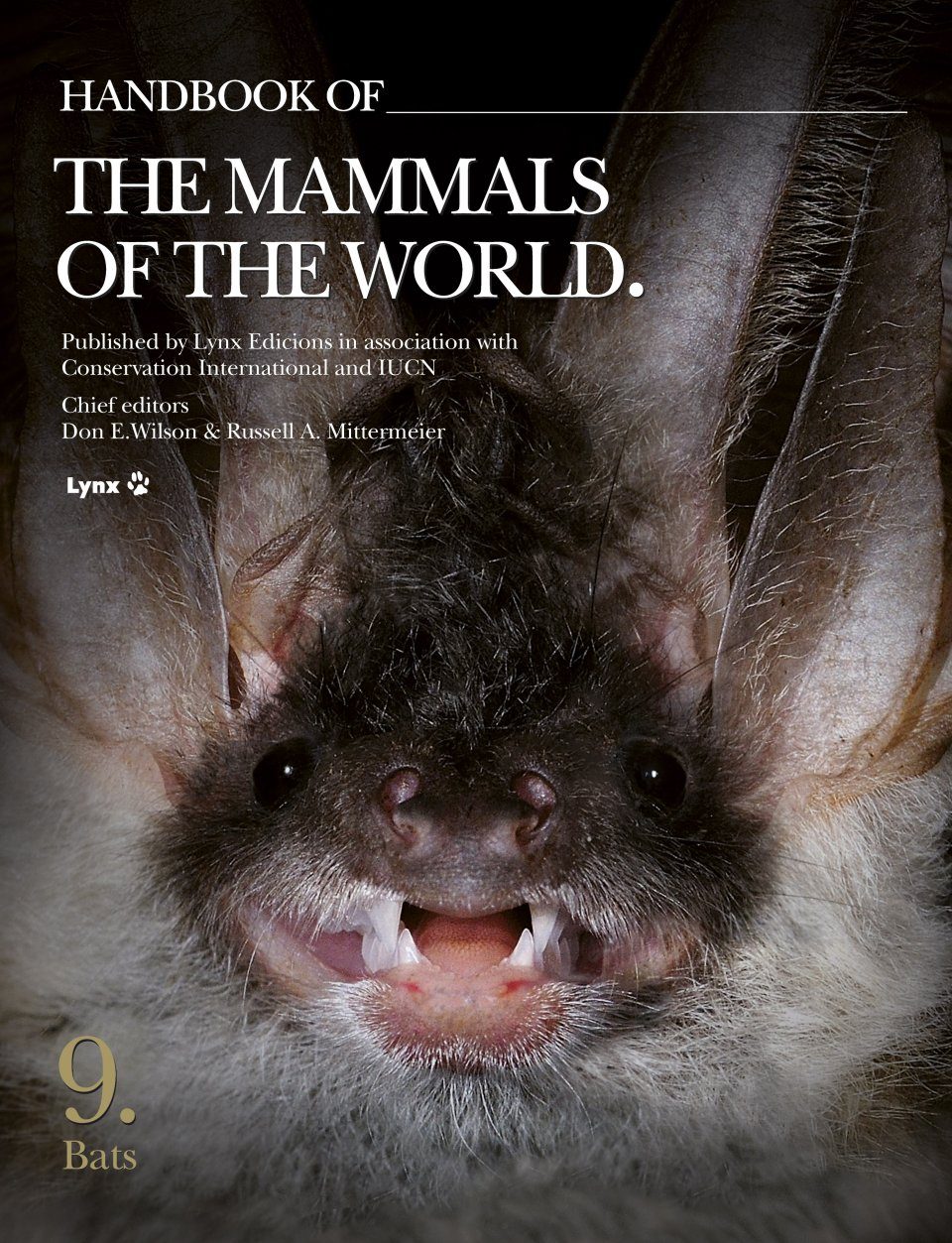
Handbook of the Mammals of the World, Volume 9: Bats
Oct 2019 *124.99 £144.99
The final volume in this monumental series profiles the world’s bat fauna.

*Pre-publication price applies to orders until 30th September 2019


Handbook of the Mammals of the World, Volumes 1 to 9
Oct 2019 *999.00 £1250.00
The whole set for under £1,000: this offer is available for a limited time only..

*Pre-publication price applies to orders until 30th September 2019


Browse all volumes in the Handbook of the Mammals of the World series
Browse all volumes in the Handbook of the Birds of the World series