Oxford University Press are NHBS’s Publisher of the Month for September.
Founded in the mid-17th Century, Oxford University Press (OUP) have published some of the most influential environmental books. Nearly 400 years later, OUP continue to release important works as the largest university press in the world.
Oxford University Press, highlights and forthcoming in 2020
We have great prices on selected bestselling professional and academic titles from OUP until 31st September and have showcased our top ten below:
Handbook of the Marine Fauna of North-West Europe
Edited by: Peter Joseph Hayward and John S Ryland
Paperback| Feb 2017| £42.99£52.99
Authoritative guide to the accurate identification of the common components of the inshore benthic invertebrates of the British Isles and adjacent European coasts.
Essential Ornithology
By: Graham Scott
Paperback | September 2020| £27.99£34.99
This concise introduction to ornithology returns in a second edition, highlighting new developments in the avian fossil record, urban ecology, and climate change.
The Biology of Soil: A Community and Ecosystem Approach
By: Richard D Bardgett
Paperback | September 2005| £34.99£43.99
Part of the excellent Biology of Habitats Series which provides information on the habitat, its biodiversity and the types of organisms present
The Sensory Ecology of Birds
By: Graham R Martin
Paperback | Feb 2017| £33.99£36.99
Ranges widely across species, environments, and behaviours to present a synthesis that challenges previous assumptions about the information that controls the behaviour of birds.
Biology and Conservation of Musteloids
Edited by: David W Macdonald and Christopher Newman
Paperback | Oct 2017| £37.99£47.49
Suitable for graduate level students as well as professional researchers in musteloid and carnivore ecology and conservation biology.
Wildlife Conservation on Farmland (2-Volume Set)
Edited by: David W Macdonald and Ruth E Feber
Hardback | July 2015| £85.99£107.50
Examines the most important challenges facing farmers, conservationists, and policy makers, using examples of real-life, linked studies from a farmed landscape
The Agricultural Revolution in Prehistory: Why Did Foragers Become Farmers?
By: Graeme Barker
Paperback | Jan 2009 | £44.99£54.99
Addresses one of the most debated and least understood revolutions in the history of our species, the change from hunting and gathering to farming.
Bumblebees: Behaviour, Ecology, and Conservation
By: Dave Goulson
Paperback | Sept 2009 | £39.99£50.99
An excellent review of bumble bee biology and behaviour by leading bumblebee biologist, Dave Goulson
Birds in the Ancient World: Winged Words By: Jeremy Mynott
Paperback | April 2020 | £13.99£16.99
The many different roles birds played in culture: as indicators of weather; for hunting, eating and medicine; as pets and entertainments; and as omens and intermediaries between the gods and humankind.
Who We Are and How We Got Here: Ancient DNA and the New Science of the Human Past By: David Reich
Paperback | Feb 2019 | £8.99£10.99 Ancient DNA is rewriting most of what we thought we knew about human history. David Reich explains what the genetics is telling us about ourselves and our complex and often surprising ancestry.
The Gratis Books Scheme
One of our most rewarding collaborations with OUP has been the Gratis Books Scheme. Since 1999, with support and assistance from the British Ecological Society, this scheme has been sending free copies of books to conservationists in developing countries who would otherwise be unable to obtain them.
Iolo Williams was born and brought up in mid Wales. After gaining an ecology degree he worked for the RSPB for almost 15 years as Species Officer for Wales. In the late 1990s Iolo left the Society to work full-time in the media, presenting in both Welsh and English. He co-presented Springwatch 2020 and is a tireless campaigner for wildlife and conservation.
We caught up with Iolo and asked him a few questions on: lockdown, rewilding, Brexit and the future for nature.
Wales has a variety of landscapes and environments; do you have a favourite habitat?
With Chris Packham in the Cairngorms
I was born and brought up in mid-Wales and grew up in a small village called Llanwddyn (Lake Vyrnwy), which was a fantastic area with a mixture of habitats. But, where I am happiest really is up on the high ground: up on the mountains, up on the moorland, enjoying not just the solitude and the scenery, but some of the amazing wildlife, such as: black grouse, merlin and hen harrier. You have also got sundews, butterworts, and bog asphodel; all amazing and well adapted to these harsh conditions. So that’s where I’m happiest really – when I want a day by myself, away from everyone, that’s where I head for.
Do you think ecotourism and nature capital have a role to play in wildlife conservation?
Iolo with two rare Welsh clearwing moths
I think ecotourism is absolutely vital for the future survival of our wildlife and our habitats, and ourselves too. It’s only when we educate people, it’s only when people see what’s out there, it’s only then that people grow to appreciate it and will then fight to ensure that it survives for their children and for future generations. So, I do believe it’s a vital part of conservation and education.
But of course ecotourism does involve travel, which is a dilemma. I travel a lot less than I used to and off-set it as much as I can, but I learned a lesson whilst visiting Chitwan National Park in Nepal and lamenting my carbon footprint involved to get there. The head ranger heard me and said, ‘Listen, if you didn’t come here, there wouldn’t be a national park. The government wants the wood, wants to log these trees you see here. It wants to drain this wetland to grow cash crops. But it’s only because of the money you bring in that we are able to protect and enhance this national park: the Indian one-horned rhino, the Asiatic elephant, the tigers and all the other wildlife that’s here.’ So, it is a dilemma, but to stop that overnight would be disastrous for wildlife worldwide.
The pros, do out-weigh the cons – as long as we are sensible about it; we need to stop needless travel, we need to utilise public transport wherever we can, and in a rural area like mid Wales it’s often not even possible – more often than not I have to take the car. A change must come from individuals, but more than anything the change has got to come from government – we need a better public transport system.
Ecotourism can also provide sustainable jobs. I’ve just come back from Mull; the eagles bring in a huge amount of capital every year. Mull would probably grind to a halt without ecotourism. Yes, you have agriculture there and farming, but by far the biggest employer in Mull is green tourism. People come to Mull to see eagles, to see otters, to see minke whales, basking sharks, and all of these charismatic species. Morally, we shouldn’t have to put the economic argument forward, we should be looking after wildlife for its own sake. But when you are dealing with developers and ministers, you have to put the economic argument forward.
Are you a supporter of rewilding and do you think it is a sustainable use of land?
Hen harrier chick in the nest
I am in principle, but say ‘rewilding’ to a lot of people and they say, “ah, they’re going to bring back wolves and bears, and I don’t want wolves and bears. My children will be mauled” etc. While that’s not true it’s also not true that’s what rewilding is all about. It’s really about the restoration of habitats, it is about what Isabella Tree and her husband have done at Knepp, which works fantastically well. Places like the Cambrian Mountains have fantastic wildlife like pine martens, goshawks, red squirrels etc, but vast areas of the Cambrian Mountains are a green desert. So, the potential for rewilding; just a few trees, maybe restoring the lost peat bogs etc. is vast and the knock-on effects for capturing carbon and preventing flooding all makes so much sense. But of course, the people in power want to make more money for themselves and their acquaintances and a lot of them don’t want to consider embracing this approach.
Does Brexit and the end of the Common Agricultural Policy (CAP) present any opportunities?
Firstly, I voted against Brexit, I think it will be an unmitigated disaster. It was the tabloid papers stirring the pot of xenophobia that prevented the real issues being properly discussed. Most of the farmers around me here voted for Brexit because they were fed up with what they saw as European bureaucracy. Of course, now the reality is biting, many farmers I speak to now wish they hadn’t, especially now as their MP has voted to allow cheap, low standard foods from the US into the country. Despite what we sometimes read, the food standards in the UK are very high and to lower those standards is stabbing farmers in the back.
However, in the long-term Brexit can offer an opportunity. If we had a better government in power, I would be optimistic about those opportunities because there is no doubt the CAP has been a most destructive policy from an environmental point of view. It really should have been reformed at least twenty years ago and now is an opportunity to do that, but with the current government’s track record with the environment makes me believe not much will change. We are up against a very powerful agricultural lobby. The big fertiliser companies, the big pesticide companies, the big machinery companies all of these are a massively powerful lobby and this government will listen to their argument not the environmentalist’s.
Has lockdown presented people with an opportunity to connect with nature?
I hear people saying how wildlife benefitted hugely from lockdown, and I think temporarily it did. One simple example is far fewer hedgehogs killed on the roads, of course now lockdown is eased I’m seeing dead hedgehogs on the roads all over again. Also, roadside verges not being mown or mowed late had a knock-on effect that was huge!! Flowers, bees, butterflies all in abundance. Some councils have seen this, taken note, and said – okay fantastic, we are going to reduce mowing from now-on. Others have carried on mowing and mowing, which is an absolutely dreadful policy for wildlife. Lockdown has really tested people, especially from a mental health point of view, but during lockdown the birds, flowers and butterflies have brought so much joy to families. Nature has been there for us through this traumatic time and we must remember that when these restrictions are over.
The one long term benefit I’m hoping lockdown will have is that a seed has been planted in a lot of youngsters and adults where they will think: remember last year when we walked this lane and there was all those flowers and we saw that lovely white and orange butterfly, let’s go and see if it’s all there again. So, hopefully for many people that seed has been planted.
Discover Iolo’s favourite ‘Wild Places’ in these two titles from Seren Books
This comprehensive, clearly illustrated field guide, looks at all 815 bird species of Malaysia and Singapore. The main identifying features of each species are described and key facts cover size, voice, range and status and habitat. Distribution maps provide a view of where the birds can be found. The book also includes information on taxonomy and nomenclature, the breeding cycle, migration, conservation and key bird-watching sites of the region. This guide is essential for any naturalist interested in this region of the world.
Recording and observing such a rich diversity of birds, with over 800 species of birds including endemics in abundance is a huge undertaking. How does such a daunting project come to fruition? We asked contributors: Lim Kim Seng, Yong Ding Li and Lim Kim Chuah to answer some questions about themselves and the creation of A Field Guide to the Birds of Malaysia & Singapore
Can you tell us a little bit about your backgrounds within ornithology and conservation?
Lim Kim Seng
Kim Seng– I started birding when I was about ten years old. I grew up in a family farm in Sembawang, in the northern countryside of Singapore. Together with my four other brothers, we explored the streams, hills and swamps and grew to love nature. One day, I saw a large kingfisher with a brown head, bright red beak and blue wings. It was my first Stork-billed Kingfisher and I was hooked. I was able to identify it through a book that I found in our National Library Natural History Section. Five years on, I joined the then Malayan Nature Society (now Nature Society (Singapore)) as a student member and just four years later, I led my first official society birdwatching outing at Rifle Range Road, together with my other birding brother Kim Chuah. With the help of other dedicated members, I learned a lot and was able to play my part in nature conservation, documentation, research and outreach, and have been an active member since then.
Yong Ding Li
Ding Li – I have been birdwatching since my primary school days, after finding what I later discovered, to be Magpie Robins near my home in Kuala Lumpur. Subsequent visits to the mangroves of Kuala Selangor introduced me to the colourful world of birdwatching. Through various research projects, I have professionally studied birds in diverse settings ranging from Malaysian rainforests and the mountain forests of Sulawesi (Indonesia), to Australian woodlands. I now work full-time for BirdLife International, coordinating projects on bird conservation in Southeast Asia.
Lim Kim Chuah
Kim Chuah – I grew up in a farm in rural Singapore in the ’60s and the surrounding woodlands and marshes were my playground. During my many sojourns into the wilderness, I started to notice some of the birds that lived around me – White-breasted Waterhen, Yellow-vented Bulbul, Common Tailorbird etc. That’s how I became interested in birds and it became my life-long passion. I’ve been volunteering in the Bird Group of the Nature Society (Singapore) since I was an undergrad. I participated in many of the birdwatching activities organized by the Bird Group including regular bird census and bird surveys. The data we collect helps towards a better understanding of birdlife in Singapore and is useful in building our case for better protection of habitats in Singapore.
How long has this project been in the making?
Kim Seng – My friend Dana Gardner, the illustrator of this book, got me interested in doing another book. We had successfully collaborated on a first field guide to the birds of Singapore in 1997 and were keen to work together again. Dana had a friend who was a publisher and we decided to a do a single volume field guide to the birds of the whole of Malaysia, since none existed. This was in 2010. Unfortunately, our publisher pulled out not long after that and we were left stranded. Luckily, through my fellow collaborators – Kim Chuah and Ding Li – we managed to get John Beaufoy interested in our project. A contract was signed in 2016 and as they say, the rest is history!
What was the biggest challenge in creating this field guide?
Kim Seng – Each of us had different ideas on how to do the book and also other personal commitments. We as the writers also had to contend with differences in writing styles. Luckily, we decided to stick with a standard format, came up with a list of who was writing what chapters and what bird families and managed to more or less stick to our deadlines. Another challenge was the impressive work done by our illustrator. He had to do illustrations of all 829 species all by himself. To ensure accuracy, he would send us completed plates for comment, and we duly responded if changes were needed. Not an easy task, as we were based in Singapore and he, in the USA.
What features do you hope will make your field guide stand out from any others?
Kim Seng – This book is compact and contains all the necessary information you need to identify any bird species you see in the listed countries. The text is crisp and the illustrations accurate and there is also a detailed site and habitat guide to get birders to the most interesting places quickly and see those fascinating birds, based on the authors’ many years in the field.
Have the travel restriction due to COVID – 19 presented any threats or opportunities for the avifauna of Malaysia and Singapore?
Kim Seng – Well, COVID-19 has placed tremendous restrictions on travel in both Malaysia and Singapore. You could bird in certain areas but only with social distancing and other safe practices in place. Initially, we could only look at the birds from our balconies or backyards but this was an opportunity for some of us to study some of the neglected urban birds and understand a little better. I actually published two blogs based on my observations of urban birds from my balcony! In the last couple of months, restrictions have been eased and we are allowed to go birding in our favourite birding places, but I’m still waiting for the day when I can travel freely and bird in Malaysia again.
Do you think eco-tourism is beneficial to conservation?
Kim Seng – Definitely. I believe ecotourism brings a lot of attention to the tremendous beauty and biodiversity of the natural habitats in both countries. It also brings revenue and employment opportunities to the local community who in turn will help to protect these wonderful places for a long time to come.
What in your view are the best reasons to visit Malaysia and Singapore if you are a birdwatcher or an ornithologist?
Kim Seng – Three reasons – good birds, good food and good company. All three are never in short supply in these two amazingly friendly countries. The people are generally very friendly and the variety of local food is really incredible. Of course, the fascinating diversity of birds, with over 800 species of birds and Bornean, Peninsular and Sunda endemics in abundance are dreams to savour for birdwatchers and ornithologists alike.
Are you working on any other projects you can tell us about?
Kim Seng – I am currently working at putting up an adult learner’s module or course on “Birdwatching for Beginners”. It’s something I had worked on in the past and I want to continue my work in getting people of all ages interested in birdwatching as I believe it is a healthy and useful pastime. It should be fun as there are outdoor trips as well.
Ding Li – I am currently working with a team of designers to develop a board game on the migratory bird species of Asia. Such a concept to promote bird conservation has not been done in this region, so I am quite excited to see the final project materialise. I am also working with a team of international researchers to review the state of all of Asia’s migratory birds. If all goes well, this will be published in early 2021, and will bring together lots of new insights from all over the region and how migratory birds can be better conserved.
Kim Chuah – I am currently organising the 36th Singapore Bird Race. It will be interesting to see how we can organise the race during this pandemic. We will use the social media and available digital tools to make the race as exciting as in previous years. I am also working on action plans to better protect and conserve the critically endangered Straw-headed Bulbul in Singapore.
A Field Guide to the Birds of Malaysia & Singapore
By: Lim Kim Seng, Yong Ding Li, Lim Kim Chuah, Dana Gardner(Illustrator)
Paperback | August 2020| £19.99£24.99
A fully comprehensive field guide to the 815 bird species of Malaysia and Singapore. Published by: John Beaufoy Publishing
All prices correct at the time of this article’s publication.
The orchard has been a traditional component of the British landscape for many centuries. However, subsidies have led to the destruction of older traditional orchards to make way for more intensive farming and now only a fraction remain.
The value of these orchards for wildlife has long been underestimated. Ben Macdonald and Nick Gates spent years visiting a traditional orchard across all seasons observing its imperilled and overlooked abundance of life.
Ben and Nick have taken time to answer our questions about their book and this remarkably fertile habitat.
Could you tell us a little about your backgrounds?
Nick Gates
Nick Gates (NG): I grew up in West Sussex, and could usually be found building a dam across a stream or out catching grasshoppers and slow worms on the Ashdown Forest somewhere. I ended up reading Natural Sciences at Cambridge and, similar to Ben, have now found myself making wildlife documentaries. But I adore spending time in the field, and am forever looking for new areas to explore, new behaviours to interpret and new species to learn about.
Benedict McDonald
Benedict Macdonald (BM): I grew up north of Bristol, and my fascination with nature began with raising butterflies at school, which then took me onto my great passion for birds. I took a different route to Nick, studying English at Oxford to improve my journalistic skills before moving into the natural history film industry. The love of birds remains – and it was indeed the search for breeding lesser-spotted woodpeckers for the BTO’s Bird Atlas that, one magical morning, led me to the Orchard.
Where did the motivation for this book come from? Are Orchards a subject that you have been wanting to write about for some time?
NG: The project actually started as a photographic record, nest-box project and field diary. We certainly didn’t envisage when first visiting the orchard that one day we’d be able to convert our passion for it into a book. As the years went by, and we uncovered more of the orchard’s stories each season, we realised we had built up a library of magical stories about this special place – and the book idea was born.
You divided the book into chapters by each month; was this something you planned all along and why did month-by-month fit the narrative of the orchard so well?
BM: As any pair of naturalists will tell you, the skills you have are similar but often complimentary. In January, for example, much of the expertise lies in tracking small mammals around the orchard, and reading prints etched in the snow – one of Nick’s favourite past-times. May is all about birdsong and concealed nests, and spoke deeply to my own love of birds. But make no mistake – every month is special in the orchard. The players are always on the move.
NG: Having spent six years visiting the orchard across all seasons, it was clear that its stories were deeply rooted around the lifecycles of the apple and perry pear trees – which themselves have a very defined year. Once the book idea became a reality, it seemed the most natural way to introduce our audience to the orchard world. As Ben and I both often travel abroad on our respective filming trips, it also worked really well when dividing the chapter structure, as we each had unique experiences from certain months that we wanted to share.
The neighbouring orchard is run intensively and very differently to the orchard you studied; what would you say are the practical advantages of being less intensive?
NG: The major benefit appears to be maintenance. Spraying an orchard many times a season requires expensive inputs in machinery, as well as the manual labour required to continually prune each tree to a very defined shape to make the spraying as efficient as possible. In an unsprayed orchard, many different age classes of trees can thrive alongside each other. If an elderly tree is lost to a storm, it is easy to leave some of the deadwood and replace it nearby with a new young specimen. But the biggest benefit is that with an intact food chain, your costly pesticide inputs are replaced with spotted flycatchers and redstarts, which arrive for free each year and willingly hoover up all manner of insects that enjoy nibbling fruit trees!
BM: The summer migrants are critical to the success of the orchard – but the residents play an invaluable role. Throughout the winter, various species of tits, finches and woodpeckers, especially lesser-spotted, are all rooting out potentially harmful insects from the bark of the orchard’s trees. And as Nick puts it, treecreepers act as tree ‘dentists’, removing lots of tiny insects that could eventually end up reducing the lifespan of the trees.
The orchard you observed rewarded you with plenty of surprising stories and scenarios. Was there one single episode that stood out for you?
BM: For me, it was when we finally solved the mystery of the goshawk’s larder. Our generation has grown up with the idea that goshawks are limited to big woods and often those dark, silent plantations. The idea a goshawk could be hunting our orchard didn’t even occur to us at first, even after we found pheasant after pheasant neatly plucked. It was only when the pair decided to display right overhead one March that, like an Agatha Christie novel, it all came together.
NG: I have been out in the field looking for interesting stories in the natural world for as long as I can remember, so it is always rewarding coming across something unexpected. The best thing about the orchard, is that this just seems to happen so regularly! But if I had to single out one, I’d say my biggest surprise was the day I excitedly returned to photograph the coal tit family nesting in a pear tree, only to find the entrance to their nest firmly blocked with a rather unfortunate wood mouse. Having most likely scoffed the nest contents, it couldn’t fit back through the hole it had entered through. It was one of the most extraordinarily bizarre things I’ve yet chanced upon in the natural world.
Do you think a separation from the EU’s Common Agricultural Policy (CAP) can create any opportunities for wildlife and biodiversity?
NG: Yes. The CAP model has ample opportunity for reform, and I hope that this is reflected in whatever system is adopted post Brexit. A model that rewards land owners for improving the biodiversity on their land is long overdue, as is a system that recognises carbon capture. There are certainly massive opportunities for British biodiversity – it is now up to those in positions of decision making to ensure they chose the correct advisers to inform these new policies.
BM: The Common Agricultural Policy has paid for enormous destruction of the countryside, and even models such as orchards that should be profitable to farmers – not just wildlife. In my view, we actually need a specific orchard subsidy. It seems mad that we can continue to pay for sheep grazing to denude hillsides and accelerate the flow of water off the hills, yet we cannot pay our farmers to grow apples. But this subsidy has to happen soon: orchards are vanishing fast.
Installing a wildlife pond is often sited as being the best way to add biodiversity to a garden; for those lucky enough to have the space, would you recommend planting an orchard for a similar reason?
NG: Absolutely. With something like a pond, you tend to see the rewards within just a few months of installing it, as the first newts and dragonflies arrive to breed in the new water source. Whilst fruit trees can take a few years to start blossoming and become increasingly valuable for your local wildlife, they mature incredibly quickly relative to most other tree species. Apples and pears are usually producing blossom and a crop in five to seven years, and by 40 years of age are well on their way to becoming an ‘ancient orchard’. Also, fruit trees, particularly those grafted to dwarf rootstock, don’t actually need a lot of room – and considering it only takes half a dozen trees to be called an orchard – most public green spaces could host a small wildlife orchard that would be of great help to local biodiversity.
After a well-earned rest, are there any plans or works-in-progress that you can tell us about?
NG: Ben and I have a few ideas for co-authored projects in the future but our next respective titles will both be individually written. I am currently working on a book about an urban wildlife garden…watch this space!
BM: As I approach the end of writing my third book, Cornerstones – for Bloomsbury (published January 2022), I have to be honest that a writing break is in order. Both writing and publicity are fantastic to be involved in but they do take a lot of time. Perhaps I can put my feet up and read Nick’s wildlife gardening book!
Ben Macdonald and Nick Gates spent years visiting a traditional orchard across all seasons observing its imperilled and overlooked abundance of life. If we can favour traditional methods and harvesting, the benefit will not only be for wildlife but for people too.
All prices correct at the time of this article’s publication.
CIEEM’s summer conference this year discussed the urgent need to address the interlinked climate emergency and biodiversity crisis for the sake of the planet, the species and habitats it supports and for future generations. Due to lockdown and social distancing restrictions, the conference took place online, with speakers and participants attending from their homes via Zoom.
Wildlife Equipment Administrator Claire Graham attended the conference and has summarised her experience of the event and the talks below.
Logging into Zoom to take part in my first online conference, I couldn’t help but wonder if this is going to be the future of large events for a while… But, given the topic of the CIEEM conference ‘Climate and Biodiversity Crises: Professional Approaches and Practical Actions’, maybe there are positives to this! Certainly, creating a way to hold important conferences, without the need for everyone to have to travel (often long distances by plane or car) has its upsides.
So, with everyone speaking and listening from home, the day began with an introduction from Max Wade, the president of CIEEM. Following a quick mention of the unusual circumstances being dealt with by everyone this year and a reference to the growing importance of issues such as climate change and biodiversity loss, it was time for the first talk.
Diana Pound from Dialogue Matters opened with the keynote presentation: ‘Seize this Moment and Get Fresh Momentum’. She took us straight into a positive and inspiring talk, encouraging people to shift from an attitude of fear and doubt to one of optimism and hope. Diana asked us to highlight strengths instead of problems in conversations and dialogue, as a more effective way of motivating people to change, rather than focusing on everything that is being done wrong. Diana stated that the world is starting to wake up and a recent survey showed that 97% of those surveyed thought climate change was serious and 70% thought it was very serious. It also showed that 77% of people believe we should make as many lifestyle changes to stop climate change as we are doing to stop Covid-19. Overall, we were reminded to remain hopeful and be inspired to action; a quick poll demonstrated the power of this.
This led us into the next talk by John Box (from the CIEEM Action 2030 group) which discussed the actions that CIEEM are taking to deal with the interlinked climate emergency and biodiversity crisis. He provided lots of advice about offsetting carbon emissions and explained that CIEEM aim to achieve net zero carbon emissions in all its activities by 2030. John also emphasised the importance of environmental organisations sharing knowledge and building relationships.
Penny Anderson (a member of the Action 2030 group and Ecological Restoration and Habitat Creation SIG) followed with a talk about ‘Habitats and Carbon, Storage and Sequestration’. She explained that, to meet the latest 2050 net zero target, the Committee on Climate Change have recommended tree planting, peatland restoration and green infrastructure. Penny explained that around half of emissions from human activity are absorbed by land and oceans and the rest in the atmosphere. Surprisingly, there is globally 3-5 times more carbon in soils than in vegetation and 2-3 times more than in the atmosphere. All semi-natural habitats hold more carbon than arable or improved grassland and these types of habitats are also better for biodiversity. Therefore, we need to concentrate on diversity within habitats and not just think about trees; there is a simultaneous need to protect remaining habitats and minimise losses in soil while also undertaking habitat creation or restoration.
The next talk was by Ben McCarthy, the Head of Nature Conservation and Restoration Ecology with the National Trust. He explained the role the National Trust are going to play in the climate change and biodiversity crises, as well as the challenges they face as the largest land-owning NGO in Europe. Ben explained the organisations plan to repurpose farmland and create 20,000ha of new woodland and 25,000ha of new priority habitat, including restoring peatlands – a big challenge, but one they are determined to achieve! The National Trust recognise the significance of their land which is home to 44% of UK species including 737 that are threatened with extinction. Half of their properties have priority habitats that are highly sensitive.
Continuing on the subject of peatland restoration, the next talk was by Clifton Bain from the IUCN Peatland Project Programme. His talk on ‘The Peatland Code: Business Funding and Environmental Assessment’ discussed the importance of peatlands and their many benefits and gave an overview of the Peatland Code. The Peatland Code is a voluntary certification standard that helps to gain funding for peatland restoration projects by giving assurance to buyers; they fund the projects in exchange for climate benefits and mitigation. He compared the ecosystem services in healthy vs damaged peatland and discussed how damaged peatlands emit carbon rather than acting as a carbon sink. He also mentioned the loss of unique biodiversity that comes with damaged peatlands.
After lunch we jumped back into the next talk with Richard White from NatureBureau with his fascinating talk ‘Blue Carbon – The Sea, the Coast, and the Climate Crises’. Richard discussed ocean warming and acidification, sea level rise, shifting species distribution and methods of mitigation. He reviewed the role that ocean and coastal ecosystems have in the carbon cycle and the link between protecting and restoring marine biodiversity and mitigating our carbon emissions. Seagrass beds and saltmarshes act as globally significant carbon stores but only 21% of these habitats are currently protected by our Marine Protected Areas (MPAs). There is a need to work to protect these habitats and support restoration projects.
Richard Lindsay from East London University continued with more information about the importance of peatlands with his talk ‘Peatland Restoration and Carbon: Sphagnum, Carbon and Timescales’. He advised that, despite many peatlands and blanket bogs being damaged and emitting carbon, restoration projects can sometimes be challenged as successful carbon mitigation due to them being thought of as slow-growing systems. However, Richard discussed the use of adding Sphagnum to peat restorations due to it being a significant carbon sink and advised that it can be grown rapidly in optimum conditions.
The next talk was David Holland from Salix on ‘Soft Engineering Approaches to River, Wetland & Swale Projects’. He talked about the high carbon cost and negative ecological impacts of traditional hard engineering techniques and discussed low carbon solutions that can be used instead. Using natural materials and processes, rather than materials such as concrete, rock or metal, generates less waste, needs less future maintenance and improves the water quality and habitat, as well as providing vegetation that will continue to absorb carbon and benefit the environment.
The closing talk of the day was by Lee Dudley, Head of Environmental Carbon with the Woodland Trust and focused on ‘Carbon and Woodland Creation’. He explained that the Woodland Trust aim to conserve, restore and re-establish trees; their vision is a UK that is rich in native woods and trees for wildlife and people. The fact that woodland creation is now being recognised as a cost-effective method of climate change mitigation enables the potential for more woodland creation projects. Lee also discussed the importance of matching the right species to the right sites for the best outcomes and reminded us that it is not just about trees, but about the whole environment.
The day was wrapped up with a quick conclusion from David Parker from CIEEM. He thanked the speakers for all their extremely important and interesting talks and with that the event was over. My first experience of an online conference was positive all round; the talks were fantastic, and everyone enjoyed them from the comfort of their own homes with few technical difficulties. Hopefully the next conference can be attended in person but, if not, this experience has demonstrated there are definitely ways to keep talking and learning about these important issues.
In 2018 , while still running a taxi business, an opportunity arose to purchase a few acres of local woodland on the edge of Dartmoor in Devon. Completed within a matter of weeks, Steve and Tamara Davey became proud custodians of their very own woodland!
When they discovered an impressive range of wildlife on their woodland site, they decided that the management of the area would be based on the continued provision of habitat for certain species, including seven recorded bat species, the visiting Nightjar and Woodcock.
We caught up with Steve to ask him about how they are supporting nature through their project Woodland Wildlife.
Can you tell me a little about your backgrounds.
Both Tamara and myself had childhood holidays in the Scottish Highlands as children, and there is no better place to develop an affinity with nature. It’s a place that holds a permanent residency within our hearts, those childhood memories imprinted on our futures. Mine were on the West Coast of Scotland opposite the Isle Of Skye. We used to stay in these old caravans that leaked and were powered by calor gas. The smell of the matches and gas appliances echoes those memories for me. The area was only a few miles up the coast from where Gavin Maxwell wrote his best-selling book Ring of Bright Water. As a family we spent a lot of time down at Sandaig ( in the book it was Camusfearna), Gavin’s books were really the only ones I read due to my interest in nature and love for Scotland. Above his hearth he had inscribed in Latin the words “non fatuum huc persecutus ignem” meaning, “it is no will o the wisp that I have followed here.” This phrase is very apt and resonates with our Woodland Wildlife project.
Aside from Scotland both Tamara’s and my childhoods involved getting out in nature with family walks, especially on Dartmoor. Also, similar to the book and film Kes, aged twelve I had a female kestrel to look after. My father converted the garden shed, and I remember rushing home from school every day. We looked after a tawny owl for a while too. Myself and our son also volunteered at a local bird of prey centre – these memories, and the knowledge you gain from an early age all lie dormant until the right opportunity presents itself later in life.
What motivated you to embark on the Woodland Wildlife project?
From the Spring of 2018 we made regular trips to the woodland because we couldn’t keep away and used to come up with loads of excuses to the selling agent on why we were visiting so often. We completed the purchase at the end of the summer. During the first twelve months we were staggered by the volume and diversity of the wildlife within our little plot and it was this that spurred us into creating Woodland Wildlife. I couldn’t believe that the domain woodlandwildlife.co.uk was available so I snapped it up. I then asked the web company that had recently rebuilt my taxi website to work on a website for Woodland Wildlife. They came up with the current logo which I really liked however the squirrel was grey and so I asked them to change it to red as that signified hope to me! At that point the future focus was more on the development of guided visits. In August last year we set up the Facebook page and that is seeing a steady increase of followers. We post on there most days and this time of year we may be posting up to eight times in one day, purely because of the observations – we are always finding new species to photograph. Through the winter months the posts are more project focused as that is the time of the year when most of the manual work is done.
Coppiced sweet chestnut protected from surrounding deer damageFelled young sitka used as dead hedging around boundary line
What has been the biggest challenge in returning the woodland back to nature?
The nature was already there, nothing has needed returning as far as we are aware. But with small sized plots sensitive management is vital, for instance; if you don’t manage that important grassy ride, over time succession will take hold and that habitat (in our case) would be overrun with bramble and bracken, therefore the grasses would die off and displacement of species will happen. Our grassy rides are alive with insect life and as far as we are concerned these areas are a priority within our plot. When you see how small an area our grassy rides are and you see how many species they are supporting such as: leaf hoppers, beetles, bees, hoverflies, moths, grasshoppers, crickets, butterflies you can then understand how vitally important these small areas are. I would say our biggest challenge is still ahead of us. In 2012 the main plot was clear felled and in 2013 the holding company planted over 2000 young sitka spruce trees. These are now over eight years old and growing rapidly in amongst the birch, sweet chestnut, beech and a few other species. Being on an easterly facing slope (after all it is Devon) we are giving careful consideration to future extraction of timber and to what extent the damage would be. We are mindful not to ruin everything that we have done over the years. so the plan will be (in conjunction with the Forestry Commission) to convert over to native woodland. We will still retain some sitka for the goldcrests and siskins, but these will be in the area towards the top of the plot, whereby future extraction damage will be minimal.
Sitka are awful trees to work on as they are very prickly to handle. Even though they are only young it’s incredibly hard work felling them and dragging them around to produce dead hedging. Our adjoining plot is a mature stand of Douglas fir of 3.5 acres and that has recently been thinned. The remaining stems will grow on for a further 5 to 10 years, with the extra light they will grow in girth and not height. We have tagged a random 30 stems and will monitor their growth rate annually. This is one commercial aspect to our project, we plan to nurture a healthy self seeded understory within this stand and re plant where necessary in the future when it’s felled.
Was there a particular plant or animal that you wished to see return to the woodland?
Yes, the nightjar, they are in the area this season which is great, last summer they were on our plot and we regularly saw two of them. Having your own woodland is one thing but having nightjar in your woodland is a priceless dream. We spent many summer evenings there watching them, calling them in with a recording of their call (yes that works). On a couple of occasions early in the nightjar season, June I think, they landed in front of us on a tubex shelter, attracted to anything white due to the males having white markings on their wing and tails. Our sleepy dogs got their attention and flew in to check us out. The video is on the website, it’s not brilliant as it was recorded on my phone, but a wonderful experience nonetheless. We observed them through to the end of July and on each occasion the sightings consisted of a brief checking us out and churring away like they do. A truly amazing bird that due to its nocturnal habits has not been an easy species to study. They like young plantations up to approximately ten years of age as after that the canopy has closed in. They also like birch and sweet chestnut, both of which we have in abundance. We are coppicing the sweet chestnut which will give a more diverse structure to the woodland and also has many benefits to other wildlife as well as giving longevity to the tree itself. The nightjars arrive in May and have normally disappeared by the end of August and sometimes into September. Once the young have fledged they will migrate. Our thinning works of the Douglas fir overran into May and we are certain that that level of disturbance (the sound and vibration of over 200 mature fir being felled) made them look elsewhere for a suitable nest site for this season. High hopes for next year!
In what ways can you draw an income from the project and how do you ensure that those ways are sustainable?
Part of the plot is mature Douglas fir, so over the years there will be an income from the felling of those but there also comes obligation and costs to re-plant. This area is 3.5 acres and we are hoping that at least 20% of that area will self-seed and will therefore not need re-planting. After 14 years of running a taxi company we have decided to pass it on to someone else as we want to concentrate on our woodland which will also involve craft sales. We plan to sell at an occasional local market, selling wooden products such as pendants, necklaces, key rings, hand made cards, Christmas decorations and fairy houses. All of the wood used will be from the bi product of our habitat work and therefore very sustainable. We are not skilled wood turners, I would describe our woody crafts as rustic. We also hope to offer guided visits for small groups of people who either want to immerse themselves into an incredibly diverse 8 acre plot of woodland that doesn’t have any public access( that’s called forest bathing nowadays), or groups and individuals that would like to visit to look at our management practises, it could also be for specialist groups to study bats, birds, butterflies etc. Although the craft sales will be necessary we do hope that the tours can be a success too as we will have great pleasure in sharing this unique place in South Devon.
Woodland Wildlife crafts to be sold on-site or at craft marketsSustainable felling and logging of Douglas fir
What would you say has been the project’s biggest success story so far?
This has to be the three small wildlife ponds created in the spring of last year. Our philosophy has always been that our work creates a biodiversity gain. The ponds are a totally new feature to the wood and therefore a totally new habitat with the nearest water course being in the bottom of the valley.
The ponds are host to pond skaters, diving beetles, water boatmen, frogs, toads and a few species of dragonfly. The mosquito larvae they produce is a food source for the seven recorded species of bats that we have there. The frogspawn and toadspawn this year was amazing. This is boosting the sites biodiversity and that feels great. The Devon Wildlife Trust’s, Batworks Grant, helped with the costs of the ponds which was very welcome indeed, because so far we have funded all the costs ourselves. The top pond was also designed with a very shallow gradient at one end so that any feeding nightjar can swoop in and get a drink on the wing.
Creating the pond by removing old stumps from a previous timber crop.The pond getting established early in 2020
The other success is our plantings, since Nov 2018 we have planted over 400 additional trees, shrubs and hedging. From scots pine to broad leaved privet, all-in-all over 20 new species have been planted. The hedging area consists of field maple, hazel, dog rose, dog wood, crab apple, blackthorn and hawthorn, and is growing well, albeit slowly. Once mature this will provide an incredible food source and habitat for many species. We also sought advice from a consultant ecologist on behalf of Butterfly Conservation, they recommended planting broad leaved privet, wild privet and alder buckthorn all of which will provide a valuable food source for many species of butterflies, insects and moths. The alder buckthorn being the food plant for the brimstone butterfly caterpillar.
Young Juniper planted and meshed around to protect from rabbit and deer grazingCoppiced Sweet Chestnut, stems cut on an angle to prevent water from rotting them
Can you offer any advice to anybody wanting to undertake a similar project?
There is a misconception that when you purchase some woodland in the UK that you are legally bound to manage your plot, but this is not the case. Currently you can do as much or as little as you want, there are legalities regarding volume of timber that you are allowed to cut down, and rightly so. Personally speaking I think there should be some sort of stewardship course involved with any woodland purchase, but generally speaking people who buy woodland do have the environments best interests at heart. Neither myself nor Tamara are formally qualified in land management or woodland management, but what we do have in bucket loads is the passion, and when it is your passion you absorb information like a sponge. If you are interested in purchasing some woodland please make sure you do a lot of reading up first, SWOG ( small woodland owners group) is a great resource. Think about things like how far are you willing to travel to get to your woodland, our journey takes 25 minutes but I know of some owners who live a couple of hours away and then that restricts those little journeys when you just want to go there for an hour or two. Think about public access and rights of way, access, species of trees on site, how neglected the woodland is because that may dictate how much physical work maybe required. I know owners that have a couple of acres of plantation and therefore their management work is negligible. Think about orientation, diversity and age of species and the potential value of the timber there. Getting a flat site is not easy and virtually impossible in Devon, some come with streams etc. You would need to appoint a solicitor as the conveyancing is similar to house buying but much more straight forward.
We would say to anyone interested in purchasing some woodland to definitely do it, it is an amazing thing to do, yes we can buy fancy cars and gadgets and go on expensive holidays but owning your own little piece of nature is a priceless thing to do. It’s more like guardianship than ownership, but you will have a lot of control over the future of that plot.
Love nature, it will never fail you.
Do you have any long-term plans for the future of Woodland Wildlife?
Well where do we start here? If money was no object we would like to deer fence large parts of our woodland to allow natural regeneration to occur unhindered. But money is an object so we will improvise and mitigate the grazing as much as possible. Luckily we are not overrun with roe deer but there are a few around. The damage they do to new growth is staggering.
Over time we would like to see part of our main plot restored back to its natural former state which was wooded heath. Around 1800 the wider woodland was mapped as a Down which would correspond with our small patches of heather and large amounts of gorse and bracken. Dry lowland heathland is a scarce habitat these days and we would like to re-nature that habitat along with keeping the coppiced sweet chestnut, birch and beech. The plan will be for the main plot to remain an open woodland with pockets of heath and grassy rides. We will keep some sitka on the higher parts of the plot.
This winter will involve widening the lower part of the North to South ride which is quite overgrown, creating a ride that will traverse the contours from the West to East ride. This will involve the felling of a lot more young sitka but it will kick start the project of connecting up some of our micro habitats. We are keen to provide a suitable site for the migrating nightjar and the wintering woodcock and this will involve a lot of physical work. Any major works such as this needs careful consideration for the future resilience of the woodland. All of our plantings have been carefully selected with the future in mind for example, the scots pine (although slow growing) is a fantastic tree that supports a large amount of wildlife plus once established will cope well with periods of dry weather. We have also planted some juniper and these trees will also cope admirably in dryer conditions and therefore the challenges of climate change. The naturalised species such as birch, beech, gorse, heather, bramble and bracken will naturally cope with dryer summers.
With regards to Woodland Wildlife as a business, we hope that the occasional small group or individual will continue to visit to experience this magnificent site. We aim to continue with the craft sales into the future. We aim to continue to document our species and our works. The emphasis will be on small groups as we are keen to prevent compaction of soils.
To find out more about Steve and Tamara’s fascinating project you can follow them on facebook and visit their website
Further Reading on managing woodlands for wildlife and people.
Managing Your Woodland for Wildlife
By: David Blakesley, Peter Buckley and Tharada Blakesley
Paperback| May 2016| £12.99
From conserving deadwood to putting up bat boxes: this book will appeal to small woodland owners wishing to improve woodland for wildlife.
Woodland Creation for Wildlife and People in a Changing Climate: Principles and Practice
By: David Blakesley and Peter Buckley
Paperback | July 2010| £5.99£24.95
This book presents a comprehensive and richly-illustrated guide to the principles and practice of woodland creation for wildlife and people.
A Journey in Landscape Restoration: Carrifran Wildwood and Beyond
Edited by: Philip Ashmole and Myrtle Ashmole
Paperback | June 2020| £16.99£18.99
An inspirational account of the rewilding of Carrifran Wildwood, showing what can happen when locals take charge of landscape restoration.
The Wood: The Life and Times of Cockshutt Wood
By: John Lewis-Stempel
Paperback | March 2019| £9.99
A lyrical diary of four years spent managing three and half acres of mixed woodland in south west Herefordshire.
All prices correct at the time of this article’s publication.
Woodland Flowers: Colourful Past, Uncertain Future is the eighth instalment of the popular British Wildlife Collection. In this insightful and original account, Keith Kirby explores the woodland plants of Britain living in the shade of their bigger relatives. They add so much to woodland’s biodiversity and beauty and tell us stories about the history of woodland, its past management, and how that has changed – not always for the better.
Keith Kirby signing Woodland Flowers
Author, Keith Kirby has taken the time to sign limited copies of Woodland Flower and has answered our questions about the book, and the flowers that enhance our woodlands.
Could you tell us a little about your background?
I grew up in a village in Essex and spent much of my childhood playing in the fields, along the riverbank and in small woods behind our house. I was interested in natural history but not really a serious naturalist. Sometime in my teens I decided I wanted to be a forester and ended up doing a degree in Agricultural and Forest Sciences in Oxford. That introduced me to ‘ecology’ and led to a doctoral study of the growth of brambles in Wytham Woods. From there I spent a couple of years doing woodland and general habitat surveys before getting a permanent post in 1979 with the Nature Conservancy Council as a woodland ecologist. I stayed in that post (NCC became English Nature, became Natural England) through to 2012, then retired back to Oxford and picked up my plant research interests in Wytham Woods again.
Where did the motivation for this book come from? Are woodland flowers a subject that you have been wanting to write about for some time?
Much of my work with NCC and its successor bodies involved considering the woodland ground flora: we used them as one indicator of the value of sites, as guides to what was changing in terms of woodland management and the woodland environment more generally; some species such as bramble and bracken could also be a problem when we were trying to get regeneration. There was not then the time to pull the different strands together, so when I was back in Oxford I thought I should give it a go.
Have you noticed any unusual changes within woodland flora this Spring following the lockdown? Has it helped or hindered?
I would not really expect to see a direct effect of lockdown on the plants: often their growth is determined by reserves laid down the previous year and a few months is not very long when you consider that many woodland plants – not just the trees – can live for several decades. There could be indirect effects, for example if less disturbance in woods means that deer produce more fawns, so more hungry mouths to nibble away at the flora in future.
Germander Speedwell, a species that spreads quite quickly into new hedges.
Although adaptable, woodlands are clearly not invincible. What do you think is the greatest threat to woodland ecosystems?
In the longer-term (25-50 yrs) climate change. The micro-climate at ground level in a wood has not changed as much as out in the open because of the sheltering effect of the tree layer, but it will do eventually and this will lead to a re-assortment of which species can thrive in different parts of the country.
In the medium term (10-25 years) I suspect that we are going to see more and more evidence of change from the build-up of nitrogen in forest soils from the emissions from cars, modern farming etc. I am picking up signs that this is happening in Wytham.
The immediate threat – and it affects our ability to deal with the medium and longer-term issues as well – comes from the impact of high numbers of deer in the countryside. They limit tree regeneration and make woodland management more difficult as well having direct effects on the ground flora species themselves. At Wytham we saw during the eighties and nineties a complete shift from a flora of herbs and bramble to grass-dominated cover. That is being reversed – we are fortunate in being able to manage the deer population there – but in many other woods deer numbers are too high. This means for example that it will be difficult to get the regeneration of species such as oak, beech or hazel that will be needed over the next few years to fill the gaps in the canopy left as Ash Dieback progresses.
What single policy change would you like to see to help counter this threat?
Through history trees and woods (and hence the woodland flora) have survived best where they are valued by society: so we need to encourage greater use of wood as a material in buildings, as fuel, as a feedstock for industry; as well as promoting woodland as places for recreation, to help with water management, for carbon sequestration, and as a source of inspiration.
The tricky question of ‘nativeness’ – Oxlip outcompeted by dense Pendulous Sedge patches.
As you note in the book, there’s currently a lot of interest in rewilding. What role do you think rewilding can play in the future of UK woodlands?
From the answer to the previous question it will be obvious that I want to see a lot of woods being managed to provide the materials that society needs; moreover many of our woodland plants can thrive under such conditions – if management is done carefully – as they have done for centuries. Rewilding though also has a great role to play in future conservation alongside actively managed woods (as long as we can get away from the endless debates about the meaning of the term itself). Rewilding leads to different types of woodland structures and composition, a different set of dynamics in the landscape, some of which may be analogous to what may have existed 6,000 years ago, but other combinations will be completely new. New mixtures of woodland plants (and animals) will come to be associated with rewilded treescapes that will also be a response to the changed environmental conditions. Exactly what will emerge unpredictable and there will be interesting challenges ahead for land managers, regulators and conservation advisers – we are not in the UK going to be able to be completely ‘hands-off’ even in the wildest of rewilding.
Rewilding is however one of the reasons why I am cautiously optimistic we can yet pass on a reasonable legacy of woodland flowers.
Now that the book is finished, and after a well-earned rest, are there any plans or works-in-progress that you can tell us about?
My first priority has been to try to catch up on writing-up the results from long-term studies of the flora in Wytham Woods and The Warburg Reserve near Henley. Also once the country has opened up a bit more after Covid-19 I plan to spend time to spend some more time with the wood beneath the trees; so I have been drawing up a list of woods across the country that I want to go and visit again.
Woodland Flowers, published by Bloomsbury is out now. We have a very limited amount of signed stock, available while stocks last.
Woodland Flowers: Colourful Past, Uncertain Future
By: Keith J Kirby
Hardback | August 2020| £29.99£34.99
In this insightful and original account, Keith Kirby explores the woodland plants of Britain.
Bumblebees are familiar, much-loved animals in Britain. Together with ants and wasps, these winged insects are in the order Hymenoptera. The Latin name Bombus, meaning to buzz or boom, is wholly appropriate for bumblebees, who are frequently heard before they are seen.
Keeping an eye on brambles and purple flowering plants – both of which are particularly popular with bees – can be very productive when out on an insect hunt or daily stroll. At first glance, bumblebees may all look very similar, but take a closer look and a range of colours and stripe patterns can be spotted.
There are 24 species of bumblebee found in Britain. Seven of these are particularly widespread so are aptly named the ‘Big 7’ by the Bumblebee Conservation Trust. Due to this prevalence, these seven species are a great place to start when learning to identify bees.
The colouration of the different species is the easiest way to identify bumblebees; particularly the colour of the tail and the number and colour of stripes. In our guide we have sorted the seven species by tail colour (or overall colour for the common carder) so that easily confused species can be directly compared.
Tail: Named for the orangey beige, or “buff” tail of their queen. Males and workers of this species have white tails and so are very challenging to distinguish from the white-tailed bumblebee. In some males, a thin band of yellow/buff can be seen at the top of the tail, which is absent in the white-tailed species.
Banding: Has two bands of yellow, similar to the white-tailed species. The bands on a buff-tailed bumblebee are often more of an orange-yellow than seen on the white-tailed bumblebee – although these can fade later in the season.
Tail: Bright white tail that tends to go further up the body than the lucorum species.
Banding: Has three stripes of yellow unlike the other species with white tails. Although, this can sometimes appear as one band around the “collar” and another wider one around the “waist”/midriff.
Other: The garden bumblebee has an incredibly long tongue, the longest of any of our species in the UK. At up to 2cm, its tongue is the same length as its entire body. This impressive adaptation allows these bees to reach the nectar in deep flowers such as foxgloves.
Banding: The tree bumblebee has an entirely ginger-brown thorax, with a black abdomen. This colouration makes it the most distinct of the pale tailed bumblebee species.
Other: Unlike the other six species, these bees like to nest in trees and are commonly found in bird nest boxes. The tree bumblebee is a fairly new addition to the UK, with the first individuals recorded in 2001.
Tail: Very bright red or dark orange tail that is difficult to miss.
Banding: Unique in that the females have no banding, they are just jet black other than the tail. The smaller males, however, have two slim yellow bands and yellow facial hairs.
The common carder is similar in colour to the tree bumblebee – orangey brown. However, with this species the colour continues across its entire body and tail. Some individuals have darker bands across their abdomens, especially later in the season as the orange begins to fade
Other: There are two other species of carder bee in the UK that are orange all over, however, the common carder is the most often seen across Britain.
Find out more
If this guide has piqued your curiosity in bumblebees we recommend the following products so that you too can get outside, identifying species and learning more about these important pollinators…
This lightweight fold-out guide shows a variety of bee species, including the ones mentioned above and will provide a useful reminder of their identification features when out in the field. Also includes additional information such as UK distribution.
Field Guide to the Bees of Great Britain and Ireland #245313
The ultimate guide – this book provides a comprehensive introduction to the ecology of bees and details of all 275 species found in Great Britain and Ireland.
This Bumblebee Conservation Trust book fills that gap by introducing these charismatic species to a wider audience. Written by Trust staff, it covers bumblebee biology and also has an essential identification guide to all UK bumblebee species, packed with over 250 colour photographs
Bumblebees of Europe and Neighbouring Regions #255136
This guide is the third volume in a series on Hymenoptera of Europe. After a short introduction to this order of insects, the book provides a wealth of information on the bumblebees of Europe, northern Africa, the Caucasus and the Middle East, covering the most recent scientific advances.
For many naturalists, some of the most exciting encounters with wildlife as a child were around the edge of a pond, with a net in hand and a sampling tray filled with murky water. It is an excellent activity for children of all ages and is a great way to introduce them to a wide range of plants, insects and amphibians. It offers the opportunity to learn about food chains and food webs as well as discovering some of the amazing insect transformations during their lifecycles. For school groups, a pond dipping trip will satisfy many of the criteria for learning about life processes and living things, and it can also be used to provide inspiration for art, maths or English projects. Younger children will enjoy drawing or painting pictures of the creatures they find, as well as writing stories about their experiences.
Don’t forget that pond dipping isn’t just for children. For adults feeling out of touch with nature, it is an ideal way to reconnect. Ponds, pools and small lakes are also an integral part of our ecosystems and surveying the plant and animal diversity within them is an important way of assessing their health. If you are interested in volunteering as a pond surveyor, take a look at the Freshwater Habitats Trust website for more information.
What you need:
• White tray – Rummage through your recycling bin for an old ice cream tub or place a sheet of white paper in the bottom of a baking tin. Our heavy-duty sampling trays come in three sizes and are sturdy enough to be carried full of water.
• Net – Our pond net is handmade here in Devon and built to last, so it’ll stand up to plenty of dipping. The long handle also lets you reach further into the pond.
• Collecting pots – Although it’s perfectly fine to observe your catch directly in the tray, individual pots, particularly those with a magnifying lid, are helpful for looking more closely at individual specimens.
• Field guide – A guide to freshwater animals will help you to identify the species that you find in your pond. You’ll find a few of our favourites at the bottom of this post.
When and where to go:
May to August are the best months for pond dipping as this is when most creatures will be active and breeding. Any body of still water is suitable for studying, but make sure that you have permission to access the area and that the bank of the pond provides safe access to the water. Ponds with a variety of vegetation and open water are likely to support a high diversity of species.
What to do:
Half fill a tray or bucket with water from the pond and set aside. Do the same with your collecting pots and/or magnifying pots (if using).
Use a net to dip into the pond. Sweeping in a figure of eight will ensure that you retain the catch. Areas around the edge of the pond, especially near vegetation, tend to be the most productive. Take care not to scoop up mud from the bottom of the pond, as this will clog up your net and make it difficult to see what you have caught.
Gently turn the net inside out into the tray. Once everything has settled, you should be able to view a fascinating selection of pond-dwelling creatures. A pipette can be used to transfer individual specimens to a magnifying pot for a closer look.
When you have finished, make sure to return all water and inhabitants to the pond. Trays, pots and nets should be rinsed and dried thoroughly before storage.
Pond dipping equipment and books:
At NHBS we stock both individual and class-sized pond dipping kits. These contain nets, trays, pots, magnifier and pipettes, as well as the excellent (and waterproof!) Freshwater Name Trail which will help you to identify the key animals found in UK ponds. Or why not choose from our pick of equipment and books for pond dipping:
Pond Net Made at our workshop in Devon, the Pond Net is a high quality, lightweight net with a removable bag for cleaning. The bag is made from woven 1mm mesh which is ideal for pond life. Also available in a telescopic version.
FSC Wildlife Pack: Ponds Find out the names of the insects, plants and birds that you see with this wildlife pack. Features three of the FSC’s popular fold-out charts: Dragonflies and Damselflies, Freshwater Name Trail (classic pond dipping guide) and Commoner Water Plants (from lilypads to water mint). Also includes a card-sized magnifier.
Heavy-duty Sampling Trays These strong white trays are ideal for pond dipping as they are robust and stable enough to be carried when full of water. Available in three sizes.
Bug Pots (Set of 10) This set of ten Bug Pots is perfect for pond dipping, as well as general nature studies. Each pot has a 2.5x magnifying lid and a measurement grid of 5mm squares on the base. They are ideal for storing and observing specimens.
Ponds and Small Lakes: Microorganisms and Freshwater Ecology
Suitable for adults and older children, this book introduces some of the less familiar and microscopic species found in ponds such as diatoms, desmids and rotifers. Along with excellent photographs, the book provides useful identification keys so that readers can identify, explore and study this microscopic world.
Pipettes Small pipettes are extremely handy for sorting through and picking up tiny creatures found when pond dipping. They can also be used to transfer samples to microscope slides to look at the microscopic specimens found.
125ml Collecting Pots These sampling containers are made from see-through rigid polystyrene and have secure screw-on lids. They are recommended for liquids and so are ideal for keeping specimens when pond dipping or rock pooling. Available either singly or in packs of 10, 30 or 100.
Bloomsbury Concise Pond Wildlife Guide
This concise guide is packed with information on more than 190 species of animal and plant that inhabit ponds, pools and small lakes in northern Europe. Among the fascinating animals featured are freshwater sponges, hydras, water bears, worms, leeches, water snails, dragonflies and damselflies, frogs and toads, bats, fish, birds, water voles and otter.
Creating your own pond:
Interest in gardening for wildlife has grown steadily in recent years, and adding a pond is widely considered one of the best ways to encourage wildlife into your garden. There are many books to help, such as Making Wildlife Ponds, The Wildlife Pond Book, or The Pond Book by Pond Conservation.
Daringly innovative when it opened in 1848, the Palm House in Kew Gardens remains one of the most beautiful glass buildings in the world today
In Palace of Palms, Kate Teltscher tells the extraordinary story of its creation and of the Victorians’ obsession with the palms that filled it: a story of breathtaking ambition and scientific discovery and, crucially, of the remarkable men whose vision it was.
Cultural historian and author, Kate Teltscher kindly took some time to answer our questions about her new book.
Can you tell us something about your background and what motivated you to write Palace of Palms?
I’ve visited Kew since my childhood and have always loved the Palm House. It’s such a magnificent building, and just astounds you, the moment that you enter the Gardens. It’s so sleek and elegant, and modern-looking. As soon as you push open the door, the heat hits you, and you’re inside this tropical world. The architecture and plants combine to form this astonishing spectacle. The whole Gardens are landscaped around the Palm House, and the three long vistas at the back mean that you’re always catching sight of the Palm House as you walk the grounds. I wanted to find out why the Palm House was at the centre of Kew. Why was it the first building to be commissioned when Kew became a public institution? As a cultural historian, I was interested in the story that the Palm House could tell about Britain and botany, about palms and empire. And then in the course of my research I became fascinated by the characters that I discovered: the ambitious first Director, the self-taught engineer, and the surly yet devoted Curator.
The historical period in your book has been described as ‘The Golden Age of Botany.’ Do you think this description is justified?
The period certainly saw the birth of modern botany and many plant collecting expeditions, but the idea of a ‘golden age’ seems outdated now. The phrase tends to obscure or gild botany’s connection with commerce and empire. From its very foundation as a public garden, Kew had close links with colonial gardens across the empire. John Lindley, the botanist who wrote a government report on Kew, proposed that the colonies would offer up their natural resources to Britain to aid ‘the mother country in every thing that is useful in the vegetable kingdom’. Kew was seen as the co-ordinating hub of a network of colonial gardens in India, Australia, the Indian Ocean and the West Indies, that would exchange information and plants across the globe. Transplanting medicinal plants, economic and food crops across continents, Kew engineered environmental and social change worldwide.
Why were palms so important to the Victorians?
The Victorians inherited the great Swedish botanist Carl Linnaeus’ notion that palms were the ‘princes of the vegetable kingdom’. They were regarded as the noblest of all plants, far surpassing all European vegetation. For the public educator, Charles Knight, they combined ‘the highest imaginable beauty with the utmost imaginable utility’. They provided every necessity of life: food, drink, oil, clothes, shelter, weapons, tools and books. They were so bountiful that Linnaeus imagined that early humanity had subsisted entirely on palms. As Chambers’s Edinburgh Journal put it: the question is not ‘What do they afford us? But what is there that they do not?’
Your book is full of intrigue, exploration and innovation. During your research was there one fact or event that stood out as been particularly remarkable?
I was particularly struck by the change in status of palm oil between the 1840s and today. Industrial chemists had recently discovered the properties of palm oil that would, in our own time, make it one of the most ubiquitous of vegetable oils. In the nineteenth century, palm oil was used as axle grease on the railways and, combined with coconut oil, as a constituent of soap and candles. The oil palm grew in the areas of West Africa previously dominated by the slave trade. The trade in palm oil, it was argued, was the most effective means to combat human trafficking. In contrast to current fears that palm oil production is a major cause of deforestation and involves child and forced labour, the Victorians viewed palm oil as an ethical product, with unlimited manufacturing possibilities.
How do you envisage the future of the Palm House, the finest surviving Victorian glass and iron building in the world?
I understand from Aimée Felton, the architect who compiled a report on the Palm House, that despite the constant humidity of the interior, the actual structure is in reasonably good shape. These days, I guess, the Palm House does not look so big. Some of the tallest palms can never reach maturity because the Palm House roof is not high enough; they have to be cut down so that they don’t break through the glass. Obviously modern plant houses, like the Eden Project biospheres or the Norman Foster-designed Great Glass House at the National Botanic Garden of Wales may be larger or wider. But what I find interesting is that these plant houses, like the Palm House, are daring, experimental structures. The Palm House really functioned as the model for glasshouses across the globe throughout the nineteenth century: in Copenhagen, Adelaide, Brussels, San Francisco, Vienna and New York. From a contemporary point of view, the Palm House is often seen as a forerunner of twentieth-century modernism. It offers a perfect union of form and function, with its clean lines and organic shape. In recent years, the Palm House has provided the inspiration for one of London’s current icons: the London Eye. I expect that it will go on inspiring architects and engineers for years to come!
Are you working on any new projects you can tell us about?
I’m hoping to work more with Kew, in particular a project to digitise an early record book that documents all the plants that were received and sent out from Kew at the end of the eighteenth century. Since Kew was the first point of entry for many plants into Britain, and also sent plants to colonial botanic gardens all over the world, this record book is central to our understanding of the circulation of plant species, both nationally and globally. Kew really is a place of infinite riches, for the visitor and historian alike!
Palace of Palms: Tropical Dreams and the Making of Kew
By: Kate Teltscher
Hardback | July 2020| £19.99£25.00
The extraordinary history of the magnificent Victorian Palace of Palms in the Royal Botanic Garden, Kew.
Further Reading
Discover more about natural history explorers and their discoveries in our selection of books.
All prices correct at the time of this article’s publication.


 Handbook of the Marine Fauna of North-West Europe
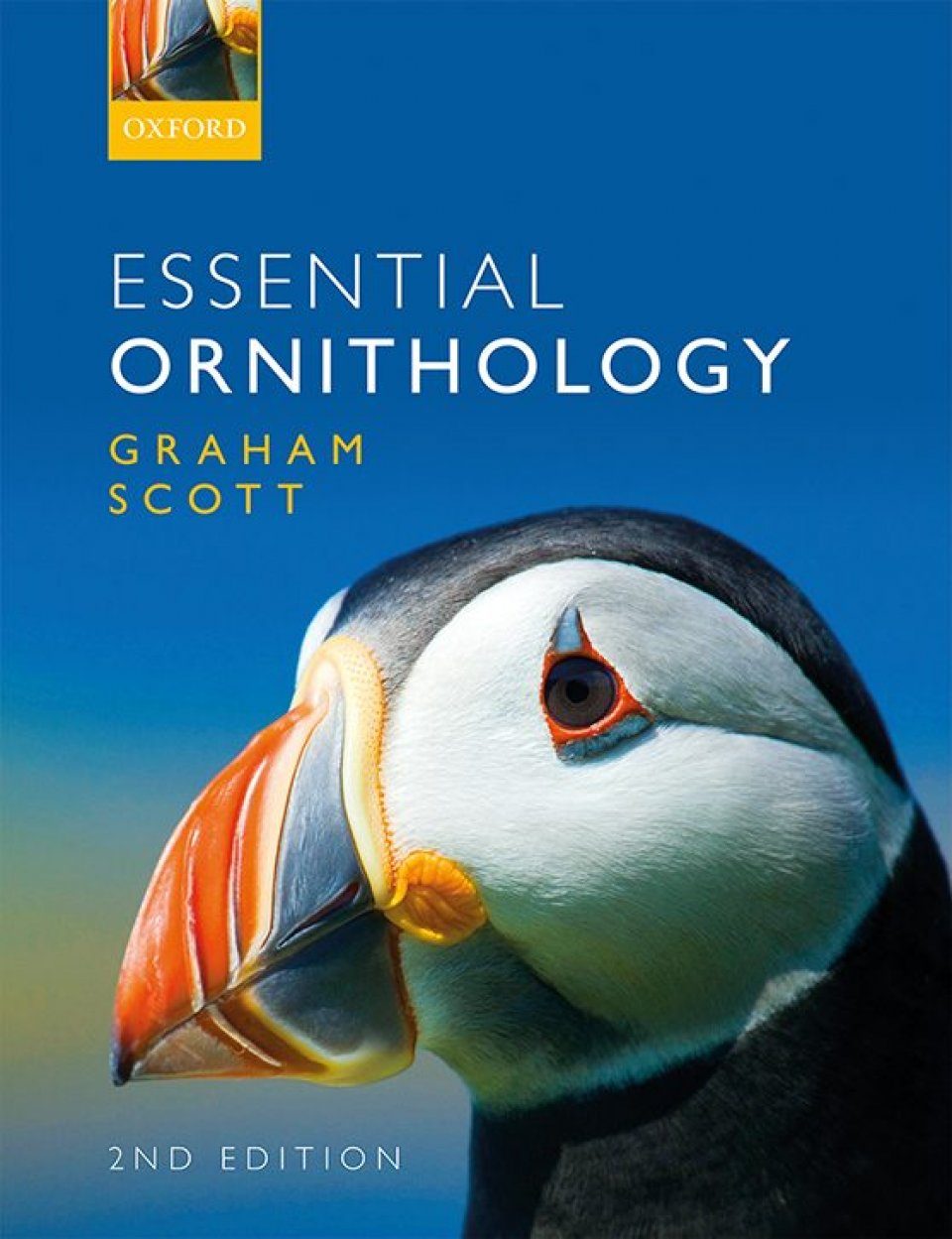 Essential Ornithology
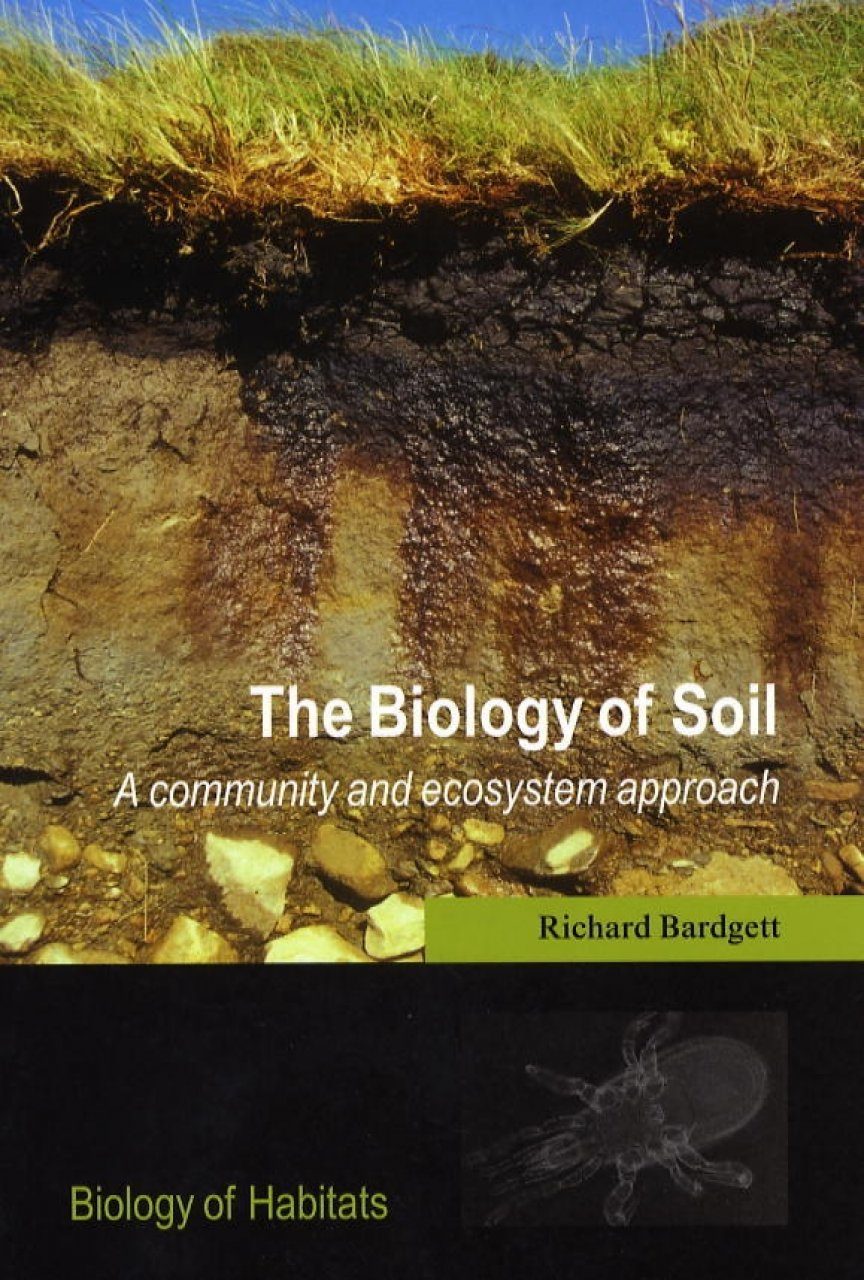 The Biology of Soil: A Community and Ecosystem Approach
 The Sensory Ecology of Birds
 Biology and Conservation of Musteloids
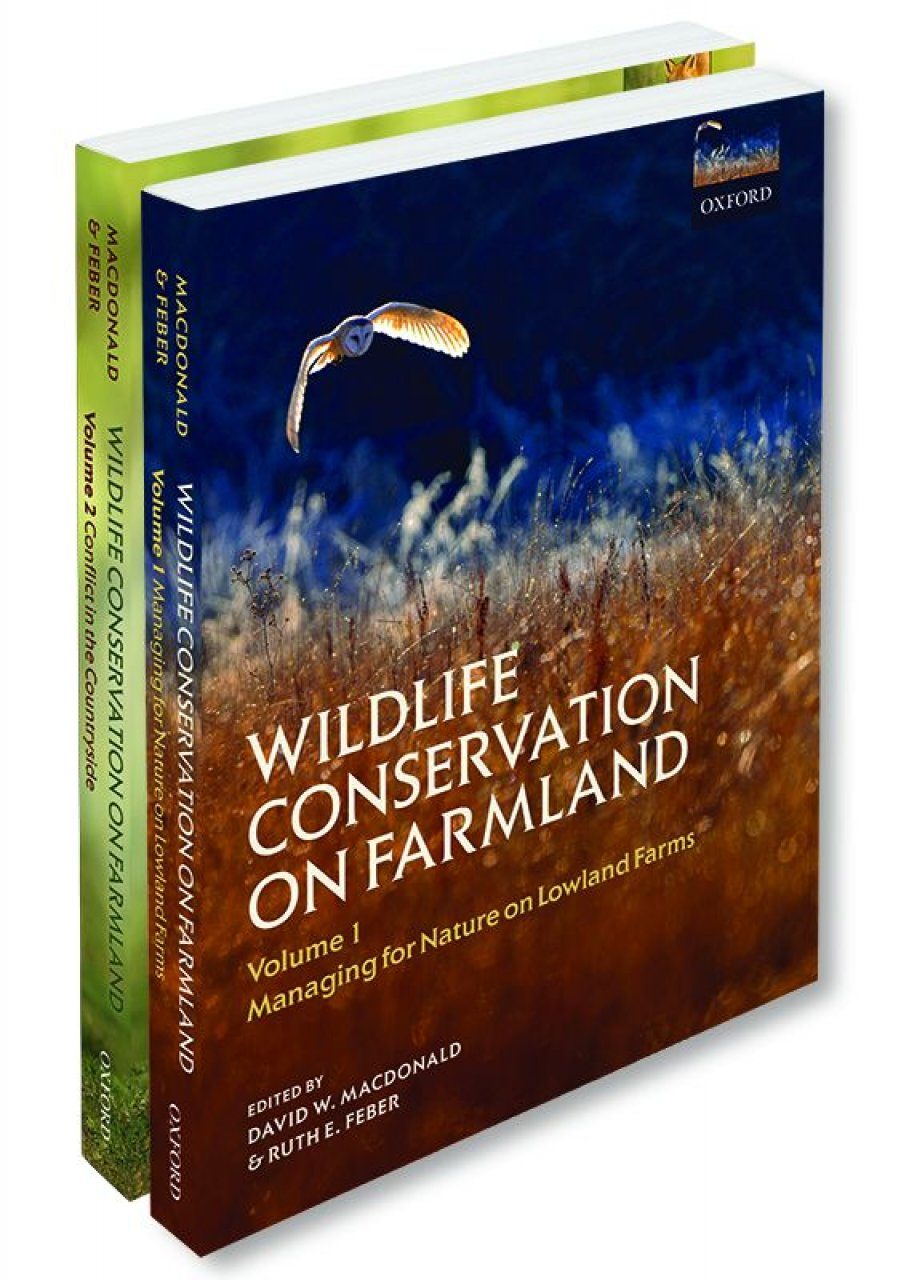 Wildlife Conservation on Farmland (2-Volume Set)
 The Agricultural Revolution in Prehistory: Why Did Foragers Become Farmers?
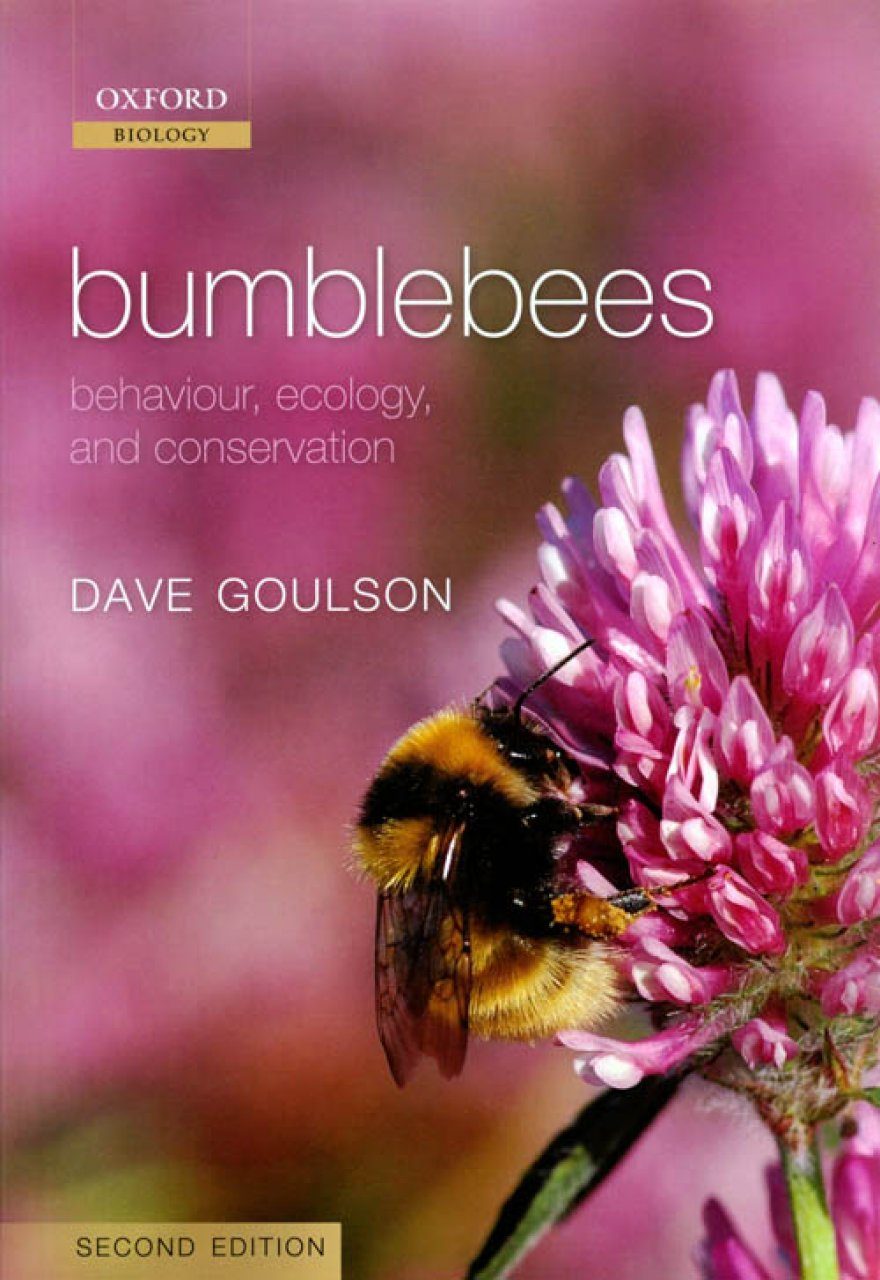 Bumblebees: Behaviour, Ecology, and Conservation
 Birds in the Ancient World: Winged Words
 Who We Are and How We Got Here: Ancient DNA and the New Science of the Human Past
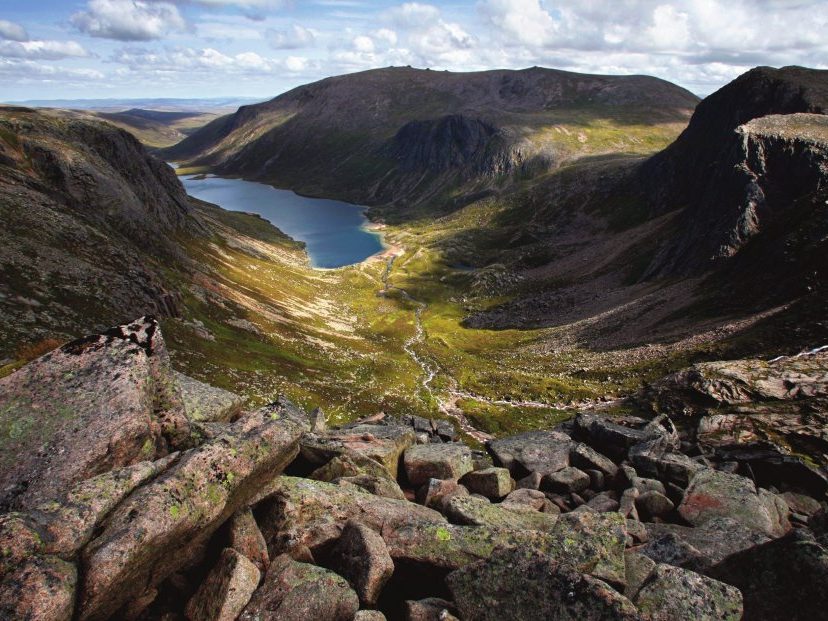

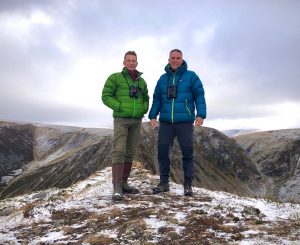
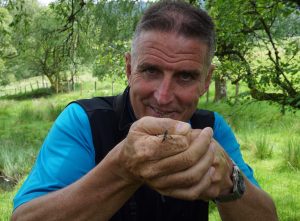
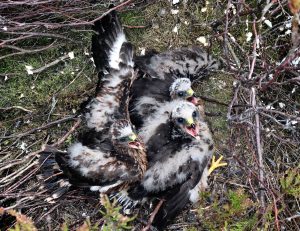
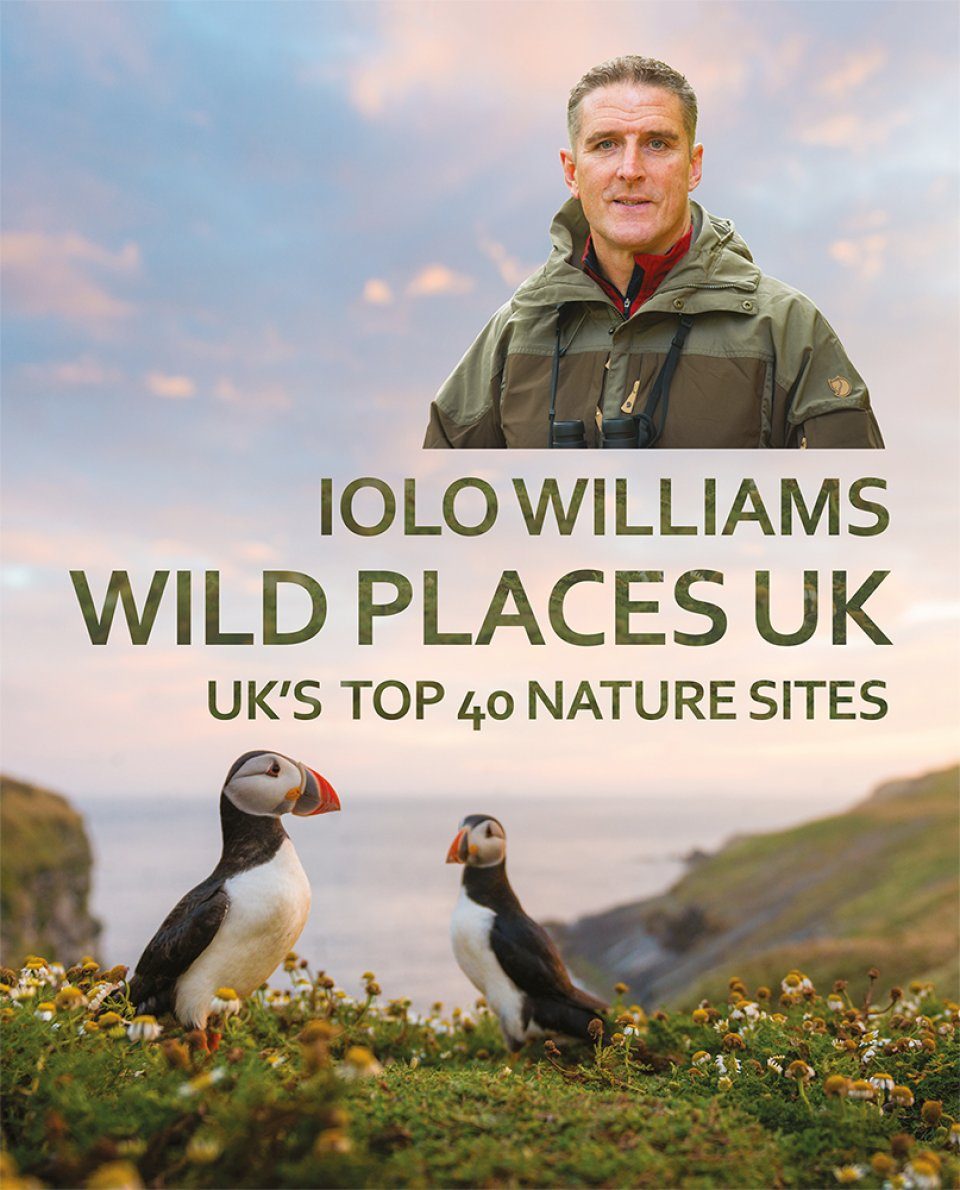
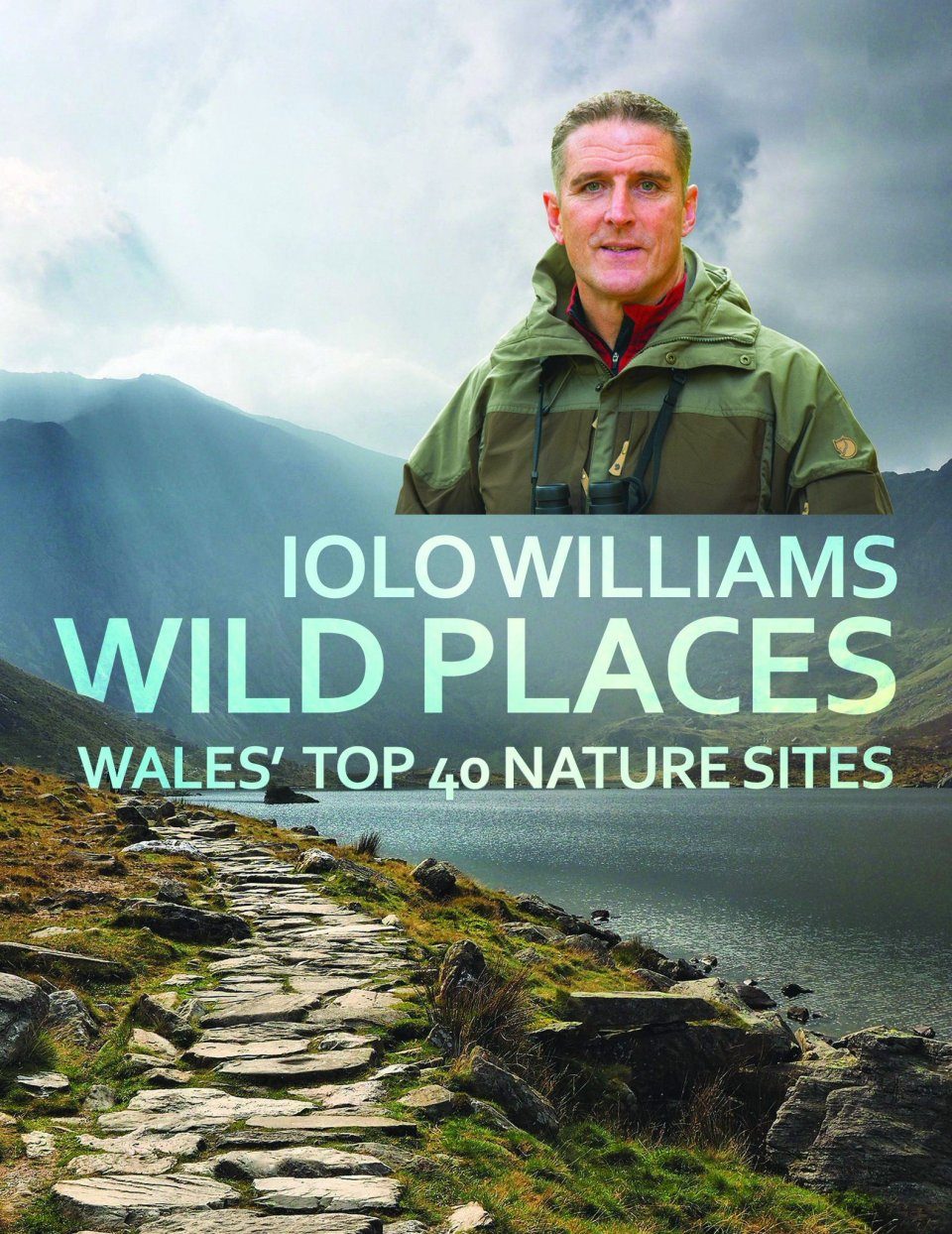
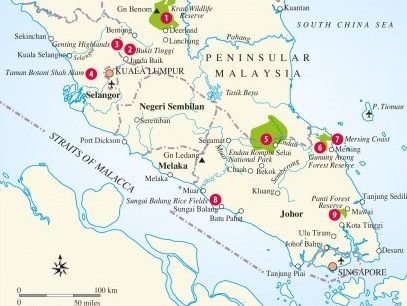
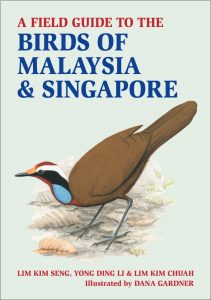


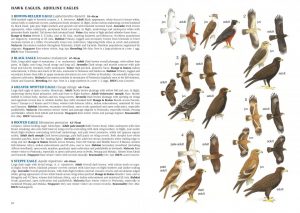 Kim Seng – My friend Dana Gardner, the illustrator of this book, got me interested in doing another book. We had successfully collaborated on a first field guide to the birds of Singapore in 1997 and were keen to work together again. Dana had a friend who was a publisher and we decided to a do a single volume field guide to the birds of the whole of Malaysia, since none existed. This was in 2010. Unfortunately, our publisher pulled out not long after that and we were left stranded. Luckily, through my fellow collaborators – Kim Chuah and Ding Li – we managed to get John Beaufoy interested in our project. A contract was signed in 2016 and as they say, the rest is history!
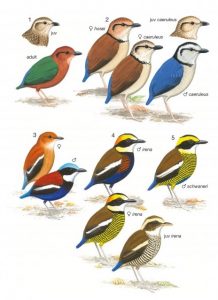 Kim Seng – Each of us had different ideas on how to do the book and also other personal commitments. We as the writers also had to contend with differences in writing styles. Luckily, we decided to stick with a standard format, came up with a list of who was writing what chapters and what bird families and managed to more or less stick to our deadlines. Another challenge was the impressive work done by our illustrator. He had to do illustrations of all 829 species all by himself. To ensure accuracy, he would send us completed plates for comment, and we duly responded if changes were needed. Not an easy task, as we were based in Singapore and he, in the USA.
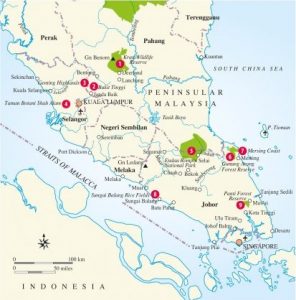 Kim Seng – Well, COVID-19 has placed tremendous restrictions on travel in both Malaysia and Singapore. You could bird in certain areas but only with social distancing and other safe practices in place. Initially, we could only look at the birds from our balconies or backyards but this was an opportunity for some of us to study some of the neglected urban birds and understand a little better. I actually published two blogs based on my observations of urban birds from my balcony! In the last couple of months, restrictions have been eased and we are allowed to go birding in our favourite birding places, but I’m still waiting for the day when I can travel freely and bird in Malaysia again.
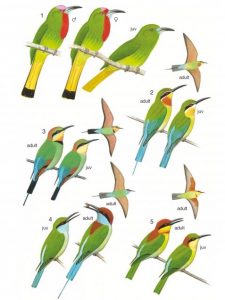 Kim Seng – Three reasons – good birds, good food and good company. All three are never in short supply in these two amazingly friendly countries. The people are generally very friendly and the variety of local food is really incredible. Of course, the fascinating diversity of birds, with over 800 species of birds and Bornean, Peninsular and Sunda endemics in abundance are dreams to savour for birdwatchers and ornithologists alike.
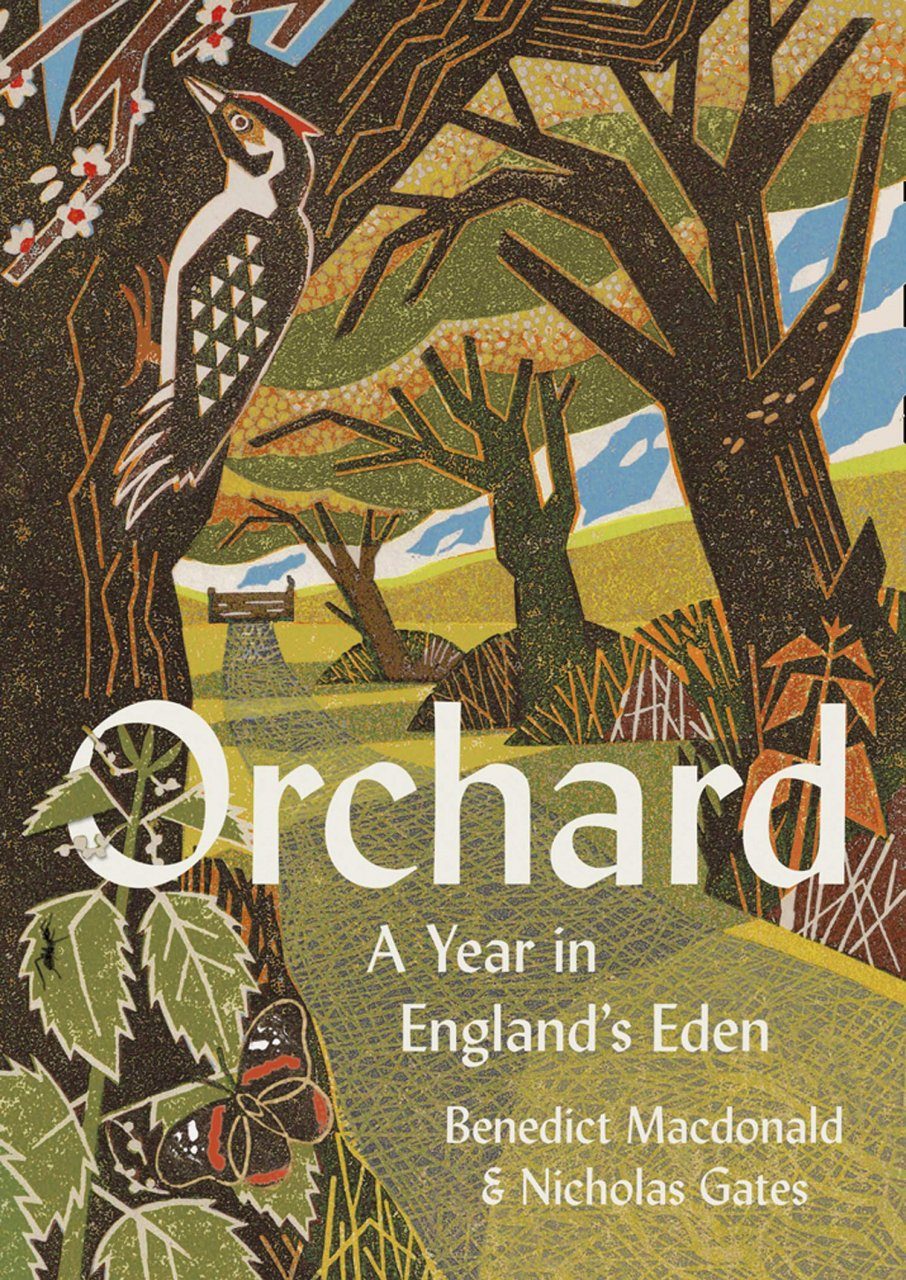


 CIEEM’s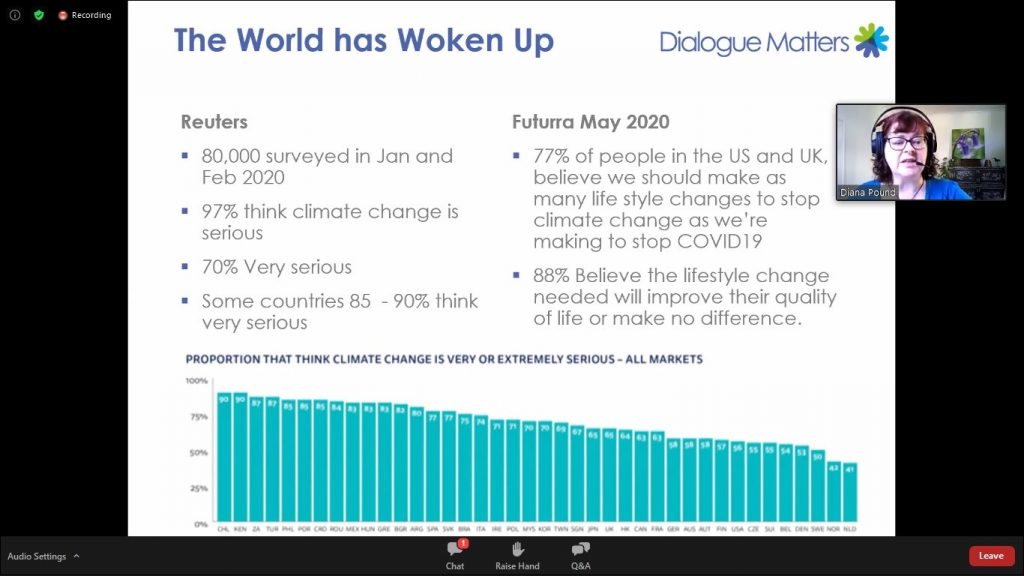
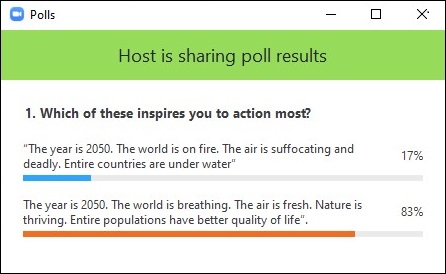
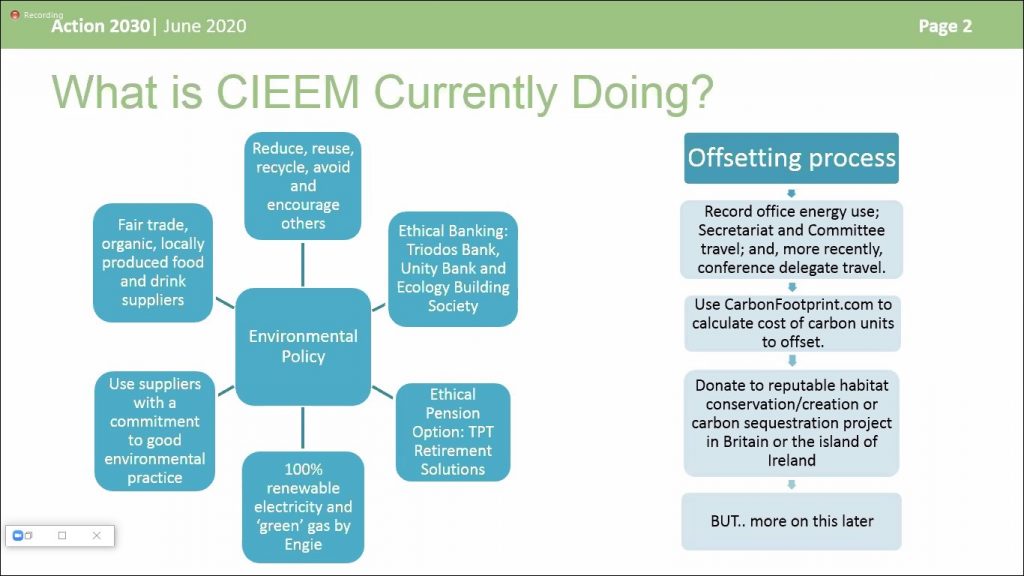
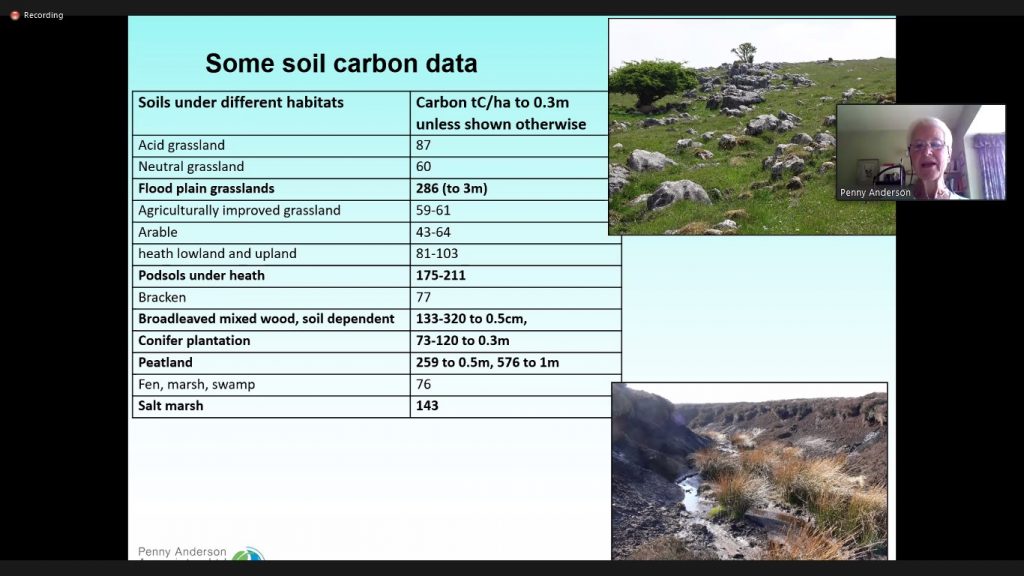
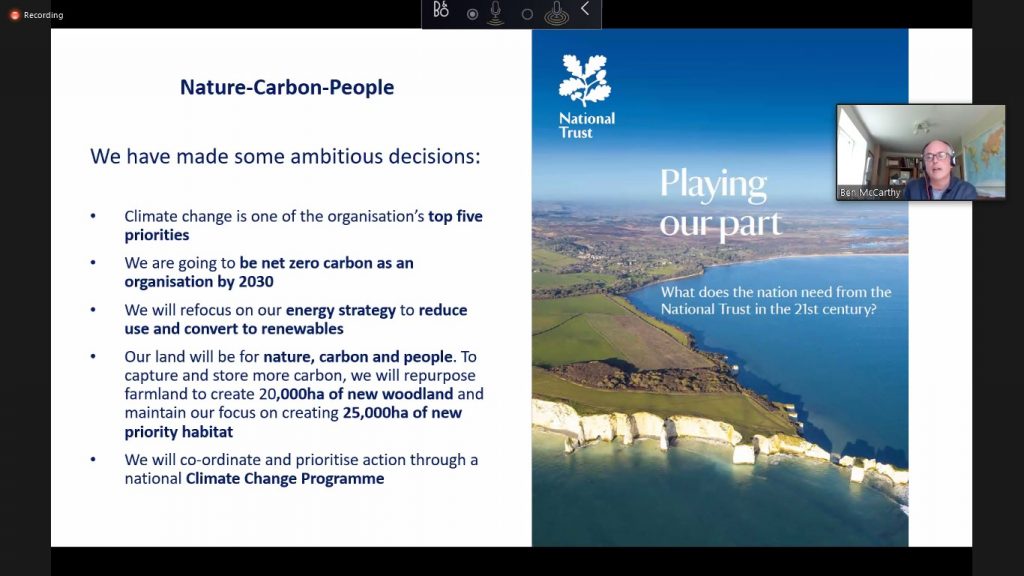
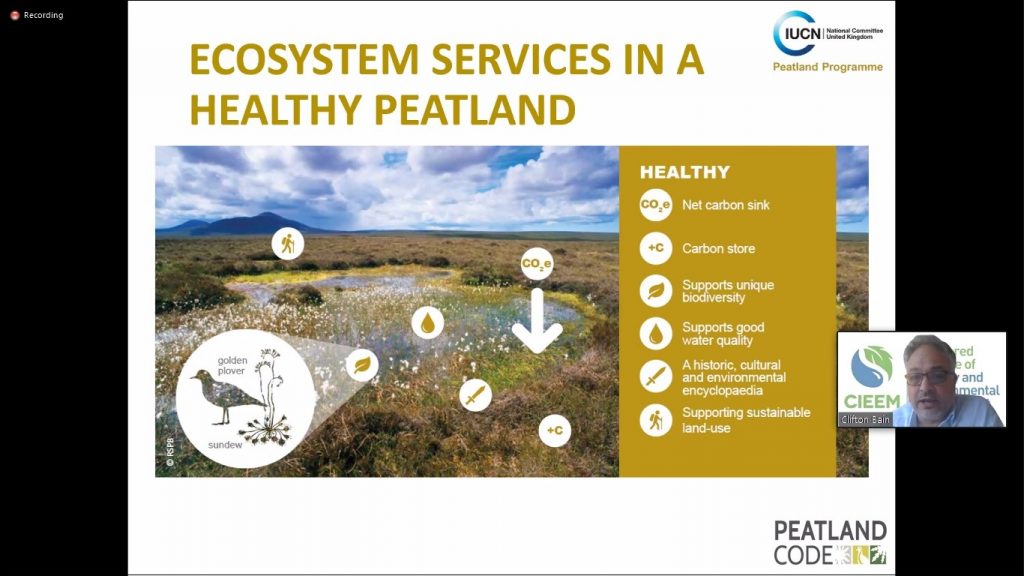
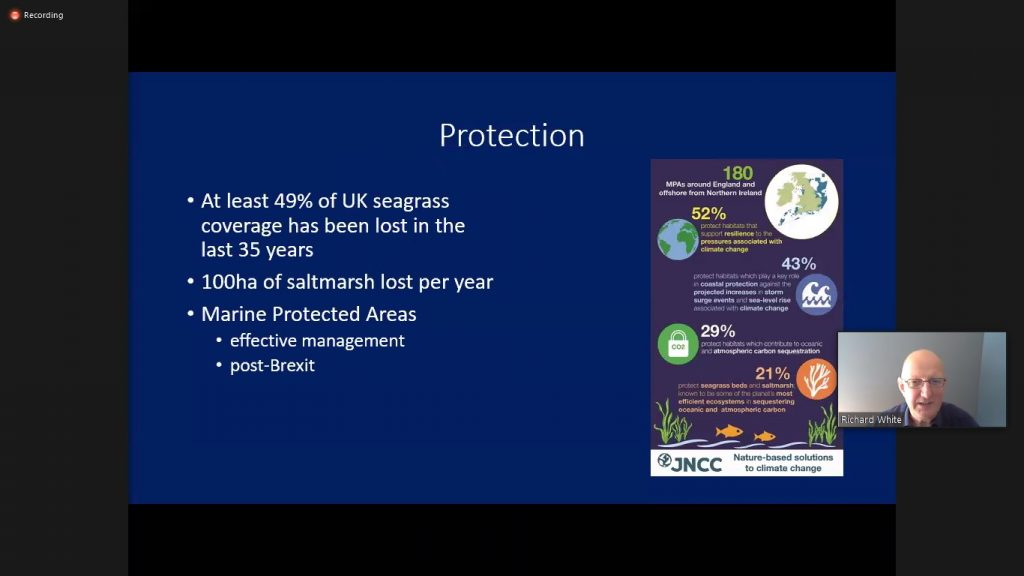
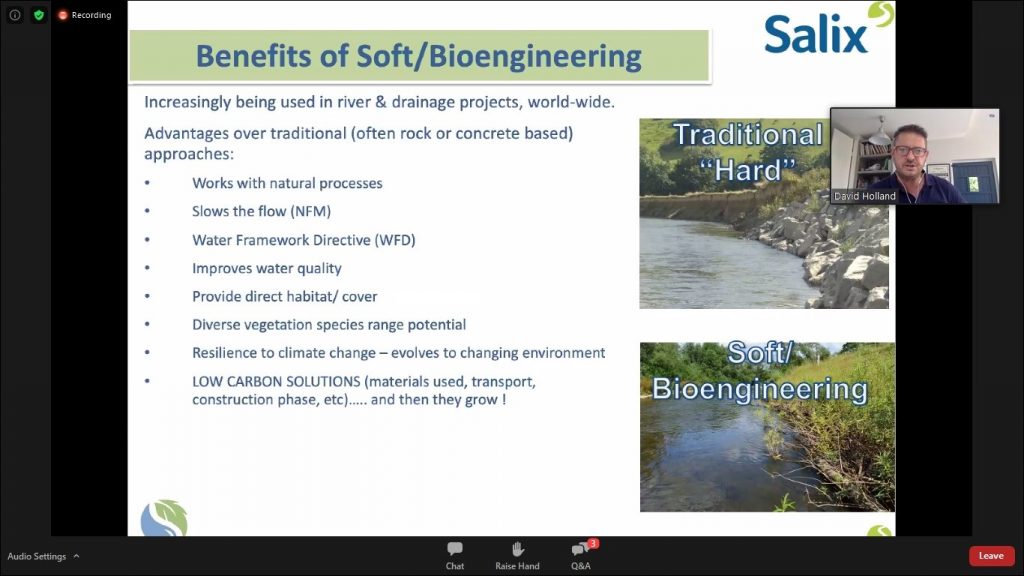
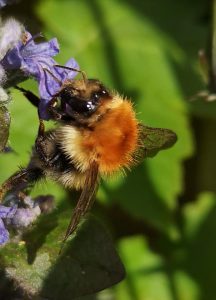
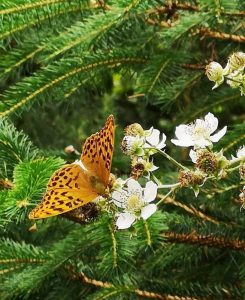
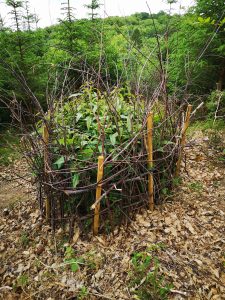
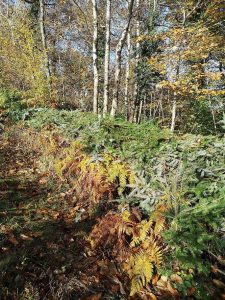
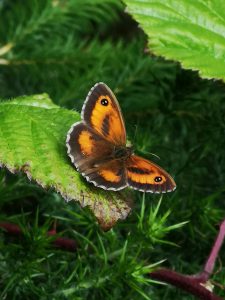
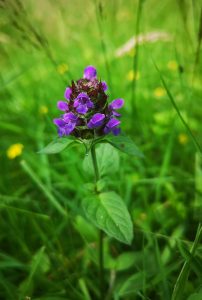
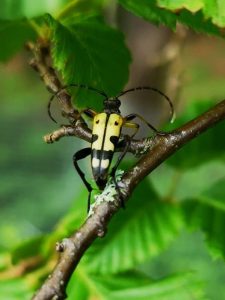
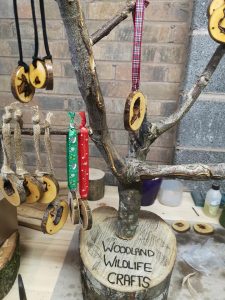
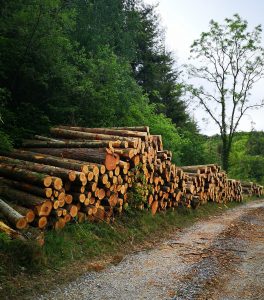
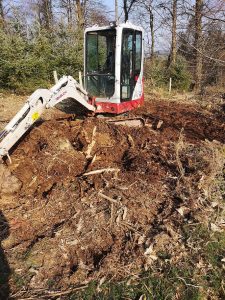
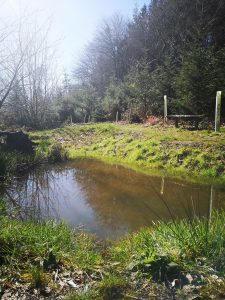
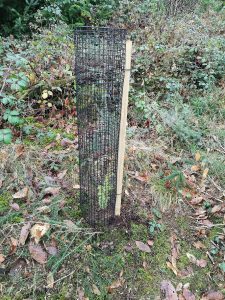
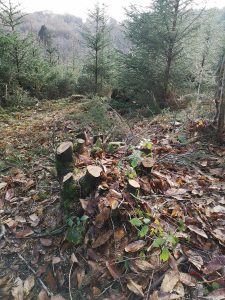
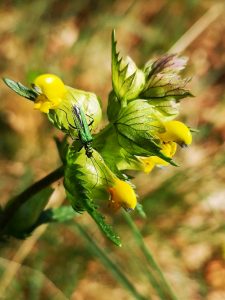
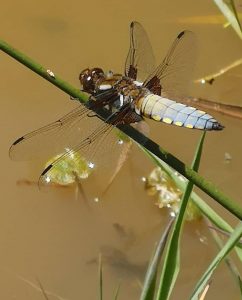
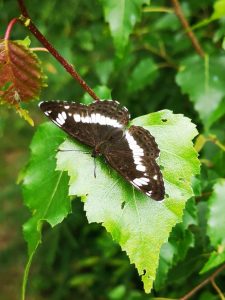


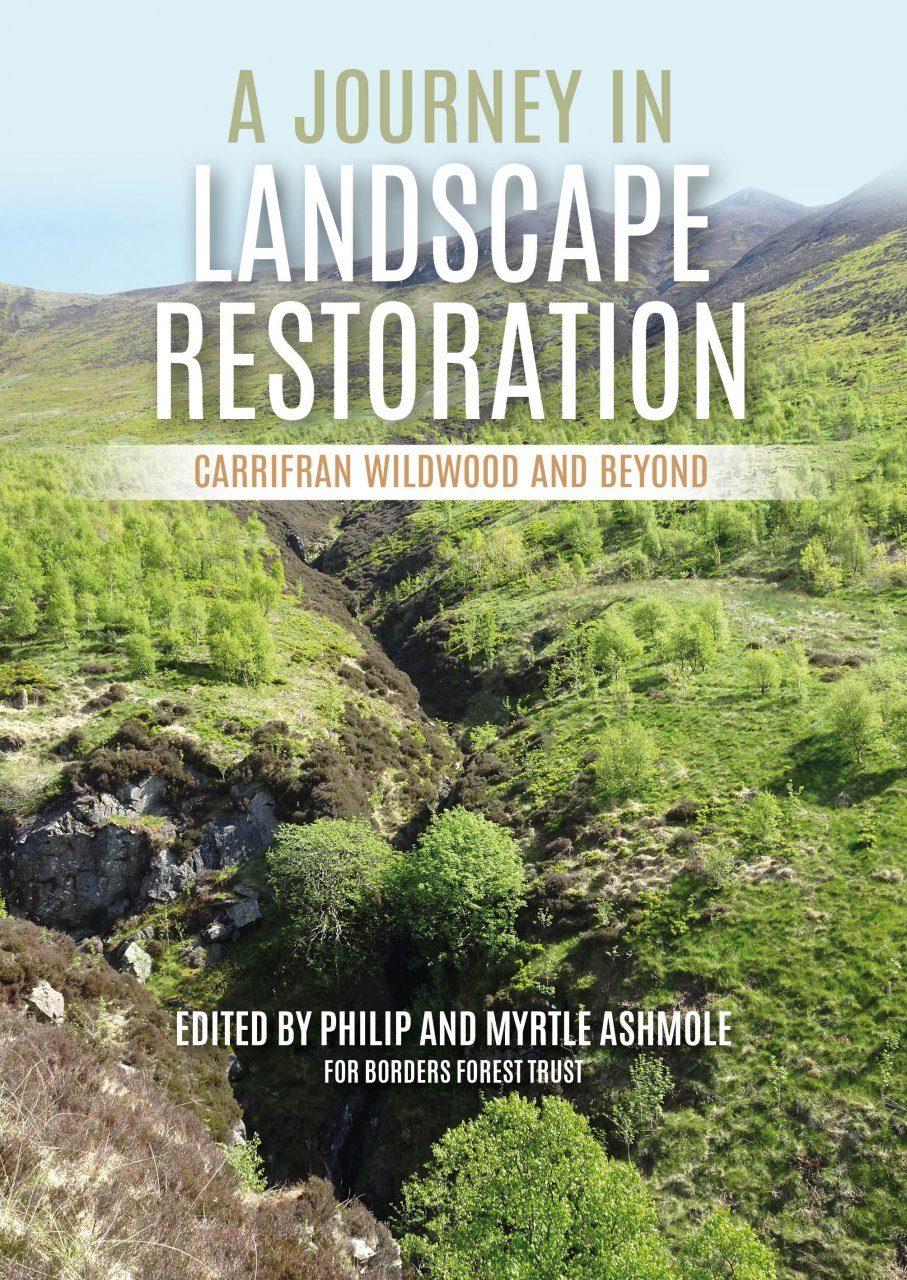
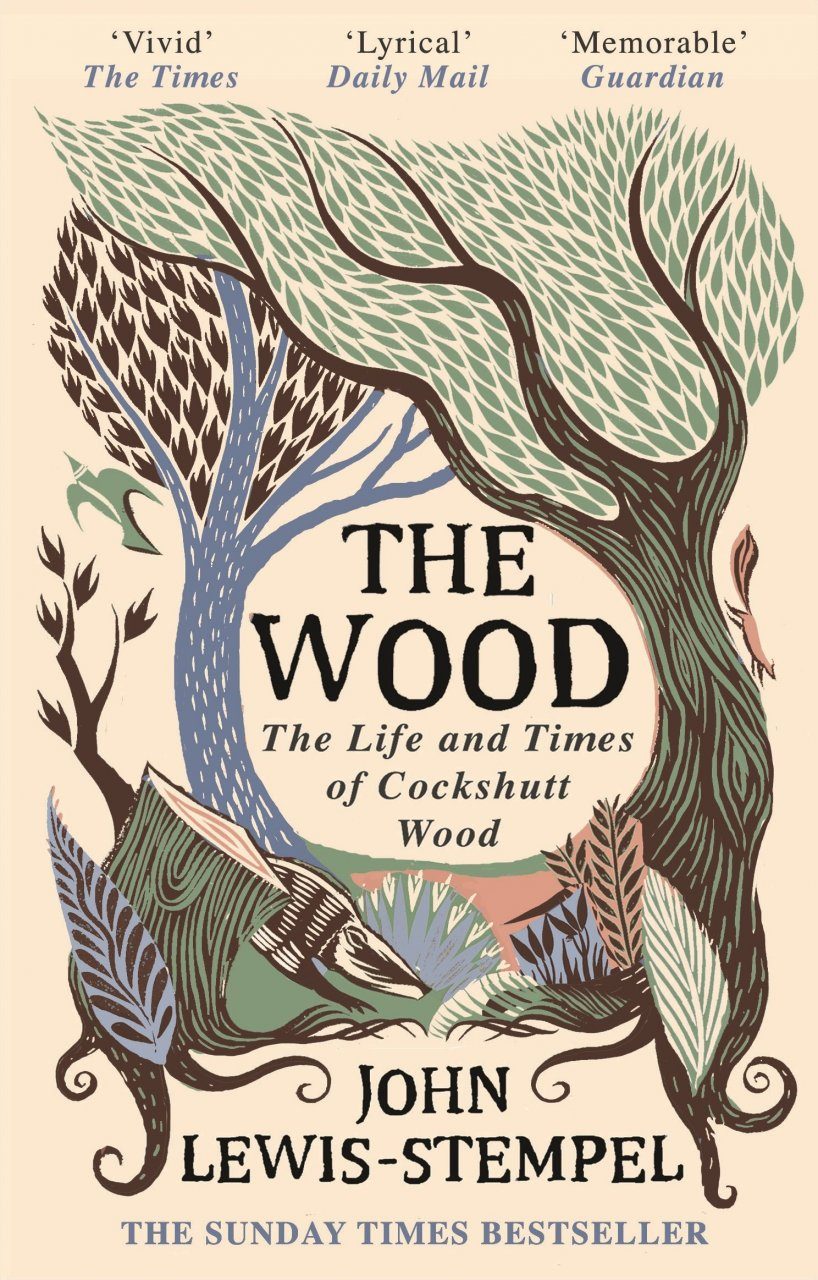
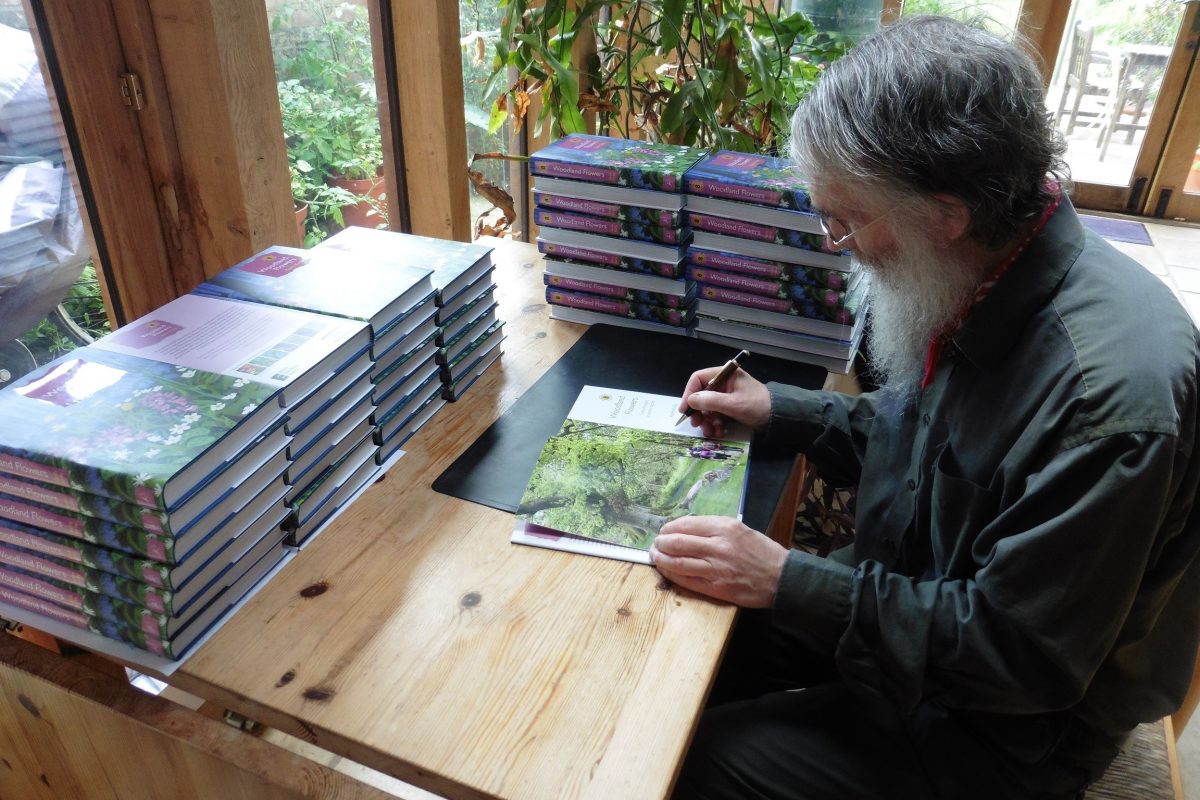
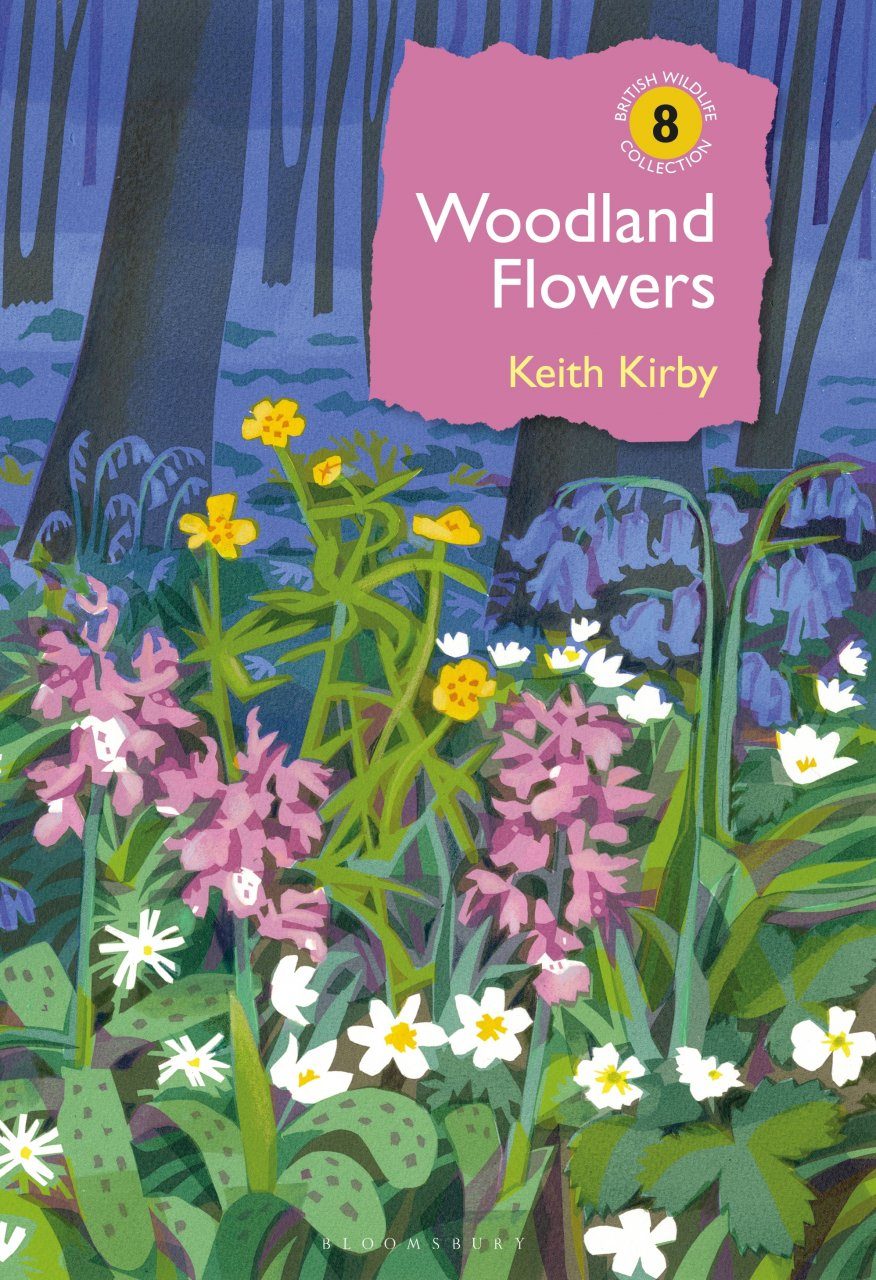
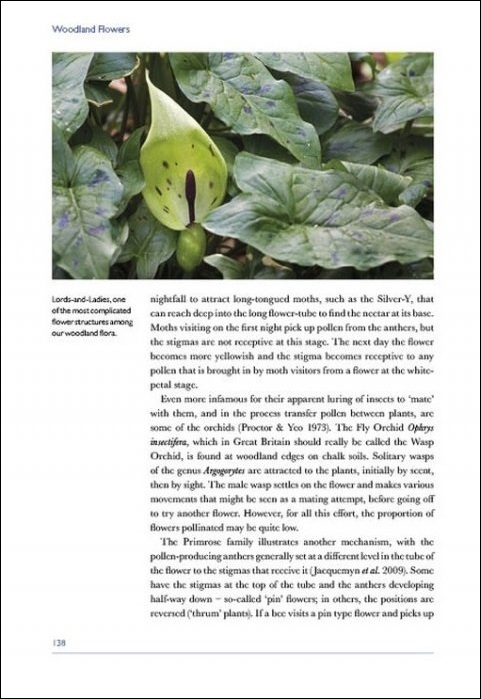
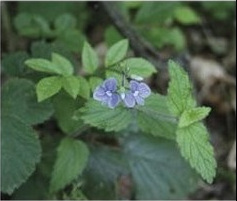
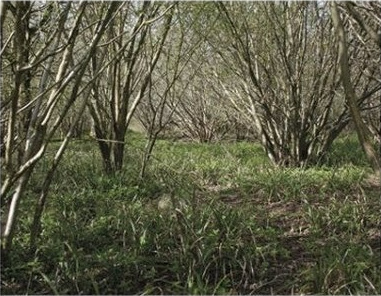
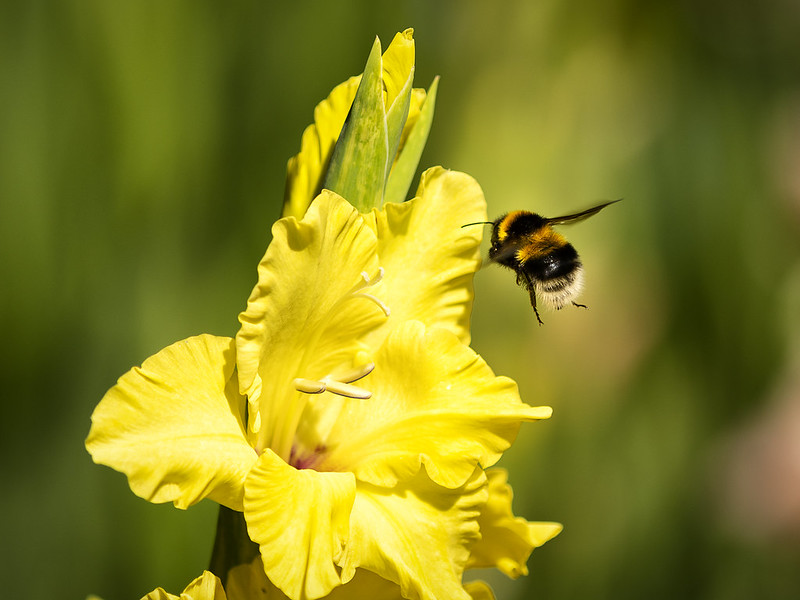
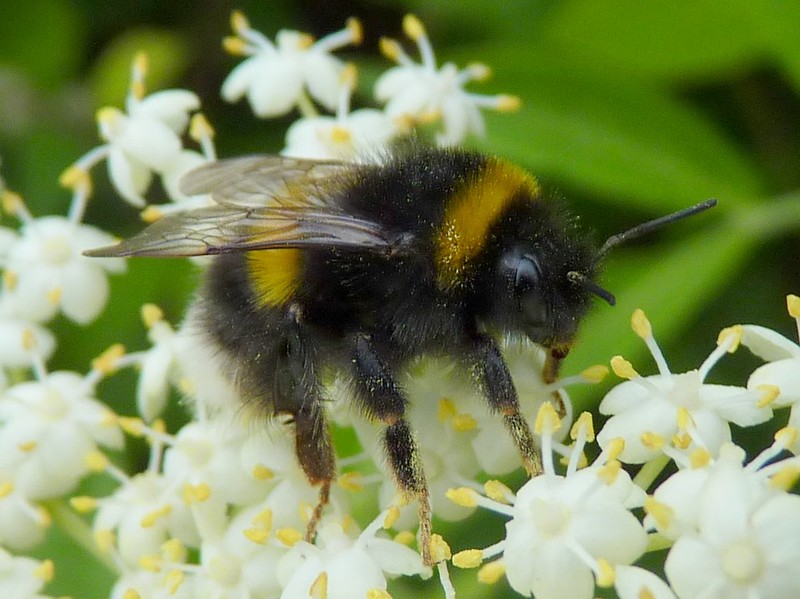
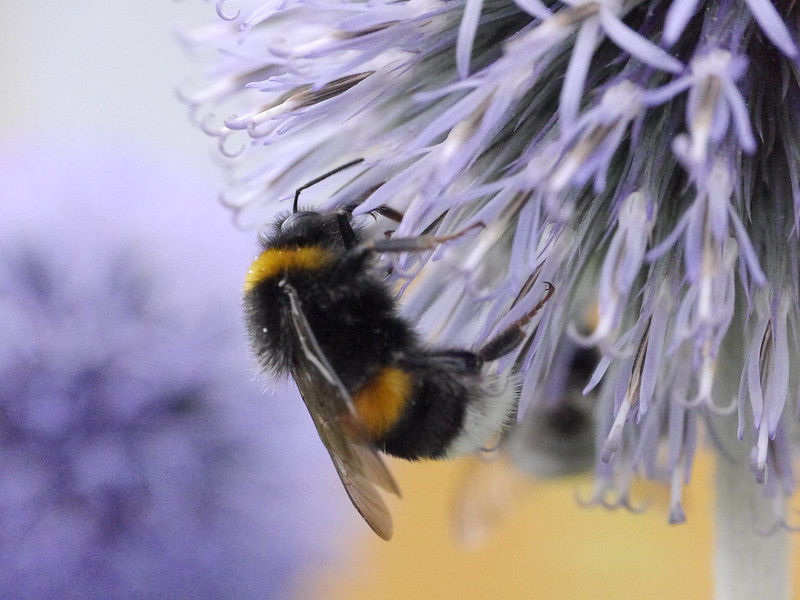
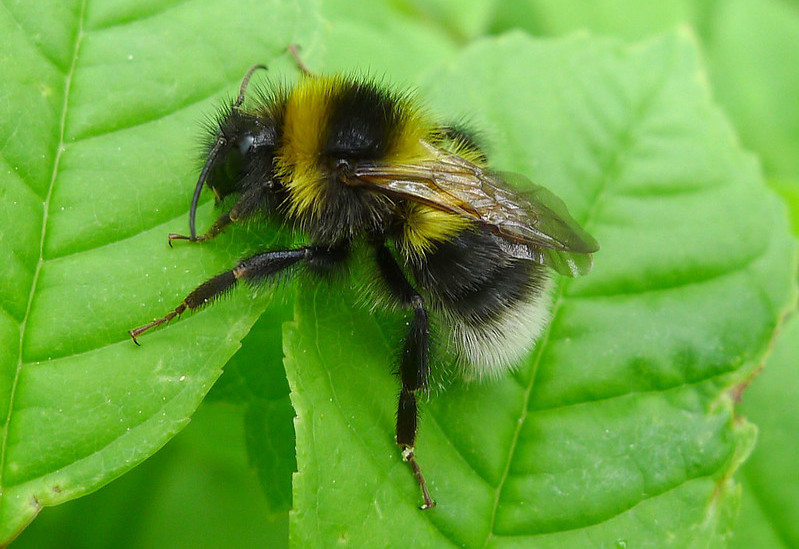
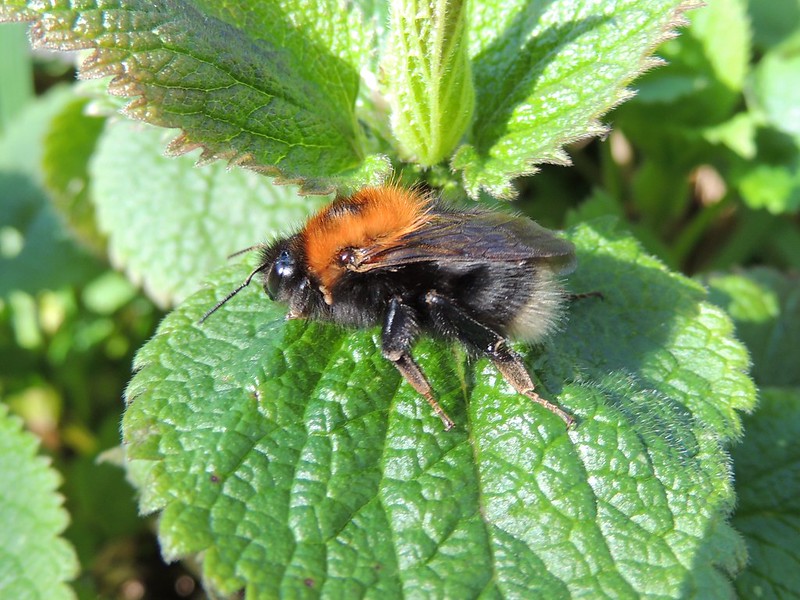
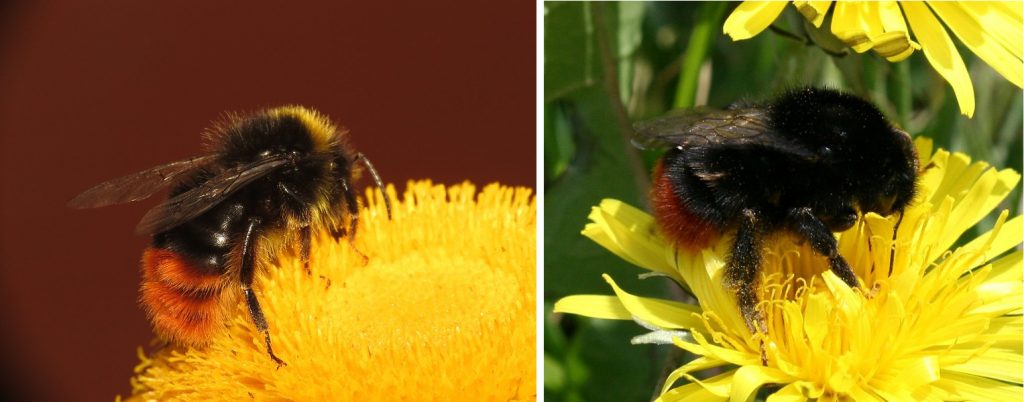
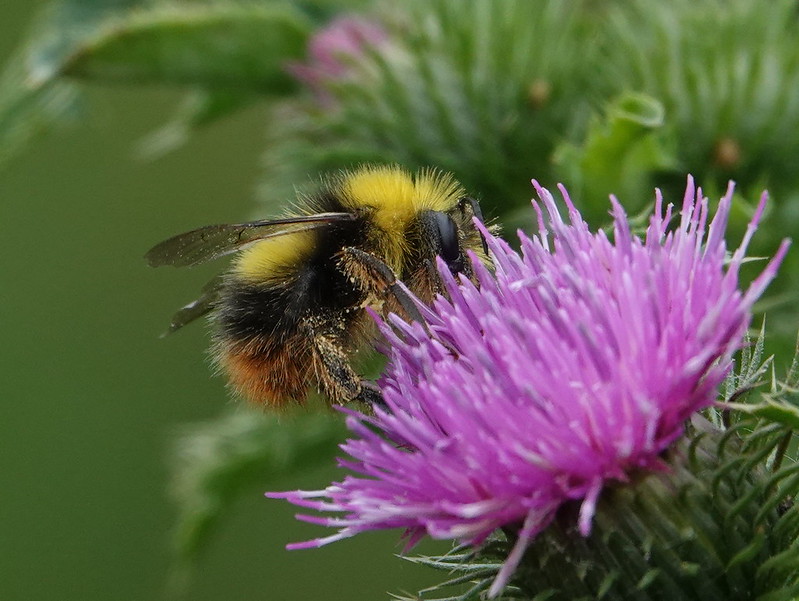
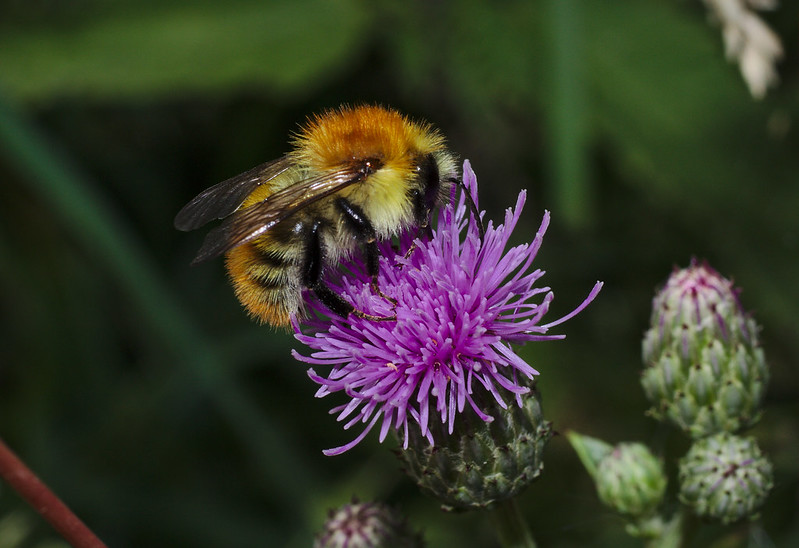
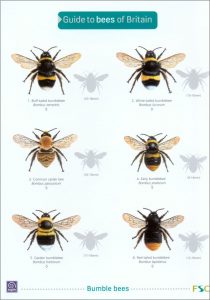
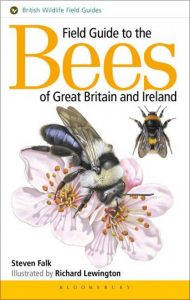
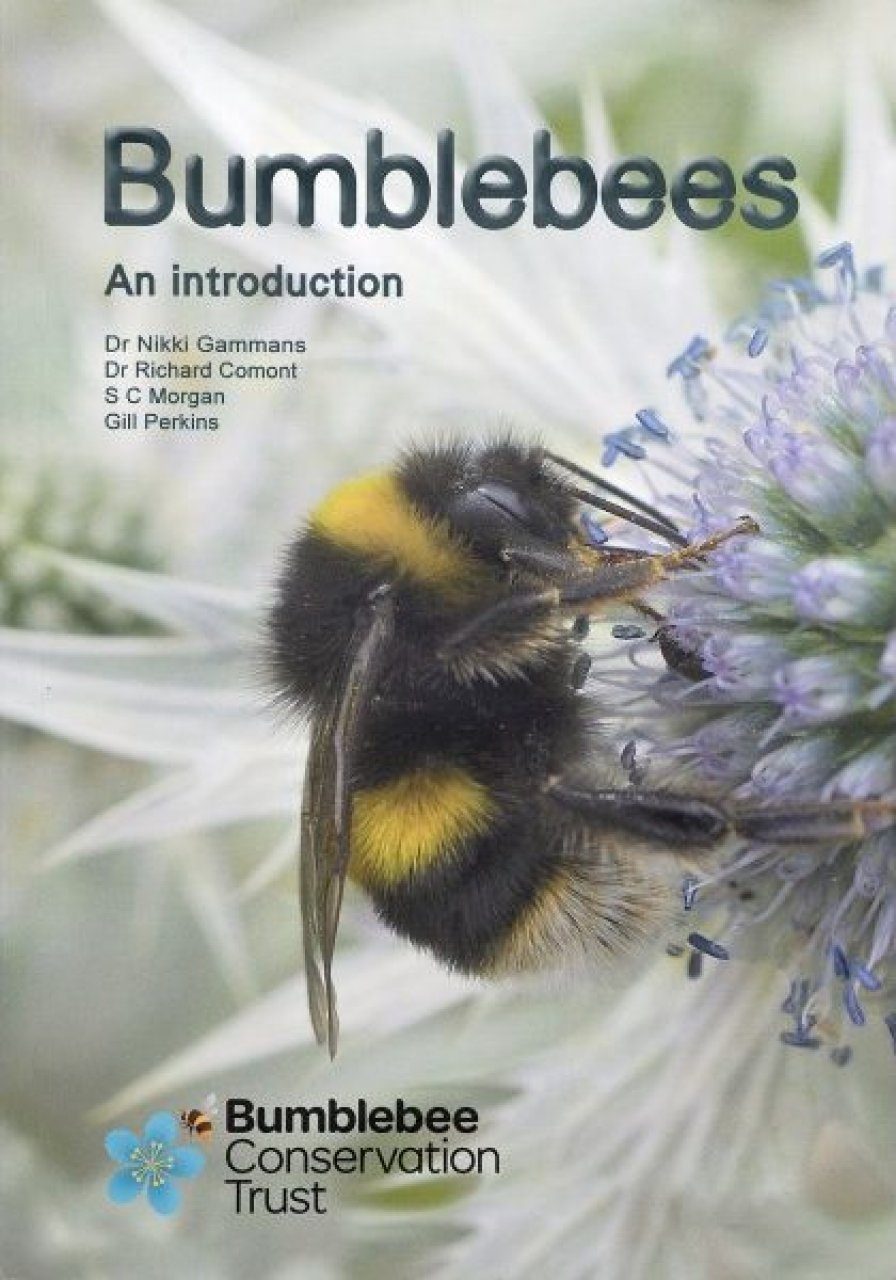 Bumblebees: An Introduction


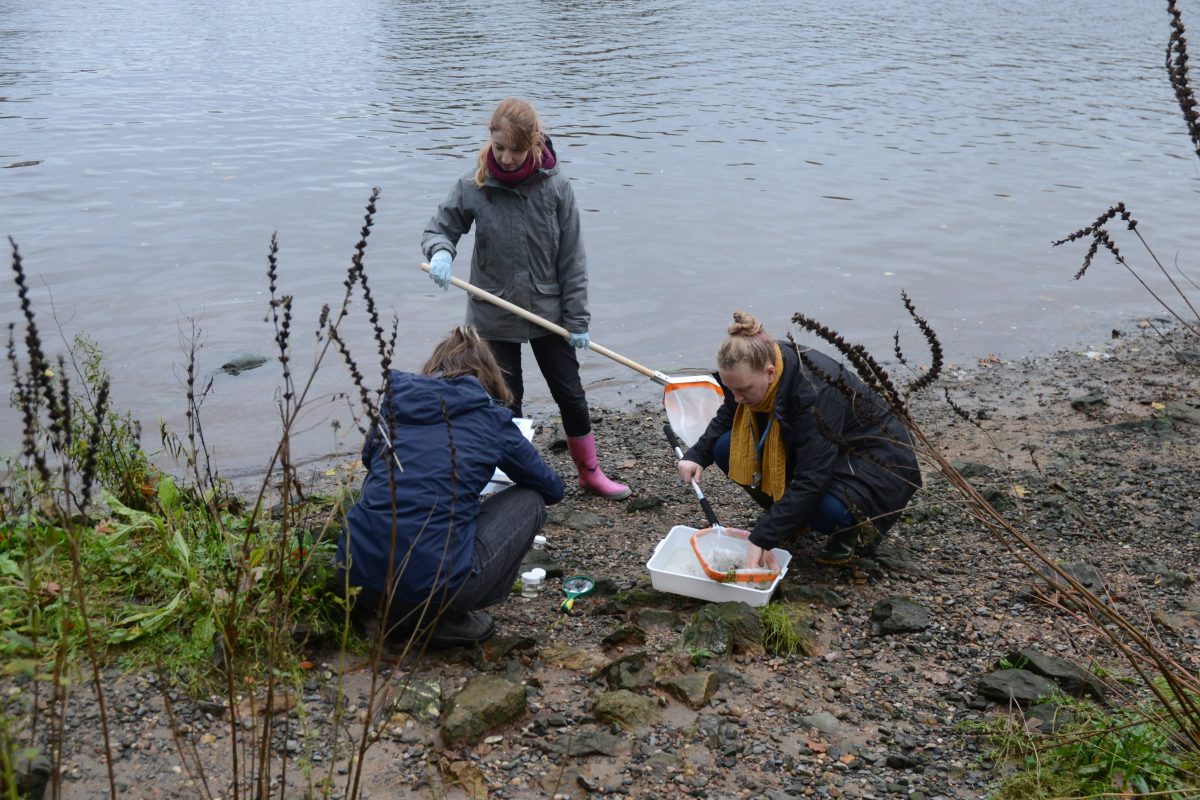
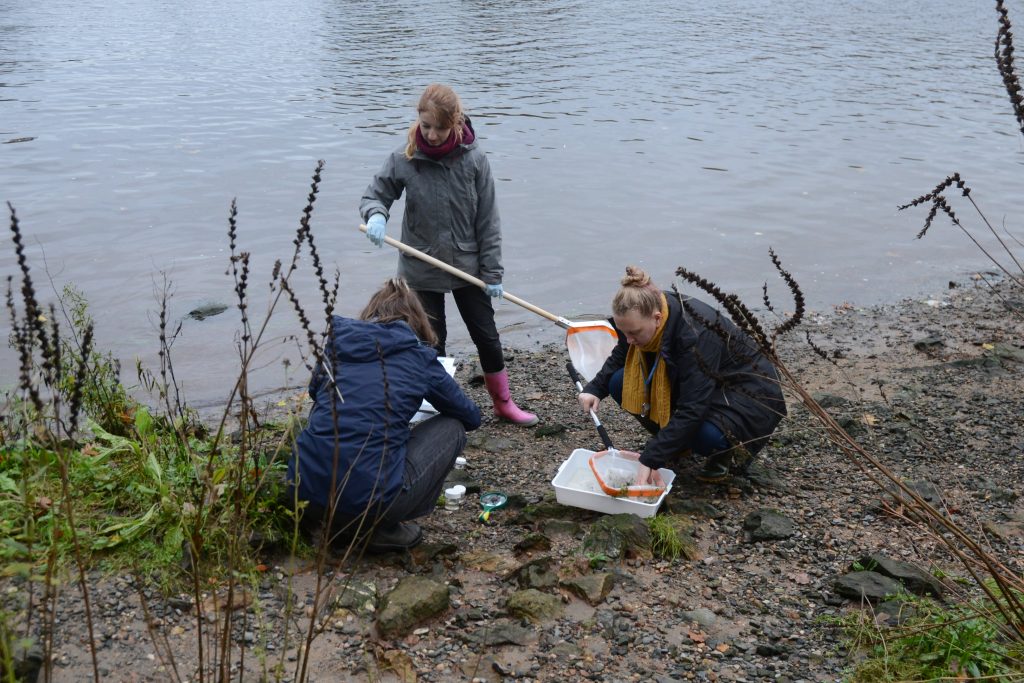
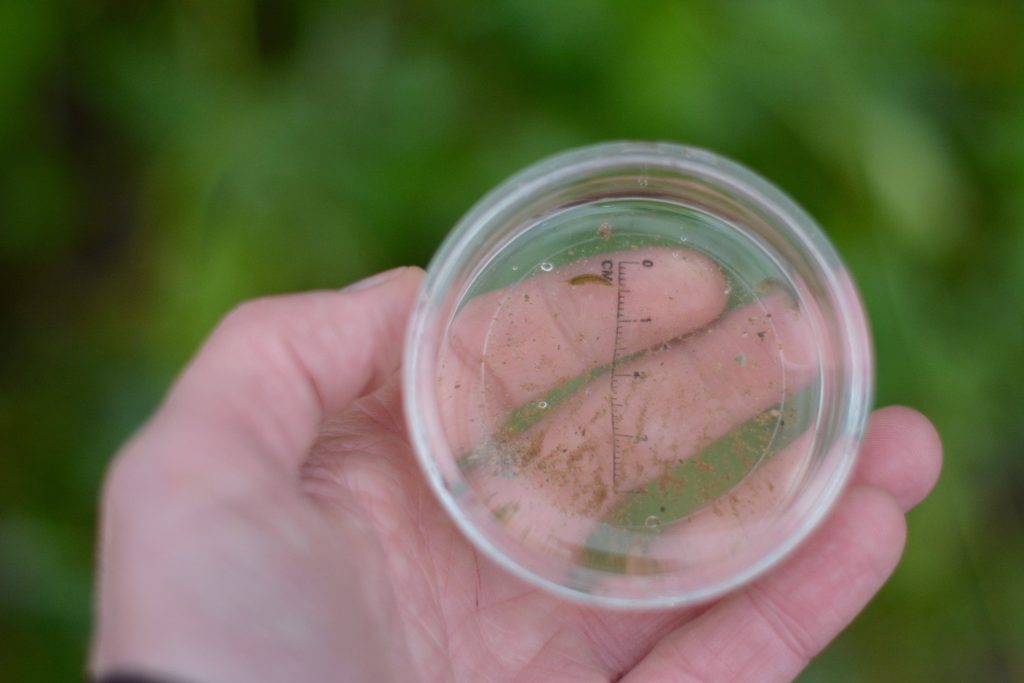 When and where to go: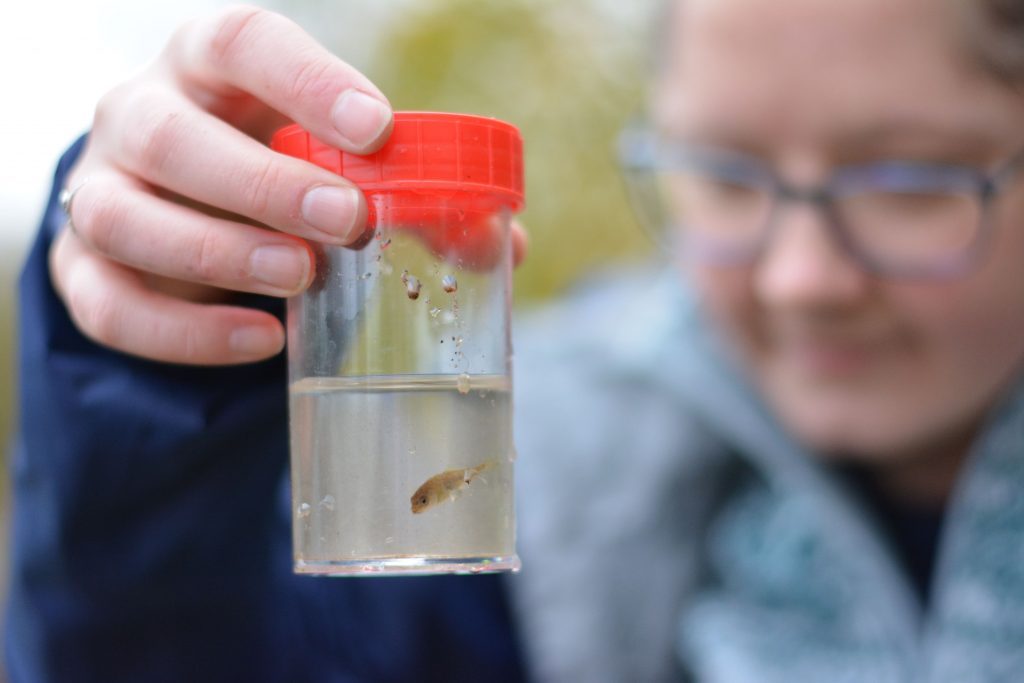
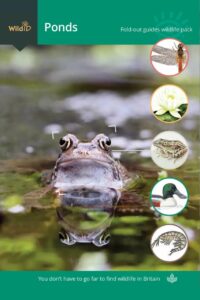


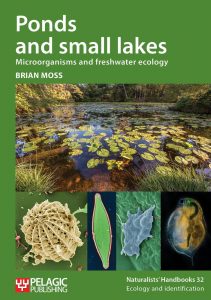

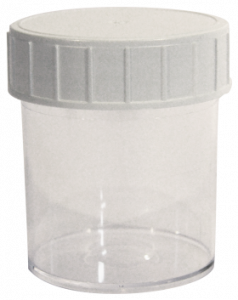
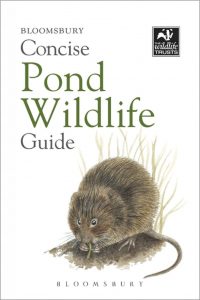
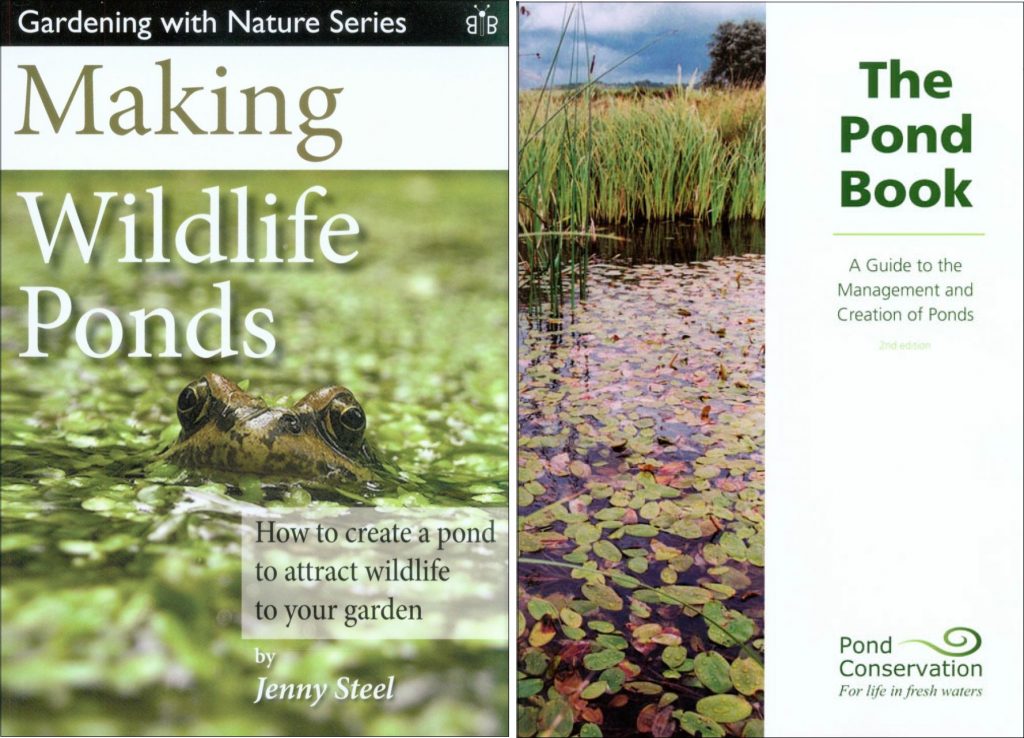
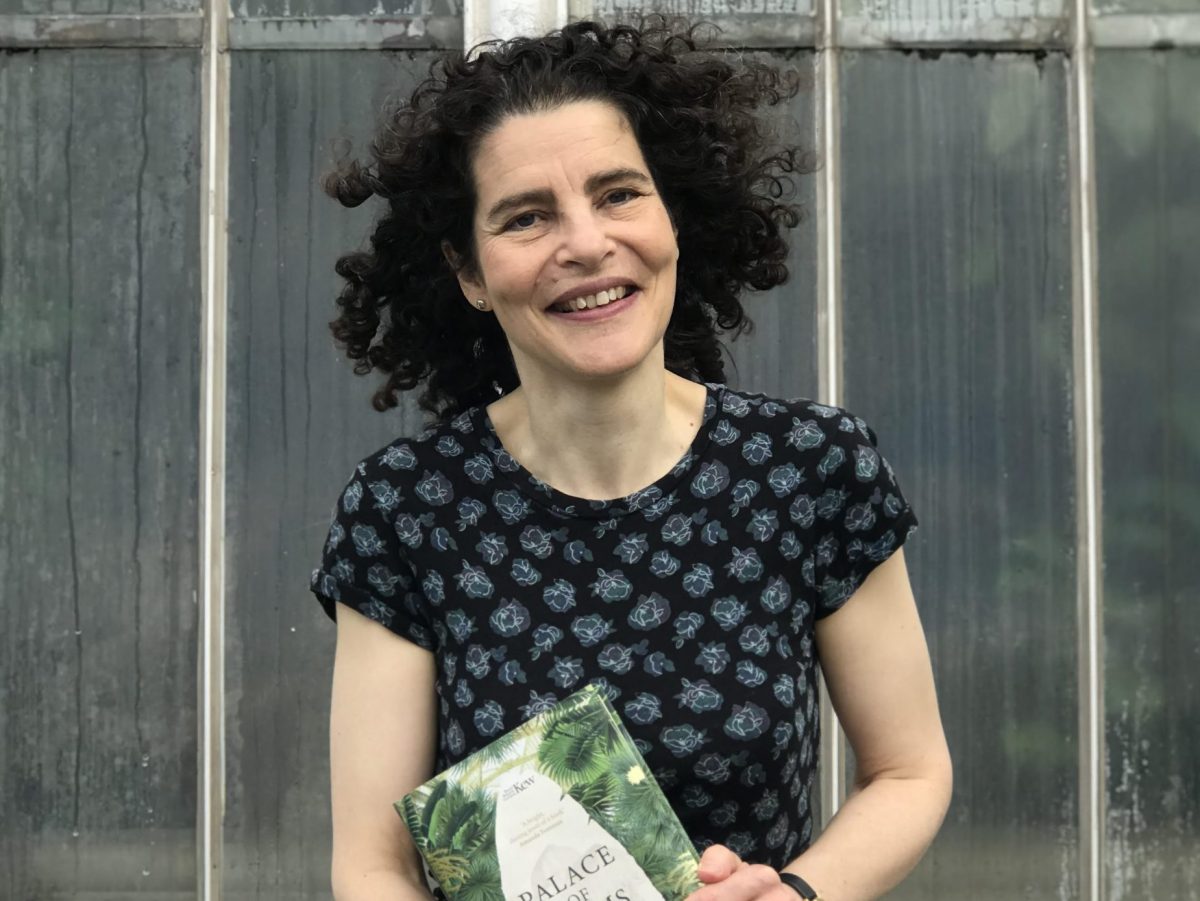
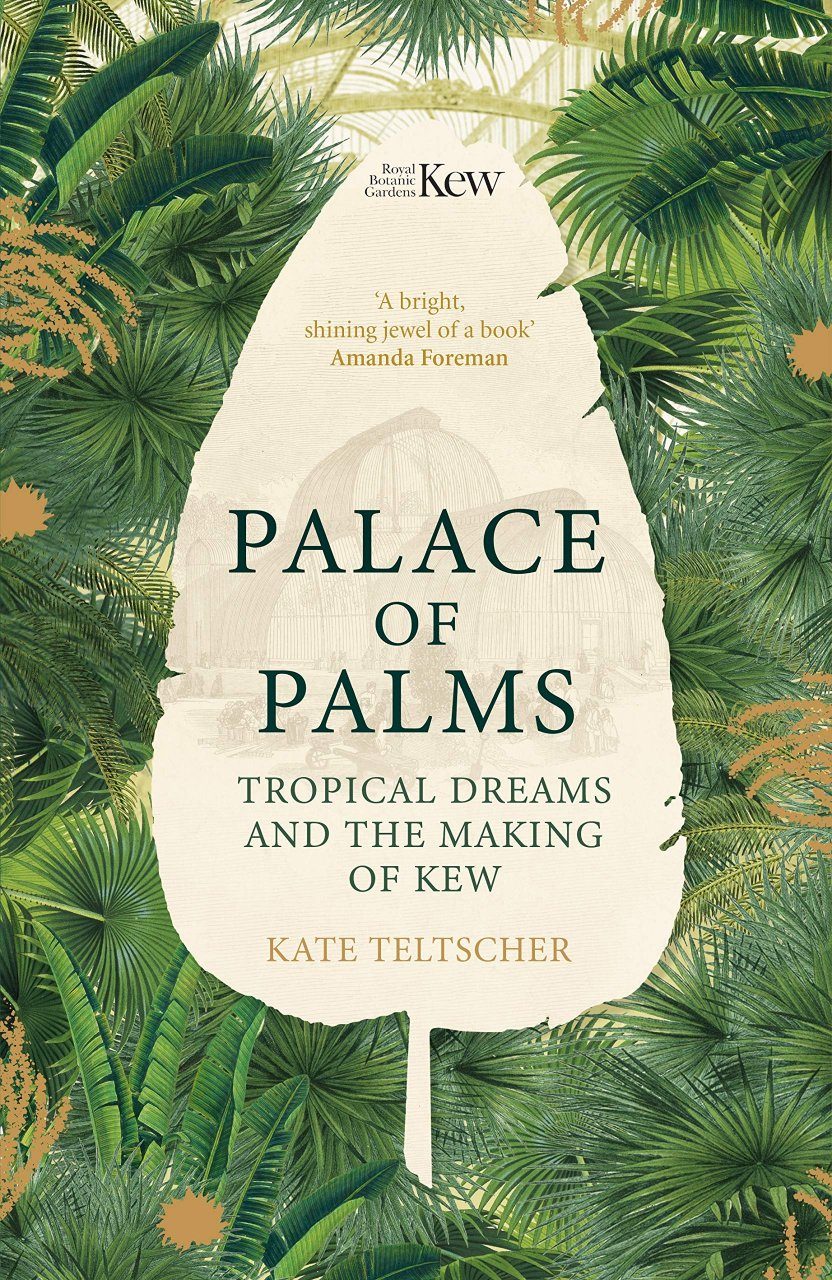 Daringly innovative when it opened in 1848, the Palm House in Kew Gardens remains one of the most beautiful glass buildings in the world today
 Can you tell us something about your background and what motivated you to write Palace of Palms?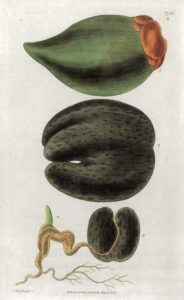
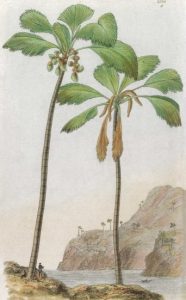 Why were palms so important to the Victorians?
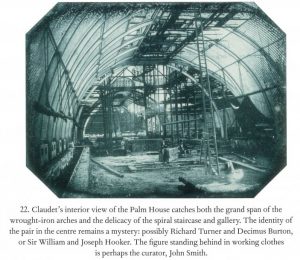 How do you envisage the future of the Palm House, the finest surviving Victorian glass and iron building in the world?