Author Q&A with Simon Barnes: How to be a Bad Botanist


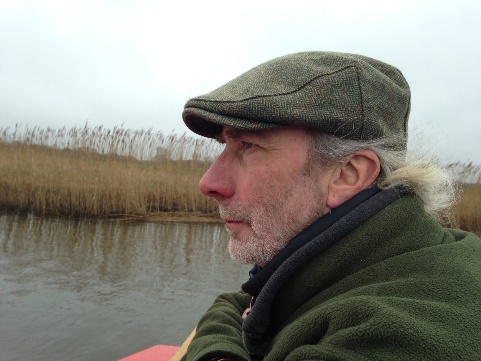
Author Simon Barnes gazing out over a river.

An exploration of botany for beginners, How to be a Bad Botanist is a must-read that opens our eyes to the world around us. Through this charming and inspiring work, Barnes takes us on a fascinating journey on the complex nature of plants, and enthrals us with tales to help us appreciate the diversity and wonder of the natural world. 

Simon is an author and journalist who has worked on a number of nature volumes, including the bestselling Bad Birdwatcher trilogy and Rewild Yourself. He is a council member of the World Land Trust, a patron of Save the Rhino and honorary vice-president of the Bumblebee Conservation Trust.   

We recently had the opportunity to talk with Simon about how plants caught his attention, the importance of botany and how we can all learn to be Bad Botanists. 


How to be a Bad Birdwatcher, published in 2004, rapidly became a birdwatching classic and this year was republished as a 20th anniversary edition. What prompted you to turn your attention to plants for your latest book? 

It all began with a damascene experience on Orford Ness. This is a place where military and natural history collide. On the same visit I was able to see a Great White Egret and the casing for an atom bomb. It was, I read, about the same size as the one they dropped on Hiroshima.  

My brain was somewhat scrambled by this. After a while I sat on the beach, my mind full of life and death and memories of a visit to Hiroshima, pretending that I was having a bit of a sea watch. It was then that I noticed a colony of plants. Growing in the shingle. Which is impossible. But there they were. Growing. Living. And the extraordinary way that life seeks to live, even in the most difficult circumstances, really rather got to me. These strange plants seemed to make sense of this strange, awful and wonderful place.  

I worked out that the plants in question were Sea Pea, Sea Kale and Yellow Horned Poppy: and my own life was better for doing so. Soon, I would be looking at old plants with new eyes. 


How to Be a Bad Botanist is a fantastic exploration into the world of plants and botany itself. Where is a good place to start for aspiring botanists?  

What’s required is a subtle but drastic mental shift. After my Orford Ness moment, it was clear that plants were now something to do with me. Something personal. I was doing what I wanted aspiring birders to do when I wrote How to be a Bad Birdwatcher. Only with plants. 

And the first thing I wanted to do was to be introduced. To know the name. Always the first step towards greater intimacy. So, when I saw a tree, I found myself asking, what sort of tree? I made the delightful discovery that I knew more than I thought – oak, conker, holly. It wasn’t the hardest thing in the world to learn a few more – and all at once the adventure was gathering pace.  
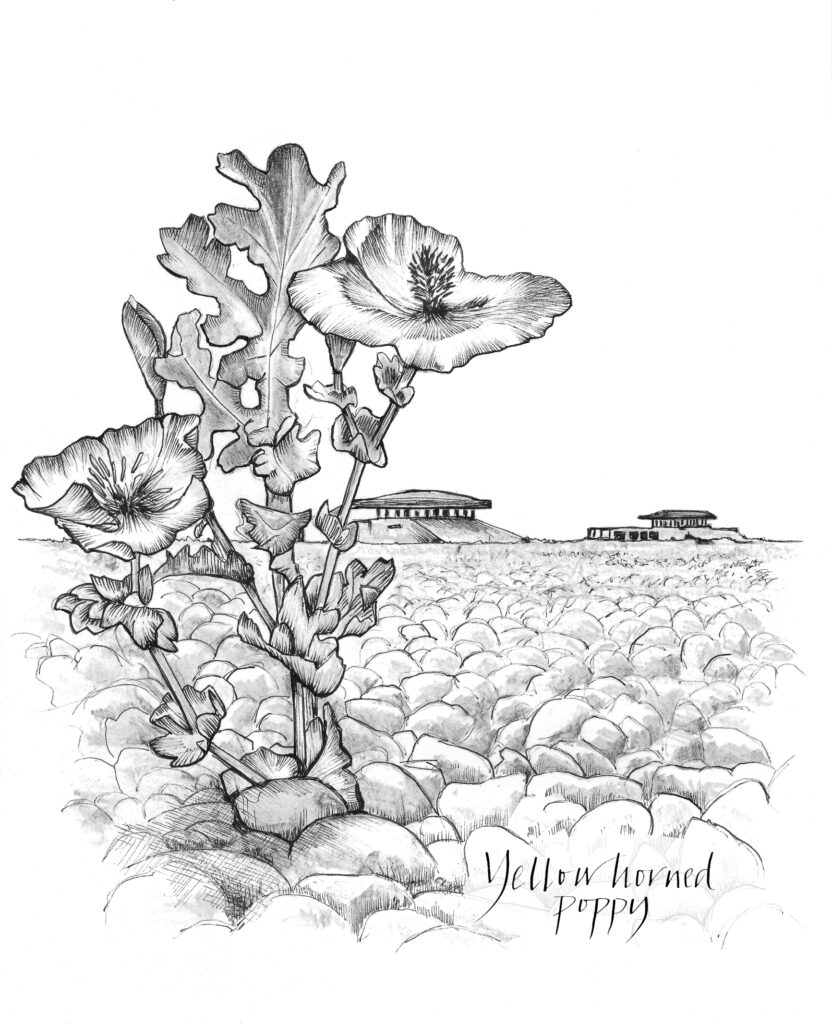
An illustrated yellow horned poppy growing in shingle.
Yellow Horned Poppy by Cindy Lee Wright.


One of the first things that struck me about the book was how funny it is (I particularly enjoyed “my sitting was devoid of porpoise” when lamenting the lack of marine mammals spotted during a period observing the sea). Do you think humour and levity are important in providing a gateway into a topic that might originally seem highly specialist?  

I’m glad you liked the porpoise joke. It’s one of those lines you know you really ought to cut, but haven’t the heart. 

And yes, humour is essential. It’s essential to almost everything. Humour doesn’t compromise seriousness. Humours enriches life. There is humour in the greatest art – Ulysses, A la recherche du tempts perdu, Hamlet, The Waste Land, Metamorphoses. Humour humanises, bringing meaning and proportion to all we do. At a funeral, what touches us most deeply are funny stories from the life of a person we have lost. 

Humour doesn’t make things trivial. When appropriate, humour makes things profound… in a funny sort of way. 


Why do you think that botany is important and what can it bring to our lives?

Everything starts with plants. Plants are the only things that can eat the sun: the power of the sun allows them to make their own food, and that feeds everything else that lives (unless you live in a hydrothermal vent at the bottom of the sea, of course). Lions couldn’t live without plants: they just eat them at one remove.  

Those of us who like nature tend to have areas of specialisation, and that’s only natural. But nature itself isn’t about separation: it’s about the way everything fits in together. You can’t really get a handle on your own specialist subject, no matter what it is, without understanding the way it’s driven by plants. 
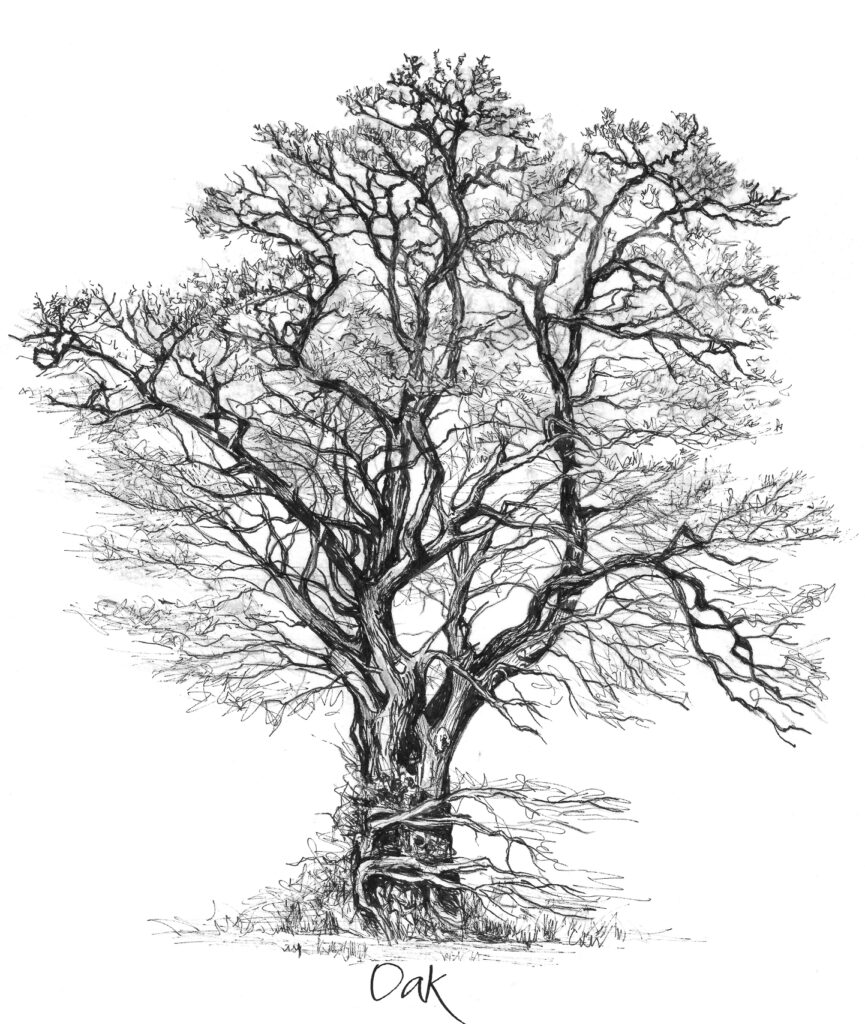
An illustrated Oak tree
An illustrated Oak tree from How to be a Bad Botanist. Illustrated by Cindy Lee Wright.


The final chapter relates to a decline of the natural world – what more could we do to support our native wildflower populations in the UK?  

The first thing to do is to look after any piece of land you have control over and make it richer and wilder. Sometimes neglect – what conservationists call “minimum intervention” – is the best policy, and it’s assiduously practiced at our place in the Broads.  

The second is to support good organisations: your local county wildlife trust (and yes, there’s one for London) and the excellent Plantlife.  

And after that, just show people wonderful stuff: here come the waterlilies, this pretty stuff on the riverbank is Purple Loosestrife and Hemp Agrimony, and round the next bend there’s an Aldercarr with nesting herons. By doing so, you enrich people’s lives as well as your own.  


Other than buying your book, can you tell us one tip that you give to an aspiring ‘bad’ botanist? 

Just look. Look, and seek a name. These days you can use phone apps like Pl@ntNet which will have a decent shot at identifying plants from flowers, leaves, even bark. But mostly it’s about that mental shift: making it personal. Last year it was a nice little yellow flower, this year it’s the first Lesser Celandine of spring and your heart can rejoice. 

 

How to be a Bad Botanist is available to order from our online bookstore.

Echo Meter Touch – Upgrading for iOS

Wildlife Acoustics recently announced that the Echo Meter Touch (Standard and Professional versions), can now be upgraded so that they can be used with Apple iOS devices. There are a few important steps to take when upgrading. 

Which Apple Devices can be used? 

Wildlife Acoustics have stated that only new Apple devices that have a native USB-C connector on them will work. This means that any lightning connector-based devices will not work with the upgraded EMT even if you have a lightning to USB-C cable. If you have an iPhone 15 (all versions) or later you can use the upgraded Echo Meter Touch. 

How to upgrade your Echo Meter Touch

Firstly, make sure you have the EMT with the USB-C connector. Micro-USB will not work with this upgrade specifically for Apple devices. Here are the steps you have to take: 

1. Check to make sure you have the latest Wildlife Acoustics app installed on your Android Device. When you update the app it should display an announcement telling you that Apple is supported.

2. Plug your EMT into the Android device.

3. Using the menu found in the top left corner of the screen (displayed as three horizontal bars). Select Settings.

4. Scroll all the way to the bottom of the Settings menu, and select Advanced Settings. 

At this stage the app will tell you what version of firmware you have on your EMT. If it is version 2 or later, then you do not need to update to get iOS compatibility. However if there is a new firmware update, even if your device has version 2.0 or later, you should update the EMT to get the best possible experience from the EMT. 

5. If the EMT is shown as having version 1.3 the app will offer you a later version of firmware.

6. Select Update Module Firmware – DO NOT UNPLUG YOUR EMT Device

7. Let the app perform the upgrade and is will display the notice saying a firmware upgrade has been successful. 

8. Once, this appears, remove your EMT from the Android device, and re-insert it to double check the device is updated. 

Now that you have accomplished the firmware update you should insert the EMT into your Apple device. If you have downloaded the Wildlife Acoustics app to the Apple device it should function correctly. 


Spring Exploring: Equipment for Wildlife Watching

As spring emerges, naturalists across the UK are dusting off their kit to begin exploring the great outdoors. From bird watching to bug hunting, we have equipment to help you explore. Below, we have compiled a list of must-have equipment for wildlife watching this spring. 

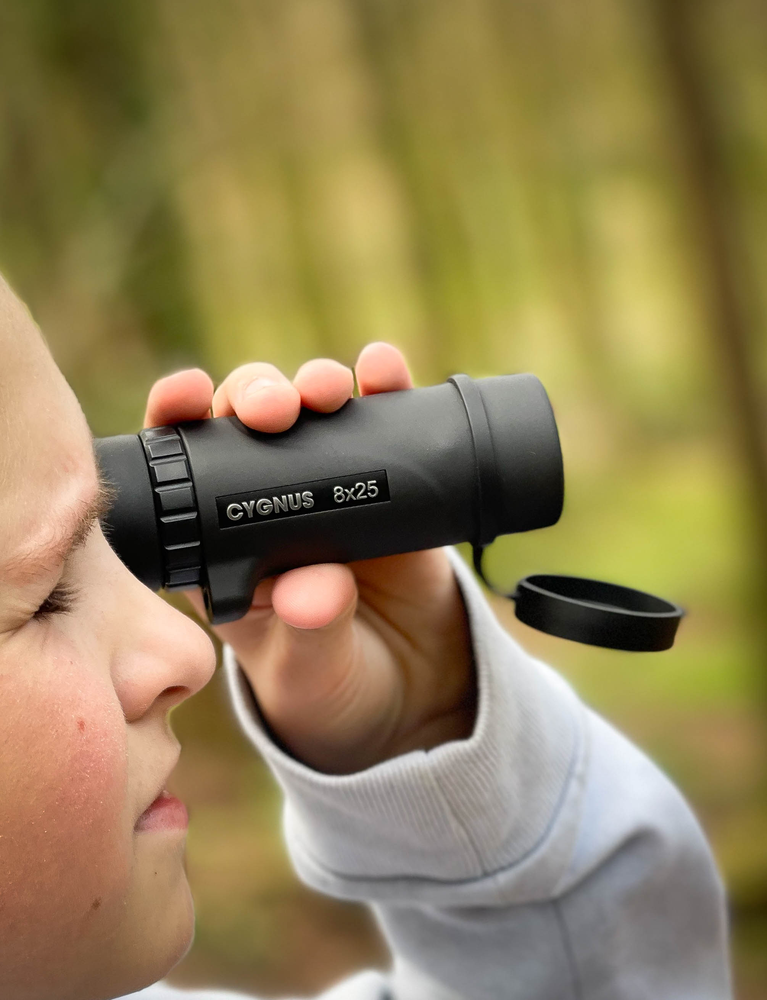
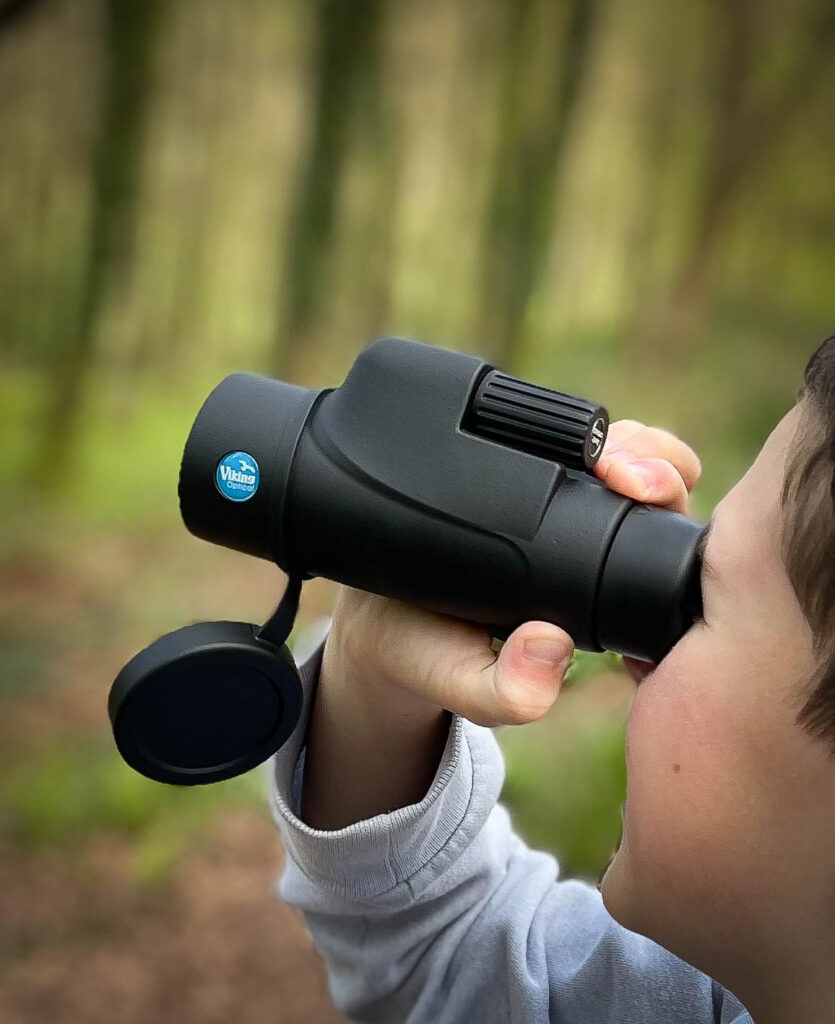
Viking Cygnus Monocular 

Young boy looking through a monocular in the woods.
The Viking Cygnus Monocular in-field.

Excellent optics combined with a grippy, rubberised armour make this handy monocular the ideal companion this spring. At only 287g, The Viking Cygnus Monocular is a lightweight, showerproof monocular with a small form factor, designed for easy handling for any hand size. Created for quick access and target acquisition, this monocular features a smooth action barrel adjuster for precise focus adjustment and a larger objective lens for high colour imagery.  

For a smaller, even more lightweight alternative weighing only 140g, the 8×25 MK2 magnification monocular is ideal for quick and easy use, where a smaller objective diameter lens is counteracted by its handy size. 

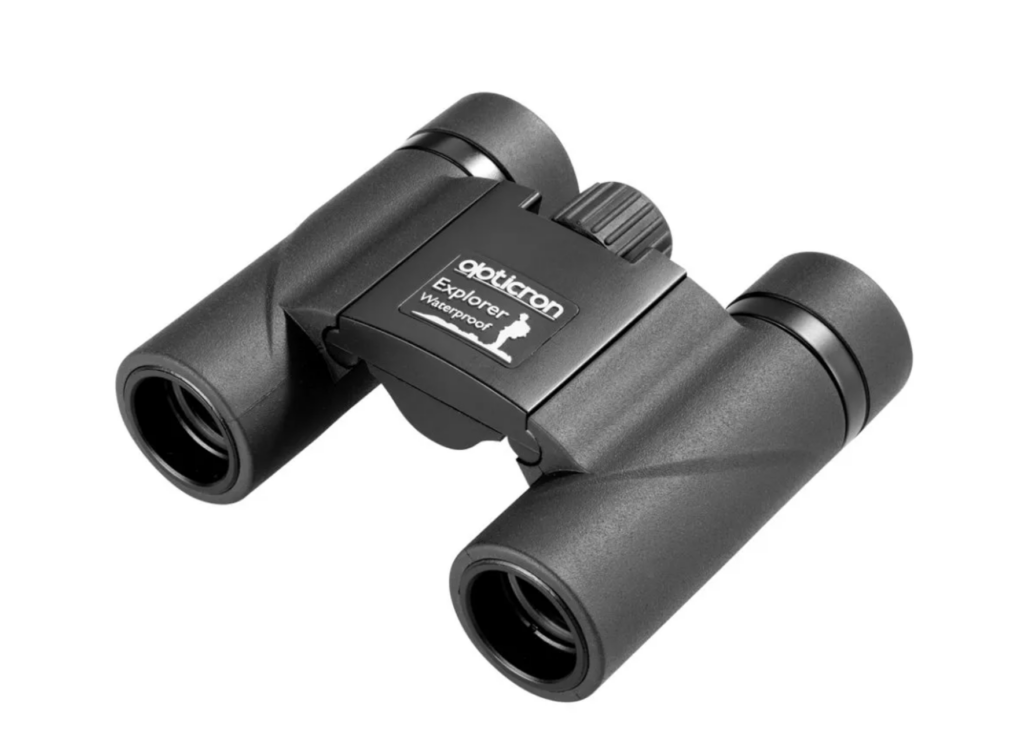
Opticron Explorer Compact Binoculars 

Black binoculars.

The Explorer Compact Binoculars by Opticron would make an excellent addition to any naturalists kit this spring. A fully armoured, roof prism body provides comfort and extra grip for comfortable carrying infield. With a weatherproof, fold-down design, these are ideal for transport, and can be stored easily due to their size and weight (195g). The ribbed focus wheel and twist-type eye cups ensure a good field of view with easy focusing, and the use of multicoloured lens and high reflection coated prisms provide bright, crisp images. Available in 8 x 21 and 10 x 21.  

Nikon Sportstar EX DCF Compact Binoculars 

Black binoculars

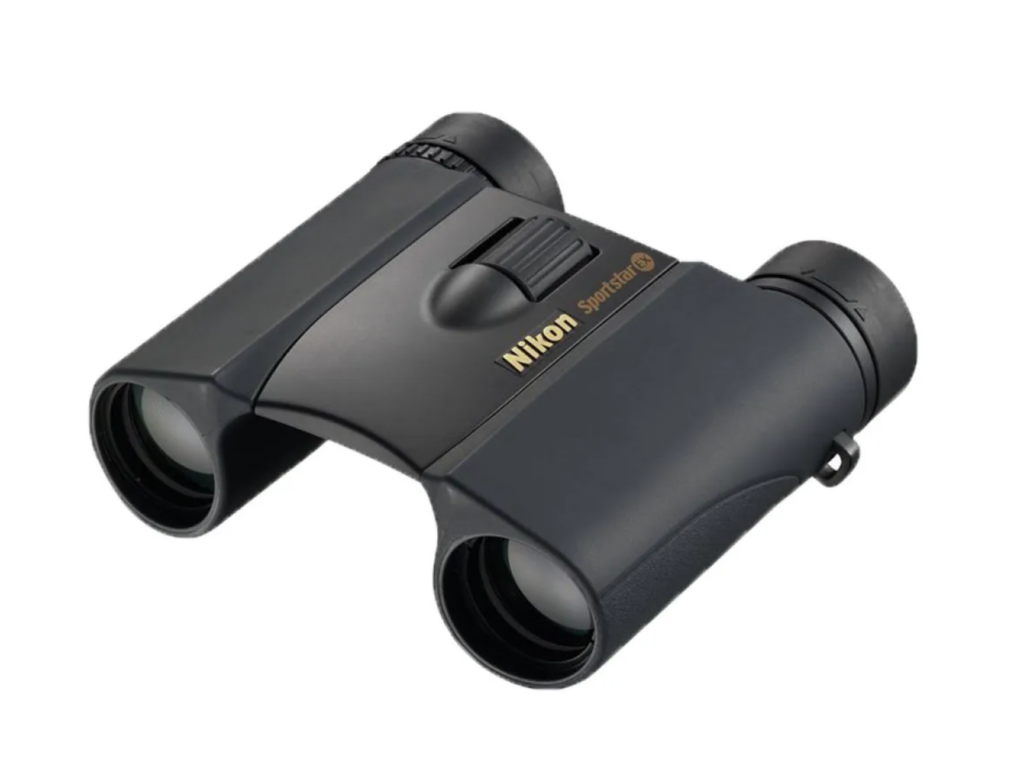
Available in 8×25 and 10×25, these high-quality, pocket-sized binoculars are waterproof and fog free. Turn and slide rubber eye cups allow for easy positioning, and multilayer coated lenses deliver a high optical performance with great clarity and well-balanced colour. The field of view is ideal for observing large landscapes, and partnered with a good close focusing distance, these compact binoculars also work great with insects. Weighing only 300g, these ultra-lightweight binoculars are ideal for travelling or working infield.  

Crushable Pocket Butterfly Net

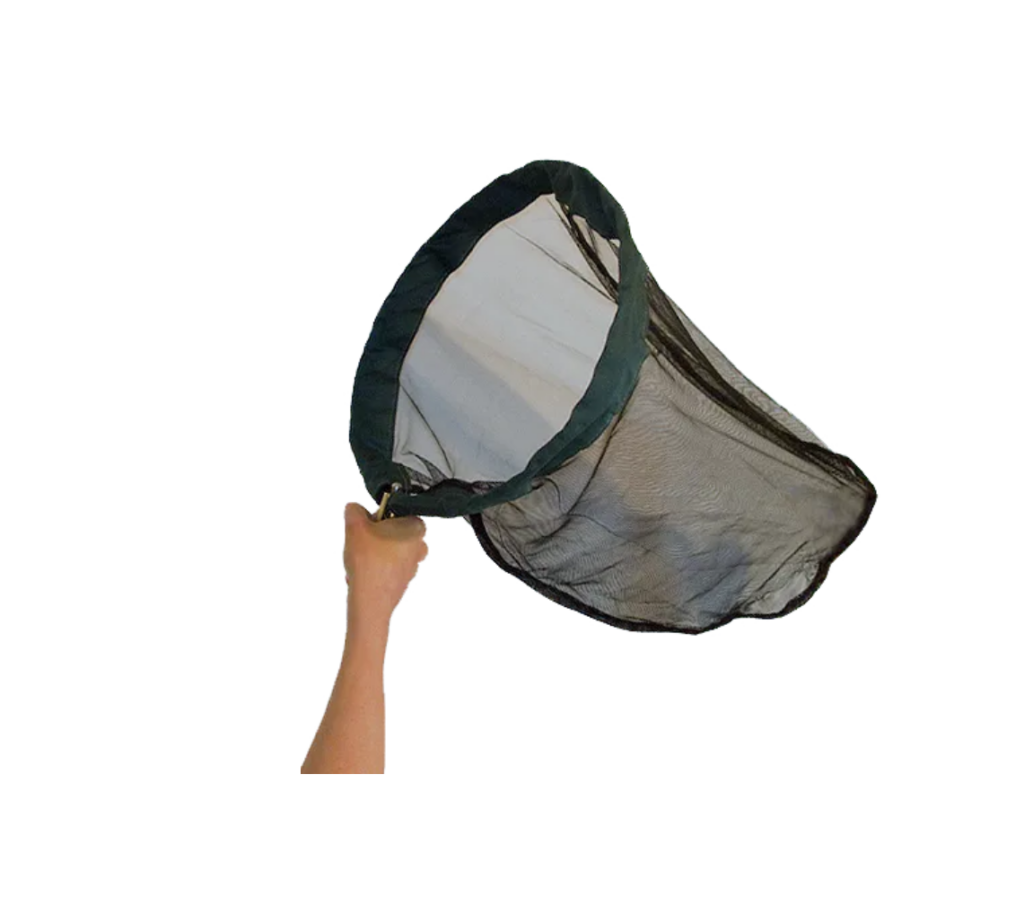
A hand holding a butterfly net

Designed with a spring steel frame, this Crushable Pocket Butterfly net can twist for an easy collapse and can be folded down to pocket-size. This foldable, yet robust design allows for easy transportation and storage whilst in-field. The net is supplied with a short, brass handle but can also be used with telescopic and push-fit net handles if you wish to extend its reach.  

Walkstool Basic 

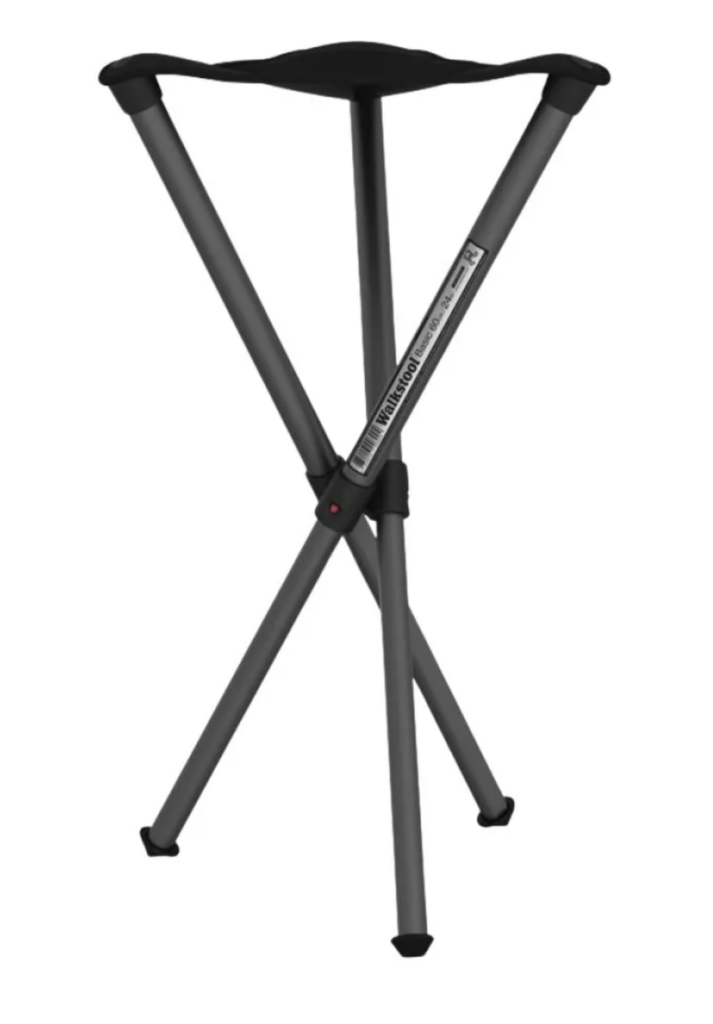
A black and grey folding stool.

Designed and manufactured in Sweden, the Walkstool Basic is a simple, 3-point stool made for outdoorsmen of any kind. Suitable for home use and in-field work, this compact resting stool weighs only 725g, making it ideal for packing and transporting. Available in 24”, the Walkstool Basic is designed with comfort and sturdy support in mind. This highly portable stool has plastic foot ends and telescopic, extendable legs to account for uneven terrain. The sturdy aluminium frame and durable polyester seat make this stool a worthy addition to any explorers kit this spring.  

Pocket Guide to the Bumblebees of Great Britain and Ireland 

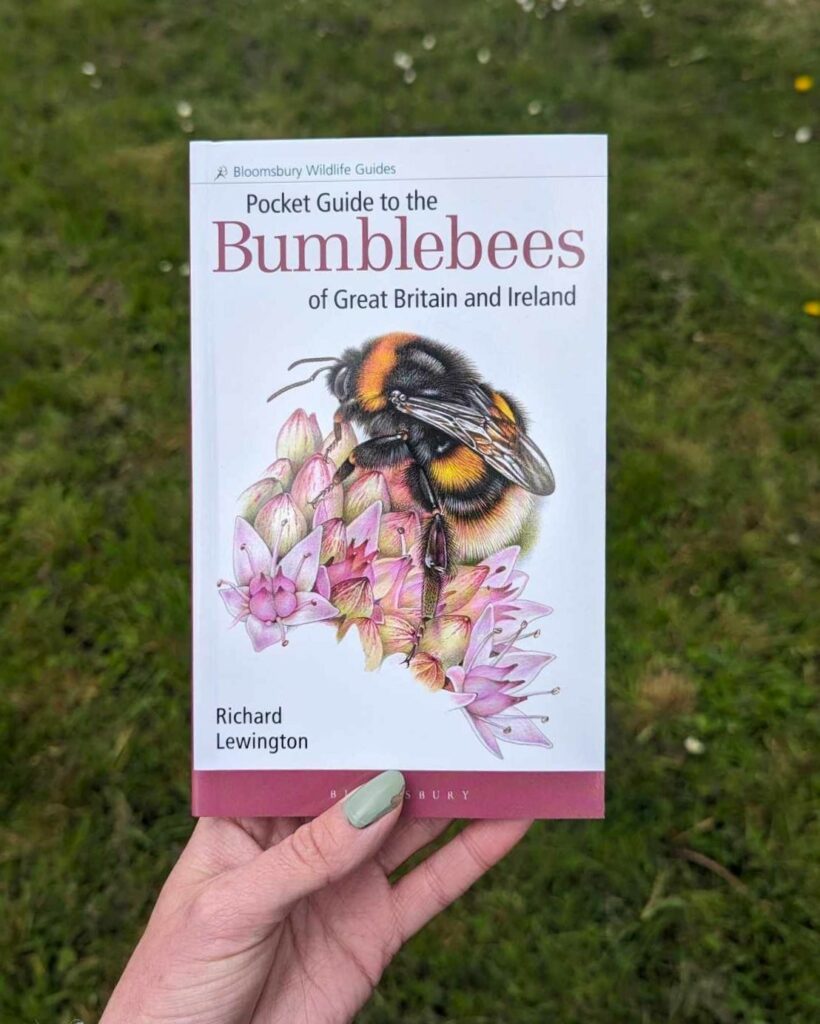
A hand holding a small book with a bumblebee on the front.

This handy, pocket-sized guide to the naturally occurring bumblebees of Great Britain and Ireland is a richly illustrated work accessible to beginners and more experienced naturalists alike. Each species has a dedicated double page spread, detailing its characteristics, habitat, distribution and sex differentiation, among others. This portable pocket guide provides an ‘at-a-glance’ guide to species. Ideal for exploring this spring, this handy book provides an informative peak into the world of bumblebee identification.  

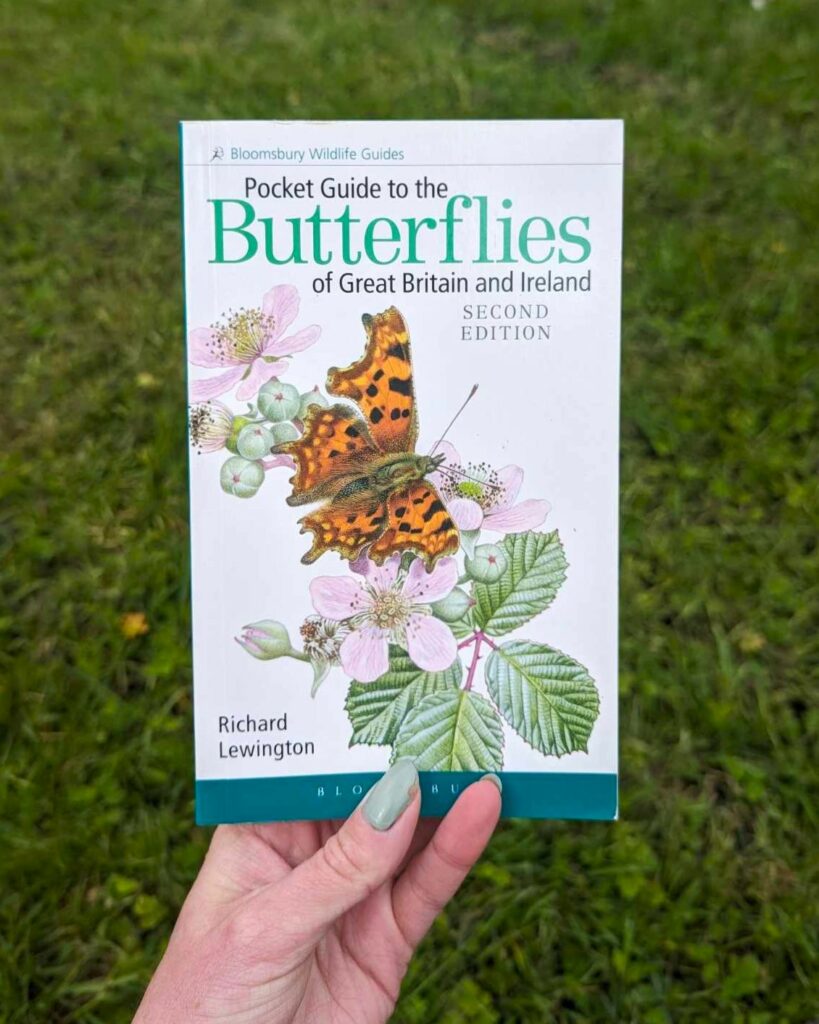
Pocket Guide to the Butterflies of Great Britain and Ireland  

A hand holding a guide to butterflies with a background of grass

Another publication in the Bloomsbury Wildlife Guides collection, the Pocket Guide to the Butterflies of Great Britain and Ireland features over 600 detailed illustrations on each species and their life stages. Detailing species information, distribution and life history, this pocketbook provides an accessible, easytouse guide to butterflies in Britain.   

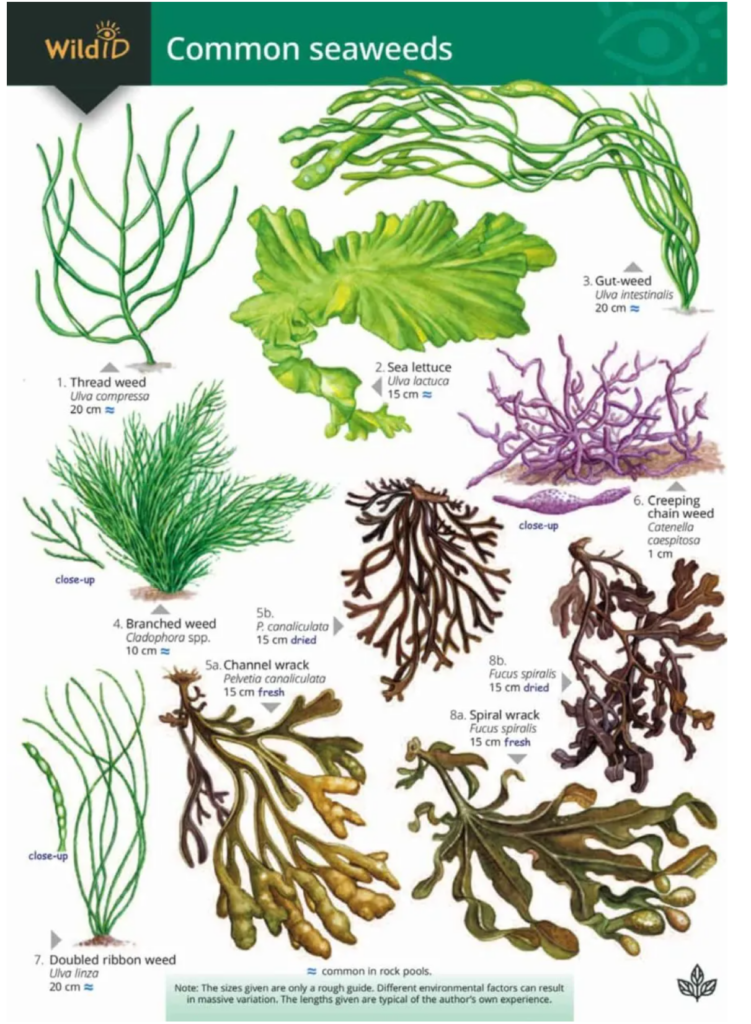
Field Studies Council Fold-out Guides  

Identification guide showing seaweed species

The Field Studies Council Fold-out Guides are ideal for days where full-size field guides are cumbersome. These handy species identification charts cover an eclectic range of themes, from mammal tracks and woodland plants to seashells and jellyfish. These weatherproof guides are a practical accompaniment to a spring stroll, find the full collection here 

No Mow May: A Celebration of Wildflower Power

This spring, traditional British lawns are out. Throughout the month of May, Plantlife urges us to let our gardens be wild with #NoMowMay. This exciting initiative encourages us to embrace a wild lawn this spring, providing plants, invertebrates and other wildlife the opportunity to make our gardens a home. No Mow May could transform your green spaces into a colourful kaleidoscope of flowers you never knew were there. From buttercups to bee orchids, here at NHBS we have had an astonishing array of wildflowers in previous years, and we are hoping that this year will be the same!
Knowing when, and how, to mow your lawn to encourage wildflower growth and minimise grass domination can be confusing, and there is no ‘one size fits all’ answer to supporting native wildlife. In anticipation of May, we outline the important things to consider when maintaining your lawn over the coming seasons.

Tightly manicured garden lawns are unable to host the diverse communities associated with a natural space. The artificially constructed environment, with uniform grass length and limited species, prevents our native wildflowers from blooming and our vital insects from settling. Lawn feeds and fertilisers often used to maintain our lawns can result in unnaturally high levels of soil fertility. Such levels can unintentionally diminish the diversity of flora within our gardens, since native wildflowers are adapted to low-nutrient conditions. Associated with higher carbon emissions, time consumption and overall cost, many are steering clear of a high maintenance lawn this spring. 

A spring-flowering lawn provides a whole host of benefits for the wildlife within our gardens. Opting for a wild, native lawn provides essential breeding habitats, food sources and physical protection for a number of species. These spaces give wildflowers a chance to bloom and set seed, benefitting both insects, and the predators who rely on them.  


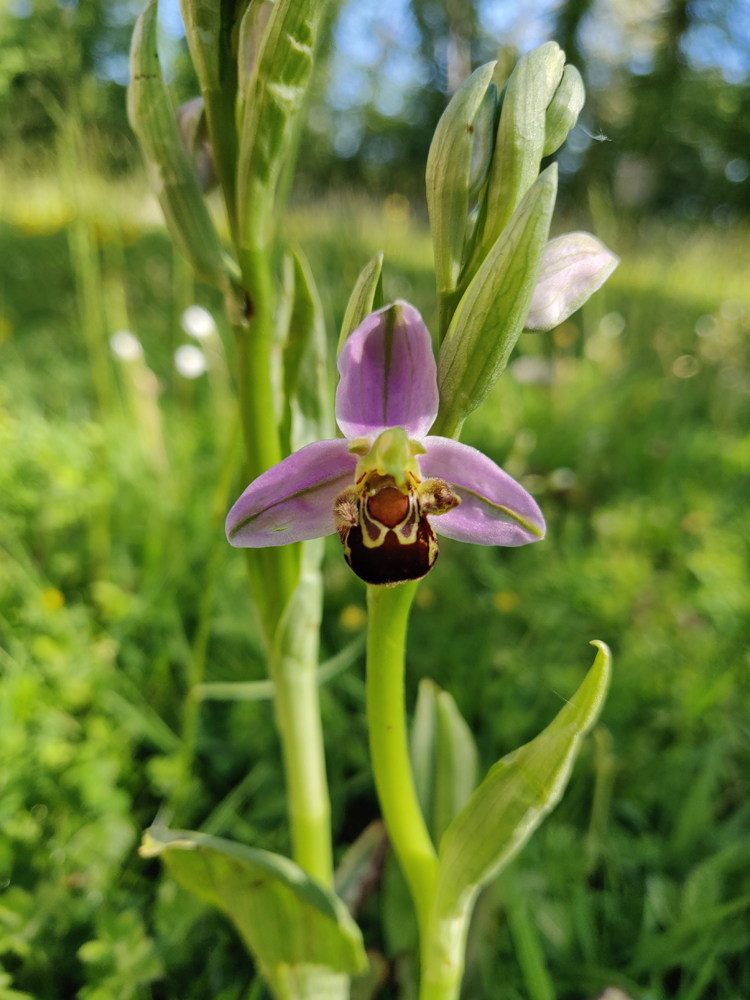
A bee orchid in the centre, in front of a wild lawn
Our Bee Orchid (Ophrys apifera) from #NoMowMay 2022. Image by Oli Haines.

So, how and when should we mow?   

Less is more! Switching up your mowing routine, or refraining from a mow in some areas, is a great way to maximise diversity in your garden. After a short time, your outdoor spaces can flourish into a haven for wildlife. From voles to vetches, and even British reptiles, watch your garden transform from monoculture to a wild refuge.  

Varied grass length, wild edges, or longer patches of lawn are great for attracting local wildlife to your garden. You may find orchids, ox-eye daisy and knapweed in these longer areas, which also provide cover for small mammals that may be wandering through, and shorter areas can boost pollen availability from low-lying flowers, like buttercups and clover. Plantlife advocates for a varied mowing approach with longer patches throughout the garden, alongside shorter areas (aiming to mimic grazing pressures of different herbivorous species in the wild). For instance, you might decide to maintain shorter pathways and areas around patios, but allow other areas of your green spaces to grow freely.  

It is important to remove cuttings after lawn maintenance to prevent excess nitrogen in the soil, thus reducing nitrophilic plants (species with a preference for nitrate rich habitat, typically from fertilisers and the decomposition of organic material) in your garden. ‘Cut and rot’ management can be counterproductive when cultivating wildflowers, as low levels of soil nutrition are preferred by many and will harbour the most diversity. In fact, frequent fertilisation and additional nutrition can result in an overall decline of wildflowers, leading to a dominance of nitrophilic plant species.   

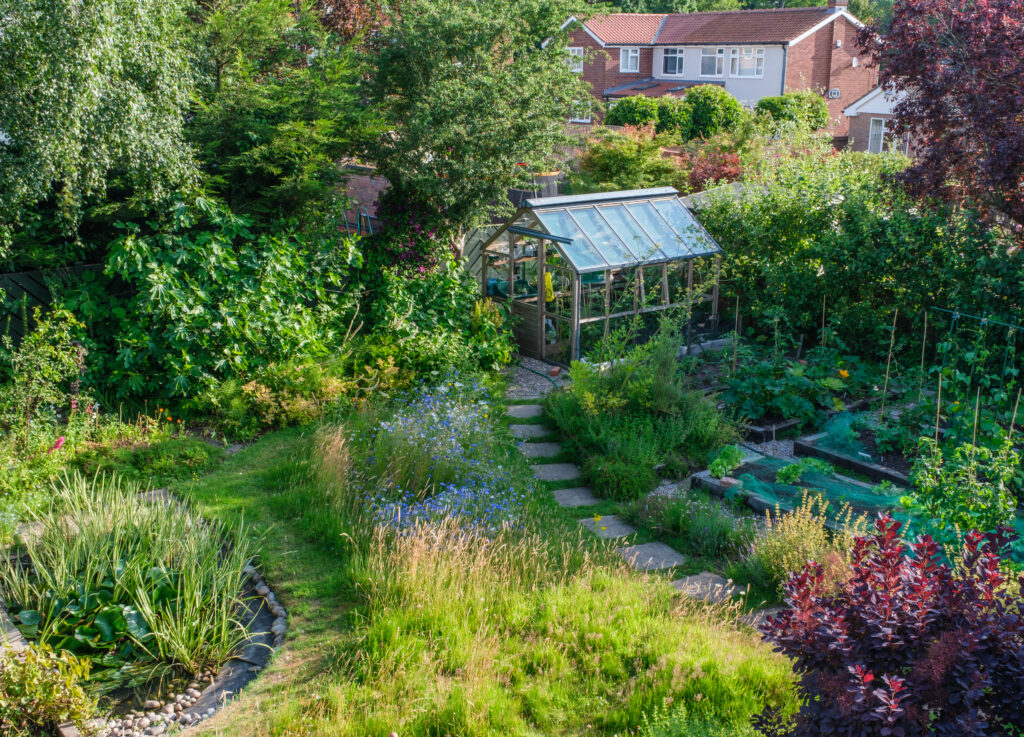
A garden during No Mow May with varied grass length, wildlife corridors and vegetable patches.
A garden with varied grass length during No Mow May. Image by Allan Harris via Flickr.

Knowing when, and how, to mow during the year is key to maximise flowering of wildflower species, while simultaneously preventing grass domination: to do this, it is generally recommended to mow three times a year; early spring, late summer and in autumn.  

A 3-inch, early spring mow is beneficial to kickstart the season, promoting early growth and blooming.  An early mow can also help to tackle nitrophiles, like nettles and cow parsley. This can help to prevent competition, allowing wildflowers to grow undisturbed. However, be wary of mowing too early, as this can prevent wildflower seeding and will impact your gardens growth next year.  

A summer mow in late July, or August, removes the previous growth, encouraging the bloom of wildflowers later in the season. As far as insects are concerned, the later the mow, the better. Insect species tend to hatch in the warmer parts of spring and summer, so a mow in late August will prevent harm to hatching individuals. 

Around late November, an autumn mow can help to promote reseeding and encourages germination in the following spring. Allow the wildflowers in your lawn to finish flowering and let them go to seed, a mow after this allows the seedheads to disperse seeds into your lawn. An autumn cut can also keep grass growth under control, further encouraging germination.  

There are also certain considerations to be wary of when forming wild areas in your garden. These habitats will attract a great number of species, who may make your lawn a home. Best practice involves leaving an area of your lawn untouched to house these species, but if you are looking to tidy up your garden after No Mow May, wildlife must be considered. Wildlife in our lawns can be harmed in the process of tidying up our outside spaces. It is recommended to disturb, or walk through patches to be maintained to shoo species from the area. On the first mow, start with a higher cut to give smaller animals a chance to escape. When mowing the lawn, start with garden paths and areas of high footfall, working toward the edges of the garden. This, again, provides wildlife with an escape route through the boundaries of your garden. If your garden has fences or hedgerows, a wildlife corridor along your borders is another way to support visiting animals. Untouched, or lightly managed, strips along these areas can provide a safe space for travel around the garden, providing cover and protection from predators.  

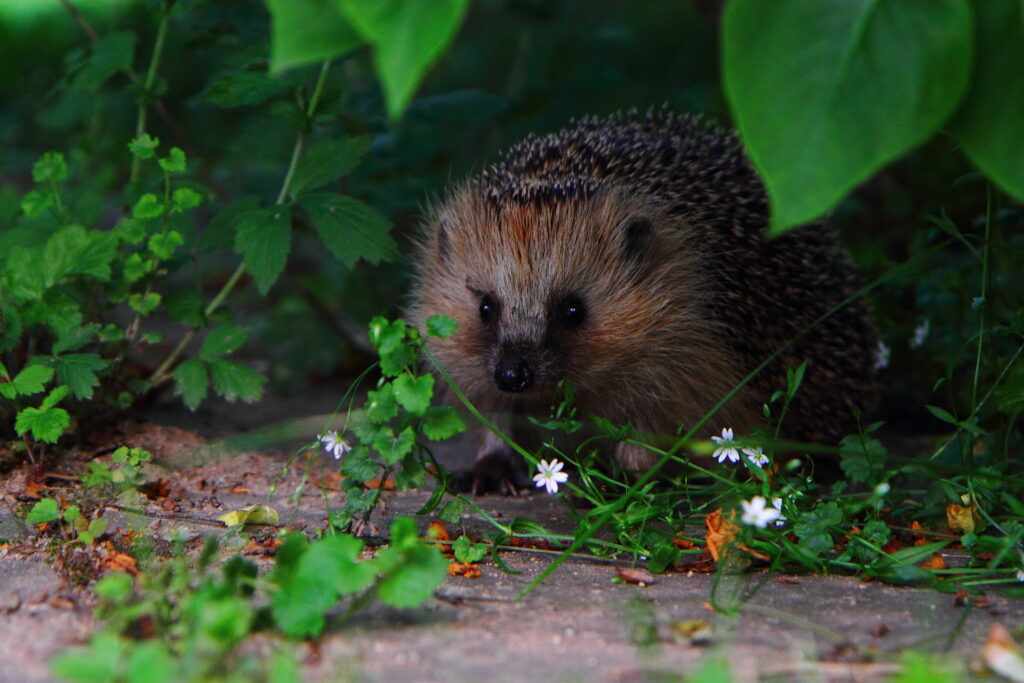
hedgehog looking out from a bush
Hedgehog by Kalle Gustafsson via Flickr.

How can we prepare for No Mow May?  

If you currently use fertilisers, lawn feed, moss killers or pesticides, abandoning the use of these additives in your garden will allow the soil to recover from these harmful chemicals. This can provide microscopic and invertebrate soil communities a chance to recover, improving the overall health of your soil.  

For some of us, early bloomers may already be present in our gardens. Cowslip, violets and primroses may be popping up on our lawns, showcasing the first few flowers of the season. You may consider allowing these to go undisturbed, giving them a head start for spring. Having said that, the best way to prepare for No Mow May is a 3-inch April cut to encourage a strong period of spring growth.  

Whether or not you decide to mow the lawn this spring, consider leaving an area of your garden wild. Whether this be a natural lawn or rough borders, we hope you feel inspired to take part in this year’s #NoMowMay! 


This Week in Biodiversity News – 15th April

Environment 

The UK’s first national assessment of earthworms has revealed that their populations decrease by 2% annually, and overall earthworm population numbers have fallen by a third over the past 25 years. This study, conducted by an ecologist at the British Ornithology Trust (BTO), also concluded that the largest decline in this species has been observed in broadleaf woodland ecosystems. This may now be having detrimental effects on other species, such as woodland birds, who have seen a subsequent population decline of 37% since 1970. Barnes’ study concludes that, if these results are found elsewhere, the long-term decline of this keystone species could affect our ability to grow crops, as worms aid the growth of 140m tonnes of food a year. It may also have catastrophic effects on soil health, ecosystem structure, function, and above-ground wildlife.

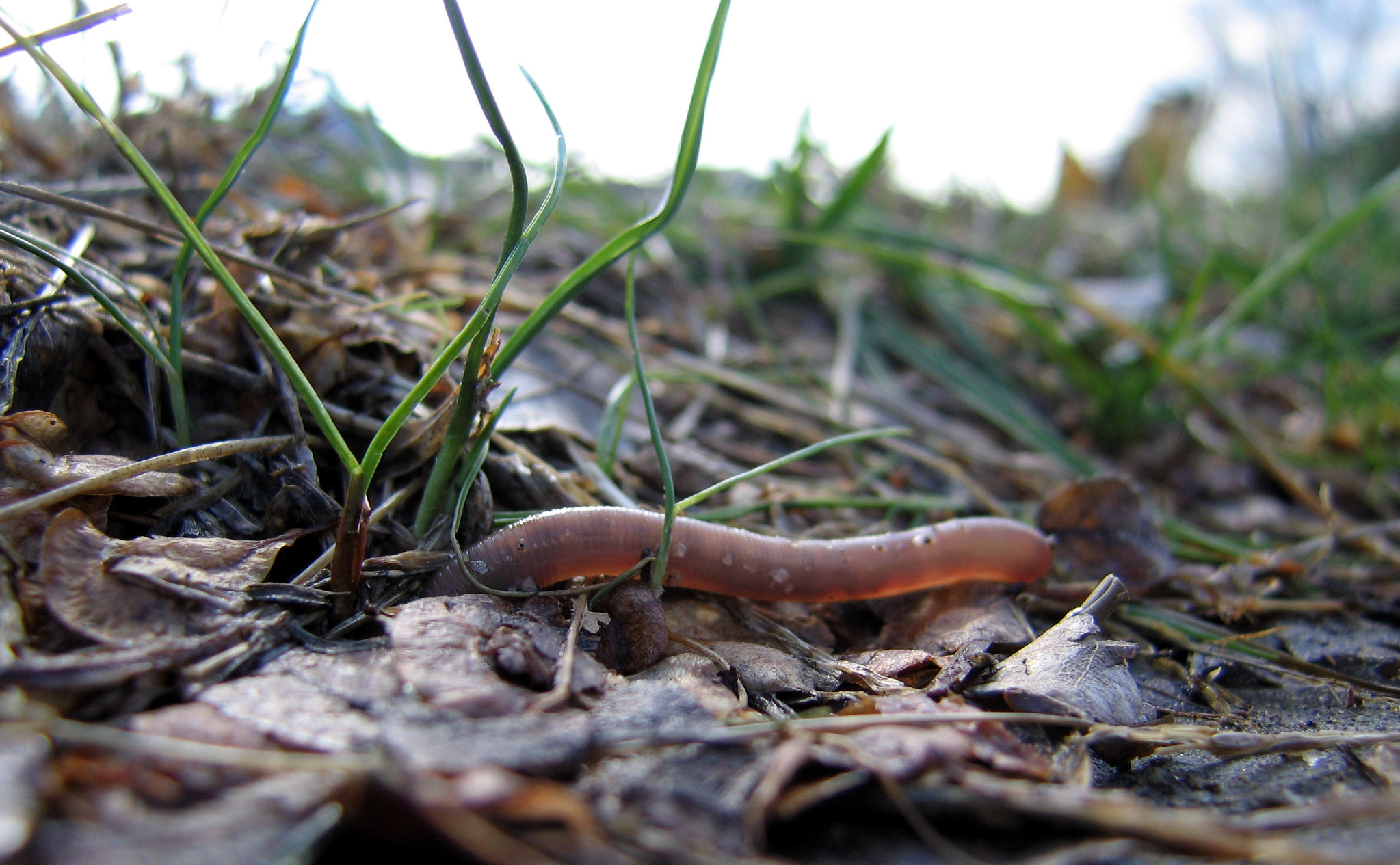
Earthworm diving into the soil between some blades of grass with leaves on the floor.
20060131 earthworm dives by schizoform, via flickr.

Global rainforest deforestation continues at a rate of ten football pitches per minute. Despite widespread efforts to minimise deforestation across the Brazilian and Colombian Amazon, new data has revealed that 37,000 sq km was still removed from previously undisturbed rainforests in 2023. Large increases were noted in Bolivia, Laos and Nicaragua, which has now offset the positive progress made by other countries in the reduction of deforestation. Experts have warned that governments are unlikely to meet their climate and biodiversity commitments due to the continuation of mass deforestation, with many going against the COP28 agreement to halt and reverse the loss and degradation of forests in the next six years. This puts the 2030 zero-deforestation target even further out of reach. 

New research has revealed that national parks are failing to tackle the biodiversity crisis, despite these important areas covering 10% of England and 20% of Wales. Due to lack of government funding, the direct grant set aside for national parks has been cut by 40% since 2010, resulting in poor peatland condition, no change in woodland biodiversity in a 5-year period, and a significant decline in river and lake health. Aside from a lack of funding, national parks are not restoring nature as only 13.7% of the land is publicly owned, with the remaining 86.3% privately owned and often intensely farmed. Campaign for National Parks is calling for a new deal that ensures the government sets a clear mission to increase nature protection and restoration in the UK’s national parks, and subsequently double core national park grants to reinstate this vital funding to its 2010 level. 

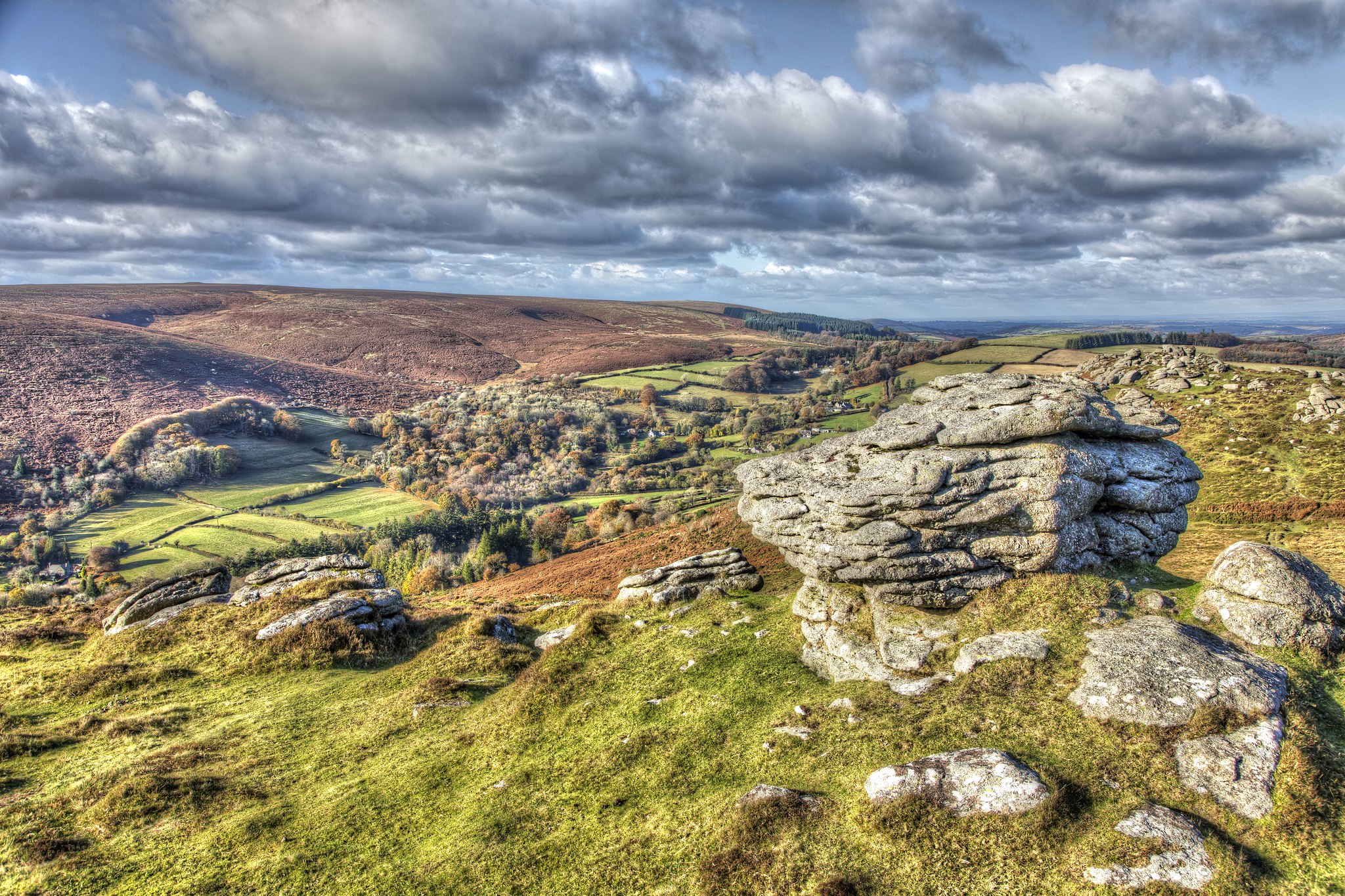
Dartmoor landscape with cloudy sky but sun shining on the grass, with the moors in the background and a tor stone in the foreground.
Dartmoor by dreamgenie, via flickr.

Discovery and reintroduction 

One of the world’s most elusive moles has been sighted in Australia. The Northern Marsupial Mole, or Kakarratul, lives in one of the most remote parts of Australia and is only sighted a few times each decade. Due to their rarity, authorities are still unsure of their population size and these creatures remain a mystery to most of the world. However, the Kanyirninpa Jukurrpa Martu rangers discovered the rare, blind Northern Marsupial while working in the Great Sandy Desert, making this the second species sighting in six months. 

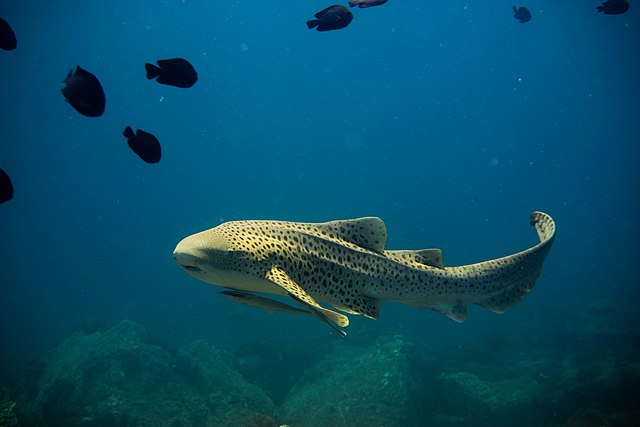
Progress has been made in the first ever shark translocation project, which aims to reintroduce Zebra Sharks to the Raja Ampat archipelago in Indonesia after the species was declared functionally extinct due to overfishing and habitat degradation. This is the first initiative attempting to translocate shark eggs from an aquarium to a hatchery before releasing them into the wild. Two sharks have recently hatched on the island of Kri and will be kept in tanks until they are strong enough to be released into the wild. The project aims to release 500 Zebra Sharks by 2032 in the hope of creating a genetically diverse breeding population that will aid long-term species recovery. If successful, this rewilding project will set a strong example of how to re-establish endangered species populations in marine ecosystems and would be a breakthrough for future conservation efforts. 

Zebra Shark swimming in the sea over a rocky seabed with fish swimming above it.
Zebra Shark by Daniel Sasse, via wikimediacommons.

Climate crisis 

A record hot March leads to fears of faster rates of climate change. Last month was the hottest March on record, reaching 1.68°C warmer than in pre-industrial times. This marks the tenth record breaking monthly temperature in a row, and scientists are concerned that they may not temporarily fall, as expected, after the El Niño period due to the warm weather experienced at the end of 2023. Researchers are now trying to ascertain whether the changes in El Niño are a phase shift or just an anomaly in long-term climate trends. Although they are unsure how conditions in the Pacific Ocean will evolve over the coming months, current predictions suggest it could be replaced by a full La Niña cooling phase. 

NHBS Guide to Newt Survey Equipment

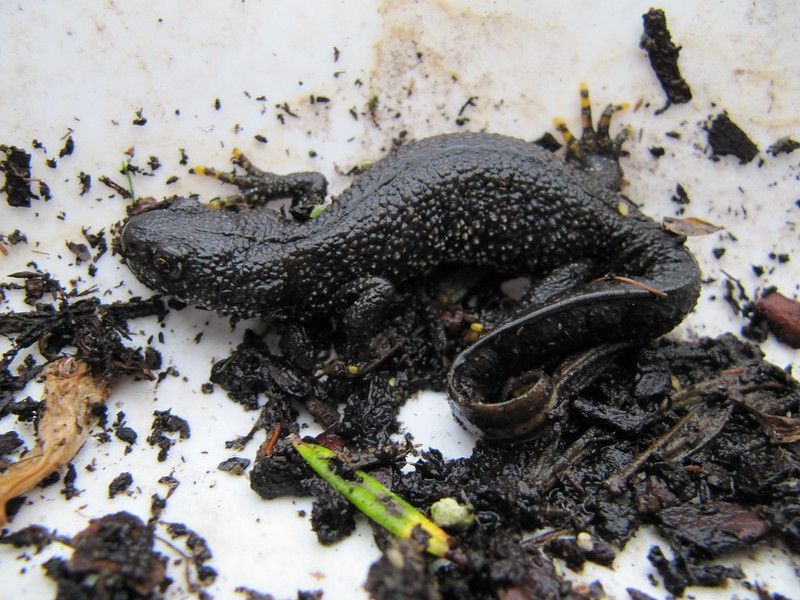
Great Crested Newt (Triturus cristatus) – CC Leonora (Ellie) Enking via Flickr

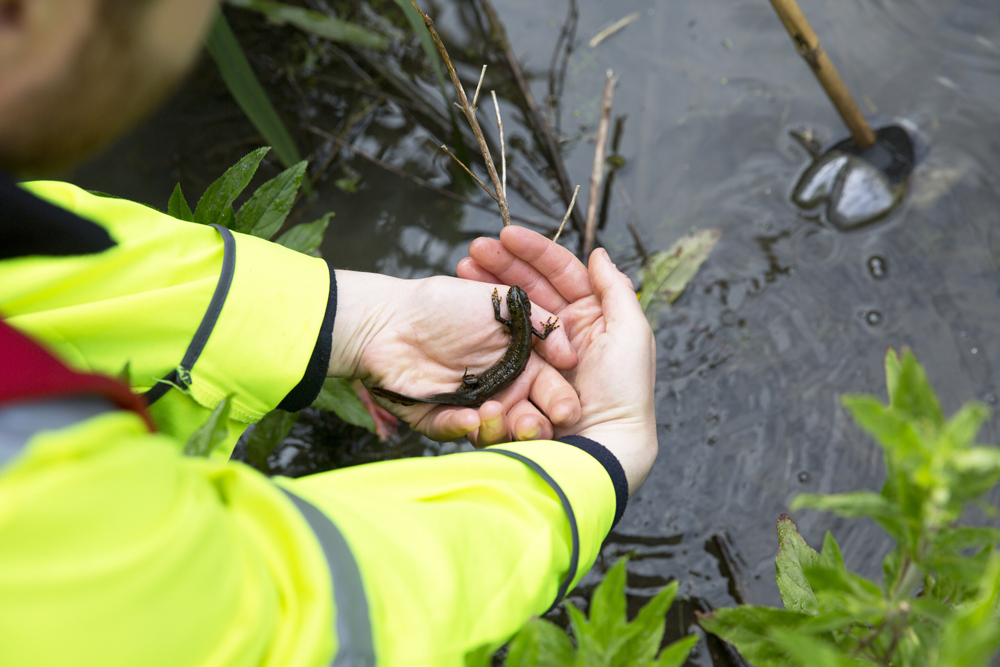
Great Crested Newts are the UK’s most strictly protected amphibian, requiring licensed ecological surveys if a development may affect them. As the first signs of spring emerge, ecologists are preparing for the start of this year’s newt survey season. Below, we have compiled a list of the most common newt survey methods and the equipment needed for each, so that you can ensure you have everything you need as the survey season approaches.

Netting
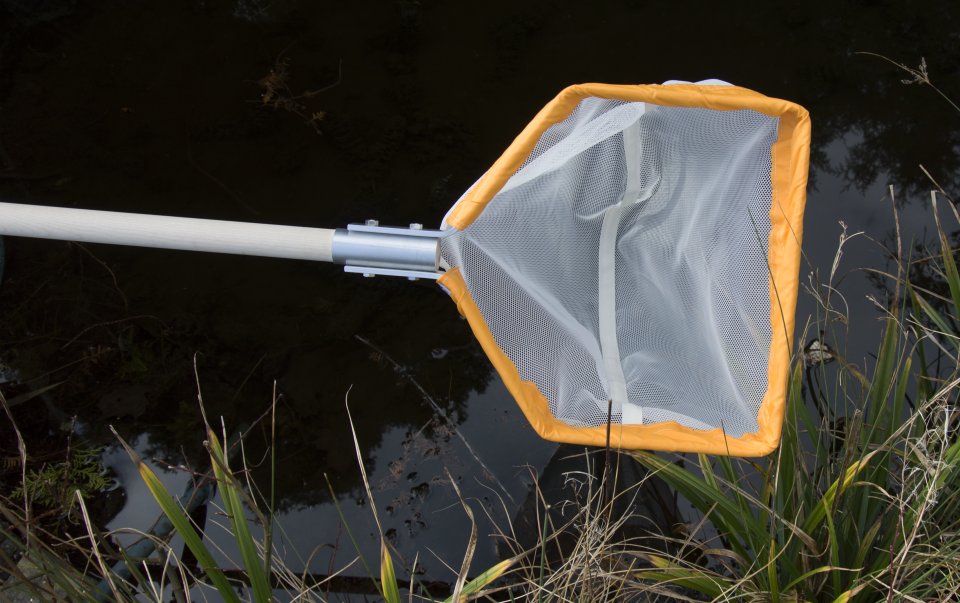
NHBS Traditional Amphibian Net

Netting for adult and larval newts can be a useful tool for both survey and relocation. Here at NHBS, we have designed an amphibian net specifically for the safe and efficient capture of newts. Our net frames and net bags are sold separately. The net bag attaches to the net frame via a wide Velcro collar, which prevents newts from becoming caught between the frame and the bag.

The bag can be disinfected between sites. The seams are carefully placed so they do not come into contact with the front edge of the net, and the bag is made from a soft 2mm mesh material. The net head is 300mm wide and comes with a sturdy wooden handle measuring 1.2m.

We also offer a diamond-shaped amphibian net available in either standard depth or deep. Its shape is ideal for the easy and safe capture of amphibians and is also available with a collapsible frame for convenient transport between sites.

Bottle Trapping

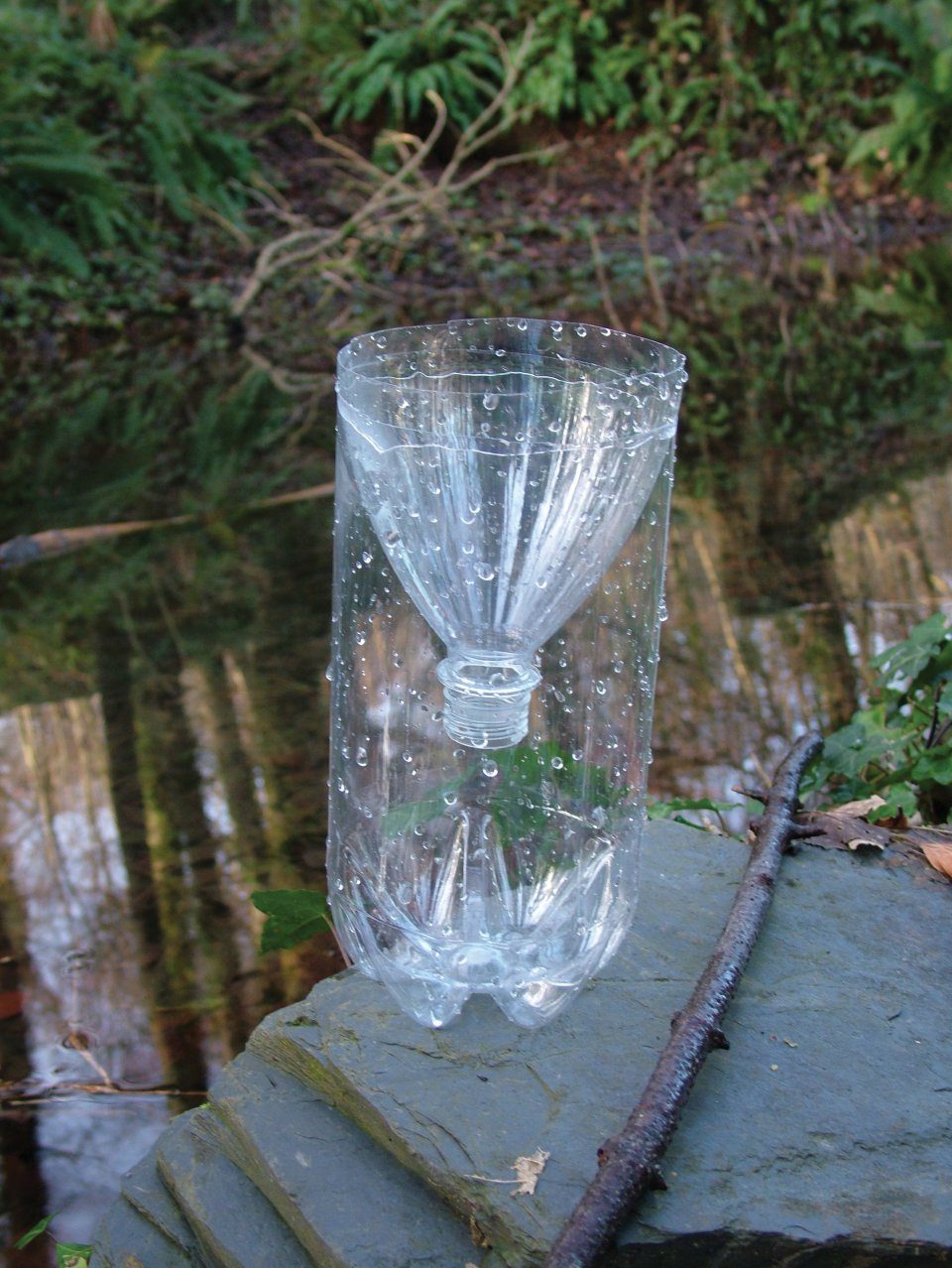
Bottle trapping is a popular method of surveying for both detecting and assessing populations. It can, however, become quite labour intensive, especially if you are looking to cut bottles into traps yourself. To save yourself some valuable time, we sell pre-cut bottle traps with the head inverted and ready to deploy. These can be bought in packs of 40 or 120 and are cut from 2L PET bottles with a 28mm neck diameter. Alternatively, we sell the whole bottles if you would rather cut the traps yourself.


Torching

Torching is a less invasive and effective method of counting/observing newts without the need for capturing them. Torches are recommended to be between 500,000 and one million candlepower and need to ideally last several hours at a time. The Cluson CB2 range is very popular among ecologists and provides 1 million candlepower with long lasting battery life and an easy-to-use pistol type grip. 


Drift Fencing

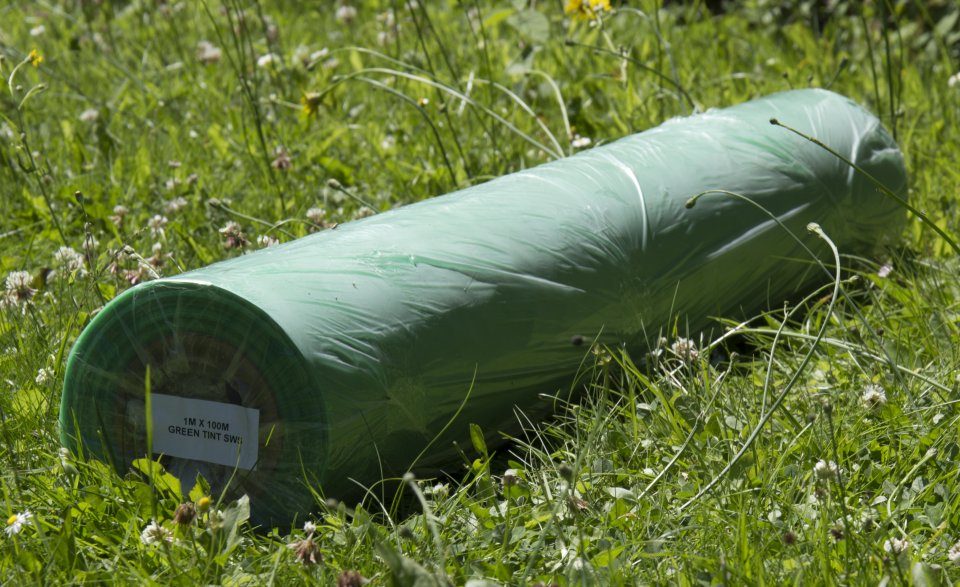
Fencing can either be used to temporarily exclude or contain newts in mitigation projects. It can also be used to aid the capture of newts for relocation and is typically a short barrier with the base buried underground. Our Tristar Newt Fencing comes in rolls of 100m, is made of UV stabilised polythene sheeting and tinted green. It is designed to resist weather damage and has a life expectancy of 5 years, making it ideal for temporary mitigation projects during development works. It is easy and simple to put up and can be fixed into place with our soft wood stakes.


Pitfall Traps

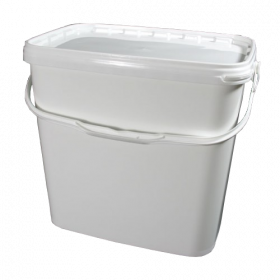
Often, pitfall traps are used alongside drift fencing in order to trap and translocate newts in relocation projects. They consist of a container that is buried underground often flush with the edge of drift fencing. Both rectangular buckets and round buckets have been shown to be effective and we supply several options depending on your preferences.


Recommended Accessories

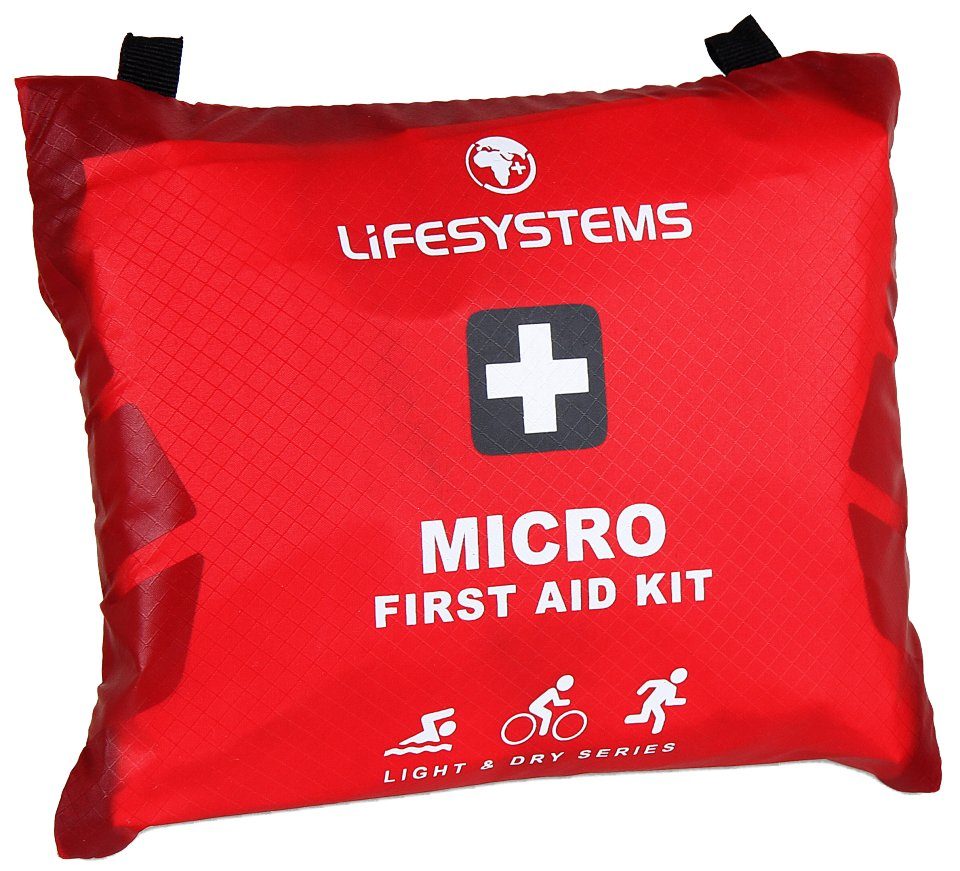
Light & Dry Micro First Aid Kit

Bamboo Canes

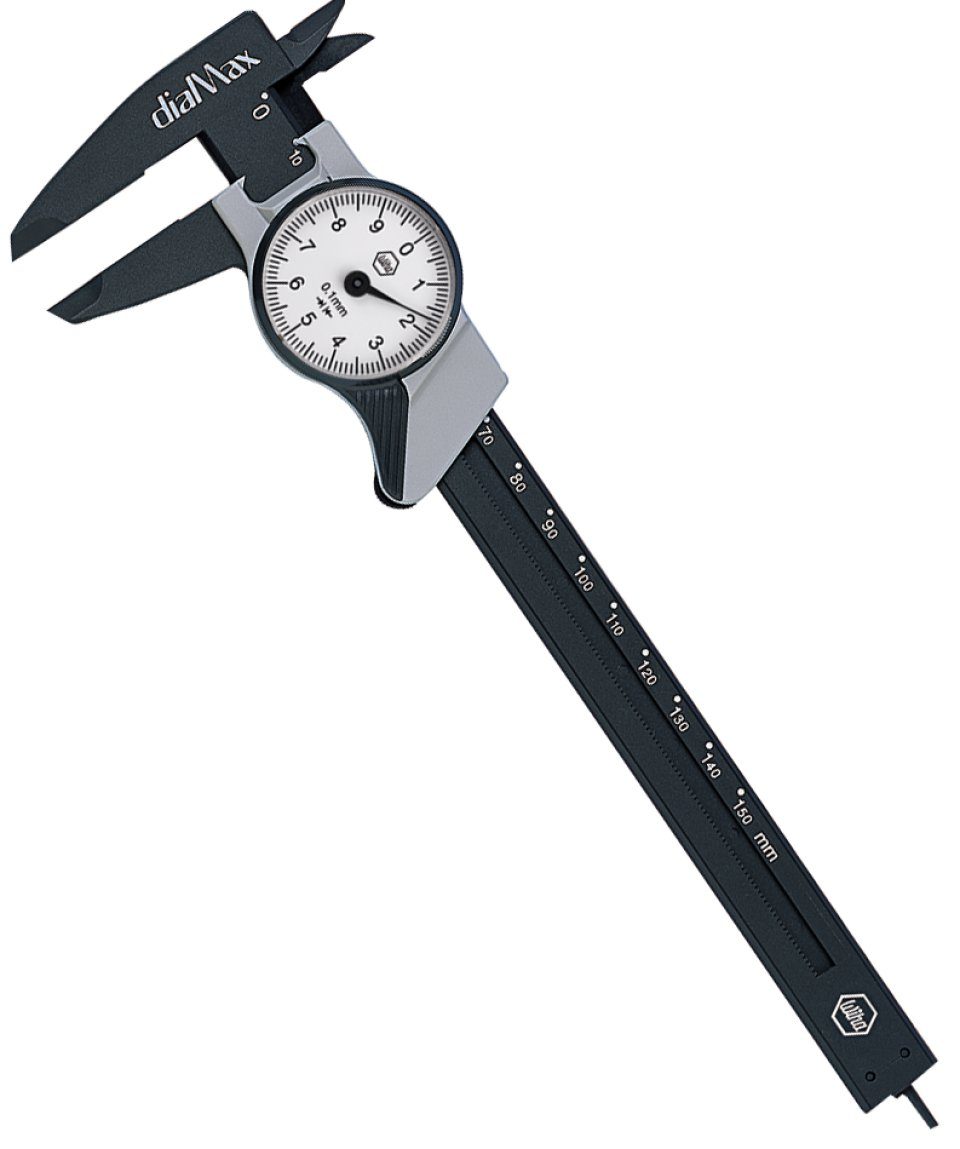
dialMax Vernier Dial Caliper

Snowbee Granite PVC Thigh Waders

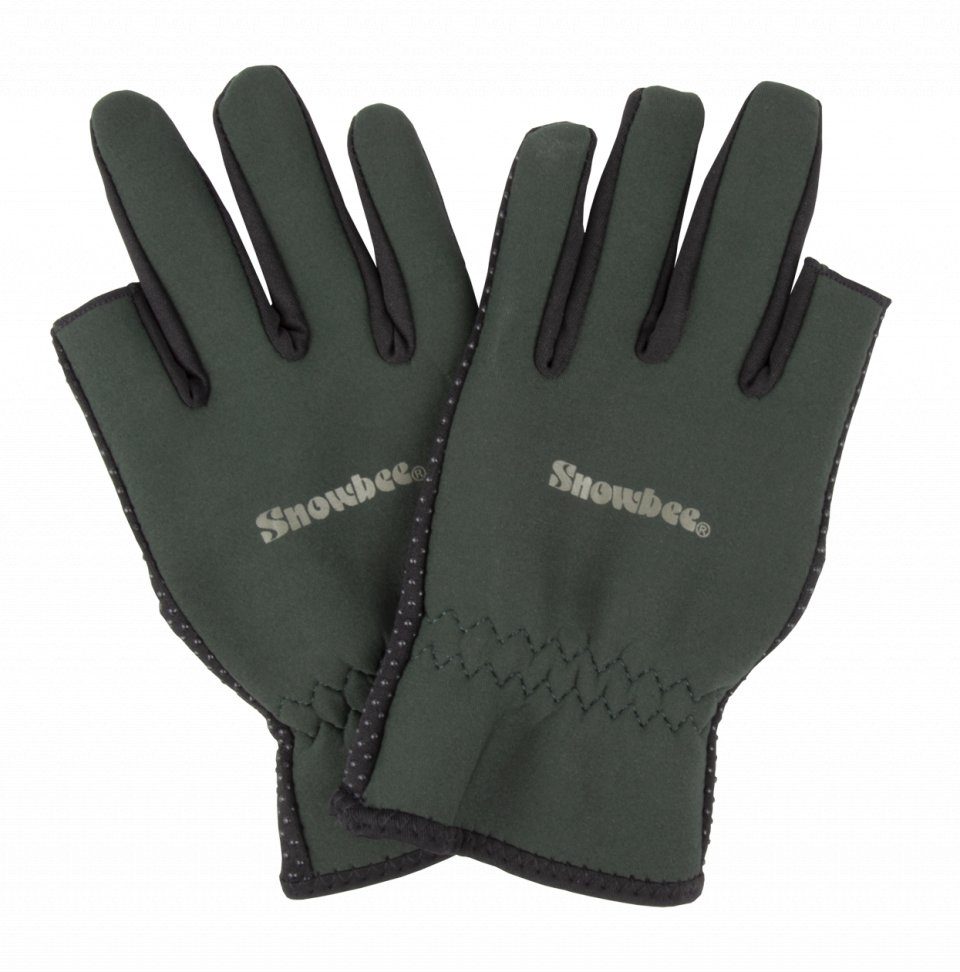
Snowbee Lightweight Neoprene Gloves

Replacement Amphibian Net Bag

Broad Spectrum Disinfectant Tablets

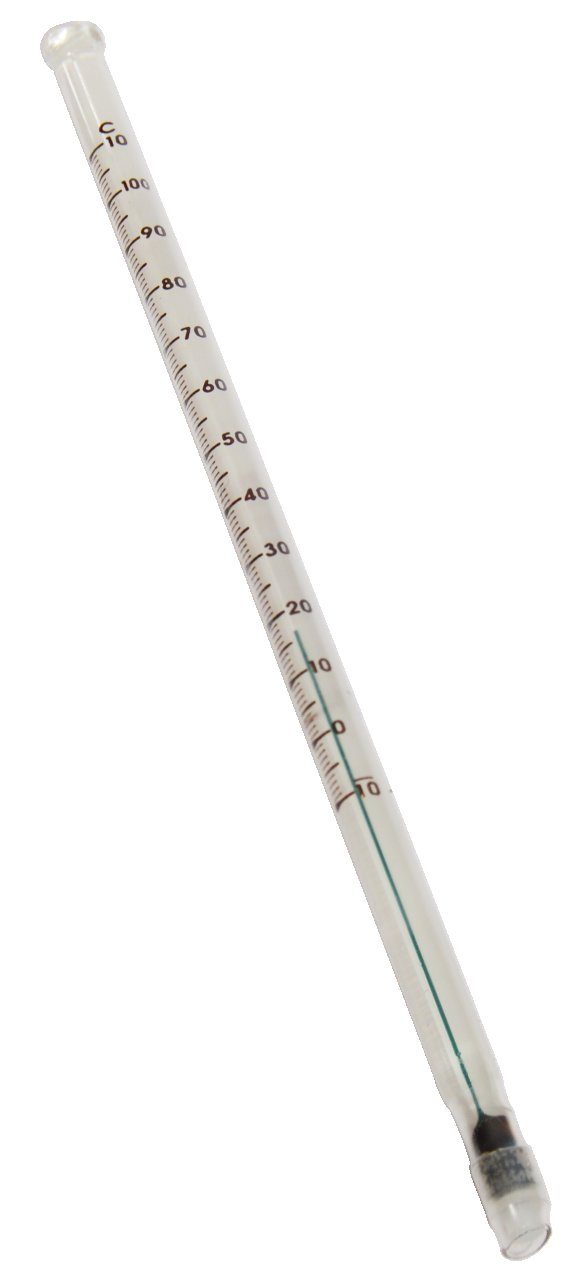
Breaksafe Thermometer

A note on licensing

Please note that Great Crested Newts and its habitat are protected by law. Any Great Crested Newt survey work must be undertaken by a licensed ecologist. Different levels of license are required for different survey and mitigation methods. For more information, please visit https://www.gov.uk/government/collections/great-crested-newt-licences#great-crested-newt-survey-and-research-licences

This week in Biodiversity News – 1st April

Conservation

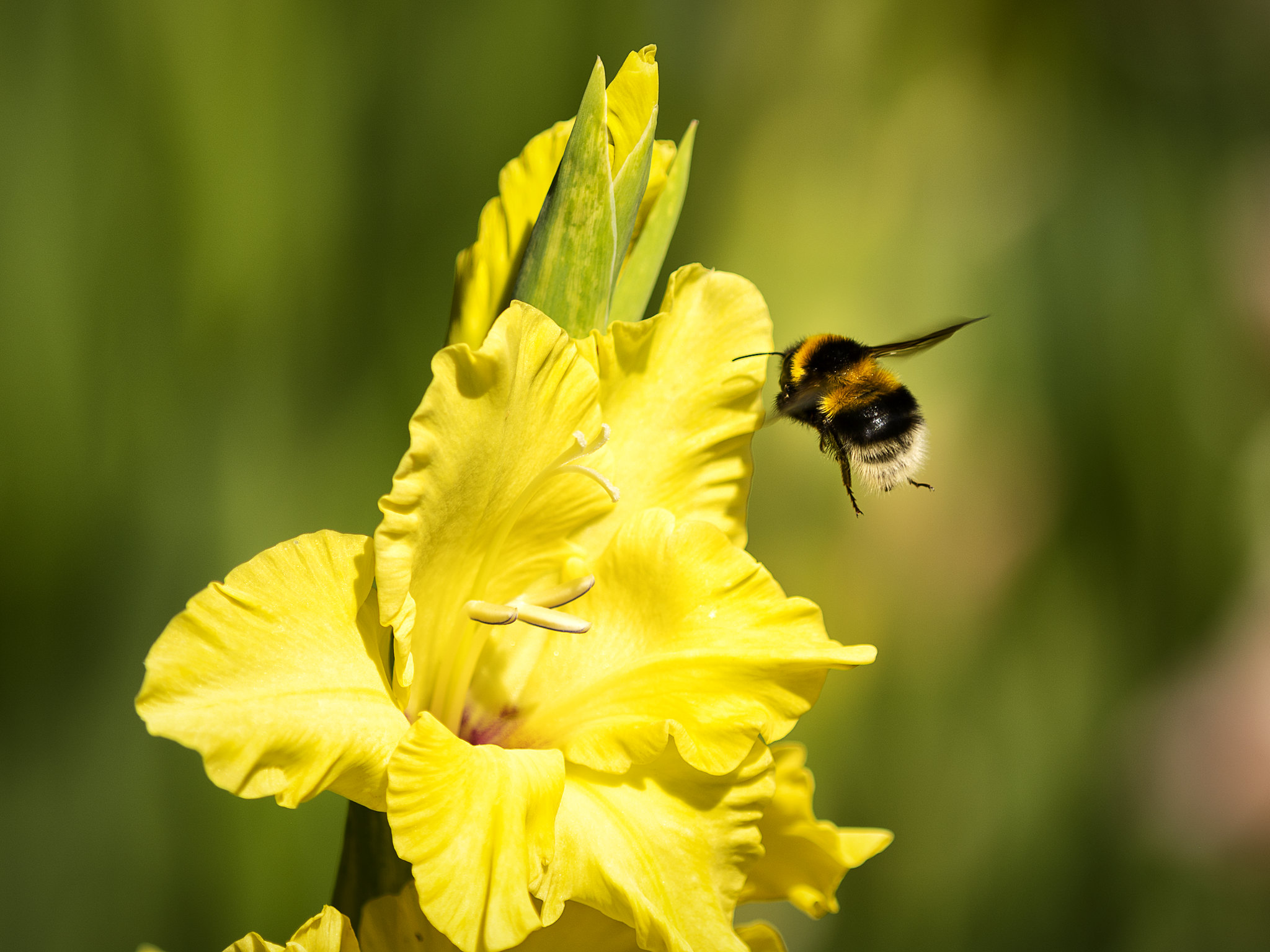
Increasing shortages of early season food threatens bumblebee populations. A new study published by the Universities of Oxford and Exeter has revealed that pollinator-friendly plant species are now flowering up to a month too late to aid bee conservation, resulting in low colony survival rates and reduced queen production. The reduction in pollen and nectar availability during the March to June period, which is critical during the early stages of colony formation, can have catastrophic effects on colony populations, with research suggesting that a two week gap in pollen supply reduces the production of daughter queen bees by up to 87%. To combat this decline, it is recommended that existing hedgerows should be populated with early blooming species such as Ground Ivy, cherry, and Hawthorn, which would increase colony success rates from 35% to 100%. 

Photograph of a bumblebee flying towards a yellow flower.
Bumblebee by James Johnstone, via flickr.

A pioneering translocation project aimed at saving a rare species of fungus in now underway in Cumbria. The Willow Glove fungus is a critically endangered species that can now only be found in two woodlands in Scotland, with the majority of it living on a single fallen tree. Scientists have recently removed sections of dead wood that the fungus is living on and relocated it to three receptor sites in an attempt to prevent the species’ impending extinction. The fungus is being transported to protected sites of special scientific interest where the fungus was last recorded before it became extinct in England 50 years ago. Host trees have been selected due to their plentiful supply of willow glue, a parasite that the Willow Glove depends on for survival. The success of this relocation technique will be monitored by volunteers from Cumbria Fungi Group for the next five years.

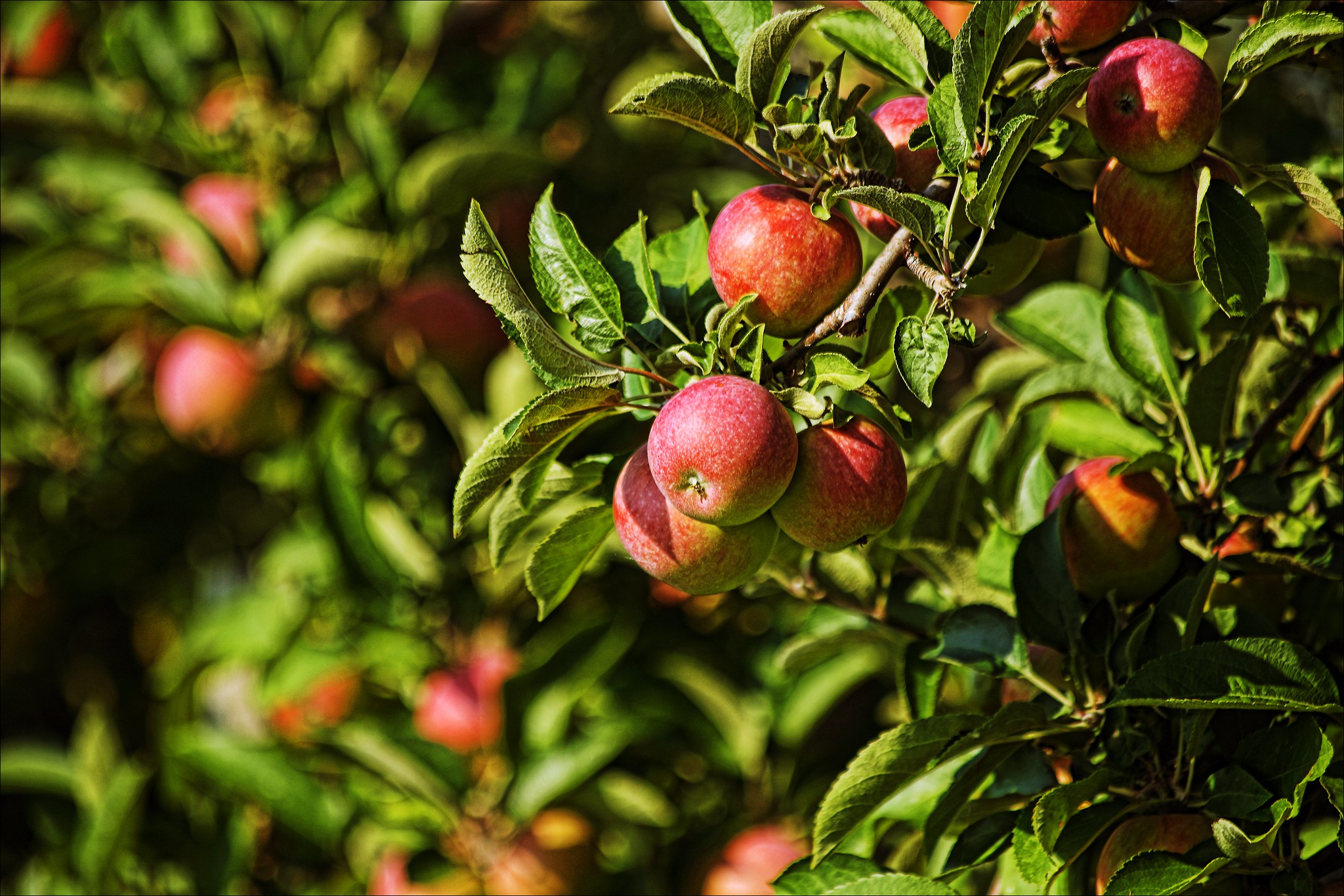
RHS Rosemoor aims to rediscover lost, native apple varieties to help the fruit survive climate breakdown. This spring, horticulturalists are searching for lost varieties of apple trees that used to be abundant in ancient orchards, with the goal of discovering the genetic traits of those species that are still thriving today. The University of Bristol and Sandford Orchards will each receive the genotypes of apple species that have been deemed important from across England and plan to investigate the rare ‘survivor varieties’ that have not been propagated, collected or recorded before. The hope is that their genetic code can be preserved for future use in an attempt to safeguard biodiversity and boost the UK apple industry’s resilience to climate change, particularly for those species that are native to this country. This project will play a vital role in the sustainability of the UK’s commercial orchards, 80% of which have been lost since 1900.
Closeup image of Apples hanging off a tree in an orchard.
Apple Orchard by Sue Thompson, via flickr.

Discovery

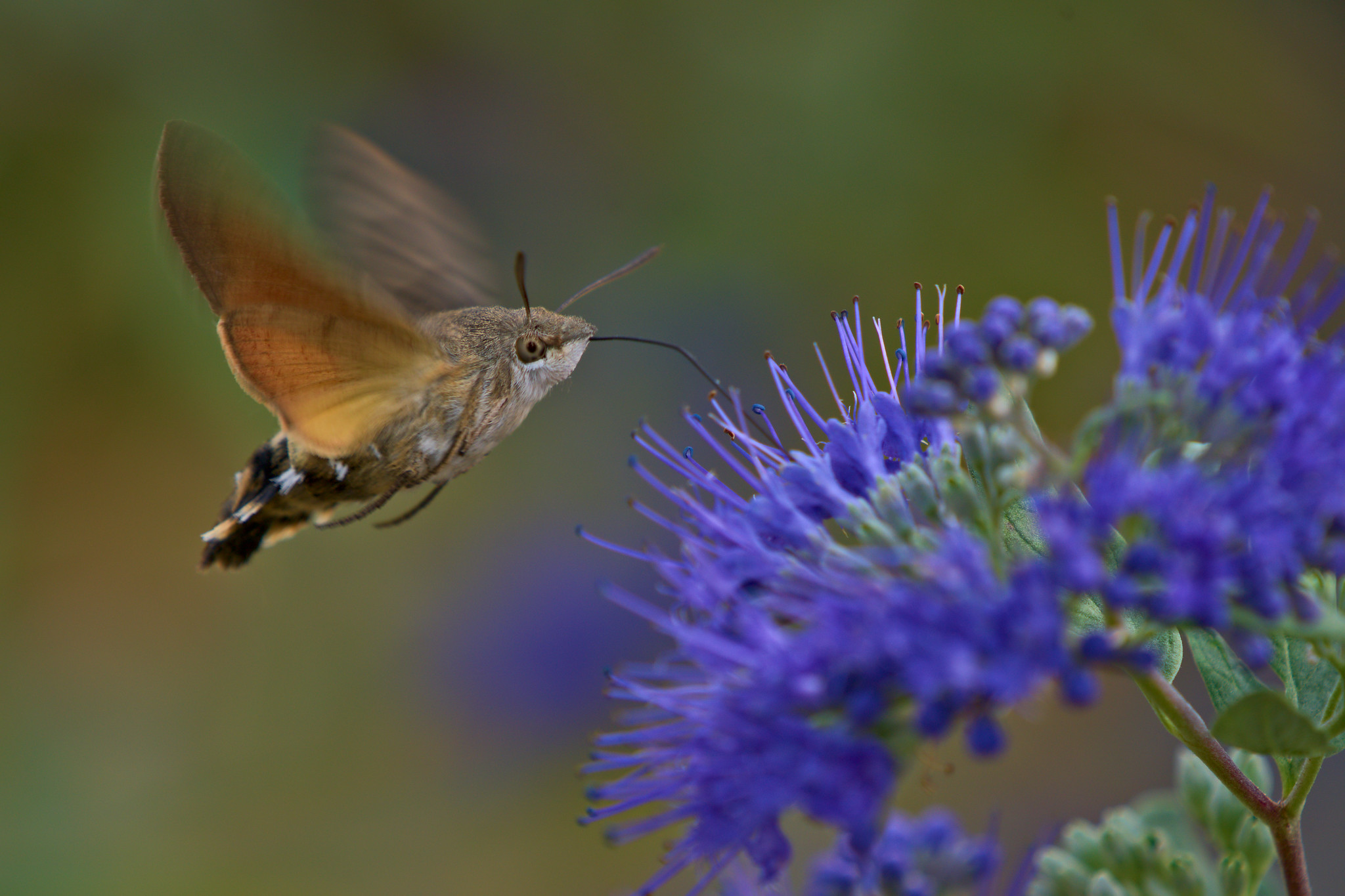
A newly discovered orchid species boasts the longest nectar spur of any known plant relative to its flower size. The Solenangis impraedicta, found in the forest canopies of central Madagascar, is the first orchid discovered since 1965 that has made extreme adaptations to allow only a certain species to access its nectar and facilitate pollination. Its hyper-long nectar spur, measuring 33cm, makes it the longest of any known plant when compared to its small flower size of only 2cm, and researchers suggest it may only be accessible to the Long-tongued Hawkmoth. The significance of this discovery has been noted due to the similarities between this species and Darwin’s Orchid (Angraecum sesquipedale), which is also native to Madagascar. Darwin speculated that only a moth with an exceptionally long proboscis could reach the nectar, while Alfred Russel Wallace further built on this in his predication that a hawkmoth would be the only species able to do so. Finding this rare orchid highlights the urgency of conservation measures in Madagascar that are necessary to combat the rapid rate of deforestation occurring on the island.

Hummingbird Hawkmoth in flight while feeding off a purple flower.
Hummingbird Hawkmoth by Peter Stenzel, via flickr.

An ancient species of river dolphin has been discovered in the Peruvian Amazon. A team of palaeontologists have found a giant fossilised skull on the shores of the Napo River that belonged to the largest-known species of river dolphin in history. This colossal creature, measuring 3-3.5 metres in length, is not related to the native Amazon River (Pink) Dolphins, but rather the South Asia river dolphins who are found 10,000km away. Researchers suggest that the dolphins’ ancestors originally lived in the ocean but ventured into the abundant freshwater ecosystems of the proto-Amazonia, before becoming extinct when new habitats emerged and their prey vanished.

Environment

The earliest-ever sighting of the Asian Hornet suggests they may now be established in the UK. The Department for Environment, Food and Rural Affairs (DEFRA) has recently confirmed that an Asian Hornet was sighted and captured on the 11th March in Kent – one month earlier than the first hornet sighting of last year. Once hornets are established, it’s almost impossible to get rid of them, and with Asian Hornet numbers having skyrocketed in the UK in 2023, scientist are concerned that they are now overwintering in the UK. This may have detrimental effects on wild pollinators emerging from hibernation, particularly Britain’s bee populations which play a key role in agricultural pollination. 

The NHBS Guide to Rockpooling

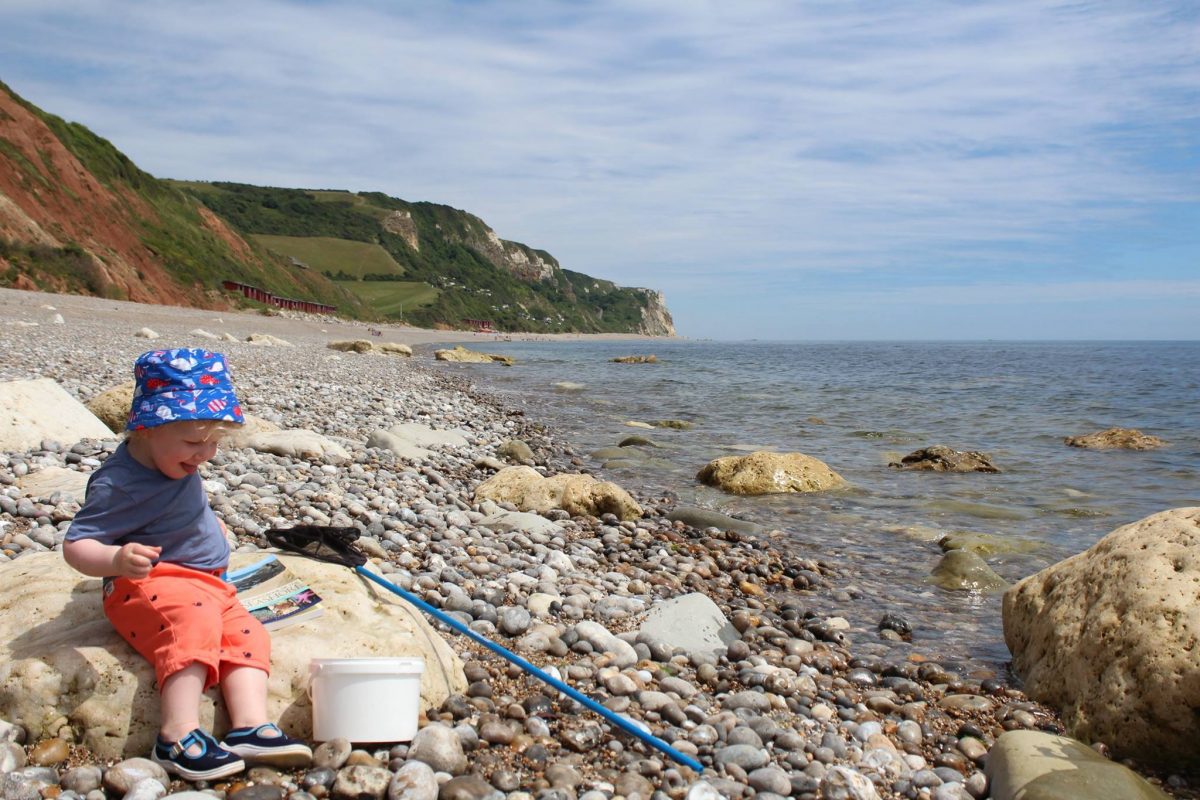
Rockpooling is an educational and extremely enjoyable wildlife activity that introduces you to a colourful world of creatures that are usually hidden beneath the sea. Rock pools are full of limpets, crabs, whelks, periwinkles and anemones, all of which have fascinating adaptations that allow them to live in this unique place. The intertidal zone is an exceptionally harsh habitat, with animals needing to cope with exposure to saltwater, rainwater, changing temperatures and sun. Rockpooling is a brilliant hands-on activity to introduce children to this unique habitat and discuss how animals and plants cope with living there.
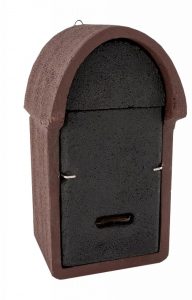
Photo credit: S Webber

Planning a Rockpooling trip

The best time to go rockpooling is in the late spring or summer, when the weather is milder and temperatures are warmer. There are many excellent locations to go rockpooling on the UK coast and, by searching the local area or consulting this list by The Wildlife Trusts, you can find some of the best spots. Once you know which area you are heading to, you need to consult the local tide table. Rockpooling is best done on a low spring tide, because the most interesting range of creatures are likely to be found nearest the sea edge. Pick a day with calm weather conditions and when the low tide point is at a suitable time in the day – you need to time your visit to be there for low tide and then watch carefully for the tide coming back in. Make sure that you take a sun hat, sun cream and wear sturdy shoes, as the rocks can be very slippery.
Rockpooling equipment and method

Photo credit: S Webber

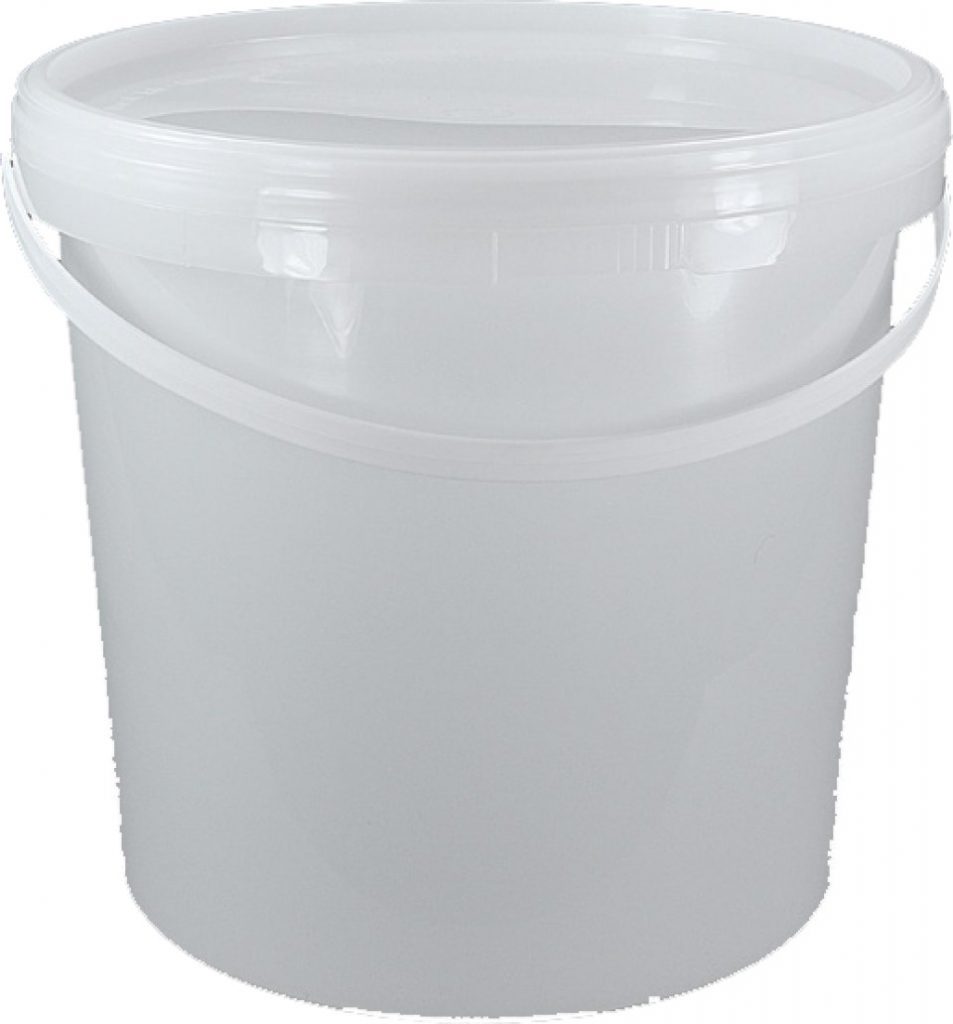
Bucket – a clear or white plastic bucket is great for storing your finds temporarily.

Net –a net can help with catching crabs when used carefully, but avoid scraping along rocks.

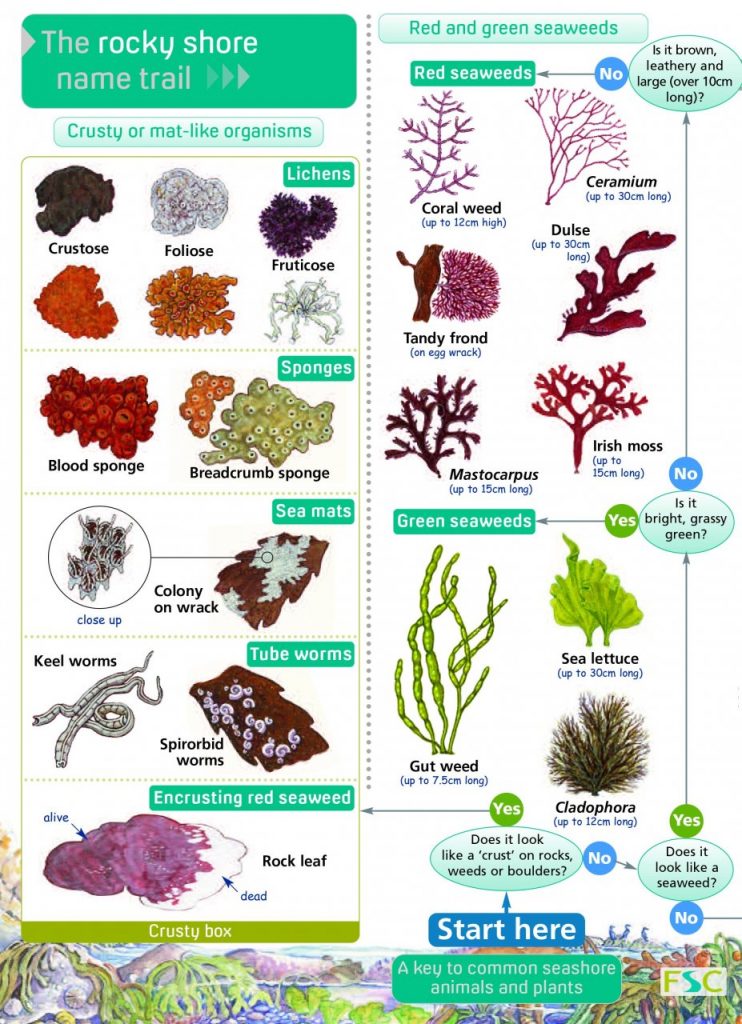
ID guide – there are a range of ID guides including laminated FSC sheets and seashore identification guides.

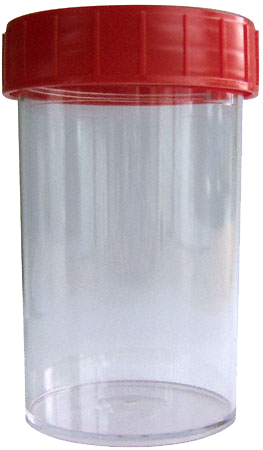
Pots – smaller animals can be transferred carefully to pots for a closer look.

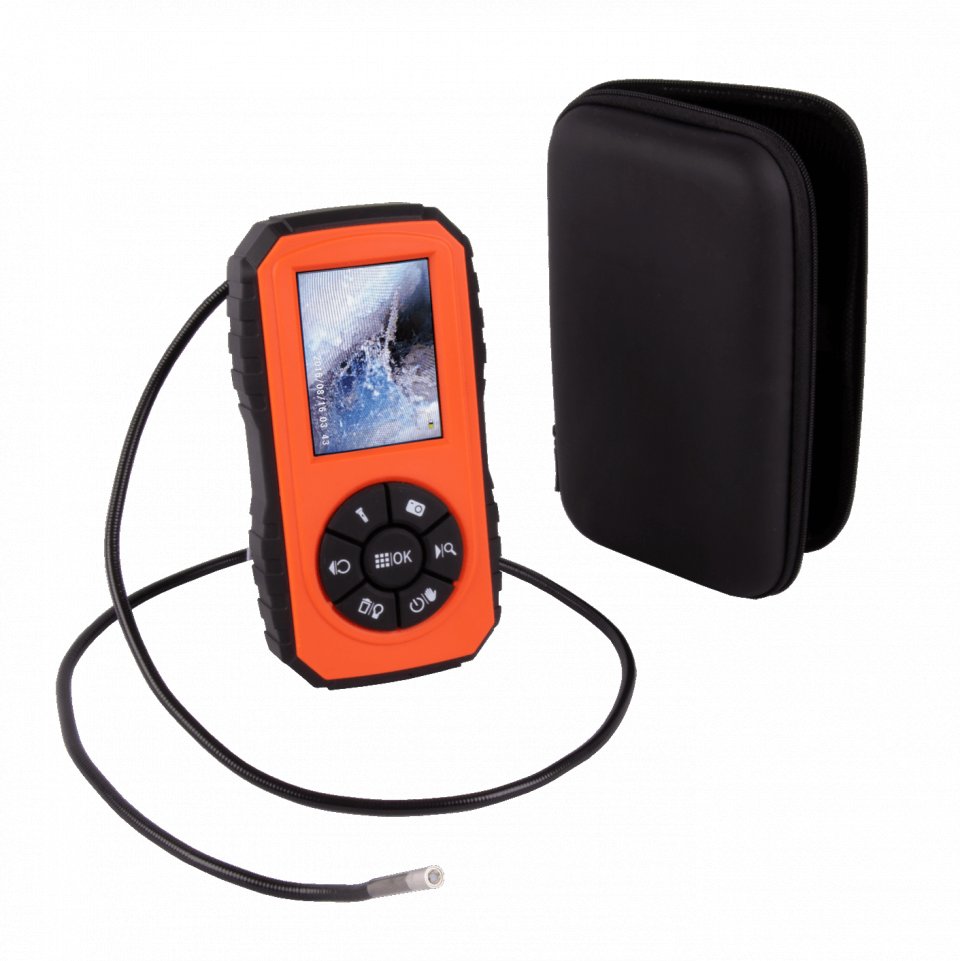
Endoscope – peer deep into the depths of the rockpools and record images and videos with a handheld endoscope.

Approach rock pools carefully, as animals can be wary of noise and shadows appearing above them. Dip your bucket into the water to catch mobile animals or carefully search through with your hands. If you fill your bucket and pots with a little seawater then you can keep any creatures you find in there for a short period of time while you identify them. Watch out for crab claws as they can nip, and anemone tentacles as they can sting. Do not remove any creatures that are attached to the rocks as they may have a specific place that they attach to until the tide comes back in. Turn over stones to find crabs and have a good look to see if there is anything hiding in the seaweed. Once you have finished looking, make sure you return the animals gently back into the pool.

Common UK Rock Pool Inhabitants

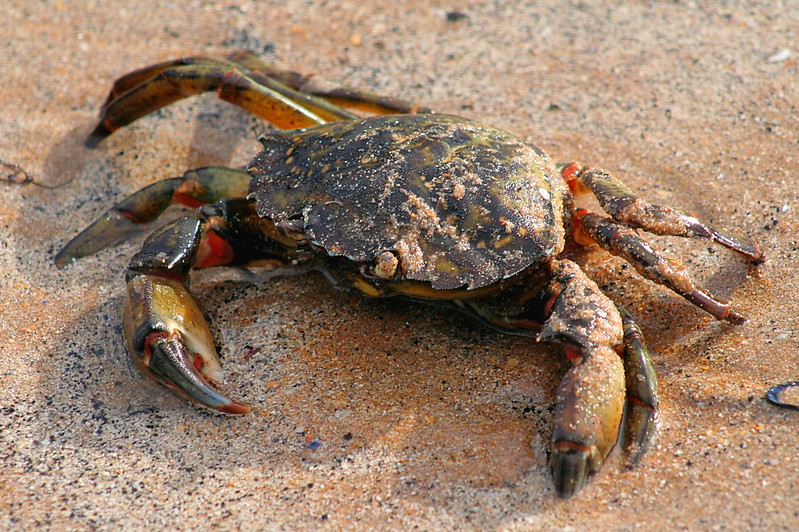
Green shore crab (Carcinus maenas)

Photo credit: John Haslam via Flickr

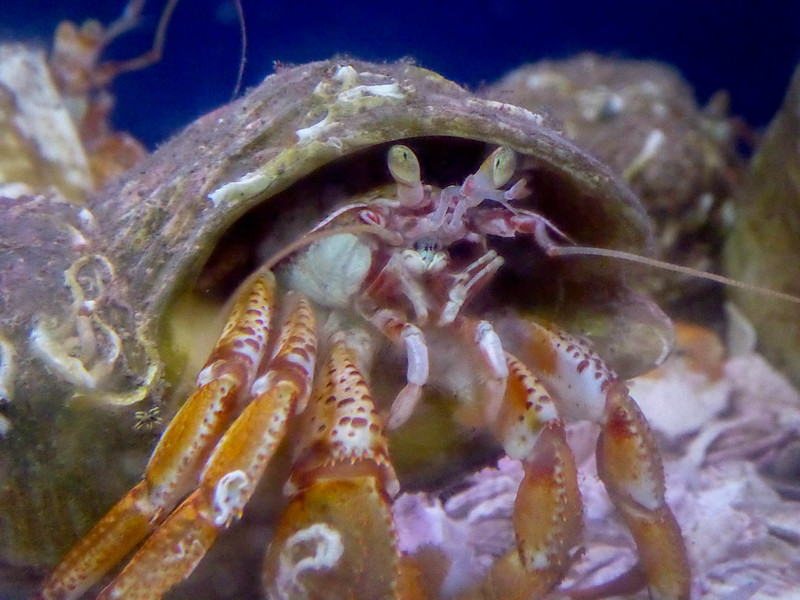
Hermit crab  (Pagurus bernhardus)

Photo credit: Peter Corbett via Flickr


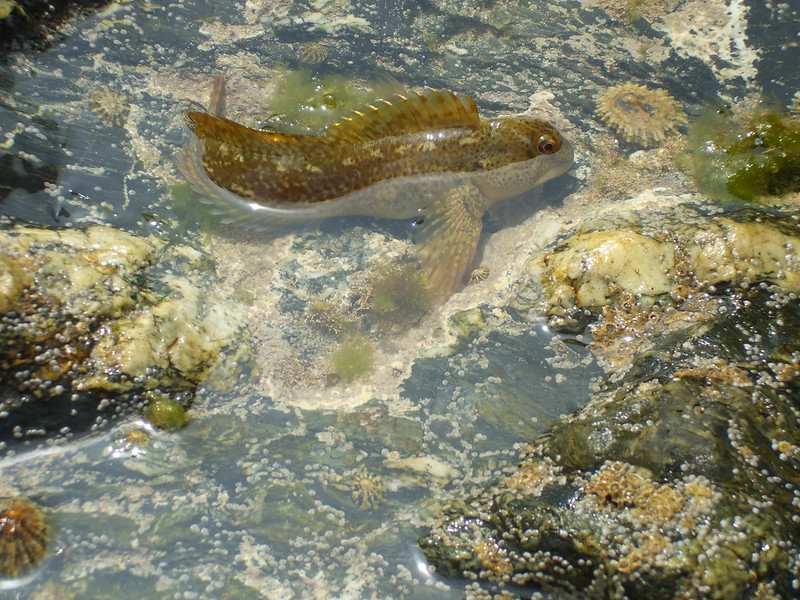
Common blenny  (Lipophrys pholis)

Photo credit: Duncan Greenhill via Flickr

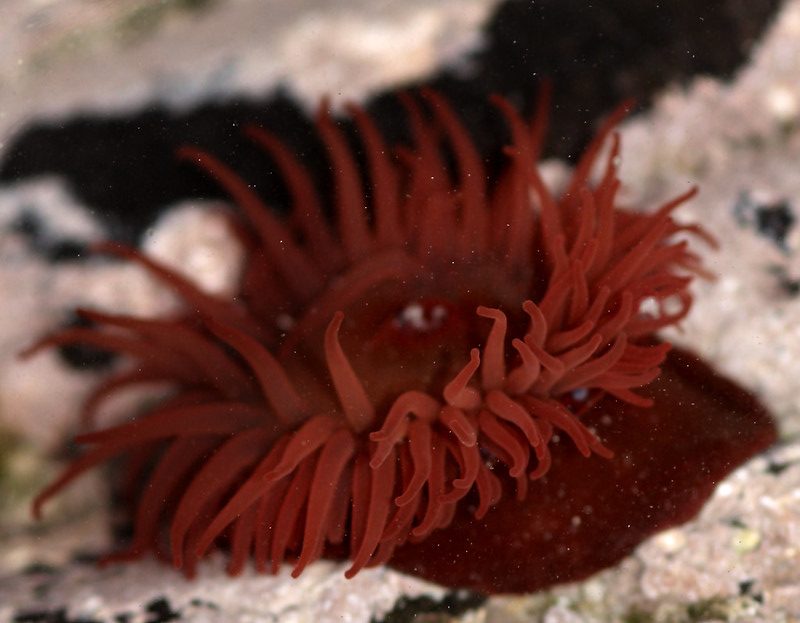
Beadlet anemone  (Actinia equina)

Photo credit: Deryk Tolman via Flickr


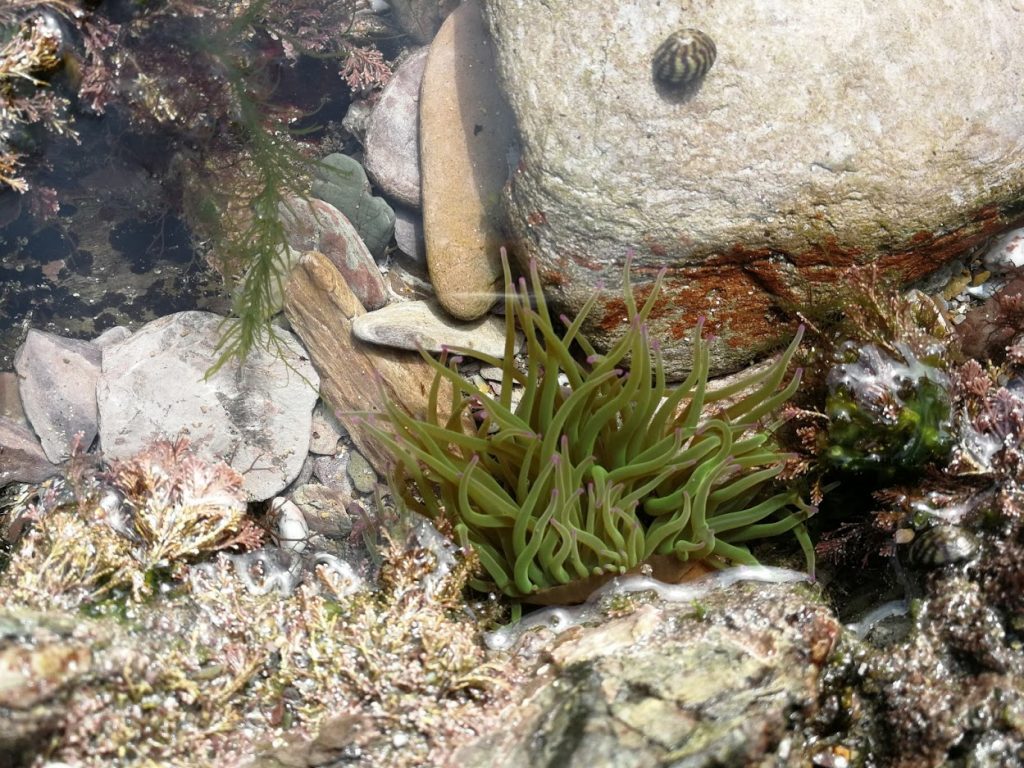
Snakelocks anemone  (Anemonia viridis)

Photo credit: NHBS (taken with Video Endoscope)


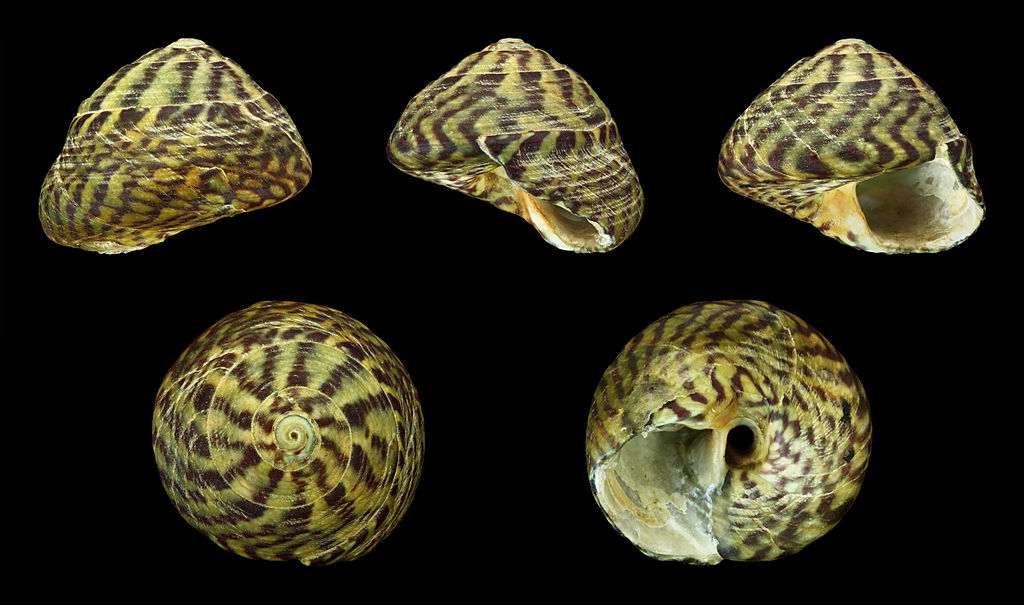
Flat top shell  (Steromphala umbilicalis)

Photo credit: Wikimedia Commons


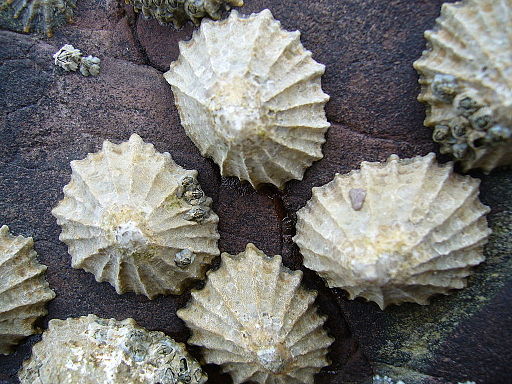
Limpet  (Patella vulgate)

Photo credit: Wikimedia Commons


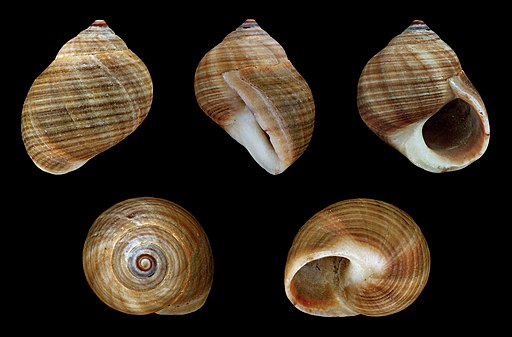
Common periwinkle  (Littorina littorea)

Photo credit: Wikimedia Commons


Recommended reading and equipment

The Essential Guide to Rockpooling
#243734


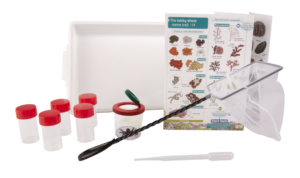
Educational Rock Pooling KitEducational Rock Pooling Kit
#192241


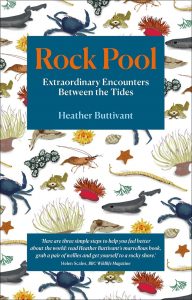
Rock Pool: Extraordinary Encounters Between the Tides
#249715


The Rocky Shore Name Trail
#228841


Rocky Shores
#242624


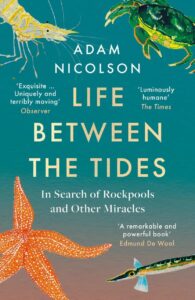
Life Between the Tides
#256239


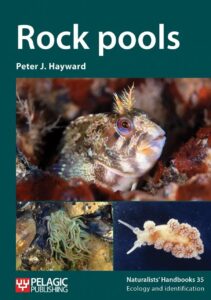
Rock Pools
#255911


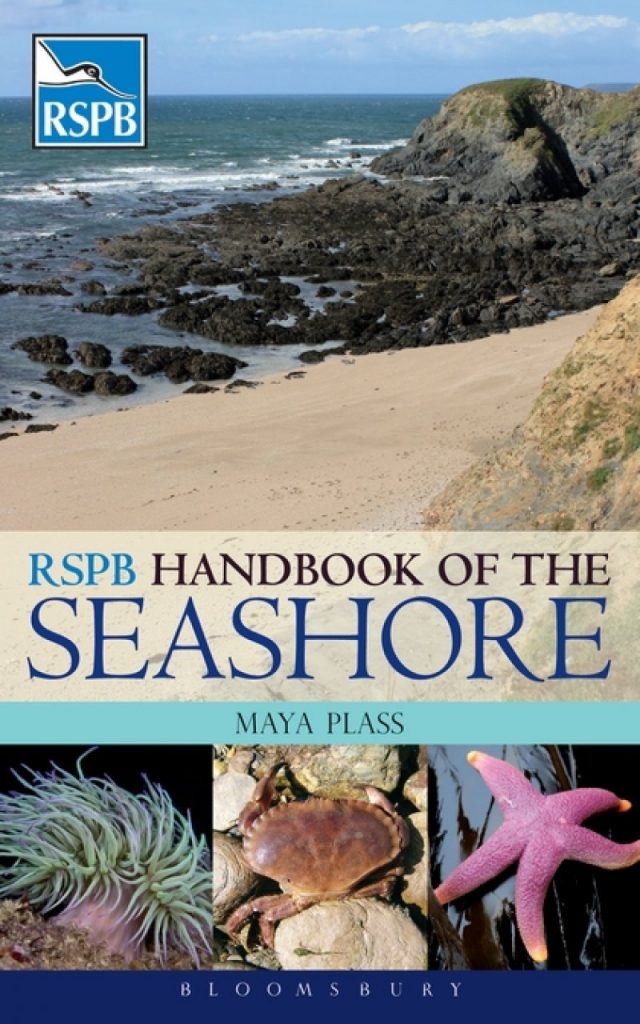
RSPB Handbook of the Seashore
#241750


White Plastic Bucket
#197160


60ml Collecting Pot
#199488


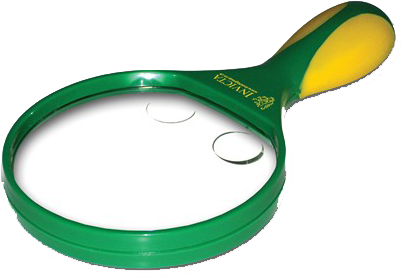
Hand Held Magnifier
#202230


Video Endoscope
#243795


Phenology Series: Spring

Springtime is often synonymous with rebirth, renewal and regrowth. As the Earth’s axis tilts towards the sun, our days become warmer and the snow starts to melt. The rivers and streams swell, air and ground temperatures rise, and we start to see new plant growth.

There are no fixed calendar dates for the beginning of spring. Ecologically, the start of this season relates to biological indicators, such as the start of certain animal activities and the blossoming of particular plant species. Phenology is the study of the timing of natural events from year to year, like the budburst of trees, the arrival of summer migrant species, the breeding bird season and the emergence of hibernating wildlife. You can find out more about the study of phenology in our previous blog post.

This is the first in our four part seasonal phenology series where you can explore a collection of ID blogs, books, equipment and events to make the most of the spring season.


Identification guides

Over the years, we’ve made a number of identification guides for UK species, many of which are active during spring. Here’s a selection that we think are particularly useful for this season:


What you might see:

  • You will likely start to notice the first flowering of many plant species, including Cuckoo Flower (Cardamine pratensis), Meadow Foxtail (Alopecurus pratensis), Bluebells (Hyacinthoides non-scripta) and Wood Anemone (Anemondoides nemorosa).
  • The budburst of trees, including Alder (Alnus glutinosa), Horse Chestnut (Aesculus hippocastanum), Rowan (Sorbus aucuparia) and Sycamore (Acerpseudoplatanus), with many also having their first leaves appear in March or early April.
  • Trees such as Hawthorn (Crataegus monogyna), Blackthorn (Prunus spinosa), Hazel (Corylus avellana) and Field Maple (Acer campestre) begin to produce blossoms and catkins. Spring blossom can start as early as February and last through to early summer.

  • The emergence of several insect species, such as Seven-spot Ladybirds (Coccinella septempunctata), Orange Tip butterflies (Anthocharis cardamines), Green Tiger Beetles (Cicindela campestris) and Dark-edged Bee-flies (Bombylius major).
  • The beginning of the nesting season for most European bird species, including Great Tits (Parus major), Tawny Owls (Strix aluco), Long-eared Owls (Asio otus) and Wrens (Troglodytes troglodytes). Great Crested Grebes (Podiceps cristatus) start their courtship rituals in early spring, with their elaborate dances, synchronised swimming, preening and ‘mewing’.
  • Many migratory birds also begin to arrive during spring, such as Chiffchaffs (Phylloscopus collybita), Swallows (Hirundo rustica) and Wheatear (Oenanthe oenanthe).

  • Reptiles and amphibians become more active during spring and into summer, coming out of hibernation and venturing to find food and breeding sites. Frogspawn, toadspawn and tadpoles also begin to appear during early spring and onwards.
  • A number of mammal species give birth during this time so that their young are born when resources are most plentiful. Badger cubs (Meles meles), which are mainly born in February, will begin to gradually emerge from their setts during spring.


Activities:


Upcoming events:

Earth Day – 22nd April
International Dawn Chorus Day – 5th May
Hedgehog Awareness Week – 5th to 11th May
World Bee Day – 20th May
International Day for Biological Diversity – 22nd May
World Environment Day – 5th June
World Ocean Day – 8th June
Insect Week – 24th to 30th June


Essential equipment and books:

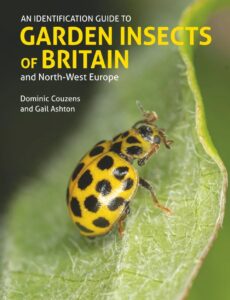
An Identification Guide to Garden Insects of Britain and North-West Europe


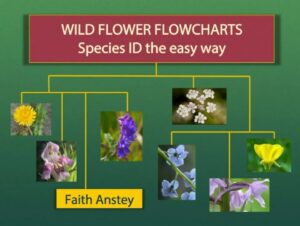
Wild Flower Flowcharts: Species ID the Easy Way


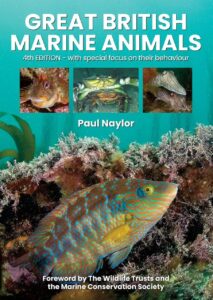
Great British Marine Animals


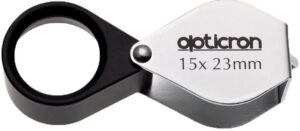
Opticron Hand Lens: 15x 23mm

Check out our guide to hand lenses and our full range.


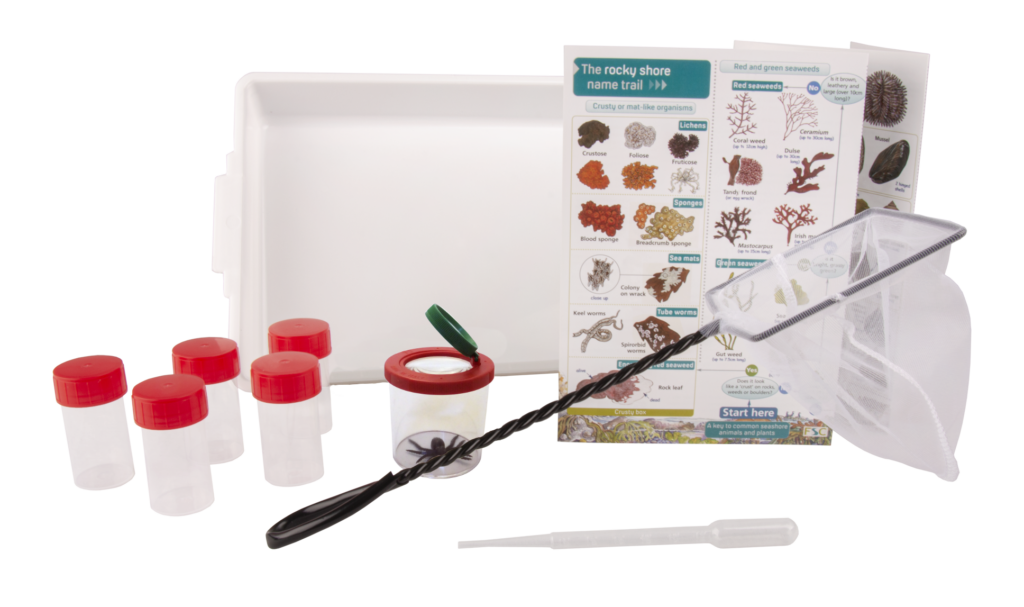
Educational Rock Pooling Kit


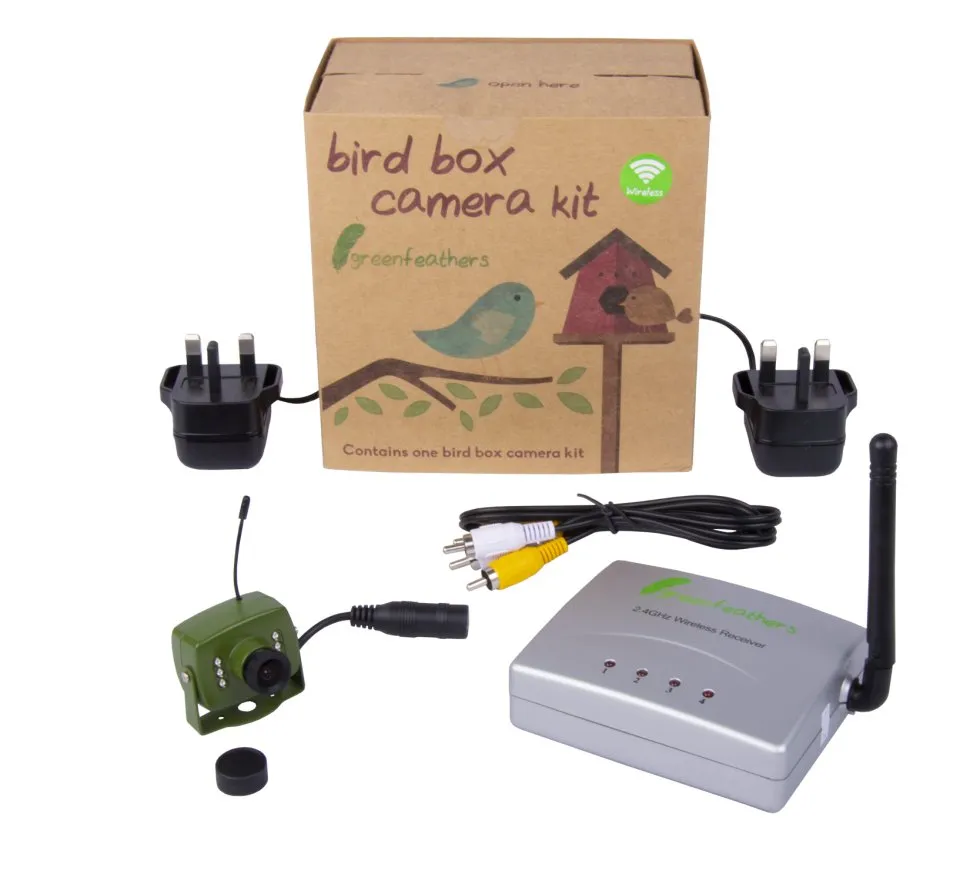
Wireless Nest Box Camera.

Wireless Nest Box Camera


Browse our full collection for more spring books and equipment highlights.

Gardening for Wildlife: Creating Habitat

In the first of our two-part series, Gardening for Wildlife: Providing Food, we looked at how to attract wildlife to your garden by including plants for pollinators and providing food for birds and mammals. In the second of our two-part ‘Gardening for Wildlife’ series, we look at how to create nesting or overwintering habitat effectively for the wildlife that visits your garden. Natural nesting sites for birds, insects and mammals have become rare in the broader landscape due to changes in farming, woodland management practices and building construction techniques. Wildlife-friendly gardens can provide fantastic habitat for invertebrates, birds, amphibians and mammals by making a few simple changes and by letting a bit of wildness back in.

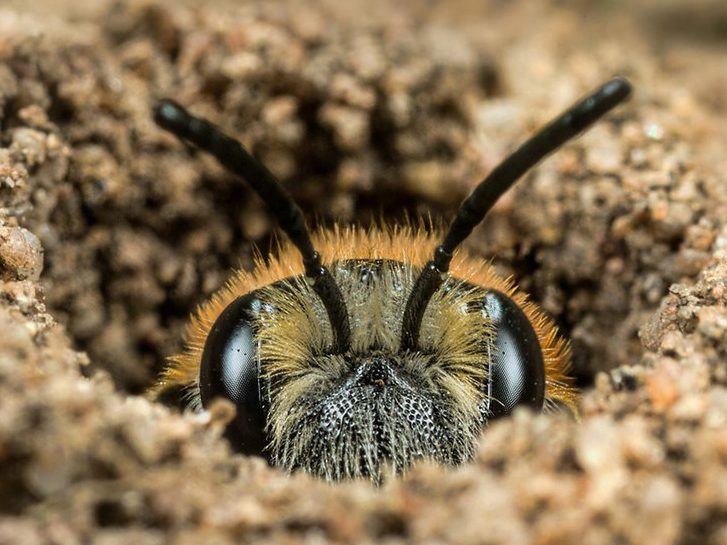
Mining Bee © Ed Phillips

Insects

It is easy to provide habitat for insects in your garden just by leaving the lawnmower in the shed. Setting aside a patch of grass to grow longer should encourage wildflowers to grow in your lawn, and will provide food and shelter for insects and small mammals. Creating a log pile in which beetles, woodlice and earwigs can shelter is also an easy way to increase garden wildlife habitat. You can provide additional nesting space for solitary bees or overwintering quarters for other insects by creating or installing an insect house. These can be homemade and constructed to your own design, or you can purchase purpose made houses. These are particularly important for solitary bees, who use tunnels in wood, mortar, plant stems or artificial houses to nest. They lay eggs and place a food source in a series of cells, and then block the entrance with materials such as mud, leaves or fine hair. Other nest sites can be provided by leaving dead wood and stems standing and leaving a patch of bare earth or mud bank for mining bees.

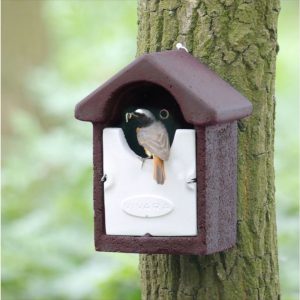
Vivara Pro Seville Nest Box

Bird Boxes

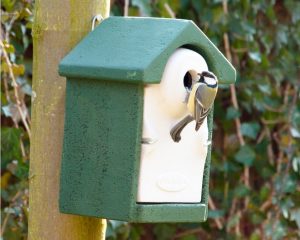
Providing bird boxes in your garden can be an excellent way of helping wildlife, as natural nest sites can be rare due to changes in house construction and woodland management techniques. There is a vast array of nest boxes available for many different species of birds, so it is worth knowing which bird species visit your garden before selecting a box. A good place to start is by providing a nest box with a 32mm entrance hole that is suitable for house sparrows or blue and great tits, who are enthusiastic occupiers of nest boxes. Most nest boxes are made of breathable materials such as wood or wood fibres mixed with concrete (Woodcrete or WoodStone). The advantage of Woodcrete and WoodStone nest boxes is that they are much more durable and can last for 10 years or more. Purpose-built nest boxes are available for many different species such as swifts, treecreepers and even robins. For more details on our most popular nest boxes, please see our series of blog posts on nest boxes suitable for different locations. For more details on where to hang your nest box, please see our blog post

Image by Peter O’Connor via Flickr.

Mammals

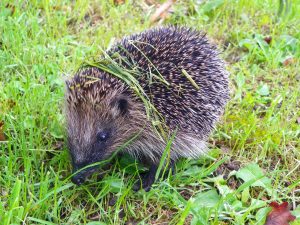
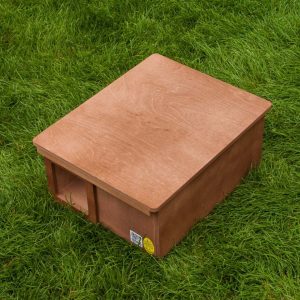
Gardens are extremely important for hedgehogs and can provide excellent opportunities for foraging and hibernation. Leaving a pile of fallen leaves or a log pile can give them a place to shelter during the daytime or you can choose to invest in a hedgehog nest box. These can provide a safe place for hedgehogs to sleep or hibernate – there is even the option of installing a nest box camera so that you can watch footage of them using the box.

Hedgehogs can travel up to 2km each night, eating as they go. Allowing them to move freely between gardens is important to ensure that they can obtain enough food and find safe spaces to sleep. If you have a garden fence, cut a hole at the bottom measuring 13 x 13cm to allow hedgehogs to pass through on their nightly wanderings. You could also remove a brick from the bottom of a wall or dig a channel underneath. 

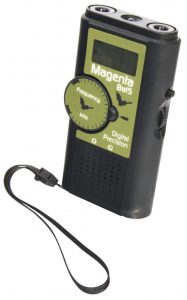
Bats also use gardens for foraging, so increasing the number of invertebrates in your garden will help to attract them. Bats naturally roost in a variety of spaces including holes in trees. With natural cavities being rare, providing a bat box can be a great way of helping them and our series of blog posts on the top bat boxes for different locations, and our advice on where to hang your bat box is a great place to start. The best time to watch them is at dusk when you can sit in the garden and see them whizzing around catching mosquitoes. Alternatively, you can invest in a bat detector and identify the species visiting your garden. For both bats and hedgehogs, connectivity to other patches of suitable habitat is key. Hedgehogs use hedgerows or need access through fences to be able to visit multiple gardens, and bats use treelines and hedgerows when foraging.

Image by Erik Paterson via Flickr.

Amphibians and Aquatic Invertebrates

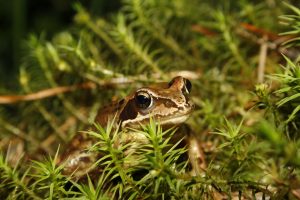
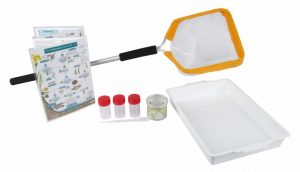
The easiest way to help aquatic invertebrates and amphibians is by creating a pond or small body of water. Even if you have a small garden, you can create a mini pond with an old belfast sink or a washing up bowl. Choose a warm, sunny spot that will be good for dragonflies and tadpoles, consider planting a few native freshwater plants and wildlife such as pond skaters, damselflies and water beetles should soon find the spot. Please ensure that ponds are positioned with safety in mind if you have children, and that you include rocks or sloping edges so that wildlife can get in and out. There are fantastic guides to creating a pond available, such as the Wildlife Pond Book, and once your pond is up and running you can even try some pond dipping. It is not recommended to collect frogspawn from the wild, but you can encourage amphibians into your garden by providing damp areas such as log piles or a frog and toad house.

Watching Wildlife

Having attracted wildlife to your garden, there are several ways you can get fantastic views up close.  Binoculars give you a great view of wildlife that is further away, but with close focus distances now much improved, they also offer a great way of magnifying insects and aquatic invertebrates. Read our blog post to find out how to choose a pair of binoculars. Alternatively, trail cameras can be used very effectively in gardens to record garden visitors such as hedgehogs and birds. These standalone weatherproof cameras use passive infrared to detect passing warm-bodied animals and take either still photographs or videos. For more information on trail cameras, see our blog post on how to choose a trail camera. For a really close-up insight into what the wildlife in your garden is doing, consider installing a nest box camera. See our guide on how to choose a nest box camera for advice on the different options. A hedgehog nest box camera can also give you really amazing footage of hedgehogs feeding and nesting.

By providing food resources and suitable habitat for wildlife, you can ensure that your garden becomes a sanctuary for the animals around you and a spectacle of nature right on your doorstep.

Recommended Reading

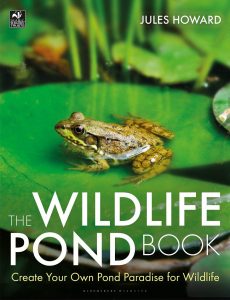
The Wildlife Pond Book
#246688

This offers a fresh and unique perspective on ponds, encouraging readers of any budget to reach for the spade and do something positive to benefit their shared neighbourhood nature.


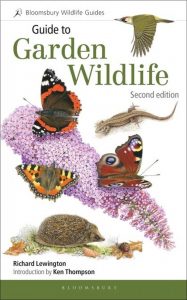
Guide to Garden Wildlife
#246618

Even the smallest garden can be an important haven for wildlife, and this authoritative guide enables everyone to explore this wealth on their back doorstep. It covers all the main animal groups – including pond life – likely to be found in a garden in Great Britain and Ireland.


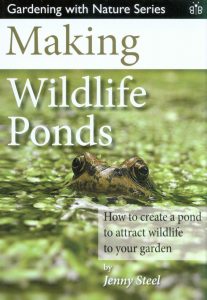
Making Wildlife Ponds
#231864

This guide can help you create an aquatic habitat in your garden, home to stunning, brightly coloured damsel- and dragonflies with iridescent eyes, amphibians which choose to breed, and birds and mammals of many kinds that come to drink at such placid waters, including hedgehogs


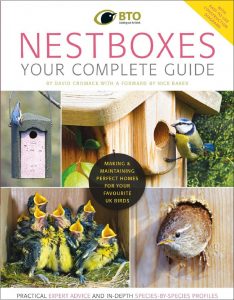
Nestboxes: Your Complete Guide
#241181

Building your own nestbox and watching a pair of birds raise a successful brood will bring pleasure to the whole family, and this book provides all you need to know to get started. Written by Dave Cromack and drawing on the BTO’s expertise, this provides the perfect guide to building, erecting and monitoring nestboxes for a broad range of bird species.


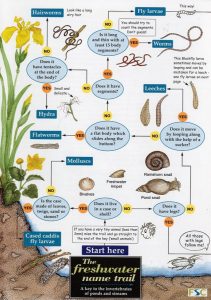
FSC Freshwater Name Trail
#175156

Aimed at KS2 and above, this 8-page fold-out chart is a fully illustrated key to help users identify the main animal groups found in freshwater. None of the identification in the key goes beyond family level, and some of it stays at the phylum or class.


Recommended Garden Products

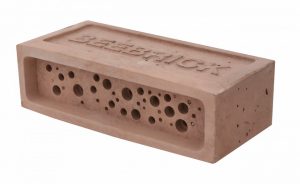
Bee Brick
#244140


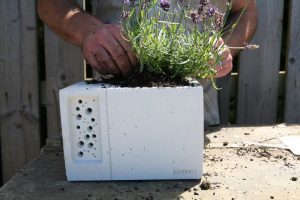
BeePot Bee Hotel
#244760


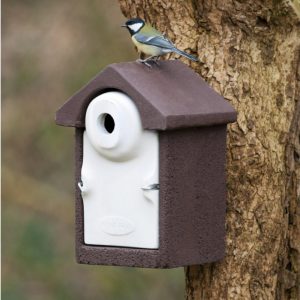
Vivara Pro Seville 32mm WoodStone Nest Box
#234956


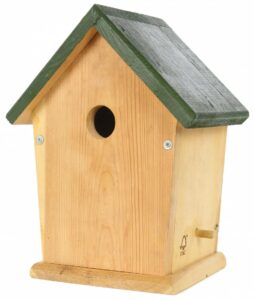
Brecon FSC Nest Box
#252721


Vivara Pro Barcelona WoodStone Open Nest Box
#234963


Hedgehog Nest Box
#179141


Large Multi-Chamber WoodStone Bat Box
#246918


Magenta Bat 5 Bat Detector
#171849


NHBS Pond Dipping Kit
#244947