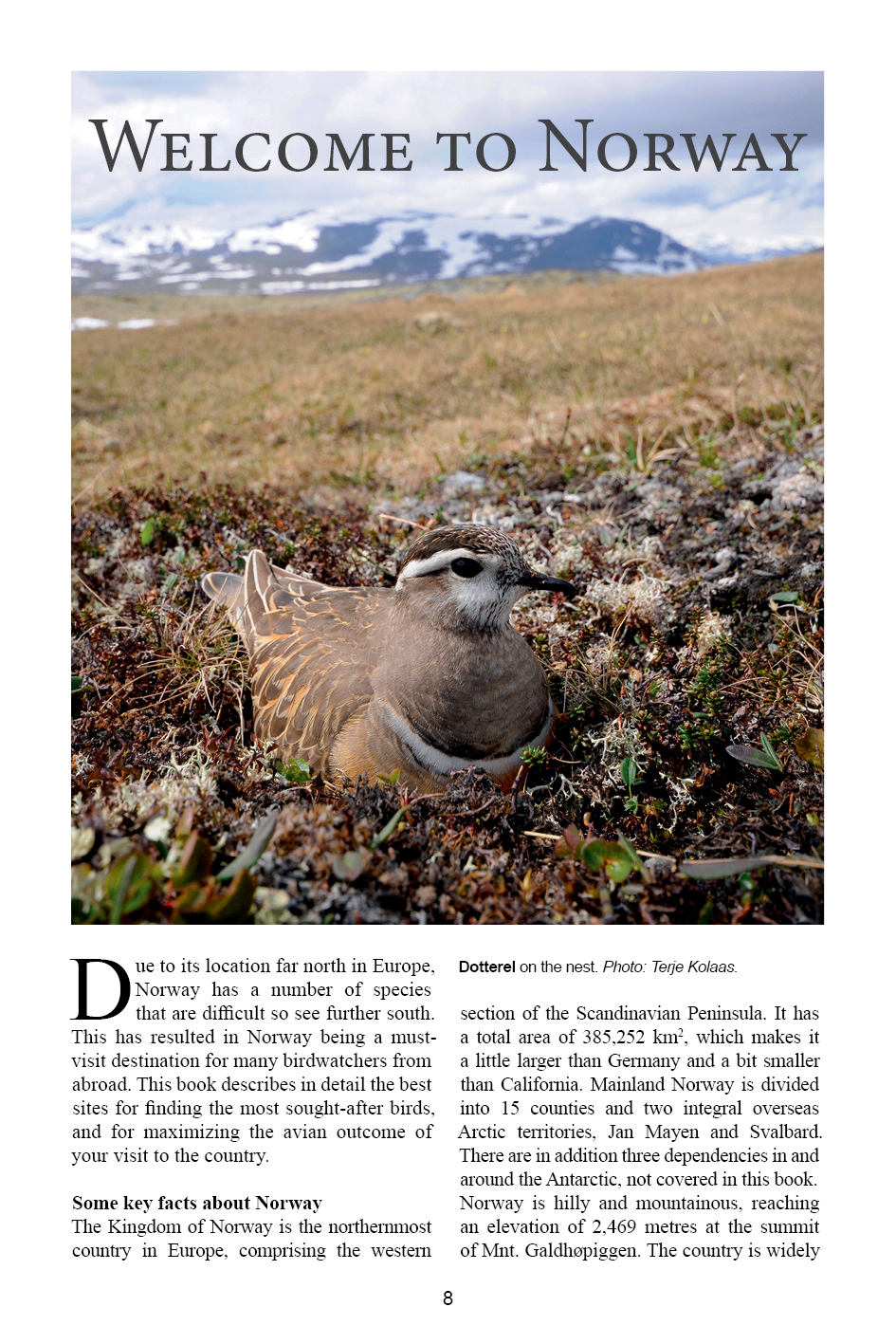
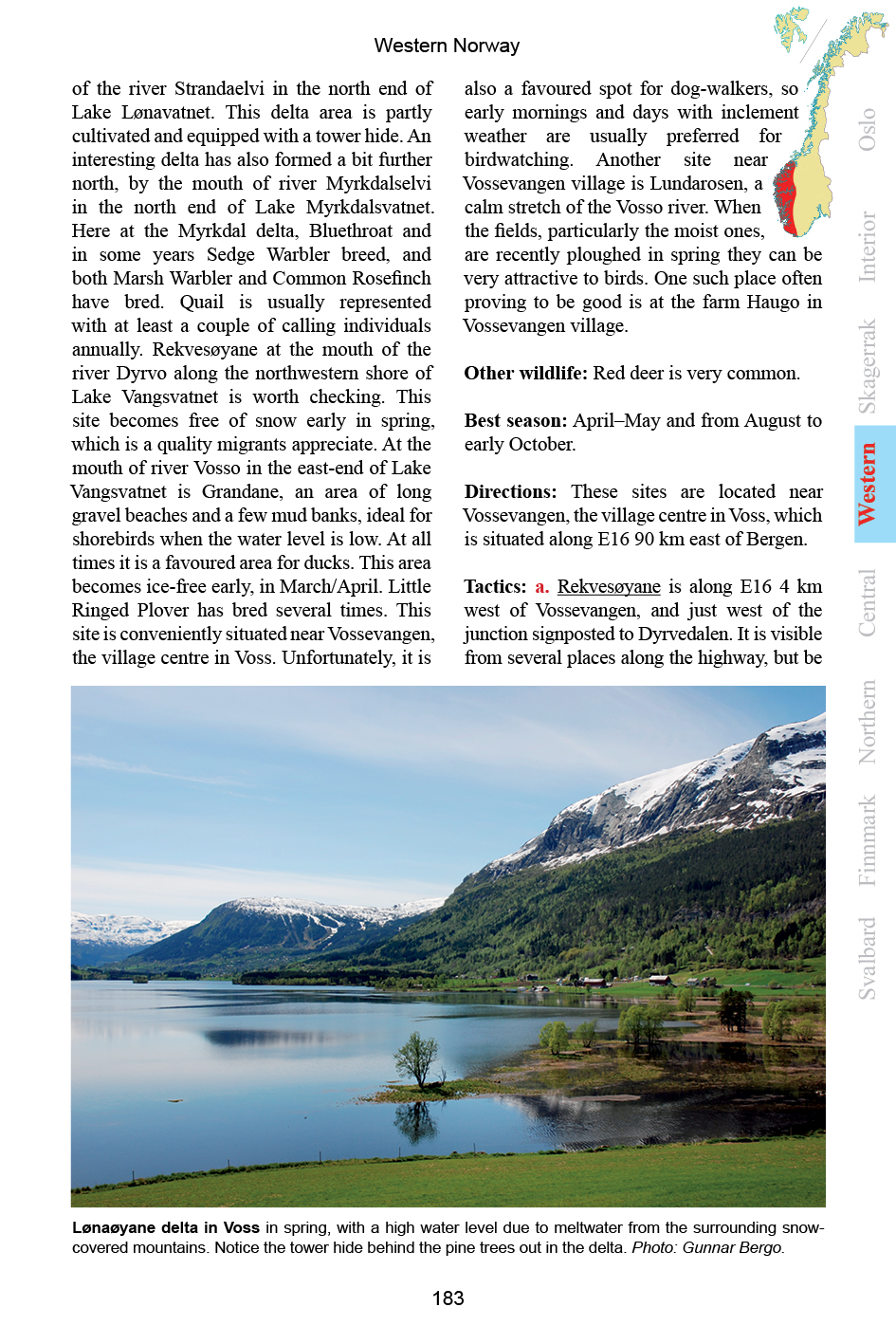
Norway is home to some of the most sought-after bird species in Europe, including the King Eider, Gyrfalcon, Capercaillie and Jack Snipe. A Birdwatcher’s Guide to Norway is the first guide to the birds of Norway and Svalbard, detailing over 350 of the best birdwatching sites in this country. The guide efficiently explains where and when to visit these sites, which species are present in each area, how to use tower hides and shelters, other animal species you may encounter and more. The upcoming second edition includes 265 photographs, 95 maps and comprehensive information about each site, this is an essential travel guide for anyone planning to birdwatch in mainland Norway or Svalbard.
Bjørn Olav Tveit lives in Oslo, Norway and has explored many of the country’s best birding sites throughout his life. He is a long-standing member of the Norwegian Rarity Committee for Birds and acts as the nature conservation contact for his local BirdLife Norway division. He runs bird-spotting guided tours for nature enthusiasts, composes music, authors books and works for the Norwegian Ministry of Culture.
We recently had the opportunity to talk to Bjørn about how he became interested in birdwatching, what can be expected from the second edition of his book and more.
Firstly, can you tell us a little about yourself and how you got into birdwatching?
I have been an avid, Oslo-based birder since childhood, which is more than 40 years ago. When travelling abroad with my parents as a kid, I would lose myself in the birdwatcher’s site guides for that country or region, although I was puzzled by the fact that no such book existed for Norway. Rumours were that some older and more experienced birdwatchers were in the process of writing such a book, but the years went by, and it never materialised. Not only would I need the guidebook myself, as my activity range gradually expanded beyond Oslo, but also I was embarrassed on behalf of my country by the lack of such a guide. In my eyes, at least at the time, a birdwatching site guide defines a country’s identity and level of development. So, I decided to go forward and make the guidebook myself.
For anyone that enjoyed the first release of A Birdwatcher’s Guide to Norway, what can they expect to discover in this updated edition?
A lot has changed since the first edition came out 15 years ago. This change is most eye-catching in regard to Norway’s infrastructure: roads are improving and changing course; in some places, ferries have been replaced by bridges or tunnels; new tower hides have been built, and so, all maps and text have been updated accordingly. There have been quite a few changes in birdlife as well. For example, the Barred Warbler no longer breeds regularly along the Skagerrak coast, and the numbers of most cliff-breeding seabirds have greatly reduced to a point where e.g. Leach’s Storm Petrel is no longer expected on boat trips in Lofoten. On the positive side, the population of Rustic Bunting seems to be recovering, Red-flanked Bluetail is on the move into Norway, and Great Grey Owl now breeds regularly near Oslo. Furthermore, the book has expanded to a slightly larger format, allowing for more, easier-to-read maps and even more stunning images taken by some of the best photographers in the country.
This book details over 350 birdwatching sites in Norway and Svalbard – what was your process in deciding which sites to include?
Based on my experience with guiding birdwatchers from abroad all over Norway, I have prioritised the sites that can produce the target species that birders from abroad tend to aim for. I have also included many all-round good birding sites, especially those situated close to larger towns or popular tourist attractions.
Can you share any stand-out birdwatching experiences during your research for this edition?
Oddly enough, making a birdwatching site guide is not easily combined with birdwatching! In the process, I first spent a lot of time at home, taking notes while reading trip reports and local bird magazines. Then I corresponded with over 100 local birdwatchers, who all helped me in various ways on picking the sites and giving me their opinion on how to get the most out of a birding trip in their area. Then I fired up the car engine and drove across Norway, double-checking all the theoretical information, with a focus on ensuring that a lone birdwatcher would be able to find the way and make the most of his or her birdwatching trip, solely with the help of this book. In order to visit all the included sites (and a few that were subsequently dropped), I couldn’t afford to spend as much time at each site as I would have liked to. All in all, the remarkable experience of travelling across Norway, taking in the spectacular scenery and variation in habitats and birdlife, was perhaps the most outstanding part of it all for me personally. I did see a lot of good birds along the way, though.
Fifteen years have passed since the first edition was published, and during this time environmental pressures have continued to increase for wildlife. Have you noticed any changes over this time that may illustrate these impacts?
I have witnessed a lot of negative impacts at several sites and areas, but at the same time, the general public in Norway has become gradually more concerned with nature preservation. By watching the reactions from people visiting the country from abroad, the locals have understood that they live in a country that is unique in terms of nature and wildlife. And so they have become prouder and more prone to taking better care of the environment. During the process of making this book, the environmentalist in me has been awakened to an even greater extent than before. I was particularly shocked by the urbanisation of my childhood local patch, Fornebu near Oslo, when I visited it for the first time in a long time during the making of this book. In the aftermath, I have been strongly engaged in preserving and enhancing the bird habitats there.
You mentioned observing a greater accessibility to birdwatching sites since the first edition. Are you anticipating any changes in bird behaviour resulting from this? And how can birdwatchers minimise disturbance to bird species?
One of the negative effects that birdwatching tourism may have on birds and habitats is the heightened disturbance caused by the increase in foot traffic. However, if you lead people along paths to designated hides, you reduce this risk. And you get the added bonus of getting to see the birds close up, without disturbing them. By doing this right, I hope even more people become interested in watching birds. I believe that increased awareness and interest in birds among the public is a key element in preserving birds and their habitats.
What’s next for you? Are there new books on the horizon?
I plan to make a third edition of the Norwegian version soon, because the English second edition is much better than the Norwegian one that I put out four years ago. And I have contemplated writing a book presenting the birds and sites in my home municipality west of Oslo. Furthermore, I have been waiting in vain for four decades on a book presenting the rare and vagrant birds of Norway… as the case was with the site book, maybe I will have to write it myself!
A Birdwatcher’s Guide to Norway is published by Pelagic is available to pre-order from our online bookstore.
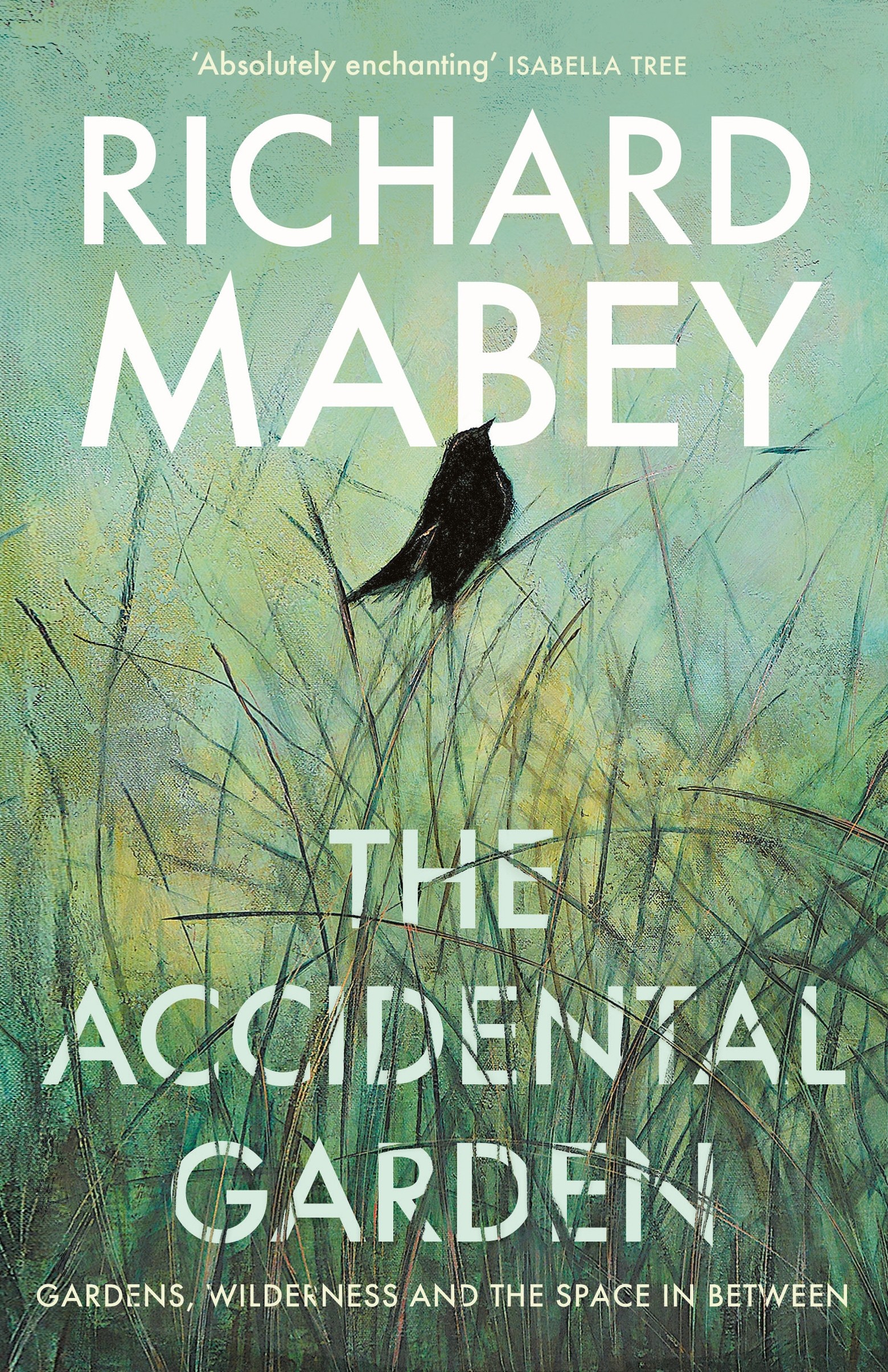
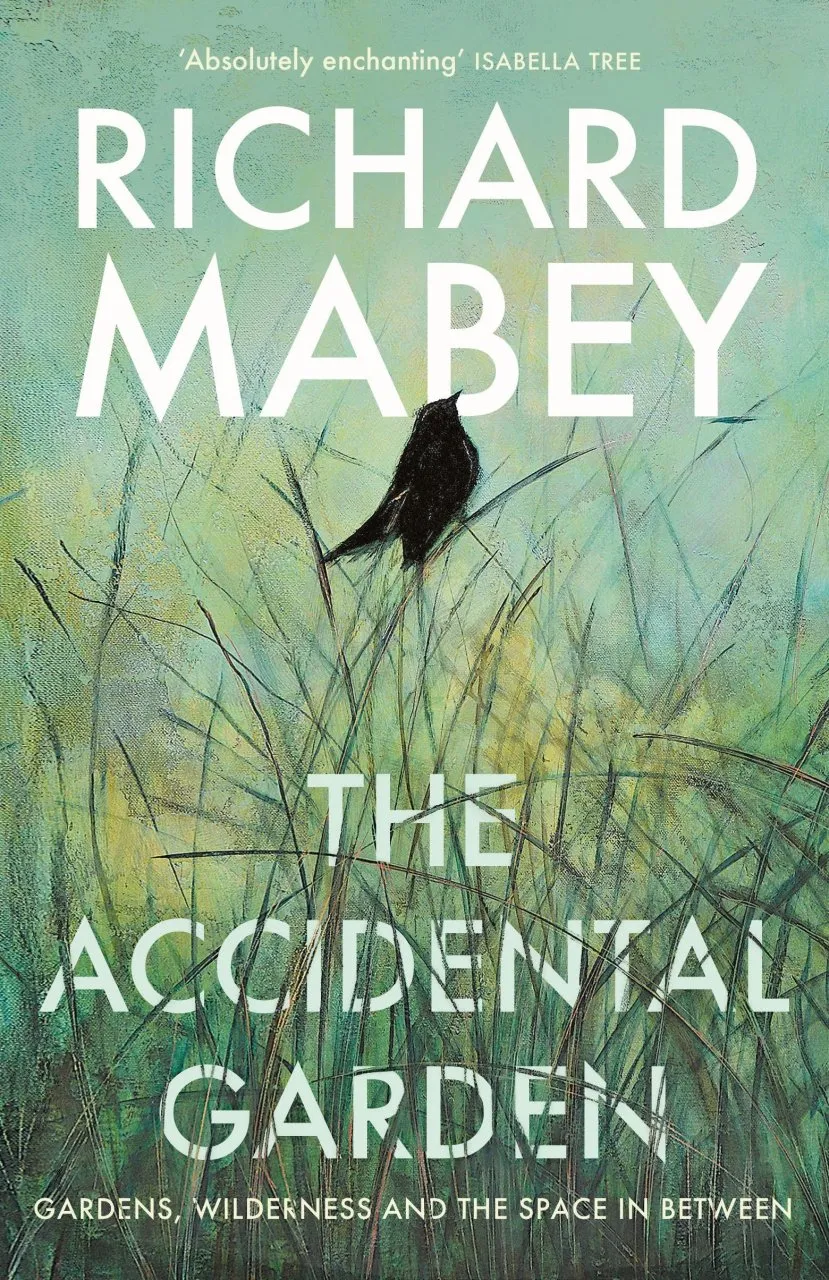
In The Accidental Garden, author Richard Mabey takes the reader on a journey through his own garden in Norfolk and explores the possibility of nature becoming humankind’s equal partner. He watches as his ‘accidental’ garden becomes its own director and reorganises itself in its own way, with ants sowing cowslips in their own patterns, roses serendipitously sprouting amid gravel, moorhens nesting in trees and other fascinating interactions.
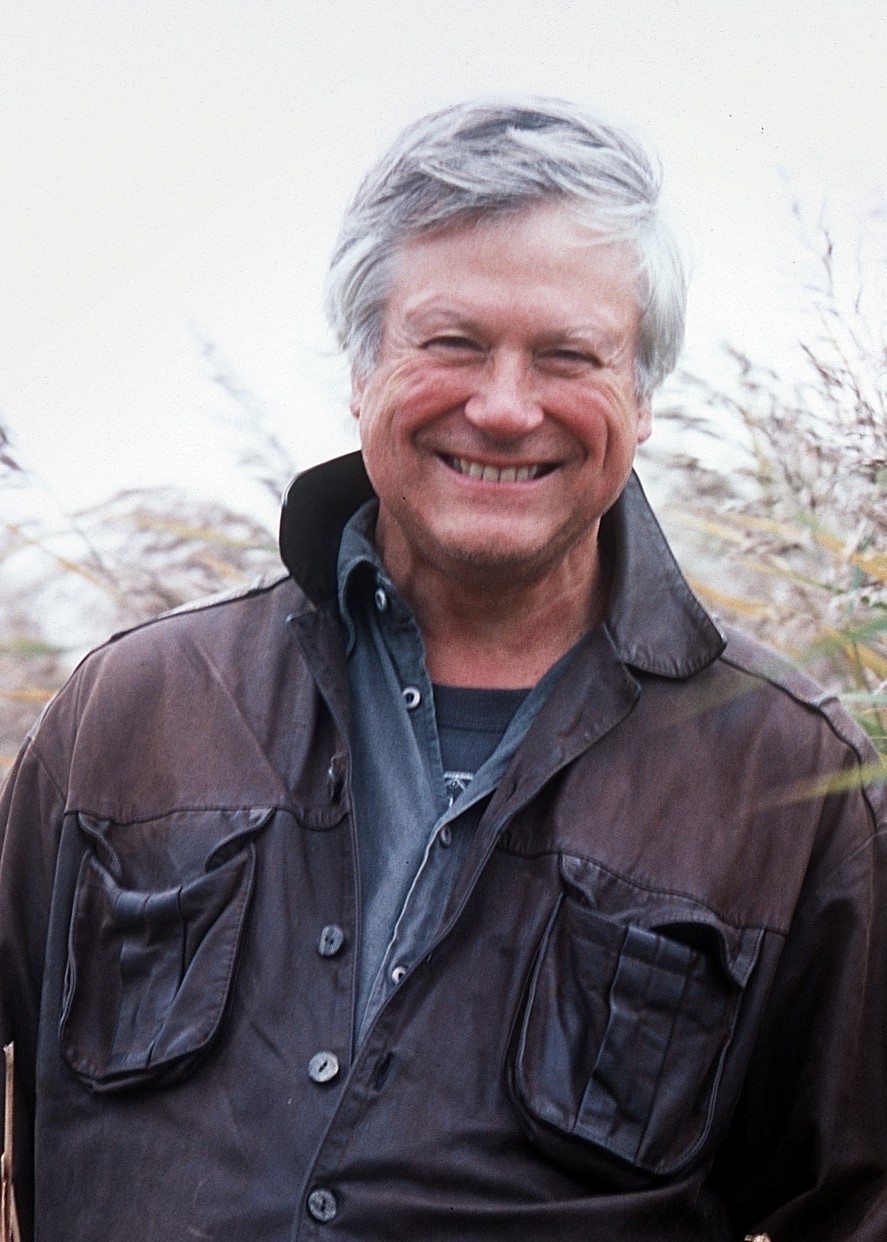
Richard Mabey has authored 30 books since becoming a full-time writer in 1974, a number of which have won awards, including the East Anglia Book Award, National Book Award and Whitbread Biography Award. He sat on the UK’s Nature Conservancy Council in the 1980s, has been awarded two Leverhulme Fellowships and three honorary doctorates, and became a Fellow in the Royal Society of Literature in 2011.
We recently had the opportunity to talk to Richard about his most recent book, where we discussed his approach to garden ‘by’ wildlife and the challenges he faced, the extent to which nature can thrive itself when human involvement is minimised, projects that are currently occupying his time and more.
Can you tell us what inspired you to write The Accidental Garden?
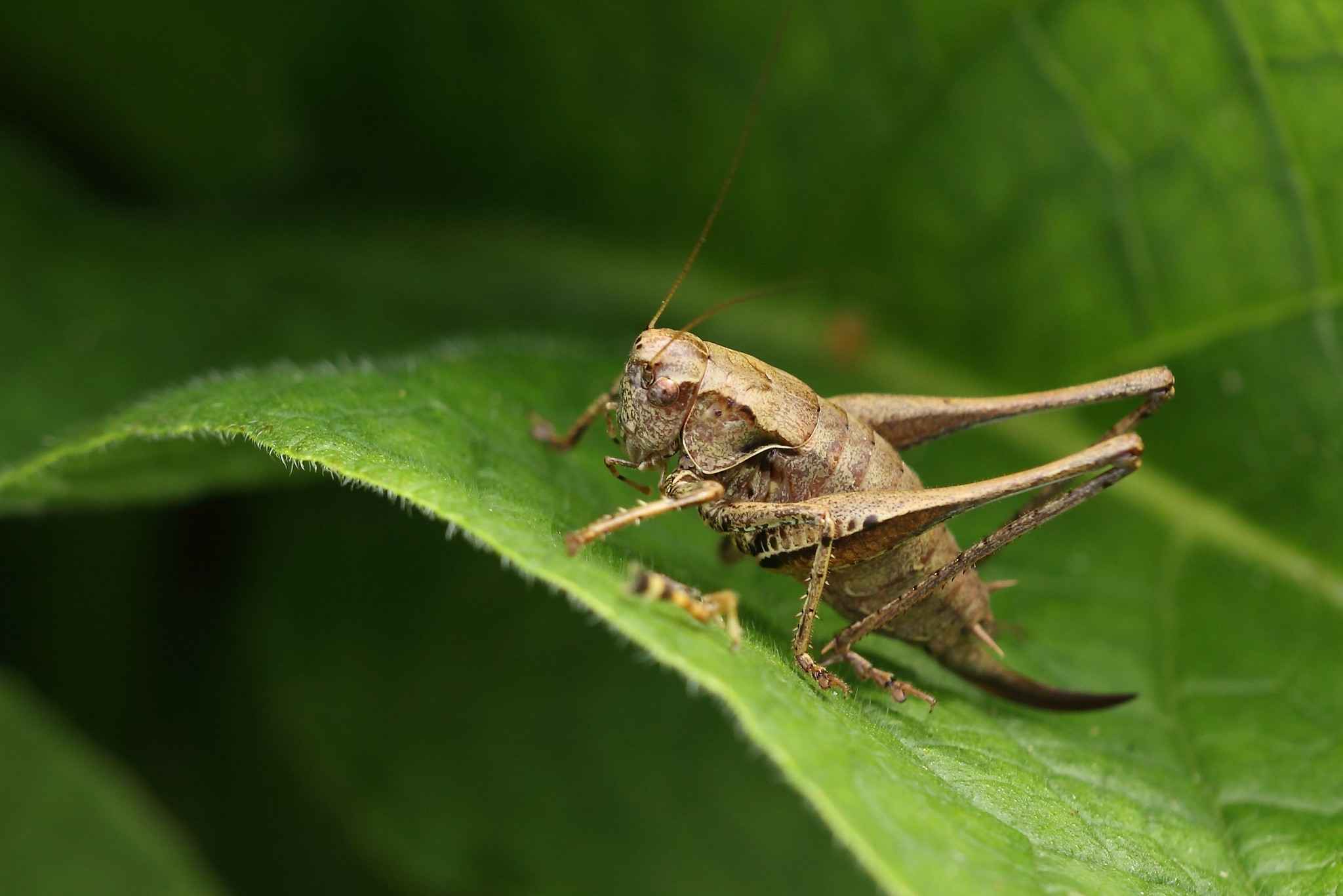
I’ve been meditating on many of the book’s themes for a long while – the paradox of our seeming new respect for nature co-existing with an obstinate reluctance to relinquish control; our obsession with tree-planting, as if trees have lost the ability to reproduce themselves; the lust for tidiness over vitality. What sparked the book – and set it in the theatre of our own garden – was a Dark Bush-cricket singing at midnight from the hollyhocks on that hottest-ever day in July 2022. It sounded like an anthem of hope.
Dark Bush Cricket (Pholidoptera griseoaptera) by Dean Morely, via flickr.
You mentioned in the first chapter that you try to garden ‘by’ wildlife as much as for it. Have you faced any challenges while using this approach, and what tips would you give to someone who wants to try and garden by the wildlife and biodiversity found in their own patch?
The Accidental Garden isn’t an advice manual. It’s a hesitant, personal account of what happened when we opened the gate to what I call ’parallel development’ in our space. We do what humans do in gardens, and allow other organisms to do what they want. Allow them to become subjects rather than objects, and effectively become fellow gardeners. So I left the bramble patch be, instead of digging it up to plant some runtish nursery-forced oakling. Result: Field Maple and Hazel saplings growing through its protective thorniness. I kick bare patches in the grass and see what self-seeds. Broomrapes, Heartsease and Bee Orchids have been among the surprise settlers. If you’re prepared to junk judgemental labels like weeds and pests there are very few challenges from this approach.
There seems to be evidence that, if left to fend for itself, nature can thrive and colonise without human involvement, as seen along the Dorset coast in the 1800s. What do you think humankind can learn from this going forward?
I’m continually amazed that we find nature’s ability to thrive and adapt surprising. How else could the planet have supported an abundance of life for billions of years before humans arrived on the scene? The natural world has never lost that enterprise and agility. Our reluctance to take advantage of this, to capitalise on adaptive solutions to environmental change, is a typically arrogant stance by our species, still stuck in its ‘dominion over’ mode, and our loss, as well as the natural world’s.
As you mentioned in one of your chapters, many people relish how non-native plant species can transport you to other places, while they also play a key role in garden biodiversity and over time can become at home in the UK, as seen with Snowdrops and Horse Chestnut. How do you think we can nurture the inevitable introduction of new species without this disadvantaging native plants?
The only visiting species we have any trouble with is Ground Elder, and otherwise our patch is developing into a resilient fusion garden. Native plants and animals form new communities with benign settlers. I’m writing this in May just feet from a large and dazzling patch of self-sown flowers that have established themselves in the gravel round the house, including Red Campion, Green Alkanet, Lamb’s Lettuce, Red Valerian, Hedgerow Cranesbill, Ox-eye Daisies. My interest is in the vitality and autonomy of this community (and its insect life – Hummingbird Hawk-moths are the stars!). But in terms of pure visual attractiveness it would match any herbaceous border. I’m also pleased by the way Turkey Oaks are regenerating in and beyond our patch of treeland, growing alongside the Wild Cherries and Ashes, and proving more resistant to deer browsing than English Oaks. Of course, many newcomers cause trouble away from their home ground. But in an environment that is being damaged so much by climate change, we need new species to keep a biologically rich tapestry of life here, in case our traditional species have trouble coping. ‘Nativeness’ has always had strict time limits, at both ends.
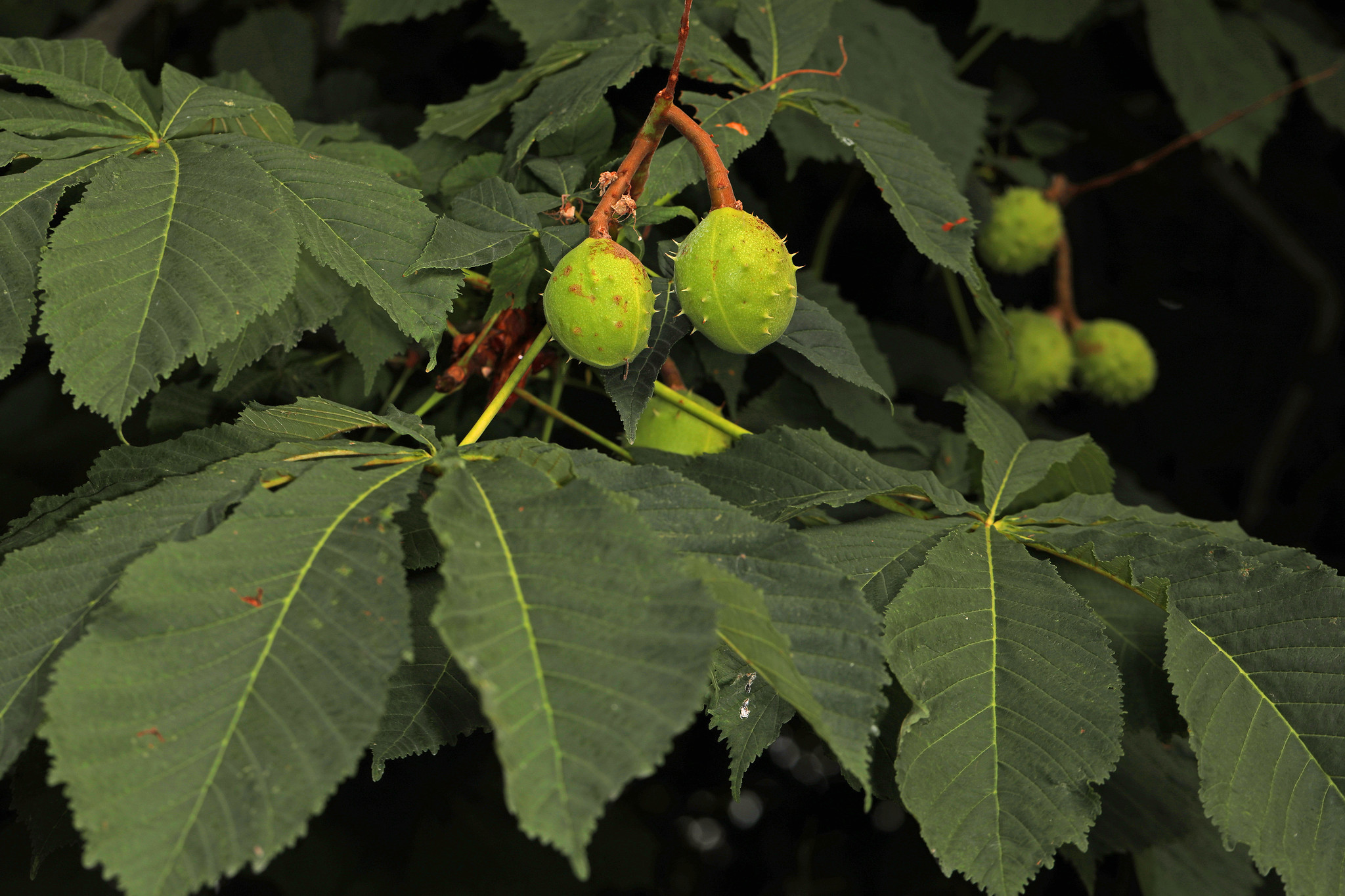
Horse Chestnut – Aesculus hippocastanum by Judy Gallagher, via flickr.
What was the most interesting finding that you came across while undertaking this journey with your own garden?
I think learning about eliasomes, the little parcels of fat on the ends of many seeds that are ants’ rewards for acting as beasts of burden. (They ferry the seeds to their hills and feed the fat globules to their grubs.) Our red ants’ hills are now like living standing stones and I like to think they are responsible for Cowslips now carpeting most of our grassland.
What do you hope the reader can learn from The Accidental Garden?
I’ve been astonished by the inventiveness of our fellow beings when allowed a little leeway to do their own thing. When we drop our paternalistic attitude, our belief that we know best what should live where. Gardens are often compared to theatres, with the gardener as writer, director, set designer rolled into one. Can’t they also be open stages where uninvited, unsupervised species and ancient processes of colonisation and decay can improvise their own landscapes? In the 20 years we’ve been here one half of our plot has transformed itself into a kind of common, with patches of treeland and open grass, and a total of over 150 wild plant species arrived largely of their own accord. A garden is only in the smallest sense a microcosm and metaphor for the planet. But in it it’s possible to glimpse larger lessons about neighbourliness and cooperation, and the fact that the natural world is not intrinsically a victim, in need of constant intensive care.
What are you occupying your time with at the moment? Do you have any other books in progress that we can hear about?
At my age I should be put out to grass. But I can’t stop thinking and scribbling. I’ve just finished an expanded new edition of my 1993 book on the cultural history of Nightingales, Whistling in the Dark, out next year. And I’m dogged by a fancy of tracing the wild thread in the art of nature (always my second subject) from the cave paintings in Derbyshire to Andy Goldsworthy’s spring-flower-enclosing snowballs. But maybe I should just be content to use my walking stick (my Instrument of Minimum Intervention) to scratch more patches in the grass.
The Accidental Garden is available to pre-order from our bookstore.
Unusual spring weather is affecting bird migrations. The Wood Warbler, Redstart and Pied Flycatcher migrate from sub-Saharan Africa to British oak woods every spring and depend on Oak Moth caterpillars to feed their young. In recent years, these caterpillars had already emerged and were pupating by the time the birds arrived, resulting in their chicks starving. This year, however, they are facing a new issue: as spring has been so wet and cold, many birds have not reached Britain yet, while those that have are having to search for food in cool weather and have not begun nesting. These shifts in long-term weather patterns are likely to continue to cause migration issues going forward due to their unpredictability.
The final Venezuelan glacier has been downgraded to an ‘ice field’ following large-scale glacial melt. This follows the loss of at least six other glaciers across the country in the last century due to an increase in global temperatures. In March 2024, researchers revealed that the Humboldt glacier had shrunk from 450 hectares to just two hectares. More recent observations show that, in the last two months it has reduced in size further to the area of just two football pitches. The latest projections suggest that between 20–80% of glaciers worldwide will be lost by 2100 as a result of climate change, with some of this loss already inevitable despite attempts to combat climate breakdown.
Environment
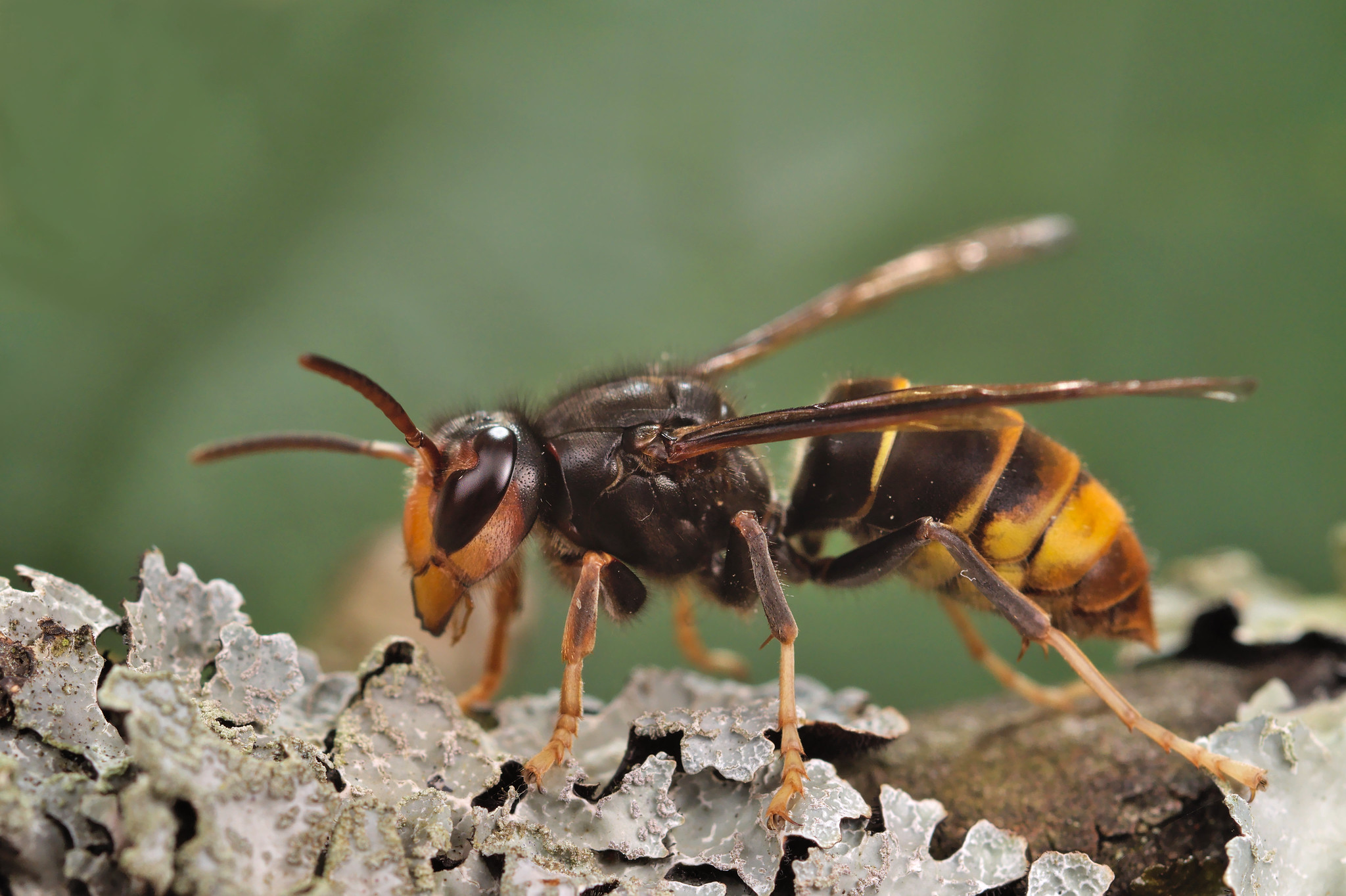
New record of Asian Hornet sightings threatens native pollination species. While Asian Hornets aren’t yet established in the UK, recent flooding and warm temperatures are increasing the risk of this species spreading across the country. Defra has warned that early detection and irradiation is the key to saving our native pollinator species who are known to feed on Honeybees. Since 2016, there have been 108 sightings of Asian Hornets, 56 of which were recorded last year alone. A further eight have been reported in the UK so far this year. Kent is on the front-line of the battle against this species with many of the UK sightings recorded in this county.
Pioneering project that makes eco-friendly concrete from crushed shells may be the answer to extreme flooding. A team at the University of Central Lancashire has developed an innovative, sustainable, permeable concrete made from recycled crushed scallop and whelk shells that would otherwise go to landfill when discarded by fishmongers. Trials are being undertaken in Blackpool to assess its effectiveness in gardens, footpaths and car parks, and early results are very positive.
Over 8,000 hectares of land ‘left to nature’ to increase biodiversity. This restoration project, run by Forestry England and supported by both Forest Holidays and the Government, will be implemented in four areas across the UK: Castle Neroche, Somerset; Kielder Forest, Northumberland; Newtondale, North Yorkshire and Purbeck, Dorset. The project aims to minimise human involvement, allowing nature to shape these forest landscapes itself. Andrew Stinger, The Head of Environment at Forestry England, stated that, although the team is uncertain how these areas will evolve once human activity is reduced, they are confident they will become more biodiverse with the help of reintroduction initiatives, aid flood mitigation, improve air quality, and restore soil health.
Science
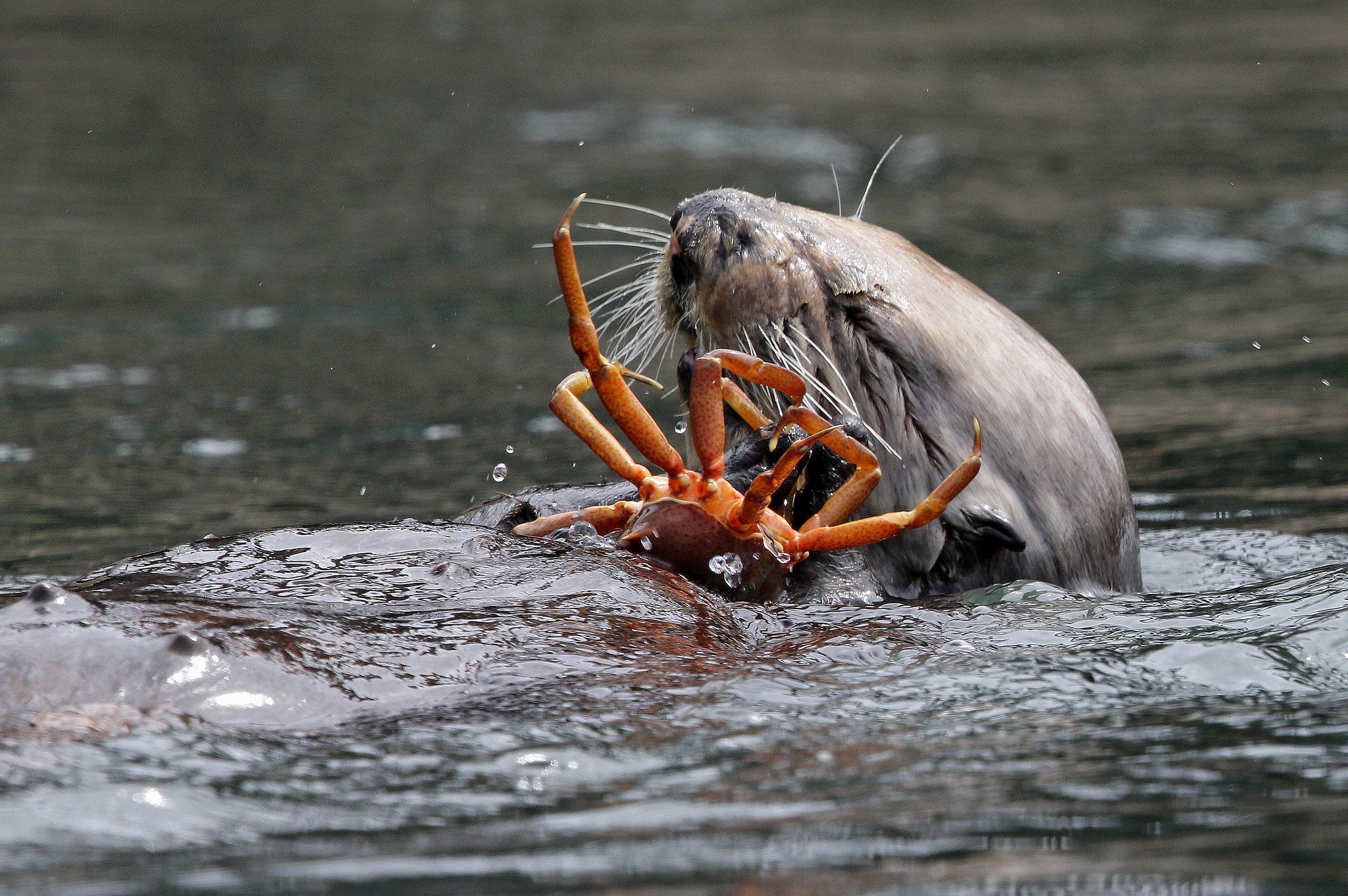
Sea Otter by Bureau of Land Management California, via flickr.
Study reveals that female Sea Otters are using tools to help preserve their teeth. Researcher Chris Law documented the moment that a female Sea Otter used a rock anvil to open the shell of its next meal, a type of behaviour which has previously been witnessed in very few animals. Further investigation revealed that, when there’s a decline in their preferred food, female Sea Otters have evolved to use tools to allow them to overcome their weaker biting ability when compared to their male counterparts, which allows them to consume alternative, larger prey without damaging their teeth.
Weevils are beetles belonging to the superfamily Curculionoidea. They are generally characterised by their elongated snout, or rostrum, although this is not present in all species. The similarly named Curculionidae family exist within this superfamily and contain the “true” weevils. These true weevils have long snouts and geniculate or sharply hinged antennae that end in small clubs. There are several other families of weevil including Belidae, the primitive weevils, and Anthribidae, the fungus weevils.
As of 2012, over 600 species of weevil had been recorded in Britain. The total number of species worldwide is unknown, but estimates suggest that there are between 40,000–97,000. They can be found in a variety of habitats including gardens, parks, woodland, farmland, heathland and wetlands. They are usually found on plants but they can also be found on the ground. Some weevil species, such as vine weevils and rice weevils, feed on grains and can become an infestation inside pantries and cupboards. They aren’t harmful to humans or pets but they can cause damage to stored foods as their populations grow rapidly once they are inside containers of flour or cereals.
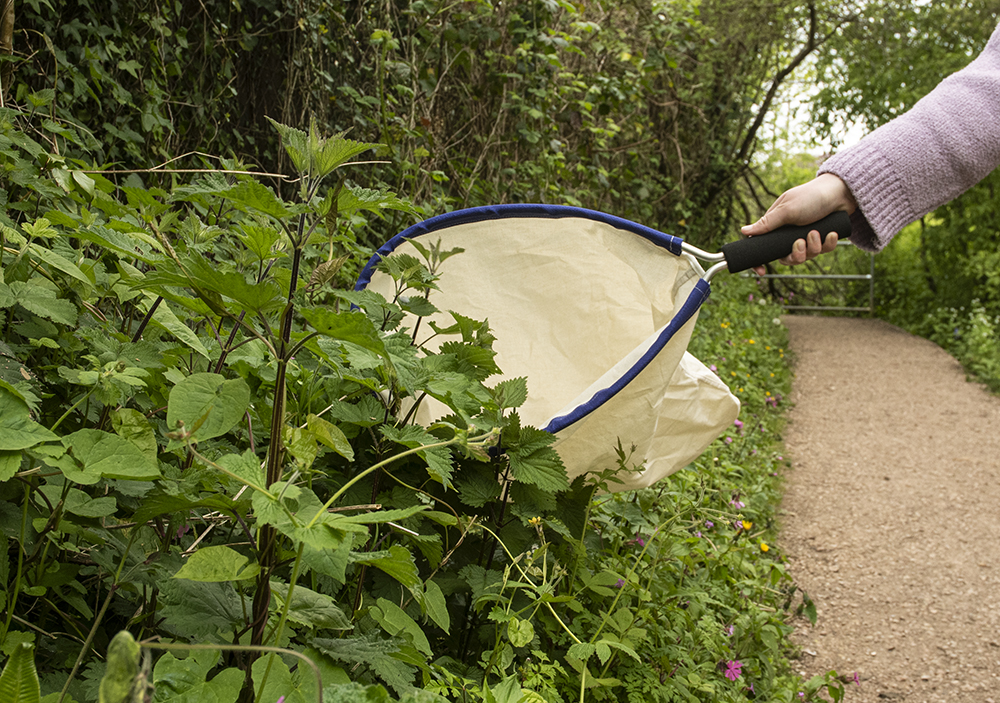
Identification of weevils can be difficult in the field as many species look alike to the naked eye. A hand lens, specimen pots and a good field guide can help. There are several ways to look for specimens, such as using a sweep net or beating tray or simply searching by eye. However, as weevils are very small, often less than 6mm in length, it is important to be careful when surveying.
In this post we will look at some of the most commonly found weevils in the UK, providing some key identifying features and information on similar or confusion species.
Glossary
– Elytra – Protective wing-cases covering the hindwings (singular, elytron)
– Geniculate antennae – Antennae having elbows
– Pronotum – Section of the body directly behind the head
– Rostrum – Snout-like projection extending from the head
– Scutellum – Large triangular shield or plate located on the back
– Setae – Stiff bristle-like hairs (singular, seta)
– Striae – Longitudinally depressed lines or furrows (singular, stria)
– Tarsi – Foot or contact surface of the leg (singular, tarsus)
– Tibia – Fourth segment of the leg (from the body), located between the femur and the tarsus
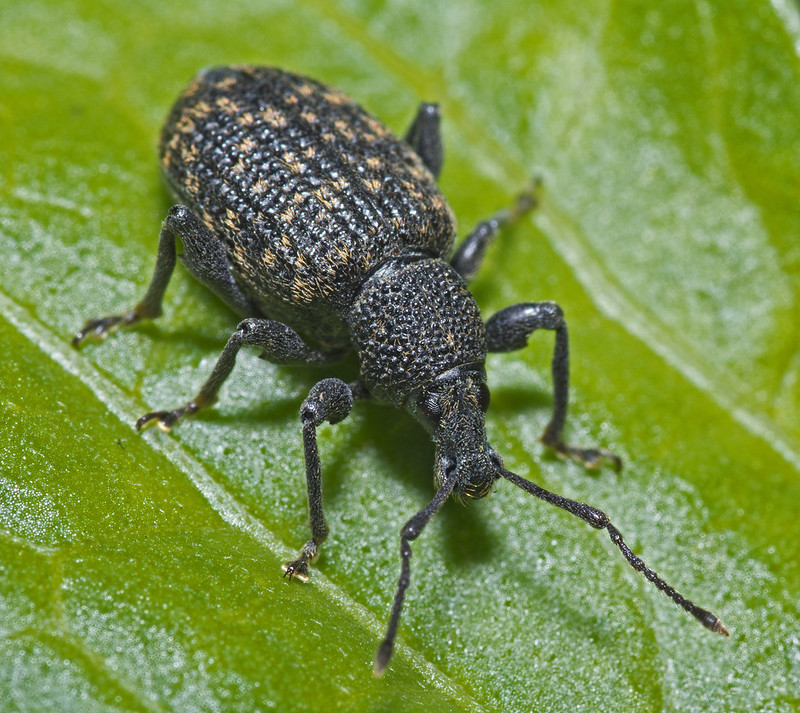
Distribution: Widespread throughout Britain. What to look for: Black body mottled with small brown patches. Their elytra, the hardened forewings that serve as protective cases for the hindwings, have longitudinal grooves, or striae. Their pronotum is pebbled in texture. Similar species: There are several dark, grooved species, and the Large Pine Weevil (Hylobius abietis) is visually similar but has orange or creamy-yellow spots resembling bands and their elytra lack defined grooves.
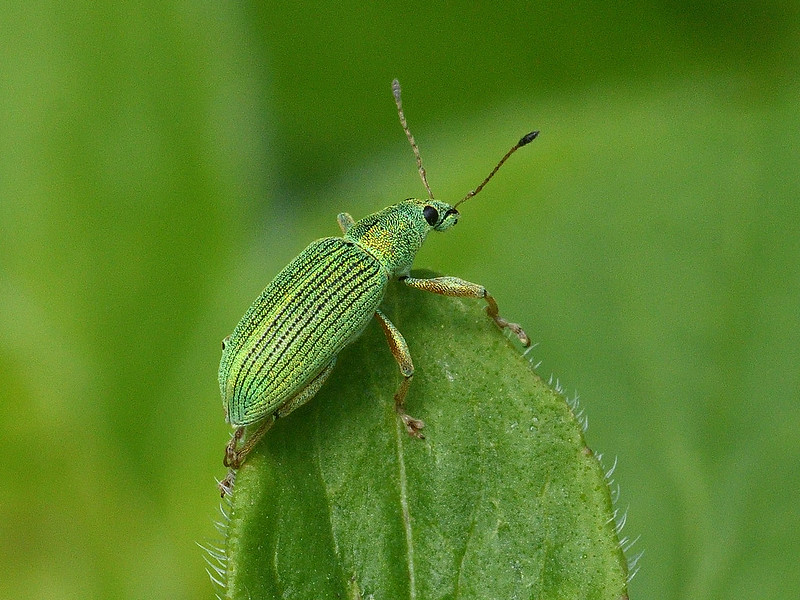
Green Immigrant Leaf Weevil by Tim Worfolk via Flickr (CC BY-ND 2.0)
GREEN IMMIGRANT LEAF WEEVIL (Polydrusus formosus)
Distribution: Widespread, increasing population. What to look for: A metallic green species with round scales and pale antennae that end in a dark club. Their elytra are longitudinally striated and do not have any setae (stiff structures that resemble bristles). Older specimens may be darker in colour as their scales can wear off, showing their black under-colour. Their legs have some metallic green covering but with an orangey under-colour. Similar species: There are several visually similar species, therefore specimens need to be examined closely. Identification in the field may be difficult.
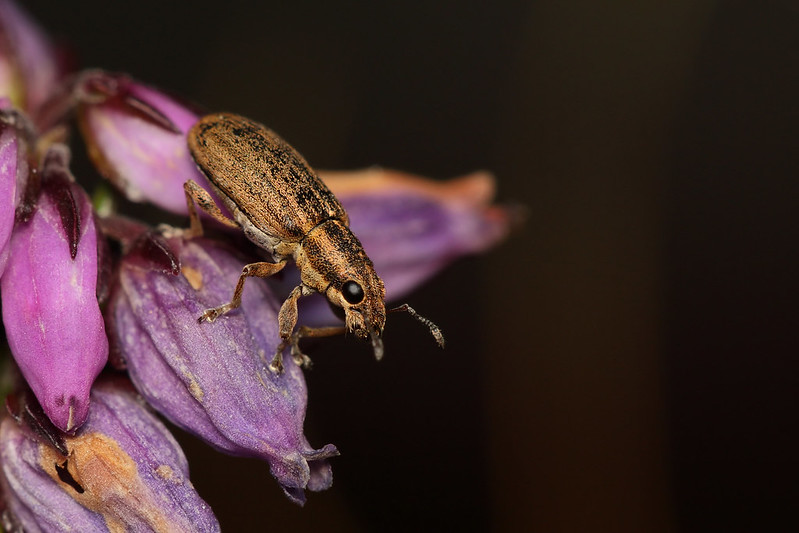
Pea Leaf Weevil by Danny Chapman via Flickr (CC BY 2.0)
PEA LEAF WEEVIL (Sitona lineatus)
Distribution: Widespread in England and Wales. What to look for: This is a buff species with dark longitudinal stripes that can appear dark brown or reddish. Its rostrum, or snout, is very short, unlike those of many weevil species. Similar species: There are several similar Sitona species. Identification in the field may not be possible and dissection is often needed to confirm species.
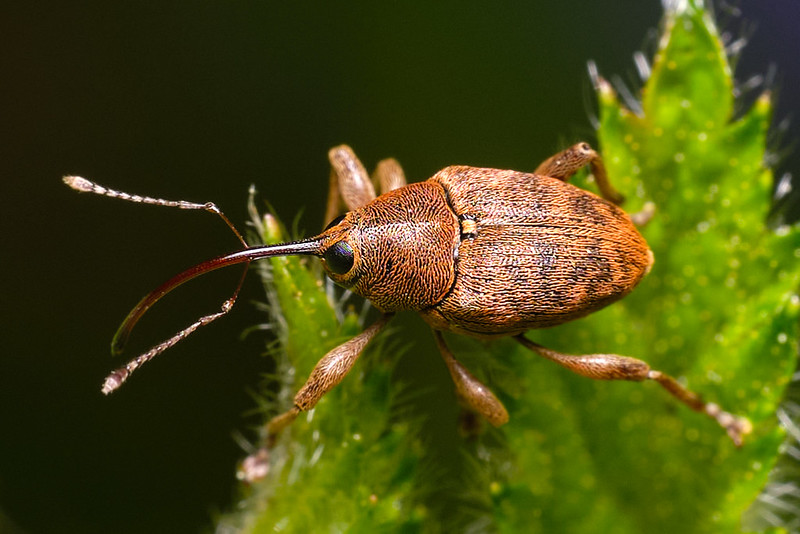
Acorn Weevil by Lukas Large via Flickr (CC BY-SA 2.0)
ACORN WEEVIL (Curculio glandium)
Distribution: Widespread, more common in the south of Britain. What to look for: The Acorn Weevil is a brownish-rust colour with darker markings on its elytra. It has a long, striking rostrum and a paler scutellum. Similar species: Very similar to Curculio nucum but can be distinguished by the shape of the antennal club which is more elongated and narrow than that of C. nucum.
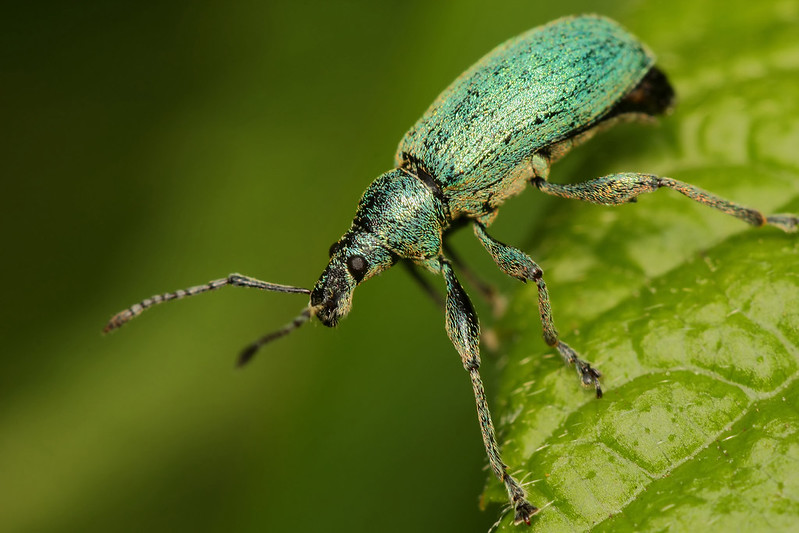
Nettle Weevil by Danny Chapman via Flickr (CC BY 2.0)
NETTLE WEEVIL (Phyliobius pomaceus)
Distribution: Common in England and Wales, rare in Scotland. What to look for: A black beetle covered in metallic, bluish-green scales, which are oval. There is a prominent tooth on the front femur. Similar species: There are multiple similar species in the Phyllobius genus. The Nettle Weevil is the only one with oval scales.
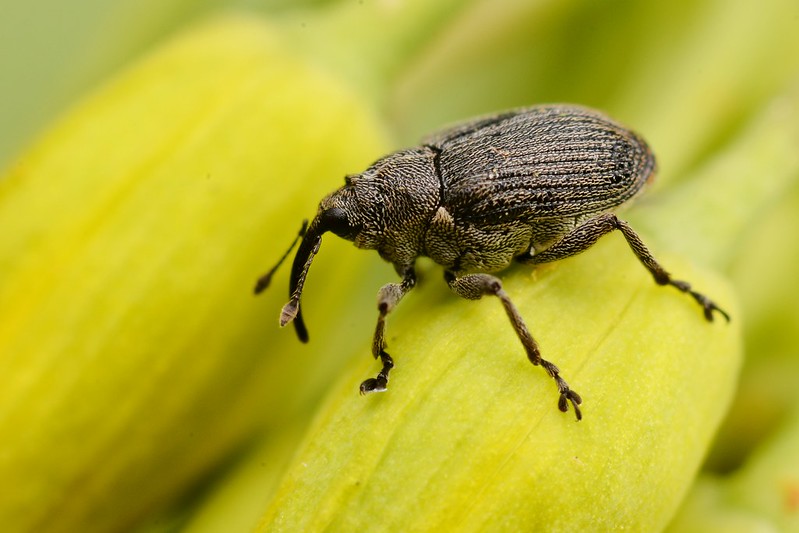
Cabbage Seed Weevil by Gilles San Martin via Flickr (CC BY-SA 2.0)
CABBAGE SEED WEEVIL (Ceutorhynchus obstrictus)
Distribution: Fairly widespread in England and Wales. What to look for: The Cabbage Seed Weevil has a round grey body with grey legs. They are covered in small, white scales. They have a long, curved rostrum and small, bent antennae. If disturbed, this weevil will fold its rostrum and legs against its body, resembling a small pebble. Similar species: Several other Ceutorhynchus species are very similar to C. obstrictus but they can be distinguished from some by the colour of their tarsi, the last part of the insect leg, which are black to dark-brown rather than reddish-yellow. C. Obstrictus also lacks a tooth on the hind femora. Synonym:Ceutorhynchus assimilis, Cabbage Seedpod Weevil.
Willow Gall Weavil by Line Sabroe via Flickr (CC BY 2.0)
WILLOW GALL WEAVIL (Archarius salicivorus)
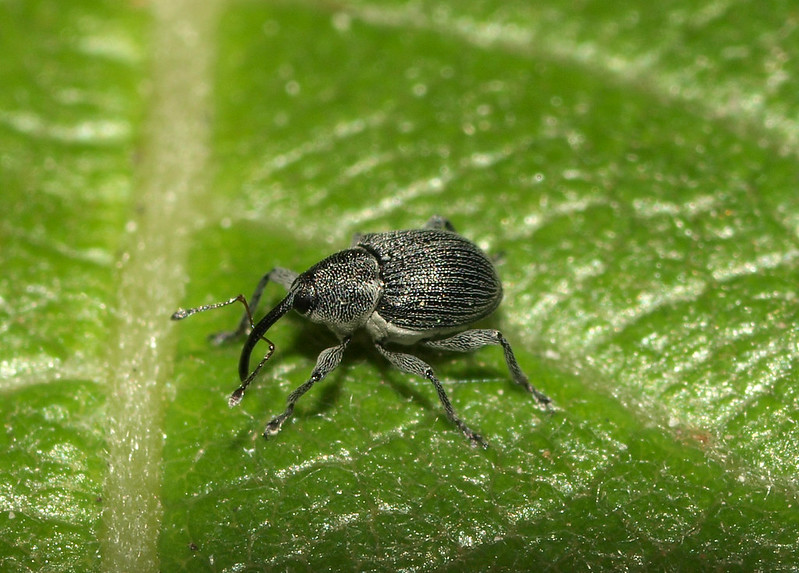
Distribution: Widespread in Britain. What to look for: A short, black weevil with a tapered body and long snout. Its antennae are midway along the rostrum. It has a paler underside and a small pale scutellum, the small section of the exoskeleton in the middle of the back between the pronotum and the abdomen Similar species: The Strawberry Blossom Weevil (Anthonomus rubi) is visually similar but has a less rounded appearance when viewed from above and a less barrel-shaped pronotum than the Willow Gall Weevil.
Large Pine Weavil by gbohne via Flickr (CC BY-SA 2.0)
LARGE PINE WEAVIL (Hyblobius albietis)
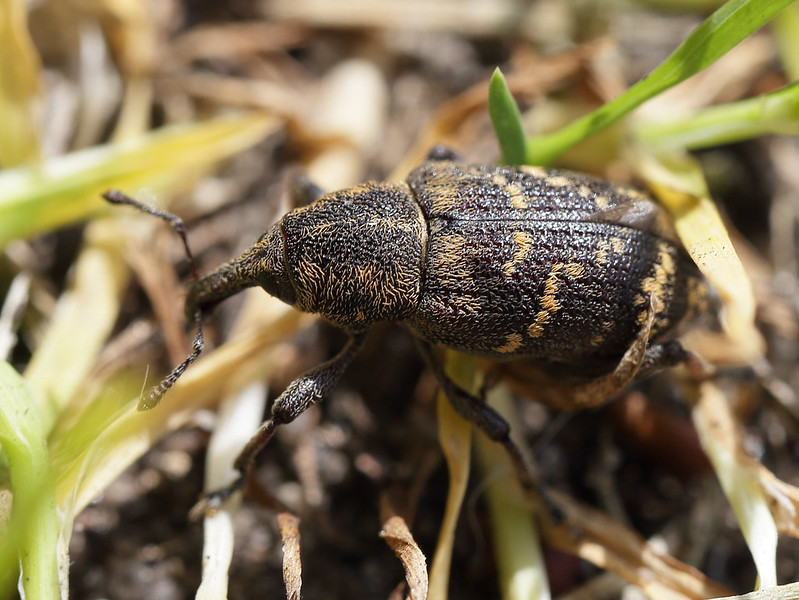
Distribution: Widespread. What to look for: This is a large dark brown weevil with orange to creamy-yellow patches on its elytra, which form bands. They have black or deep red legs with a distinct tooth on the femora and at the end of the tibiae. They also have eyebrow-like patches on their head at the base of their rostrum. Similar species: The Vine Weevil (O. Sulcatus, see above) is also dark with lighter patches, but these are brown and their elytra have more distinct striations. They also have a more distinctly ‘pebbled’ pronotum.
Caterpillars are part of the life cycle of moths or butterflies which is known as complete metamorphosis. This life cycle includes four stages: egg, caterpillar (also known as the larval or feeding stage), pupa (the transition stage) and adult (the reproductive phase). With over 2,600 species of moth and 60 species of butterfly in the British Isles, there are a large variety of caterpillars present in our countryside.
There are several stages of caterpillar growth called instars, during which the caterpillar sheds its skin as it grows. Colouration, size and patternation can vary between these instars. Additionally, species can have different variations of caterpillars, including different colour forms. Several species are listed below, grouped by key characteristics such as colour, patternation and features.
Hairy caterpillars
There are many ecological functions of hair-like structures on caterpillars including defence and camouflage. These hairs, called setea, can be almost invisible to the naked eye, while others make them easier to see. Two types of caterpillar hair can cause harm to humans and pets: urticating, which are itchy, non-venomous hairs that can irritate the skin, and stinging hairs, which are hollow spines that have poison-secreting cells that can cause a range of health issues if they enter the skin.
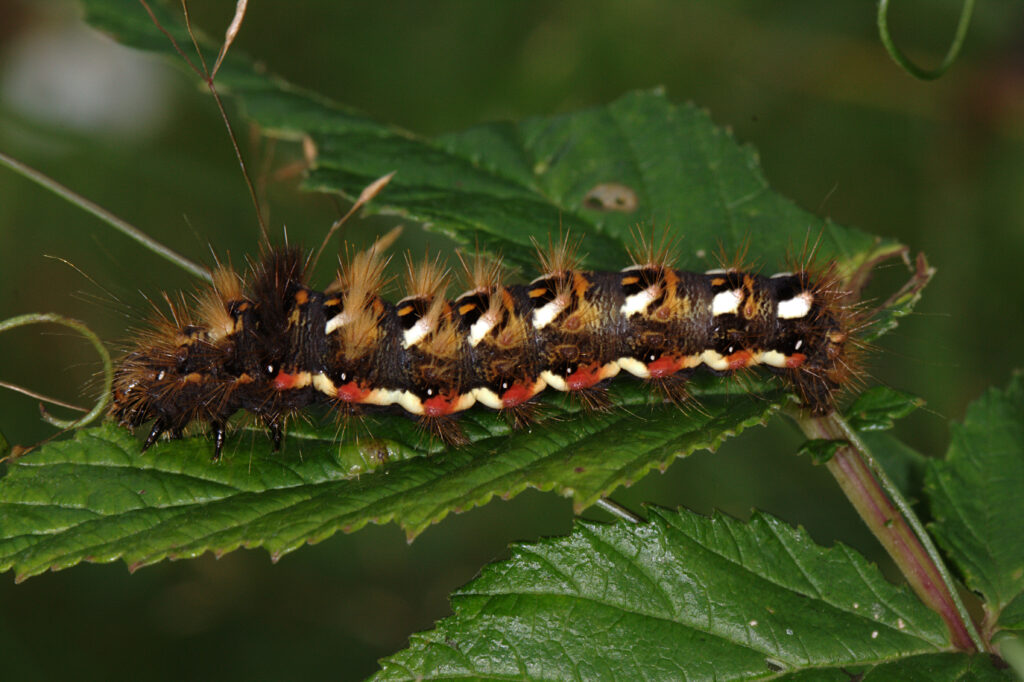
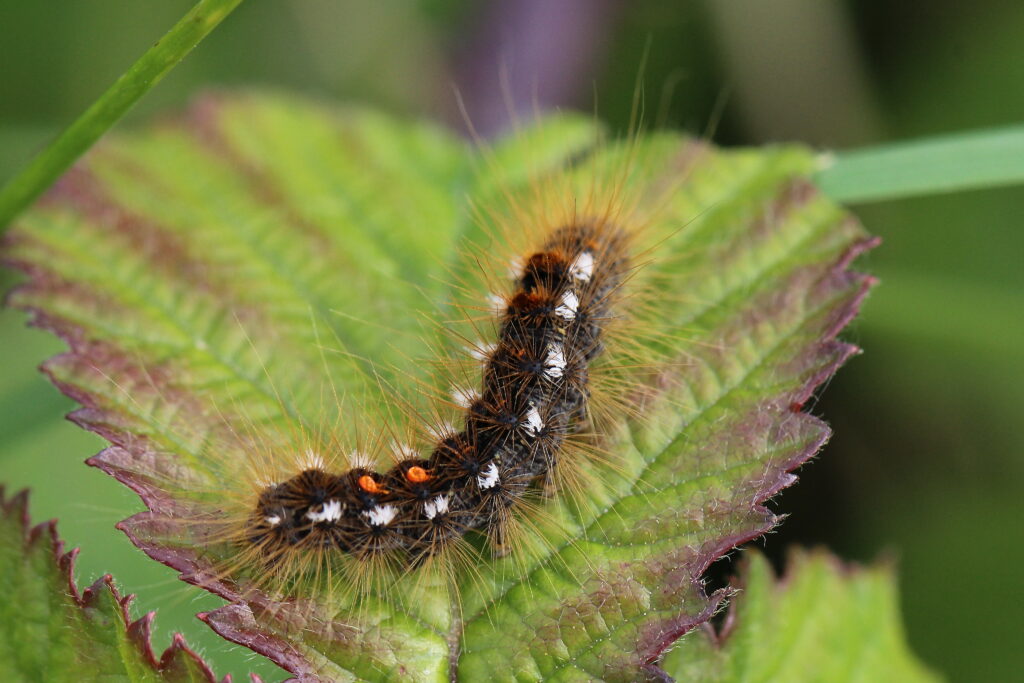
Knot Grass moth (Acronicta rumicis): Colour can vary between light gingery brown to near black, with patches of rusty brown hair and a broken line of white dorsal patches. They also have a wavy white line on their sides, broken with bright orange/red spots. They grow up to 40mm in length. Can be confused with the caterpillars of Brown-tail and Yellow-tail moths. Foodplants include Knot Grass as well as Broad-leaved Dock, plantains, Bramble, Hawthorn, Common Sorrel, heather, and Purple Loosestrife.
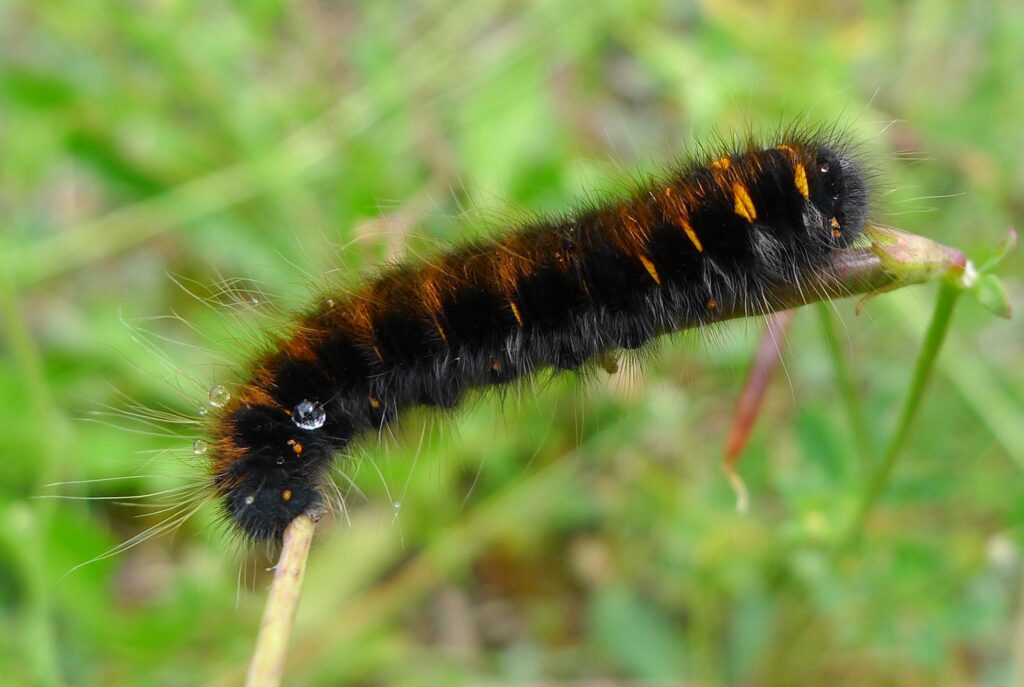
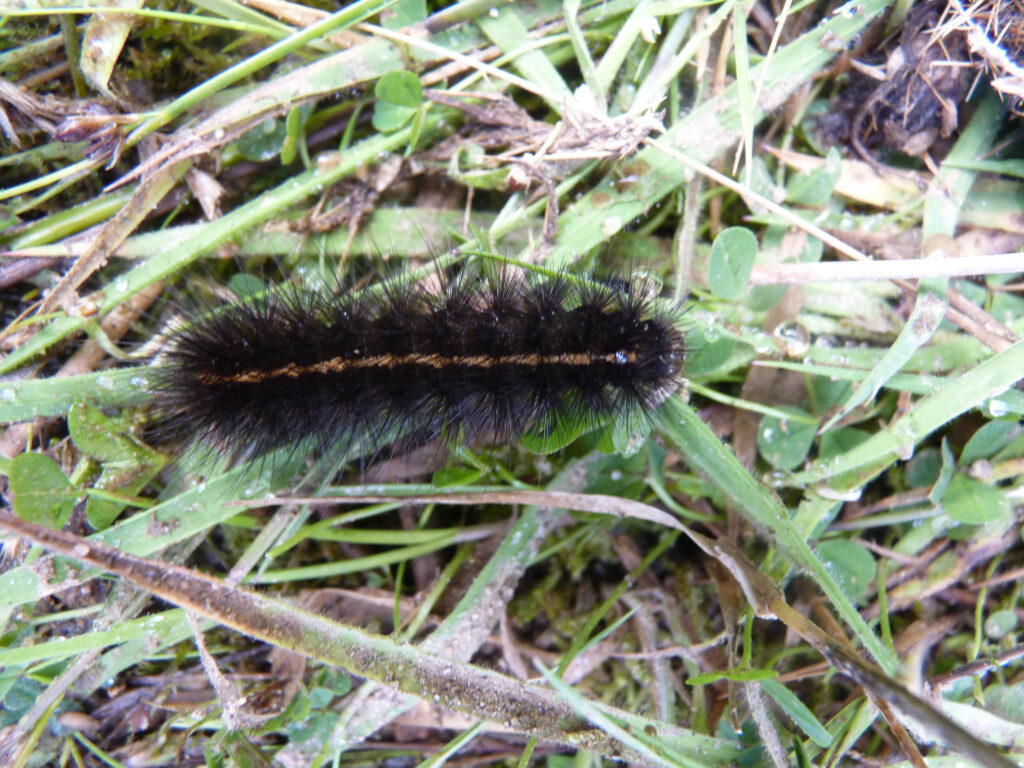
Fox Moth (Macrothylacia rubi): Very hairy, up to 70mm long, dark brown with an orangey stripe down the length of its body. Caterpillars in earlier stages of development may have distinctive orange or yellow bands. Commonly feeds on heathers, Bilberry, Creeping Willow, Bramble, Meadowsweet and Salad Burnet.
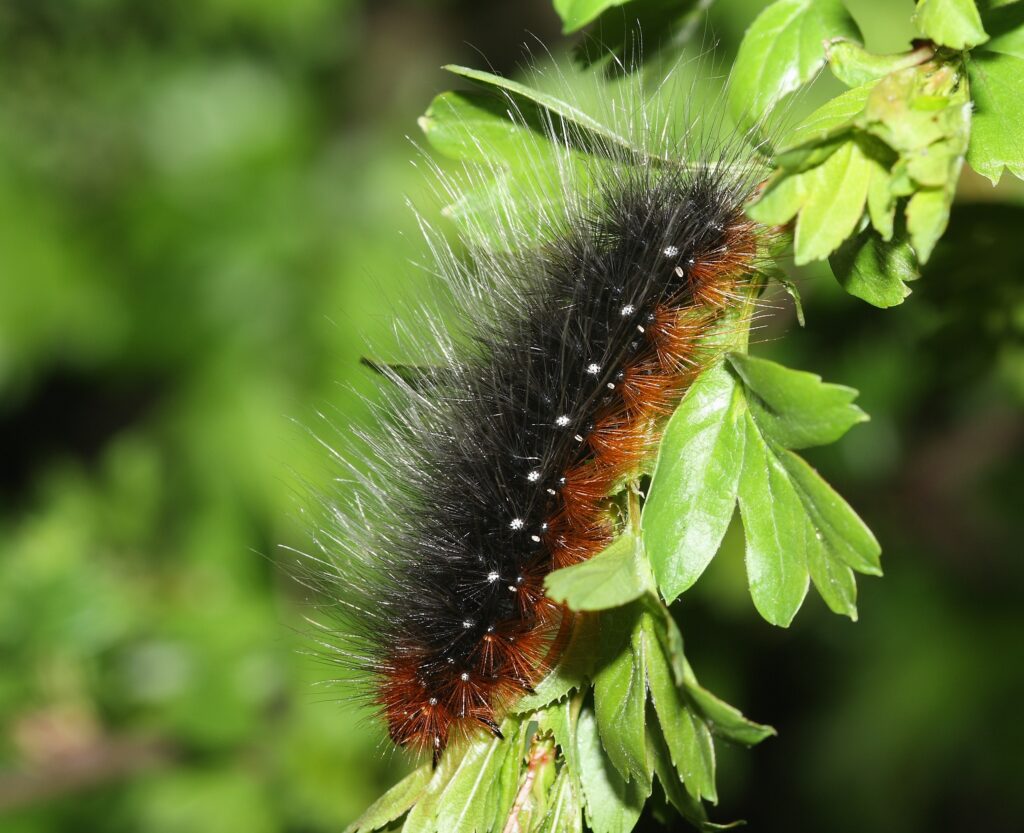
Garden Tiger moth (Arctia caja): Also known as the woolly bear caterpillar due its very long hairs. Grows up to 55mm long and has a dark red dorsal area with white tipped hairs,an orangey red underside, and small white markings along its sides. Feeds on a variety of herbacious and garden plants including Common Nettle, Broad-leaved Dock, burdocks and Hound’s-tongue.
Brown-tail moth (Euproctis chrysorrhoea): Can measure up to 30mm long, black with white markings down its sides and two distinctive orangey red ‘warts’ on its back near its tail. Be aware that its hairs are toxic to humans. Feeds on plants in the Rosaceae family including Hawthorn, Blackthorn, Plum, Cherry, Rose and Bramble.
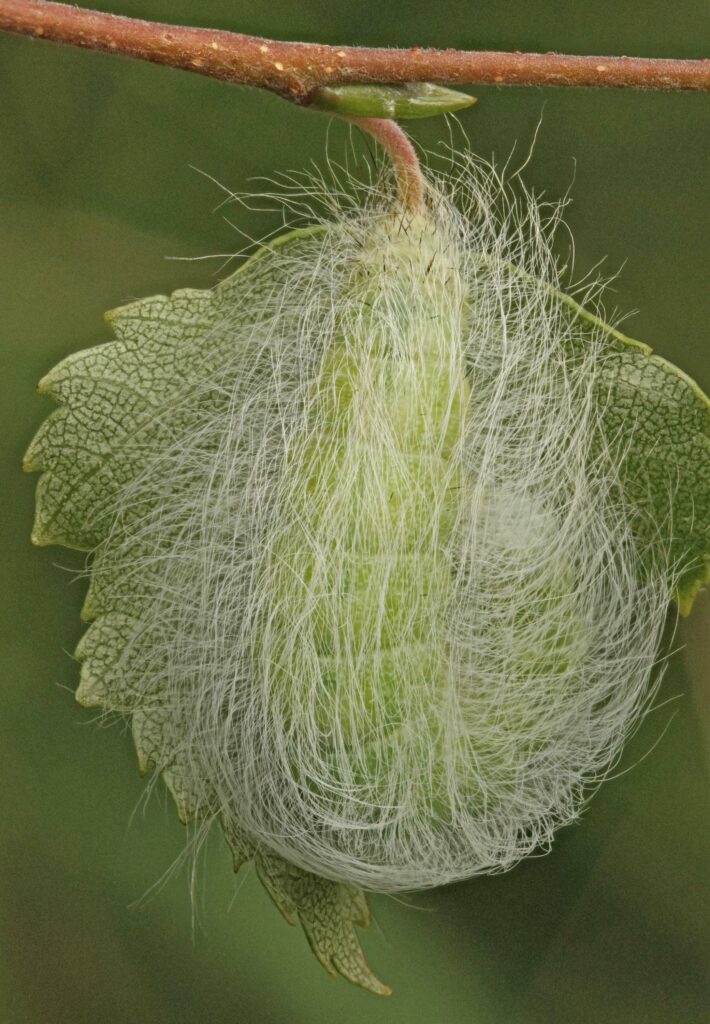
Miller moth (Acronicta leporina): Up to 35mm long with very long white or yellow hairs that swirl to one side. The body is often a pale green to brown depending on the development stage but this can be hard to see under the hairs. Usually found on birch or Alder trees.
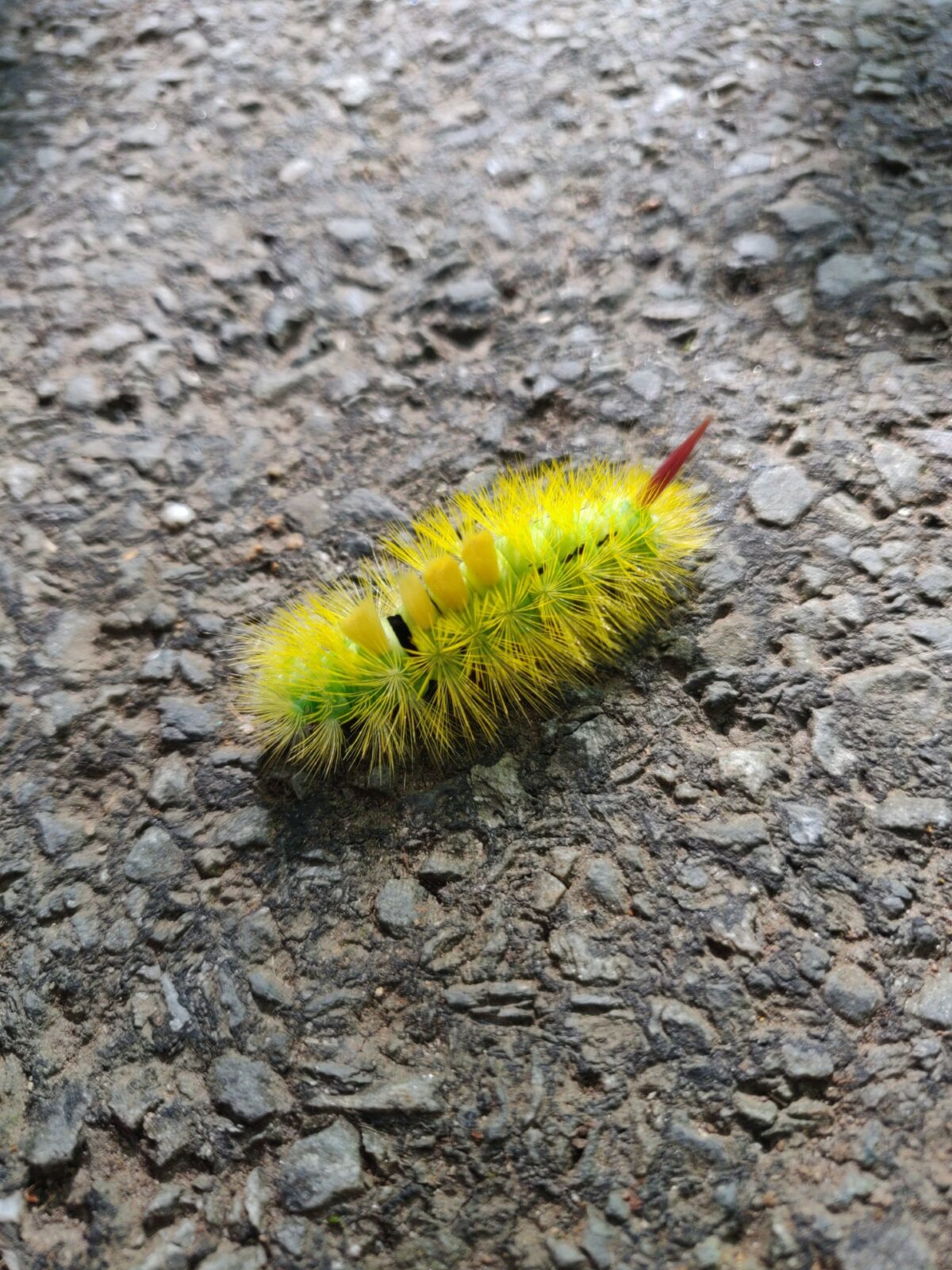
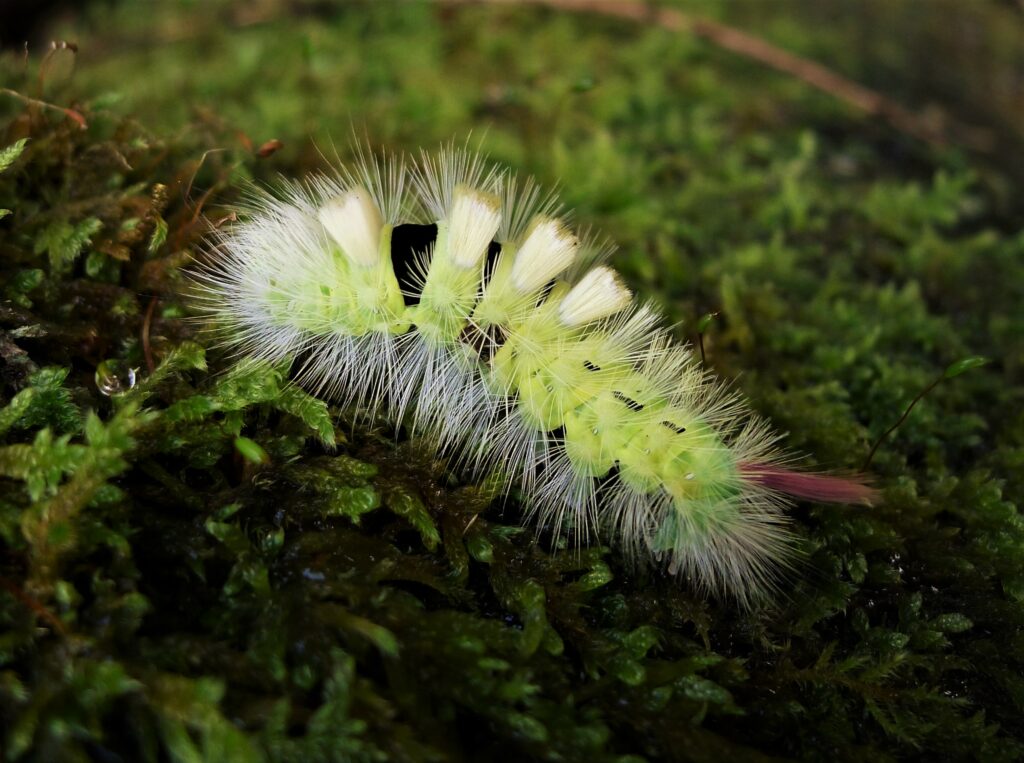
Pale Tussock moth (Calliteara pudibunda): Greenish yellow hairs with a black body showing through in bands between tufts. The hairs can vary in colour and can be white, brown or pink. They also have a tail tuft that varies in colour but is usually brown, pink or red. This can be absent in some individuals. The four, tussocky tufts on their dorsal are frequently white, brown or yellow. Feeds on a variety of broadleaved trees and shrubs including Hawthorn, Blackthorn, Crab Apple, oaks, birches and Hazel.
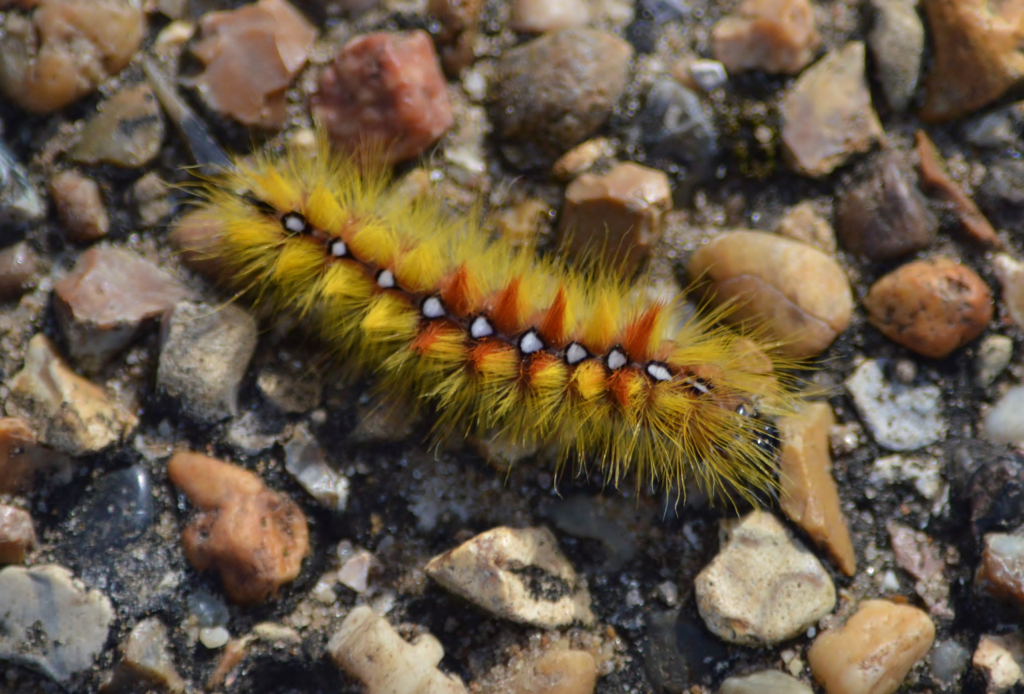
Sycamore moth (Acronicta aceris): Up to 40mm long with thick hair that is either yellow, brown or orange . They have bold white spots down their back, outlined in black, as well as tufts of dark orange or bright red hair on their back. Foodplants are most commonly Sycamore, Field Maple and Horse-chestnut.
White Ermine moth (Spilosoma lubricipeda): Approximately 40mm long with a red, orange or pale dorsal line. Caterpillars at later development stages are covered in spines that can be reddish brown, dark brown or even black.
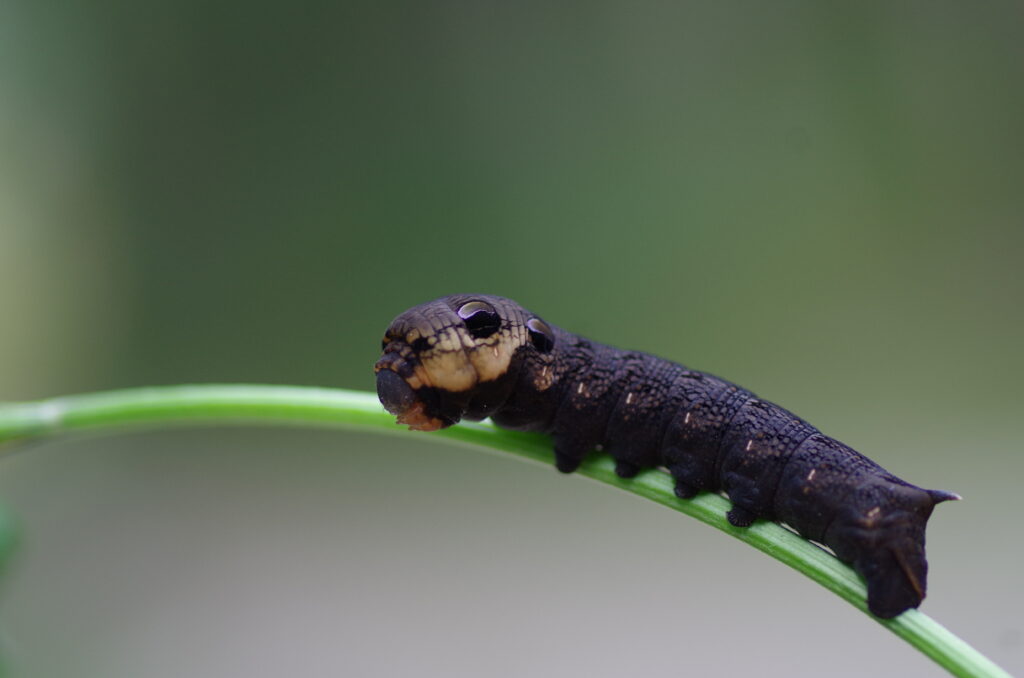
Elephant Hawk-moth (Deilephila elpenor): Thick bodies that grow up to 8cm in length, usually dark brown but bright green forms also occur. The name derives from their smaller, trunk-like head that extends from its more bulbous neck. They feature a spiked tail and four eyespots, although the second pair can be less visible on darker individuals. Most frequently found on Rosebay Willowherb, Great Willowherb, other willowherbs and bedstraws.
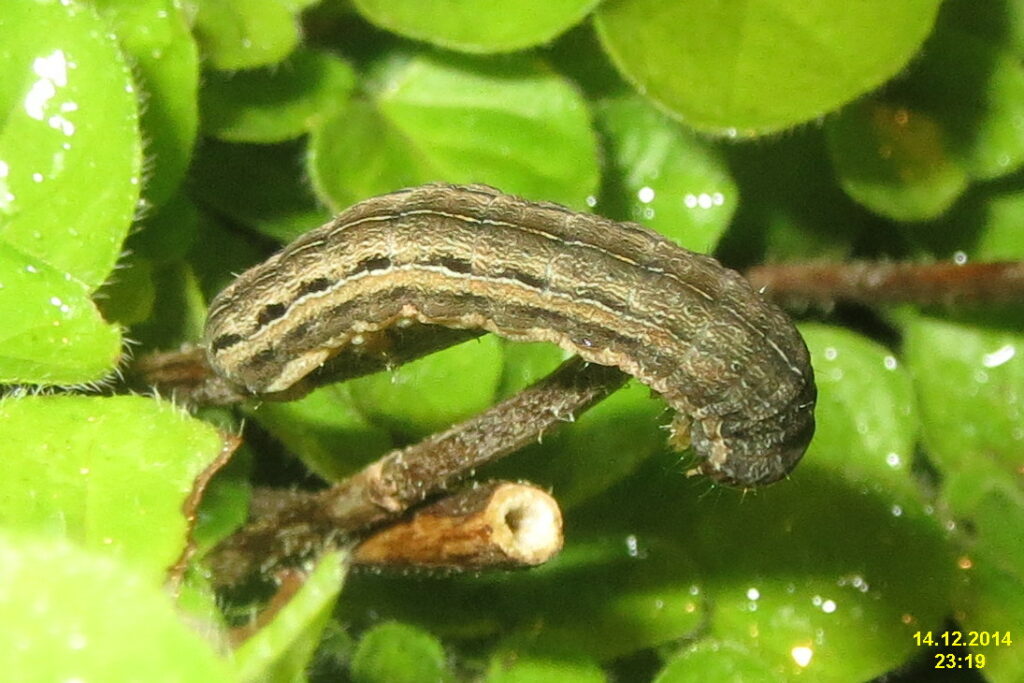
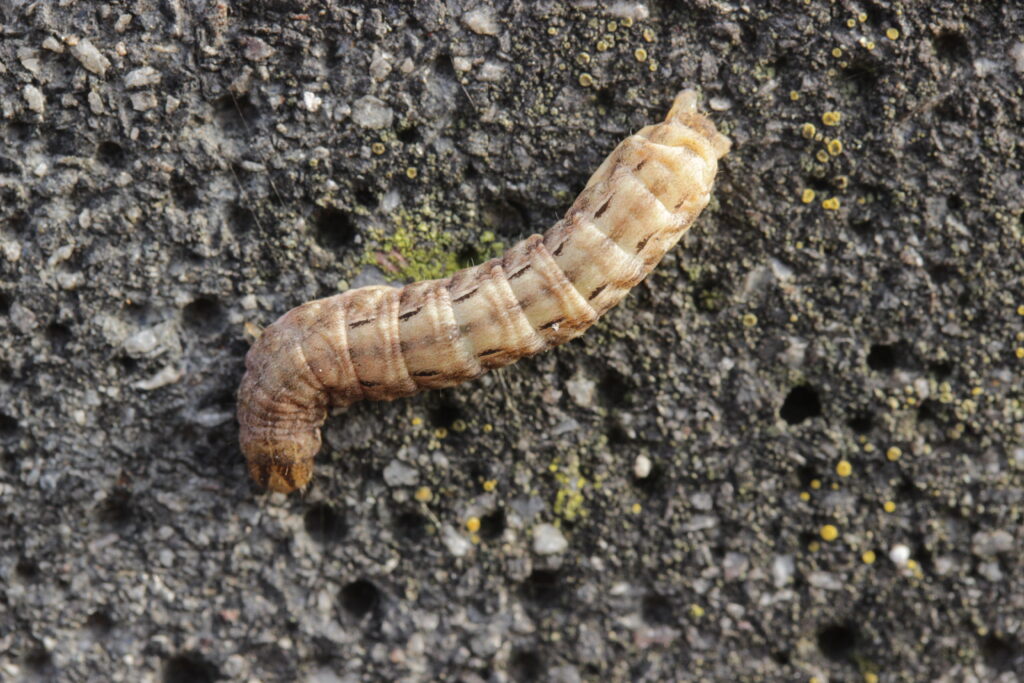
Square-spot Rustic moth (Xestia xanthographa): Greenish ochre in colour, with pale lines on its back and edged with dark, long, slanted markings on its sides in a row. Mainly feeds on grasses, plantains and Cleavers.
Large Yellow Underwing moth (Noctua pronuba): Grows to a length of 45–50mm. Its body can be various shades of brown and green, with three lines down its back and dark patches on the inner side of the outer two lines – similar to the Square-spot Rustic. They also have darker sides with a lighter stripe above the legs. Feeds on a wide range of herbaceous plants and grasses including docks, brassicas, marigolds and Foxglove.
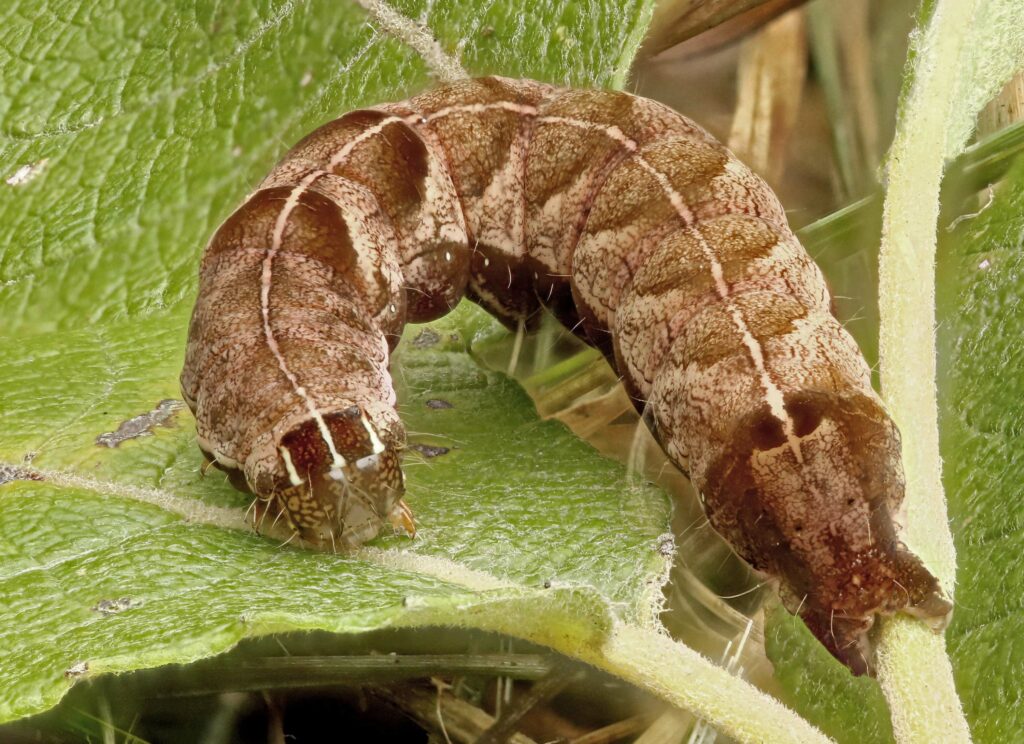
Dot Moth (Melanchra persicariae): These caterpillars can reach up to 45mm in length and can be different shades of brown and green. They have three pale, distinctive lines on the dark prothoracic plate behind their head, as well as dark and light chevrons along a pale dorsal line down their backs. Feeds on a wide range of herbaceous and woody plants including Common Nettle, White Clover, Ivy, Hazel, Elder and willows.
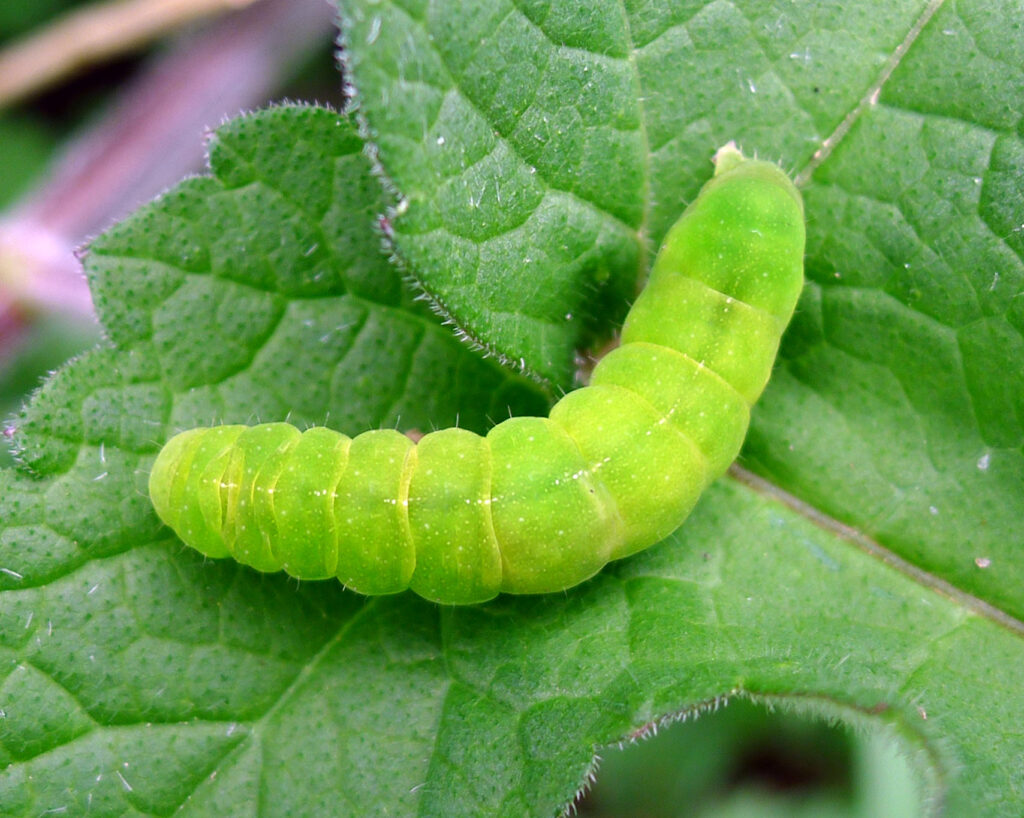
Many of these caterpillars can also have a green form.
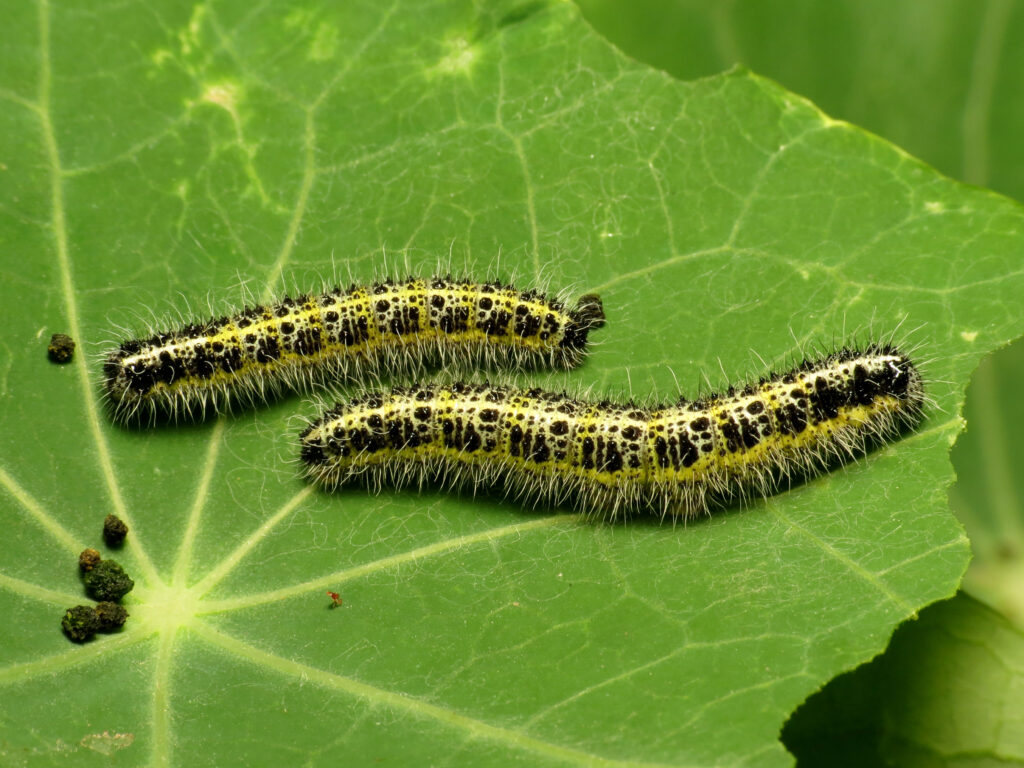
Large White butterfly (Pieris brassicae): Pale green-yellow in colour with black spots along its body. Visibly hairy. Also known as a Cabbage White due to its preference for cabbages as a food plant.
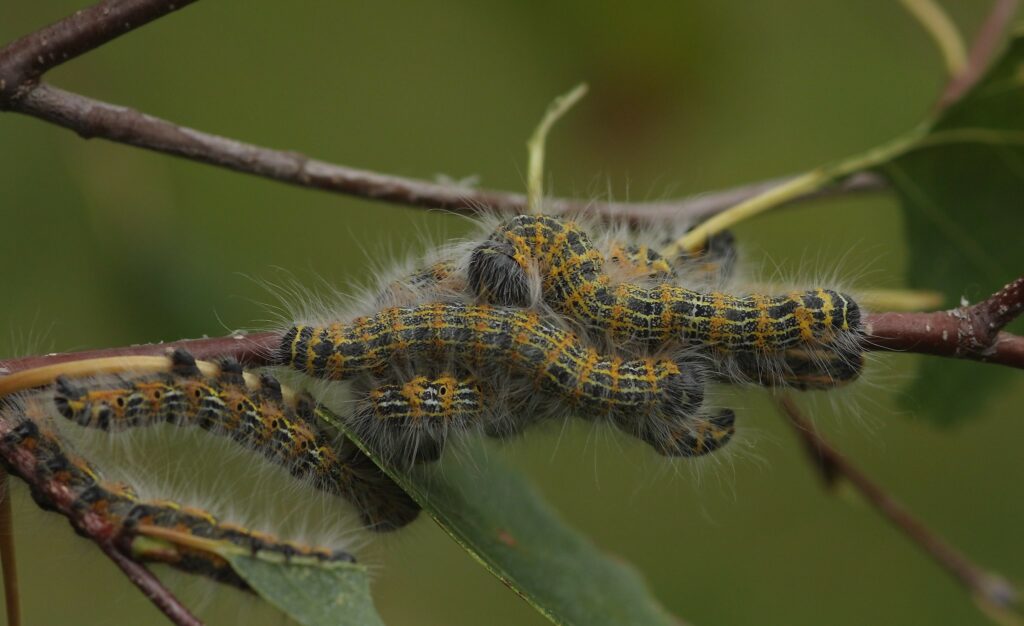
Buff-tip moth (Phalera bucephala): Distinctive caterpillar with a trellised black and yellow patterning and covering of pale hairs. The face is black and has an inverted yellow V. When fully grown this caterpillar measures up to 75mm in length. Most frequently found on sallows, birches, oaks and Hazel.
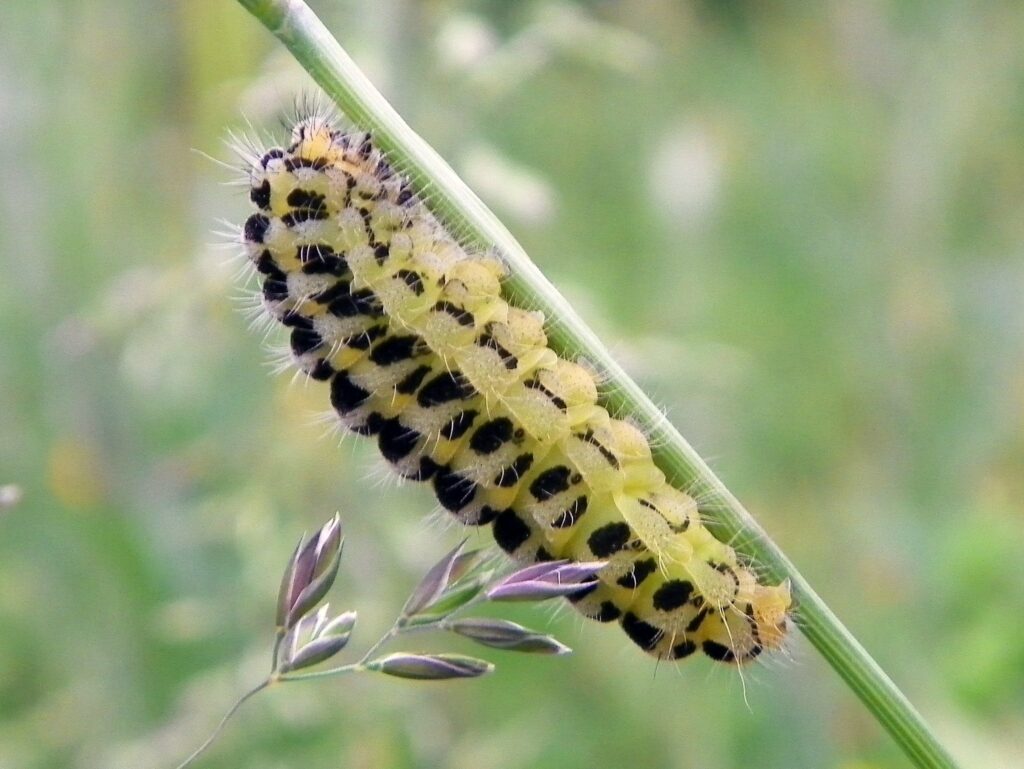
Six-spot Burnet moth (Zygaena filipendulae): Caterpillars feature a series of yellow and black dots on a green or greenish-yellow body. Feeds on Common Bird’s-foot-trefoil or occasionally Greater Bird’s-foot-trefoil.
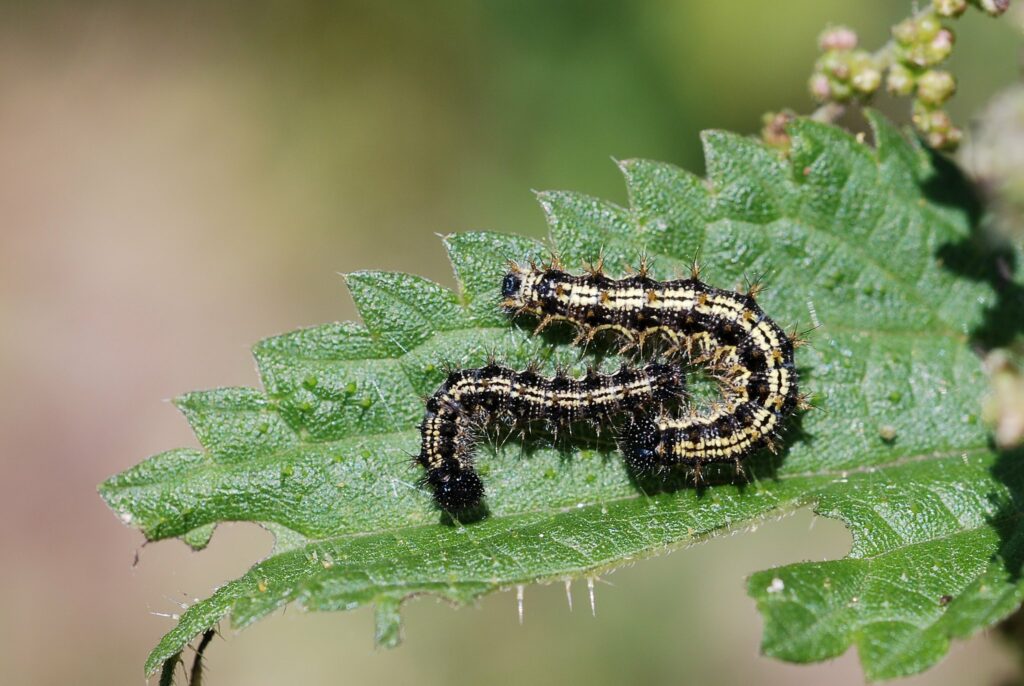
Small Tortoiseshell butterfly (Aglais urticae): Caterpillars are initially black but show increasing variation in colour, with many developing pale yellow lines down their back and sides (some, however, may remain pure black). They have small clusters of short yellow spines and are fully grown at 30mm. Usually found on Common Nettle leaves.
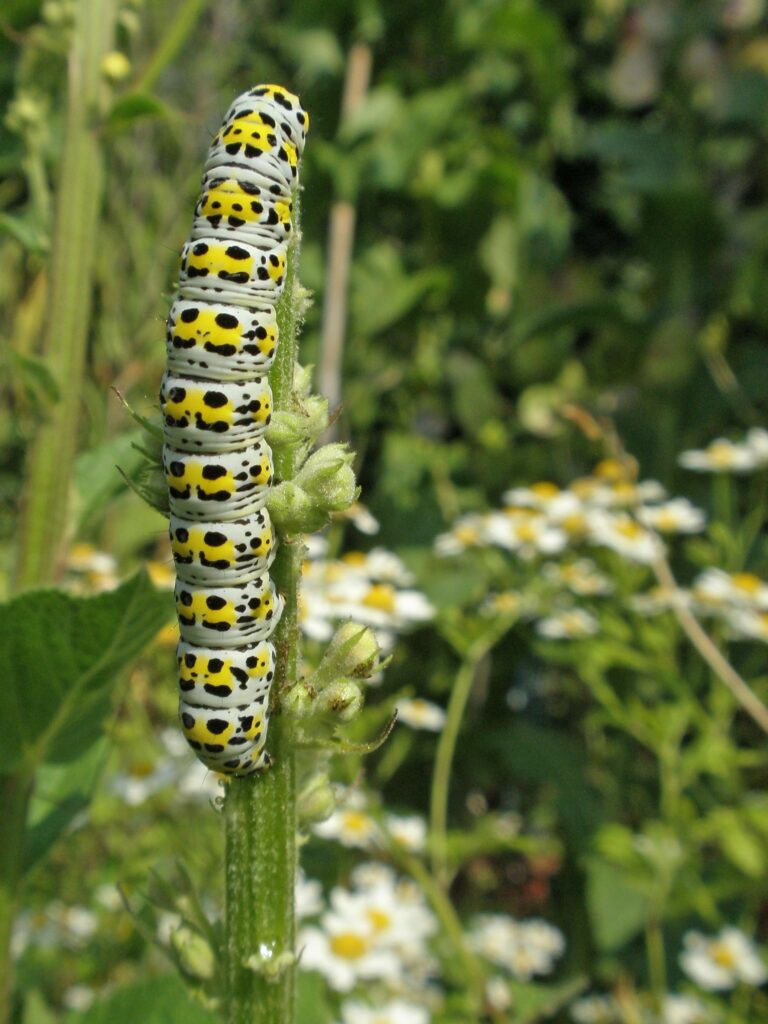
Mullein moth (Curcullia verbasci): One of the most striking and distinctive caterpillars to be found in Britain, they have a mixture of repeating black and yellow markings on a pale bluish-grey body. When fully grown they measure almost 50mm in length. Foodplants include mulleins, Common Figwort, Water Figwort and buddleias.
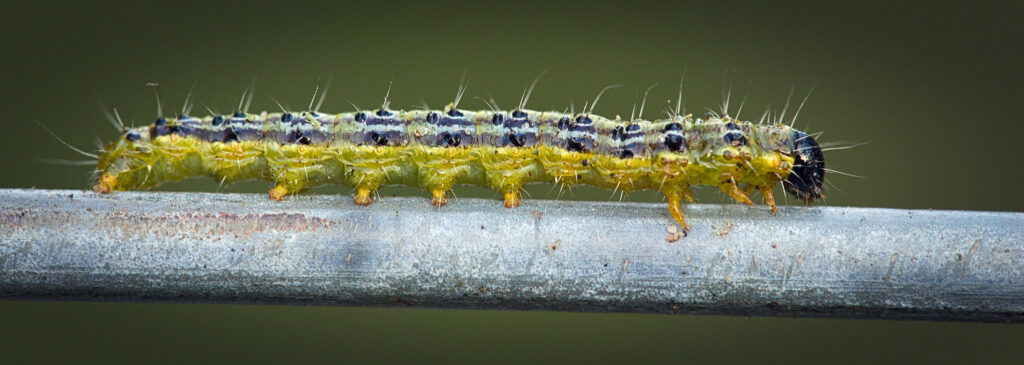
Box Tree moth (Cydalima perspectalis): Box Tree moths were introduced accidentally from south-east Asia and are a pest of Box trees. Caterpillars have green and black stripes running the length of the body, and the head is shiny black. Each of the body segments has white hairs and eyelike markings.
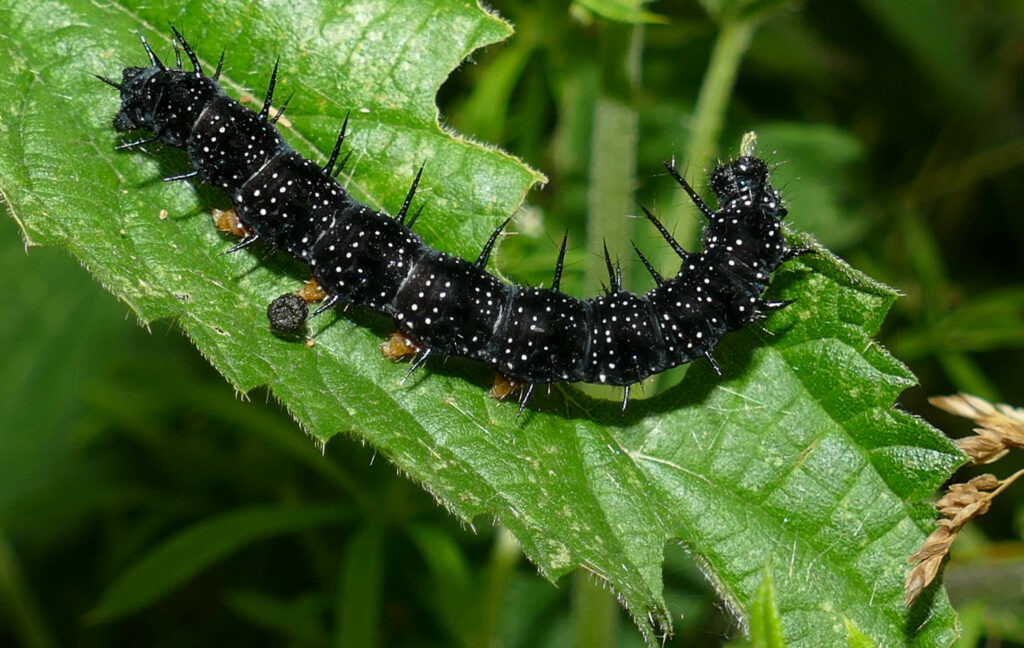
Peacock butterfly (Aglais io): Unlike the brightly coloured adult Peacock butterfly, the Peacock caterpillar has a velvety black body with small white spots and short spines on each segment. Most commonly feeds on Common Nettle and Hops.
Painted Lady butterfly (Vanessa cardui): Often found on thistles, Painted Lady caterpillars live for 5-10 days in a loosely woven silk nest inside which they feed continuously. They have dark bodies with pale narrow yellow-cream stripes. Particularly on younger larvae, spines can be alternating light and dark.
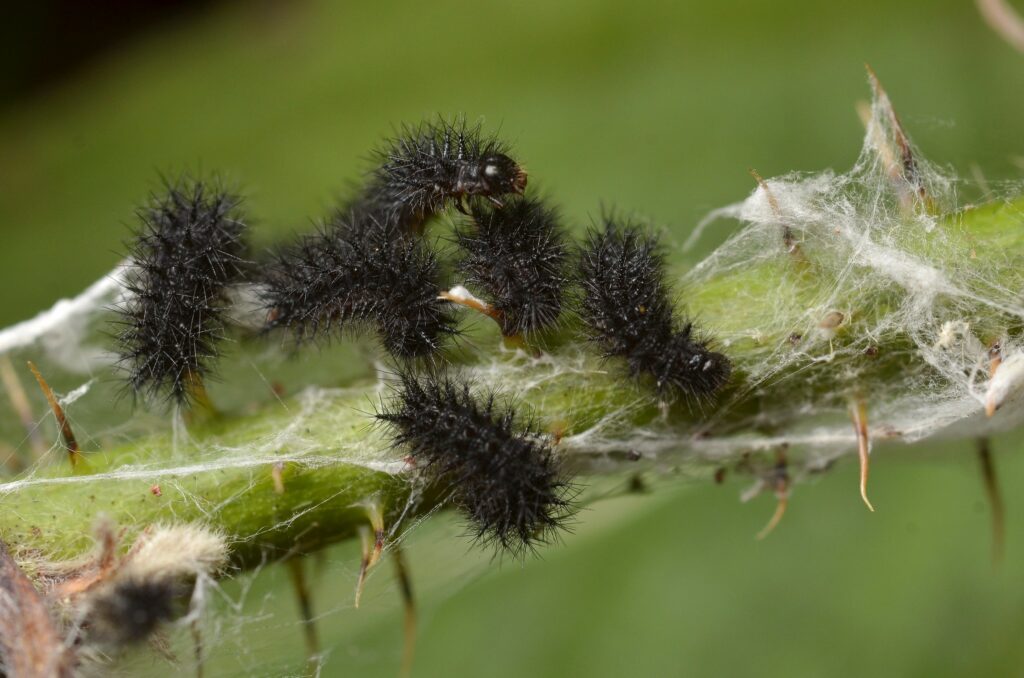
Marsh Fritillary butterfly (Euphydryas aurinia): Caterpillars are black and hairy and initially live in groups on a larval web which is woven on the bottom-most leaves of Devil’s Bit Scabious plants. Prior to pupation, at the end of April, caterpillars will finally disperse to live independently.
Red Admiral butterfly (Vanessa atalanta): Caterpillars are black and spiny with a yellow stripe down each side and fine hairs along the body. They can be tricky to spot as they use silk to bind nettle leaves together to make a protective tent inside which they feed.
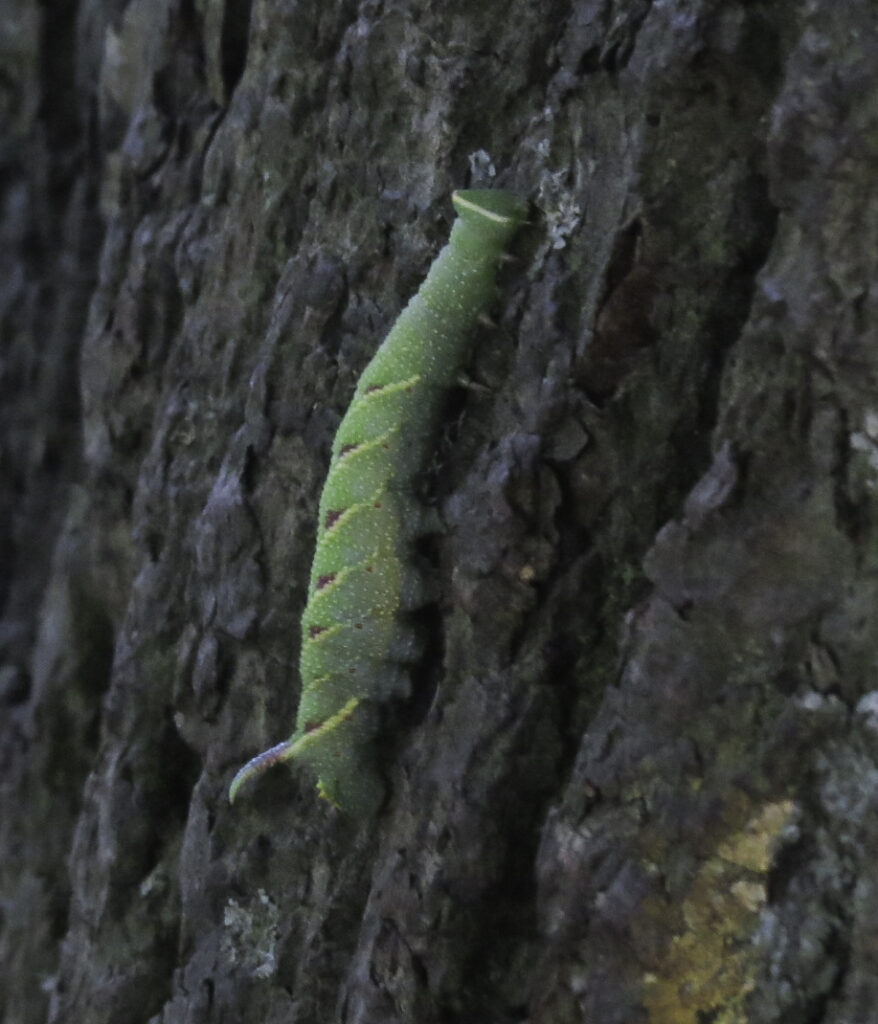
Lime Hawk-moth (Mimas tiliae): Caterpillars are distinctive having a large green body with pale yellow streaks on each segment and a bluish ‘horn’ at the tail end. Turns purple a short time before pupation. Foodplants include Limes, elms, Downy Birch, Silver Birch and Elder.
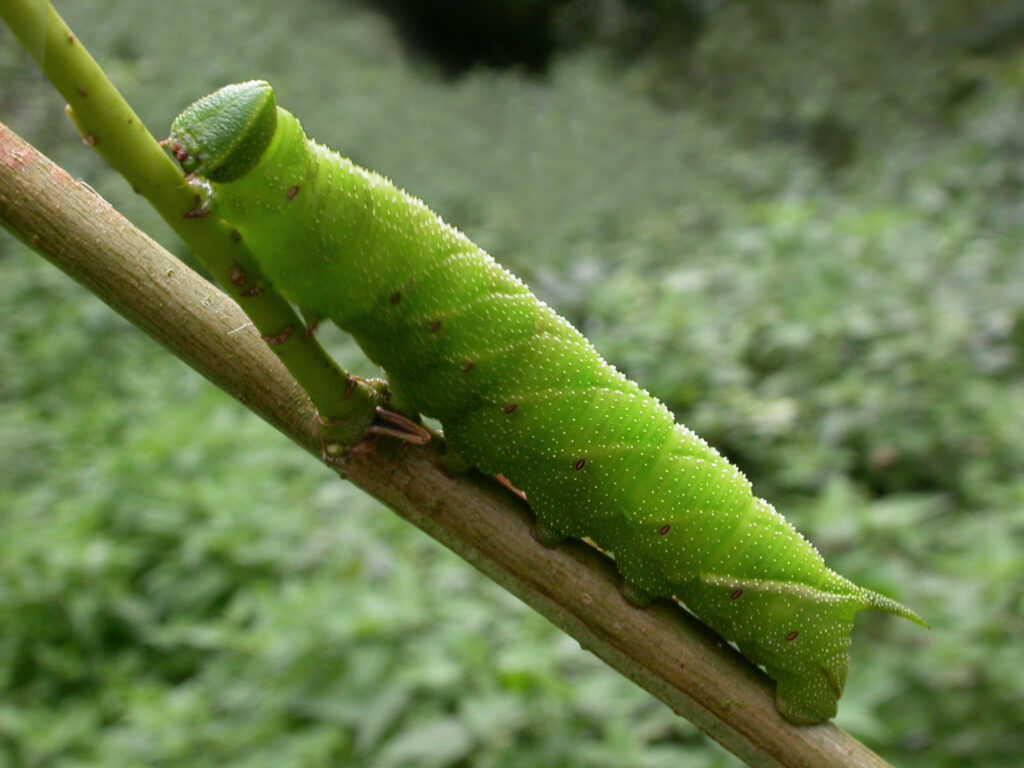
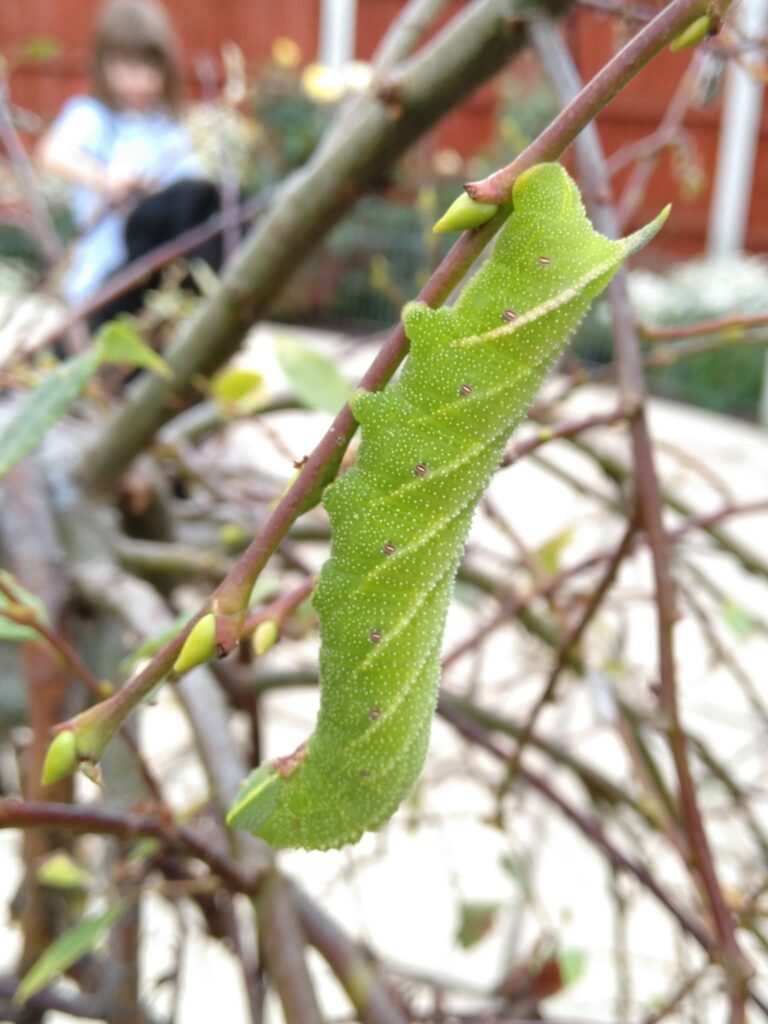
Poplar Hawk-moth (Laothoe populi): A thick and chunky, bright green caterpillar with faint yellow lines running diagonally along the body. The tail end has a yellow ‘horn’ and some individuals have small, dark spots. Food plants include poplars, sallows and willows.
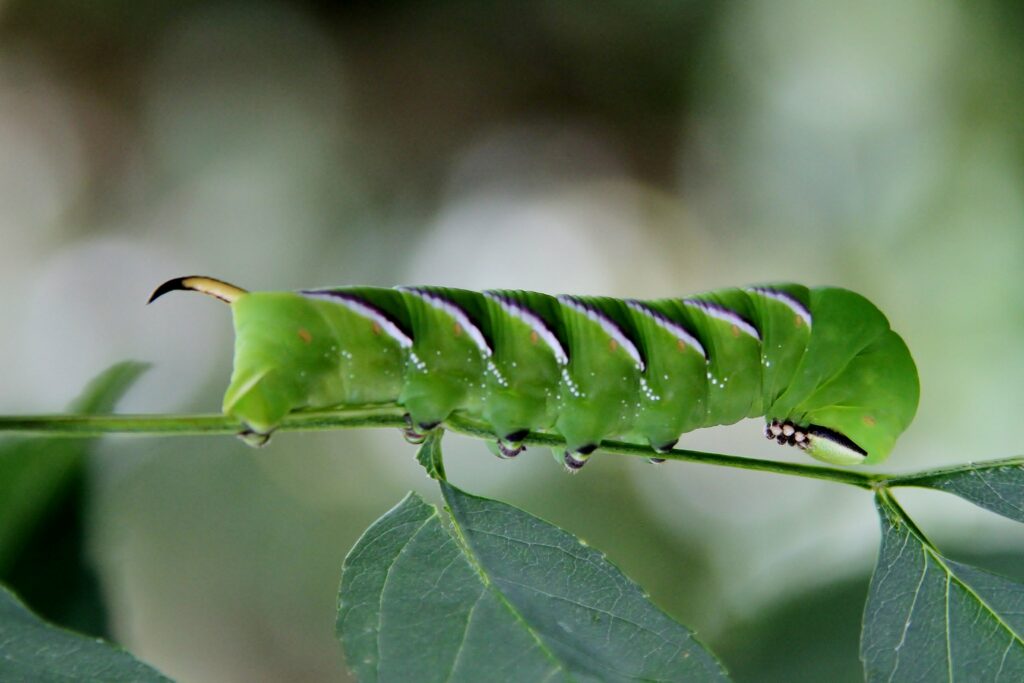
Privet Hawk-moth (Sphinx ligustri): Bright, lime-green caterpillar with white and purple stripes and a pale yellow spot on each segment. The tail end has a black curved hook. Usually found on Wild and Garden Privets, Ash, Lilac and Guelder-rose.
Eyed Hawk-moth (Smerinthus ocellata): Closely resembles the Poplar Hawk-moth caterpillar in that it is bright green with diagonal yellow lines. When mature it can be distinguished by its bluish tail horn. Foodplants include Apple, willows and sallows.
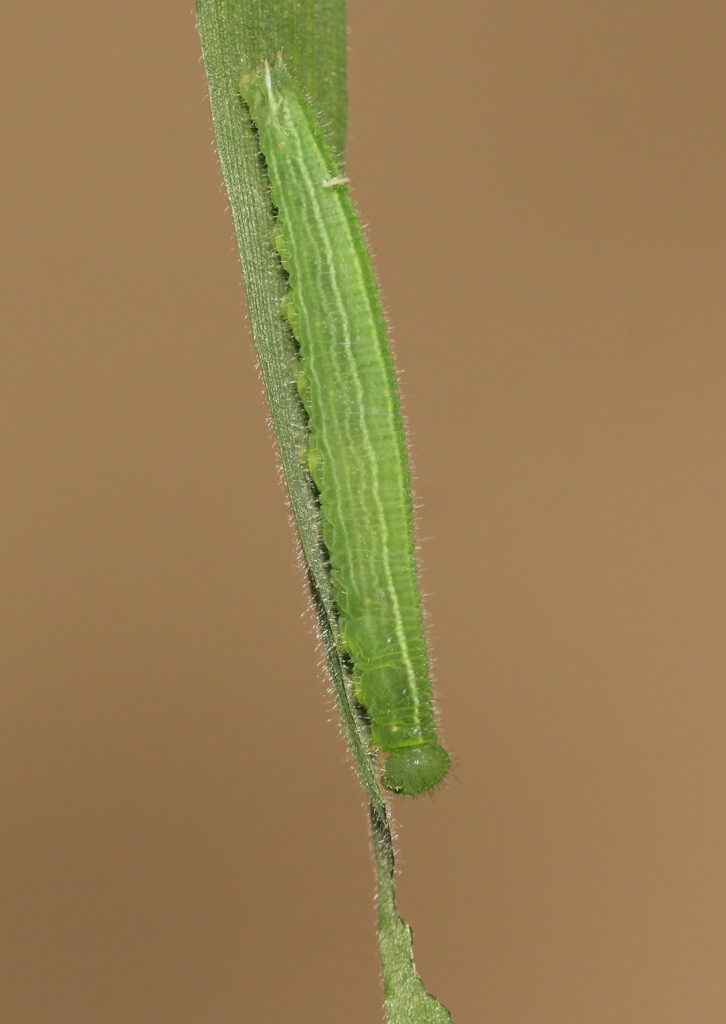
Speckled Wood butterfly (Pararge aegeria): Bright green with faint dark green and yellow stripes running longitudinally along the length of the body. Feeds on False Brome, Cock’s-foot, Yorkshire-fog and Common Couch.
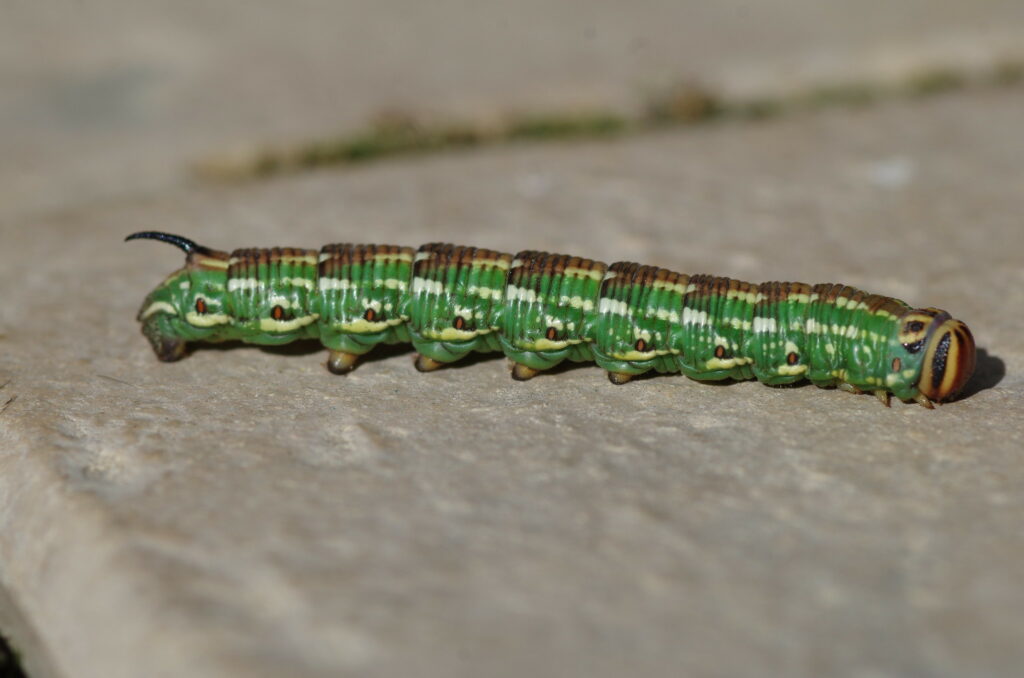
Pine Hawk-moth (Sphinx pinastri): Dark green caterpillar with a brown stripe along the centre of its back and cream dashes that run either side of this. It has a brown head and a black tail horn. Feeds mainly on Scots Pine.
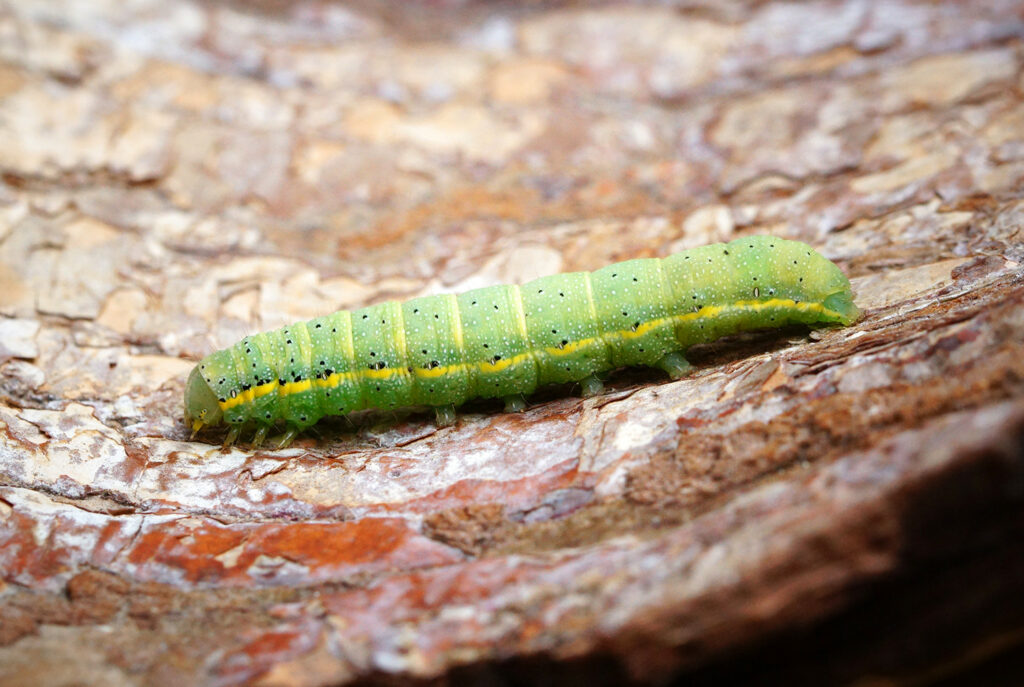
Bright-line Brown-eye moth (Lacanobia oleracea): Green caterpillar with a bright yellow line along its sides and tiny black spots. Found on a variety of herbacious and woody plants such as Common Nettle, Fat-hen, willowherbs, Hazel and Hop. Sometimes a pest of cultivated Tomatoes.
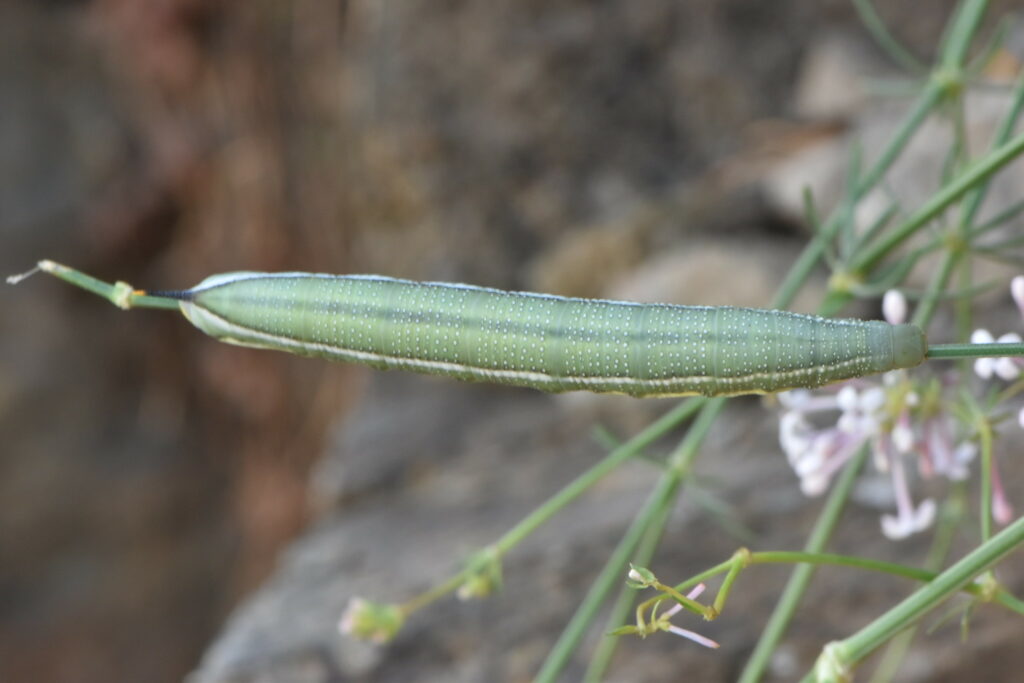
Hummingbird Hawk-moth (Macroglossum stellatarum): Caterpillars are mainly green and have a thick, cream-yellow stripe running along the sides with a white line above. The tail horn is black with a yellow tip when mature. Feeds on Lady’s Bedstraw, Hedge Bedstraw and Wild Madder.
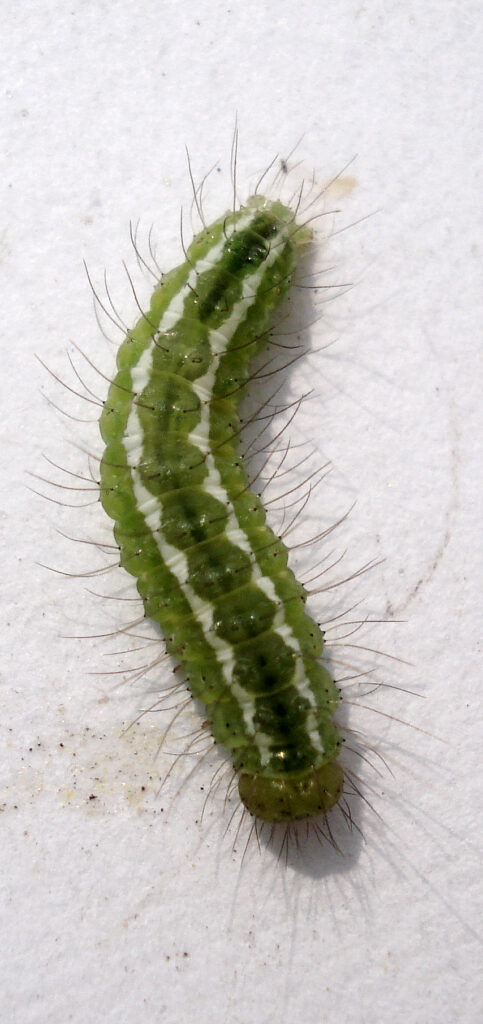
Straw Dot moth (Rivula sericealis): Green caterpillar with two cream stripes running along the back creating a repeating hourglass pattern between them. Covered in long fine hairs. Not often seen, the caterpillars feed on a variety of grass species.
Silver Y moth (Autographa gamma): Relatively easy to identify as it has only two sets of prolegs (small fleshy stubs beneath the body) and a rear clasper which means it walks with an arched body. It has a green body with a series of white wavy lines which may be broken by pale circles in later instars. Feeds on a range of low-lying herbacious plants including bedstraws, clovers, Common Nettle, Garden Pea and Cabbage.
Kentish Glory moth (Endromis versicolora): Large green caterpillar with diagonal pale stripes on each segment. Usually found on Silver Birch and less often on Downy Birch and Alder.
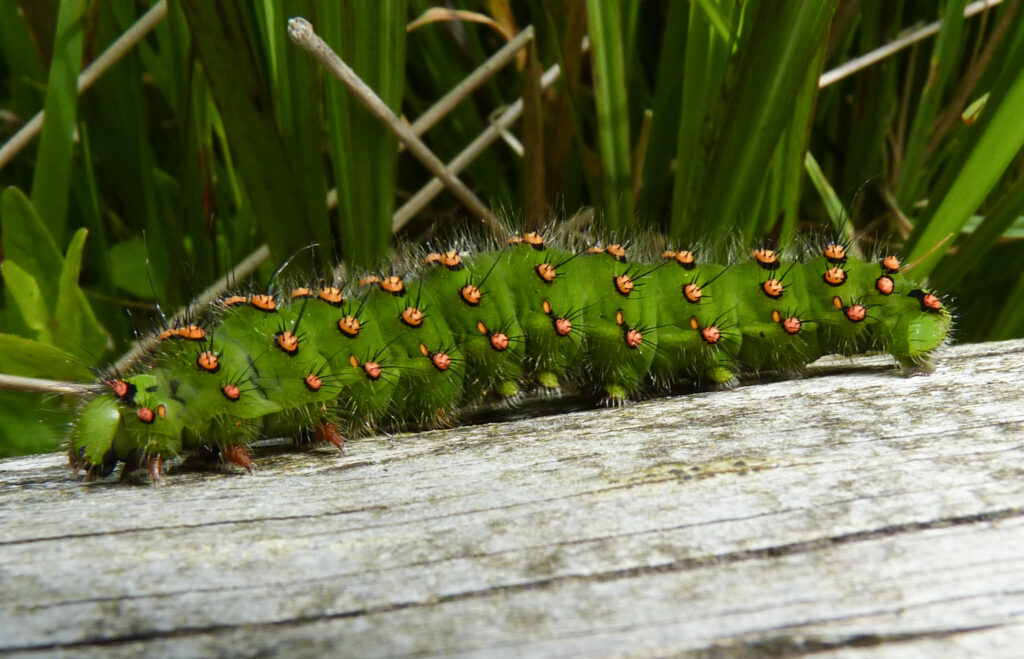
Emperor Moth (Saturnia pavonia): Green with black hoops containing yellow wartlike spots. Common in scrubby places whether they often feed on heathers, Meadowsweet, Bramble, Hawthorn and Blackthorn, amongst others.
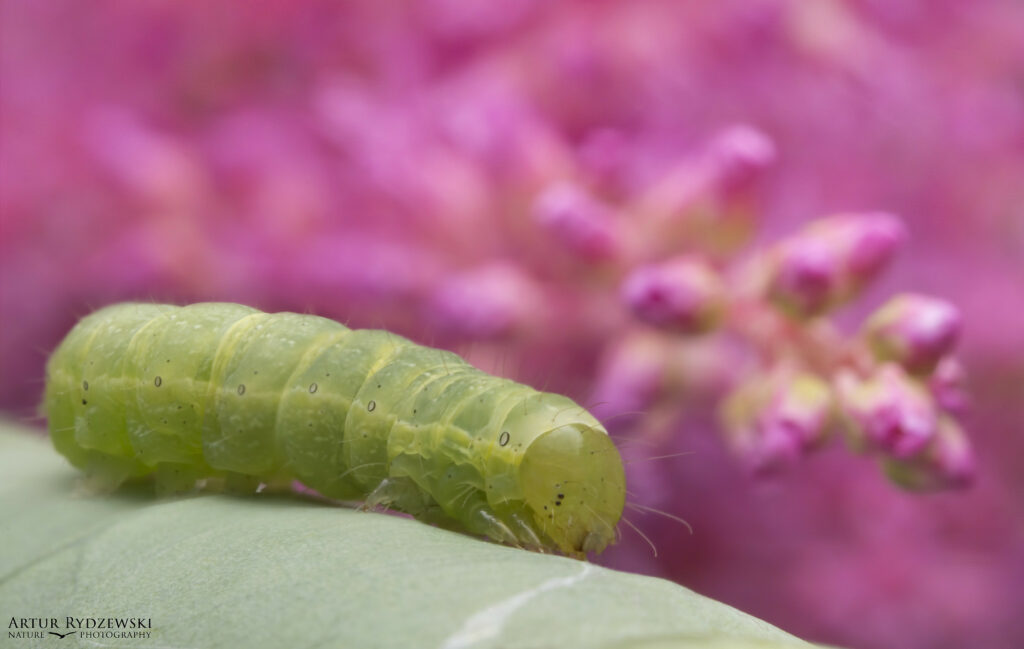
Angle Shades moth (Phlogophora meticulosa): Usually green but can be mixed with shades of brown and/or yellow. A fine pale line runs down the back and a pale band runs down the sides of the body. Foodplants include a range of herbaceous and woody plants such as Common Nettle, Hop, Red Valerian, Bramble and Broad-leaved Dock.
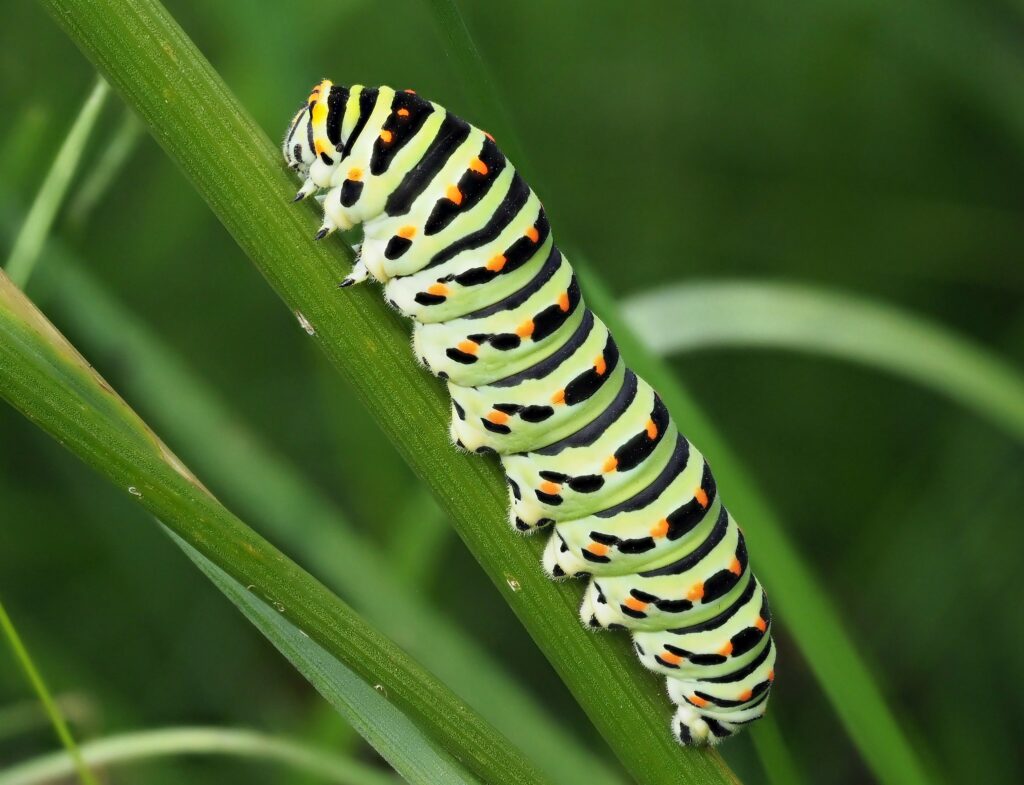
Swallowtail butterfly (Papilio machaon): Striking bright green caterpillar with black bands and orange spots. British Swallowtail caterpillars feed solely on Milk-parsley.
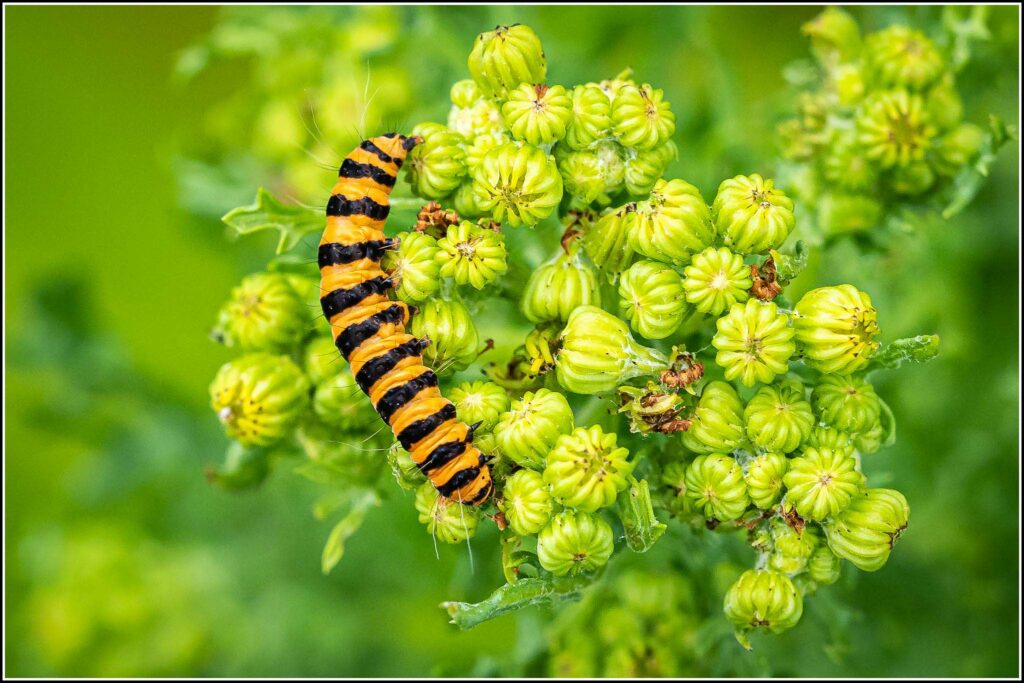
Cinnabar moth (Tyria jacobaeae): Easy to identify having bold gold and black stripes. Most commonly feeds on the leaves and flowers of Common Ragwort where they can be found in their hundreds.
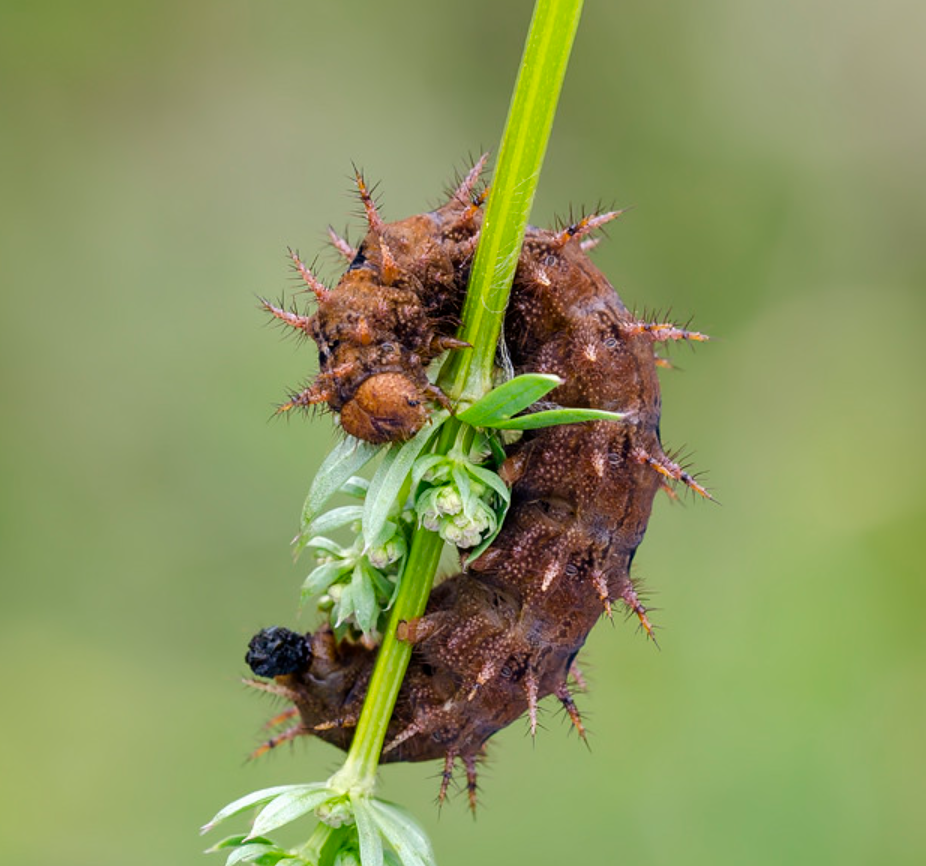
High Brown Fritillary butterfly (Argynnis adippe): Black caterpillar with a checkered pale pattern and yellow/buff spines. Covered in fine black bristles. Feeds on Common Dog-violet and Hairy Violet.
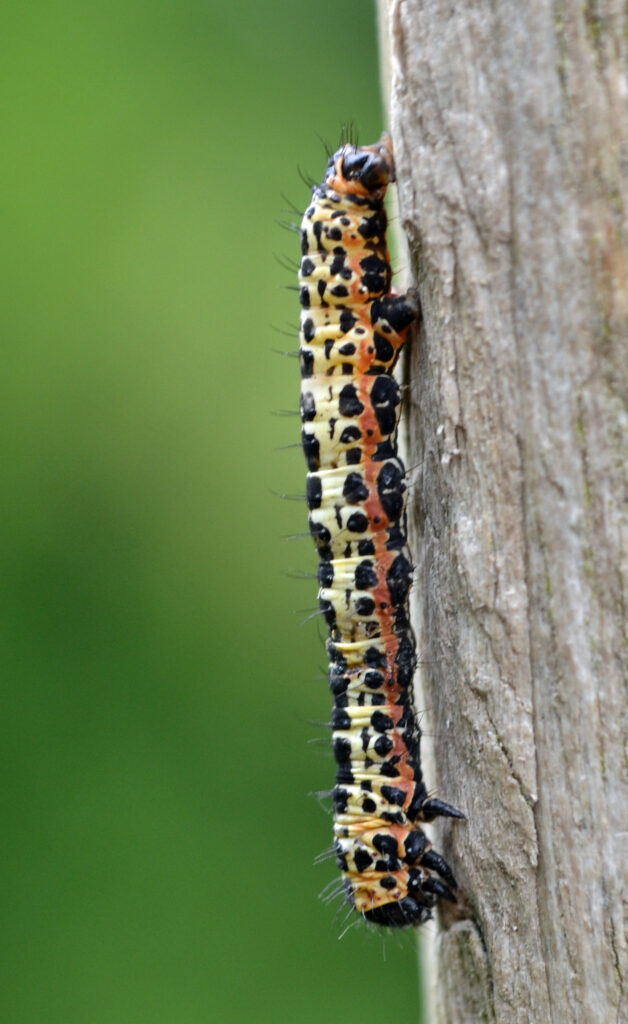
Magpie moth (Abraxas grossulariata): Distinctive caterpillar with a creamy-white body, rows of black and white spots and an orange stripe that runs along the length of the body on the lower sides. Feeds on a range of deciduous trees such as Blackthorn, Hawthorn and Hazel as well as currant and gooseberry bushes.
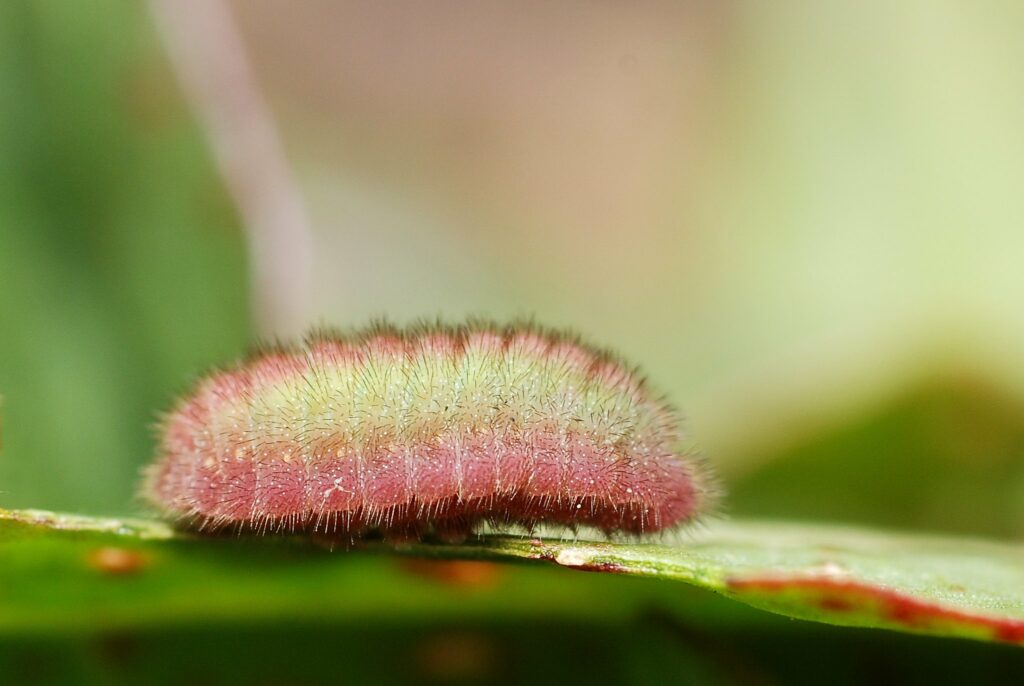
Small Copper butterfly (Lycaena phlaeas): Slug-shaped caterpillar covered in tiny white hairs. Exists in two forms: a purely green form and a green and pink striped form. Main foodplants are Common Sorrel and Sheep’s Sorrel.
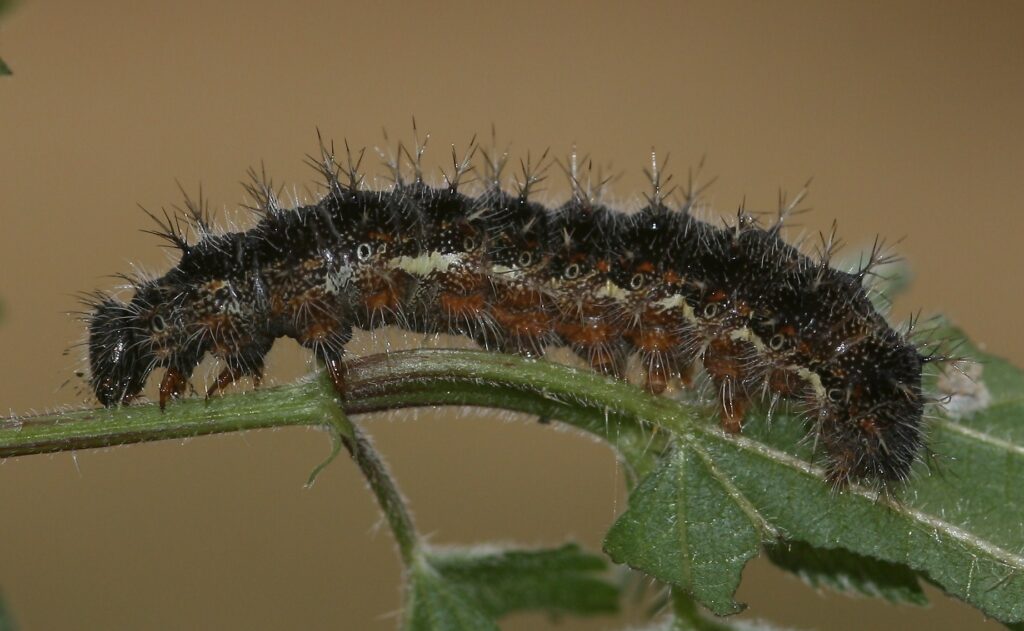
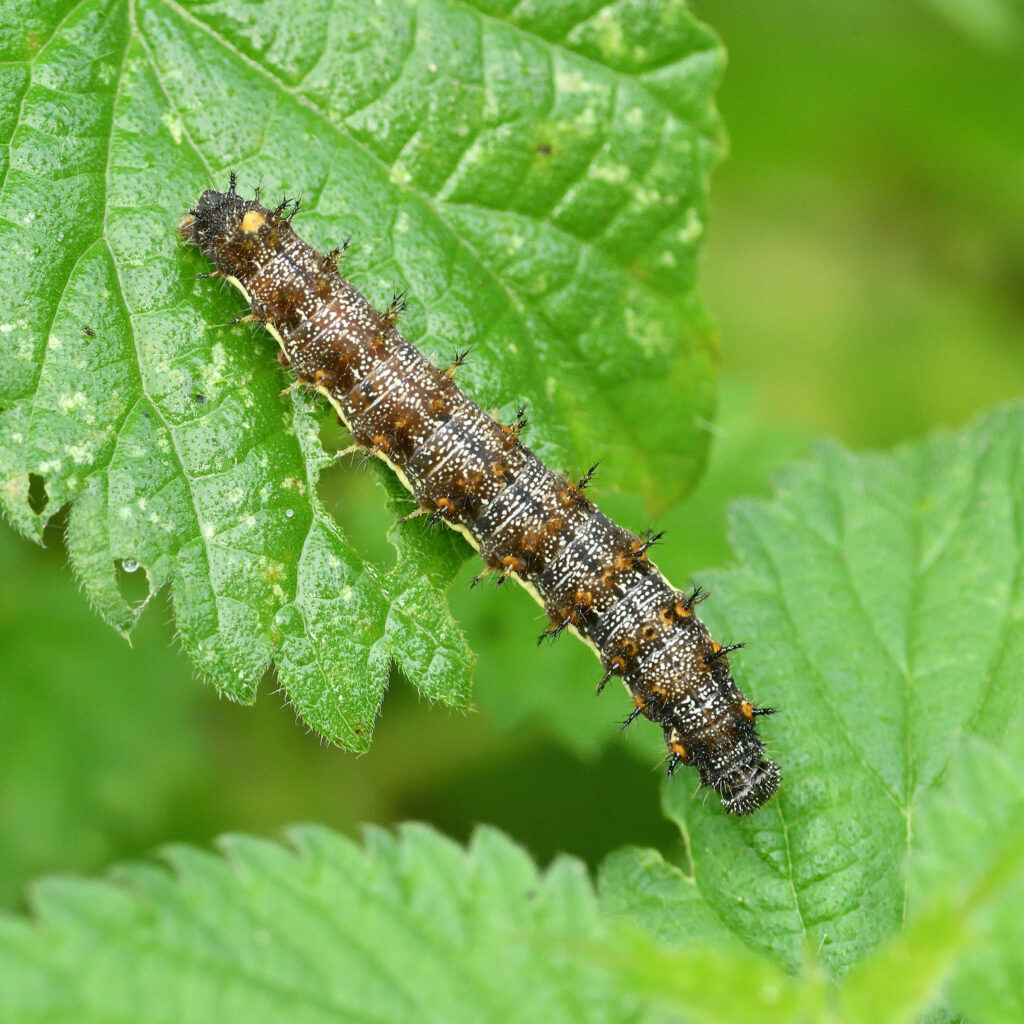
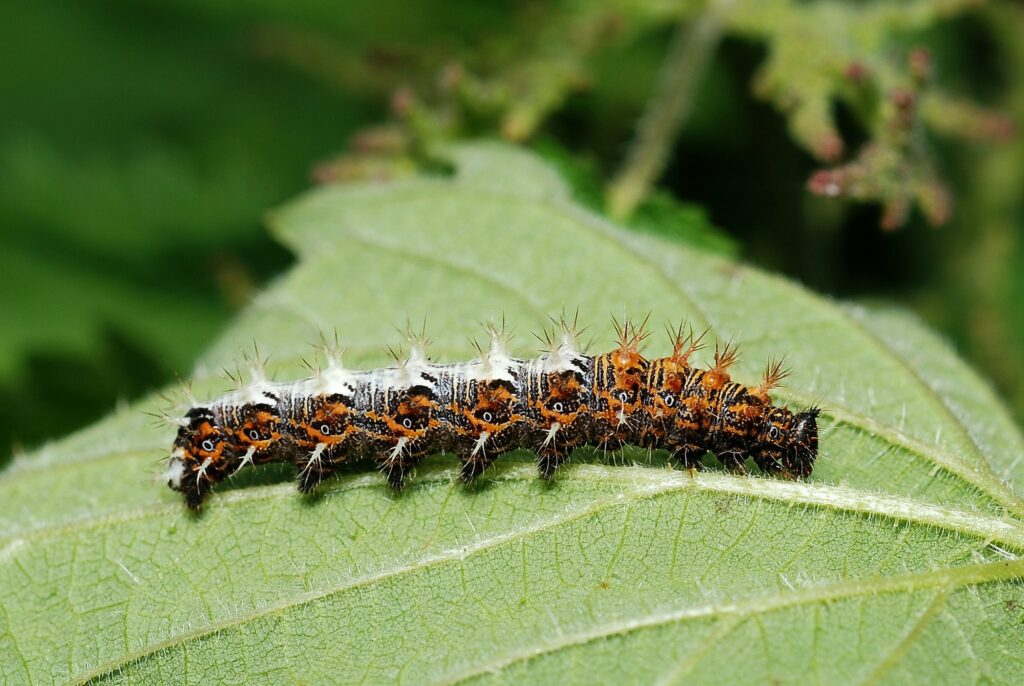
Comma butterfly (Polygonia c-album): Mainly coloured brown and black with a large white mark towards the rear end of its back. Preferred foodplant is Common Nettle.
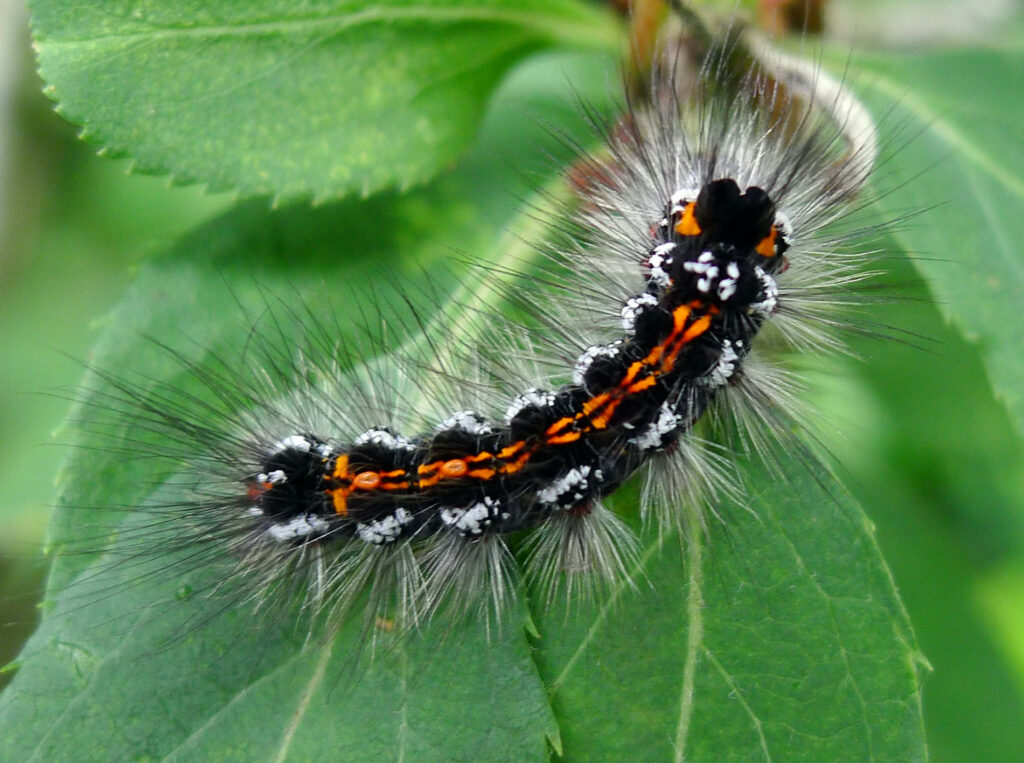
Yellow-tail moth (Euproctis similis): Black caterpillar with a small hump behind its head. Two red/orange lines run along the back with a row of white markings wither side of them. They are covered in long black hairs and shorter white ones. Feeds on a wide selection of broadleaf trees and shrubs including Hawthorn, Blackthorn, oaks, roses, Hazel and willows.
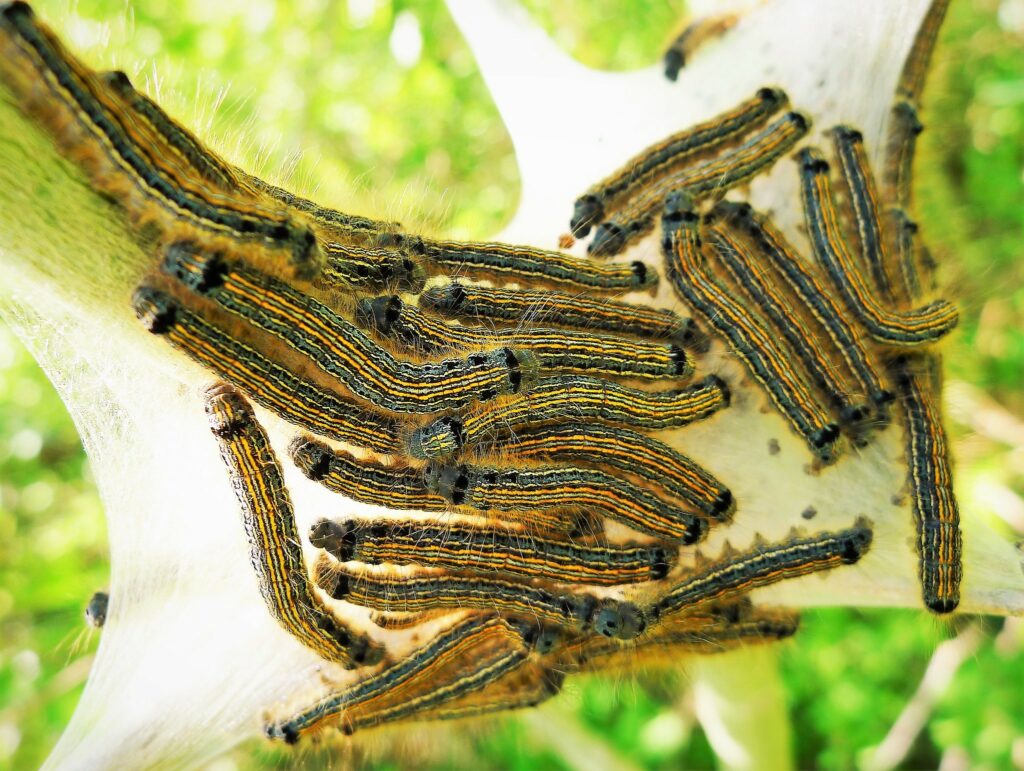
Lackey moth (Malacosoma neustria): Large orange, blue and white striped caterpillars that are covered with fine orange hairs. Often feed in large groups on broadleaved trees and shrubs including Blackthorn, Hawthorn, cherries, Plum and Apple.
The 2024 SouthWest Marine Ecosystems (SWME) conference was held at the Plymouth Marine Laboratory in April. Running since 2007, the conference brings together organisations and individuals involved in research on and management of the marine environment to report on annual system changesin the south-west. The conference covers the oceanography, plankton, seabed and seashore, fish, seabirds, seals and cetaceans of the south-west. Alongside key trends and interesting occurrences fromthe past year, SWME also encompasses management themes: marine planning, protected areas, fisheries, water quality and plastic pollution. This year’s theme focussed on the interconnectedness of the environment and its management, demonstrating this connectivity through interaction and discussion between guest speakers. In this blog we provide a roundup of SWME 2024.
The first session began with a rundown of oceanography and weather conditions across the UK, setting the scene for our marine environment. The UK experienced an increase in mean air temperature and increased sunshine duration over winter. There was also a decrease in mean rainfall across the UK and record-breaking heatwaves – some of us may remember the scorching temperatures of June last year, a worrying 2–3°C anomaly.
From March 2024, a new bylaw prohibits the use of bottom towed gear in defined areas of 13 marine protected areas (MPAs). Hartland Point to Tintagel Marine Conservation Zone (MCZ), Cape Bank MCZ, Lands End and Cape Bank MCZ, South of Celtic Deep MCZ, Wight-Barfleur Reef MCZ, East of Haig Fras MCZ and Greater Haig Fras MCZ are the MPAs that will benefit from this designation in the south-west. Devon Wildlife Trust vocalised a desire for a ‘whole-site approach’ for MPAs in the region – managing the site in its entirety, not just where protected species or features are present.
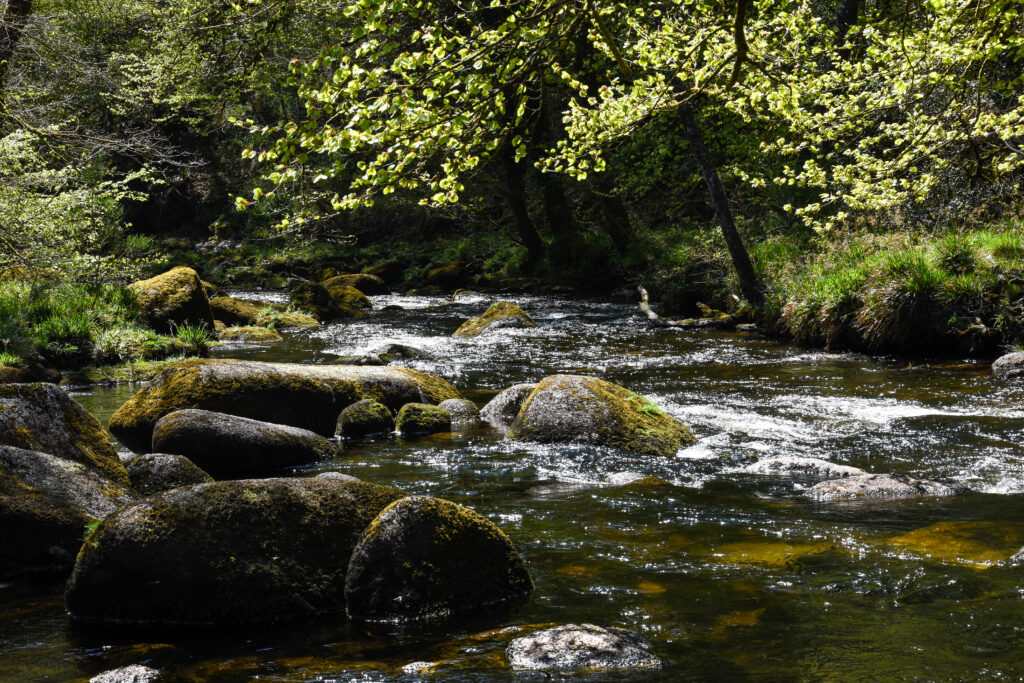
No single stretch of river was found to be in ‘good’ overall health in 2023. Image by Dave_S via Flickr.
The Devon Maritime Forum stressed an urgency to address issues surrounding water quality in the south-west. They reported that no single stretch of river was found to be in ‘good’ overall health in 2023 – with quality impacted by agricultural run-off, sewage overflows, climate change and urban diffuse pollution.The UK Government has pledged to invest £1.6 billion to improve the water quality of rivers, lakes and coastal waters. Investments will be used to tackle storm overflow discharges, treatment works pollution and water resilience. South West Water will also be investing £70 million to upgrade infrastructure to reduce discharges in the region.
Analysis of plastic pollution showed that polyethylene was the most common material in plastic waste and marine litter fragments. To tackle the issue of plastic pollution on a global scale, the Global Plastics Treaty is under negotiation, and is expected to be legally binding by 2024. The treaty will address the full life cycle of plastic products and aim to end the pollution by these materials worldwide.
Key points:
Higher average winter temperatures and sunshine, with decreased rainfall were observed in 2023
A new bylaw will prohibit the use of bottom-towed gear in seven MPAs.
The UK Government has pledged to invest £1.6 billion to improve freshwater and coastal water quality
The Global Plastics Treaty will be legally binding by the end of 2024, intending to end plastic pollution
Organisms
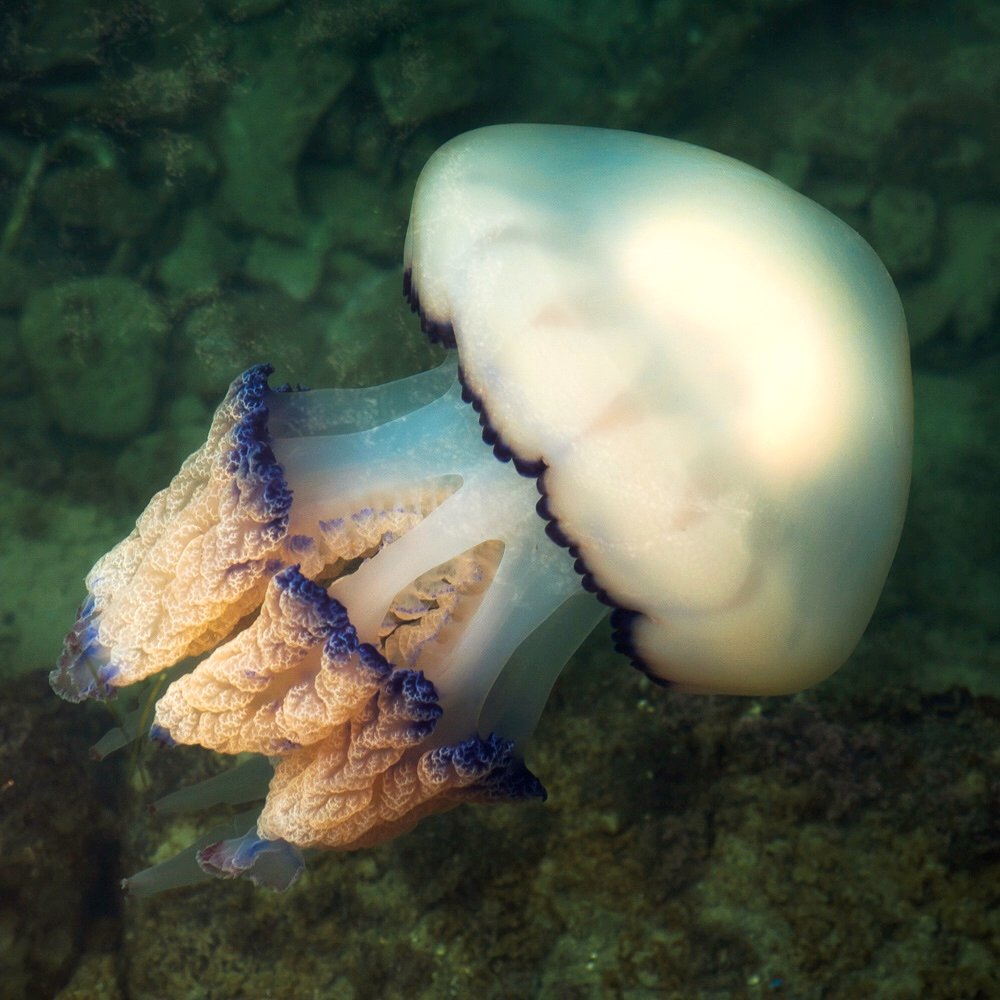
Plankton researchers saw a higher abundance of salps (a barrel-shaped pelagic tunicate), consistent with a general increase in filter feeders over the past 30 years. There was also an influx of Barrel Jellyfish strandings across the south-west, with the species accounting for 27% (467) of the annual total of jellyfish sightings. A new method of plankton sampling has been developed, called Automated In-situ Plankton Imaging and Classification System (APICS). This new technology will help to determine the impacts of environmental changes on plankton, allowing for long-term, broad-spectrum measurements of the group.
New observations have improved our understanding of Basking Shark behaviour, revealing that this species may remain in UK waters throughout winter, instead of migrating south as previously believed. Blue Sharks were also caught more readily than previous years, exhibiting a higher catch per unit effort (CPUE), with over 1,000 caught off the coast of Looe, in Cornwall. The UK had its first sightings of Smalltooth Sand Tiger Shark, with a 10-foot individual washing up in Lyme Regis, Dorset. Typically seen in tropical and temperate waters, the discovery of this species in the UK is indicative of the effects of climate change on marine megafauna.Atlantic Bluefin Tuna have also been returning to the south-west with most sightings between July and February. There has been a marked increase in catch rate (over 5,000 were landed in 2023) which has prompted the introduction of fisheries plans (see below).
2023 saw an influx of Barrel Jellyfish strandings. Image by Ales Kladnik via Flickr.
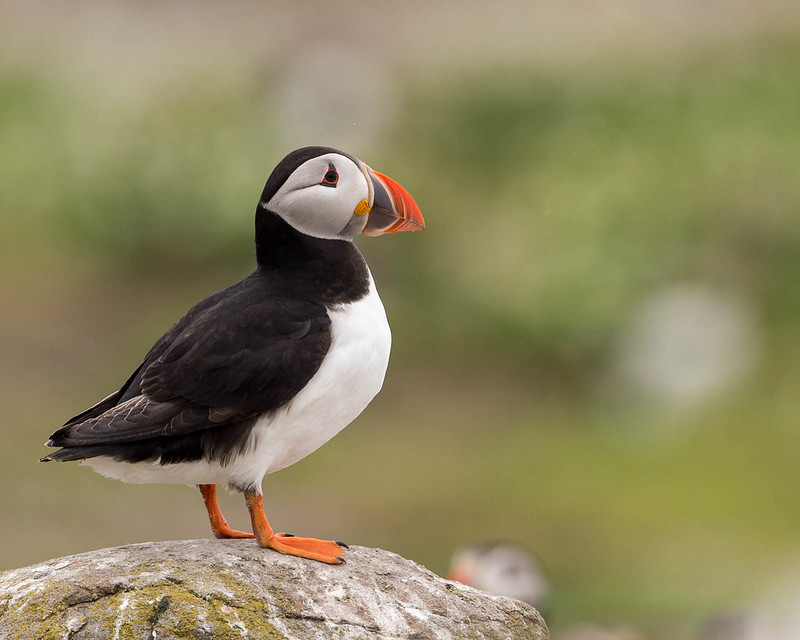
Rat eradication has been hugely successful for a number of seabirds. On Lundy, Manx Shearwaters and Puffins have responded positively and have seen population increases in 2023, and Storm Petrels have recolonised the island. Razorbills and Guillemots are also recovering well and are breeding successfully without predation from rats. The south-west has luckily missed the worst of avian influenza, although some small gulls and terns were affected in Dorset last summer. However, Kittiwakes are having local productivity issues which is prompting concern, and several species of gull are experiencing significant declines: Herring Gulls, Lesser Black-backed Gulls and Great Black-backed Gulls have all experienced losses over 40%. The English Seabird Conservation and Recovery Pathway (ESCaRP) report was published at the start of 2024, highlighting the sensitivity of seabird species to a range of pressures. Vulnerability assessments were conducted to inform the recovery pathway, and the report has made recommendations for conservation measures to address negative impacts.
Puffins have responded positively to rat eradication programmes. Image by Jason Thompson via Flickr.
There are concerns over the impacts of climate change on Humpback Whales. Increasingly, we are seeing individuals which are choosing not to migrate and are instead remaining in UK waters. Researchers believe that these animals are not undertaking seasonal movements due to a lack of food resources during winter – demonstrating that decreased productivity at the base of the food chain can cause issues further down the line for other marine organisms.
Key points:
New technology will provide a greater understanding of the impact environmental change may have on plankton
Atlantic Bluefin Tuna and shark sightings have increased in the south-west, including the Smalltooth Sand Tiger Shark, never previously recorded in the UK
Rat eradication programmes have been hugely successful in protecting seabirds
Kittiwakes and a number of gull species are experiencing declines
Climate change is thought to be impacting Humpback Whale migration
Industry
The Crown Estate have announced plans to develop more offshore wind farm projects, generating an additional 4GW of electricity to contribute to the 50GW by 2030 goal. This additional capacity could power up to four million homes, contributing to the UK target of net zero by 2050. Large, floating platforms have been proposed to enable deployment in deeper water – installation further offshore provides more reliable wind resources, generating more power for the same installation on-shore. There have been assessments to prepare for the deployment of extensive offshore wind in the south-west – with pre-consent surveys run by The Crown Estate. Celtic Sea Power, owned by Cornwall Council, is supporting offshore roll-out and has identified areas for data collection in the region. There are three project development areas where aerial, geophysical, acoustic and LiDAR surveys are taking place to improve data collection, accelerating the programme. The Poseidon Project was established by Natural England to provide a sensitivity map across the EEZ (exclusive economic zone –a surrounding area of 200 nautical miles offshore, where the nation has jurisdiction over resources) through digital aerial surveys. Collecting detailed information on seabirds, marine mammals and habitats, the project aims to improve models of abundance and distribution for key species which may be impacted by offshore development.
There have been preparations to install further offshore wind. Image by the Department of Energy and Climate Change via Flickr.
Sardine and Anchovy stocks are reported to have had a good year, continuing to support fisheries in the south-west, while Sprat fisheries have slowed due to insufficient stock size and 0-group fish (fish in their first year of life). We can see that new fisheries are emerging in the region (e.g. Atlantic Bluefin Tuna quota of 39 tonnes), while other, more traditional stocks are declining (e.g. Edible Crab). Five fisheries management plans have been developed for bass, King Scallops, crab and lobster, whelk and non-quota demersal species – these plans are put in place to deliver sustainable fisheries while minimising negative impacts on marine species. Dogger bank SAC, The Canyons MCZ and Inner Dowsing, Race Bank and North Ridge SAC were protected from damaging fishing activity in 2022 by prohibiting trawls, seines, dredges and bottom towed gear – this bylaw seeks to protect cold-water coral reefs, seabed, sandbanks and biogenic reef.
Key points:
Offshore wind development is being accelerated by better data collection and availability, supporting the UK in reaching renewable energy targets
Some traditional stocks are declining, while new fisheries are emerging
Five fisheries management plans were introduced
Four areas of conservation concern were protected to prohibit bottom towed gear
This year’s conference was an enlightening insight into the marine ecosystem in the south-west and highlighted some inspirational conservation work undertaken by several organisations, and individuals, dedicated to this environment. The SWME YouTube channel has a selection of webinars and further information on the conference can be found on the SWME website.
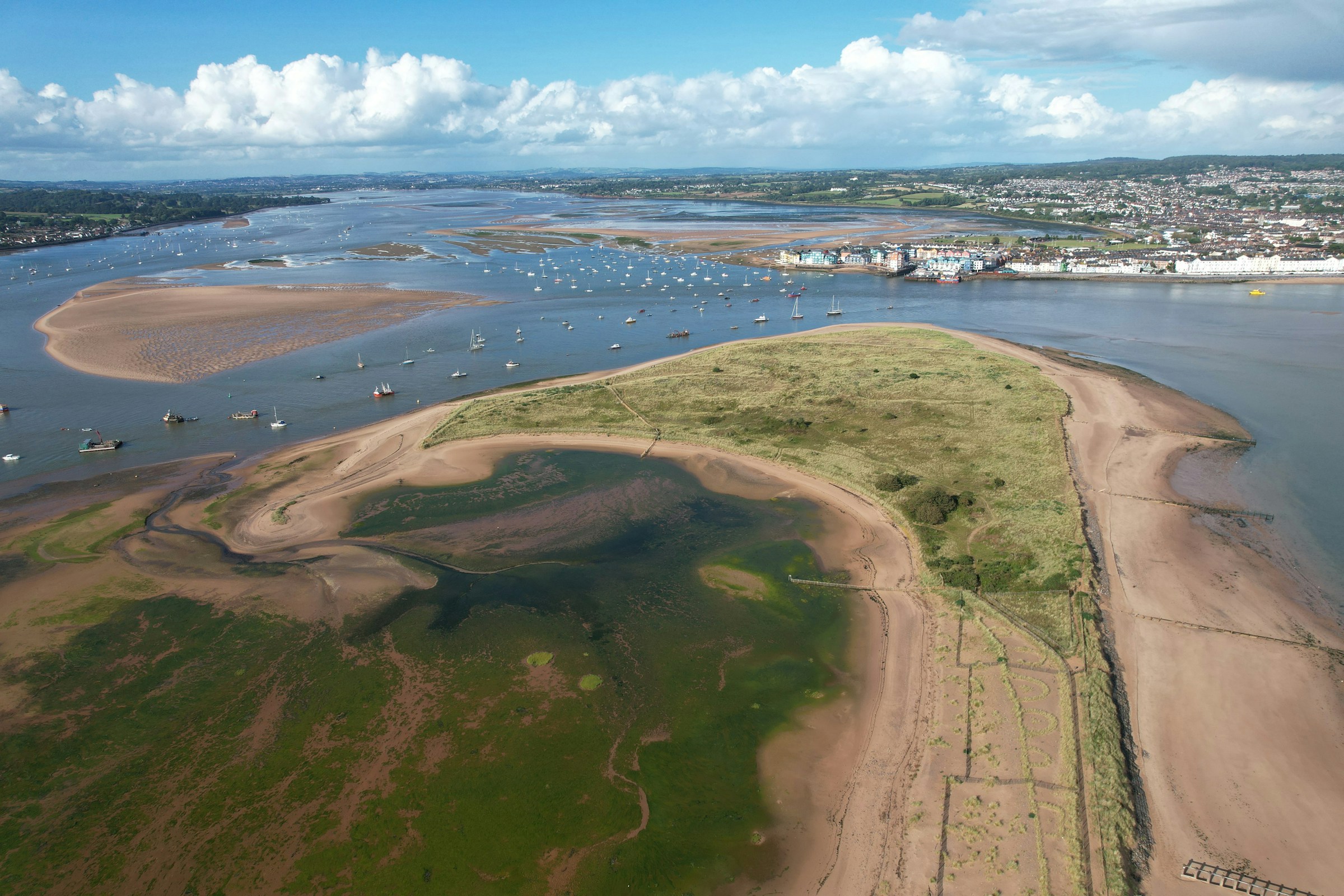
Half the world’s estuaries have been altered by humans, with 20% of estuary loss occurring in the past 35 years alone as a result of urban or agricultural land expansions. Ninety percent of this has occurred in rapidly developing Asian countries, whereas very little estuary loss has been noted in higher income countries within the same period. This is because waterway alterations in these higher income countries were made many decades prior during their own urban development stages. With much of the world now trying to undo this damage and rewild urbanised areas, countries are now investing in programmes to return these areas to wild mudflats and salt marshes which will increase climate resilience, replenish aquatic populations, reduce flood risk and aid nature’s recovery.
An aerial view of a large body of water by Nick Russill, via unsplash.
The introduction of new diseases via open import systems are destroying EU trees and crops, with outbreaks on the rise once again. This comes after a mutation of one of the major killers of Olive trees in Italy, Xylella fastidiosa, was detected in America and is now wiping out US vineyards alongside its Italian counterparts. New data has revealed that an average of 70 foreign plant diseases were introduced to the EU between 2015–2020, despite legislation being enforced to prevent their spread in 2016, and scientists are holding open systems accountable. According to international protocols, only 2% of imported plants travelling through open systems are inspected for the presence of diseases, meaning that an alarming number of plant pests may be brought into the EU undetected. Although some pathogens are harmless in areas where ecosystems have evolved alongside them, they can be deadly when introduced to a new area. As global temperatures continue to rise, the problem is only likely to get worse.
Conservation
A UK study has proven that wilder gardens boost butterfly population numbers, with long, uncut grass likely to almost double butterfly abundance. This research, co-authored by the head of science at Butterfly Conservation, recorded a 93% increase in butterflies in gardens within farmed landscapes who did not cut their lawns, while gardens in urban areas noted an 18% rise in population numbers. These wilder habitats attract species whose caterpillars live and feed on the grass, provide greater quantities of nectar that are necessary for butterfly survival, and create important breeding habitats, which subsequently increases population numbers. The study advises that long grass should be left until late September or early October before cutting as some species require longer grass nearly all year round.
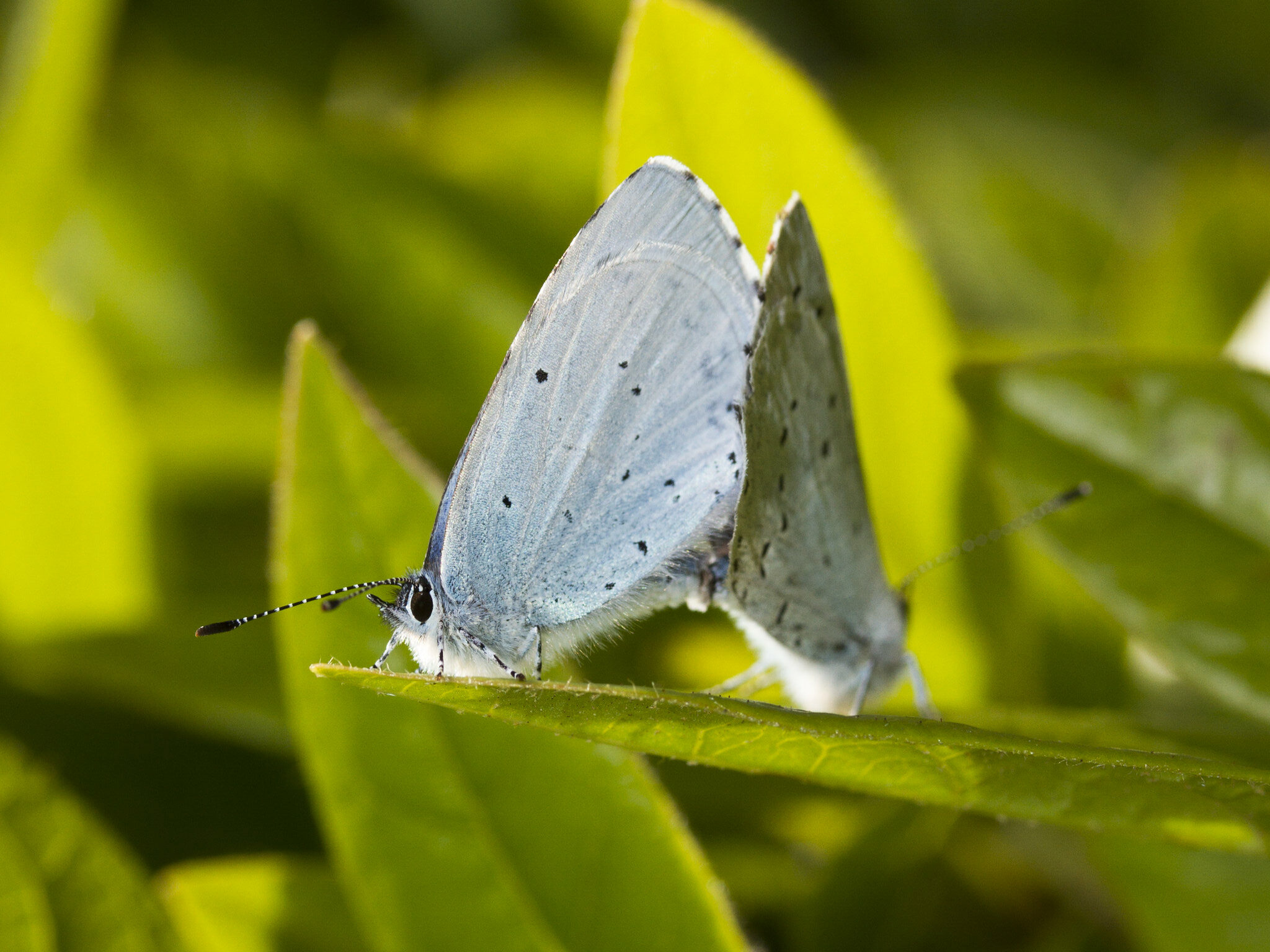
Holly blue butterflies by Nikk, via flickr, (image rotated).
Music featuring the sounds of nature earn royalties that will be donated to environmental causes. This new initiative, launched by the Museum for the United Nations, will recognise nature as an official artist on major music streaming platforms. A share of the royalties earnt when these songs are played will be donated to environmental causes and initiatives who are working hard to protect nature for the future. Nature itself will also have its own artist page on Spotify which will showcase ambient recordings of nature’s sounds, with 70% of the profits from these tracks funding conservation programmes.
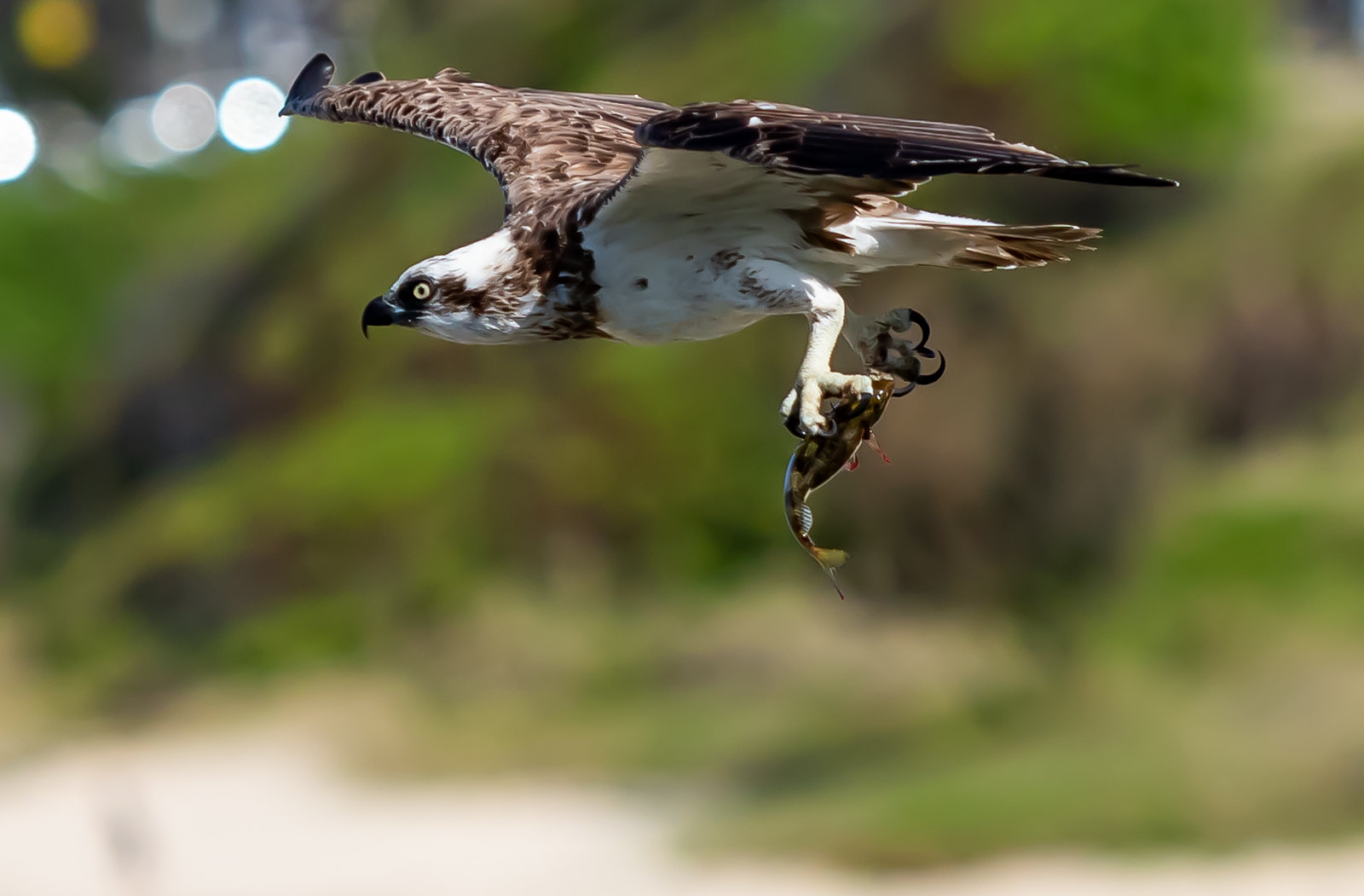
The south coast’s only breeding Osprey pair have laid a fourth egg. These birds became the first nesting Ospreys on the south coast for 180 years after their reintroduction seven years ago. They returned to Poole Harbour in late March after their migration to West Africa and laid their first egg on the 15th April 2024. As female Ospreys usually only lay 3 eggs due to the challenges of feeding 4 young, researchers were surprised to find a fourth, but due to the exceptional job the pair did while caring for 3 chicks in 2023 they have high hopes for success this season.
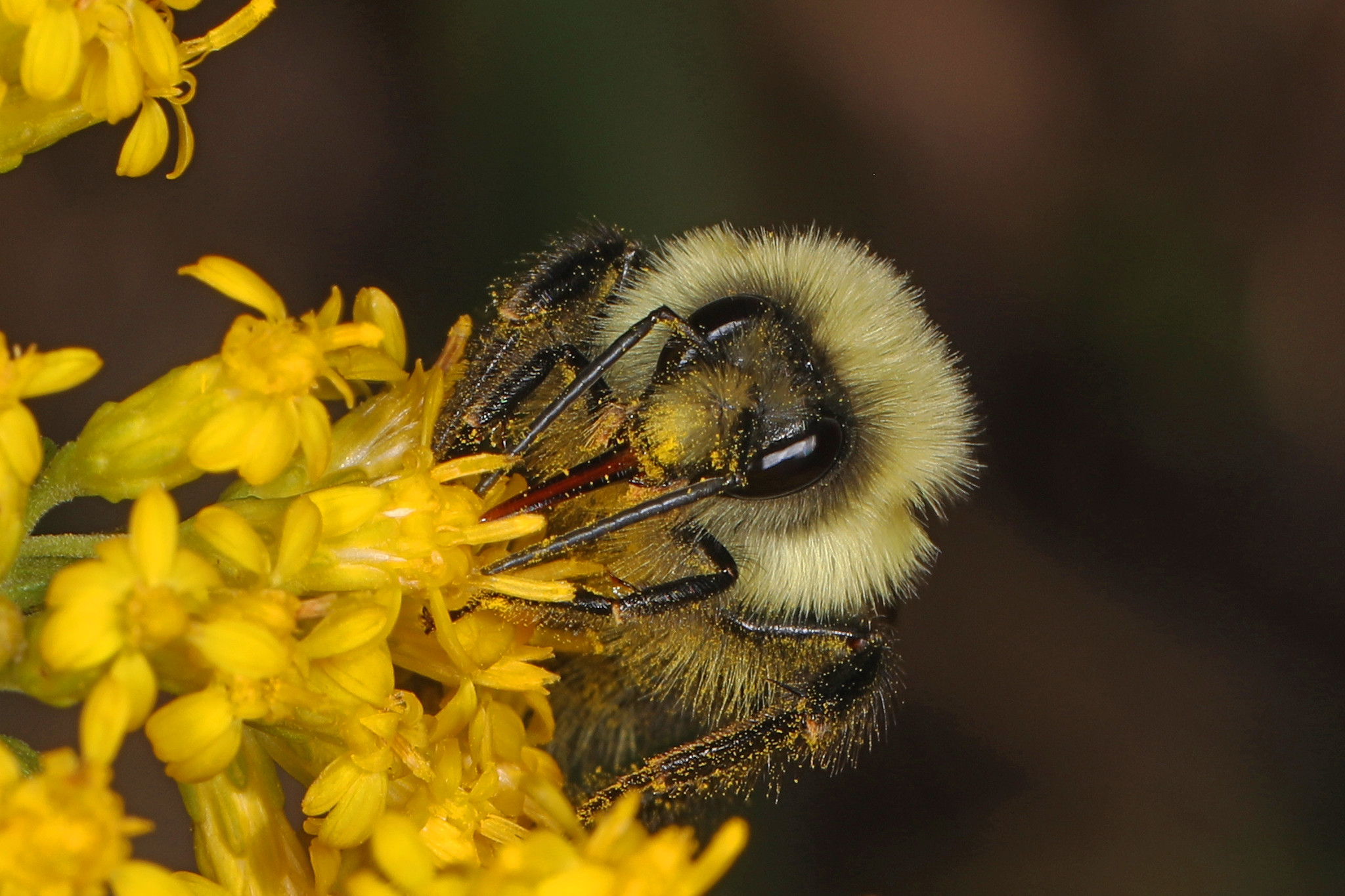
Common Eastern Bumblebee queens have adapted so they can survive underwater for up to a week during hibernation, which is thought to be responsible for the species’ continual population stability, despite a third of all other bumblebee species currently in decline. This study was conducted as a result of water leaking into containers housing hibernating queens; results revealed that over 80% of the bees survived when submerged for up to seven days. Scientists noted that these findings are unusual as most overwintering insects cannot cope when submerged in water. However, it is hoped that this flood tolerance will help the species continue to thrive in the wild.
Common Eastern Bumblebee by Judy Gallagher, via flickr.
The largest snake that ever lived has been discovered in Western India, measuring up to 15m long and weighing a tonne. The fossil of the Vasuki indicus snake was discovered in a mine in western India and included 27 vertebrae, a few of which remained in the correct anatomical position. Scientists concluded that it would have lived in marshy swamps around 66m years ago during the Cenozoic era and, due to its size, it would have been a slow-moving ambush predator who attacked its prey through constriction.
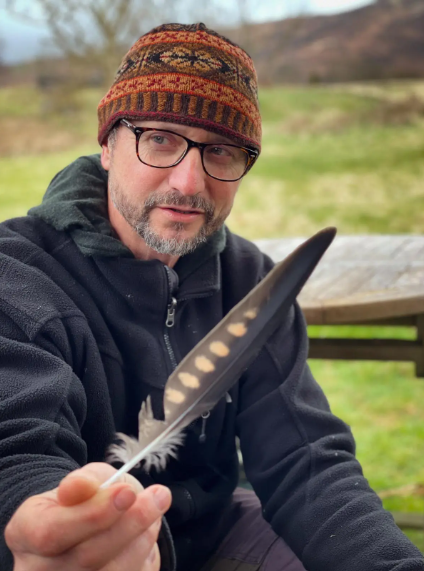
Passionate naturalist, author and illustrator David Wege has led an exciting 30-year career in international bird conservation. Now sharing the joy of tracking through teaching, he aims to encourage others to deepen their connection with the world around us.
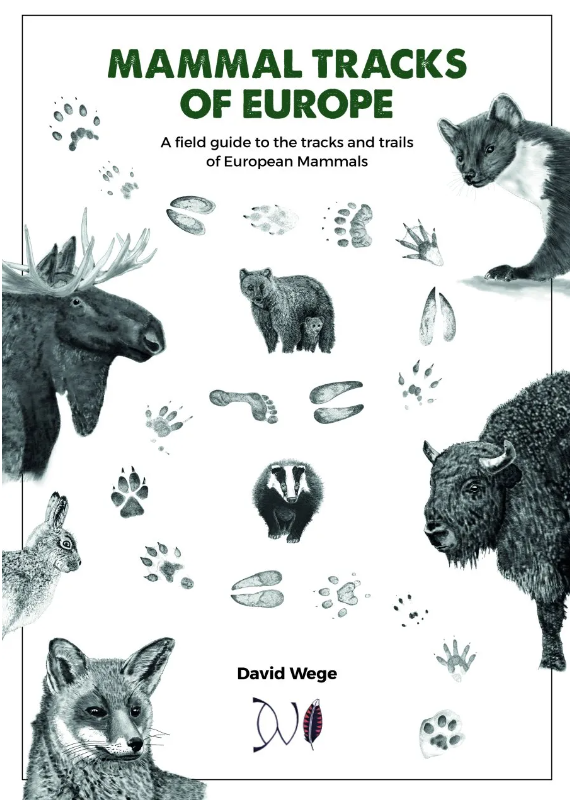
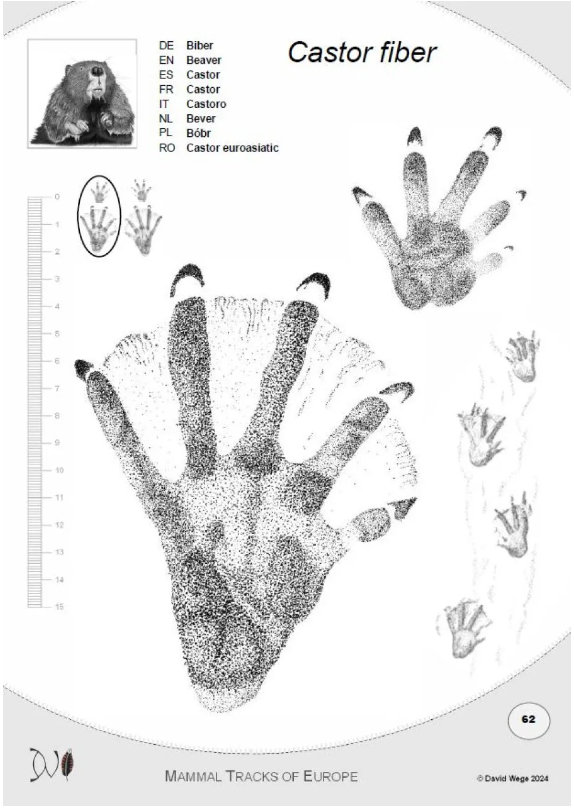
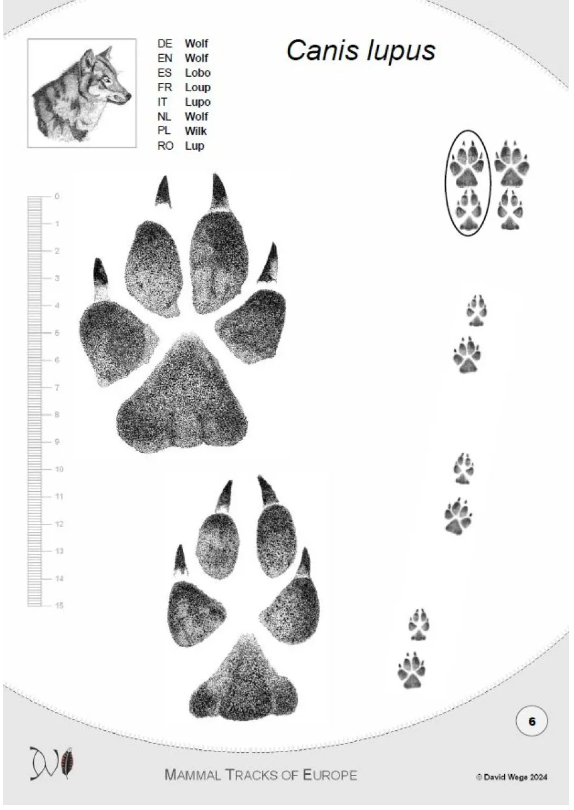
For his latest work, he has turned his attention to mammals and has created Mammal Tracks of Europe. After rediscovering his passion for tracking, David hopes to inspire others to engage with the art through his latest work. This book includes the tracks of 72 European mammals, with detailed drawings and portraits of each species.
We recently had the chance to chat with David about how he first became interested in tracking, why he included Homo sapiens in his new mammal tracks field guide, what he’s currently working on and more.
This unique field guide features a broad selection of European mammals. What criteria did you use when choosing which species to include?
I set out with the intention of creating a mammal tracks guide that anyone could take out into the field, anywhere in Europe, and identify the tracks they were looking at. This meant including all of Europe’s larger terrestrial mammals, including the Arctic species from Scandinavia (such as Wolverine, Arctic Fox and Muskox), and the species that have ranges just into the Mediterranean countries (like Crested Porcupine and Egyptian Mongoose). So, all larger European mammals that you are likely to find tracks of are featured.Even the domesticated species that, as trackers, we often find the tracks of– such as cats, dogs, cows, sheep and Alpacas! The small mammals (such as the mice, voles and shrews) are not covered quite as well, but all species for which we have track photos are included. The end result, is a book with the tracks and trails of an incredible 72 European mammal species.
Creating a book that anyone can use meant making it accessible to people right across Europe. So, each species is represented by a small portrait of the animal; is identified by its scientific name; and its common name is given in eightEuropean languages. As well as helping people navigate the book quickly, I think the species portraits make sure that we keep the connection between tracks and the animal that made them.
Tracking is increasing in popularity acrossEurope and is being used more and more as we rewild areas and reintroduce species in the region. My hope is that this guide will help encourage more people to connect with mammal tracks and engage with the conservation movement, wherever they are.
Why did you choose to include Homo sapiens in the field guide, and why were these tracks presented first?
Humans are part of nature.We’re mammals just like every other mammal in the book, so presenting ‘human’ in exactly the same way as our mammalian cousins – as Homo sapiens, a species that also makes tracks – seemed important. Connecting with nature starts with us recognising our place within it, so ‘human’ on Page 1 is a nod to our place as equals among other animal beings. There’s a practical aspect to this too. As a teacher passing on tracking knowledge to others, using our human hands and feet as a reference point for where toe pads, nails, palm pads, heels, carpal pads etc. are, is a great way for people to learn and relate to the track morphology of other mammalian beings. Human hands and feet (and the tracks they create) are a wonderful baseline against which we can start comparing the tracks of other species.
Instead of written descriptions, the field guide uses drawings as a primary aid to identification. What challenges did you face in illustrating the guide?
The guide really does have very little text and relies on drawings to do the talking – to be a graphic reference when you’re out in the field. I wanted to create precise representations of tracks for each species – to let the illustrations communicate all that was needed in a true ‘to be used in the field’ field guide. A noble desire, and easily said, but there really are many challenges.The first of which arises from the fact that no two tracks in the mud, sand, clay or snow are the same, so which one is best to illustrate? To overcome this, I ‘traced’ (electronically, on a tablet) as many track photos as possible to build up (as near as possible) a perfect average. This hopefully compensates for the vagaries of different substrates. Drawing from track photos means that those imagesneed to be good too!They have to be taken from directly above, with not too much shadow, and with a scale or ruler in the photo. When you start drawing from photos it really makes you appreciate which are good (and useful/usable) and which are not. Once I had my ‘good‘ track photos, I started drawing– trying to keep strictly to what I was seeing in the tracks. This has hopefully resulted in illustrations that allow people to pick out the identification features that are most noticeable to them.
Another challenge is that some of the species I’ve illustrated are rare, or from parts of Europe I have not been tracking, so I have had to rely on track photos shared generously by other trackers. It is definitely harder to illustrate a track that you’ve never seen in the field yourself – it’s difficult to get a ‘feel’ for the essence of it, but I think I’ve managed to create good representations of tracks for all the mammals.
Where did your initial interest in animal tracking come from, and how did you begin your journey into this field of study?
I was totally hooked on tracking as a child when my parents gave me a book–Nature Detective by Hugh Faulkus. However, without a tracking mentor, I actively pursued my other passion of birds and birdwatching – a passion that I still have and that led me to a successful career in bird conservation with BirdLife International. Then, about tenyears ago, I chanced upon a tracking mentor in John Rhyder (author of Track and Sign, and one of Europe’s foremost trackers), and have been learning from him and teaching with him ever since. We have just finished a book together titledBird Tracks: a field guide to British species. Tracking just seems like a natural component of being in nature for me. Wandering in nature means intuitively noticing who was there, doing what and when, which birds are calling or singing, what plants are emerging or flowering (and so much more). Reading the tracks is just a part of this awareness, although I’m still learning how to balance an awareness of tracks on the ground with noticing birds up in the trees!
What will be next for you? Are there any plans for more tracking guides?
One of the many wonders of tracking (by which I mean reading and interpreting the tracks and signs that animals leave on the landscape) is that there is always more to learn. Animals constantly surprise and we’re often discovering new behaviours revealed in tracks and signs. I’m still learning but I also have the privilege of teaching the art and science of tracking to others. So, I will be spreading the tracking joy, with my book in hand, to people who can hopefully then use the skill to connect to nature, or apply their tracking skills to help monitor, conserve and restore wildlife. This book was designed as a resource for people across Europe, but I would like to see my track and trail illustrations used for local or national field guides that might then be accessible to a wider audience. Anything to help encourage nature connection through tracking.
Mammal Tracks of Europe: A Field Guide to The Tracks and Trails of European Mammals is available on our online bookstore here.
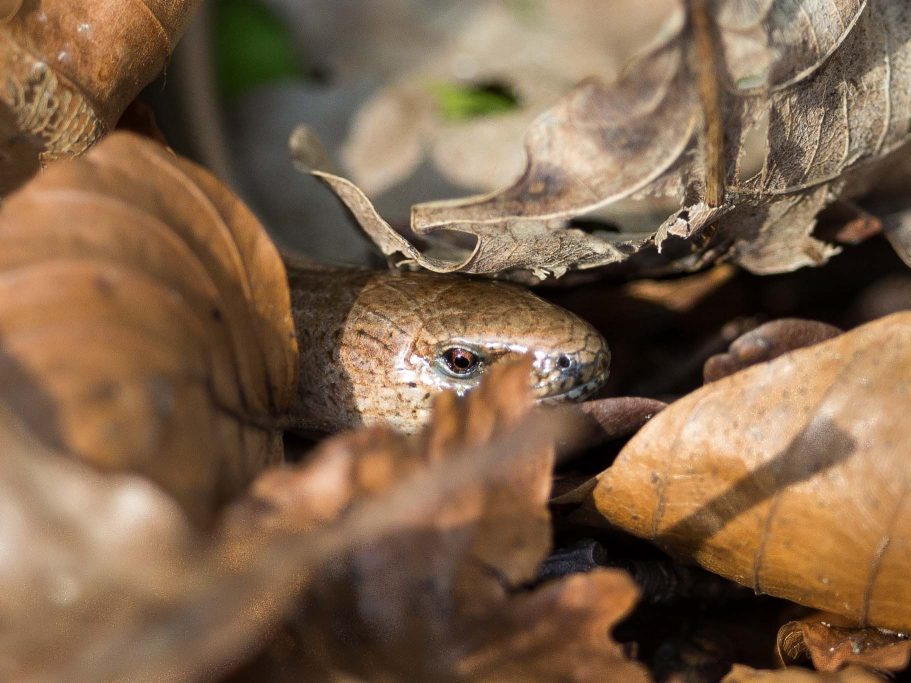
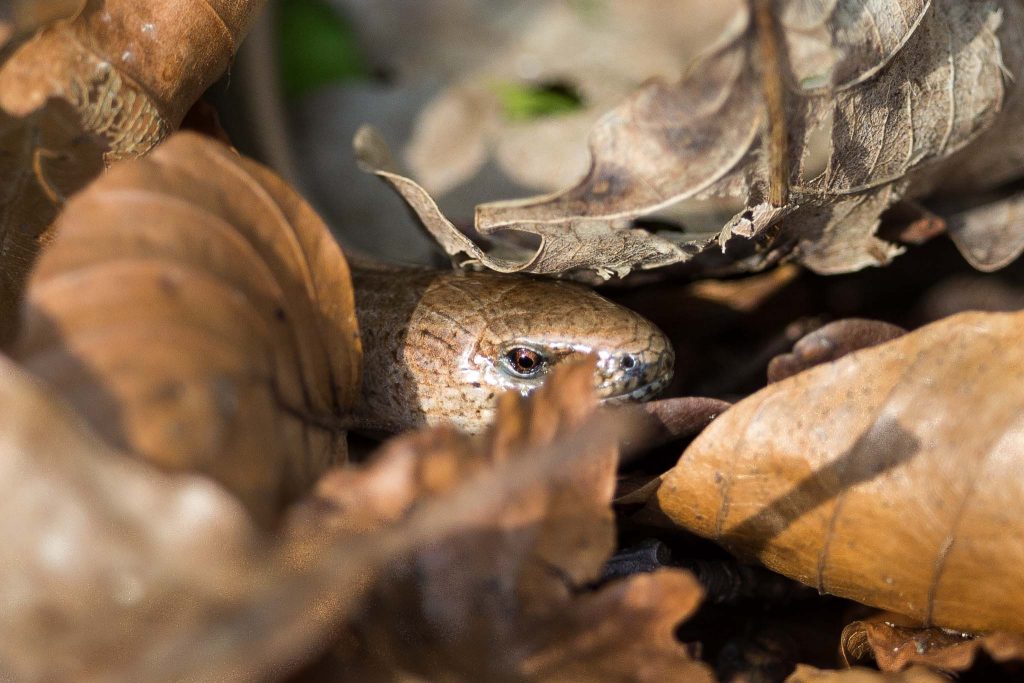
Slow worm image by Smudge 9000 via Flickr (CC BY-SA 2.0)
The UK is home to six native species of reptile – three snakes (adder, grass snake and smooth snake) and three lizards (common lizard, sand lizard and slow worm). In early spring, snakes and lizards begin to emerge from hibernation – if you are lucky you may catch a glimpse of one in your garden or when out walking in the countryside. (Interesting note: adders have now been recorded as being active during every month of the year in the UK, a behavioural change which is thought to be linked to overall warmer weather).
This article aims to provide you with some of the key characteristics of each species which will help you to identify what you’re looking at. You will also find a list of field and identification guides at the bottom of the page which will give you lots more information about each species and help you with your ID.
Snakes
Snakes are part of the suborder Serpentes and, though they vary greatly in size and colour, their limbless, elongated bodies make their overall form very distinct (although some legless lizards, such as the slow worm, may often be mistaken for a snake). The skin of a snake is covered in scales and is a smooth, dry texture – this skin is shed periodically throughout the snake’s life. All snakes are carnivorous and many species have specialised skulls with extra joints enabling them to swallow prey much larger than their heads. Most species are non-venomous and either swallow their prey alive or kill it by constriction.
All three snake species in the UK reproduce by producing eggs. However, both the adder and smooth snake incubate eggs internally whereas the grass snake lays them in rotting vegetation such as compost heaps.
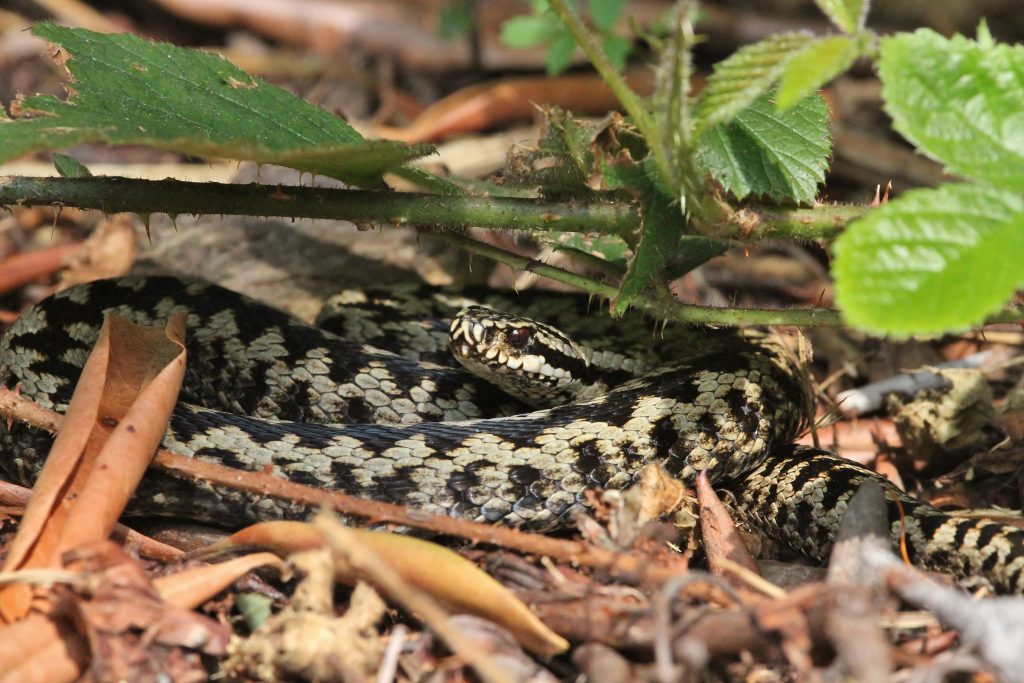
Adder (Vipera berus)
Adder image by Jo Garbutt via Flickr (CC BY 2.0)
• Size: 60-80cm in length. • Colour: Greyish with a dark and very distinctive zig-zag pattern down its back. Red eye. • Habitat: Prefers woodland, heathland and moorland but may also be found in grassland or on the coast. • Interesting fact: The adder is the only venomous snake in the UK. However, bites are very rare as adders are reclusive and would prefer to retreat than confront a human.
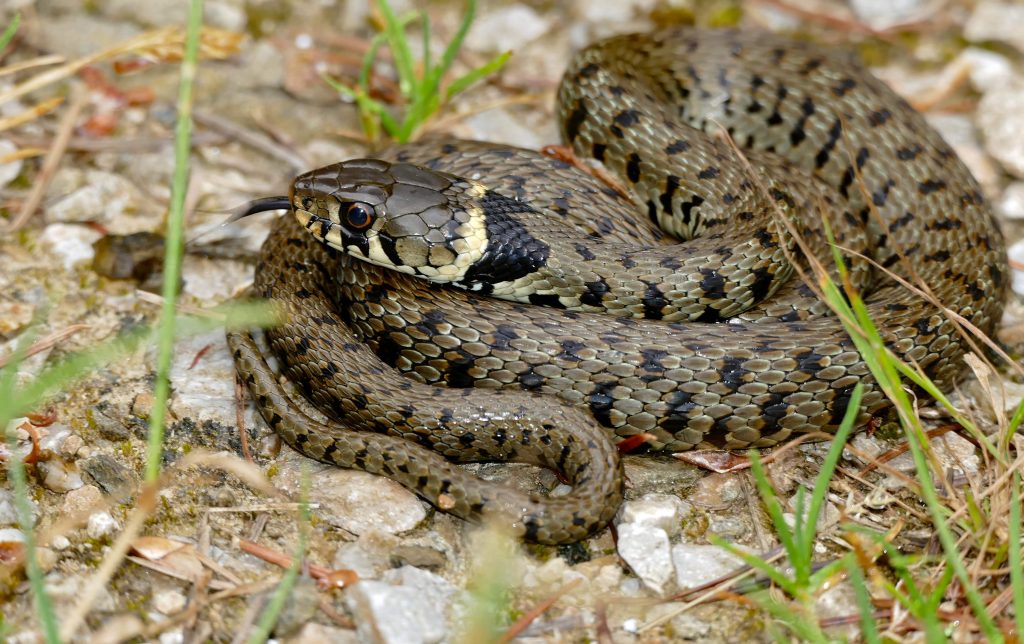
Grass snake (Natrix helvetica)
Grass snake image by Bernard Dupont via Flickr (CC BY 2.0)
• Size: 90-150cm in length. • Colour: Usually greenish in colour, with a yellow and black collar, pale belly and dark markings down the sides. • Habitat: Favours wetland habitats but can also be found in grassland and gardens, especially those with a pond. • Interesting fact: The grass snake is the longest snake found in the UK.
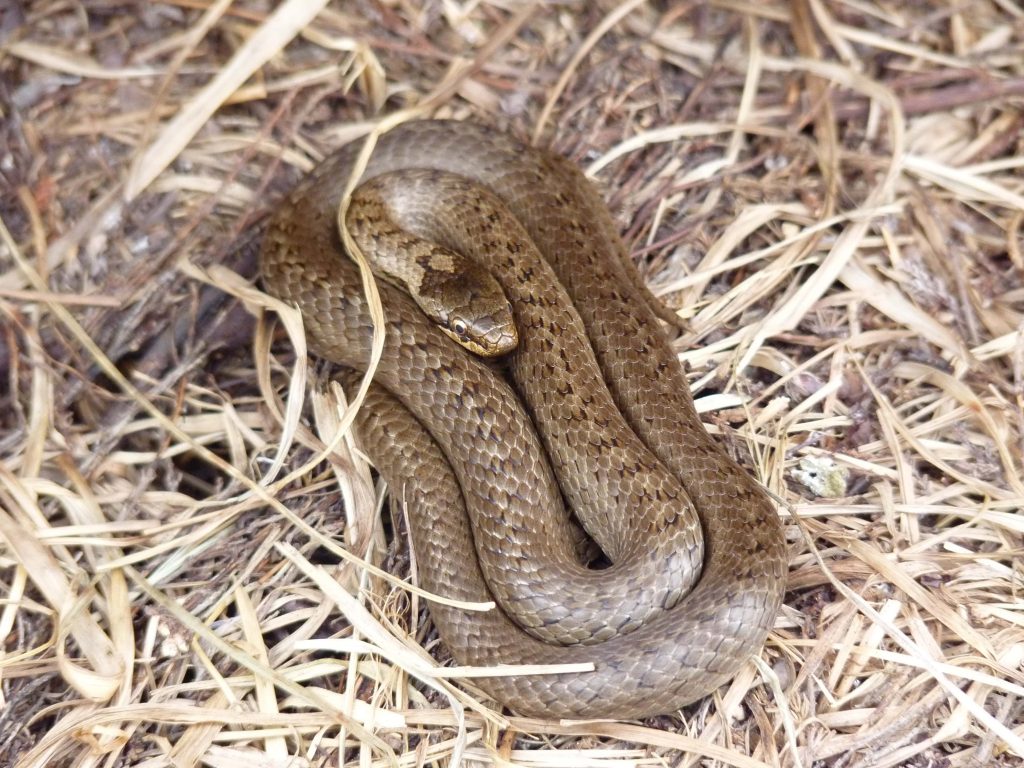
Smooth snake (Coronella austriaca)
Smooth snake image by Odd Wellies via Flickr (CC BY 2.0)
• Size: 50-70cm in length. • Colour: Usually dark grey or brown in colour. Similar to an adder but with a more slender body and without the zig-zag pattern along its back. • Habitat: Very rare. Mainly found on a few sandy heaths in Dorset, Hampshire and Surrey, although a couple of reintroduced populations exist in West Sussex and Devon. • Interesting fact: The smooth snake is a constrictor, coiling around its prey to subdue it and crush it to death.
Lizards
Most lizards have four legs and run with a side-to-side motion. However, some, such as the slow worm, are legless. Lizards are mainly carnivorous and often employ a ‘sit-and-wait’ approach to catching prey. In the UK, lizards feed primarily on insects, molluscs and spiders.
Although all three species of UK lizard lay eggs, both the common lizard and slow worm incubate these internally, ‘giving birth’ in the late summer. Sand lizards lay shelled eggs that are buried in the sand where they are kept warm by the sun.
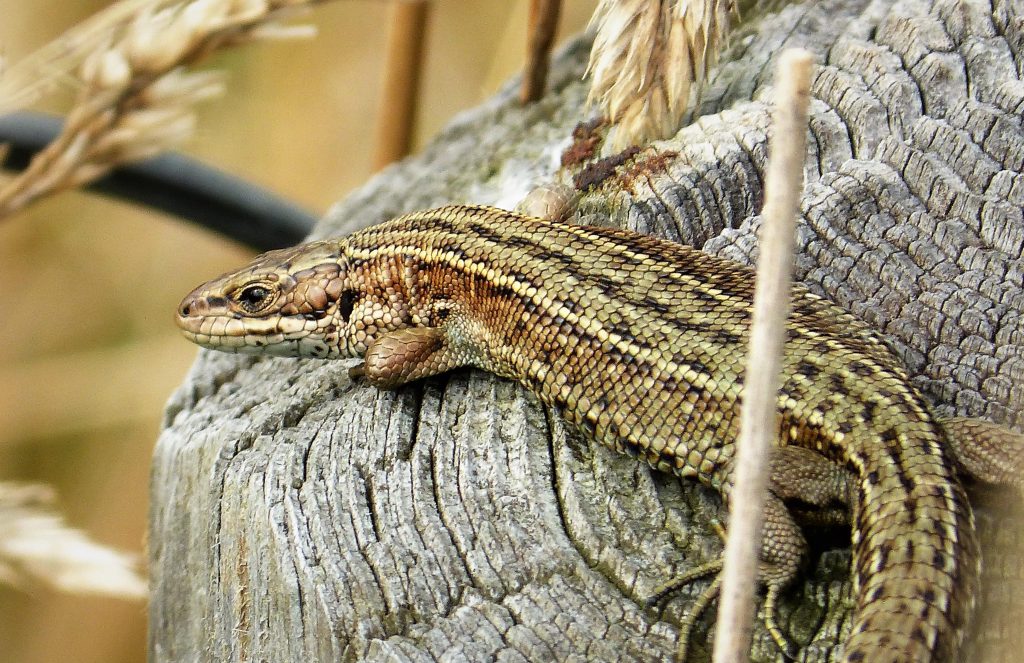
Common lizard (Zootoca vivipara)
Common lizard image by Gail Hampshire via Flickr (CC BY 2.0)
• Size: 10-15cm in length. • Colour: Variable, but most commonly a brownish-grey, with rows of darker spots or stripes down the back and sides. Males have bright yellow or orange undersides with spots, while females have paler, plain bellies. • Habitat: Heathland, moorland and grassland. • Interesting fact: If threatened by a predator, the common lizard will shed its tail which continues to move – the lizard uses this distraction to make its escape. Although able to regrow its tail, the new one is usually shorter than the original.
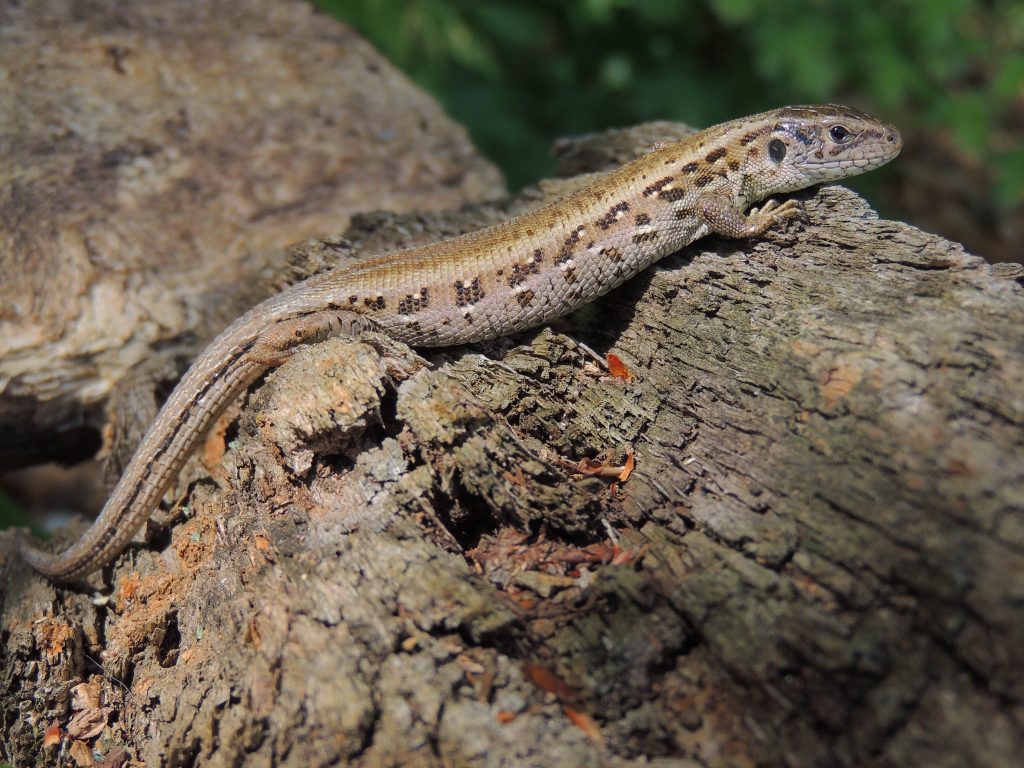
Sand lizard (Lacerta agilis)
Sand lizard image by xulescu-g via Flickr (CC BY-SA 2.0)
• Size: Up to 20cm. • Colour: Female sand lizards are a sandy-brown colour, with rows of dark blotches along the back. Males have green flanks that are at their brightest during the breeding season, making them easy to spot. • Habitat: The sand lizard is very rare and can only be found on a few sandy heaths in Dorset, Hampshire and Surrey with a few reintroduced populations in the south east, south west and Wales. • Interesting fact: Sand lizards dig burrows for overnight refuge and hibernation.
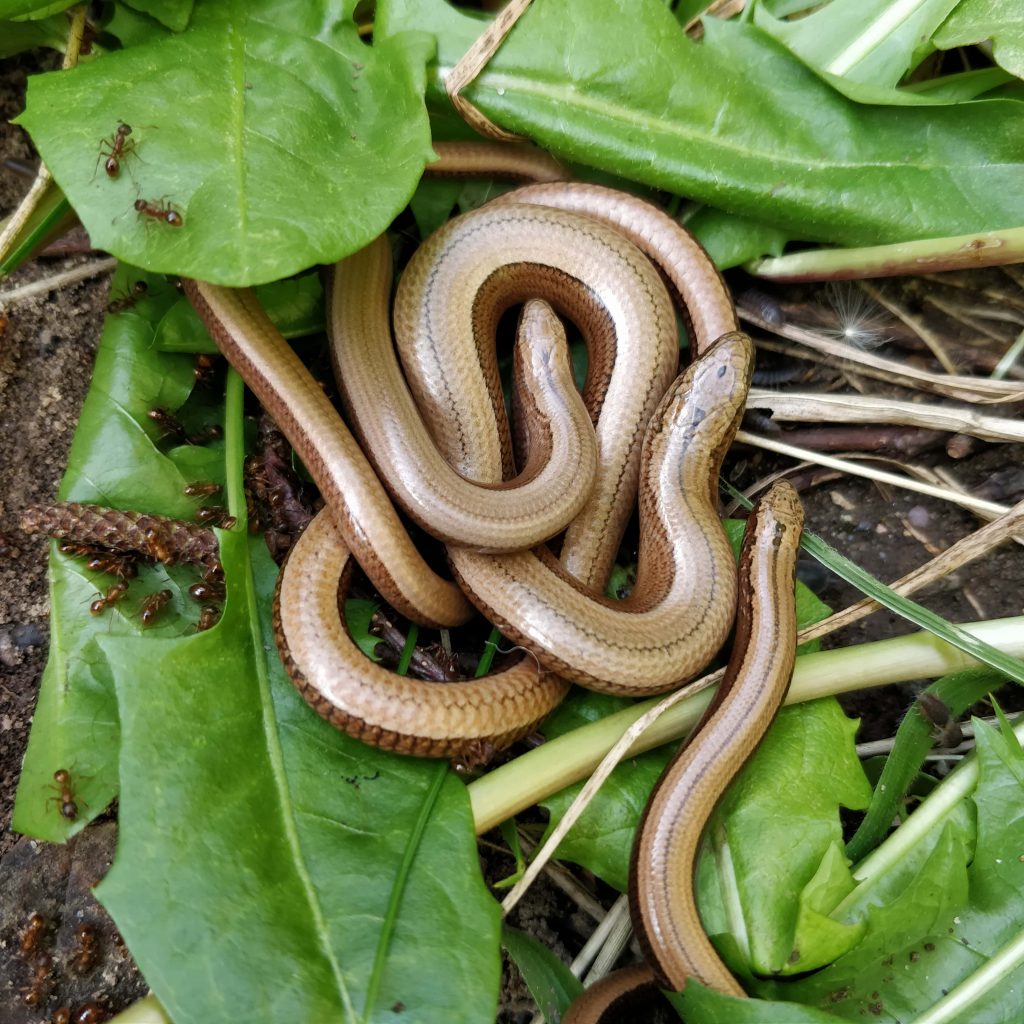
Slow worm (Anguis fragilis)
Slow worm image by Oliver Haines
• Size: 40-50cm. • Colour: Smooth, golden-grey skin. The males are paler in colour and occasionally have blue spots. The females tend to be larger with dark sides and some have a dark line down their back. • Habitat: Slow worms live in most of Great Britain apart from Northern Ireland and are also present on most of the islands in Scotland and the Channel Isles. • Interesting fact: Although similar in appearance to a snake, the slow worm has eyelids (which snakes do not) and can drop its tail when threatened by a predator.
In addition to the six native reptiles, several species of non-native reptile can be found in the UK – these include the wall lizard, green lizard, aesculapian snake, European pond terrapin and the red-eared slider.
Recommended reading:
Amphibians and Reptiles #206083
A comprehensive guide to the native and non-native species of amphibian and reptile found in the British Isles. Professor Trevor Beebee covers the biology, ecology, conservation and identification of the British herpetofauna, and provides keys for the identification of adult and immature specimens as well as eggs, larvae and metamorphs.
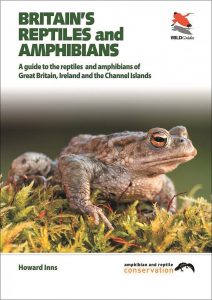
Britain’s Reptiles and Amphibians #174837
This detailed guide to the reptiles and amphibians of Britain, Ireland and the Channel Islands has been produced with the aim of inspiring an increased level of interest in these exciting and fascinating animals. It is designed to help anyone who finds a lizard, snake, turtle, tortoise, terrapin, frog, toad or newt to identify it with confidence.
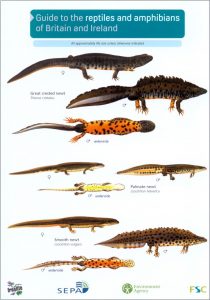
Guide to the Reptiles and Amphibians of Britain and Ireland #113260
This laminated pamphlet is produced by the Field Studies Council and covers the 13 species of non-marine reptile and amphibian which breed in Britain, as well as the five species which breed in Ireland. These include snakes, lizards, frogs, toads and newts.
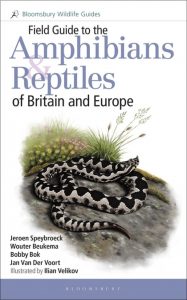
Field Guide to the Amphibians and Reptiles of Britain and Europe #246563
This excellent field guide covers a total of 219 species, with a focus on identification and geographical variation. The species text also covers distribution, habitat and behaviour. Superb colour illustrations by talented artist Ilian Velikov depict every species.
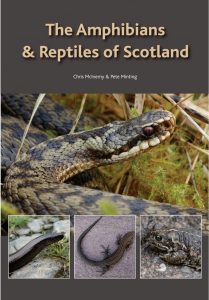
The Amphibians and Reptiles of Scotland #235838
This book is designed to be an interesting and informative guide to the amphibians and reptiles that are found in the wild in Scotland. The authors have focused on those species native to Scotland, plus those which are non-native but are breeding in the wild.
The Royal Entomological Society (RES) is an organisation dedicated to advancing the field of insect science. Through encouraging open communication, research and publication, the RES hopes to enrich the world with entomology.
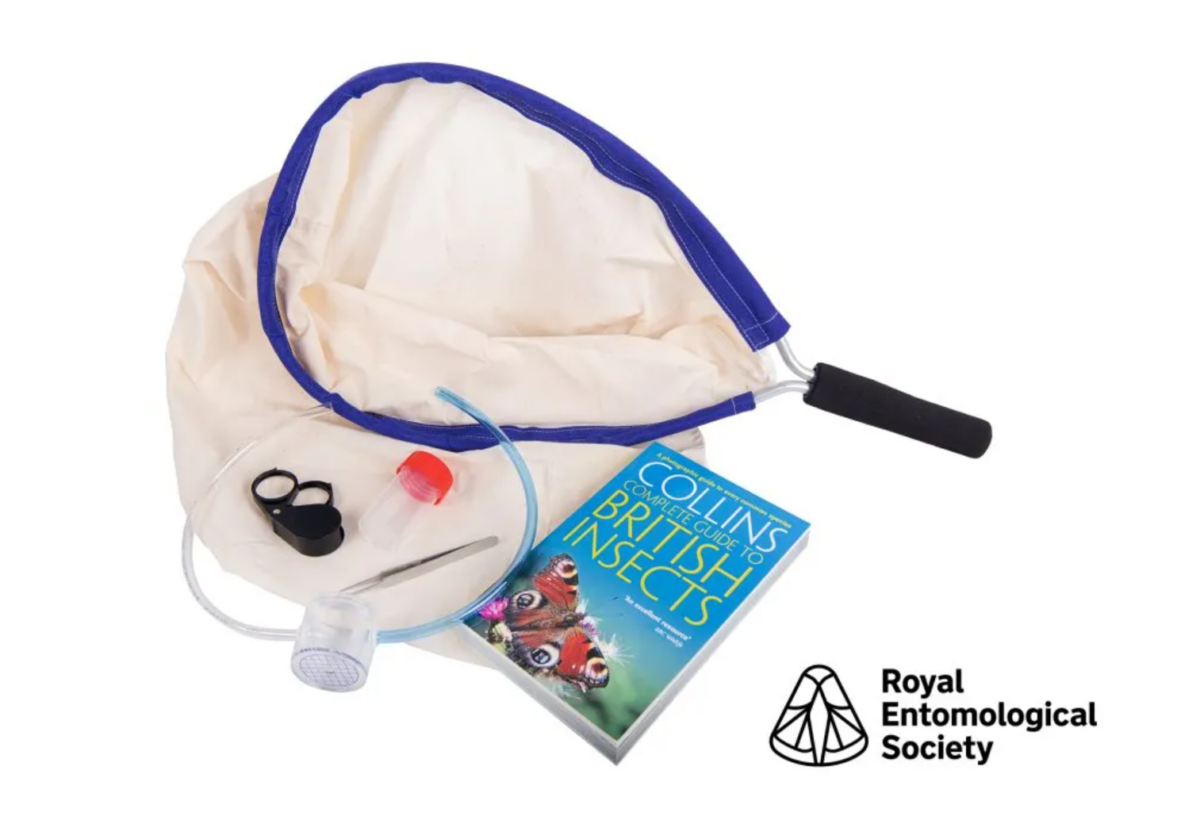
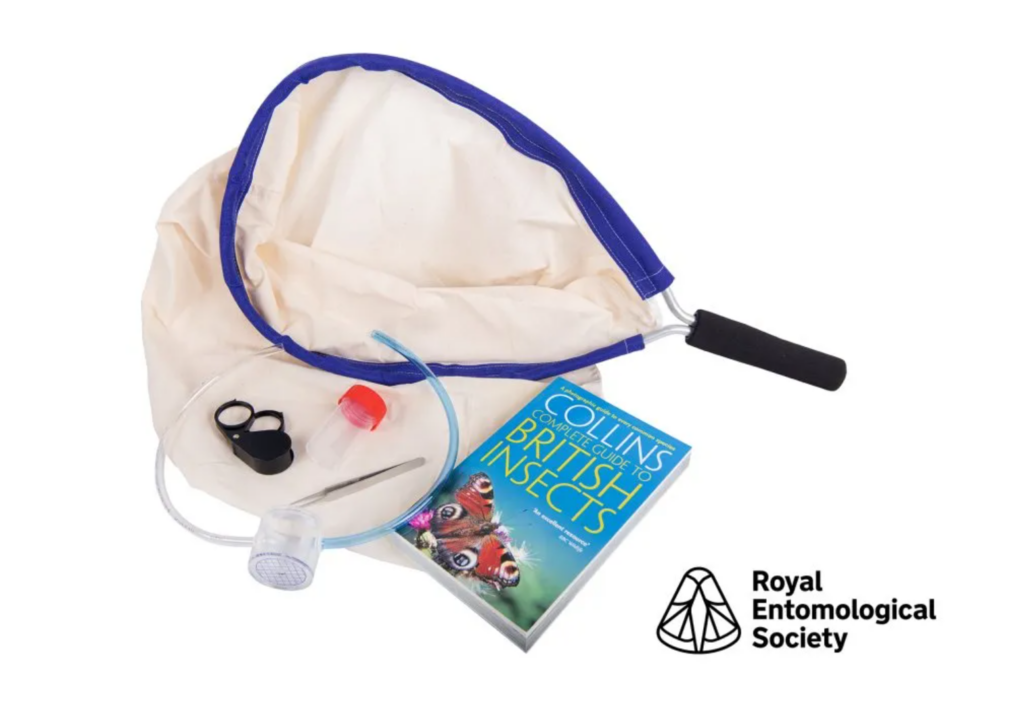
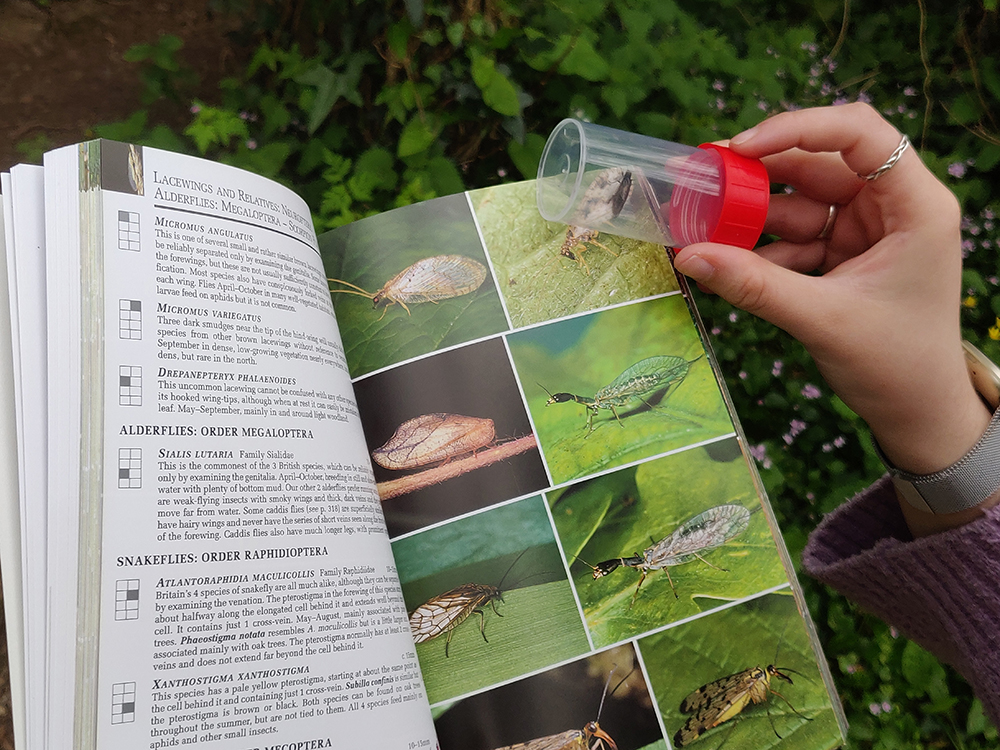
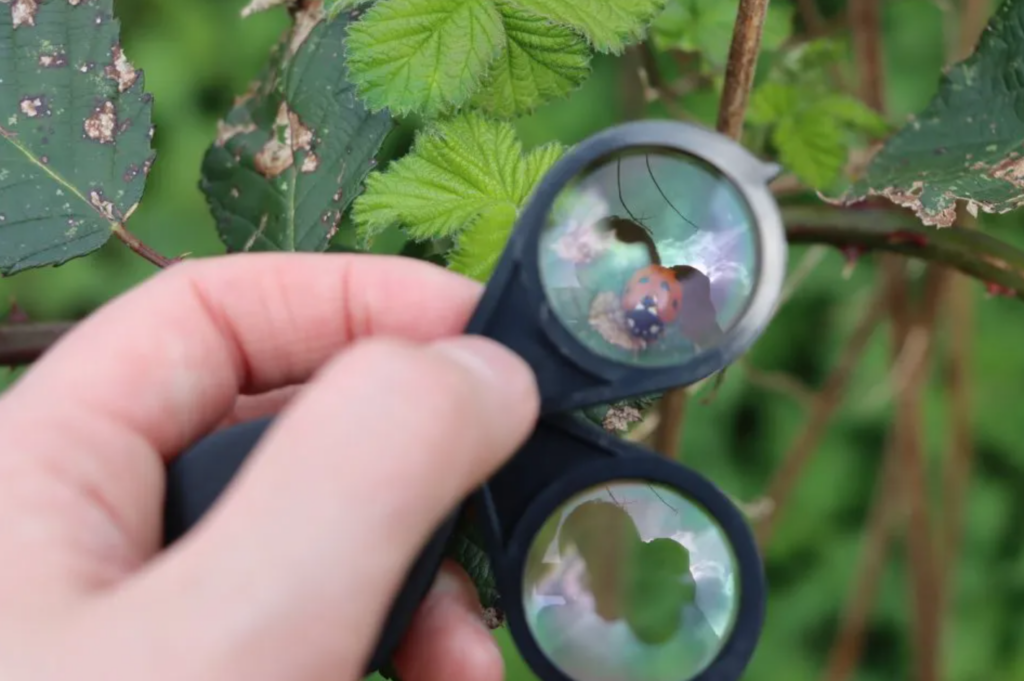
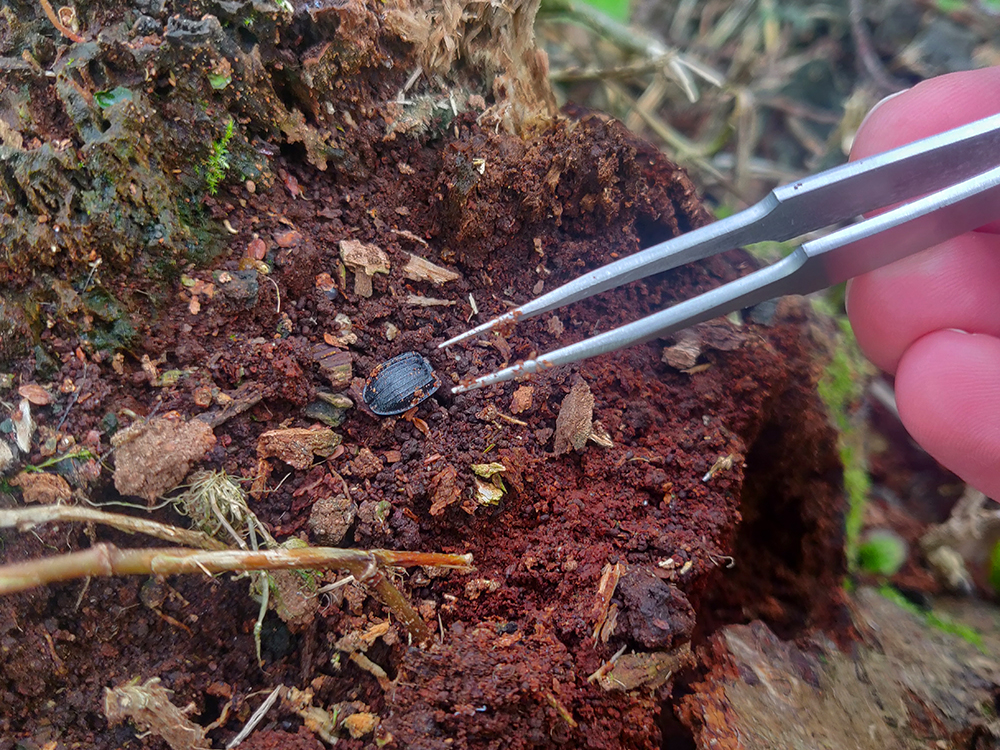
Developed in collaboration with the RES, the Royal Entomological Society Bug Hunting Kits provide naturalist users with the tools to safely capture, observe and identify British insects. Kitted with sweep nets, collecting pots and a pooter to capture your insects, you will also be provided with a hand lens, ID guide and optional forceps for identification of species you find.
As seen on Countryfile, the Standard Sweep Netprovides users with a simple, lightweight (280g) net for catching invertebrates. The short, 15cm handle has a foam grip for improved control and a lightweight aluminium frame. The net itself is made in the UK and features a soft calico bag attached via Velcro to the frame, making it easy to remove for washing.
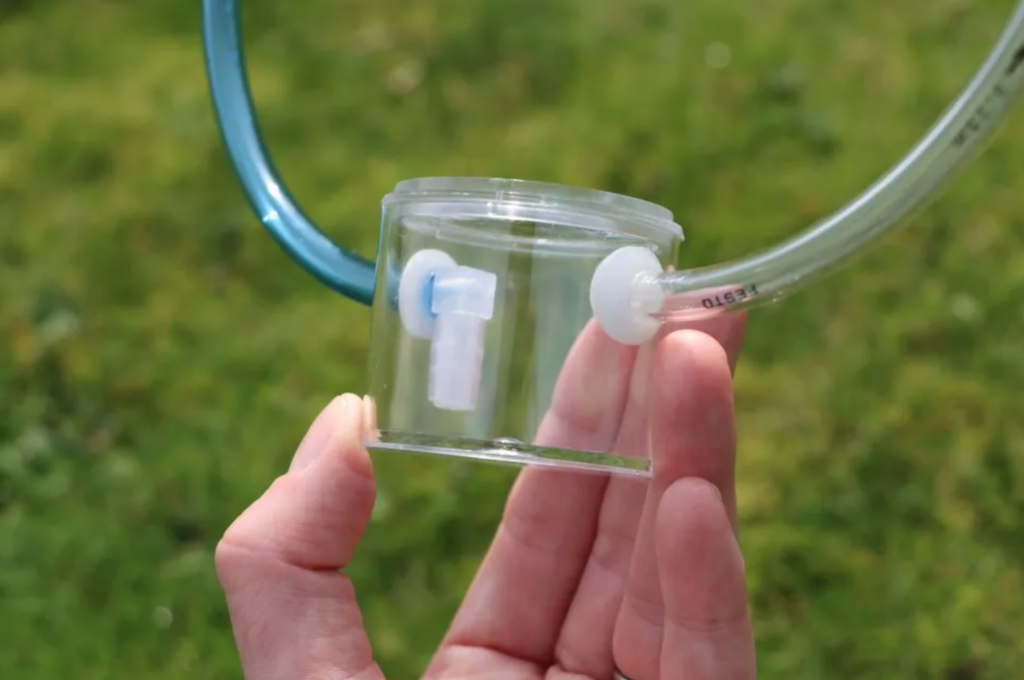
At the core of this kit is the NHBS Insect Pooter. Expertly designed and manufactured at our facilities in Devon, this piece of kit can safely capture a wide range of invertebrates. Affordable and simple to use, this item allows the user to observe specimens in a see-through chamber. The chamber is topped with a 2.5× magnification lens for easy viewing and identification. The pooter’s components can be removed and cleaned for sanitation between sampling.
Each kit comes with five 60ml Collecting Pots for specimen handling and collection. The collecting pots have secure screw-on lids, made with see-through polypropylene for easy, clear viewing.
The handy Double Loupe Hand Lens provided with this kit is only 30mm in diameter, comprisingtwo silicate glass lenses, 5× and 10× magnification. The lenses of this sturdy pocket magnifier fold into a protective casing, keeping them clear from scratches between use. Lightweight and compact, this hand lens is highly portable and is ideal for people of all ages.
Made from a non-magnetic stainless-steel alloy, theSuper Fine Pointed Forceps are manufactured with fine points for precision use. Included with the Advanced Bug Hunting Kit, these precise forceps are not serrated to minimise damage to delicate specimens, and at 11cm are a handy size for transportation and use in-field.
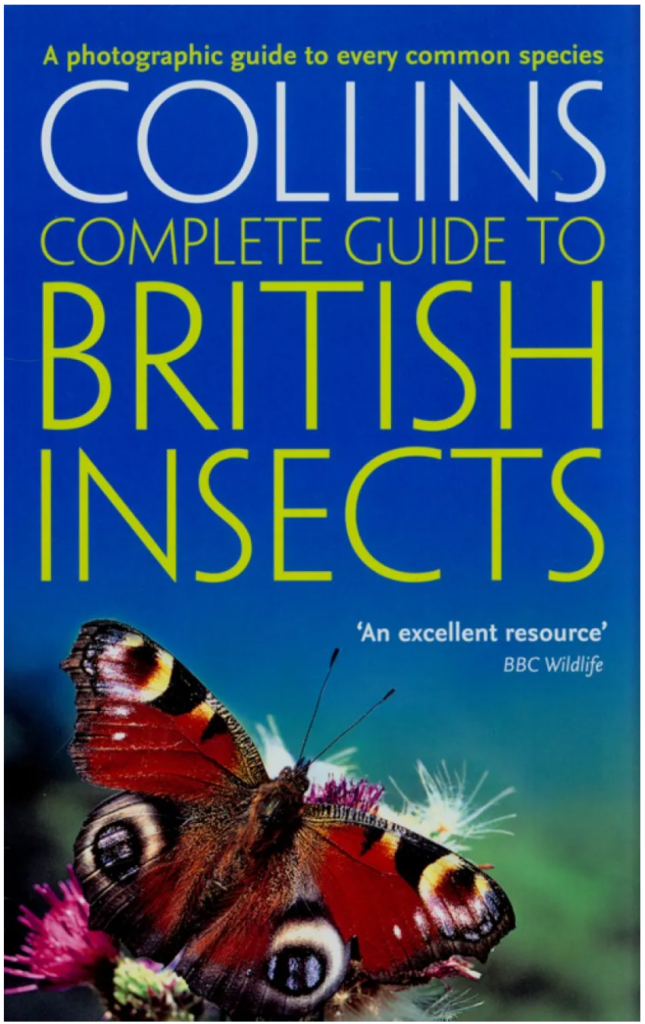
Provided with the Advanced Bug Hunting Kit, theCollins Complete Guide to British Insectsis a photographic field guide to common and unusual insect species across Britain. This extensive work covers over 1,500 species, providing descriptions and detailing where, and when, to observe them. With detailed photographs for each species, differences between similar organisms are highlighted to aid identification. This book covers a range of insects, from bugs and bees to moths and mayflies.
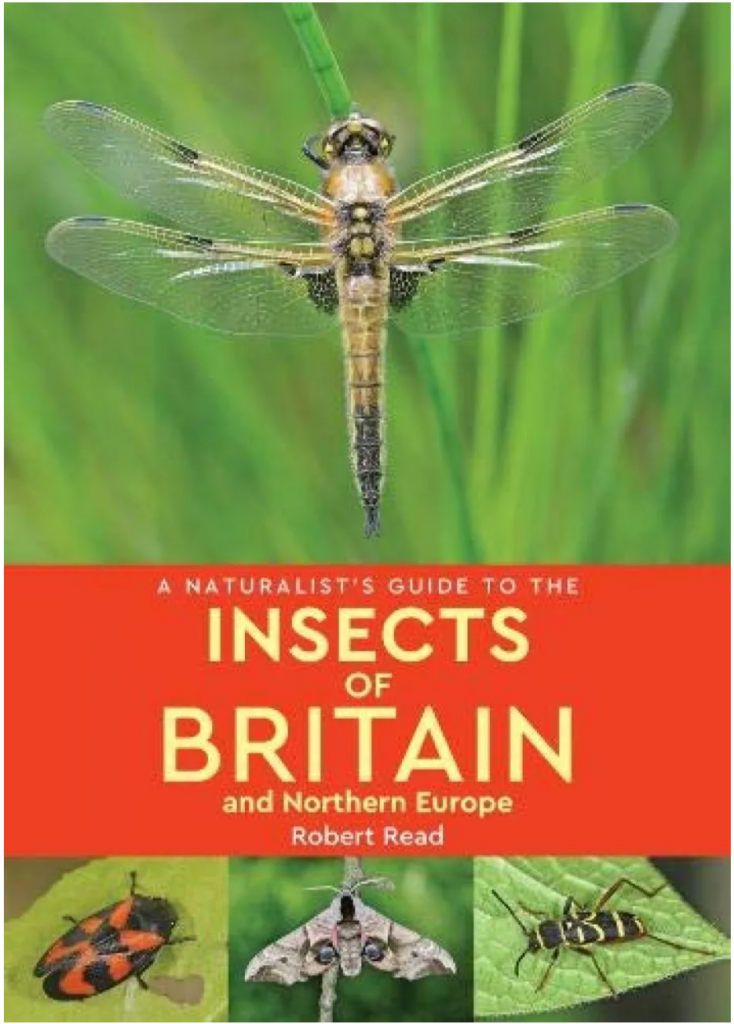
A Naturalists Guide to the Insects of Britain and Northern Europeis provided with the Educational Bug Hunting Kit. This easy-to-use ID guide is ideal for nonspecialist naturalists, with high quality photos of over 280 insect species. A description of appearance, associated habitats, habits and conservation status are outlined for each species. The guide also includes life cycles and describes the conservation of the group.
The mission of The Royal Entomological Society is to enrich the world with insect science- doing this through events, books and supporting young people in gaining skills in entomology.
The Royal Entomological Society receives 10% from the sale of this kit to support their cause.
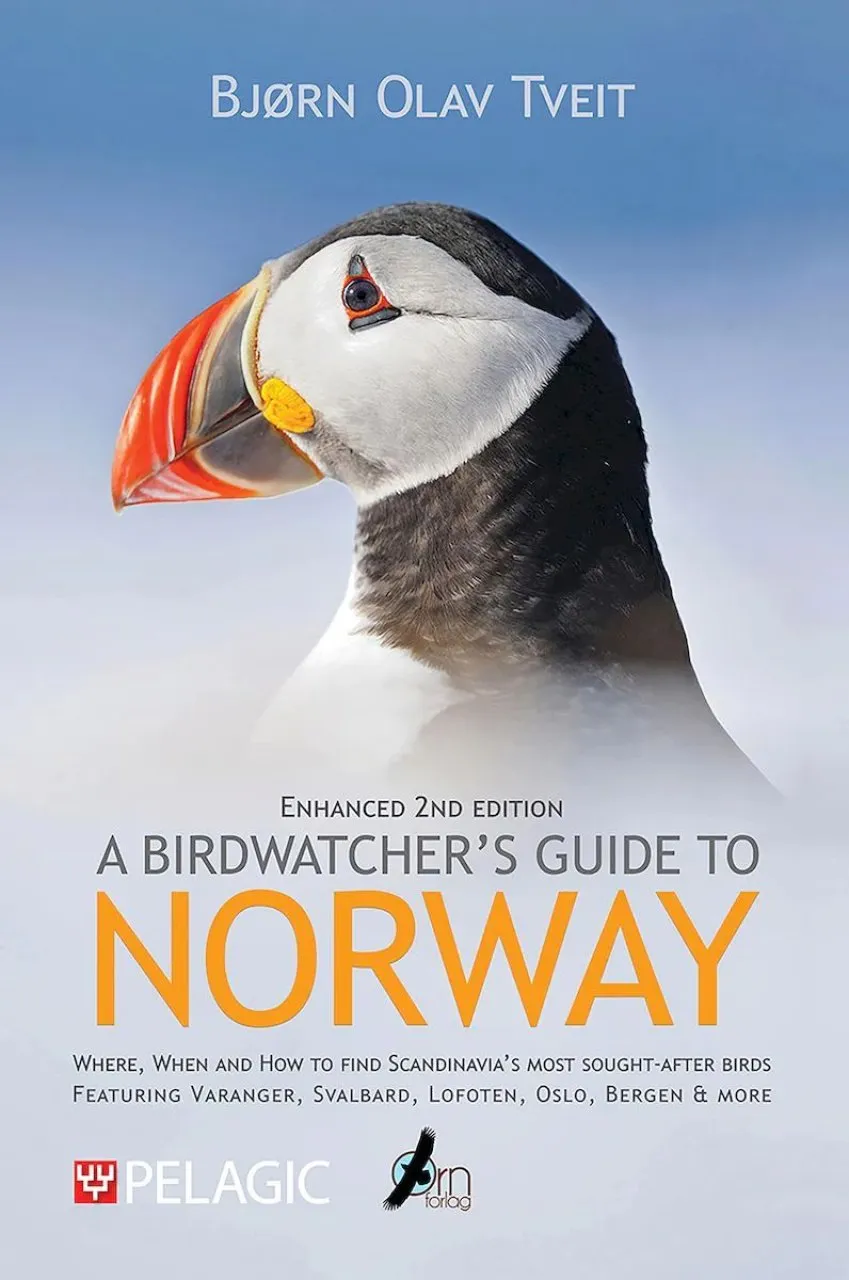 Norway is home to some of the most sought-after bird species in Europe, including the King Eider, Gyrfalcon, Capercaillie and Jack Snipe. A Birdwatcher’s Guide to Norway is the first guide to the birds of Norway and Svalbard, detailing over 350 of the best birdwatching sites in this country. The guide efficiently explains where and when to visit these sites, which species are present in each area, how to use tower hides and shelters, other animal species you may encounter and more. The upcoming second edition includes 265 photographs, 95 maps and comprehensive information about each site, this is an essential travel guide for anyone planning to birdwatch in mainland Norway or Svalbard.
  Bjørn Olav Tveit lives in Oslo, Norway and has explored many of the country’s best birding sites throughout his life. He is a long-standing member of the Norwegian Rarity Committee for Birds and acts as the nature conservation contact for his local BirdLife Norway division. He runs bird-spotting guided tours for nature enthusiasts, composes music, authors books and works for the Norwegian Ministry of Culture.
  Firstly, can you tell us a little about yourself and how you got into birdwatching?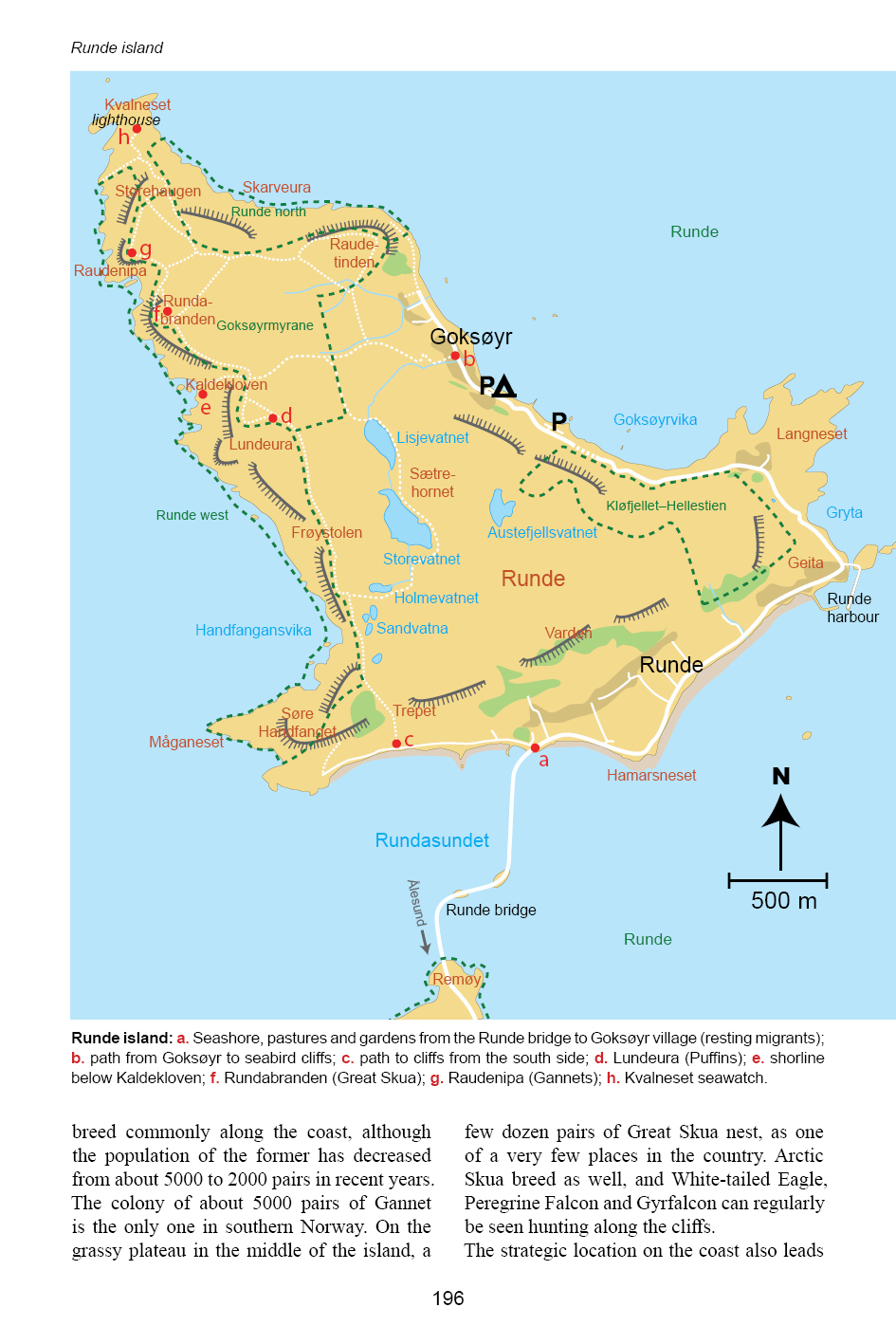




.jpg)