NHBS’ staff members are wild about wildlife! To showcase this, we are encouraging our team to write blogs about their experiences with nature.
During the Summer months, Jon Flynn, a member of NHBS’ Wildlife Equipment Team attended a number of Waterway Surveys for Daubenton’s bats (Myotisdaubentonii). Read more about his survey experiences below:
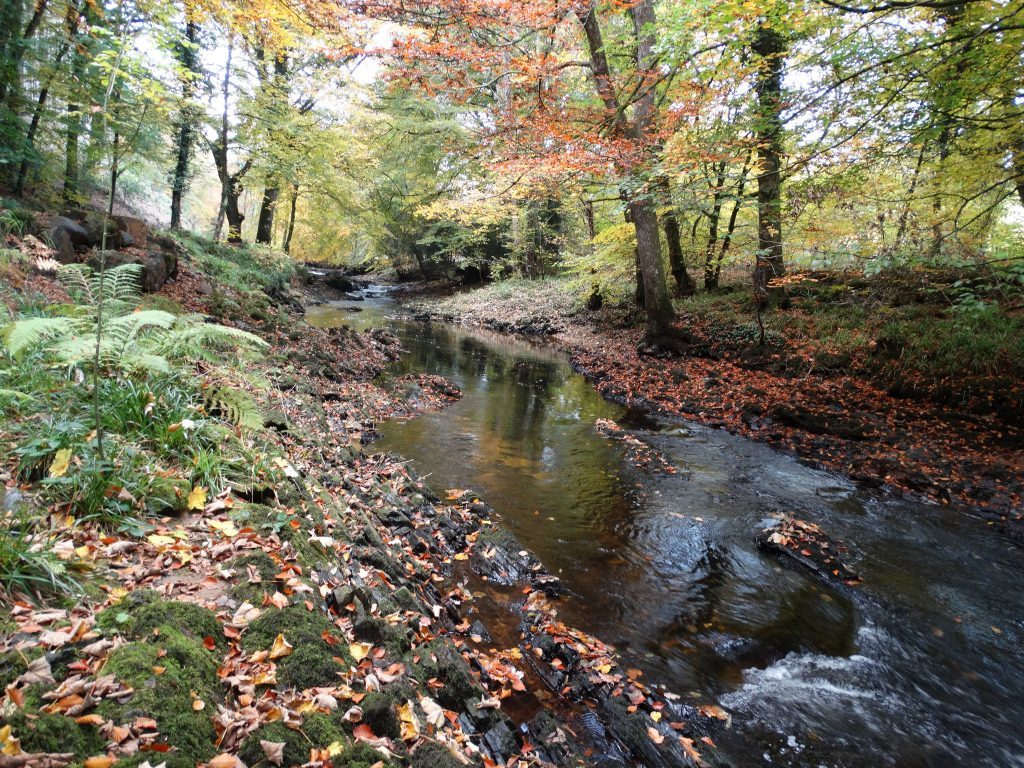
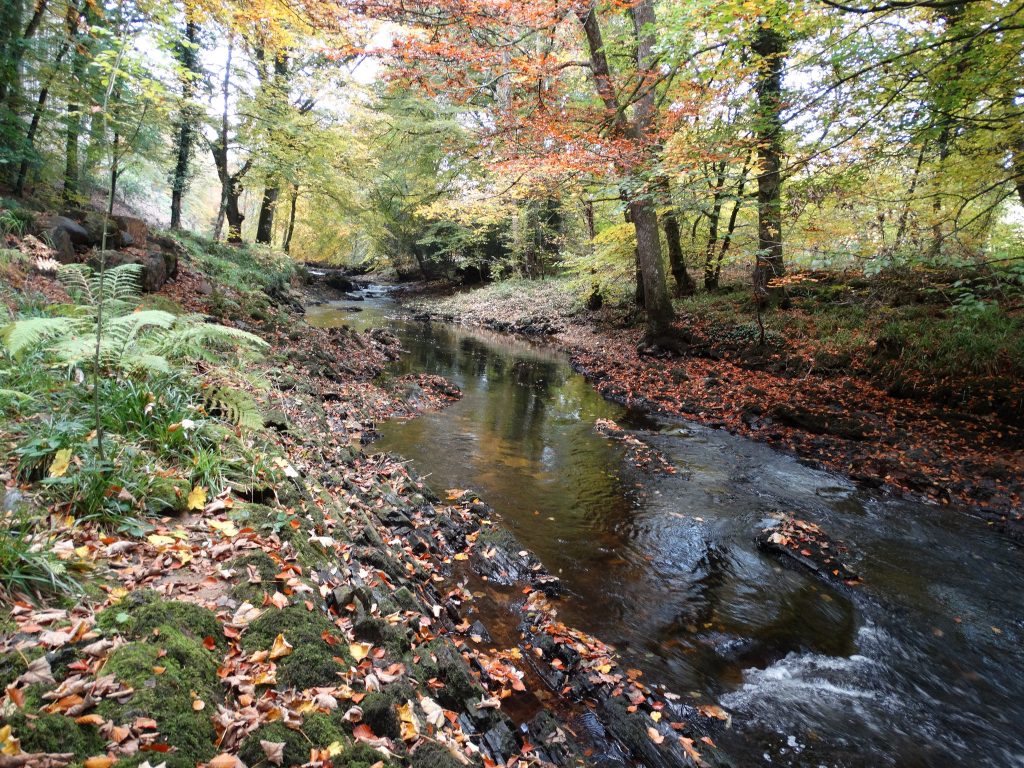
Stretch of the River Teign captured by Westcountry Rivers Trust via Flickr (CC BY 2.0).
“On Monday 6th July I took part in a Waterway Survey for Daubenton’s bat along a stretch of the River Teign in Devon. The survey is completed twice per year in conjunction with the Bat Conservation Trust and is part of an ongoing data collection programme for bat species around the UK. The lead for this particular survey was John Mitchell who has been surveying this particular length of the Teign, near Teigngrace, for a good number of years. It was my third survey there.
The survey was due to start 40 minutes after sunset, so we met at 9.00pm and made our way along the edge of a maize field to arrive at our first stopping point. This was to be a transect survey which meant walking a length of the river bank and stopping at ten predetermined points to record bat activity at each one. We stood at the river’s edge and immediately noticed that the river level was a lot lower than it was during our last visit a year or so ago. We recorded air temperature and cloud cover and, as we prepared, various species of bats could already be seen zooming around the trees and openings as they commenced another night of nocturnal foraging. The air was very warm, still and humid, and flying insects were everywhere including a host of moths and some less welcome biting species.
As the light faded it was time to start. With bat detectors switched on and earphones in place, we directed a torch beam on the river’s surface and awaited the arrival of the first Daubenton’s.
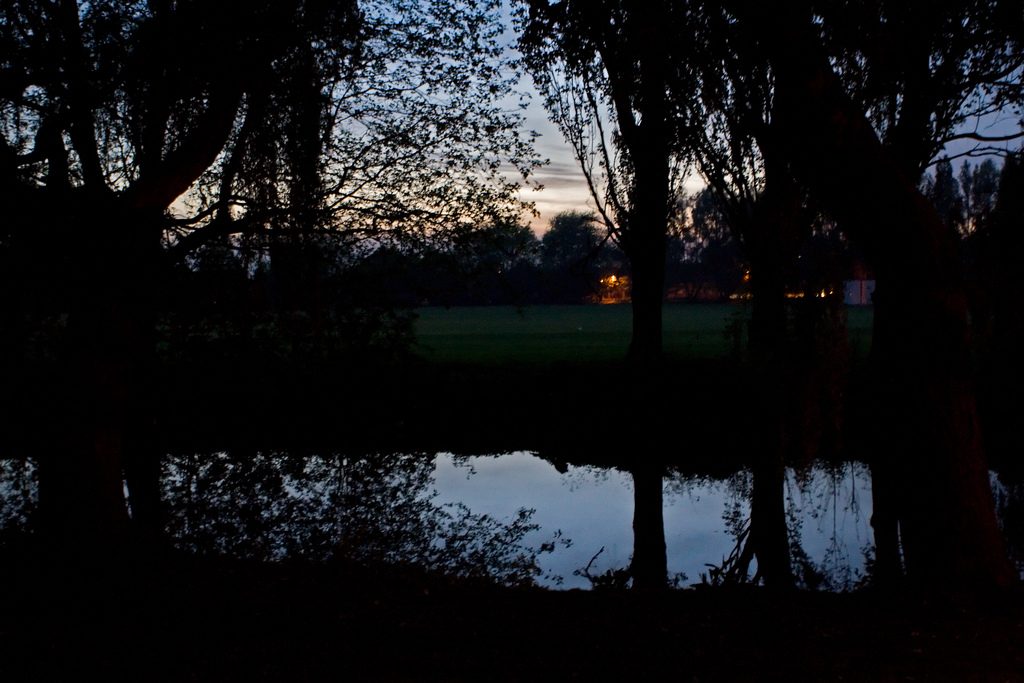
Looking for bats at twilight by Nic McPhee via Flickr (CC BY 2.0).
The Daubenton’s bat is a species which typically occupies riparian woodland. They often roost in trees along the river bank and hunt by skimming low over the surface of the water for insects. They can take prey from the water’s surface using their feet or tail membrane.
As bats skimmed through the torch beam we were able to count them. We counted the number of passes that we observed and for this a clicker counter is always useful! The bats that we heard but did not see were also recorded as additional information. I set my Magenta 5 at 50hz and listened whilst John relied on his trusty and more accomplished Bat Box Duet.
After four minutes on the stopwatch we finished counting, compared counts and wrote down results. At stop number 1 there were certainly bats present, but they were swooping around quite high above the water surface and not showing the typical behaviour of Daubenton’s – John was dubious that they were our target species so we recorded them only as potential sightings.
Using GPS devices and torches we left for Survey Point 2 further down the river bank and repeated the same process as before. At this location there was no denying that these WERE Daubenton’s bats, as the torch beam caught their pale almost white ventral fur, confirming their identity. Our detectors were full of noise too, including the typical intense zap as a bat homed in on prey.
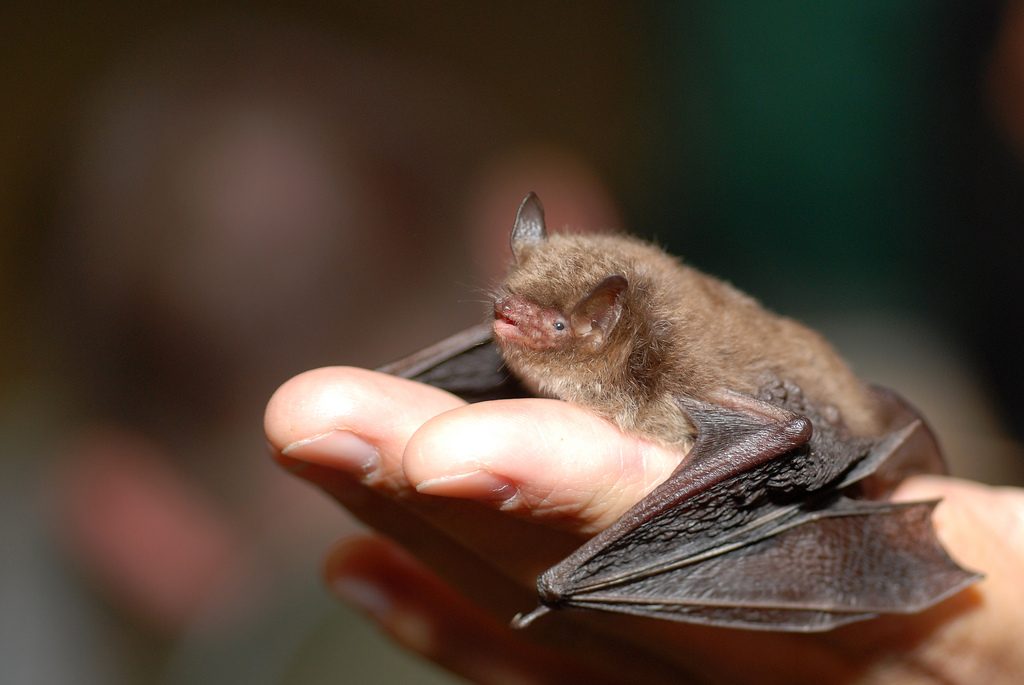
A close-up of a Daubenton’s bat. Image captured by Gilles San Martin via Flickr (CC BY 2.0).
On we progressed with eight more stopping points to go. Occasionally our river bank scrambles took us through thickets of invasive Himalayan balsam (Impatiensglandulifera) and Japanese knotweed (Fallopiajaponica)– a sobering reminder of how our countryside is changing. The night remained still and warm and it almost felt like we were in a different country.
After eight more stops my watch said 11:20pm. It was good to see that bats were in profusion that night, as John stated ‘It was one of the best ever totals, with one stopping point recording over 50 passes!‘.
Two weeks later and we repeated the process. But this second night felt noticeably cooler and there were fewer insects on the wing. Nevertheless bats were still out and about in reasonable numbers and an average score was calculated between the two Waterway surveys. Overall there were encouraging signs that the Daubenton’s bat continues to do well along this particular stretch of the Teign.”
To find out more information about the various bat detectors available, go to our website. To find out more about how you can help bats in your local area, have a look at our handy guide.
If you like the idea of taking part in Waterway Surveys (or other kinds of bat surveys) then contact the Bat Conservation Trust or have a look at their website here. It’s great fun and you can put your bat detector to important use!
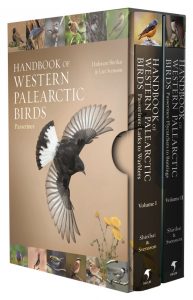
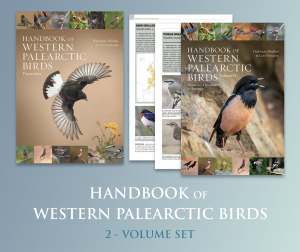
The much anticipated Handbook of Western Palearctic Birds: Passerines has been eighteen years in the making and after extensive research, exhaustive travel and years of dedication, it will finally be available at the end of July 2018. We were lucky enough to catch up with the authors Lars Svensson and Hadoram Shirihai to ask them some questions just weeks before the book is due to be published.
In this exclusive interview, Lars and Hadoram share their ambitions, endeavours and aspirations for this landmark publication.
Lars: Let us say that in my case only 15 of these 18 years were spent on the new handbook. I was involved in doing the second edition of the Collins Bird Guide and some other minor projects as well within the time span. But even so, 15 years is a long time for one single book project! Still, if you would ask around among authors behind more ambitious handbooks and group monographs I am sure most would agree that it takes longer than many anticipate to create reference books of this kind. For me, the first edition of the ringers’ guide took at least seven years to create and the Bird Guide about twelve (and then I did not have to paint a single plate; Killian and Dan did that work so excellently!).
The Handbook of Western Palearctic Birds (HWPB) focuses on identification, vocalisations, ageing and sexing, moult, geographical variation and taxonomy, with brief summaries of summer and winter ranges, whereas BWP covers also social pattern and behaviour, breeding biology, population size and food, all in a very detailed and scholarly fashion with local variations and references. You could say that HWPB is tailor-made for the ordinary birdwatcher and twitcher who wants an up-to-date summary of what is known about identification, ageing, sexing and taxonomy of each species. This does not say that it could not be useful also for museum workers and other professionals!
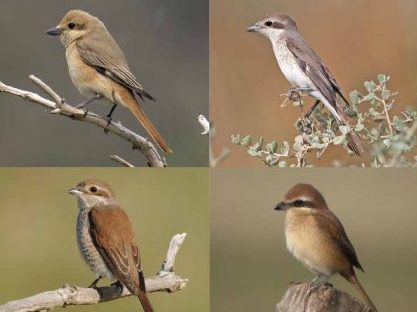
There are a few other important differences. We, Hadoram Shirihai and I, decided it was time for a handbook entirely illustrated with photographs. Camera standards had developed significantly in the 90s, and through the internet more and more brilliant bird photographs were shared. The potential was clearly there to portray all species within a large region with all plumages and geographical variation covered in photographs. Secondly, we thought it was a good opportunity to give brief summaries of the various subspecies that were deemed distinct enough to be upheld. Many subspecies in the contemporary handbooks and checklists we thought were extremely subtle or even impossible to separate from neighbouring subspecies, and we set off to independently check the validity of all subspecies in museum collections. Applying the so-called ‘75% rule’ (meaning that at least 3/4 of all individuals should be possible to distinguish based on morphology) we ended up discarding c. 15% of all subspecies as synonyms compared to other handbooks and major checklists.
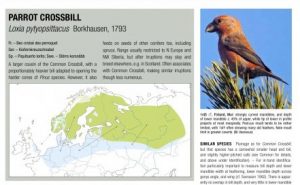
Hadoram: At least as I see it, BWP was made some 20-30 years ago when it was still possible to squeeze information into one project – on distribution, population estimates, atlas, ecology, seasonal biology, behaviour, voice, and so on, as well as identification and variation (but with generally only very basic illustrations, paintings) – and to be satisfied with it!
With so much new information on identification, vocalisations, ageing and sexing, moult, geographical variation and taxonomy (and in parallel the development of revolutionary digital photography), an updated modern handbook of these issues was needed.
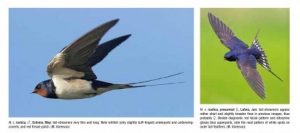
In order to illustrate these issues properly and fully, it required a lot of space, for 5-49 images per species (depending on extent of variation). Just for the Passerines it required two volumes, that includes c 5000 images, made by some 800 photographers! Surely it then becomes the most complete photographic handbook for any region.
What was the biggest challenge in accomplishing this benchmark work?
Lars: To assemble the many photographs (there are well over 4000 photographs together in the two passerine volumes) and to achieve full coverage of male and female, young and adult, sometimes also in both spring and autumn, plus examples of distinct subspecies, was of course a major challenge. Hadoram was in charge of this and did a great job, and we got good support from our publisher setting up a home page for the project where photographers could see what we still needed photographs of. Thanks to the prolonged production, many gaps (if not all!) were filled during our course.
But the biggest challenge was undoubtedly to manage our goal to independently examine all commonly described subspecies. This led us to visit about 15 different museums with for me sometimes biannual sessions both in Tring and New York (the two largest bird skin collections in the world) with visits also to Paris, Stockholm, Leiden, Berlin, Copenhagen, Moscow, Almaty and Bonn, to name some other places. Hadoram made targeted visits also to the museums in Vienna and Tel Aviv to seek answers to specific questions. Apart from the considerable expenses for these travels that we took on, the main difficulty was to find enough specimens of some rarer subspecies. Our aim was to examine at least 12 specimens of each sex of each named subspecies. We managed this for the vast majority, and sometimes examined series of each sex in three figure numbers, but for a very few we could not reach the minimum level. However, we did our best and we state sample sizes for all taxa in the handbook.
Hadoram: Lars described in his answers very well, the combined efforts with the museum collections work and building the photographic collections and selections for the project.
I may add that the biggest challenge and achievement of this handbook is that it provides to field users masses of new and updated information on variation that is now – 1. available, and – 2. more visible due to improved optics and digital photography. But at the same time, in a balanced approach and focus about what also observers can see and use. In other words, HWPB provides the observer with much new information that he can see and analyse while examining a bird in the field, or when processing their images back home.
You have worked in the field for many years, what would you highlight as the most profound change to the practice of identifying and recording birds? What will be the biggest challenge for ornithologists in years to come?
Lars: Digital photography and the existence of internet and websites for documentation and discussion of bird images are the main changes compared to when I started as a birdwatcher. This has speeded up the exchange of news and knowledge in a remarkable way. True, field-guides and birding journals keep offering better and better advice on tricky identification problems, and optical aids have developed to a much higher standard than say 50 years ago. But the new cameras with stabilised lenses and autofocus have meant a lot and have enabled so-called ‘ordinary’ birders to take excellent photographs. This has broadened the cadre of photographers and multiplied the production of top class images of previously rarely photographed species. Which of course made HWPB possible. The handbook is a wonderful testimony to the high standard of bird photography today, also beyond the ranks of so-called professional photographers.
The biggest challenge in years to come will be to identify the new species, which are nowadays nearly always the result of taxonomic decisions and splits of an existing species containing rather distinct geographical variation. Thus previous subspecies are elevated to full species, and by the very nature of it they are often look-alikes.
Linked to this is the problem of different species concepts when various authorities or published checklists are consulted. Although one universally adopted taxonomic list could seem desirable for facilitated communication and for consistent conservation efforts between countries, differences of opinion have always had the positive effect of generating more research and interest. So taxonomic agreement is recommendable up to a point.
What’s next for you?
Lars: I have planned for many years now to revise my ringers’ guide and produce a fifth edition of it. It is now taxonomically obsolete, but works quite well as to ageing and sexing if you asked me. Amazingly, this book has been alone on the market for over 40 years, and only got its first challenger the other year. After all, the first edition was published in 1970. Now a lot of the offered advice could be improved or refined, and I have started to spend time at the Ottenby Bird Observatory to sharpen up my eyes and knowledge again.
And of course there are the non-passerines for HWPB to do as well. I will not be a true retired man for many years to come yet! I am guaranteed an interesting and varied old age!
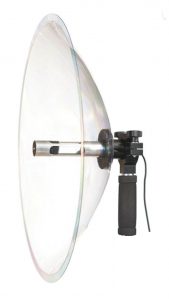
I also confess to holding a lifelong interest in bird vocalisation, and I do spend time with my Telinga parabolic microphone and recorder trying to obtain missing sounds, or to improve what I already have. A very relaxing way of birding for me, although I cannot help noticing how disturbance from anthropogenic noise is making good recordings harder and harder to achieve.
Then birds are not everything in my life (but much!). I am a keen Bordeaux wine admirer, and I still play some golf. In other words I am not idle. There is not a day in my life that is not full of activities.
Hadoram: Before I get too old…I am now focusing on completing two main projects for the same publisher:
The HWPB Non-Passerines: it will also come in two volumes, but this time around we are inviting a group of expert authors, with the idea to publish one volume every 3 or 4 years.
The Tubenoses Monograph: already more than 20 years in the making. By now I have seen at sea (and often also on land with live birds) all the taxa, including all species and subspecies of albatrosses, petrels, shearwaters and storm petrels of the world (and examined most of the largest collections too). So I am now writing it with my co-author Vincent Bretagnolle and Tim Worfolk (artist) who has already illustrated many of the plates.
Written by two of the world’s most respected ornithologists, this landmark handbook has been highly anticipated for many years and, as of publication, will be the most complete and comprehensive photographic guide to the passerines of the Western Palearctic.
At NHBS, all members of staff have the opportunity to partake in conservation volunteering days as part of the company’s philanthropic initiative to carry out nature conservation locally. As part of this initiative, I recently chose to volunteer at an event for a cause that is close to my heart nearby in Totnes.
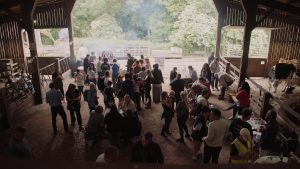
On Friday 8th June, I volunteered at a Farm and Wildlife Fayre run by Ambios, an organisation that provides education and volunteering opportunities in nature conservation in the UK and abroad. Set in the beautiful Sharpham Estate, with the river Dart and rolling hills surrounding the farm, it was the perfect setting to engage others in nature conservation. This place is special to me, as this is where my initial nature conservation training began before I joined NHBS in 2017. Below is a video of the Wildlife Fayre filmed by Ross Gill of Fresh Ground Films.
At the Wildlife Fayre I worked alongside conservation volunteers, knowledgeable experts in the field and the charity, United Response, who provide a range of support services for individuals with physical and learning difficulties. The aim of the event was to get a wider audience of people involved in nature conservation by allowing them to take part in accessible activities that help individuals to get up-close and personal with local wildlife. More than 200 children and young adults from special needs schools and colleges attended, in addition to young families from the local area.
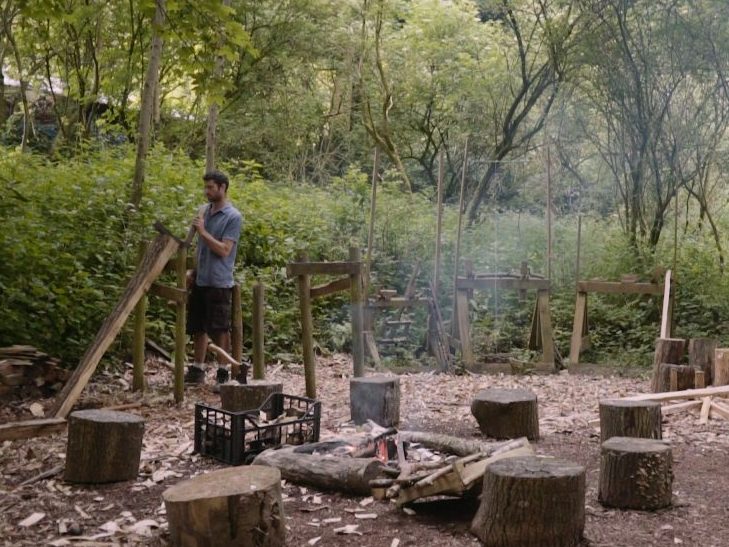
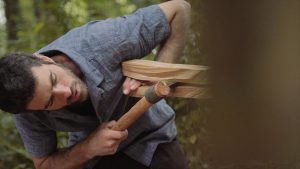
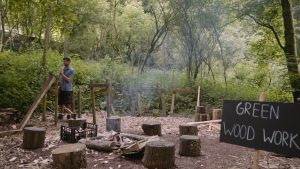
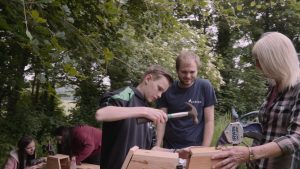
Engaging and educational activities drew in crowds, including bug hunts, bird box making, forest school sessions, green woodworking and plant identification. The air was filled with excitement as children and adults alike rushed around with their newly carved spatulas and bird boxes. Footsteps hurried as groups rushed between activities with freshly picked produce from the farm in their hands.
Photo by Ross Gill of Fresh Ground FilmsPhoto by Ross Gill of Fresh Ground Films
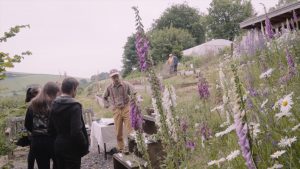
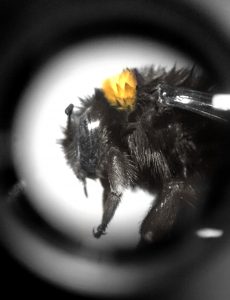
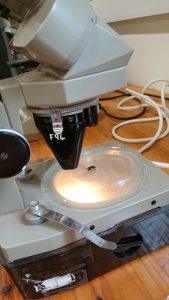
The farm office was transformed into a wildlife information hub, which hosted an array of interesting finds. Through microscopes you were transported into another world where you could view bumblebees and Garden Chafer Beetles at close range.
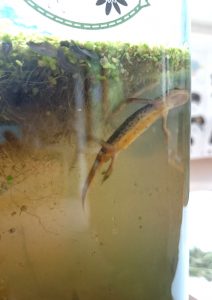
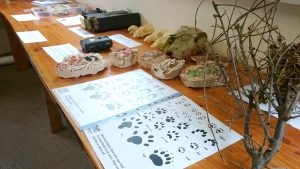
Tanks held Palmate Newts hiding amongst curtains of pond weed and field guides lay next to plaster-cast footprints of creatures who had visited the farm. In one corner, a table was covered with flora found locally for anyone wishing to test their plant identification skills. In another, an array of uncommonly seen finds were lined up including the skulls of animals and tightly woven dormouse nests.
Something that really drew me in were the screens in the wildlife information hub which displayed stories of the wild residents of Sharpham, including nest box inhabitants and various small mammals. You could watch a timeline of Blue Tits building their nest and sitting on eggs. Later you saw the chicks being fed, strengthening their wings and finally fledging!
My responsibilities whilst volunteering at the event revolved around providing support and an extra pair of hands. I helped groups to move between activities and demonstrated how to use tools and equipment such as nets and pooters. At NHBS I work as a Wildlife Equipment Specialist, so it was great to be able to show others first-hand how to use the equipment that we have access to every day. It was lovely to see how excited the children got about using the equipment to get closer to nature.
Photo by Ross Gill of Fresh Ground Films
The Farm and Wildlife Fayre was a fantastic success! The event proved to be a brilliant way of captivating young minds and introducing them to the natural world. By partaking in accessible activities, each person felt confident enough to try something new and learnt a great deal along the way.
Photo by Ross Gill of Fresh Ground Films
Ambios Director and Farm Manager said,
“Our farm and wildlife fayre was a huge success – we are delighted! We had nearly 200 people over the day, from all walks of life experiencing what we do at lower sharpham farm, and getting up close and personal with wildlife as well as getting to know our farm animals. Our farming practice aims to prioritise wildlife, and we are delighted to share our work and our story with a wide audience. Our next event will be a barn dance in the late summer, so watch this space!”
Photo by Ross Gill of Fresh Ground Films
It was great to be involved and I love to think that if this event has inspired just one person to appreciate and protect nature a little further, then it was all worth it!
Stay tuned for more volunteer event posts from my colleagues at NHBS as they embark on their own conservation volunteering days.
To find out more about NHBS’s approach to philanthropic work, please follow this link. For more information about the work that Ambios does, please follow this link.
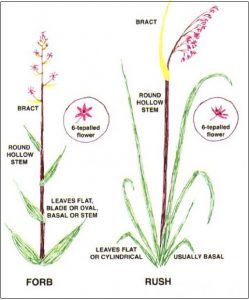
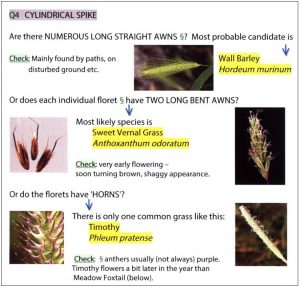
Faith AnsteyPocket Guide to Wildflower FamiliesStart to Identify Grasses
Faith has coined the word ‘kleidophobia’ to mean ‘a fear of keys’, and it surely applies to many enthusiasts who would like to become more proficient at identifying plants, but are put off by the complexity of the customary botanical system of keys. So she has developed new ways of approaching ID that keep those daunting keys to a minimum.
To mark her new book and to encourage more people to discover the botanical wonders around them, we asked Faith a few questions about her writing and her life-long passion for botany.
What makes your books different from the usual field guides?
My books are not field guides at all. A field guide gives you a list of plant names, with pictures and descriptions, sometimes with a brief introduction. My books are all introduction: to field botany in general, to plant families and to grasses (maybe sedges and rushes next year . . .). A beginner armed only with a field guide has either to work their way from scratch through complicated keys, or to play snap: plant in one hand, book in the other; turn the pages until you find a picture that matches – ‘snap!’ By contrast, my books lead you into plant identification by logical routes, showing you where to look and what to look for. Their aim is to show you how to do ID for yourself.
What field guides would you recommend to use with your own guides?
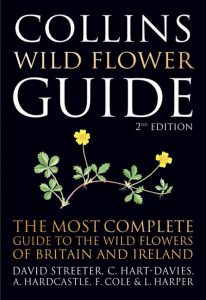
Collins Wild Flower Guide
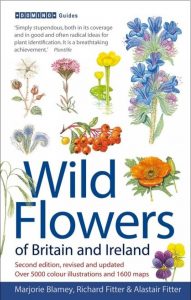
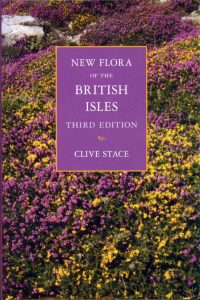
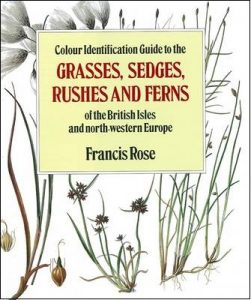
My personal favourite for beginners and improvers is the Collins Wildflower Guide (2016). This covers the whole range of wild plants including grasses, sedges and so on. It has keys that are well-organised and relatively easy to follow, and the ‘pics and scrips’ are accurate and helpful. Of course, Stace (3rd edition) is the botanists’ bible but it is rather daunting for beginners. I am also a great fan of Marjorie Blamey’s paintings in, for example, Wild Flowers of Britain & Ireland. For more detailed help with grasses & co, Francis Rose’s Colour Identification Guide has excellent keys and illustrations, suitable for most levels of experience.
What would be your best advice to anybody wishing to take their first steps towards identifying plants?
If you possibly can, go on a workshop for a day, a weekend or even a whole week. Having a real live person giving enthusiastic teaching, someone to answer all your questions and fresh plants to study is the best thing you can do. Look for a local botany or natural history group you can join, and go on their field meetings. When you get even a little more serious about your study, join Plantlife and/or the Botanical Society of Britain & Ireland. Identiplant is a very good online course but it is not really suitable for absolute beginners. Be a bit careful with apps and websites: some are incredibly complex, some seem to be aimed at five-year-olds, others are just inaccurate and misleading. The best ID websites I am aware of are run by the BSBI, the Natural History Museum and The Open University.
What are the easiest mistakes a beginner can make when trying to identify plants?
The most common mistake is to look only at the ‘flower’ – the showy bit with colourful petals – to try and identify it. To really pin it down, you need to study the whole plant: how the flowers are arranged, characteristics of the leaves and stem, how and where the plant is growing, and even what time of year it is. So long as there is plenty, please don’t be afraid to pick some to take home and study. The general rule on public land is: if there are 20 of the plant in question you can pick one, if 40, two and so on. Try to take the complete plant from ground level up – but don’t uproot it: that’s how the Victorians brought so many species to their knees. Photographs can be a big help, but remember to take several: whole plant, close-up of the flower, details of a leaf and so on.
What is the main threat to the diversity of wild flowers and grasses and what can be done to mitigate any decline?
The main threat is not people picking a few to study, or even simply to enjoy at home. Climate change is, of course, a threat in one sense, but I believe we shouldn’t necessarily dread the rise of ‘aliens’ from warmer climates which are now able to establish themselves here. Every plant in Britain was once an alien, after the last Ice Age ended, and I would rather learn to live with change than blindly try to turn the clock back. There may be a few exceptions like Japanese Knotweed, but their evils are often exaggerated and some natives like bracken can be equally invasive. The real problem we face is habitat loss: to house-building and industry, land drainage, vast monocultural fields without headlands, destruction of ancient forests and so on. And this is an area where watchfulness and action really can make a difference.
Have you ever had any bad or unusual experiences while out identifying plants?
Well, I nearly drowned once. I was botanising on my own in Glen Lyon, beside the rushing ‘white water’ of the River Lyon. There were plenty of large rocks above the water level that I thought I could use as stepping stones across the river. But I lost my footing on a slippery rock and was instantly immersed in the icy torrent. Luckily I was obeying the three-holds rule and my two hands were still clinging firmly to rocks. I quickly realised that, with heavy boots on, if I didn’t get up on a rock fairly soon I was likely to be swept to my doom. No good screaming either: the roar of the water would make that a fruitless exercise. Twice I heaved on my arms and failed to get clear of the water, but on the third try I managed to haul myself out and eventually get back to the bank. The first thing I examined was the sodden notebook in my waterlogged pocket, but my botanical notes were still legible, so it was a happy ending!
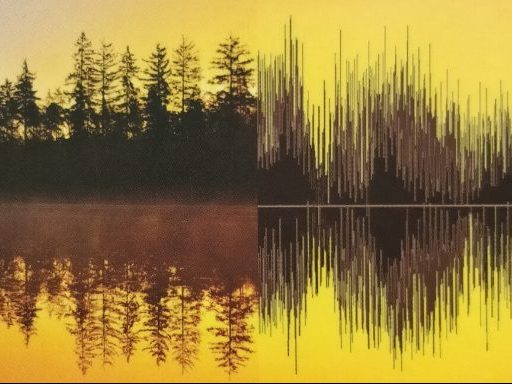
Image from Wild Soundscapes: Discovering the Voice of the Natural World
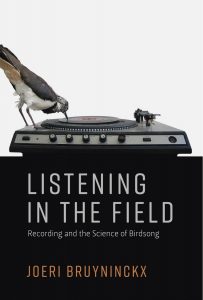
NHBS equipment team member Johnny Mitchell, developed a keen interest in sound design and field recording whilst studying contemporary music. He continues to be fascinated by the technical challenges of field recording and its use for ecologists. With the recent publication of Joeri Bruyninckx’s Listening In The Field, interest around this subject continues to grow, so Johnny has provided some thoughts about the art of wildlife sound recording along with some excellent book recommendations.
‘In its broadest sense, field recording is the act of capturing sound outside of a traditional recording studio environment.
We live, it seems, in a culture that values vision and image above all other senses. In our increasingly noisy society, and as the cacophony of human-induced noise increases around us, it can be easy to forget the value of simply listening as a way to engage with the natural world.
One of the most evocative and earliest examples of field recording can be can found in the BBC recordings of Cellist Beatrice Harrison who, whilst playing in the garden at her home in Oxted, Surrey, noticed that the nightingales in the woods around her responded to, and even echoed, the notes of her cello. Broadcast just two years after the Birth of BBC radio in the early 1920’s, it was the first time that wildlife had been broadcast over live radio in the UK, and it proved to be so popular that the recordings were repeated every spring for the following 12 years.
Advances in high-quality, portable audio equipment have led to a fascinating cross-pollination between artists, musicians and scientists. In his new book, Listening in the Field, Joeri Bruyninckx traces the development of field recording and its use in field ornithology. Drawing on expertise from experimental music to serious science, it provides a thorough and wide-ranging investigation into the power of sound and listening.
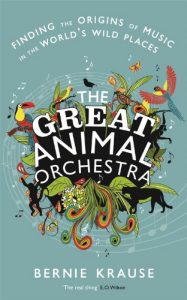
In The Great Animal Orchestra, Krause, a former musician/composer and now leading expert in soundscape ecology, details his experiences in over 40 years of collecting wild soundscapes and explores what these can tell us about the health of various biomes.
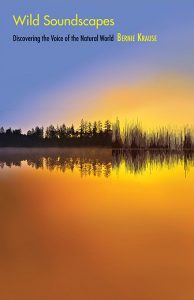
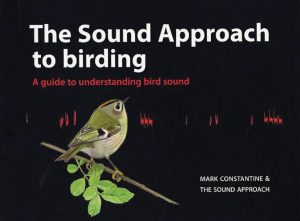
Wild Soundscapes offers the reader both a philosophical guide and practical handbook- it is a highly readable and invaluable guide into the many techniques and different types of audio equipment available to anyone making their first forays into the field.
Krause encourages us to take a widescreen view of the soundscape as a whole rather than focusing on single species. Whilst listening to his recorded sounds and visualising them using spectograms, Krause also developed his ‘niche hypothesis’ – discovering that many creatures have developed temporal and frequency niches in which to communicate. What we would perceive as a chaotic web of sound is, he argues, highly ordered, and organisms in a soundscape structure their vocalisations over both frequency and time.
Tragically, over half of the soundscapes in Krause’s archive have either been dramatically altered by human activity or silenced altogether. However, as interest and technology advance it is fair to say that we are coming to understand and value the natural soundscape around us and our effect upon it’.
Field Recording Equipment
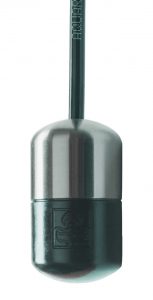
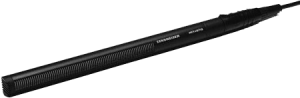
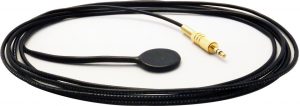
At NHBS you will find a great range of microphones, recorders and accessories for field recording.
Browse our range of wildlife audio CDs and listen to the sounds of the Amazon, the pure voice of the nightingale or the frog calls of Madagascar. Find the full list here.
Enjoy being in the field, there really is plenty to listen to.
Please note that prices stated in this blog post are correct at the time of publishing and are subject to change at any time.
The Field Studies Council (FSC) is the NHBS Publisher of the Month for June.
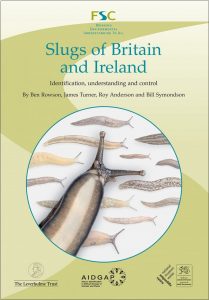
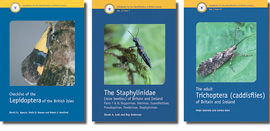
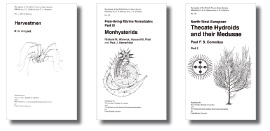
The FSC publish six diverse, thoroughly researched and constantly expanding series, all of which are geared towards helping naturalists identify and monitor the plants and animals they are interested in.
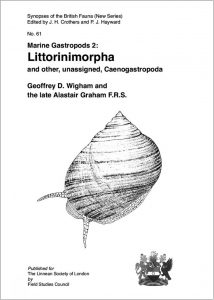
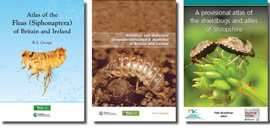
Synopses of the British FaunaFold-Out Identification ChartsBRC Atlases
Fold-Out Identification Charts
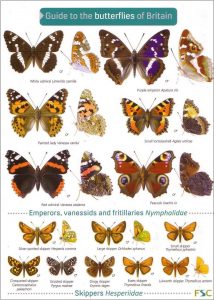
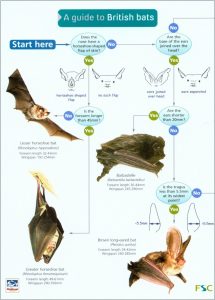
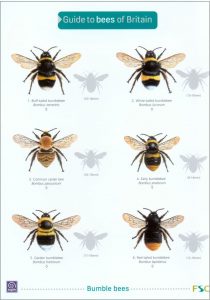
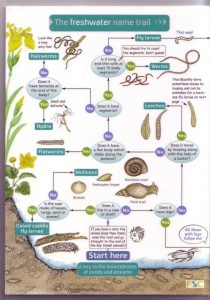
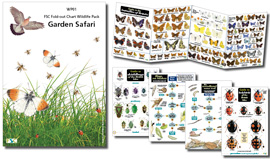
The FSC’s range of compact identification charts are designed to assist nature enthusiasts with identifying and naming the fauna and flora they find. The first fold-out identification chart, The Woodland Name Trail was produced in 1994 and, since then, these guides have become the FSC’s best-selling publications.
What makes FSC’s Fold-Out Identification charts stand out are the beautiful and accurate illustrations. Many are illustrated by some of the world’s finest wildlife artists including Richard Lewington, Lizzie Harper, Chris Shields and Mike Langman.
The top five FSC guides at NHBS are:
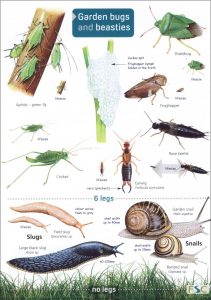
Guide to British BatsButterflies of BritainGuide to Bees of BritainFreshwater Name TrailGarden Bugs and Beasties
In 2018, the FSC has added three new fold-out identification charts to their extensive selection:
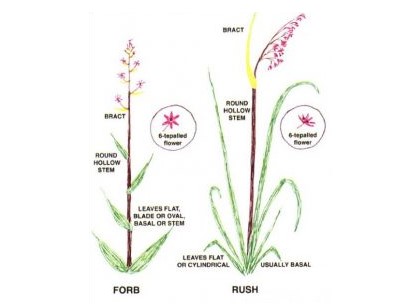
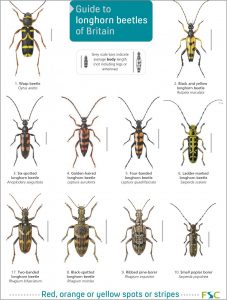
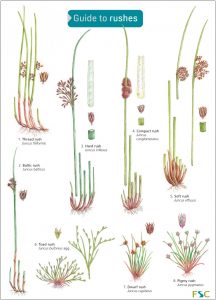
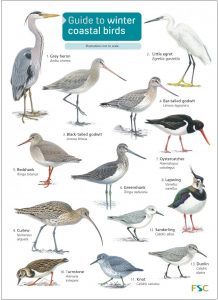
Longhorn Beetles of BritainGuide to RushesWinter Coastal Birds
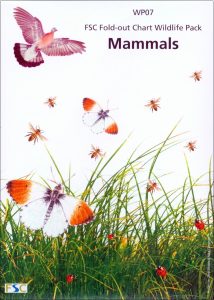
More recently, the FSC have gathered together some of their most popular fold-out charts into Wildlife Packs. Each pack consists of three or more related charts, together with a card-sized magnifier.
AIDGAP guides
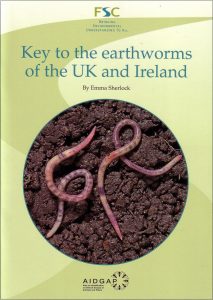
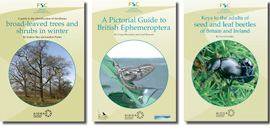
In 1976 The ‘AIDGAP’ (Aids to Identification in Difficult Groups of Animals and Plants) project was started, with the aim of producing user-friendly and reliable field guides which would make identification achievable for those with little taxonomic training.
RES Handbooks for the Identification of British Insects
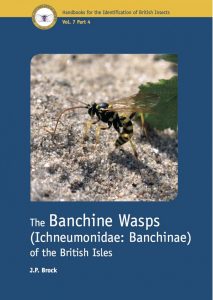
In 2004 FSC started working with the Royal Entomological Society to publish their Handbook series. The aim of these handbooks is to provide illustrated identification keys to the insects of Britain, together with concise morphological, biological and distributional information. These comprehensive books are primarily aimed at experienced users.
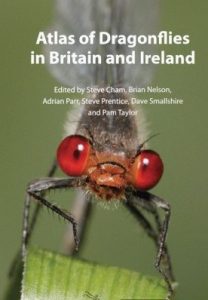
The FSC also publishes Atlases on behalf of the Biological Records Centre (part of the Centre for Ecology and Hydrology). Suitable for more experienced users, these Atlases map the distribution of records within Great Britain and Ireland for named groups of animals.
New FSC publications to look out for in 2018 include:
Two new RES Handbooks – Ichneumonid Wasps. and Beetle larvae. Also expected soon is a Water Beetle Atlas for the BRC.
Fold-Out Charts – A new chart covering Invasive Plants is in the early stages of production, whilst the Butterflies Chart is currently being updated to include the Large Blue, Long Tailed Blue, Wood White and the Cryptic Wood White. A second edition of The Caterpillar Chart is also being considered, along with a Field Signs Guide.
The Field Study Council (FSC) is an environmental education charity providing informative and enjoyable opportunities for people of all ages and abilities to discover, explore, and understand the environment.
Their Mission is to bring environmental understanding to all, and their Vision is inspiring environmental understanding through first-hand experience.
*We have no detailed information regarding titles that are ‘in preparation,’ however, you can place a pre-publication order by contacting customer.services@nhbs.com
Please note that pricing in this blog post is correct at the time of publishing (June 2018) and is subject to change at any time.
NatureBureau are the NHBS Publisher of the Month for May.
Publishing under the imprint of Pisces Publications, they are renowned for beautifully designed, internationally important handbooks and atlases as well as highly localised UK field guides.
Find out more about NatureBureau’s distinguished list of past publications, as well as their upcoming books in this post.
High Standards in Design
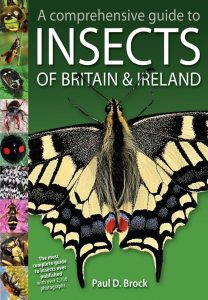
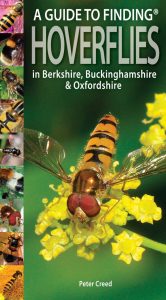
NatureBureau’s creative director, Peter Creed; a keen amateur naturalist and photographer with a background in art, was disappointed with the design of many wildlife books and set about creating a new standard in wildlife publishing. The ground-breaking A Comprehensive Guide to Insects of Britain & Ireland (2014) bore witness to Peter’s endeavours and set a new benchmark in style and content.
As well as exceptional production standards, NatureBureau’s well researched and informative content keeps them in high regard with natural history and wildlife enthusiasts, and their books have become treasured and well-used additions to many libraries.
Local, National and International Guides
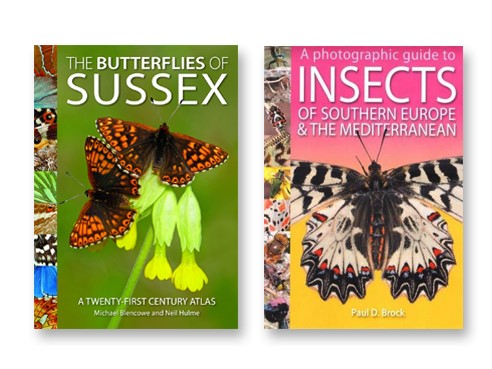
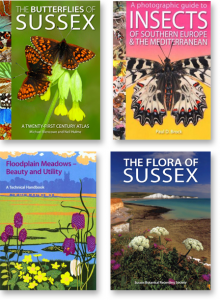
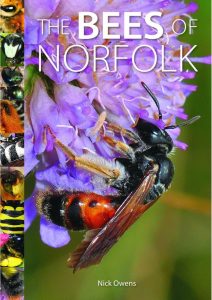
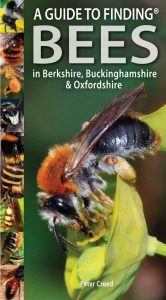
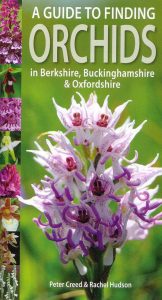
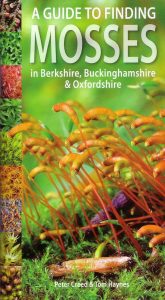
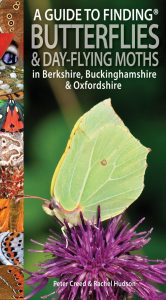
Working with authors who are passionate about the flora and fauna of their own county, NatureBureau have produced a range of local interest hardbacks, all illustrated with beautiful photography. In 2017 they published both The Butterflies of Sussex and The Bees of Norfolk, followed in 2018 by The Flora of Sussex.
*We have no detailed information regarding titles that are ‘in preparation,’ however, you can place a pre-publication order by contacting customer.services@nhbs.com
NatureBureau also offer ecology services alongside a unique graphic design and print management department for nature-related publications. Their clients range from local wildlife trusts to international NGOs.
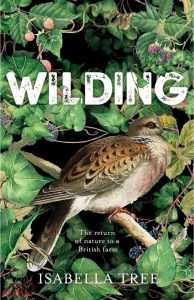
British Wildlife editor Guy Freeman has sketched out the framework in which this debate takes place, and we have picked out some key books on this exciting new approach to nature conservation.
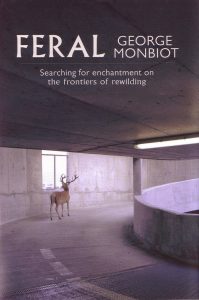
Rewilding – the process of returning land to nature – is rapidly gaining momentum. The concept itself is fairly simple, but its delivery is complicated by the question: ‘what exactly are we hoping to achieve?’ There is general agreement that rewilded landscapes should replicate those which existed before major human interference (i.e. prior to the development of farming during the Neolithic, around 6,000 years ago), but the significant point of contention comes when trying to establish what those landscapes looked like. The accepted view has long been that Britain became covered in a blanket of dense woodland – the ‘wildwood’ – as trees recolonised after the last glacial period.
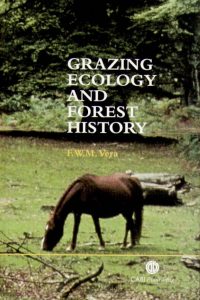
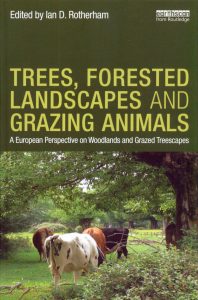
This has been questioned however, and other theories have emerged, including one compelling alternative proposed by ecologist Frans Vera. Based on observations at the Oostvaardersplassen, a nature reserve in the Netherlands, Vera suggested that grazing animals would have dictated the distribution of different vegetation types and maintained a landscape that was far more open than previously thought.
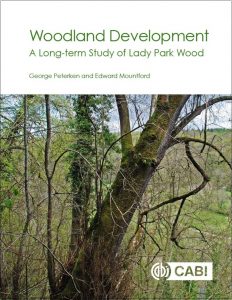
This ongoing debate has important implications for rewilding and, in particular, the role that grazing animals should play. Based on the ‘wildwood’ or ‘closed-canopy hypothesis’, rewilding need entail little more than just leaving land untouched – Lady Park Wood, in Monmouthshire, provides a fascinating insight into how woodland develops without human intervention. Under Vera’s hypothesis, however, grazing animals need to be at the heart of the process – the Knepp Estate, in Sussex, is an impressive example of how nature responds when such an approach is taken.
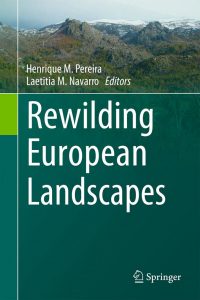
Understanding historic vegetation patterns is important, and our knowledge is improving as analytical techniques develop and new strands of evidence are revealed. In reality, however, we will probably never know exactly what Early Holocene Britain was like, and we should not let the debate distract from the task at hand – in the many degraded parts of our landscape, any form of rewilding will be good news for nature.
Guy Freeman is the editor of British WildlifeThe Magazine for the Modern Naturalist
Further Reading
We have selected some further reading around the subject of Rewilding. We suggest our top five below and you can click on the link to view our complete selection.
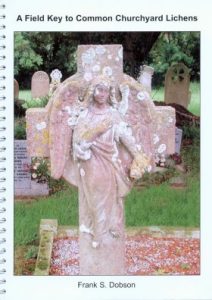
Earth to Earth: A Natural History of Churchyards, an interview with Stefan Buczacki
The unique features of churchyards mean that they offer a valuable niche for many species. Enclosed churchyard in particular provide a time-capsule and a window into the components of an ancient British landscape. Well known botanist, mycologist and broadcaster Stefan Buczacki has written a passionate call-to-arms for the future conservation of this important and vital habitat.
Stefan has answered a few questions regarding the natural history of churchyards and what we can do to conserve them.
You refer to a Modern Canon Law, derived from an older law of 1603 that all churchyards should be ‘duly fenced.’ How important was that law in creating the churchyards we’ve inherited?
Hugely important because although some churchyards had been enclosed from earlier times, the Canon Law making it essential was what kept churchyards isolated/insulated from changes in the surrounding countryside.
I was fascinated by the ‘ancient countryside’ lying to the east and west of a broad swathe from The Humber, then south to The Wash and on to The New Forest: could you expand on that division you describe?
The division into Planned and Ancient Countryside has been known and written about since at least the sixteenth century but the geographical limits I mentioned really date from the area where the Enclosure Acts of the eighteenth and nineteenth centuries were so important. The more formal Planned Countryside landscape has been described as having been ‘laid out hurriedly in a drawing office at the enclosure of each parish’ whereas the fields of Ancient Countryside have ‘the irregularity resulting from centuries of ‘do it yourself’ enclosure and piecemeal alteration’.
If cemeteries, particularly enclosed cemeteries offer a ‘time capsule’ are there any current development or initiatives you can think of that future generations will consider as a similar natural heritage?
A difficult one but I suppose the closest might be SSSIs and comparable wild life reserves. National Parks might be thought candidates, but they are too large and too closely managed.
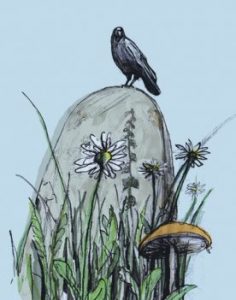
Managing a cemetery in a way that keeps everyone happy seems an impossible job. Last August I was photographing a meadow that had sprung up at a cemetery, when another photographer mentioned how disgusting it was. I was slightly bemused until the man explained he was a town councillor and was disgusted that the cemetery was unmaintained – “an insult to the dead” was how he described it – I thought it looked fantastic! whatever your opinion, how can we achieve common-ground between such diametrically opposed views?
Only by gentle education and by informed churchyard support groups giving guidance and instruction to the wider community. The other side of the coin to that you describe – and equally damaging – is where a churchyard support group itself believes that by creating a neat and tidy herbaceous border in their churchyard to attract butterflies they are doing something worthwhile! A little learning is a dangerous thing.
A whole chapter is devoted to the yew tree; such a familiar sight in so many churchyards. There are many theories as to why yews were so often planted within churchyards. From all the theories in your book, which one do you think has the most credence?
That Christianity inherited and then mimicked pre-Christian/Pagan activity without knowing – as we still do not – what its original significance might have been. There is so little documentary evidence from pre-Christian times.
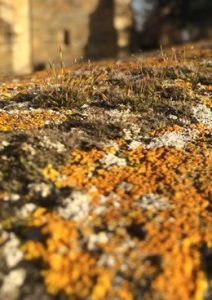
All the significant flora and fauna of churchyards their own chapters or sections; from fungi, lichen and plants, to birds, reptiles, amphibians and mammals? Which class, order or even species do you think has the closest association with churchyards and therefore the most to gain or lose from churchyard’s future conservation status?
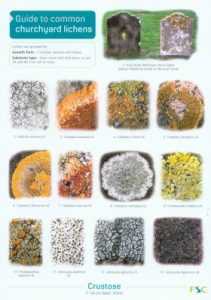
Without question lichens; because there are just so many species largely or even wholly dependant on the churchyard environment – the gravestones and church buildings.
With church attendance declining and the future of churchyard maintenance an increasingly secular concern; could you give a brief first-steps outline as to how an individual or a group might set about conserving and even improving the natural history of their local churchyard?
Without doubt, the first step should be to conduct a survey of what is there already; and be aware this is not a task for well-intentioned parishioners unless they have some specialist knowledge. The County Wildlife Trusts would be my first port of call as they will have all the necessary specialist contacts. Then it will be a matter – with the specialist guidance – of developing a conservation management plan.
If someone, or a group become custodians of a churchyard what five key actions or augmentations would you most recommend and what two actions would you recommend against?
Discuss the project with your vicar/priest/diocese to explain your goals and obtain their support. Show them my book!
By whatever means are available [parish magazine, website, email…] contact the parish community at large to explain that you hope [do not be too dogmatic or prescriptive at this stage] to take the churchyard ‘in hand’ and ask for volunteers – but do not allow well-meaning mavericks to launch out on their own. And continue to keep people informed.
See my answer to Question 7 – and undertake a survey.
As some people will be keen to do something positive straightaway, use manual/physical [not chemical methods] to set about removing ivy that is enveloping gravestones and any but very large trees. It should be left on boundary walls and to some degree on large old trees – provided it has not completely taken over the crown – but nowhere else.
Use a rotary mower set fairly high to cut the grass; again until the management plan is developed.
Set up properly constructed compost bins for all organic debris – and I mean bins, not piles of rubbish.
Do not plant anything either native or alien unless under proper guidance – least of all do not scatter packets of wild flower seed. You could be introducing genetic contamination of fragile ancient populations.
Stop using any chemicals – fertiliser or pesticide – in the churchyard; at least until the management plan has been developed.
We currently have a limited number of signed copies available!
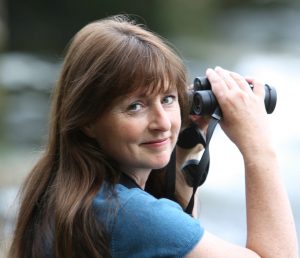
Author photograph by Richard Austin
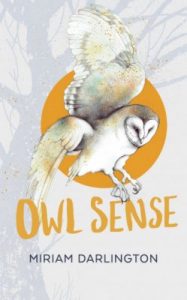
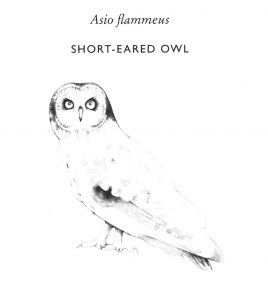
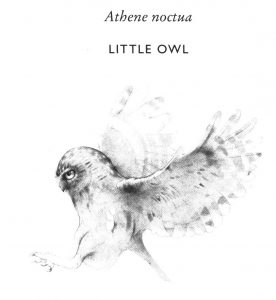
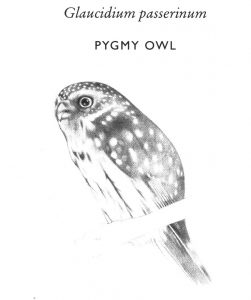
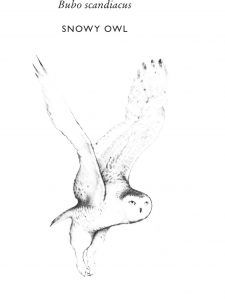
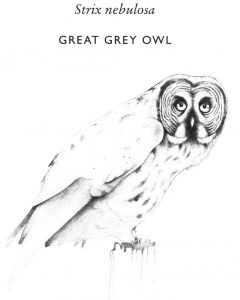
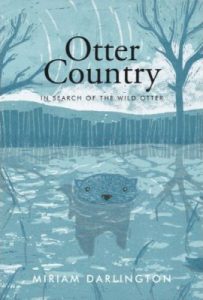
For most of her life, Miriam Darlington has obsessively tracked and studied wildlife. Qualified in modern languages, nature writing and field ecology, she is a Nature Notebook columnist at The Times. Her first book, Otter Country was published in 2012 and her latest book, Owl Sense was recently Book Of Week on BBC Radio 4.
We recently chatted to Miriam concerning her quest for wild encounters with UK and European owls.
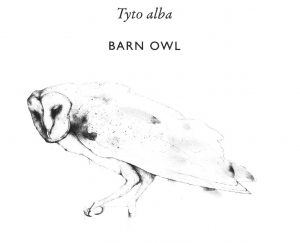
It seems the main threat to barn owl numbers is the way our landscape has changed regarding commercial development and farming methods. What do you think is the single most important action regarding land management that could halt their decline and get their numbers growing sustainably?
It is all about protecting the owls’ habitat. As field vole and small mammal specialists the owls need rough grassland, where the small mammals live. The rough grassland needs to be protected, and wide enough strips around the field margins maintained and left so that a deep, soft litter layer of dead grasses can build up. This litter layer is essential for voles to tunnel through; this is what they need to survive, so it is all about helping farmers to be aware of this and funding them to manage this type of wildlife-friendly grasslands. Nesting sites are also vital; as mature trees are not replaced, and barns are unsympathetically converted, the owls will have no roosts and no nesting sites. Barn Owls need specialised, sheltered nest boxes in farm buildings. If they can feed, they can breed, and if they can breed they will continue to grace our countryside.
The volunteer work you undertook with The Barn Owl Trust was very interesting, but seemed quite intrusive to these reclusive, easily alarmed birds. What can you say to assuage my concerns?
The Barn Owl site surveys that I observed and described may seem like an intrusion, but it was a vital part of the BOT’s conservation work and always carried out with the utmost care. I would describe it as a necessary intrusion, as it was part of a 10-yearly survey, an information gathering exercise altogether essential for our knowledge of how many owls are breeding in Devon and the South West. The status and numbers of occupied sites were ascertained, and farmers, landowners and general public could be advised accordingly; nest boxes were repaired or replaced, risks assessed and owners given invaluable conservation advice. I described an incident in the book where an owl flew out of the barn we were surveying, demonstrating that owls are very sensitive, the utmost care is always taken, and the laws around the protection of owls are very strict. We were working in warm, dry conditions and no harm came to the owls. The Barn Owl Trust work under licence from Natural England, knowing that if any owl is inadvertently disturbed, they will usually quickly return to their roost. However, with the risks in mind, the greatest care and respect as well as a strict protocol was always followed when surveying sites . We had to work quietly and quickly, counting, ringing and weighing young as rapidly as possible with no time wasted. Adult owls often roost away from the nest due to it being full of pestering young, so they were usually unaffected by our visit. In other cases, the adult owl(s) looked but stayed put as they were well hidden. In some cases, for instance busy working farm barns, the owls are used to all sorts of noise, machinery and disruption, and were completely habituated, and not disturbed at all. Most of the time the adult owls I saw were vigilant, rather than stressed. The young have no idea what is happening and become biddable when approached. All-in-all, the value of the data we gathered would far outweigh any small intrusions. But the general public should be aware that it is illegal to recklessly enter a nesting site without a licence, especially with the knowledge that owls are breeding there.
Historically, owls were viewed as harbingers of doom. This seems to have been replaced by the commercial ‘cutifying’ of owls. Can this still be considered a sort-of reverence – is this the best regard wild animals can now expect?
No, I feel we need more than that; we need to respect their wildness, not their cuteness. Humans need to remember to keep our distance; the owls are not there for our enjoyment after all, but as a vital part of a healthy ecosystem. It helps to attract our attention that they are beautiful and charismatic, and it can be thrilling to catch sight of one, but I don’t feel that simply seeing them as cute is any help at all. We need a deeper respect for them than that. We need to care for, respect and understand their needs, but I think reverence is probably too much to ask! I would say sympathy is important, and that should be taught/encouraged in schools.
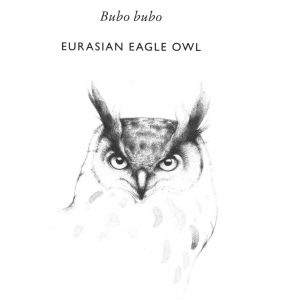
I found the descriptions of Eagle Owls foraging around waste dumps quite disconcerting. Away from their natural environment, sustaining themselves on human waste seems a sad fate for any animal, let alone a magnificent eagle owl. Am I being overly sentimental and unrealistic?
Yes, it’s easy to see only ugliness there, and it seems like a shame, yes perhaps it is disconcerting, but it shows these creatures are adaptable. It is not desperation, it is opportunistic…and they were feeding on rats, not human waste, so it was probably win-win.
Staying with human and wild animal interactions, you mention recent new builds and the impact they can have. As the rate of new builds is unlikely to decline, do you think developers could do more to take wildlife into account and, if so, what would these measures look like and how would they be enforced?
I believe developers are legally obliged now, and have been for some years, by local authorities, to survey for wildlife and to mitigate for any wildlife found to be breeding there. I visited a site on the edge of my town recently where some of the houses had bat boxes and swift boxes. It is legally enforced already, but many people may be unaware of this.
Captive owls are increasingly popular, and you wrote a reflective passage concerning a little owl called Murray. Even naming a wild animal is anathema to many conservationists. However, your initial concern about a captive owl seemed to diminish as you saw the effect it had on the audience. Do you think displaying captive birds can help conservation efforts?
It is very complex. I don’t think keeping and displaying captive wild animals is the best idea, ultimately. Humans have been domesticating animals for millennia however and it is interesting to look at the long view. Although I am very uncomfortable with keeping wild animals as pets, I have witnessed two things: 1. That when they are kept properly by experienced professionals, they do not seem to suffer and can lead long and relatively safe and healthy lives; and 2. that they can have benefits; increased sympathy and understanding for the species, aspirational opportunities for marginalised people, help for suffering or socially isolated people. I’m not a scientist however. I don’t feel qualified to make the final decision on this. It’s easy to pontificate about the morality of it all, and to see the risks, but not so easy to untangle the costs to the animal and the benefits, economic, emotional and otherwise to some humans. In the end, when we wanted an animal for my family, we got a domestic dog, not an owl. I think that’s the best one could wish for, in the circumstances.
In your previous book Otter Country you describe the places you are in with as much awe as the animal you are hoping to see – the same with Owl Sense. Is it the wild place or its occupiers that move us? Even the government’s recent 25 Year Environment Plan alludes to the mental and physical health benefits natural spaces can provide; do you think conservation efforts would be better focused on wild places for their own sake or concentrate on the fauna and flora that inhabits them?
You can’t separate the two. The habitat comes first, but any expert will tell you that the animals are inseparable from their natural habitats. Look at what happened when wolves were reintroduced to Yosemite. The whole ecosystem began to restore itself when the wolves came back. My philosophy is to describe both; I feel passionately about the connections of the whole ecosystem, including the humans in it. I want to engender understanding and sympathy for that inseparableness. For most people, however, I expect going to a countryside place or a wild place is the most important, and encountering a wild animal, or knowing that there is a possibility of it will come second. I have focussed on owls and employed them as ambassadors, and animals can certainly attract public sympathy, but I suspect it is ownership of the land, stewardship of the land, the economic, health and social impacts of the land, that might win us the argument.
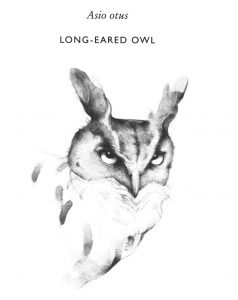
Your journey to Serbia to see the long-eared owls was amazing. So many owls, living in apparent harmony in close proximity to humans. As these spaces develop, however, this balance will of course shift, and not in favour of the owls. The only hope offered seemed to be tourism and, ironically, hunters preserving the landscape. Do you see these two options as the only solutions to ensuring the long-term survival of long-eared owls in Serbia?
Yes. I wouldn’t call it harmony necessarily, more like tolerance! The owls have been coming to the towns for many, many years and that will not change as long as the roost trees are preserved and farming does not intensify too quickly. As with Barn Owls, the owls need to fly out into the fields as they feed on the small rodents and small birds in the farmland.. this may become threatened with changes in farming as the country becomes more prosperous. Ecotourism will probably protect the state of things, as with the large owl roosts that are so spectacular; this economically deprived country needs every help it can get. The local people have caught on to this, but the authorities have some way to go with supporting it and fully and sustainably harnessing it. They key would be to harness ecotourism wholeheartedly. And yes, the hunters wish to preserve the habitats, which is excellent. It seems like the best arrangement, in the circumstances, and probably quite sustainable.
Your French guide, Gilles alluded to a dislike towards bird watchers (les ornithos) in the provinces. He said that, while in the countryside, he couldn’t leave his bird book on show in the car as people would slash his tyres. Things aren’t so bad here in the UK, but do you consider being a conservationist akin to being a radical and a subversive? – has protecting the environment fully entered the consciousness of the mainstream?
I think it has entered mainstream consciousness, and has some superb advocates now, but the activists should never let down their guard; we all need activists keeping an eye because right now we can never afford to be complacent – complacency is a very human trait and one that has brought us into this mess. We need to be constantly asking questions, constantly probing, curious and vigilant, and if that is a form of activism, I’m with the activists. It’s about questions and sometimes challenges, I think that’s what the best journalism, environmentalism, nature writing, scientists and conservationists do best.
You make it clear that the decision to leave the EU is not what you would have wished for. Aside from potentially losing a connection with mainland Europe, do you envisage any pro and cons for the UK environment regarding Brexit?
I’m not enough of an expert to be able to answer that. I was mortified to find that Britain was going to separate itself from what appeared to be a friendly and well-meaning, beneficial alliance, especially in terms of conservation regulations, but am completely naïve about the economic and the conservation implications for the future – I think we just have to continue working to call our leaders to account, and never lose sight of our priorities.
Miriam’s writing centres on the tension, overlaps and relationships between science, poetry, nature writing and the changing ecology of human-animal relations. On a personal note I thought Owl Sense fulfilled this challenging undertaking. The personal and evocative writing, all underpinned by the ecology, biology and historical significance of these amazing animals made this a joy to read.
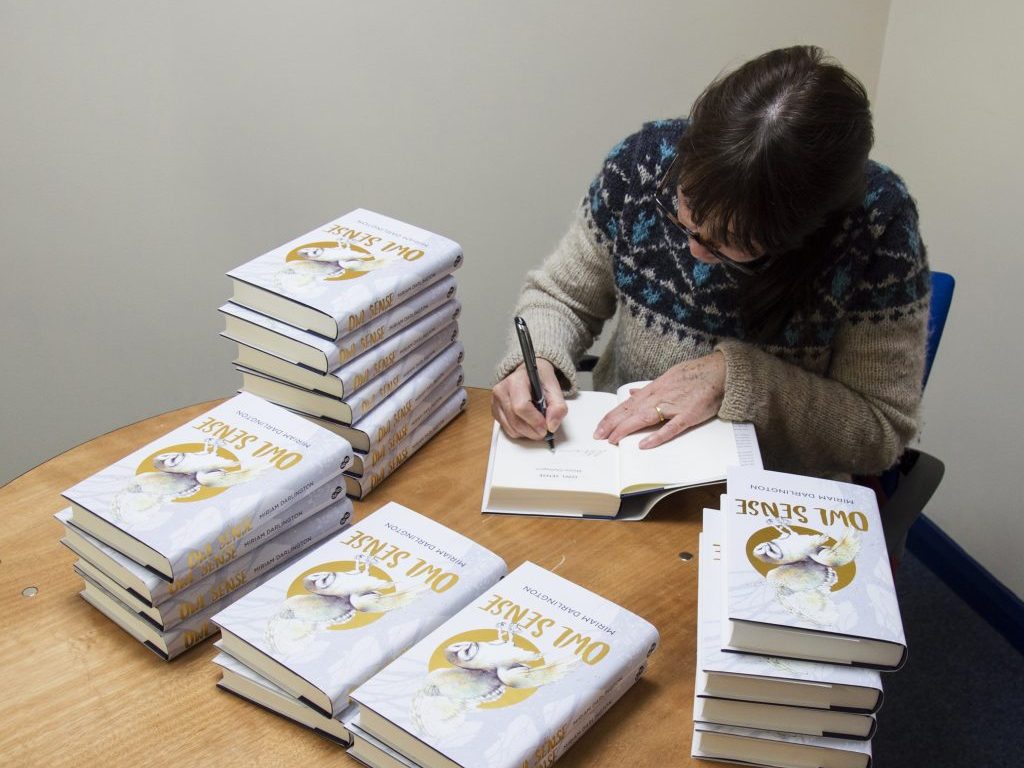
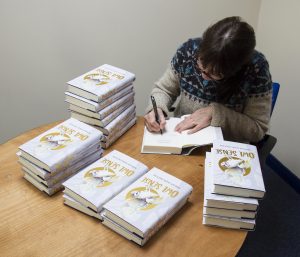
Miriam Darlington signing stock at NHBS
Miriam called into NHBS to sign our stock; these will be available only while stocks last.


 Lars: Let us say that in my case only 15 of these 18 years were spent on the new handbook. I was involved in doing the second edition of the
  Hadoram: At least as I see it, BWP was made some 20-30 years ago when it was still possible to squeeze information into one project – on distribution, population estimates, atlas, ecology, seasonal biology, behaviour, voice, and so on, as well as identification and variation (but with generally only very basic illustrations, paintings) – and to be satisfied with it!
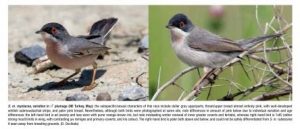 Lars: To assemble the many photographs (there are well over 4000 photographs together in the two passerine volumes) and to achieve full coverage of male and female, young and adult, sometimes also in both spring and autumn, plus examples of distinct subspecies, was of course a major challenge. Hadoram was in charge of this and did a great job, and we got good support from our publisher setting up a home page for the project where photographers could see what we still needed photographs of. Thanks to the prolonged production, many gaps (if not all!) were filled during our course.
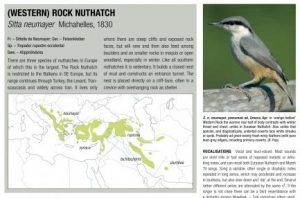 Hadoram: Lars described in his answers very well, the combined efforts with the museum collections work and building the photographic collections and selections for the project.
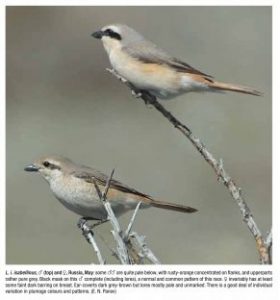 Lars: Digital photography and the existence of internet and websites for documentation and discussion of bird images are the main changes compared to when I started as a birdwatcher. This has speeded up the exchange of news and knowledge in a remarkable way. True, field-guides and birding journals keep offering better and better advice on tricky identification problems, and optical aids have developed to a much higher standard than say 50 years ago. But the new cameras with stabilised lenses and autofocus have meant a lot and have enabled so-called ‘ordinary’ birders to take excellent photographs. This has broadened the cadre of photographers and multiplied the production of top class images of previously rarely photographed species. Which of course made
 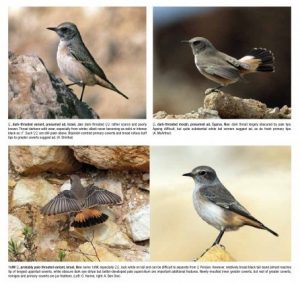 Lars: I have planned for many years now to revise my




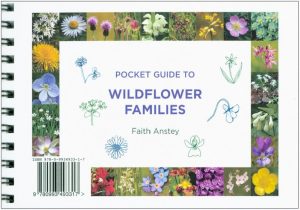
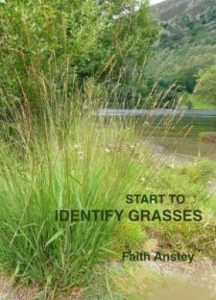
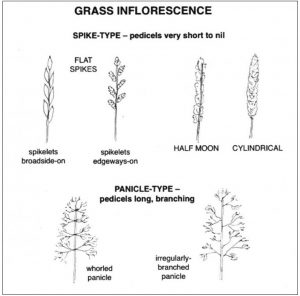 My books are not field guides at all. A field guide gives you a list of plant names, with pictures and descriptions, sometimes with a brief introduction. My books are all introduction: to field botany in general, to plant families and to grasses (maybe sedges and rushes next year . . .). A beginner armed only with a field guide has either to work their way from scratch through complicated keys, or to play snap: plant in one hand, book in the other; turn the pages until you find a picture that matches – ‘snap!’ By contrast, my books lead you into plant identification by logical routes, showing you where to look and what to look for. Their aim is to show you how to do ID for yourself.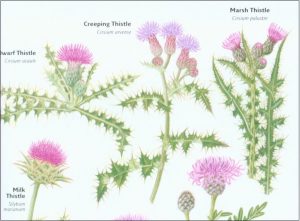
 If you possibly can, go on a workshop for a day, a weekend or even a whole week. Having a real live person giving enthusiastic teaching, someone to answer all your questions and fresh plants to study is the best thing you can do. Look for a local botany or natural history group you can join, and go on their field meetings. When you get even a little more serious about your study, join Plantlife and/or the Botanical Society of Britain & Ireland. Identiplant is a very good online course but it is not really suitable for absolute beginners. Be a bit careful with apps and websites: some are incredibly complex, some seem to be aimed at five-year-olds, others are just inaccurate and misleading. The best ID websites I am aware of are run by the
  The main threat is not people picking a few to study, or even simply to enjoy at home. Climate change is, of course, a threat in one sense, but I believe we shouldn’t necessarily dread the rise of ‘aliens’ from warmer climates which are now able to establish themselves here. Every plant in Britain was once an alien, after the last Ice Age ended, and I would rather learn to live with change than blindly try to turn the clock back. There may be a few exceptions like Japanese Knotweed, but their evils are often exaggerated and some natives like bracken can be equally invasive. The real problem we face is habitat loss: to house-building and industry, land drainage, vast monocultural fields without headlands, destruction of ancient forests and so on. And this is an area where watchfulness and action really can make a difference.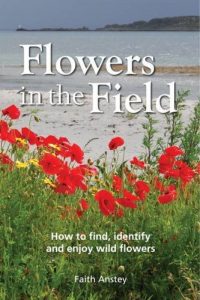






 The Field Studies Council (FSC) is the NHBS Publisher of the Month for June.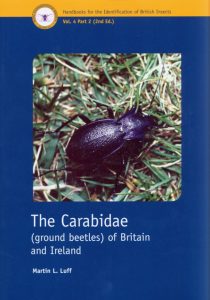


 The unique features of churchyards mean that they offer a valuable niche for many species. Enclosed churchyard in particular provide a time-capsule and a window into the components of an ancient British landscape. Well known botanist, mycologist and broadcaster Stefan Buczacki has written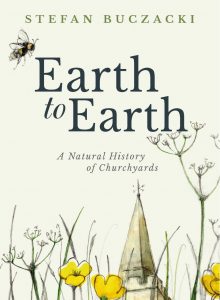
 Managing a cemetery in a way that keeps everyone happy seems an impossible job. Last August I was photographing a meadow that had sprung up at a cemetery, when another photographer mentioned how disgusting it was. I was slightly bemused until the man explained he was a town councillor and was disgusted that the cemetery was unmaintained – “an insult to the dead” was how he described it – I thought it looked fantastic! whatever your opinion, how can we achieve common-ground between such diametrically opposed views?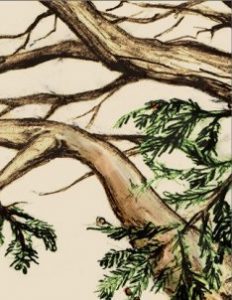
 All the significant flora and fauna of churchyards their own chapters or sections; from fungi, lichen and plants, to birds, reptiles, amphibians and mammals? Which class, order or even species do you think has the closest association with churchyards and therefore the most to gain or lose from churchyard’s future conservation status?
 With church attendance declining and the future of churchyard maintenance an increasingly secular concern; could you give a brief first-steps outline as to how an individual or a group might set about conserving and even improving the natural history of their local churchyard?
 If someone, or a group become custodians of a churchyard what five key actions or augmentations would you most recommend and what two actions would you recommend against?