Climate change could force primates such as monkeys and lemurs from the trees to the forest floor. A new study from San Diego Zoo Wildlife Alliance suggests that in warmer temperatures, tree-dwelling primates could begin spending more time on the ground searching for shade and water. Spending more time on the forest floor could increase interactions between these species and humans, as well as domestic animals, increasing the chances of conflict, disturbance and disease transmission. This change in behaviour may also have an impact on other species, as the primates’ diets may become more generalised, changing predator/prey relationships and potentially impacting dispersal strategies.
Almost 70% of animal populations have been wiped out since 1970, according to the biennial Living Planet Report. The leading scientific assessment, run by the World Wildlife Fund (WWF) and Zoological Society of London, shows that the abundance of birds, fish, amphibians and reptiles declined, on average, by more than two thirds between 1970 and 2018. The 89 authors are now urging world leaders to reach an ambitious agreement at the upcoming COP15 biodiversity summit and to cut carbon emissions to limit global heating to below 1.5 degrees within this decade.
A new fish has been discovered in the Atacama Trench off the west coast of South America. The small blue snailfish was spotted by a team of scientists using free-falling landers to sample deep-sea creatures using cameras and traps with bait. The deep-sea species was seen from about 6,000-7,600m deep and, using DNA barcoding and a 3D x-ray technique called microcomputed tomography, the team was able to determine where the species fit within the snailfish family. They were surprised to learn that this new species appears to be a seperate coloniser of the Atacama Trench, as it belongs in the genus Paraliparis, with other species in this genus rarely being found deeper than 2,000m.
Research
A new study has found that wild bees are active in woodland tree-tops, a habitat now thought to play a more significant role in bee conservation than previously thought. Researchers from the University of East Anglia studied bee communities across 15 woodland sites in a farmed landscape in Norfolk in late spring, examining levels of bee activity in four habitats: the canopy and understory of both woodland interiors and exposed woodland edges. They found a diverse community of wild bees utilising the woodland canopy, particularly near flowering sycamore trees. This has implications for bee conservation policies, as nectar producing trees such as sycamores may represent a significant food source for certain bee species.
Catch and release fishing may be having physiological and behavioural impacts on sharks. The practice, an important component of both ecotourism industries and scientific research worldwide, was the subject of a recent study published in Conservation Physiology. Researchers used ‘biologging’ and blood chemistry to explore the impacts of these interactions on two species: the blue shark (Prionace glauca) and the tiger shark (Galeocerdo cuvier). The research shows that short-term capture lead to a significant and rapid increase in body temperature in both species, lasting for between 10-40 minutes post-release. Further research is now needed into the potential longer term effects on the welfare of sharks that are caught using catch and release methods.
Chicken farms may explain the declining health of the River Wye, according to samples taken by citizen scientists. The Wye Salmon Association, with support from the Countryside Charity CPRE, tested soil samples along public footpaths near a tributary of the River Wye in Herefordshire and found that the highest levels of phosphorus were found in soils close to intensive poultry units. High phosphorus levels in river systems have a number of ecological impacts, including eutrophiciation, where excess nutrients cause increased algal and plant growth, which can reduce oxygen levels in the water. Toxic algal blooms can occur, as well as changes in habitat availability, where increased plant growth has covered previously bare gravel or sediment river beds. Campaigners are now calling for stronger regulations around the spreading of manure to limit phosphorus levels in soil.
A new study has revealed the ‘staggering’ scale of lost fishing gear currently drifting in the oceans. These include 25 million pots and traps, 14 billion hooks, and enough nets that, if tied together, could stretch around the world 18 times. Published in Science Advances, this report by researchers from CSIRO and the University of Tasmania used interviews with 451 commercial fishers from seven different countries to ask about what was being lost. They then matched the date from these interviews with data on global commercial fishing to estimate the total annual losses world wide. Ghost nets, as these lost nets are called, are lethal for many forms of marine life, potentially continuing to trap wildlife for years after they’re lost.
Conservation
A rare woodpecker has been spotted in Dorset, despite thoughts that it had died out locally. The lesser spotted woodpecker, whose population has fallen by 83% since 1970, was spotted at Hollis Mead Organic Dairy Farm in Corscombe. There are only thought to be 12 breeding pairs in Dorset according to the Dorset Wildlife Trust. The farm’s managing director believes that the organic approach his farm is taking, including not using insecticides or pesticides as well as leaving the woodland unmanaged, is beneficial for biodiversity.
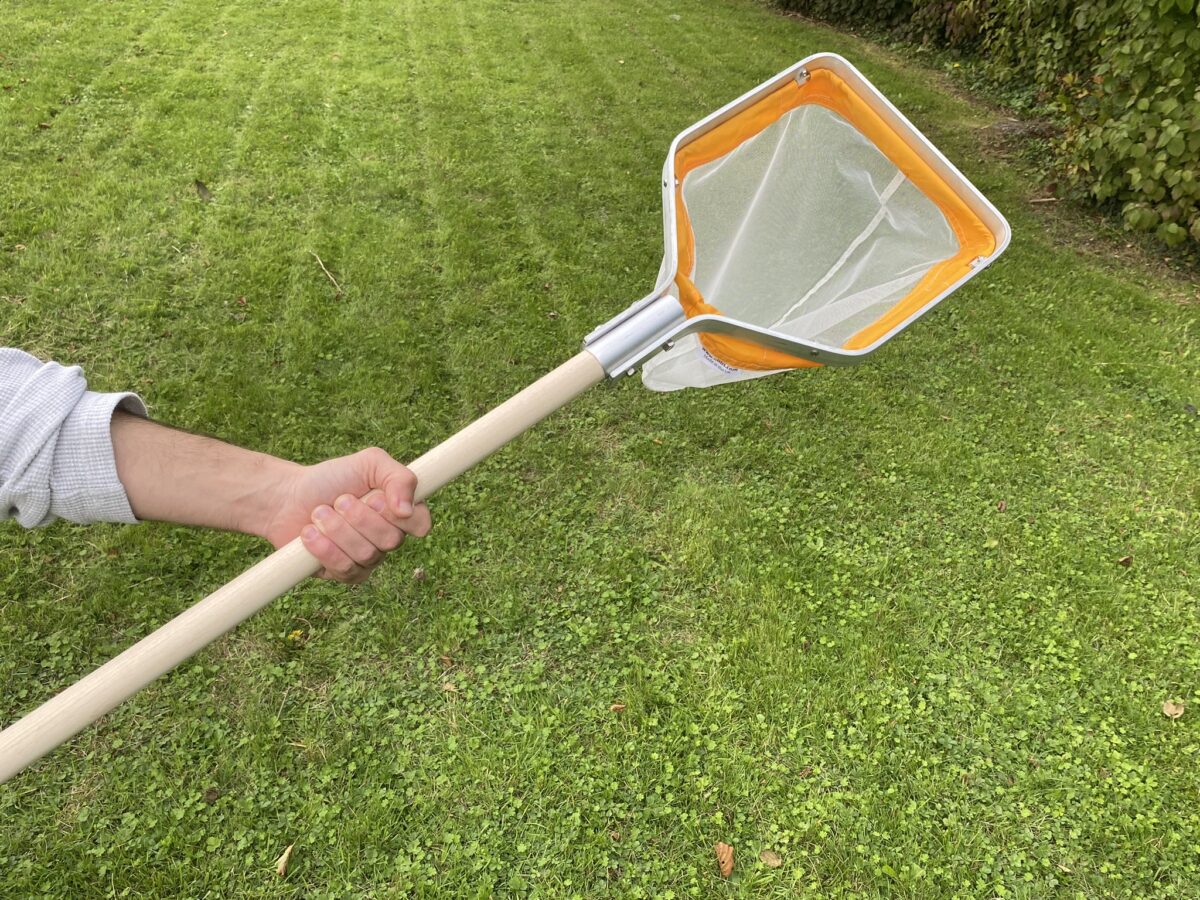
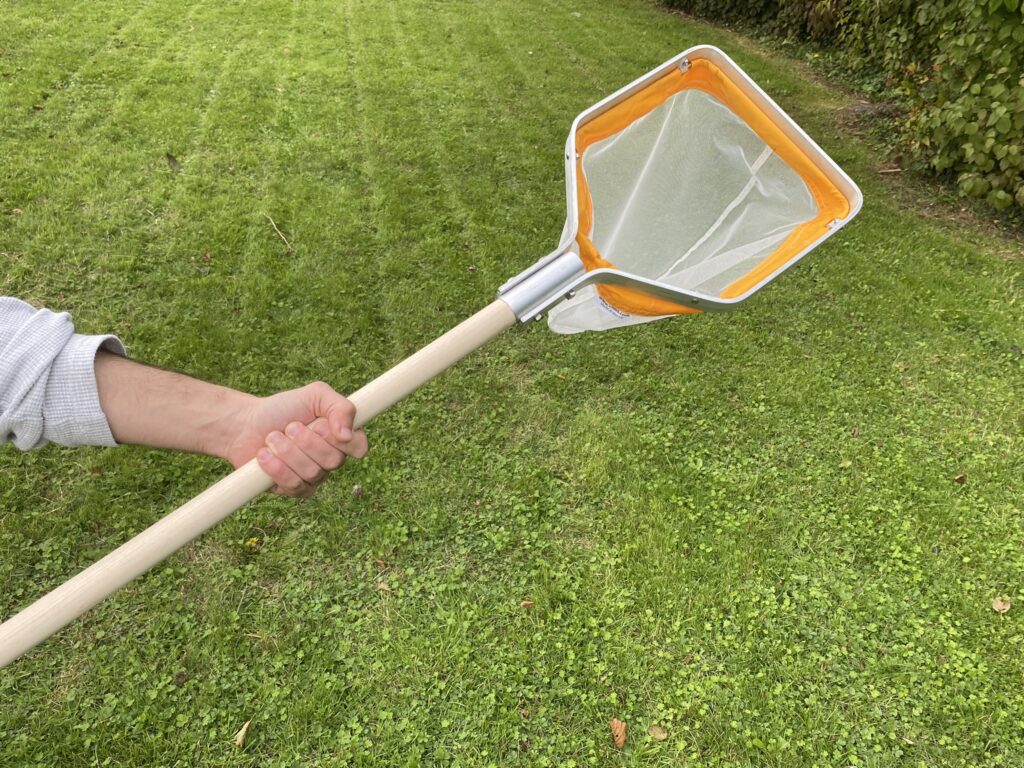
Designed and manufactured by NHBS, the professional hand net is a
popular net choice for pond dipping and kick sampling. It is lightweight,
durable and practical, and used by universities and professional
institutions.
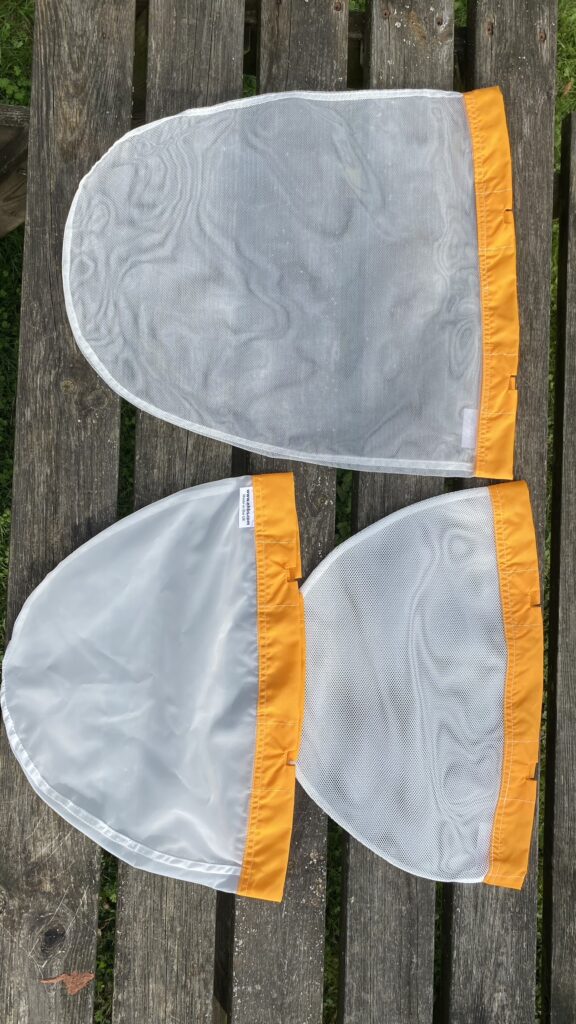
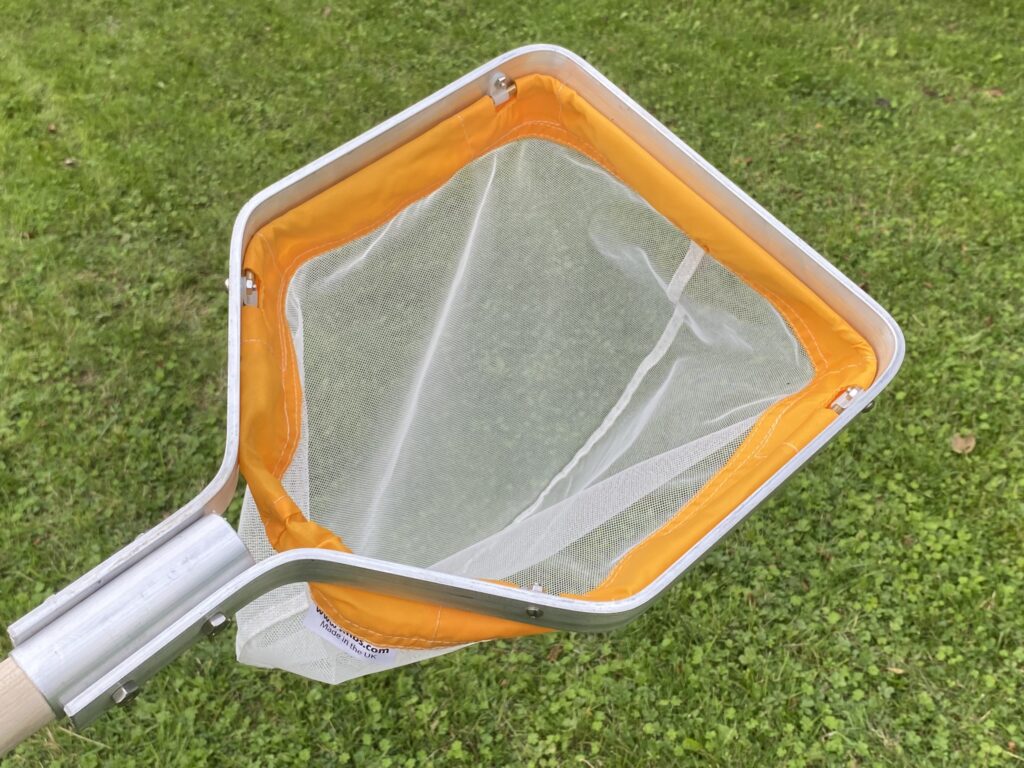
The professional hand net is available with a wide variety of mesh sizes and two net depths: standard and deep. The frame and net bags can be bought separately, allowing you to customise your hand net depending on your requirements. The standard outer frame width is 250mm and other 200mm and 300mm wide versions are available. The hand net can also be bought with two- or three-part collapsible frames to allow for ease of transport.
The sturdy metal frame is manufactured using marine-grade aluminium with an inner brass frame for net bag attachment, granting considerable resistance to wear and tear in the field.
Both aluminium and wooden handles are available, the benefits of the wooden handle being that it floats and is comfortable to use in colder conditions.
Net and mesh sizes
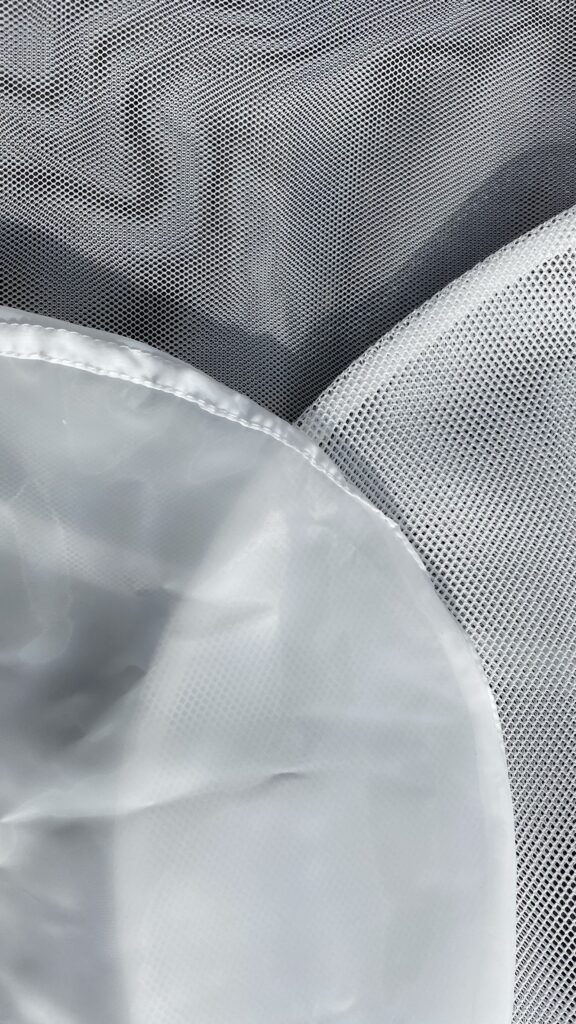
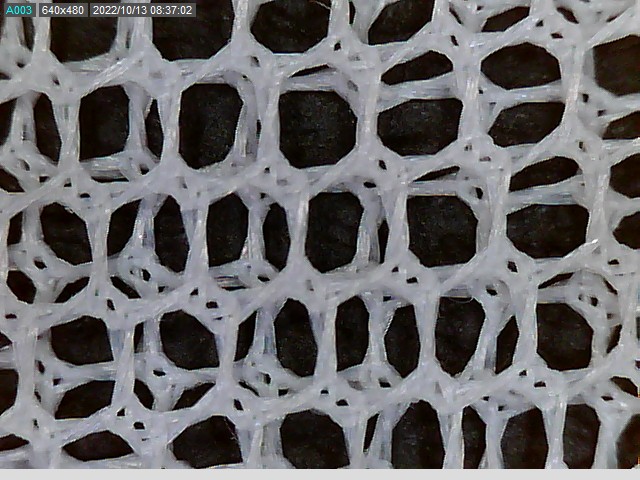
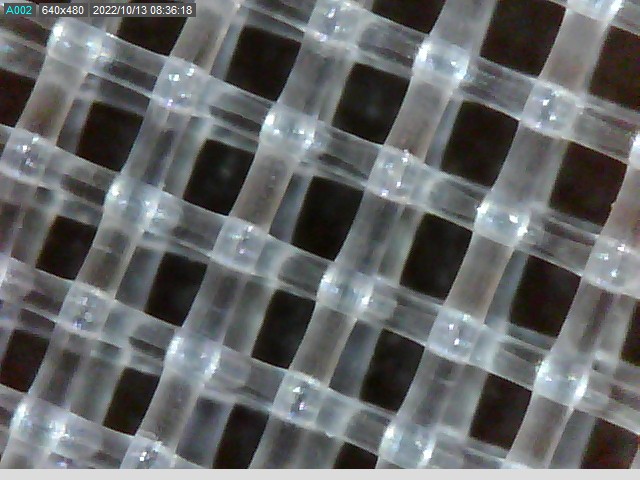
Mesh sizes range from 53µm up to 2mm. Net bags are also available in both standard (30cm) and deep (50cm) sizes.
For extra durability small mesh sizes are made from precision welded nylon material and the 1mm and 2mm mesh bags are made from woven polyester material.
The 1mm mesh is the most commonly used size for aquatic and kick sampling and the 2mm is more suited for amphibian surveys. Smaller precision meshes can be used for sampling smaller organisms such as plankton and chironomids.
Changing nets
Net bags can be attached and detached from the frame so that multiple nets can be used with a single frame. This can be handy for washing and replacing nets or when using different net meshes for sampling different organisms.
To demonstrate how to attach a net to the hand net frame, we have gone step by step through this process.
Steps
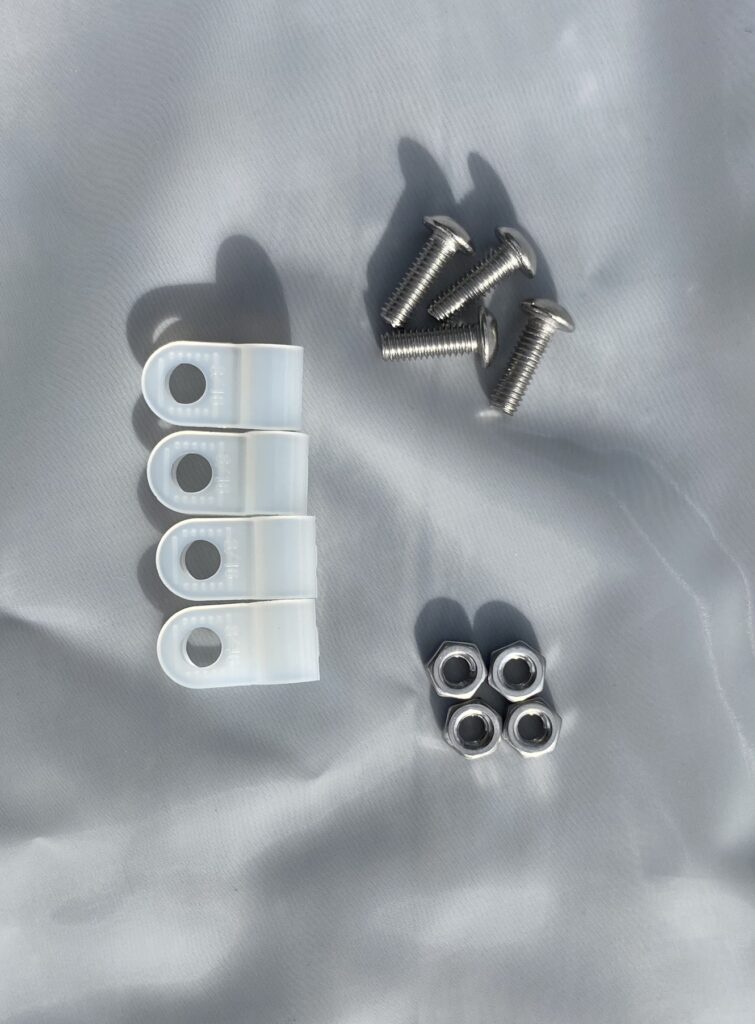
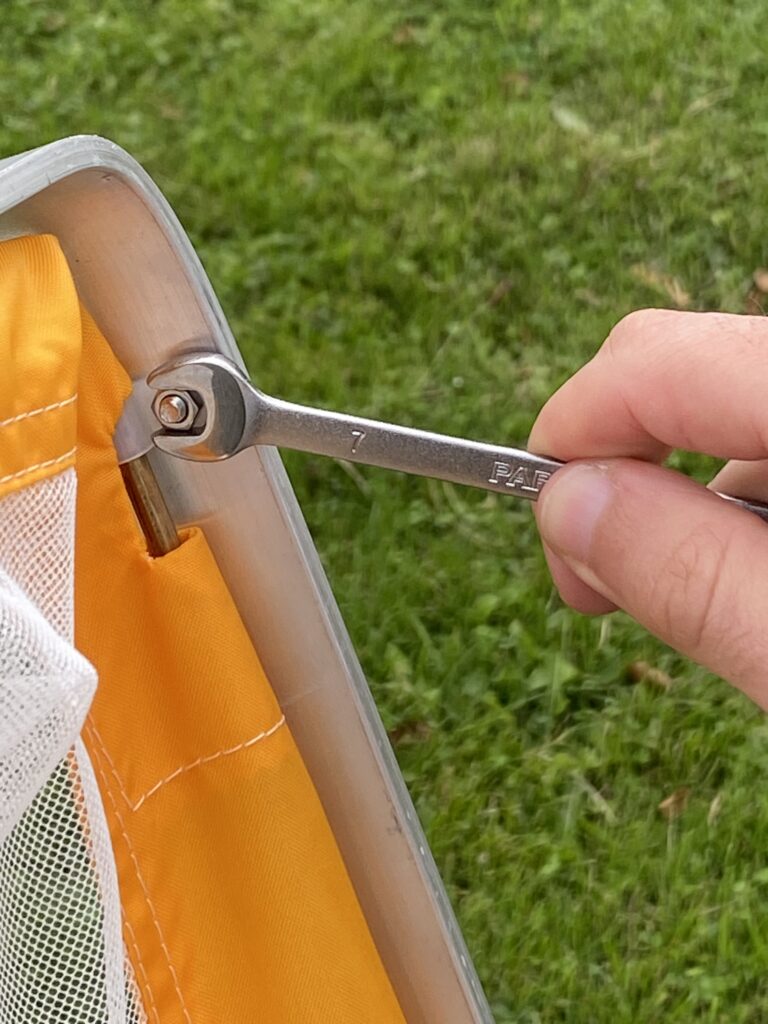
Begin by removing the inner brass frame from the outer aluminium frame by undoing the set screws from the outside of the frame using an allen key or use a spanner to loosen the nuts on the inside of the frame.
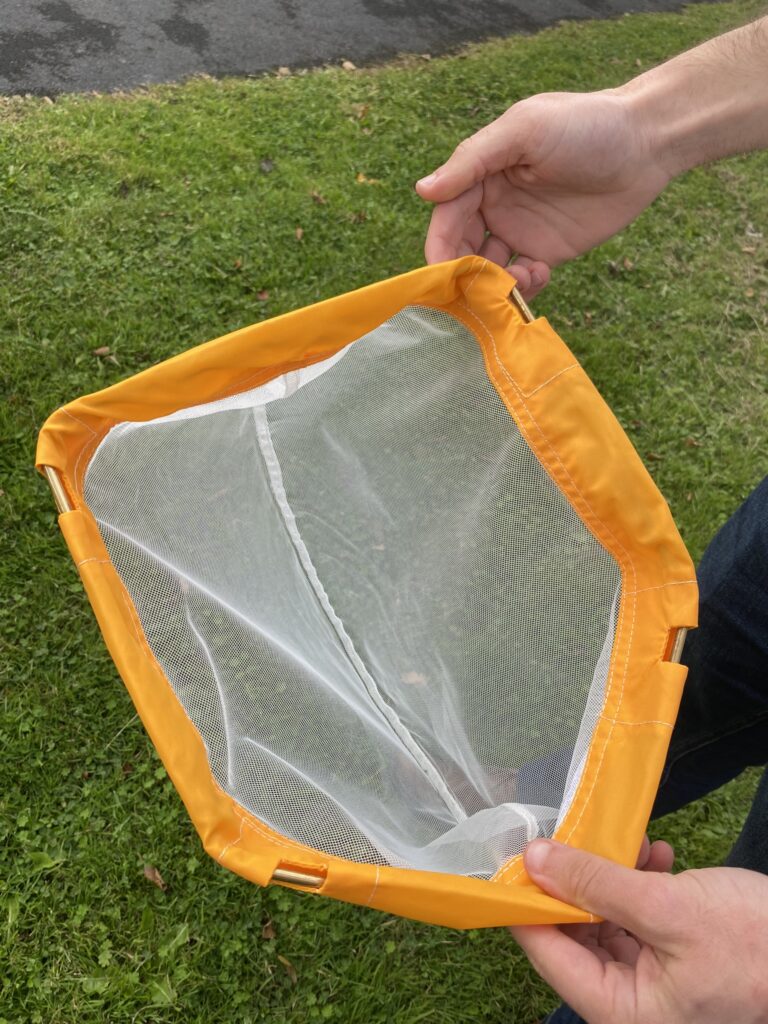
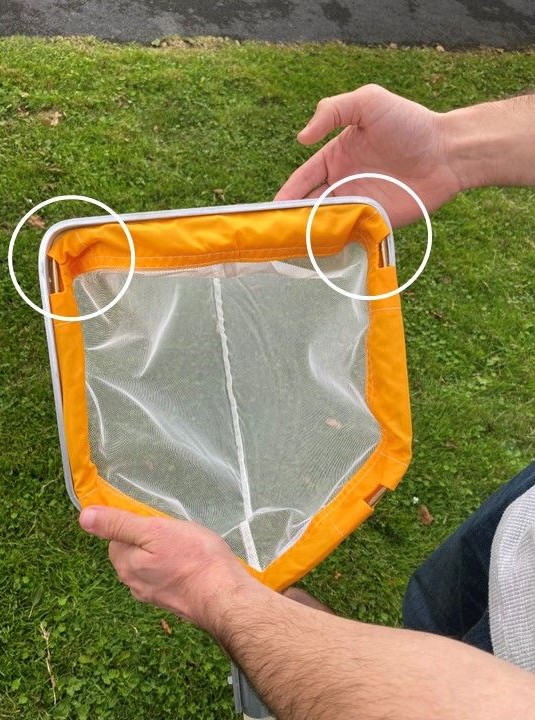
After removing the nuts, set screws and plastic clips, slide the net bag onto the now free inner brass frame using the slots in the orange section of the bag. Ensure the two upper slots are positioned just below the corners of the frame. It may be preferable to remove the plastic tube that connects the ends of the inner frame before feeding the frame into the net bag and reconnecting it.
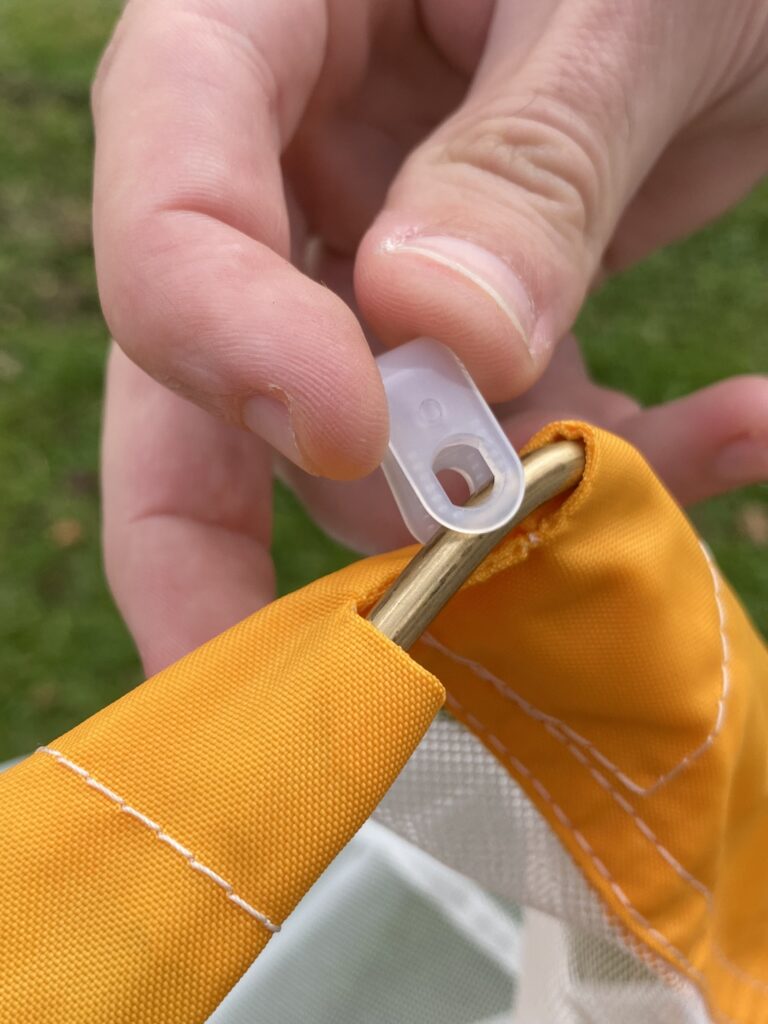
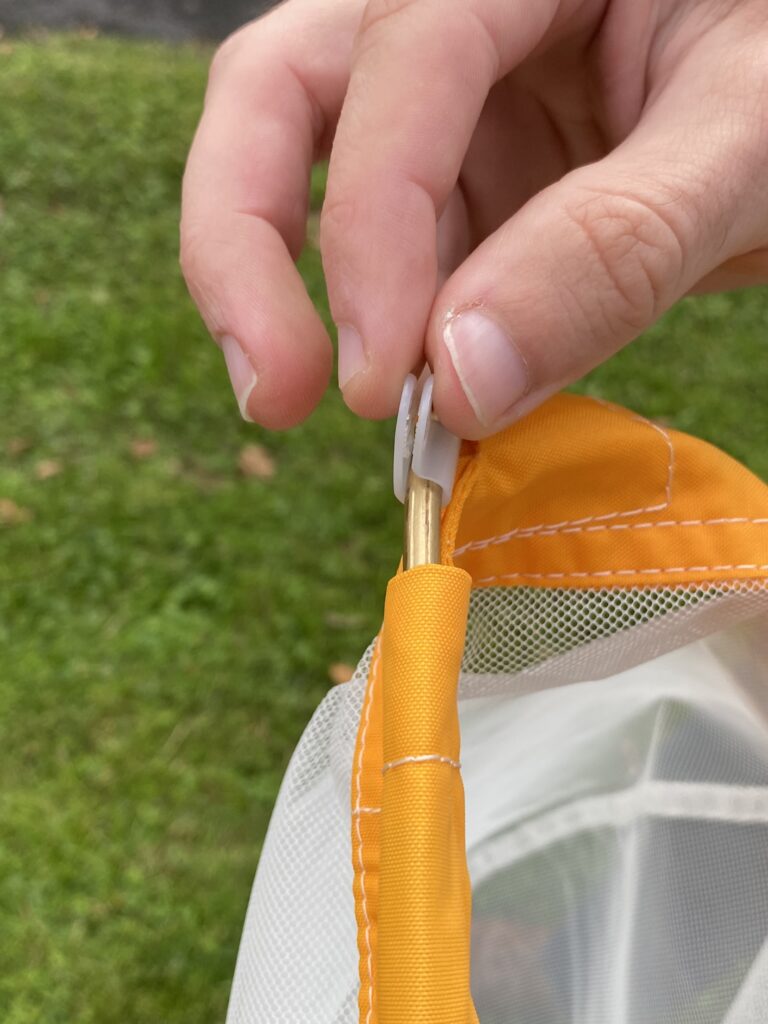
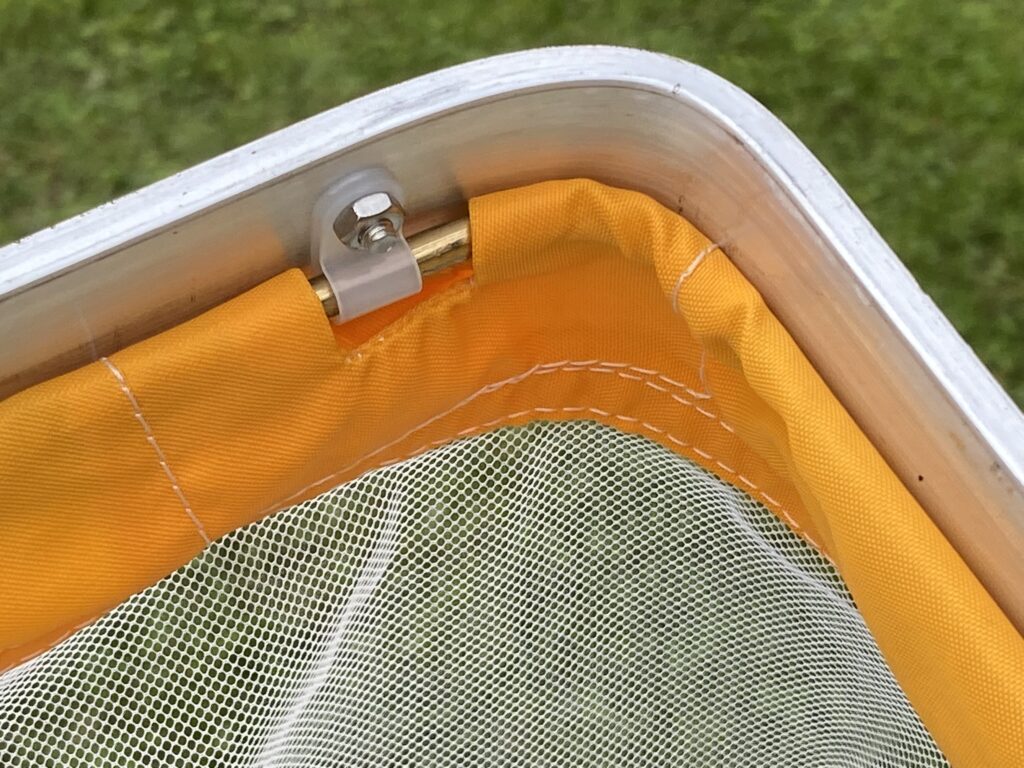
The plastic clips can now be clipped onto the brass frame in the slots of the net bag. Ensure the flat side of the clip is facing the outside.
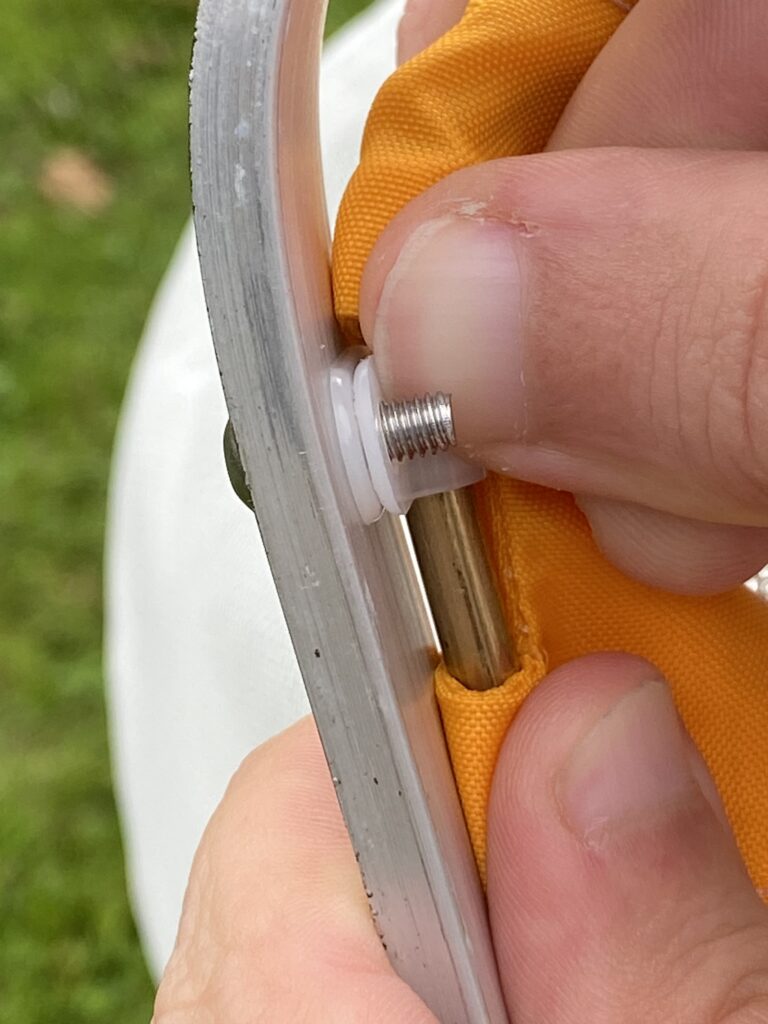
Place the clip flush against the hole in the outer metal frame and insert the set screw through the hole in the clip and the frame. The holes in the outer frame are off-centred, so ensure the holes are nearer to you when fixing the clips to allow the brass inner frame to sit flush with the edge of the outer frame.
The nut should then be loosely tightened onto the set screw using a spanner or by holding the nut in place and using an allen key on the set screw.
Loosely tighten the other three nuts and ensure the inner frame is positioned correctly before fully tightening. The clips holding the brass frame should now be firmly fixed against the outer frame.
With the net bag now securely attached to the metal frame, the professional hand net can now be used in the field.
Replacement and related equipment
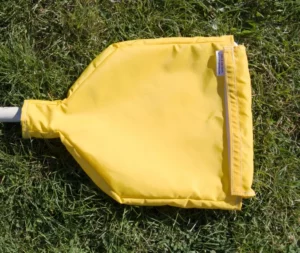
Our nylon Professional Hand Net Cover will help to protect and improve the longevity of the net, and is ideal for safe storage and transportation.
Extension pieces are also available for use with both the two- and three-part collapsible frames to allow for net extension. Extra joining ferrules are available too.
NHBS supplies a variety of specimen pots for storage and viewing of collected samples.
The Professional Hand Net can be found here. Our full range of professional hand and kick nets can be found here.
If you have any questions about our range or would like some advice on the right product for you then please contact us via email at customer.services@nhbs.com or phone on 01803 865913.
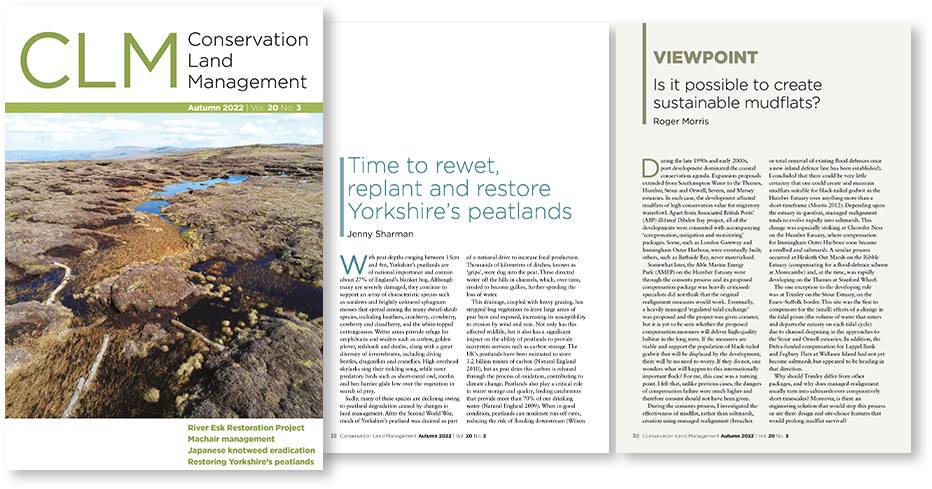
From a close look at two very different restoration projects in Yorkshire to the eradication of Japanese knotweed without the use of herbicides, the Autumn issue of Conservation Land Management (CLM) covers a variety of topics and themes relevant to those involved in managing land for nature. Below is a summary of the articles featured in this latest issue.
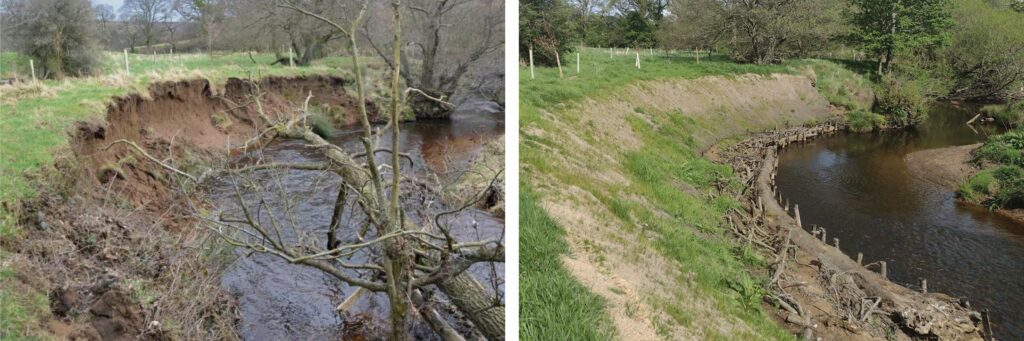
The first of the Yorkshire-based articles, authored by Sarah Lonsdale of the North York Moors National Park Authority (NYMNPA), describes the River Esk Restoration Project. The River Esk flows through the North York Moors and is the only river in Yorkshire to support populations of the rare freshwater pearl mussel. Agricultural pollution and sedimentation threaten the mussel’s habitat and the Esk’s water quality, however, and the Esk Restoration Project aims to address these pressures through habitat creation and restoration, farm infrastructure grants and targeted one-to-one farm advice. Sarah describes how, through this project, the NYMNPA has worked with farmers and landowners to reduce agricultural pollution via riparian habitat creation and improvements in on-farm infrastructure. This has involved, for example, the installation of in-field solar-powered water troughs to reduce riverbank erosion caused by livestock trampling and the creation of wide habitat buffers to help reduce the amount of pollutants reaching the river – Sarah describes these and other approaches in more detail, and discusses the future of the project.
Before (left) and after (right) riverbank restoration. Chris Watt (left); Sarah Lonsdale (right)
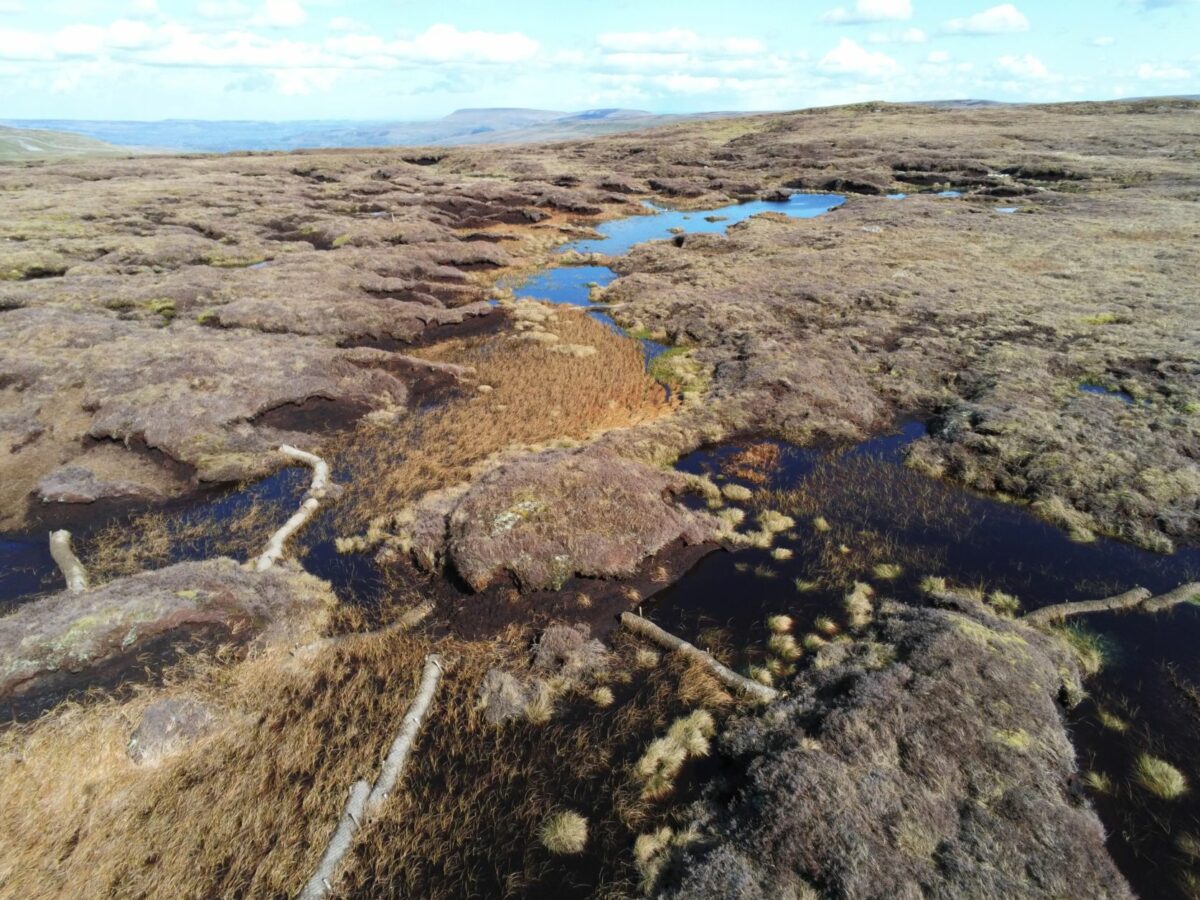
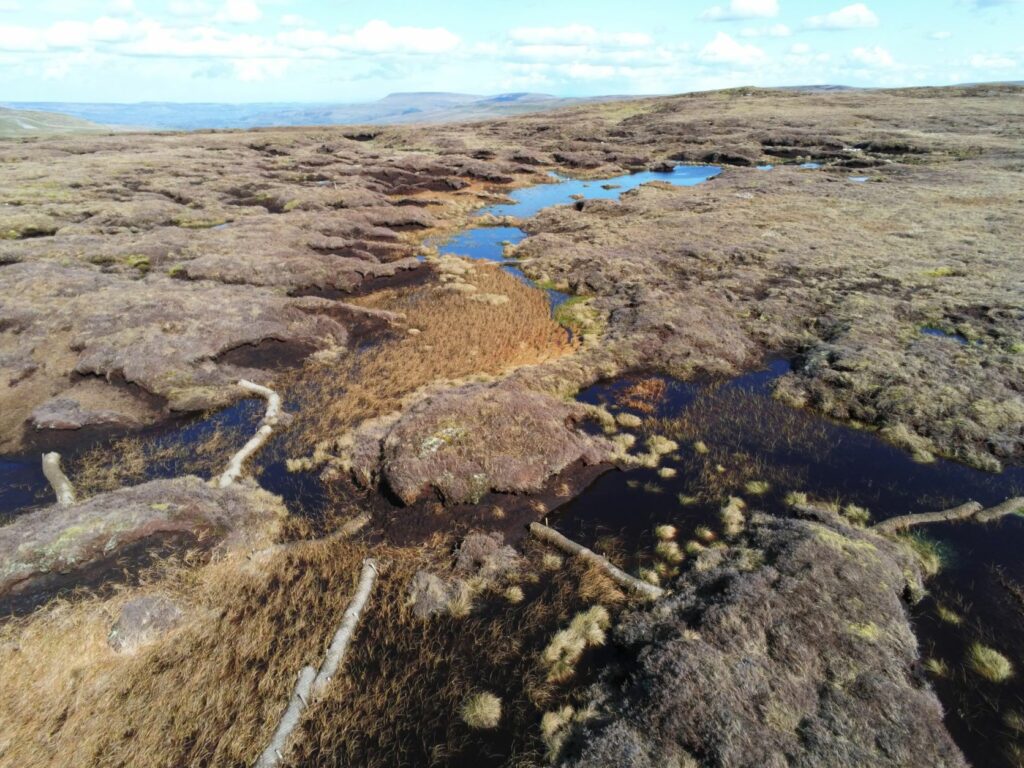
The second article set in Yorkshire is focused on peatlands. Yorkshire’s peatlands contain 27% of England’s blanket bog and support an abundance of wildlife, but changes in land management, for example through drainage and heavy grazing, have led to their degradation. In this article Jenny Sharman describes the impressive work undertaken by the Yorkshire Peatland Partnership to reverse this trend and restore and rewet Yorkshire’s peatlands. Signs of recovery have quickly become apparent, and Jenny guides us through the process of peatland restoration, which begins with initial surveys to assess the extent of the damage using satellite imagery in preparation for work on the ground where a myriad of approaches are used, from using diggers to revegetate exposed peat to installing timber sediment traps and coir logs to help slow the flow of water and retain sediment.
Three years after peatland restoration began. Jenny Sharman/YPP
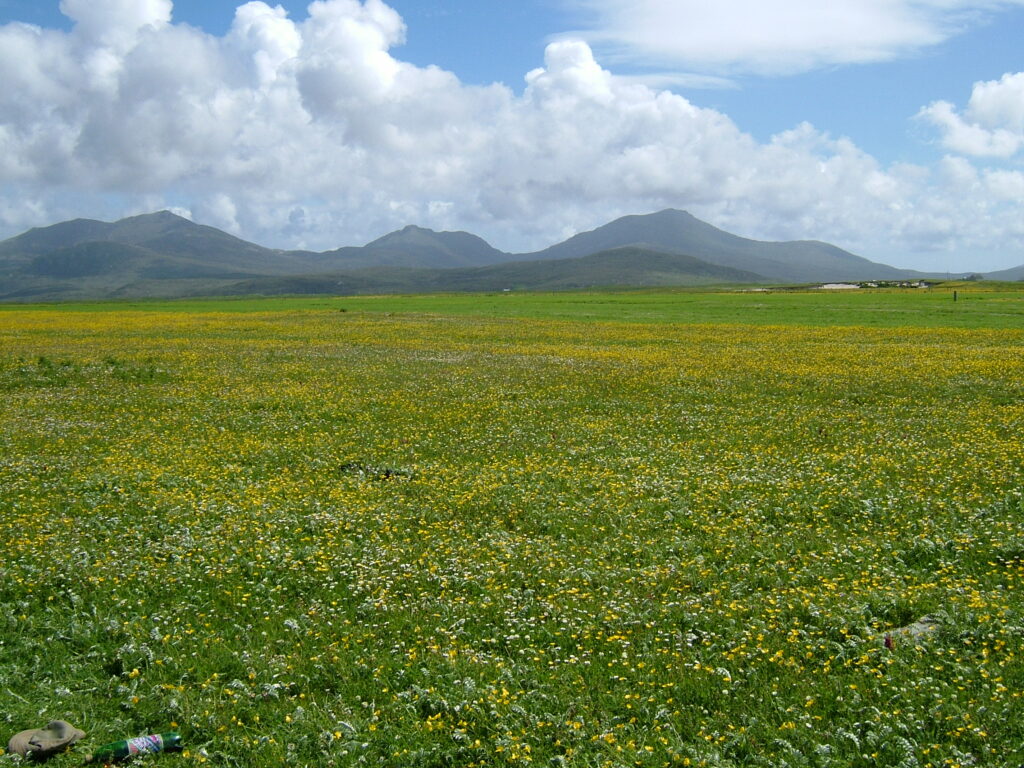
Looking now to a different habitat, Robin Pakeman discusses the management of machair, an extremely rare coastal habitat only found in western Ireland and western and northern Scotland. It develops on shell sand in exposed coastal areas, and refers to the plain behind sand dunes. Human use of machair has a long history, and traditional management combined with specific environmental conditions has produced this wonderfully unique habitat, famous for its spectacular floral displays and bird and insect communities. Crofting, a form of land tenure that only occurs in north and west Scotland, has had a strong influence on Scotland’s machair, and in this article Robin explores the management of both arable and grassland machair, and describes the diversity of wildlife associated with this habitat.
Machair is known for its spectacular floral displays. Robin Pakeman
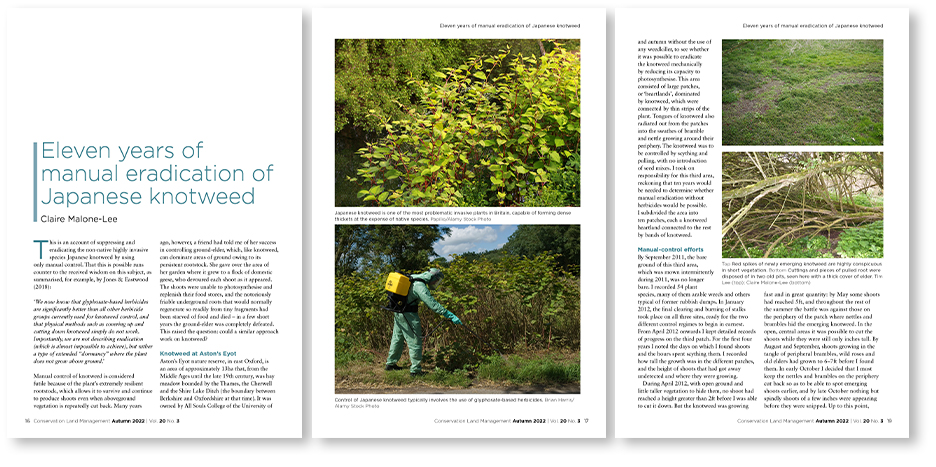
The infamous Japanese knotweed is a problematic non-native invasive species in the UK, and the general consensus regarding its control suggests that the use of glyphosate-based herbicides is required. Aston’s Eyot nature reserve, in east Oxford, was previously a rubbish dump, and since it was badly capped in the late 1940s Japanese knotweed established itself there, suppressing the growth of many other plants that would otherwise thrive. To combat this issue, the Friends of Aston’s Eyot, a group formed in 2010 to care for the nature reserve, decided to trial different approaches to management of knotweed. The trial area was divided into three; two of these were to be treated with glyphosate. In the third area knotweed was to be cut and its emerging shoots would be pulled out by hand. Claire Malone-Lee took responsibility for this third area, and in this article reflects on eleven years of manual control and demonstrates that it is possible, particularly on small sites or where knotweed is not overly dominant, to successfully eradicate Japanese knotweed without the use of herbicides.
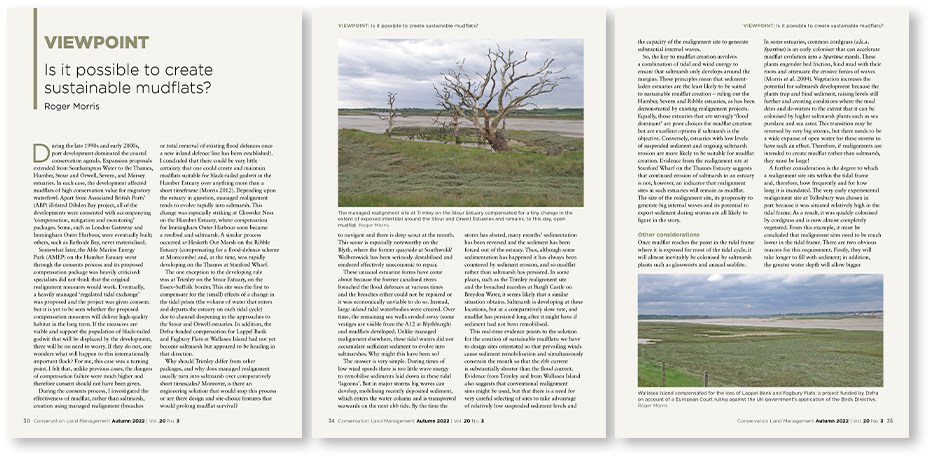
When the Able Marine Energy Park project on the Humber Estuary was given the go-ahead, Roger Morris was concerned for the internationally important flock of black-tailed godwits that resided there, and the mudflats that they depended on. The final article in this issue, a viewpoint piece by Roger, asks if it is possible to create sustainable mudflats as a mitigation measure, and explains why it is difficult to stop or slow the process of mudflat becoming saltmarsh. He describes the processes behind saltmarsh and mudflat development, and addresses the different approaches that have and can be used for mudflat creation.
In this and every issue you can expect to see Briefing, keeping you up to date with the latest training courses, events and publications, and On the ground which provides helpful tips or updates on products relevant to land management. Other features, such as Review, which can include letters from readers or updates from our authors, also regularly appear in CLM.
CLM is published four times a year in March, June, September and December, and is available by subscription only, delivered straight to your door. Subscriptions start from £22 per year. If you would like to read any of these articles, back issuesare also available to purchase individually (subject to availability).
If you are involved in a conservation project and think your experiences could be useful to other practitioners, we would love to hear from you. Feel free tocontact us if you are interested in writing for CLM– we will be happy to discuss your ideas with you.
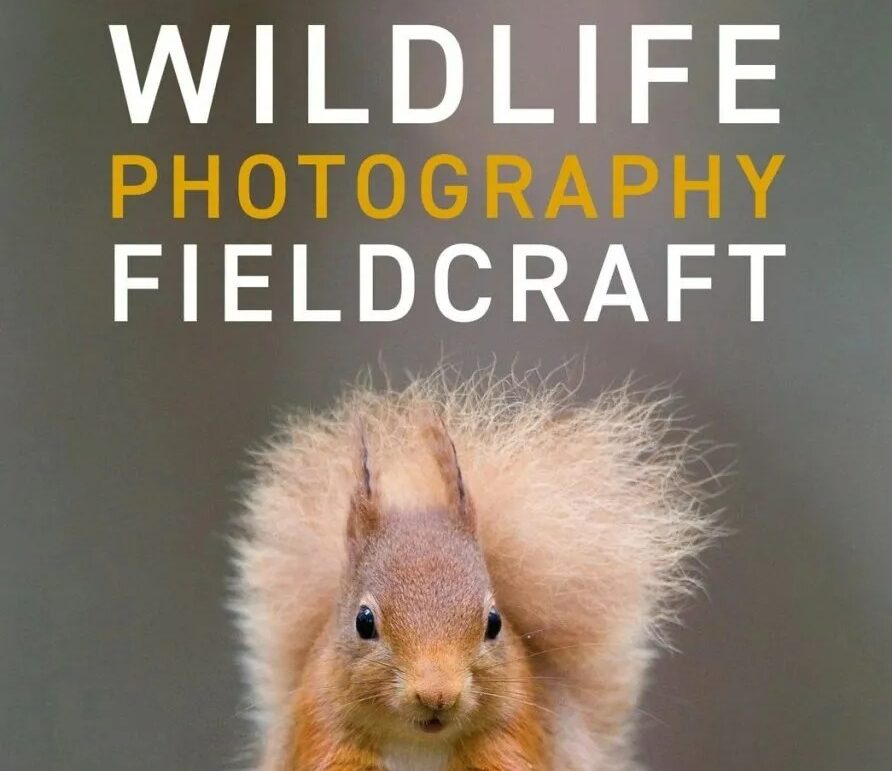
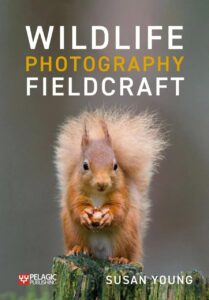
This unique book describes a straightforward system for how to successfully locate wildlife, the most difficult aspect of wildlife photography. Photographing the stunning natural world around us can be a challenging process. Not only does getting the perfect shot require a complex mixture of skill and luck, but there is little practical advice available on how to find the wildlife you’d like to photograph. While patience and persistence have to come from you, being equipped with the right fieldcraft knowledge, offered in this book, can increase your chances of getting the results – and the special moments – you are looking for.
Individual chapters offer guidance on how to photograph birds, mammals, butterflies and dragonflies, as well as reptiles and some of our more elusive species. Various habitat types are discussed, along with tips on equipment, technical specifications and guidance suitable to both newcomers and more experienced wildlife photographers. While sharing some of her most successful and beautiful images, Susan Young also gives useful examples of when things didn’t quite work out – reflecting on how things could have been done differently to get a better outcome.
Susan Young speaks with us about why she chose to write this book, her process for researching each chapter and why wildlife photography is so important for engaging the public with the environment and conservation.
Your new book, Wildlife Photography Fieldcraft, is a unique guide to how to successfully locate wildlife. What drew you to wildlife photography and why did you choose to write this book?
I have had a keen interest in nature from an early age. I originally took up (digital) photography for landscapes, but it was a natural progression to wildlife photography so I could keep a record of my finds. When I started with wildlife, I found it very difficult to find suitable subjects, especially the less common ones, and of course many mammals are nocturnal. I studied many books on wildlife photography, but they all seemed to concentrate on photographic techniques and gave little or no information on how to find wildlife. I had written books before on subjects not previously covered, so decided to write the book I wished I had been able to find when I was looking.
You mention in this book that a lack of knowledge on how to find wildlife to photograph may be just as risky as providing too much information, could you expand on this?
This is related to disturbance. If photographers know very little about the subject of their photographs and do not understand the sensitivity of wildlife, they could disturb a bird, for example, and cause it to abandon its nest, or frighten a deer so it runs off and becomes injured.
On the other hand, if too much information is given out, particularly of a detailed location, photographers can flock to the area in large numbers. This has happened with rare birds, for example, and the birds have become very distressed.
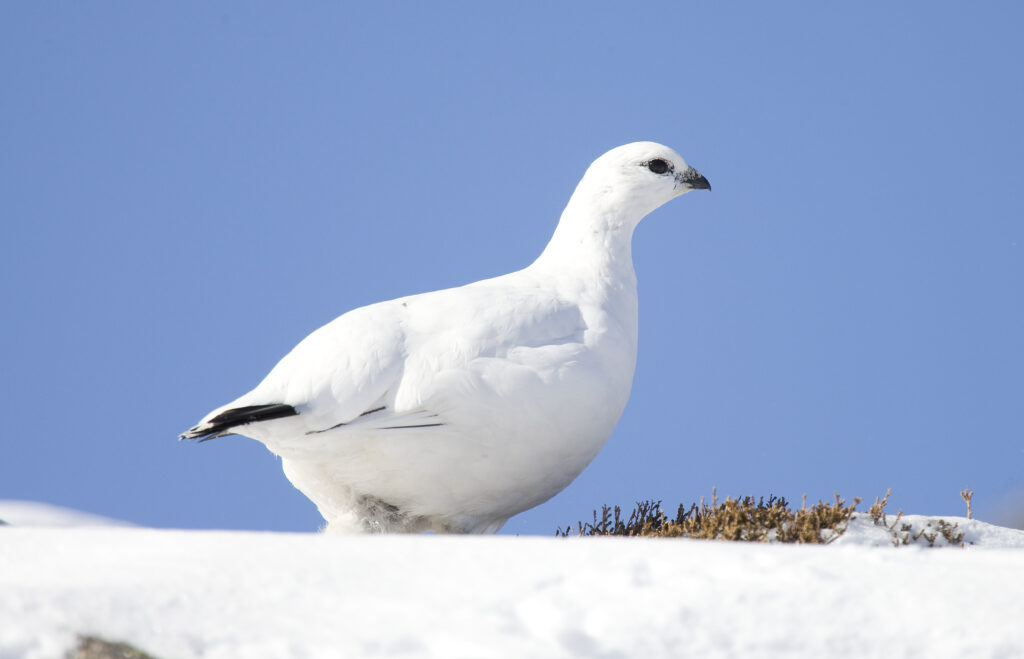
Ptarmigan by Susan Young
This guide is broken up into chapters covering different species groups, all of which are richly detailed, covering descriptions, diet, breeding, habitats, population estimates and more. What was your process for researching the different chapters, and why did you choose to go further to cover topics such as how to make a portable hide and thermal and dynamic soaring?
The whole focus of the information was on what factors influenced where, when and how to find wildlife. Population estimates and habitats, for example, influence where the subject might be found in a broad sense. Breeding and its rituals have a great effect on when certain species are most active and thus most likely to be seen. Description, diet and habits are more detailed indicators allowing the photographer to fine-tune the search, for example. Goldfinches like thistle seed (diet), they are often in flocks (habits) and have distinctive colouring (description), so a photographer situated near a patch of large thistles, at the right time of year, could have interesting photographs of goldfinches balancing on thistles and interacting with each other.
My process was to think of each category for different species and, based on my experience, record the facts for each species and describe how to use them to find wildlife. I then studied reliable sources to add further detail and confirm that what I already had was accurate.
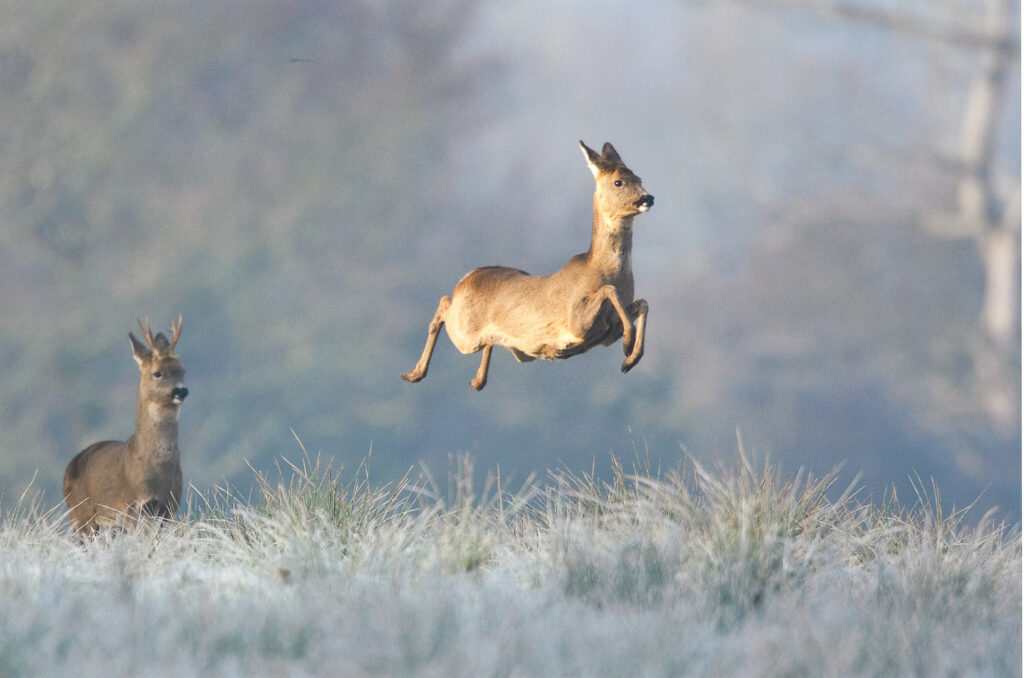
Young Roe jumping by Susan Young
Hides are extremely valuable as they allow the photographer to get close to nervous or rare species without disturbance. Portable hides are particularly useful. I found it difficult to get a flexible, sturdy, inexpensive portable hide that would be comfortable if sat in for some time. My design was based on the plastic pipes I had seen on an American trip, and can be tailored to the individual very easily, and is strong but not too heavy.
Photographing birds in flight, especially birds of prey, is very difficult. By understanding thermal and dynamic soaring, the photographer is equipped to predict the best position to photograph a bird in flight i.e. when the bird is moving more slowly and at the correct height.
How important do you think wildlife photography is in increasing public engagement with the environment and conservation?
Wildlife photography is hugely important as photographs can convey an emotion or fact better than words, and in particular can illustrate features or situations in a compelling, thought-provoking way, or simply attract by their beauty.
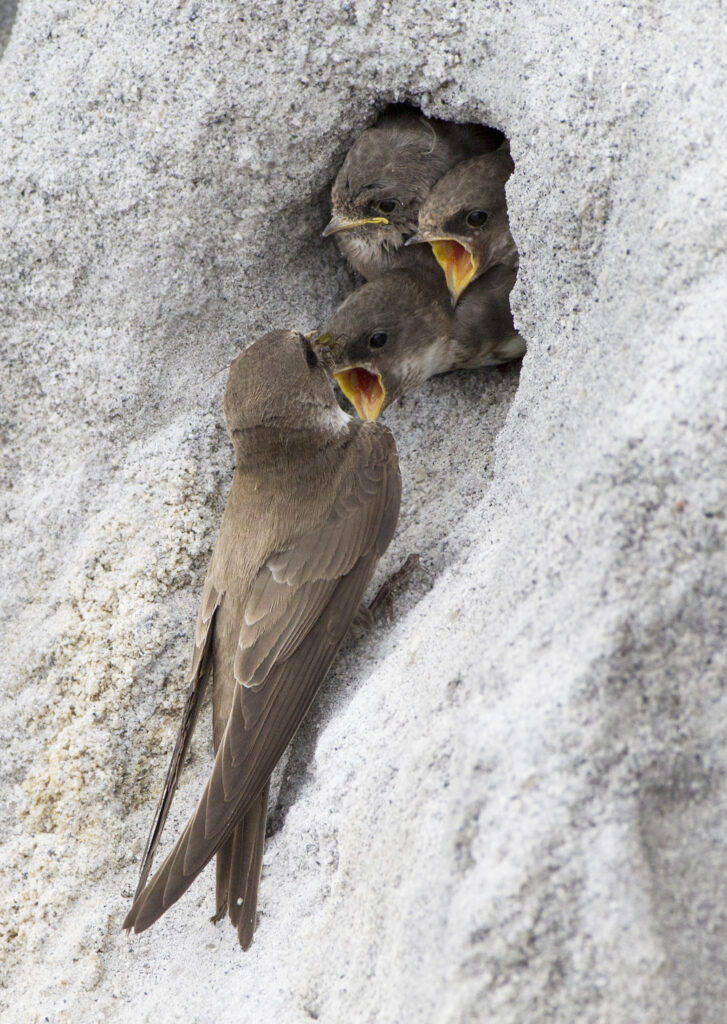
Sand Martin and chicks by Susan Young
Your case studies provide a wonderful insight into your photography process. Are there any species that you haven’t yet photographed but would love to?
Pine Martens are at the top of the list. They are beautiful and intelligent but, at present, rare in England. Beavers are another species I would like to photograph, and hopefully, this will become easier if they are introduced to other parts of the UK.
Do you have any current or future projects that you would like to tell us about?
At present I am developing interactive online mini-courses for the Mammal Society using photographs, videos and interactive features. The aim is to attract and engage with more people to gain their support in the quest to learn more, and use the knowledge to try to halt the decline of UK wildlife. I am also developing a course to encourage the use of CCTV systems to monitor wildlife.
A new report shows that Australia is funding just one-tenth of its fair share of global climate action. The study by Oxfam and ActionAid Australia is calling on Australia to increase its climate finance commitments to $3bn, ahead of COP27 this November. Currently, Australia has only committed $400m a year between 2020 and 2025 for international climate funding. For Australia to meet its fair share of the dedicated $100bn fund agreed upon in 2009, its contributions must be $4bn annually from 2025.
Both wild and farmed Atlantic salmon are threatened by warming waters. The climate crisis is warming the world’s rivers and oceans. As warmer water contains less oxygen and simultaneously speeds up the salmon’s metabolism, increasing the need for oxygen, warmer temperatures are reducing salmon fitness, impacting their abilities to adapt to stressors. Studies by the North Atlantic Salmon Conservation Organization have shown that, from 2007 to 2016, only a single salmon survived its first year from 2,000 fertilised eggs, whereas prior to 1990, it would only require 1,000 fertilised eggs.
Atlantic salmon parr by E. Peter Steenstra/USFWS via Flickr
The UN has warned that the world is ‘heading in the wrong direction’ as the impacts of climate change worsen. The 2022 United in Science report has shown that there are five times as many weather, climate and water-related disasters as there were 50 years ago. The last seven years (2015-2021) have also been the warmest on record, with a 93% chance that at least one of the next five years could be hotter than 2016, the warmest year on record. To meet the 1.5°C goal set out in the Paris Agreement, current emissions reductions need to be seven times higher than they are now.
Research
A study has created a new framework to change how sharks, rays and chimaera species are considered in the design of protected areas. This will hopefully help provide the protection they need in the face of extinction. Sharks are apex predators and play a vital role in the functioning of balanced ecosystems, shaping communities and ensuring biodiversity. They’re threatened by fishing practices, either as targets or as by-catch, as well as negative public images which can lead to culls. By ensuring that the most up-to-date information is provided to governing bodies, policies and protected areas can be designed to ensure the protection of these species.
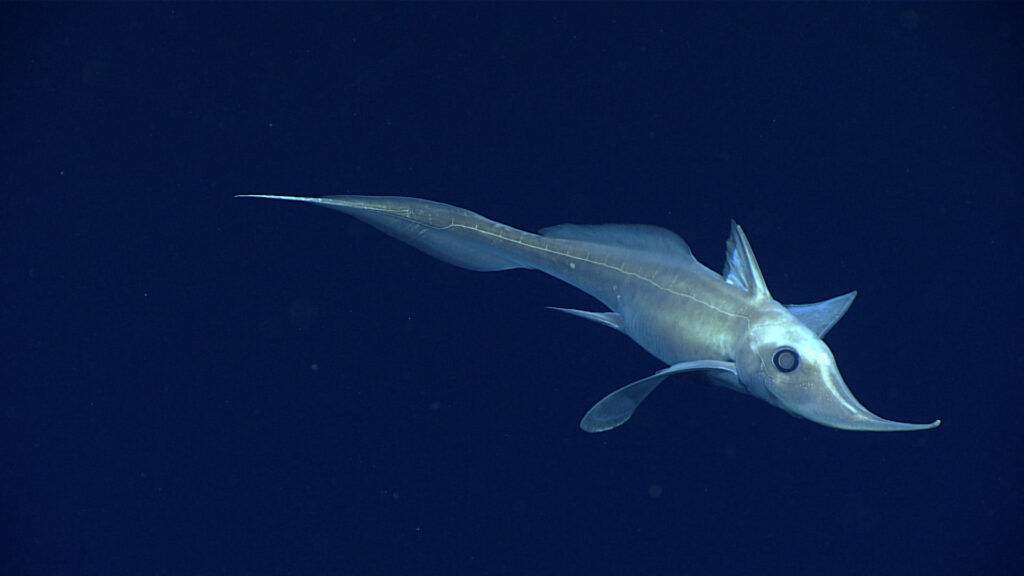
Hariotta raleighana, a long-nosed chimaera, by NOAA Ocean Exploration via Flickr
Satellites are now able to measure the thickness of sea ice in the Arctic Ocean all year round. Previously, spacecraft struggled to measure the state of sea ice in summer as the presence of surface meltwater confused instruments. Now, using ‘deep learning’ techniques, scientists are able to get reliable observations across all seasons. This will help to improve monitoring the impacts of climate change, while also aiding weather forecasting.
Researchers have found the world’s oldest heart preserved inside a fossilised prehistoric fish. The 380 million-year-old heart was made in Western Australia and captures a key moment in the development of the heart found in all back-boned animals. Soft tissues are far less likely to be preserved than bones but the minerals of the Gogo rock formation preserved many of the fish’s internal organs, including its liver and stomach.
Conservation
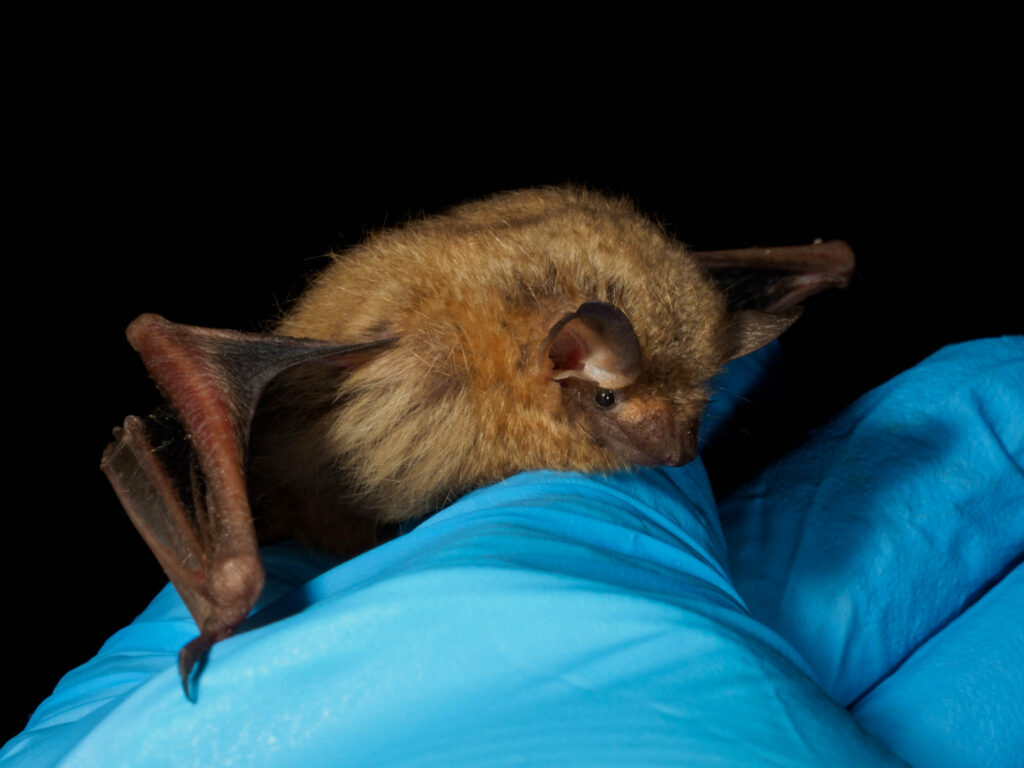
A fungal outbreak is threatening the tricoloured bat with extinction in the US. White-nose syndrome, which disrupts the crucial winter hibernation of bats, is ravaging tricolour bat populations, as well as populations of a dozen other North American species, including the northern long-eared bat. Both of these species have been recommended for endangered designation by The US Fish and Wildlife Service.
Two adult grey wolves, along with two cubs, have been spotted in Oregon’s Cascade mountains, giving hope that the federal protections restored earlier this year are aiding the recovery of this endangered species. After decades of hunting across the US, Oregon recorded only 14 individual wolves at the end of 2009. Since then, following protections from the Endangered Species Act, the population has grown to 175 individuals in 2021.
Cheetahs have been released in India for the first time, 70 years after they went extinct. Eight cheetahs were flown into the northern Indian city of Gwalior from Namibia. They have been released into a fenced enclosure in Kuna National Park for their quarantine period over the next month, before being released into a larger enclosure containing natural prey. Their release into the wild is controversial, particularly as a population boom of another of India’s predators, the tiger, has led to increased conflict with people sharing the same areas.
Pollution
A Coalmine wastewater spill has turned a creek in Royal national park, Sydney, to black sludge. This is the third coal pollution incident involving Peabody Energy’s Metropolitan mine this year. The Environment Protection Agency of New South Wales have collected water samples and are conducting further assessments to determine the ecological impacts of this event. There is concern that this pollution may impact the state government’s plans to reintroduce platypuses to the area.
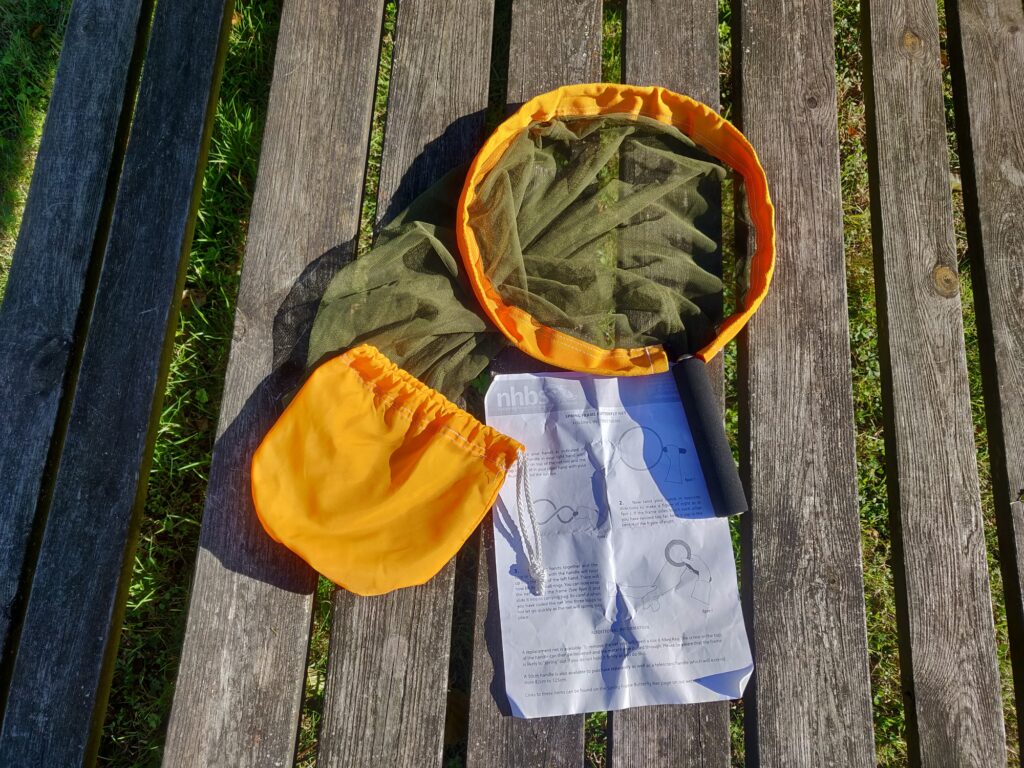
The Spring Frame Butterfly Net is a compact net for anyone interested in studying butterflies or moths. Designed and built by NHBS in our Devon workshop, the net comprises of a short-handled frame, net and cover.
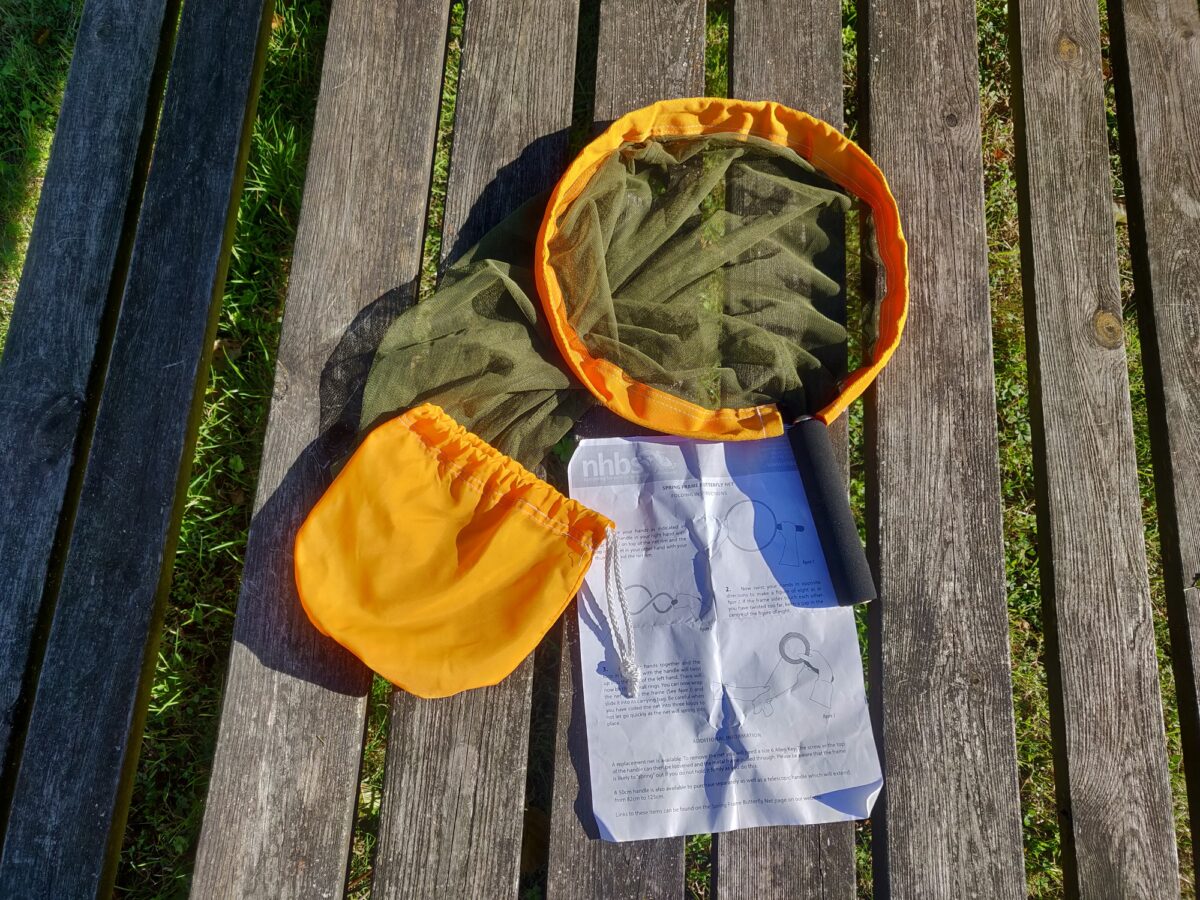
Bag, Net, Spring Frame and Instructions
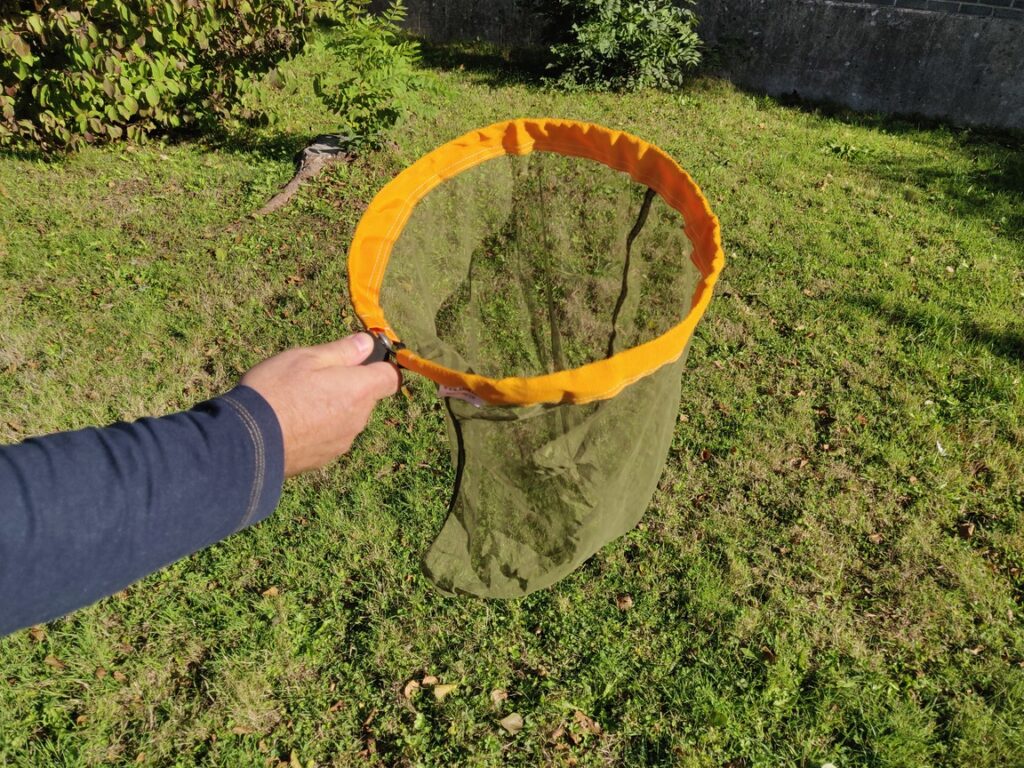
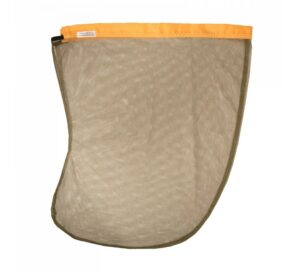
Because of its lightweight metal frame, it can be folded down to fit into the supplied travel bag, neatly allowing it to be stowed away in a rucksack while out in the field. The main net is olive green and opens to a diameter of 30 cm. The short handle makes it easy to use at close quarters while trying to sample butterflies.
When you receive your net, you will find it collapsed down inside its carry bag along with instructions for folding it back into the bag after use. To help you do this, I’ve gone through the process of collapsing the net in the steps below.
Steps to collapse your net
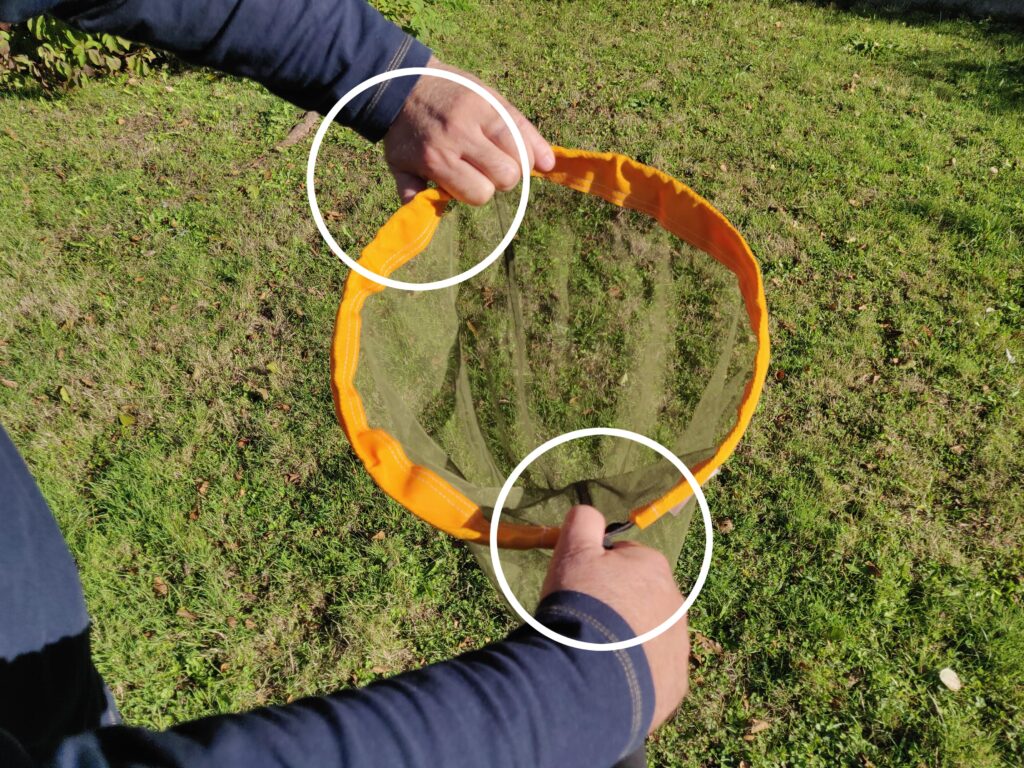
Start with a hand holding the open net with the bag draped below – held in the right hand.
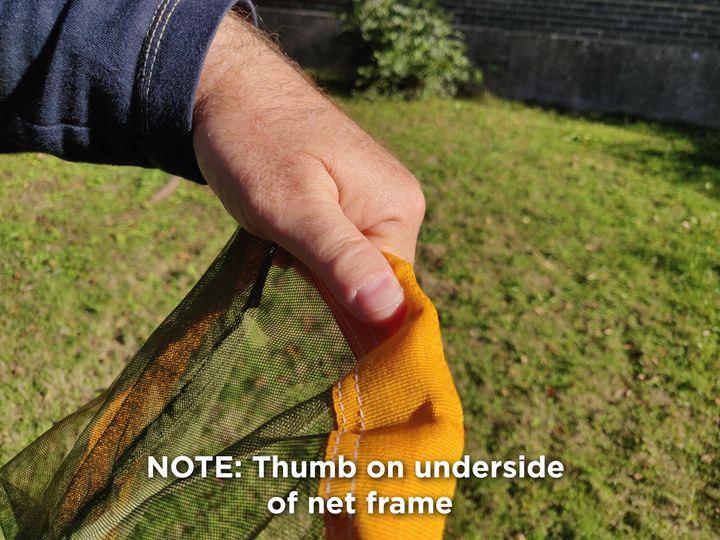
Grip the top of the frame with your thumb ready to push from the underside of the frame.
Keep your right thumb over the screw that attached the frame to the handle.
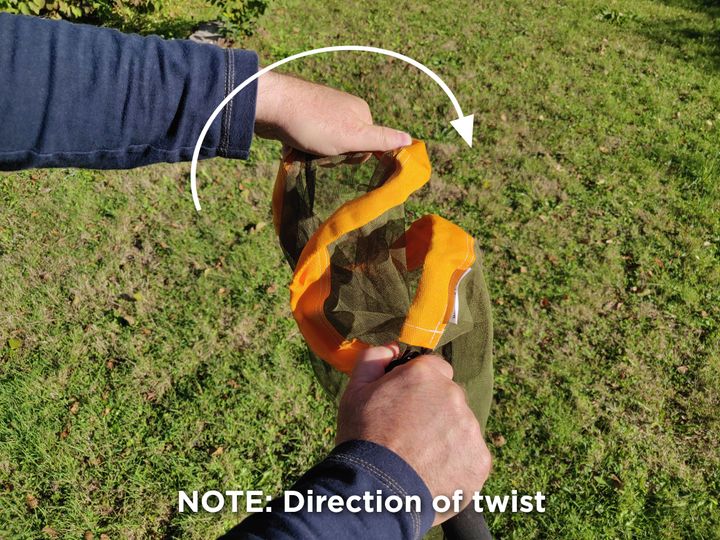
Use your left hand to twist the frame into a figure eight. Your left thumb should help because it will be pushing from underneath the frame.
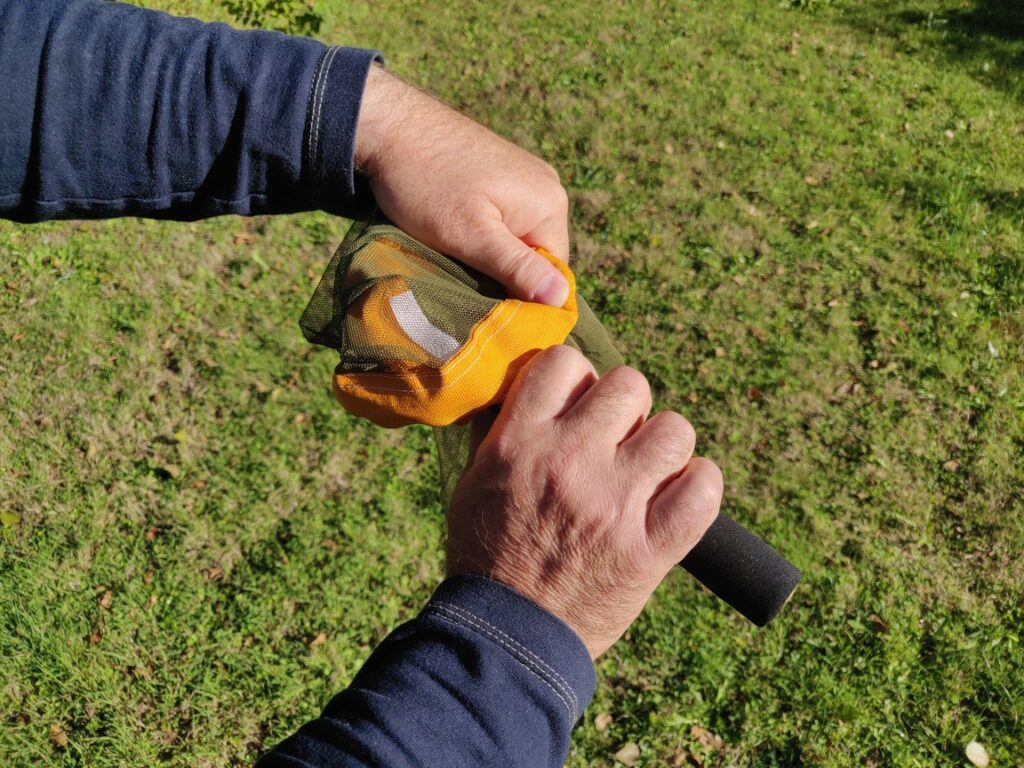
Twist almost completely with your left hand over the top of your right hand with your index finger ready to clasp the folded rim. The frame should naturally want to fold over itself.
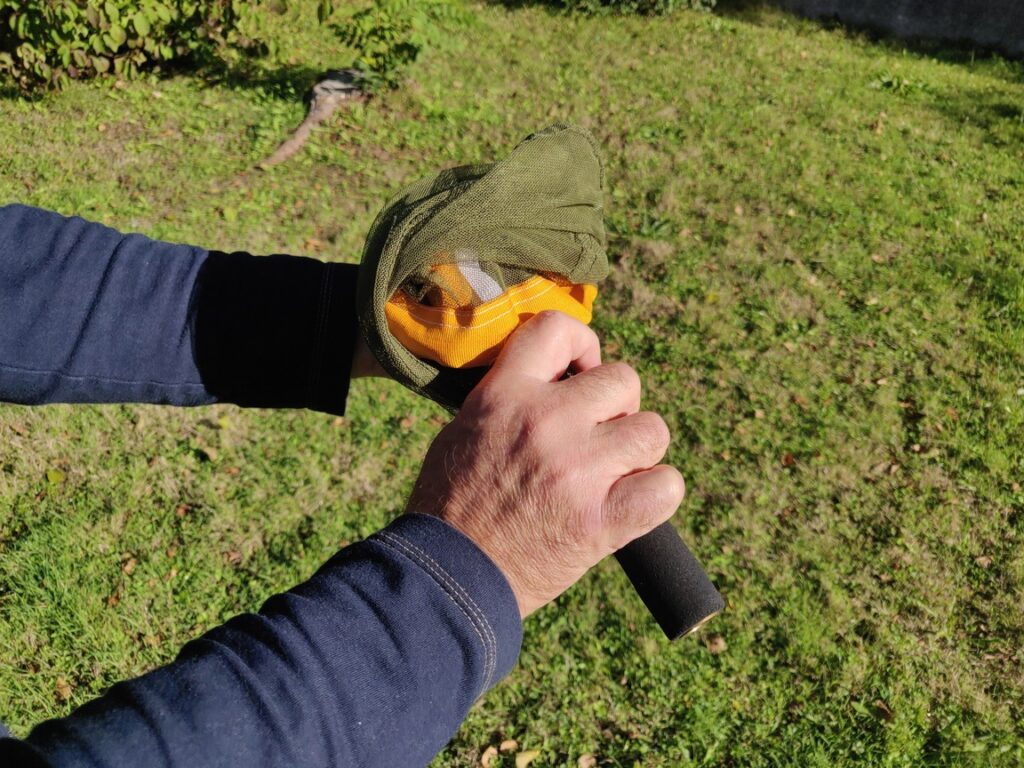
With the frame folded, use your left hand to wrap the net around the folded frame to keep it from springing open. The net can now be safely stored in the bag provided.
Other equipment
It is also worth considering stocking up on a few supplies if this is the first butterfly net you have bought.
A spare net: While the net is hardwearing, it is always worth considering keeping a spare net on hand. You can purchase additional nets on the NHBS website.
A hand lens: Ideal for examining any butterflies that you have sampled. NHBS carries a selection of hand magnifiers that you can keep in your pocket. This particular lens is a 15 x magnification which is extremely good for viewing the beauty and detail of the butterfly.
Collecting pots: NHBS carries a selection of different types of pots that can be used for transferring a butterfly from the net to something you can view the butterfly with.
In the event that you wish to extend the handle, additional lengths and styles are available. For example, you can extend the handle to either 50 cm or 90 cm with the fixed length long handles such as the Professional Butterfly Net: Handle, or for a more flexible approach you can choose the Telescopic Handle that extends the range of the net between 82 cm and 125 cm reach.
The Spring Frame Butterfly Net can be found here. Our full range of butterfly nets can be found here.
If you have any questions about our range or would like some advice on the right product for you then please contact us via email at customer.services@nhbs.com or phone on 01803 865913.
Winner of the James Cropper Wainwright Prize for Nature Writing 2022.
Chronicled in Goshawk Summer: The Diary of an Extraordinary Season in the Forest, wildlife cameraman James Aldred is given the once-in-a-lifetime opportunity to film a goshawk nest during the first few months of the pandemic. Having just completed a migration himself, returning home after filming a cheetah family in Kenya, he was commissioned to begin filming in the New Forest. However, after the adventures of finding a suitable nest and planning how to set up the shoot, lockdown began. The everyday hustle and bustle of everyone going about their daily lives stopped. In the spring months of 2020, with everyone staying at home, no cars on the road, the absence of aeroplane vapour trails crisscrossing the sky, an eerie quiet descended. And perhaps most importantly, lockdown meant no more visitors to the New Forest – except for James.
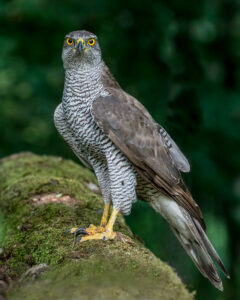
After harpy eagle attacks, being chased by venomous snakes, and almost being knocked out of a tree by an elephant, you’d think Aldred wouldn’t have much excitement for our native wildlife. However, the awe that Aldred has for not just goshawks but for many of our species shines through in this book. For all its named ‘Goshawk Summer’, this book reads like an ode to the threatened aspects of Wild Britain. It is a whistle-stop tour of our countryside, from instructions on the management of heathland and the place muntjac have in our ecosystems, to the plight of the Dartmoor warbler, pine martens, and the curlew, and even the cultural relationship we have with foxes.
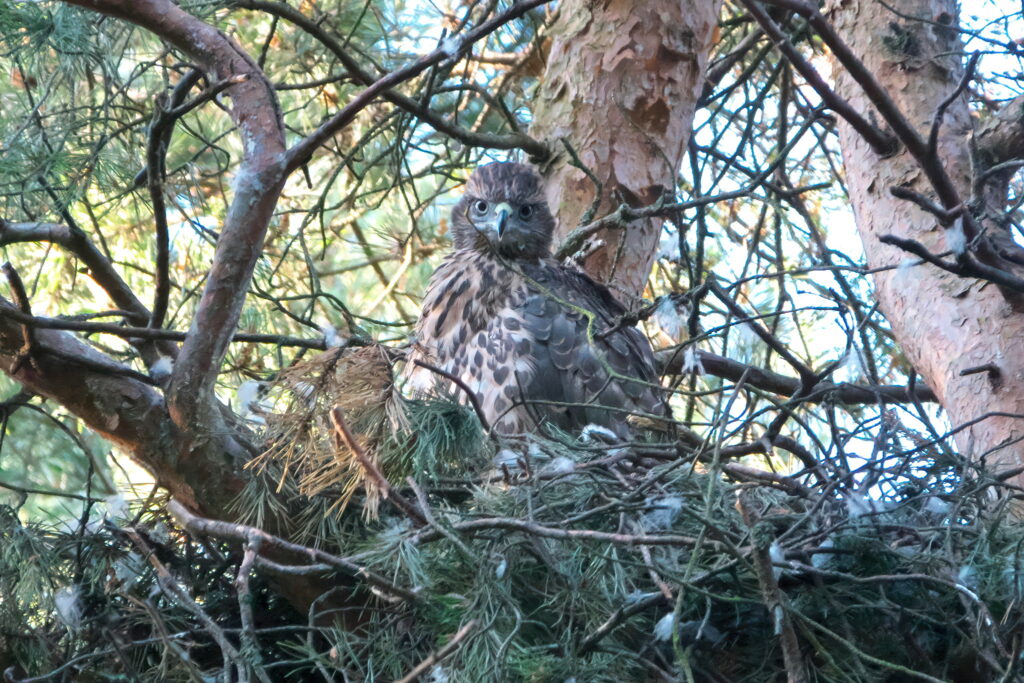
Northern goshawk chick by Andrey Gulivanov via Flickr
The wealth of experience he has gained over 25 years of working in the industry is clear throughout this book. Passages are filled with rich tidbits of wildlife encounters, such as the time he found all six native reptile species in one morning. Each sighting and mention of a species is accompanied by a short tale or a piece of history. Often, these sightings are compared to Alred’s experiences with more exotic ones, such as the pine marten with the yellow-throated marten in Borneo, a group of tumbling fox cubs with the cheetah family in Kenya, and the goshawk as “our very own mini-harpy”. It is a welcome reminder that UK wildlife can be just as magical and mysterious as that of far-flung places.
Written from field notes kept at the time, the internationally experienced wildlife cameraman dives into the wildlife of his childhood haven of the New Forest. He describes the lack of human activity and disturbance as a glimpse into paradise, which, through his engaging observations, we too can experience. The goshawks are the true highlight of this book, as Aldred gives us a window into the seemingly timeless forest away from the jumble and stress of modern life. Following the weeks and months of Aldred’s shoot, we see the day-to-day workings of a goshawk nest and the trials and tribulations of a species once hunted to extinction. While watching the development from eggs to fully fledged juveniles, Aldred tells the history of this previously highly persecuted species.
As lockdown eased and travel was allowed, the spell is broken and it seems that suddenly everyone is using natural spaces. Car parks and roads fill and forest paths become alive with walkers, music and cyclers. Unfortunately, while many reported this as the public’s increasing appreciation for our natural landscapes, Aldred has a different opinion. With the pandemic always running in the background, he documents the impacts of the sudden rush to reenter the world. From the increase in noise, litter, risky barbeques, irresponsible drivers and dog owners, the newfound peace of the New Forest seems shattered. The forest is described as a habitat that “has been abused for centuries” and Aldred reaffirms the emerging narrative that we should step back to give nature space to breathe and recover. Throughout Goshawk Summer, Aldred issues a strong call for people to be more conscious and considerate of their behaviour in nature, particularly around nesting bird season.
Returning in February 2021, almost eight months after watching the goshawk chicks fledge, Aldred once again encounters the goshawk female. He notes a feeling of elsewhereness within the forest, of outside being England and inside “somewhere much further north”. Goshawk Summer mirrors this, providing a fascinating glimpse into the perspective of a wildlife cameraman and a welcome break from the clutter of the outside world. This book was awarded the James Cropper Wainwright Prize for Nature Writing 2022.
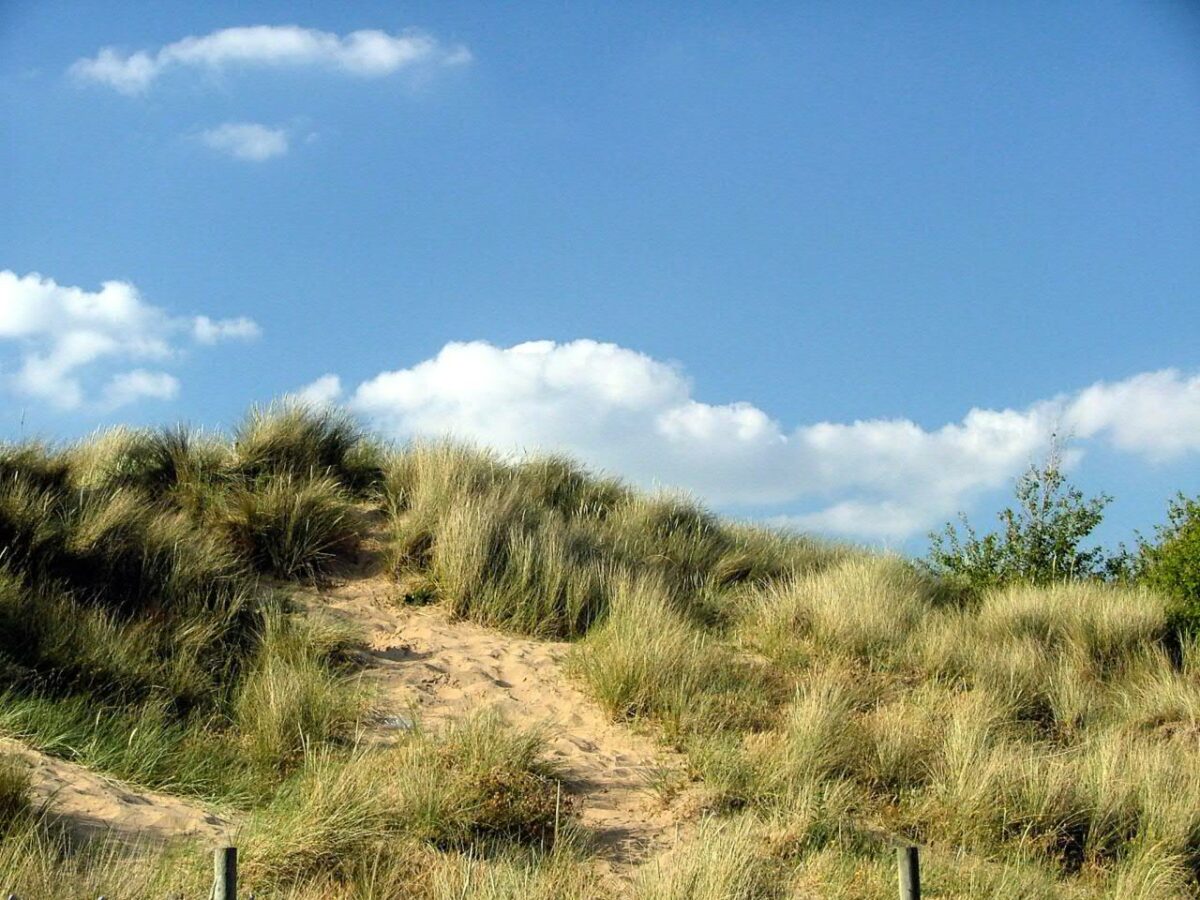
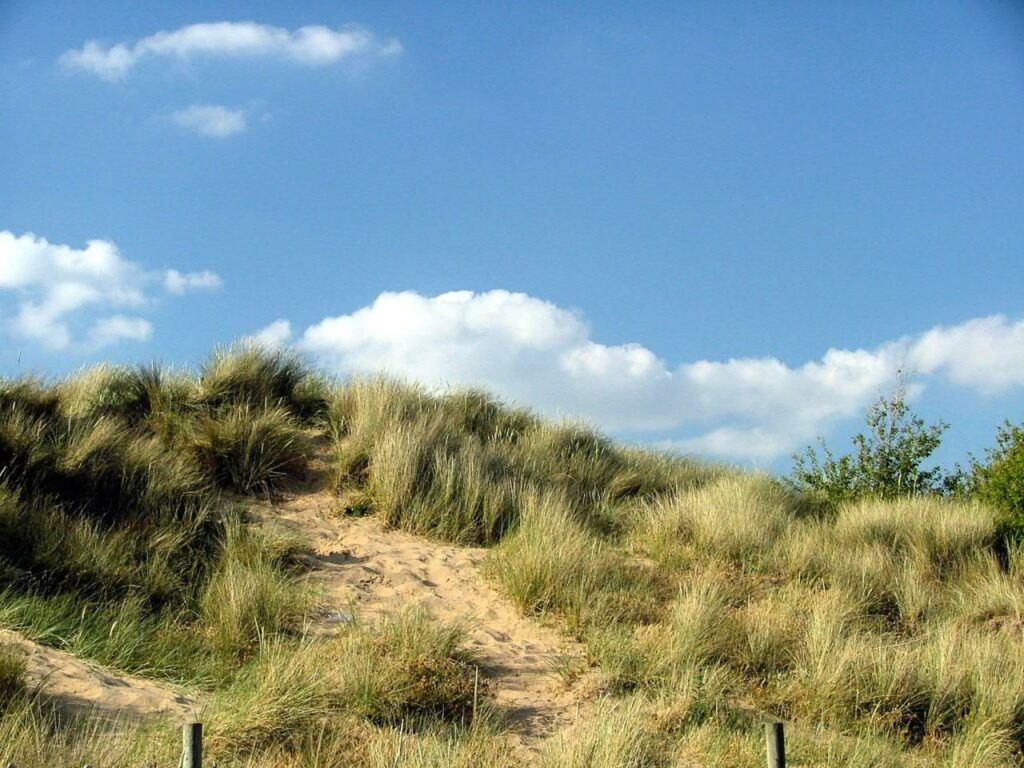
Sand dunes in New Brighton, Merseyside, UK by Andrew Mason via Flickr
Coastal sand dunes are habitats created by sand, seashell fragments and other sediments that are moved by wave and wind action along a coastline or beach until they become trapped above the strandline. This usually occurs where vegetation is growing as their roots and leaves help to bind the sand together, preventing the sand from being blown away by the wind. There are several different types of sand dunes, categorised by their position on the shoreline, age, morphology and stability:
Embryo dunes: The youngest dunes at their earliest stage of development, usually closest to the shore and may still be covered by high tides. This area usually has high salinity and is a very dry environment with rapid drainage and a lot of exposure.
Mobile dunes: These are dunes that are no longer covered by the highest tide but are still affected by wind; sand gets blown from the beach onto, over and away from these areas.
Semi-fixed dunes: This is where vegetation cover has become more continuous with fewer areas of bare sand.
Fixed dunes: These are dunes that have very limited free space, with few areas of bare sand and almost continuous vegetation.
Dune slack: The low-lying depressions between sand dunes. These areas can often become filled with fresh or brackish water, creating small wetlands known as interdunal wetlands or interdunal ponds. These areas can warm quickly as they’re often very shallow, providing an ideal habitat for many invertebrates.
Dune scrub: A later successional stage, where a stable dune has been colonised with scrub species. These areas can continue to develop into dune-heath and older woodland.
Sand dunes can be rich in wildlife and are important habitats for birds, reptiles, invertebrates, a variety of plant species, lichens and fungi. This is particularly the case in older, more stable dune habitats. They are classified as UK BAP Priority Habitat and several Priority List species have been recorded utilising sand dunes.
What species can you find here?
Flora
Differences in flora diversity can be found depending on the position, age, morphology and stability of the dunes. Sand dunes that are still inundated at high tide can be dominated by halophilic (salt-tolerant) plants, whereas dune slack areas may be filled with fresh groundwater, allowing them to support several freshwater plant species. Areas of low stability will most likely see lower plant diversity, with the community present dominated by pioneer species. More stable dunes are generally dominated by woody plants and have higher diversity.
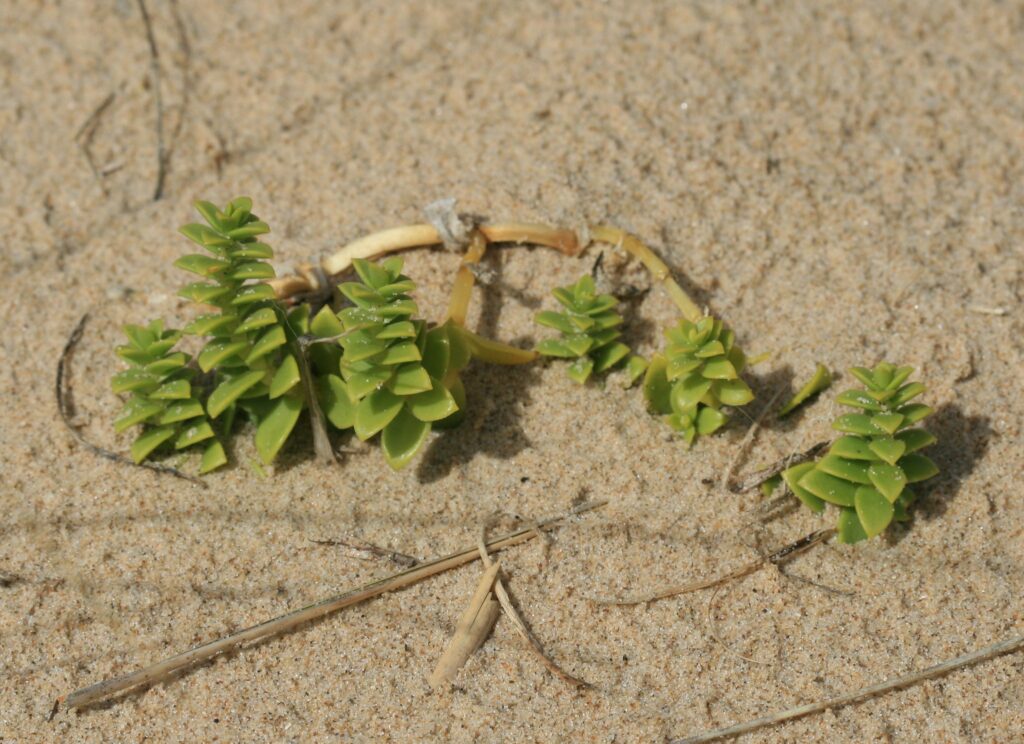
This is one of several pioneer species usually found in embryo dunes, as it is highly stress-tolerant. These plants allow sand to begin to accumulate, raising the top of the dune above the high tide level, while also adding organic matter to the sand through dying and decaying. This allows the sand dune to better retain water, allowing other plants to colonise the area.
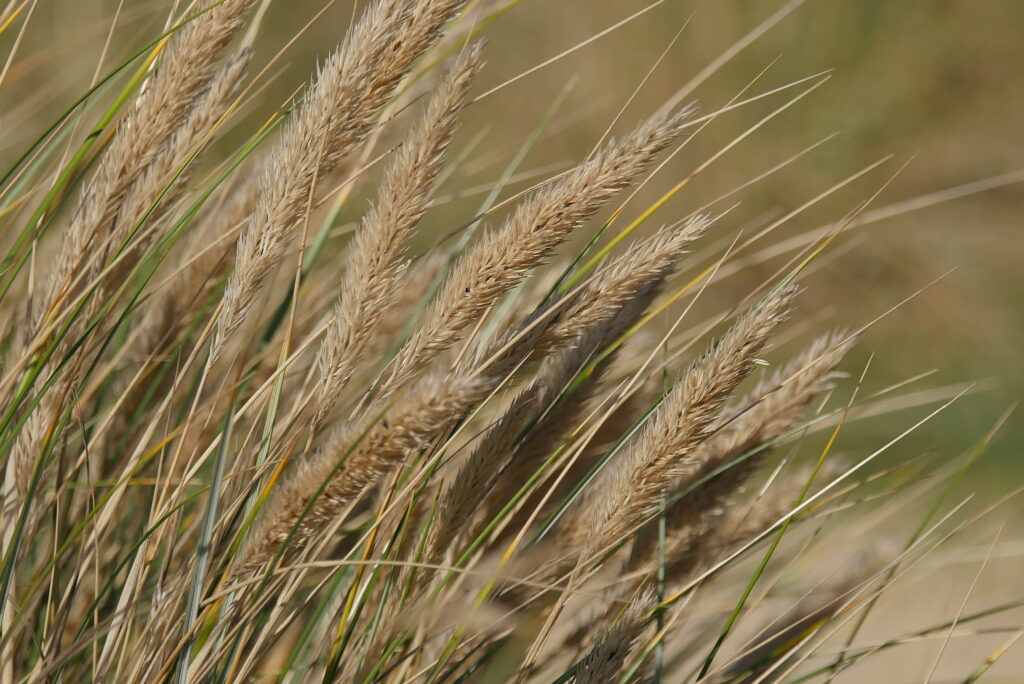
This is a dune building grass as it is tall and robust, with matted roots, therefore it is very effective at trapping and stabilising sand. It can help to form very high mobile dunes as it grows at a rate of 1m per year. It is usually the dominant plant on mobile dunes and is a familiar sight on many of our coasts. By stabilising the sand and adding nutrients through its dead leaves, this plant can allow sand dunes to be colonised by many other plant species.
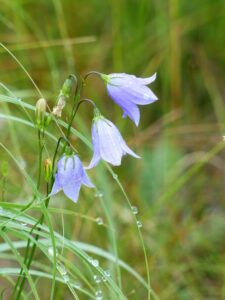
As sand dunes become more fixed and vegetation cover becomes more continuous, the area can be very species-rich. Many wildflowers, including harebells, can be found there, providing a food source for species such as invertebrates. Due to the wide range of environmental factors in these habitats, such as wind, salinity levels and availability of shelter and fresh water, there is often a huge variety of wildflowers.
Harebells, also called bluebells of Scotland, are tough and resilient plants, living in dry, open areas such as sand dunes. While their flowering period can vary, it’s usually from July to November in the British Isles, providing a vital source of nectar for bees during the autumn.
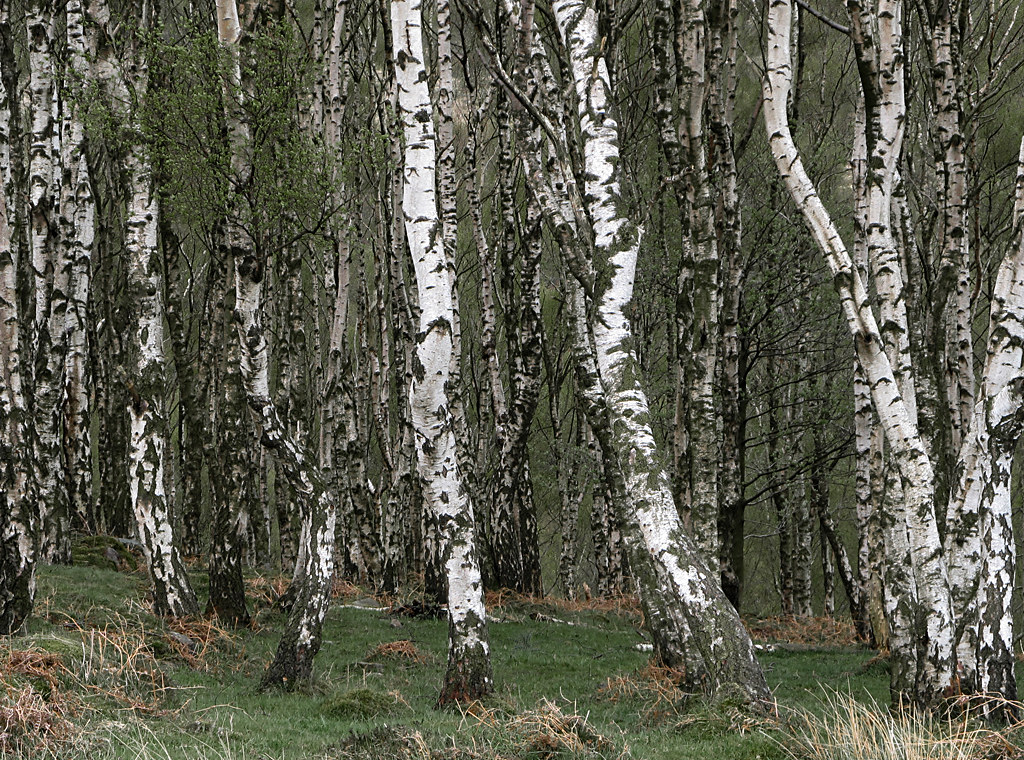
The final successional stages of sand dunes include colonisation by woody plants, creating dune scrubs and, finally, deciduous woodland. These woodland are often lower in species diversity, as woody species out-compete others, but the habitat will remain stable for extended periods, barring any disturbance. The type of vegetation present in the climax stage is determined by a number of factors, such as climate, exposure, soil pH, grazing level and management type. Birch trees are one of the woody species that can colonise sand dunes, particularly acidic dunes with open areas for young birch trees to grow.
Fungi
While fungi are usually associated with damper habitats, there is a variety that can be found in sand dune habitats, such as the earthtongue fungus (Glutinoglossum glutinosum), dune stinkhorn (Phallus hadriani) and several puffball species. There are also rare species that can only be found in sand dunes.
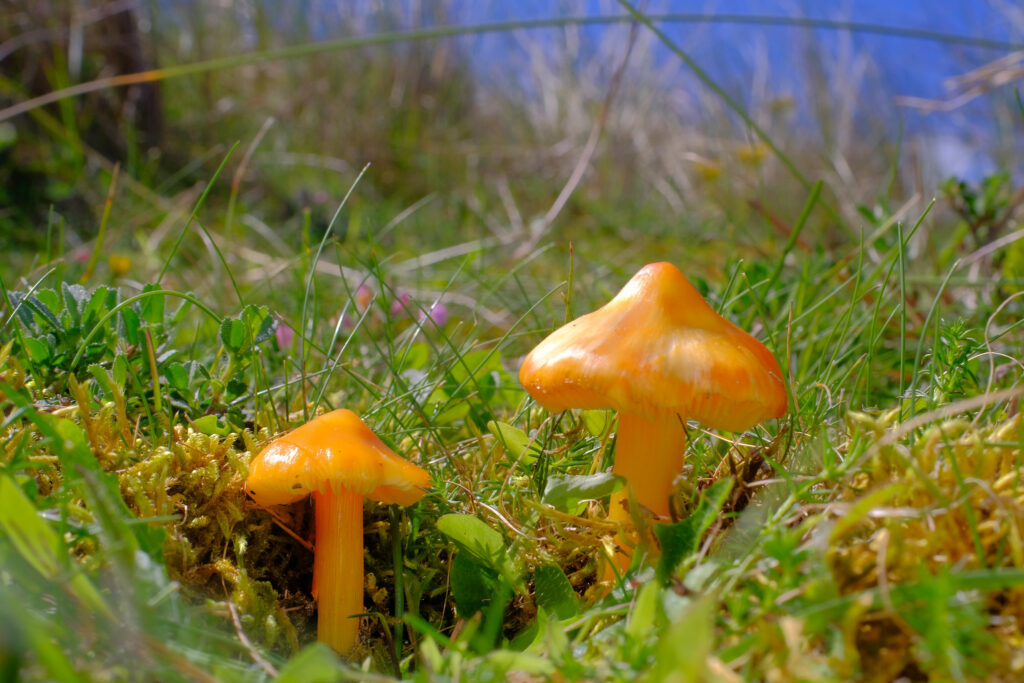
This species of waxcap occurs mainly on short grass in coastal sand dune habitats, such as on the edges of dune slacks. Waxcaps, fungi in the genus of agarics, or gilled fungi, are usually brightly coloured fungi with dry to waxy caps. They are mainly associated with unimproved grasslands, though outside of Europe they are more commonly found in woodland. Dune waxcaps resemble the blackening waxcap (Hygrocybe conica) when young, but older dune waxcaps only darken slightly, usually just on their stem, unlike the blackening waxcap.
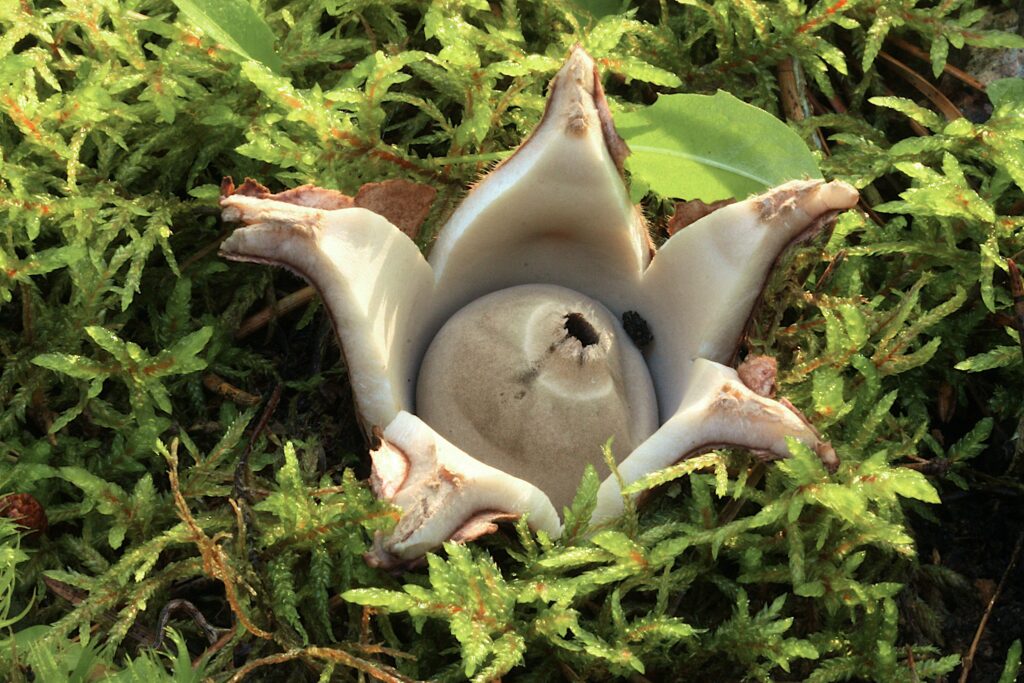
While collared earthstars are most likely found in woodlands, particularly those with a high level of leaf litter, they can also be found on sand dunes. This star-shaped fungus initially looks like a ball, similar to a puffball, before splitting open. Other earthstars, including the dwarf earthstar (Geastrum schmidelii), can also be found in sand dune habitats, particularly mature sand dune systems. They’re often found in colonies with several fruitbodies growing together.
Fauna
Sand dunes support a diverse range of fauna species, many of which are specifically adapted to live in these dynamic habitats. Similarly to shingle beaches, which will be covered in another article, this area is a key habitat for several ground-nesting birds, such as the Ringed Plover and Skylarks, grazing species such as rabbits, and invertebrates such as bees, digger wasps and other insects.
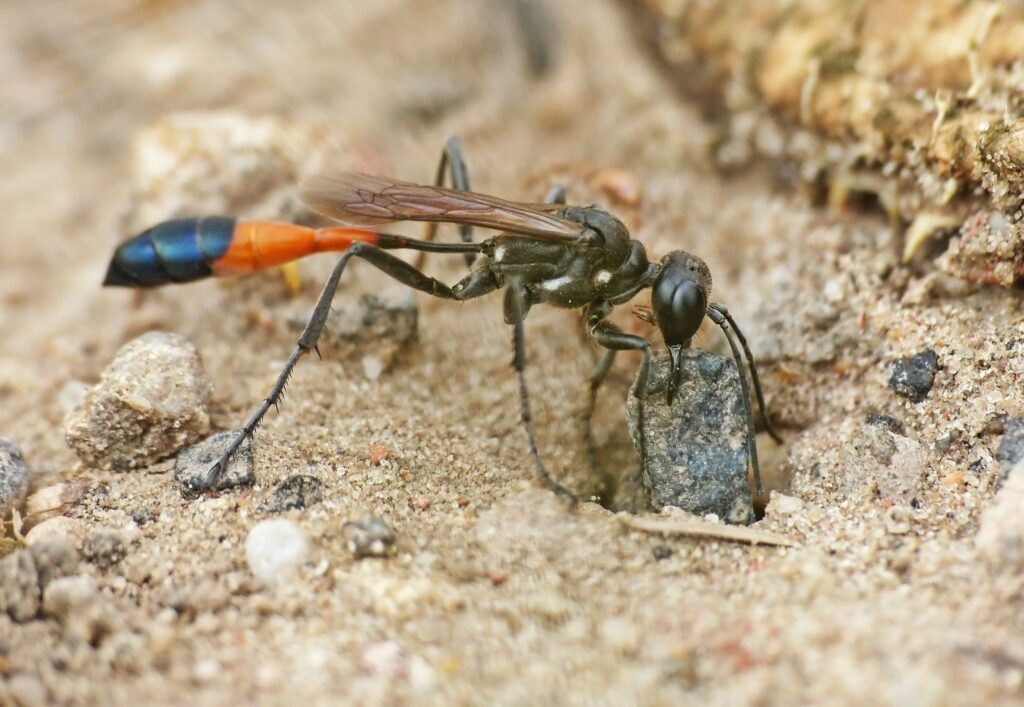
Sand wasps reproduce by hunting caterpillars, paralysing them using their sting and burying them in burrows with the sand wasp’s egg. The females dig their burrows in sandy ground, with a nearby area of vegetation that would support their prey. Areas of sand dunes can be rich in invertebrate species, particularly where diverse vegetation is present.
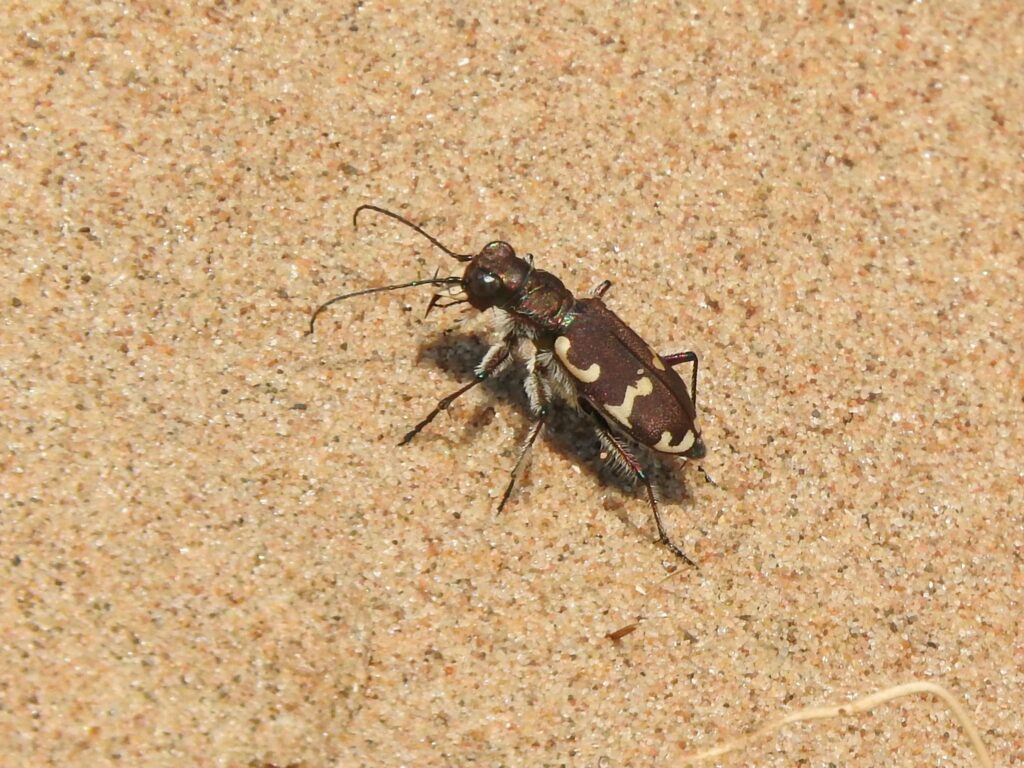
This rare beetle hunts on bare sand, preying on ants, spiders, moth larvae and flies. As they need areas of open, moving sand, they are less likely to be found in older, more stabilised sand dunes. Therefore, lack of management allowing succession and reduced sediment deposition due to development or flood defences reduce the availability of suitable habitats. Conservation efforts to restore mobile sands and remove areas of scrub are helping to provide more habitats for the northern dune tiger beetle.
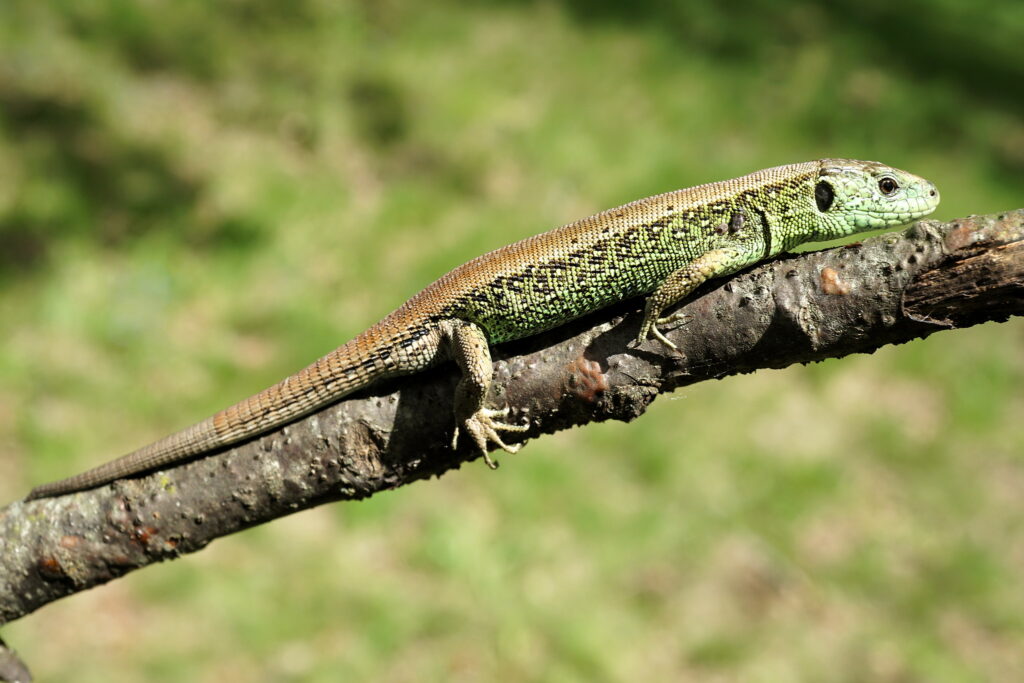
Sand dunes support a variety of vertebrate species, including the sand lizard, one of the UK’s rarest reptiles. Their distribution is restricted to a small number of sites, such as protected heathlands and sand dunes. They require sunny habitats with vegetation for shelter and undisturbed, open sand to lay their eggs. Their numbers are impacted by habitat loss but there are several conservation efforts working towards increasing their populations. These involve a combination of habitat restoration, monitoring, reintroduction and encouraging beneficial policies and practices.
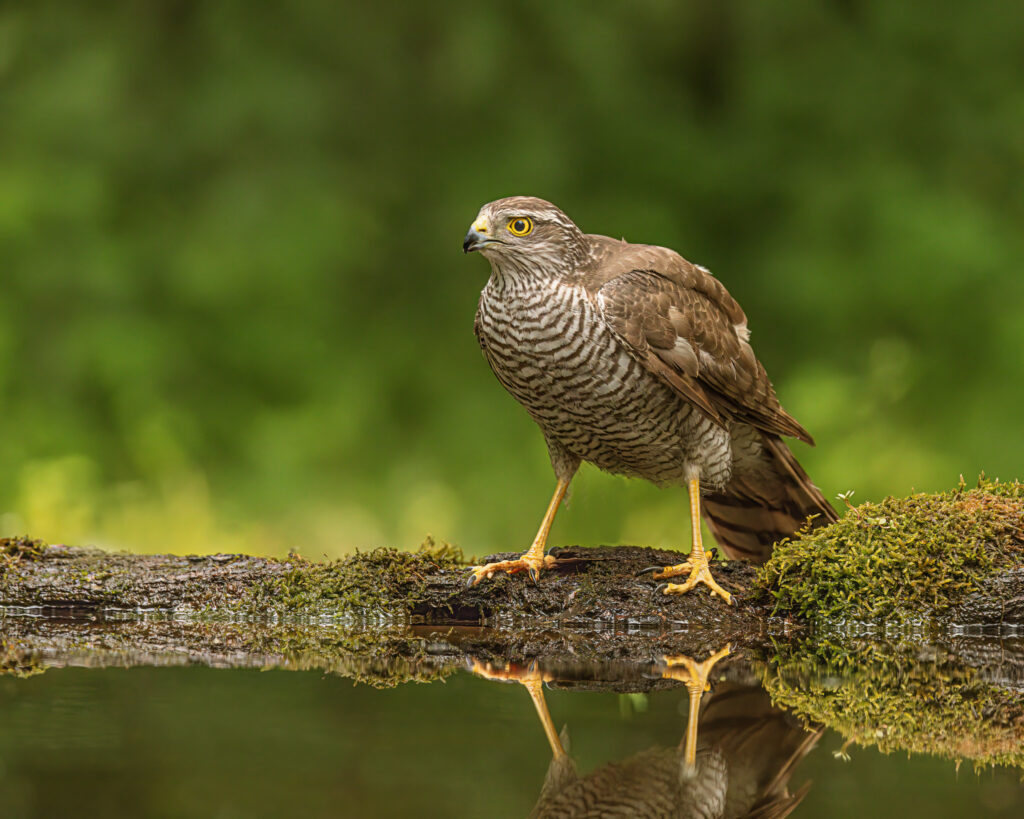
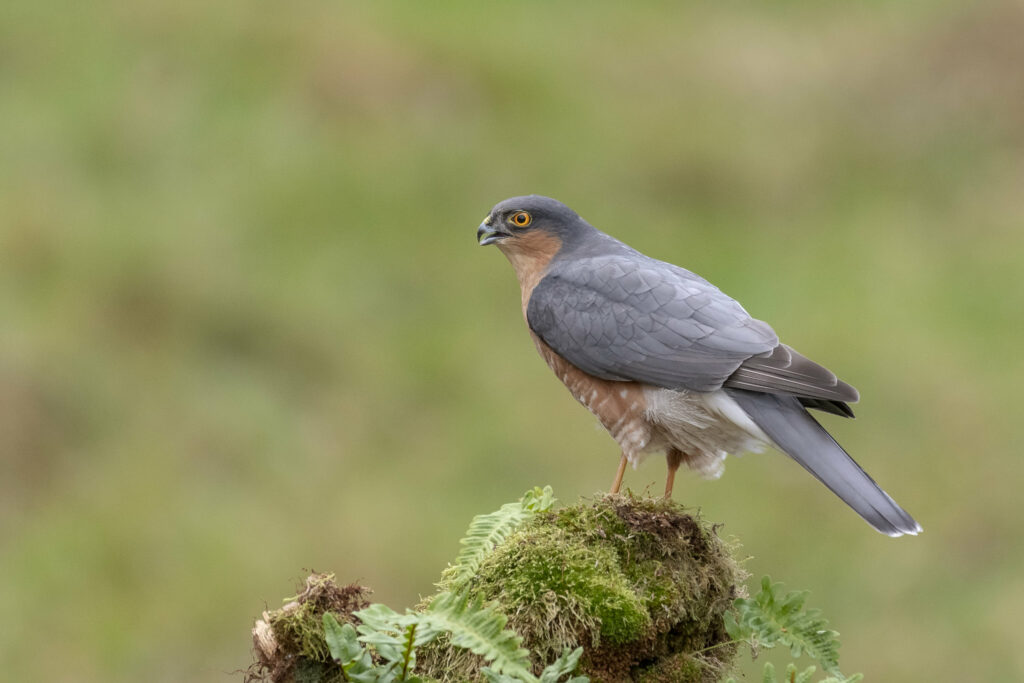
Sparrowhawk (Accipiter nisus)
Female. Andy Morffew via FlickrMale. Caroline legg via Flickr
Several birds of prey use sand dune habitats as hunting grounds due to the presence of ground-nesting birds, lizards and some grazing species such as rabbits. Sparrowhawks can be found across Britain and Ireland, mainly in gardens, woodland and urban settings, but they can also be found on sand dunes, particularly if woodland is close by. They prey mainly on small birds, but they have also been recorded taking bats.
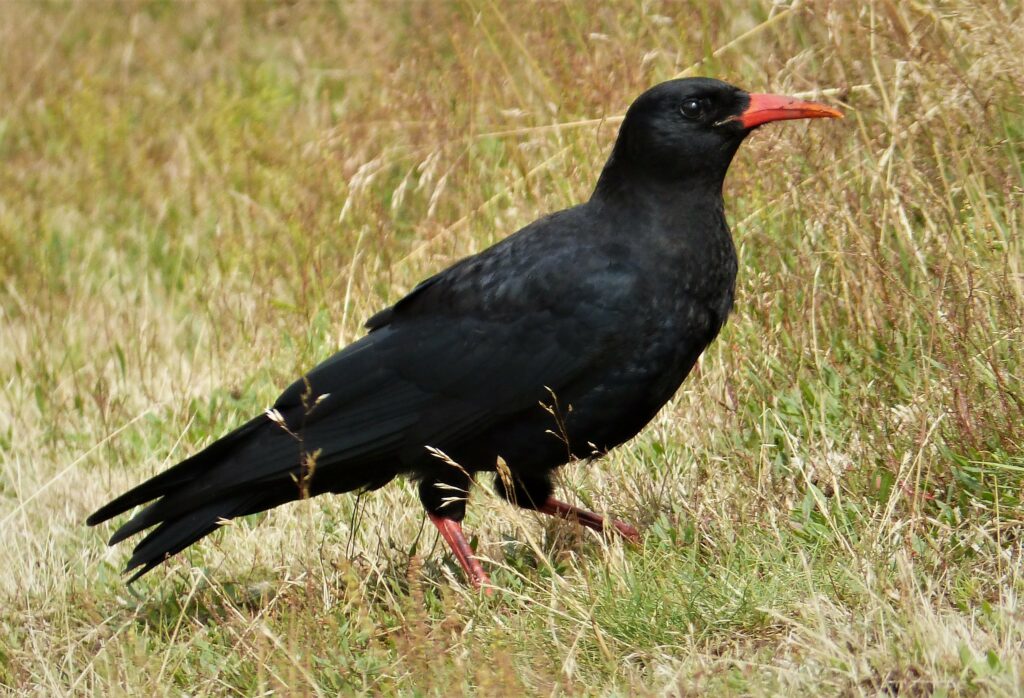
Once extinct in Britain, Choughs now have a growing population on the Cornish and Welsh coasts, as well as a few other spots around the UK. They hunt invertebrates and larvae in the exposed sandy soils of sand dunes, using their long, curved bills. With only a small population in the UK, it is important to maintain suitable areas of habitats, therefore a number of projects are reintroducing grazing species to dunes. These species help to maintain areas of open ground and short grass, preventing sand dunes from becoming scrubland.
The main threats to coastal sand dunes are development, recreational use, flood defences, falling water tables, climate change, invasive species and poor management. The development of housing, industry and areas such as golf courses can result in the damage or destruction of sand dune habitats. This, along with recreational use, such as excessive pedestrian and vehicular use, can increase levels of erosion and modify vegetation. Fragile sand dune habitats can be altered, reducing their stability and their ability to support diverse wildlife.
Poor management allows encroachment by shrubs and trees that, if left unchecked, could turn sand dune habitats into woodland areas, which can impact their suitability for specialist species. Flood defences can impact the natural processes of sediment removal and deposition, which can prevent sand dunes from developing or growing. These areas can become depleted if there is not enough sediment deposited to replace the amount removed by wind or wave action. The creation of harbours and other coastal structures can also disrupt natural sediment processes. Alternatively, these structures can also prevent sediment removal, causing a build-up of sediment.
Further threats include invasive species, such as cordgrass (Spartina anglica), which can dominate sand dunes, reducing the abundance and diversity of native plant species and reducing the number of animals that the area can support. Climate change can also threaten this habitat, as increasing intensity and frequency of storms can impact how sand dunes are formed. Sea-level rise, in combination with development, can also reduce the amount of area available for this habitat to form; this is termed coastal squeeze.
While grazing is used as a method for controlling over-stabilisation and succession, overgrazing can also impact sand dunes. It can reduce the development and spread of vegetation, preventing sand stabilisation and, therefore, reducing the diversity and abundance of the species the habitat can support. This also allows sand dunes to become depleted by wave or wind action, particularly where structures such as flood defences and development have reduced sediment deposition.
Conservation
To manage the impacts of these threats, many sand dune areas have been given Site of Special Scientific Interest (SSSI) designations, which control the amount of development that can occur. Soft engineering approaches to flood defences including beach replenishment, the restoration of stabilised sand dunes and managed realignment, where areas are allowed to be inundated by the sea, can often be a more natural approach to reducing the impacts of waves compared to hard engineerings, such as sea walls and breakwaters. These can allow the natural process of sediment removal and deposition, facilitating the development of new sand dune environments.
As mentioned, sand dunes are subject to natural habitat succession, often ending in a stable deciduous woodland habitat. To maintain sand dune habitats, encroachment by woody species must be controlled and areas of open, mobile sand should be created as this prevents soil development and, therefore, over-stabilisation.
Areas of significance
Lindisfarne National Nature Reserve, Northumberland
Coastal zones are becoming increasingly topical as they face relentless pressure from a number of threats. This book provides a comprehensive introduction to the formation, dynamics, maintenance and perpetuation of coastal sand dune systems.
This book deals with the development of temperate coastal sand dunes and the way these have been influenced by human activity. Options for management are considered and the likely consequences of taking a particular course of action highlighted.
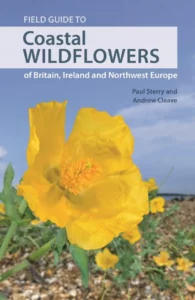
This field guide covers more than 600 species of wildflowers and other coastal flora found in Britain and Ireland, and coastal mainland north-west Europe. Detailed species accounts describe the wildflowers, grasses, sedges and rushes that occur on the coast or in abundance within sight of the sea.
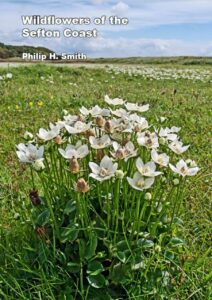
This book describes the typical wildflowers associated with each of the Sefton Coast’s main habitats from the saltmarshes and ‘green beaches’ to the sand-dunes; the latter showing a sequence of successional stages running inland, from the newly-formed strandline and embryo dunes, through mobile and fixed-dunes to older woodland and dune-heath.
A new edition of a unique textbook that provides an exhaustive treatment of the world’s different coasts, with a focus on climate change sea-level rise. Seeking to better educate students and readers about the sustainability of coasts and coastal environment, this exciting book offers enlightening coverage of coastal geology, processes and environments.
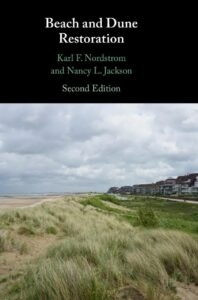
This new edition continues the theme of the first edition: the need to restore the biodiversity, ecosystem health, and ecosystem services provided by coastal landforms and habitats, especially in the light of climate change. This will be valuable for coastal scientists, engineers, planners, and managers, as well as shorefront residents
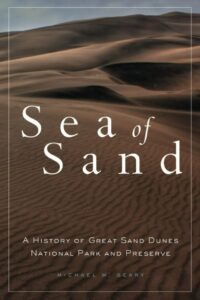
The Great Sand Dunes sprawl along the eastern fringes of the vast San Luis Valley of south-central Colorado. Sea of Sands is the definitive history of the natural, cultural, and political forces that helped shape this incomparable landscape.
This summer was England’s hottest on record, tied with 2018. The average temperature in June, July and August was 17.1°C. Four out of the five warmest summers have occurred since 2003, with records stretching back to 1884. Hot and dry conditions are causing river levels to drop, crop damage and wildfires across England.
East Yorkshire has launched a climate change consultation, inviting residents and those who work in the area to contribute to the local authority’s response. Attendees will get a first look at the draft Climate Change Strategy developed by East Riding of Yorkshire Council, which will highlight opportunities for future action. A survey has also been created to gather people’s views on climate change from across the authority area.
Research
Ecologists are using the latest dental scanning technology to study young coral, monitoring coral size and growth. This method is said to have reduced surveying time by 99%. Dr Kate Quigley, a senior research scientist, has developed a new non-destructive method for rapidly and safely scanning coral, using an ITero Element 5D Flex dental scanner. Because coral and teeth are both calcium-based, the scanner works effectively, allowing scientists to measure thousands of tiny coral quickly, accurately and without any negative impacts on the health of the coral.
Conservation
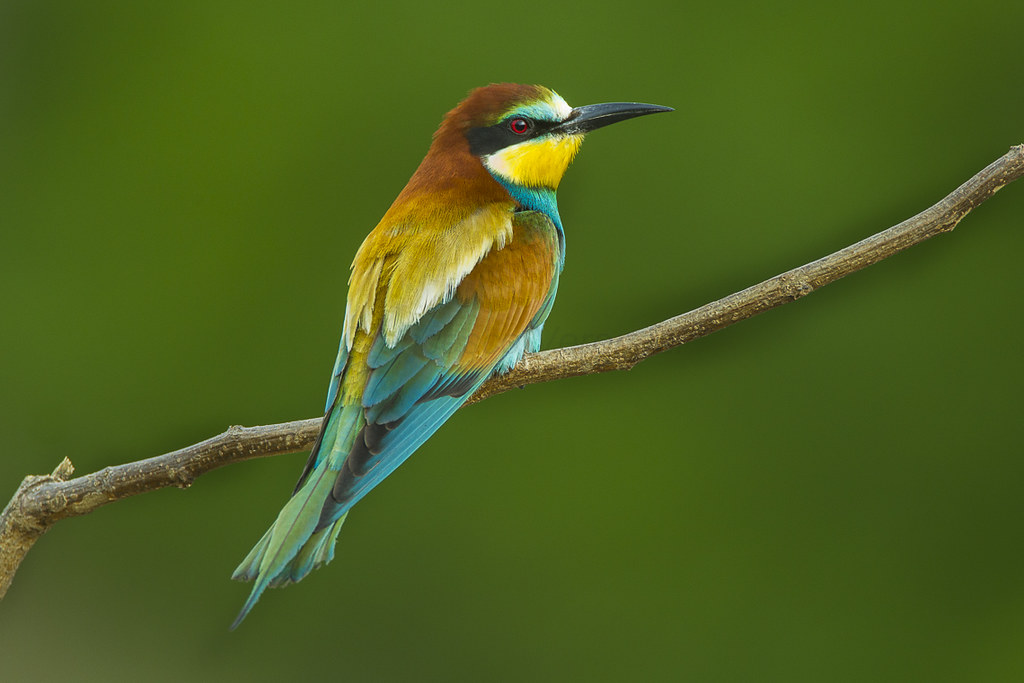
A flock of European bee-eaters have migrated south for the winter after successfully hatching chicks in the UK. The arrival of the breeding colony in Trimingham, Norfolk, in June was described by the RSPB as a “red alert for global warming,” as they are more commonly found in the southern Mediterranean and northern Africa. Nesting bee-eaters are occurring in the UK as hotter, drier summers become more common. While they eat a variety of flying insects, including many bee species, this small colony is not expected to have had any impact on local bee populations.
European Bee-eater by Francesco Veronesi via Flickr
Water voles have been reintroduced into the New Forest, two decades after they became locally extinct. In 1998, 7000 American Mink were released from a fur farm by animal rights activists, inadvertently resulting in the loss of the local population of endangered water voles. The Environment Agency released 50 captive-bred water voles into an area near Ringwood, joining a few wild voles relocated from Salisbury. Another 50 will be introduced to the same area next spring, with the hope that the population will reach 1,000 by 2027.
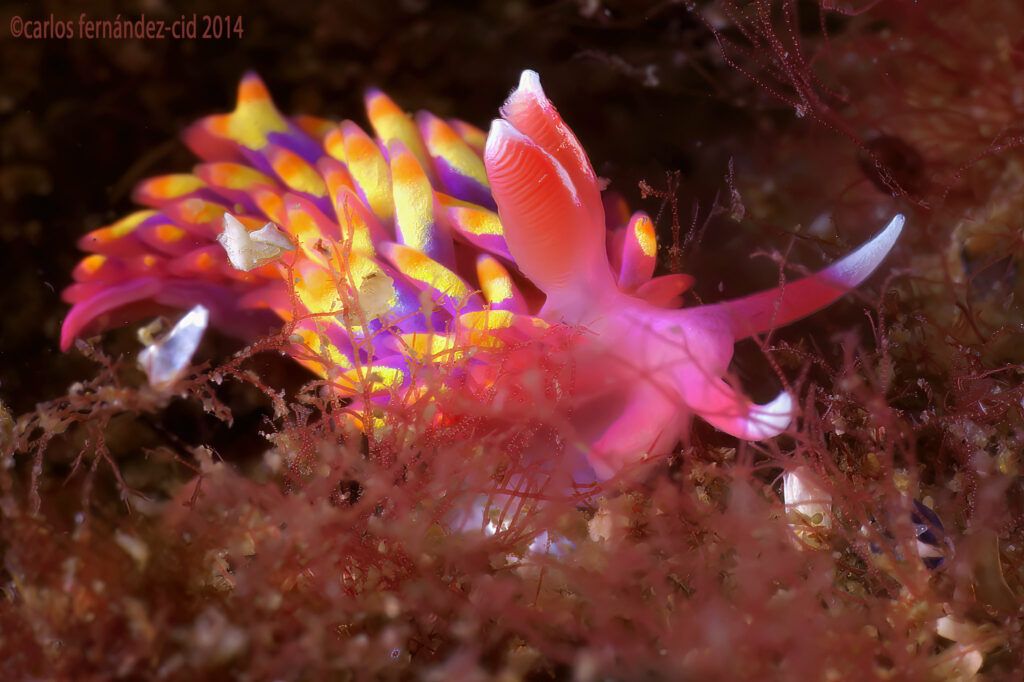
A rare sea slug, Babakina anadoni, has been spotted in Cornwall, marking only the second time this species has been seen in UK waters. The first sighting was made by a Seasearch volunteer just a few weeks ago off the Isles of Scilly. Their larval stage is thought to have drifted in on ocean currents, with the adults surviving due to favourable conditions. Only a few individuals have been spotted around the world, mostly in warm waters off the west coast of Spain, as well as Portugal, France, Brazil and the Caribbean.
Babakina anadoni by Carlos Fernandez-Cid via Flickr
Policy
A ban on offshore oil and gas exploration by Shell has been upheld by a South African court. Due to the loud shock waves that would occur every 10 seconds for the five-month period, it is thought that the seismic waves used to explore the Indian Ocean coast for oil and gas would have a negative impact on whales and other marine life in the area. These surveys have been found to disrupt marine communication, navigation and eating habits, which are essential to the survival of marine life. They also damage fish air bladders, marine eggs and larvae and can cause species to temporarily migrate away from the affected area. This may have knock-on effects on local fisheries.
River water testing fell to a 10-year low last year, with only 41,519 samples tested compared to 100,000 in 2012. Experts warn that this is causing a ‘vacuum of knowledge’ about river pollution and its effects. The decrease in monitoring has coincided with repeated cuts to the Environment Agency budget. Pollution risks increase with low-flowing rivers, such as the conditions brought on by recent droughts, because the concentration of pollutants increases.
There is widespread drought and water shortages across parts of Europe, including areas of England and Germany (where water levels in the Rhine River have dropped significantly), as well as France, Italy, Spain, Netherlands and Belgium. This is Europe’s most severe drought in decades, with high temperatures and reduced rainfall testing infrastructure and water supplies. England experienced the driest July since 1935, with only 35% of average rainfall for the month falling. Other rivers such as the Danube and the Po have been impacted, threatening wildlife.
Research
Most sharks killed for fins are at risk of extinction. A new study has found that more than two-thirds of sharks hunted and used in the global fin trade are at risk of extinction. By studying 9,820 shark fin trimmings from markets in Hong Kong between 2014 to 2018 using DNA analysis, the researchers found 86 different species. Of these, 61 are threatened with extinction. The majority of fins came from blue sharks which are classified as “near threatened” by the IUCN, with the other top species including silky sharks, hammerheads, makos and threshers.
Self-pollinating plants are showing rapid loss of genetic variation. Flowering species that can self-pollinate lost genetic diversity within only nine generations without bumblebees. A new study has found that monkeyflower plants lost between 13–24% of their genetic variation compared to a group that was propagated by bumblebees. Reducing genetic diversity can limit a species’ ability to adapt to environmental changes, like those brought on by climate change. This study highlights the importance of pollinator species in combating the impacts of the climate crisis.
Conservation
Derbyshire conservationists aim to save Swifts by pushing housebuilders to install nesting bricks. These hollow bricks provide a nesting area for one of the UK’s most endangered birds, whose population has dropped by 65% in the last 25 years. The Derbyshire Swift Conservation Project, run by Derbyshire Wildlife Trust, aims to raise awareness of Swifts. This aim is now increasingly being included in planning applications for new housing.
Cornish Choughs have had a bumper year, 20 years since the first Cornish-born Choughs were seen once again. Over 70 youngsters are being raised by 25 pairs, bringing the total population to around 200 birds. Just a single pair successfully fledged young in 2002 and now Choughs can be seen all over Cornwall.
Critically endangered Albatrosses are being plagued by mice on Gough Island. This small British overseas territory in the South Atlantic is home to the Triston Albatross, along with 21 other seabird species. Mice were introduced to the island accidentally over two hundred years ago. With no existing predators, the mouse population exploded, leading to a decline in seeds and insects. In response to this drop in food supply, some mice began to prey on seabird chicks. Last year, there was an attempt to eradicate this invasive species by dropping poisoned mouse bait all over the island but this attempt failed. The mice are now once again spreading across the island.
In brighter news, the saiga antelope population has increased 10-fold after a mass die-off in 2015. A fatal bacterial disease killed around half of the population, leaving only 130,000 animals. Now, an estimated 1.3 million saiga are living in the steppe grasslands of Kazakhstan. After being hunted to the brink of extinction, numbers were down to less than 40,000 in 2005. This new increase is the result of land protections and hunting bans, which have allowed the species to begin recovering.
Policy
The US Senate has passed a sweeping climate, tax and healthcare package, which will increase corporate tax, lower the cost of some medicines and, importantly for the fight against climate change, reduce carbon emissions. The $700bn (£577bn) economic package includes $369bn (£305bn) dedicated to climate action, the largest climate investment in US history. This will be split into multiple projects, including speeding up the production of clean technology, providing tax credits for those who buy an electric car and funding for communities that have suffered the most from fossil fuel pollution.
Endangered species breeding programmes are under threat due to new EU regulations. The EU Animal Health Regulation came into force in April 2021, after being agreed in 2016, creating new controls on the import of animals and plants into the EU. These new sanitary and phytosanitary checks must be carried out at border control posts, but few exist at airports in the EU and none at French ports. Before December 2020, there were an average of 1,400 transfers of species between the UK and other EU countries in order for breeding programmes to keep the gene pool as broad as possible. But since Brexit, there were just 56 in 2021, and so far this year, there have only been 84. The lack of checking posts has effectively banned the import of any large animal, potentially preventing the breeding of certain endangered species, such as the black rhino.


 Our nylon