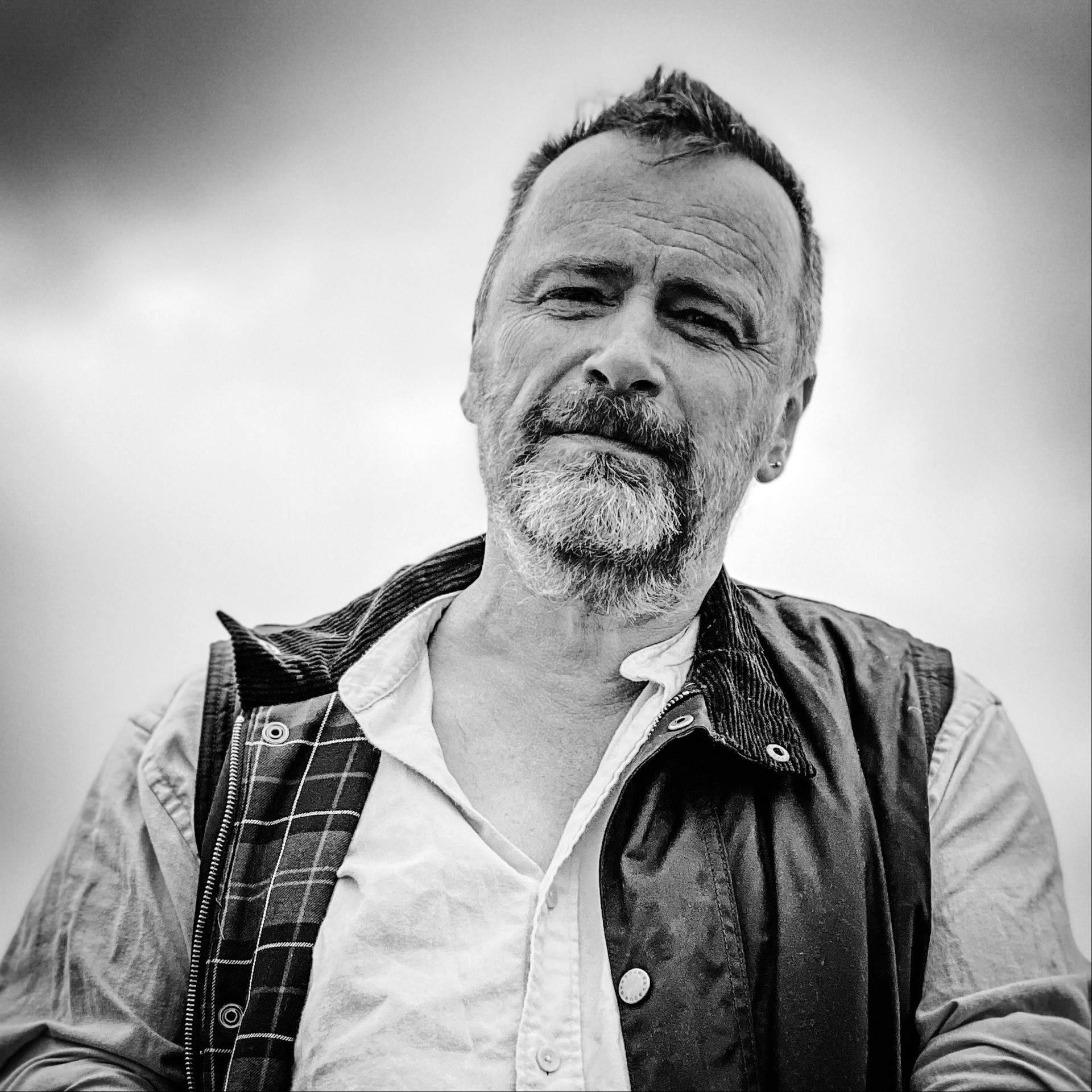
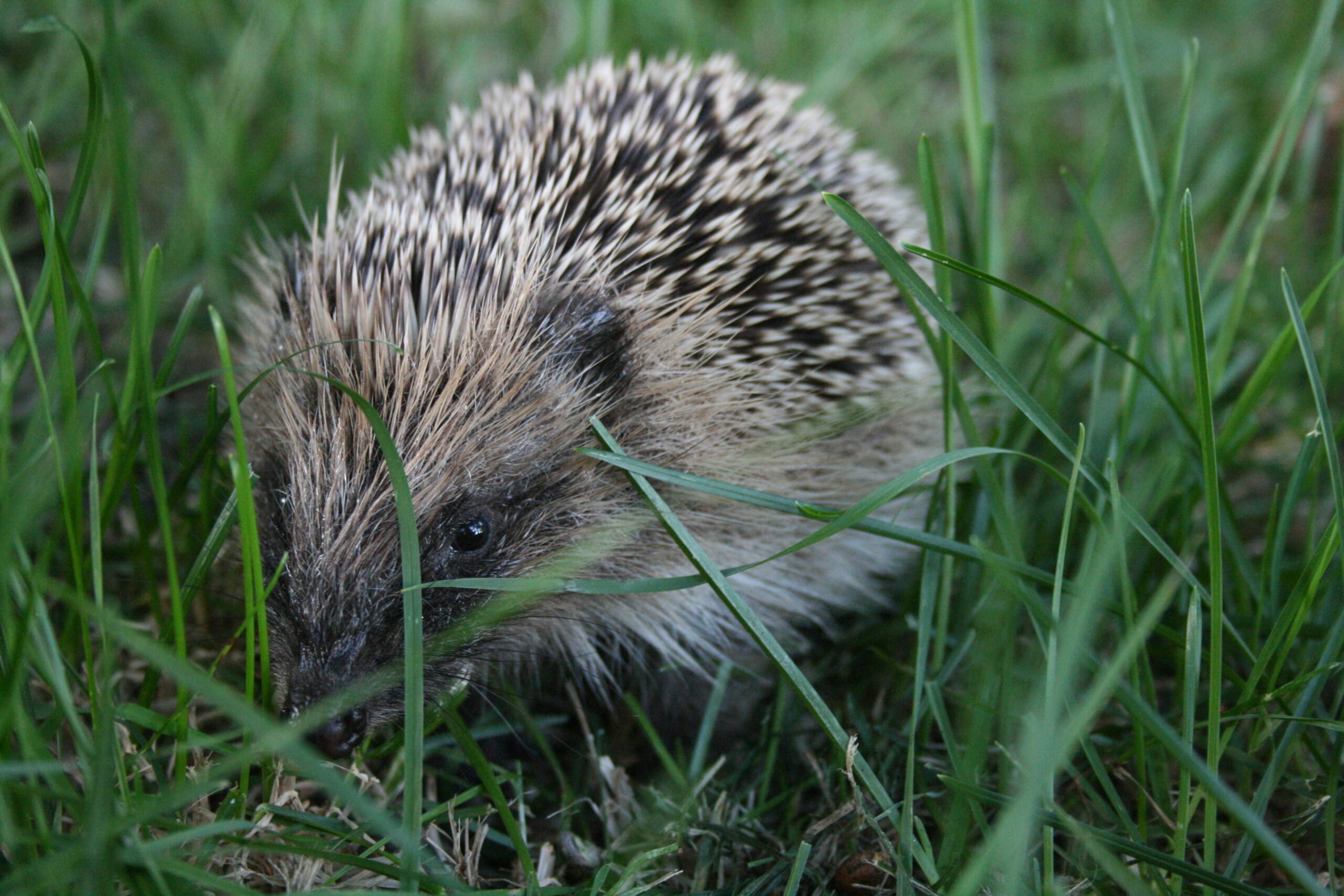
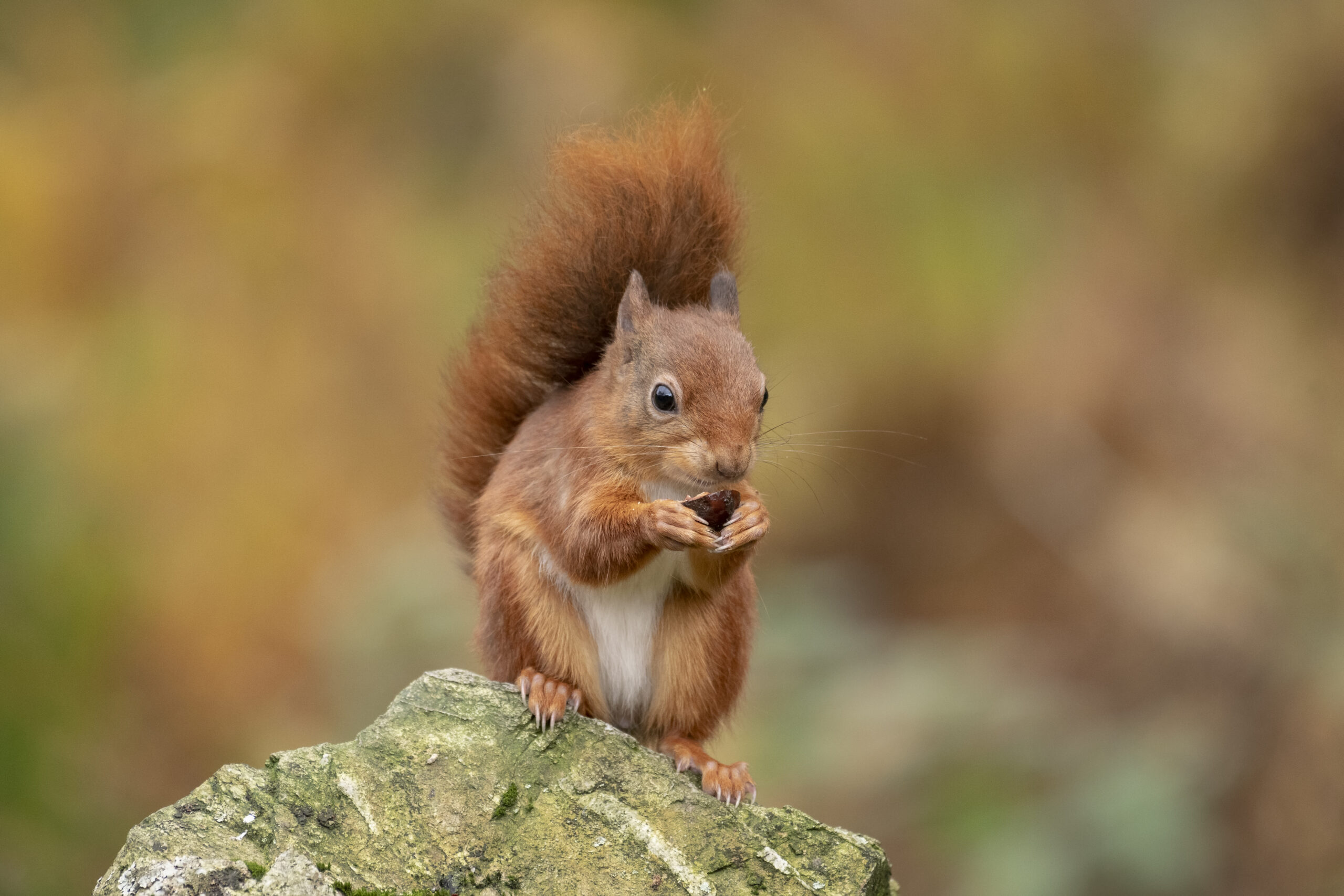
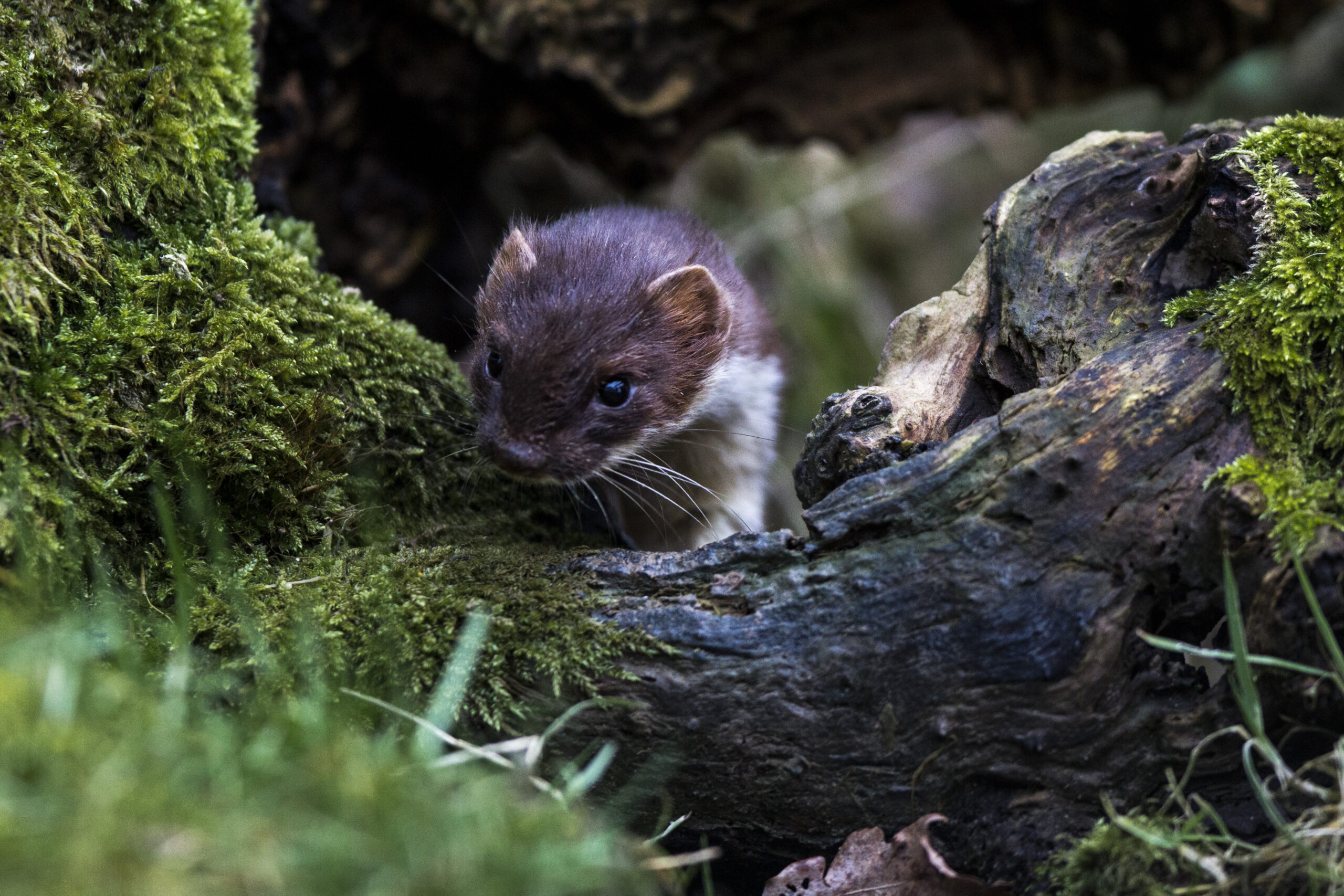
In The Accidental Garden, author Richard Mabey takes the reader on a journey through his own garden in Norfolk and explores the possibility of nature becoming humankind’s equal partner. He watches as his ‘accidental’ garden becomes its own director and reorganises itself in its own way, with ants sowing cowslips in their own patterns, roses serendipitously sprouting amid gravel, moorhens nesting in trees and other fascinating interactions.
Richard Mabey has authored 30 books since becoming a full-time writer in 1974, a number of which have won awards, including the East Anglia Book Award, National Book Award and Whitbread Biography Award. He sat on the UK’s Nature Conservancy Council in the 1980s, has been awarded two Leverhulme Fellowships and three honorary doctorates, and became a Fellow in the Royal Society of Literature in 2011.
We recently had the opportunity to talk to Richard about his most recent book, where we discussed his approach to garden ‘by’ wildlife and the challenges he faced, the extent to which nature can thrive itself when human involvement is minimised, projects that are currently occupying his time and more.
Can you tell us what inspired you to write The Accidental Garden?
I’ve been meditating on many of the book’s themes for a long while – the paradox of our seeming new respect for nature co-existing with an obstinate reluctance to relinquish control; our obsession with tree-planting, as if trees have lost the ability to reproduce themselves; the lust for tidiness over vitality. What sparked the book – and set it in the theatre of our own garden – was a Dark Bush-cricket singing at midnight from the hollyhocks on that hottest-ever day in July 2022. It sounded like an anthem of hope.
Dark Bush Cricket (Pholidoptera griseoaptera) by Dean Morely, via flickr.
You mentioned in the first chapter that you try to garden ‘by’ wildlife as much as for it. Have you faced any challenges while using this approach, and what tips would you give to someone who wants to try and garden by the wildlife and biodiversity found in their own patch?
The Accidental Garden isn’t an advice manual. It’s a hesitant, personal account of what happened when we opened the gate to what I call ’parallel development’ in our space. We do what humans do in gardens, and allow other organisms to do what they want. Allow them to become subjects rather than objects, and effectively become fellow gardeners. So I left the bramble patch be, instead of digging it up to plant some runtish nursery-forced oakling. Result: Field Maple and Hazel saplings growing through its protective thorniness. I kick bare patches in the grass and see what self-seeds. Broomrapes, Heartsease and Bee Orchids have been among the surprise settlers. If you’re prepared to junk judgemental labels like weeds and pests there are very few challenges from this approach.
There seems to be evidence that, if left to fend for itself, nature can thrive and colonise without human involvement, as seen along the Dorset coast in the 1800s. What do you think humankind can learn from this going forward?
I’m continually amazed that we find nature’s ability to thrive and adapt surprising. How else could the planet have supported an abundance of life for billions of years before humans arrived on the scene? The natural world has never lost that enterprise and agility. Our reluctance to take advantage of this, to capitalise on adaptive solutions to environmental change, is a typically arrogant stance by our species, still stuck in its ‘dominion over’ mode, and our loss, as well as the natural world’s.
As you mentioned in one of your chapters, many people relish how non-native plant species can transport you to other places, while they also play a key role in garden biodiversity and over time can become at home in the UK, as seen with Snowdrops and Horse Chestnut. How do you think we can nurture the inevitable introduction of new species without this disadvantaging native plants?
The only visiting species we have any trouble with is Ground Elder, and otherwise our patch is developing into a resilient fusion garden. Native plants and animals form new communities with benign settlers. I’m writing this in May just feet from a large and dazzling patch of self-sown flowers that have established themselves in the gravel round the house, including Red Campion, Green Alkanet, Lamb’s Lettuce, Red Valerian, Hedgerow Cranesbill, Ox-eye Daisies. My interest is in the vitality and autonomy of this community (and its insect life – Hummingbird Hawk-moths are the stars!). But in terms of pure visual attractiveness it would match any herbaceous border. I’m also pleased by the way Turkey Oaks are regenerating in and beyond our patch of treeland, growing alongside the Wild Cherries and Ashes, and proving more resistant to deer browsing than English Oaks. Of course, many newcomers cause trouble away from their home ground. But in an environment that is being damaged so much by climate change, we need new species to keep a biologically rich tapestry of life here, in case our traditional species have trouble coping. ‘Nativeness’ has always had strict time limits, at both ends.
Horse Chestnut – Aesculus hippocastanum by Judy Gallagher, via flickr.
What was the most interesting finding that you came across while undertaking this journey with your own garden?
I think learning about eliasomes, the little parcels of fat on the ends of many seeds that are ants’ rewards for acting as beasts of burden. (They ferry the seeds to their hills and feed the fat globules to their grubs.) Our red ants’ hills are now like living standing stones and I like to think they are responsible for Cowslips now carpeting most of our grassland.
What do you hope the reader can learn from The Accidental Garden?
I’ve been astonished by the inventiveness of our fellow beings when allowed a little leeway to do their own thing. When we drop our paternalistic attitude, our belief that we know best what should live where. Gardens are often compared to theatres, with the gardener as writer, director, set designer rolled into one. Can’t they also be open stages where uninvited, unsupervised species and ancient processes of colonisation and decay can improvise their own landscapes? In the 20 years we’ve been here one half of our plot has transformed itself into a kind of common, with patches of treeland and open grass, and a total of over 150 wild plant species arrived largely of their own accord. A garden is only in the smallest sense a microcosm and metaphor for the planet. But in it it’s possible to glimpse larger lessons about neighbourliness and cooperation, and the fact that the natural world is not intrinsically a victim, in need of constant intensive care.
What are you occupying your time with at the moment? Do you have any other books in progress that we can hear about?
At my age I should be put out to grass. But I can’t stop thinking and scribbling. I’ve just finished an expanded new edition of my 1993 book on the cultural history of Nightingales, Whistling in the Dark, out next year. And I’m dogged by a fancy of tracing the wild thread in the art of nature (always my second subject) from the cave paintings in Derbyshire to Andy Goldsworthy’s spring-flower-enclosing snowballs. But maybe I should just be content to use my walking stick (my Instrument of Minimum Intervention) to scratch more patches in the grass.
The Accidental Garden is available to pre-order from our bookstore.
Join author Kat Hill on a journey across England, Scotland and Wales to explore 15 remote bothies, and uncover the beauty, history and stories of these wild shelters. In this stirring book of adventure, peace, wilderness and refuge, she intertwines her own story of heartbreak and new purpose, while taking into consideration the environment, what we owe to it, and why we all crave escapes into the remote.
Kat Hill by Nicholas J. R
Kat Hill is a Senior Lecturer in History at Birkbeck College, London, and her current research project is focusing on questions of landscape, people, and heritage in the bothies of the Scottish Highlands, as well as non-conformist religious communities in Europe, America and the Global South. She holds a PhD from the University of Oxford in 2011, where she also received a British Academy Postdoctoral Award, and she authored the prize-winning book, Baptism, Brotherhood, and Belief: Anabaptism and Lutheranism, 1525-1585.
We recently chatted with Kat about what inspired her to write this book, how technology is changing the bothying experience, what she thinks the future holds for bothies and more.
Firstly, could you tell us a little bit about yourself and how you came to write a book about bothies?
I’m a writer and researcher living on the northern tip of the Isle of Skye. If I am not reading or thinking up project ideas, I am either out in the hills or beavering away at my other role, working with local communities for Highlands Rewilding. In my past life I was an academic historian (as well as an international Brazilian Jiu Jitsu competitor), but last year I took voluntary redundancy from academia to pursue my writing and creative practice more fully, as well as aiming to do something good for the world in an age of climate crisis and environmental breakdown. That need, to work on something to do with the living world, was part of the inspiration for writing Bothy. I’d grown weary of academic life, and London in particular, my personal life was a mess, and I felt disconnected and unsettled. And then I got invited to a bothy, Cadderlie to be precise, on the edge of Loch Etive.
When I first went to Cadderlie, I never intended to write a book about bothies. But I loved the whole experience, and the more I found out about them, the more drawn I was to these shelters. They embodied so many things I was interested in – landscape, our connection to place, environmental histories, material histories of people and the living world, and just generally being active and outside. Finally, the plans I had for quite some time to change direction and escape the life I was living came to fruition. Especially with that weird caesura that Covid provided, I had space to make notes and think, and in that time, I found the ability to write in a way I had not thought possible. I did an MA in Environmental Humanities alongside my job, kept chipping away at the work and was lucky enough to find an amazing agent. This book is not a memoir per se, though there’s quite a bit of my life in it, but I would say it’s a personal response both to the challenges of my own life and to the crises we see around us.
Were there any authors or books in particular that inspired you when you set out to write Bothy?
There’s a real mix of things that shaped my writing, as I am sure is the case for any writer, but one of the things I most enjoyed in the process was taking inspiration from an eclectic mix of authors and books. Too many to name, but I’ll give a flavour. Nature and travel writing has always felt like such an obvious go to. I remember my mum introducing me to Patrick Leigh Fermor’s A Time of Gifts when I was younger and his combination of learned observation and vivid writing about the world captivated me. Other travel writing like Steinbeck’s Travels with Charley always spoke to me. As for more recent nature/travel writers, I love Cal Flyn’s work, Rebecca Solnit, Judith Schalansky’s books, and Nick Hayes’ Trespass, and I have immersed myself in environmental writing from so many people. To name a few – Robin Wall Kimmerer, Anna Tsing, Kathleen Jamie, Robert Macfarlane, and Andri Snær Magnason.
But there were also personal elements to the book, and so when I was thinking how you deftly discuss your life and its meaning, it was to writers such as Deborah Levy, Amy Liptrot and Helen Macdonald that I turned. Fiction and literature shaped the work, too, novels like The Overstorey or Ursula Le Guin’s novels, short stories and essays. And I’ve always loved poetry, though I am not sure I am bold enough to write it for others – although, who knows? – and countless collections sit on my shelf, from Edna St. Vincent Millay to Alice Oswald, Rainer Maria Rilke to Liz Berry.
At the heart, too, I have always drawn inspiration from my academic background and academic writers, mainly historians and archaeologists, for example Natalie Zemon Davis, Tim Ingold and Jane Bennett, but also philosophers. If you don’t know Timothy Morton’s book Dark Ecology, then I highly recommend it. I also always looked to those whose work is accessible beyond the world of scholarly writing. I was given a great lesson in that by my academic mentor Lyndal Roper, a historian of sixteenth-century Germany, and at the back of my mind was always the sensitive, layered, textured approach she had to writing about past lives.
People find solace and healing in all sorts of activities and all manner of things. Why do you think bothies were the thing that helped you at a time when you needed it?
It was a particular mix of things that made bothies so meaningful for me. I’d not been to Scotland much before Cadderlie, so part of it was being able to spend time outdoors and simply be active in beautiful landscapes. I grew up in Shropshire, so especially when I went to the Welsh bothies it felt like I was rekindling a connection to the younger version of myself. But they also stirred the historian’s interest in me because in the bothies there are visitor books which are left for anyone to sign, and these are a startling, intriguing record of ordinary lives. Given the chance to write a poem, draw a doodle or write out a life history, most people do. I’ve worked so often with archival documents that give hints of past lives and material histories of human stories that these felt like such a rich source.
I felt an immediate connection to the people on these pages. And I loved that, because bothies arrived in my life at a turning point, when I needed that connection. It was a funny, difficult time personally for me when I found bothies. I was struggling with what direction to take, and I am not going to lie, the previous decade had been dark, difficult, and filled with depression and anxiety. On the outside everything looked great. I was doing really well in my academic career, I was living in London in Hammersmith, I was competing in, and winning, BJJ tournaments all over the world. But underneath was a bone-deep exhaustion. The long aftermath of a divorce and then the trauma of a difficult, fractious, toxic relationship had taken its toll. I found bothies as I came out of that. I entered a new relationship and prised myself away from the life that was making me unhappy, I loved some of the anonymity yet intimacy that bothies gave – you never know who’s going to be there which produces a strange kind of bond with fellow travellers- and the respite they provided from normal rhythms of life was welcome. You have to lead a pretty simple life with only camping gear and what you carry with you, even if that retreat into plain living is a manufactured choice.
This process for me wasn’t sudden and revelatory. One thing I talk about in the book is that you don’t just go out into nature and find a cure. But there’s little doubt that the company of the living world (and finding time for connection, consideration, and above all perhaps, play) is soothing and healing. Everyone’s bothy experience will be different but for me, in these places, I was able to reshape myself after a difficult decade as someone who was once again creative, outdoorsy, adventurous, a nature lover, kind to others- someone who was happy.
Aberfeldy But’n Ben by Ronnie Fleming LRPS, via flickr.
Do you think that technology and social media have changed the bothying experience?
For example, now you can discover the details and locations of individual bothies online and then use a GPS to find your way there with ease. I never knew bothies before they were on Google maps, blogs and Instagram, so that’s always been my experience of the bothy world. But it’s certainly easier to find them now than it was in the 1970s or 1980s. It’s a different world, but I guess the key question for lots of bothy users is whether that alters or fundamentally destroys the bothy experience. Some would say yes, and I understand the frustration. Influencer posts about the same tourist spots in the world are wearying. And there is a very important debate to be had about responsible access to landscapes and environments, or the damage we can do as tourists. Working as I do in the rewilding sphere part of the time, I am often at the sharp end of these conversations about the tensions between human and non-human interests in a place, local and non-local needs.
However, I also don’t think that all of the online stuff is bad in the bothy world. To survive, they need to be used and a new generation is part of that. Bothies are rooted in the desire for access to the countryside and in the working class ‘revolution’ for leisure and recreation in the hills that followed World War One. Expensive hotels and fancy tours were out of reach for working young men and women who suddenly had a bit more time for leisure, but bothies were free. So I find the private club notion of bothies, of pulling up the ladder after you, more than a little problematic as it seems to go against the idea of access and the right to roam.
Some bothies have shut due to claims of overcrowding and parties – though I have never really seen raucous behaviour myself – but it’s all too easy to blame people without a voice as the culprits. Without labelling all landowners as evil either, this is really a debate about rights to the outdoors, access and how we develop responsible, caring relationships to landscapes. I think bothies can be part of that.
Some bothies remain secret and I, for one, am not going to plaster them over the internet. But I have seen so many young people with a copy of Geoff Allan’s Bothy Bible in hand, loving the outdoors, and that makes me happy. I am sure information sharing has changed the experience of bothying but nothing is ever static in the world. Indeed, perhaps it’s a particularly human thing to be nostalgic for the moment just past, to get misty eyed about days gone by, rather than live in the present moment and to enjoy that for what it is. It makes me think of a line from an Office US episode from Andy Bernard: ‘‘I wish there was a way to know you’re in the good old days before you’ve actually left them.’
How important do you think isolation is to the spirit and experience of the bothy?
There’s a really touching story, I talk about in the book which comes from a bothy visitor book entry. A man has returned to a bothy which he used to come to with his wife, their last trip of such a kind before she died of cancer. For him, as for so many others, the bothy may be relatively remote and cut off from some of the comforts of modern life but it’s not isolation per se that makes it special. It’s fellowship, companionship, love. Of course, there is a kind of isolation. But isolation from what is the key, as it’s not from people and places in a secluded wilderness, often quite the opposite as you will normally meet a new acquaintance. Some people do love being in a bothy alone and I have had delightful, quiet evenings by myself or with just a friend, but also plenty of entertaining nights with strangers.
But even when you are alone, you aren’t really isolated because you are connected to the place around you, from the bothy mouse to the howling wind, to bellowing stags to querulous birds. Besides, bothies only exist because these were, and are, lived, worked landscapes. To imagine you are in an isolated wilderness is to do them a disservice.
What do you think the future holds for bothies? Will they forever be old stone buildings, or will they evolve to include less traditional and/or newly built structures?
I’d say bothies already are evolving in new ways and there are some new MBA bothies opening up, more cottages reclaimed and restored. I’d like to think there will always be stone bothies withy smoky walls and wooden floors because they have given me so much. But the bothy idea has been taken in many different directions: such as artistic residencies run by Bothy Project, or the wonderful Taigh Whin bothy and house run by partners Sarah MacLaren and Sophie Howarth, which offers low-cost holiday accommodation for people working for the common good – carers, community workers, teachers. This place (the house of gorse, it means) is a beautiful reimagining of the idea of shelter and connection in a bothy.
And then there’s the luxury tourism bothy which is pretty far away from a traditional bothy, but I guess in some ways draws on the ideas of simplicity and shelter. The idea of a hut, a shelter, a shieling is malleable and changing but also speaks to a basic need for refuge or rest. So, the idea continues to have power, increasingly so perhaps in a fractured and complex world. And there’s a future to the bothy there, not just a past. The delicate balance of past and present is at the heart of bothy life, the retreat from modernity whilst knowing that this retreat is in some way dependent on the contrast the simple life provides with the contemporary. If there was no city or phone signal to escape from then I think bothies would be a whole different prospect.
That’s why I think there’s a future for humble bothies of the stone wall variety, alongside the fancier versions, as they have lessons to give us about what matters. They ask us to question what we need, what makes us happy, and what we can do without.
Finally, what is occupying your time at the moment (professionally and/or personally)? And can we expect more books from you in the future?
Life has been really busy, professionally and personally. I’ve just moved to Skye so I am enjoying settling into the new house: filling up bird feeders, painting walls and walking to the beach. In between writing and reading, I have a part time role as a community engagement co-ordinator for Highlands Rewilding so I have been learning more and more about the practical implications of changing land use, climate change and the delicate balance between people and places.
I don’t think I can ever imagine not writing though, so there’s plenty of scribbling too, some articles and grant pitches but also new book ideas. There will definitely be another book! Having moved about 15 times in ten years, it’s wonderful to have a home again and that’s starting to shape my writing too. When I was working in academia, I did a tonne of research on Amish and Mennonite migrations, so maybe there will be something about home and finding our place in this world.
I am also embarking on a multiyear interdisciplinary project with photographer Nicholas J R White on places of shelter and refuge across the world, places where people stay for a short while. We’ve just got back from the Shiant Isles in the Minch, a beautiful place. Soft in summer, I imagine, but we were there at the time of the season’s changing when there’s still harshness in the air, winds cold, seas wild and sun shining. It’s already provided lots of food for thought. I am also out in the US later this year for a fellowship at the IAS at Princeton, so I might find my way up to some fire lookouts à la Gary Snyder and Jack Kerouac.
So, lots to keep me busy. Life is starting to settle again. I am in a happy place, surrounded by loving people. And I might even start some BJJ classes again.
Bothy is published by William Collins and is available to pre-order from our bookstore.
Passionate naturalist, author and illustrator David Wege has led an exciting 30-year career in international bird conservation. Now sharing the joy of tracking through teaching, he aims to encourage others to deepen their connection with the world around us.
For his latest work, he has turned his attention to mammals and has created Mammal Tracks of Europe. After rediscovering his passion for tracking, David hopes to inspire others to engage with the art through his latest work. This book includes the tracks of 72 European mammals, with detailed drawings and portraits of each species.
We recently had the chance to chat with David about how he first became interested in tracking, why he included Homo sapiens in his new mammal tracks field guide, what he’s currently working on and more.
This unique field guide features a broad selection of European mammals. What criteria did you use when choosing which species to include?
I set out with the intention of creating a mammal tracks guide that anyone could take out into the field, anywhere in Europe, and identify the tracks they were looking at. This meant including all of Europe’s larger terrestrial mammals, including the Arctic species from Scandinavia (such as Wolverine, Arctic Fox and Muskox), and the species that have ranges just into the Mediterranean countries (like Crested Porcupine and Egyptian Mongoose). So, all larger European mammals that you are likely to find tracks of are featured.Even the domesticated species that, as trackers, we often find the tracks of– such as cats, dogs, cows, sheep and Alpacas! The small mammals (such as the mice, voles and shrews) are not covered quite as well, but all species for which we have track photos are included. The end result, is a book with the tracks and trails of an incredible 72 European mammal species.
Creating a book that anyone can use meant making it accessible to people right across Europe. So, each species is represented by a small portrait of the animal; is identified by its scientific name; and its common name is given in eightEuropean languages. As well as helping people navigate the book quickly, I think the species portraits make sure that we keep the connection between tracks and the animal that made them.
Tracking is increasing in popularity acrossEurope and is being used more and more as we rewild areas and reintroduce species in the region. My hope is that this guide will help encourage more people to connect with mammal tracks and engage with the conservation movement, wherever they are.
Why did you choose to include Homo sapiens in the field guide, and why were these tracks presented first?
Humans are part of nature.We’re mammals just like every other mammal in the book, so presenting ‘human’ in exactly the same way as our mammalian cousins – as Homo sapiens, a species that also makes tracks – seemed important. Connecting with nature starts with us recognising our place within it, so ‘human’ on Page 1 is a nod to our place as equals among other animal beings. There’s a practical aspect to this too. As a teacher passing on tracking knowledge to others, using our human hands and feet as a reference point for where toe pads, nails, palm pads, heels, carpal pads etc. are, is a great way for people to learn and relate to the track morphology of other mammalian beings. Human hands and feet (and the tracks they create) are a wonderful baseline against which we can start comparing the tracks of other species.
Instead of written descriptions, the field guide uses drawings as a primary aid to identification. What challenges did you face in illustrating the guide?
The guide really does have very little text and relies on drawings to do the talking – to be a graphic reference when you’re out in the field. I wanted to create precise representations of tracks for each species – to let the illustrations communicate all that was needed in a true ‘to be used in the field’ field guide. A noble desire, and easily said, but there really are many challenges.The first of which arises from the fact that no two tracks in the mud, sand, clay or snow are the same, so which one is best to illustrate? To overcome this, I ‘traced’ (electronically, on a tablet) as many track photos as possible to build up (as near as possible) a perfect average. This hopefully compensates for the vagaries of different substrates. Drawing from track photos means that those imagesneed to be good too!They have to be taken from directly above, with not too much shadow, and with a scale or ruler in the photo. When you start drawing from photos it really makes you appreciate which are good (and useful/usable) and which are not. Once I had my ‘good‘ track photos, I started drawing– trying to keep strictly to what I was seeing in the tracks. This has hopefully resulted in illustrations that allow people to pick out the identification features that are most noticeable to them.
Another challenge is that some of the species I’ve illustrated are rare, or from parts of Europe I have not been tracking, so I have had to rely on track photos shared generously by other trackers. It is definitely harder to illustrate a track that you’ve never seen in the field yourself – it’s difficult to get a ‘feel’ for the essence of it, but I think I’ve managed to create good representations of tracks for all the mammals.
Where did your initial interest in animal tracking come from, and how did you begin your journey into this field of study?
I was totally hooked on tracking as a child when my parents gave me a book–Nature Detective by Hugh Faulkus. However, without a tracking mentor, I actively pursued my other passion of birds and birdwatching – a passion that I still have and that led me to a successful career in bird conservation with BirdLife International. Then, about tenyears ago, I chanced upon a tracking mentor in John Rhyder (author of Track and Sign, and one of Europe’s foremost trackers), and have been learning from him and teaching with him ever since. We have just finished a book together titledBird Tracks: a field guide to British species. Tracking just seems like a natural component of being in nature for me. Wandering in nature means intuitively noticing who was there, doing what and when, which birds are calling or singing, what plants are emerging or flowering (and so much more). Reading the tracks is just a part of this awareness, although I’m still learning how to balance an awareness of tracks on the ground with noticing birds up in the trees!
What will be next for you? Are there any plans for more tracking guides?
One of the many wonders of tracking (by which I mean reading and interpreting the tracks and signs that animals leave on the landscape) is that there is always more to learn. Animals constantly surprise and we’re often discovering new behaviours revealed in tracks and signs. I’m still learning but I also have the privilege of teaching the art and science of tracking to others. So, I will be spreading the tracking joy, with my book in hand, to people who can hopefully then use the skill to connect to nature, or apply their tracking skills to help monitor, conserve and restore wildlife. This book was designed as a resource for people across Europe, but I would like to see my track and trail illustrations used for local or national field guides that might then be accessible to a wider audience. Anything to help encourage nature connection through tracking.
Mammal Tracks of Europe: A Field Guide to The Tracks and Trails of European Mammals is available on our online bookstore here.
An exploration of botany for beginners, How to be a Bad Botanist is a must-read that opens our eyes to the world around us. Through this charming and inspiring work, Barnes takes us on a fascinating journey on the complex nature of plants, and enthrals us with tales to help us appreciate the diversity and wonder of the natural world.
Simon is an author and journalist who has worked on a number of nature volumes, including the bestselling Bad Birdwatcher trilogy and Rewild Yourself. He is a council member of the World Land Trust, a patron of Save the Rhino and honorary vice-president of the Bumblebee Conservation Trust.
We recently had the opportunity to talk with Simon about how plants caught his attention, the importance of botany and how we can all learn to be Bad Botanists.
How to be a Bad Birdwatcher, published in 2004, rapidly became a birdwatching classic and this year was republished as a 20th anniversary edition. What prompted you to turn your attention to plants for your latest book?
It all began with a damascene experience on Orford Ness. This is a place where military and natural history collide. On the same visit I was able to see a Great White Egret and the casing for an atom bomb. It was, I read, about the same size as the one they dropped on Hiroshima.
My brain was somewhat scrambled by this. After a while I sat on the beach, my mind full of life and death and memories of a visit to Hiroshima, pretending that I was having a bit of a sea watch. It was then that I noticed a colony of plants. Growing in the shingle. Which is impossible. But there they were. Growing. Living. And the extraordinary way that life seeks to live, even in the most difficult circumstances, really rather got to me. These strange plants seemed to make sense of this strange, awful and wonderful place.
I worked out that the plants in question were Sea Pea, Sea Kale and Yellow Horned Poppy: and my own life was better for doing so. Soon, I would be looking at old plants with new eyes.
How to Be a Bad Botanist is a fantastic exploration into the world of plants and botany itself. Where is a good place to start for aspiring botanists?
What’s required is a subtle but drastic mental shift. After my Orford Ness moment, it was clear that plants were now something to do with me. Something personal. I was doing what I wanted aspiring birders to do when I wrote How to be a Bad Birdwatcher. Only with plants.
And the first thing I wanted to do was to be introduced. To know the name. Always the first step towards greater intimacy. So, when I saw a tree, I found myself asking, what sort of tree? I made the delightful discovery that I knew more than I thought – oak, conker, holly. It wasn’t the hardest thing in the world to learn a few more – and all at once the adventure was gathering pace.
Yellow Horned Poppy by Cindy Lee Wright.
One of the first things that struck me about the book was how funny it is (I particularly enjoyed “my sitting was devoid of porpoise” when lamenting the lack of marine mammals spotted during a period observing the sea). Do you think humour and levity are important in providing a gateway into a topic that might originally seem highly specialist?
I’m glad you liked the porpoise joke. It’s one of those lines you know you really ought to cut, but haven’t the heart.
And yes, humour is essential. It’s essential to almost everything. Humour doesn’t compromise seriousness. Humours enriches life. There is humour in the greatest art – Ulysses, A la recherche du tempts perdu, Hamlet, The Waste Land, Metamorphoses. Humour humanises, bringing meaning and proportion to all we do. At a funeral, what touches us most deeply are funny stories from the life of a person we have lost.
Humour doesn’t make things trivial. When appropriate, humour makes things profound… in a funny sort of way.
Why do you think that botany is important and what can it bring to our lives?
Everything starts with plants. Plants are the only things that can eat the sun: the power of the sun allows them to make their own food, and that feeds everything else that lives (unless you live in a hydrothermal vent at the bottom of the sea, of course). Lions couldn’t live without plants: they just eat them at one remove.
Those of us who like nature tend to have areas of specialisation, and that’s only natural. But nature itself isn’t about separation: it’s about the way everything fits in together. You can’t really get a handle on your own specialist subject, no matter what it is, without understanding the way it’s driven by plants.
An illustrated Oak tree from How to be a Bad Botanist. Illustrated by Cindy Lee Wright.
The final chapter relates to a decline of the natural world – what more could we do to support our native wildflower populations in the UK?
The first thing to do is to look after any piece of land you have control over and make it richer and wilder. Sometimes neglect – what conservationists call “minimum intervention” – is the best policy, and it’s assiduously practiced at our place in the Broads.
The second is to support good organisations: your local county wildlife trust (and yes, there’s one for London) and the excellent Plantlife.
And after that, just show people wonderful stuff: here come the waterlilies, this pretty stuff on the riverbank is Purple Loosestrife and Hemp Agrimony, and round the next bend there’s an Aldercarr with nesting herons. By doing so, you enrich people’s lives as well as your own.
Other than buying your book, can you tell us one tip that you give to an aspiring ‘bad’ botanist?
Just look. Look, and seek a name. These days you can use phone apps like Pl@ntNet which will have a decent shot at identifying plants from flowers, leaves, even bark. But mostly it’s about that mental shift: making it personal. Last year it was a nice little yellow flower, this year it’s the first Lesser Celandine of spring and your heart can rejoice.
How to be a Bad Botanist is available to order from our online bookstore.
The Mammal Society, founded in 1954, is a UK charity formed to support evidence-based mammal conservation in Britain and Ireland. The Mammal Society is involved in promoting and enhancing conservation initiatives working to restore mammals and their habitats, with the overall mission of securing thriving populations of native species.
The Mammal Society will be celebrating their 70th anniversary in 2024, which will be the focus of this year’s annual mammal conference. The conference will focus on the past challenges and successes of mammal conservation, and discuss opportunities for future work.
Matt Larsen-Daw is the CEO of the Mammal Society. Having worked with WWF for some time leading education programmes, Matt is now working with the local mammal groups at the base of the Society’s work. Alana Scott works as communications officer for the Society, with a strong history in conservation biology and ecology. She also has significant achievements in the reintroduction of Water Voles in southern Cornwall.
In anticipation of the upcoming National Mammal Week (22nd –28th April), we recently had the opportunity to talk with Matt and Alana about the successes of The Mammal Society, their upcoming 70th anniversary and goals for the future.
National Mammal Week is an annual event encouraging awareness and conservation of mammals. Image by The Mammal Society.
Firstly, could you give us a brief insight into how The Mammal Society came into existence back in 1954?
Seventy years ago, in 1954, The Mammal Society was formed under the name of The Mammal Society of the British Isles (TMSBI), following a meeting of prominent zoologists, naturalists and the Zoological Society of London. The aim was to link amateurs and professionals in promoting the study of mammals, and by doing so to power conservation of mammals at a time when an alarming decline in the populations of several species was already being observed.
Three years later the society started to deliver on its remit when it published its first book – A Field Guide to British Deer. Perhaps some well-thumbed 1st editions of this vintage text are still sitting on shelves? More likely readers may have one of the beautifully illustrated 4th edition copies of this handbook, published to coincide with another significant anniversary – the 60th year of the British Deer Society – in 2023. The British Deer Society is one of several organisations (including the Bat Conservation Trust and SeaWatch) that started their lives as subgroups within The Mammal Society, until their objectives became sufficiently ambitious and broad in scope to warrant a separate charity. This highlights one of the key roles that The Mammal Society has played over the past seven decades. By acting as a lightning rod for discussion and research around the big issues in mammal science and conservation, the Society has convened experts and enthusiasts to foster collaboration and initiate vital projects at all levels of mammal conservation. From collaborative research projects to species-focused organisations and grassroots local groups, the work of the Society has helped shape the mammal conservation sector we see today.
What do you think has been the key to the enduring success of The Mammal Society?
A key factor in the ongoing success of The Mammal Society is the community of mammal specialists and nature enthusiasts that has formed around it in the form of our members and local groups network. The staff team at the Society has never been big – in fact we are often assumed to be much bigger than we are, due to our vibrant social channels and the large influence we have on policy and practice. Our Council of Trustees, our Committees, and our ever-growing community of local mammal champions are just as important in the achievement of our aims. We are nothing without our members, and we hope that we give plenty back to those who join us in our mission to support and protect British mammals. Members receive our acclaimed seasonal magazine Mammal News, receive substantial discounts on our trainings and events, and have the opportunity to influence the priorities and projects of the Society. Why not join, or gift membership, today?!
At the hub of this thriving community of volunteers and supporters, the staff team arranges forums, events, training, campaigns and research projects that channel the huge energy and expertise in the wider community, while ultimately strengthening and energising that same community.
Our small size has allowed us to be agile and respond to urgent challenges quickly and efficiently – such as the discovery of the non-native Greater White-toothed Shrews in Britain in 2022. It also means our overheads as a charity are low – ensuring that we can put every penny of membership fees and donations to good use in our work to ensure a bright future for mammals.
ARK (Action for the River Kennet) participants of a Harvest Mouse Survey, 2023.
The world has changed a lot in the last 70 years. Have the key purposes and goals of the charity evolved during this time to adapt to this changing world, or have they broadly remained the same?
Conservation science is powerless without first being able to answer the questions ‘what to conserve?’ and ‘where to conserve?’; to do this we need to know, for each species, how large the population is, where it is (and was) distributed, and its status, threats and requirements. This science is exactly what The Mammal Society has been promoting since its inception, seeking to ensure that whatever the approach needed, it is undertaken in the right way – informed by science and data.
This central remit has certainly not changed. However, the role of The Mammal Society in the conservation sector was a hot topic of discussion in the first few decades. In 1963, a resolution was passed at a meeting that the Society should be ‘a scientific body to which those in authority can turn for factual information about mammals and mammal biology’, upon which to base a judgement of the conflicting claims of different champions. To be accepted as such a body, the Society should not itself become involved in any way with […] controversial matters. In other words, The Mammal Society should gather and present scientific facts but not campaign for any particular action to be taken. This perspective shifted within ten years, with members wanting the Society to be prepared to call for action where it was scientifically justified. Nowadays we certainly consider ourselves to have a key role not only in establishing scientific evidence, but also in ensuring it is seen, understood and acted upon to bring positive outcomes for mammals. Communicating the science and advocating for its application are as important as the science itself if we want change.
The other facet of our work that has become more important in recent years is communicating the importance and wonder of mammals to public audiences, in order to build public support for mammal conservation and encourage more engagement with life sciences – especially among younger people and communities currently under-represented in conservation. This objective is part of our remit to strengthen and energise the conservation sector. For example, our annual Mammal Photographer of the Year competition allows us to spotlight photographers who have captured beautiful and surprising images of mammals in the wild and inspire others to share in their wonder and excitement at spotting our elusive wild neighbours going about their everyday lives.
In 1995, The Mammal Society entered a new phase when it established a network of local groups that could monitor the state of mammals in their area and respond to local issues while playing a key role in contributing to a better national picture of mammal populations. Through this process of evolution, The Mammal Society moved from connecting amateurs to professionals in mammal conservation, to providing anyone concerned about the decline of mammals with ways to get involved and directly help tackle the key issues.
Some of these original groups are still going strong, and others have joined in the nearly 30 years since then. Led by volunteers, these groups provide opportunities for nature-lovers from all walks of life in their community to support citizen science activities that provide essential data and insight to inform mammal research, conservation practice and landscape management policy.
Now we have more than 30 local mammal groups in the network, and their contribution to projects such as the Mammal Atlas, the Harvest Mouse Survey and many other projects cannot be under-estimated – as well as the profound impact many have had on mammal populations locally through their targeted efforts. The Mammal Society have sought to guide and support these groups over the years, but we feel there is much more we could do.
Our new Local Mammal Groups Strategy (reflected in our new Local Groups Handbook) sets out how we intend to invest in growing, strengthening and diversifying the community of local mammal champions that participate in mammal conservation at the grassroots level through the local groups network.
The Squirrel and the Bee. Image by Garry Watson, winner of the Mammal Photographer of the Year competition, 2024.
Biodiversity loss and the climate crisis are key issues for everyone involved in conservation at present. What are your main goals for the coming years and decades?
Seventy years on, the challenges that need to be overcome to ensure a bright future for wildlife and people are just as daunting. This means that over the decades to come, our role as convener and mobiliser in the world of mammal conservation will be more important than ever. There is no doubt that reversing the loss of nature will require work from everyone, and the more joined-up those efforts are, the more positive the impact for wildlife and people.
As we move into our eighth decade, we continue to do everything we can to foster collaboration and inclusion in mammal conservation. We aim to bring the scientific insight and expertise of our committees, members, council and staff to strengthen and support any initiatives that can help address the threats faced by our native mammals. As an active member of Wildlife & Countryside Link, we are already adding our voice to those of varied stakeholders across the nature sector to call for urgent action to address issues and redress shortcomings in policy and practice. Via European Mammal Conservation Europe, we have strengthened joint challenges on issues such as the protected status of wolves in the EU. We are active contributors to the RSPB-led UK State of Nature Report, and members of coalitions and steering groups on various species recovery strategies. We continue to engage with government to ensure that policy and priorities are informed by science.
Our commitment to ensuring that everyone understands the importance of mammals, and can play a role in monitoring and protecting mammals, is reflected in our reinvigorated approach to supporting local groups – including an equipment loan scheme, free training for local groups, and an ambitious plan to see at least three new groups in currently under-represented urban areas by 2025. Alongside this our new school programme launches this year, creating opportunities for young people to explore and support mammals, and prioritising schools in areas of deprivation and serving communities under-represented in conservation.
Owl pellet dissection as part of the new school programme.
Seventy years as a successful charity is an incredible achievement, not to mention the research, support and training you have undertaken and provided during this time. How are you marking and celebrating this important milestone?
We’re spending 2024 looking back, and looking forward. We want to celebrate what’s been achieved over the past 70 years but also to take the opportunity to look at the challenges ahead and how we can all play a role in meeting them.
To help us highlight this significant milestone, talented illustrator Silvie Tonellotto has designed our beautiful 70th anniversary badge, which will feature on communications throughout 2024. You can see more of her work on Instagram (@silvietonelottodesigns).
The 70th anniversary badge, designed by Silvie Tonellotto.
One of the key things we are focusing on is celebrating the people whose actions are key to ensuring a bright future for mammals, and especially to show the rich diversity of people and variety of roles people can play in supporting mammal conservation. We have therefore marked this 70th year with the launch of a new awards scheme – Mammal Champions. NHBS generously supported the prizes for the 2024 awards, and we’re delighted to have been able to shine a spotlight on some incredible volunteers, campaigners and thought leaders.
National Mammal Week (celebrated in the autumn in previous years, but now moving to a new home in the spring) is 22nd to 28th April 2024. We’ll be celebrating the wonderful individuals shortlisted for Mammal Champions Awards, while also providing loads of opportunities for anyone in Britain and Ireland to find ways to become mammal champions in their own lives and communities.
Ponds, pools and puddles are a common sight in our landscape and play a very important part in sustaining wildlife. In Volume 148 of the New Naturalist Series, the authors provide a comprehensive survey of the variety of plants and animal life for which they are a habitat, and discusses the way in which they are used, their importance, and compares their major variations in life cycles. Ponds, Pools and Puddles makes an invaluable contribution to raising awareness of these popular, yet frequently underrated freshwater habitats and gives them the attention they rightly deserve.
Jeremy Biggs and Penny Williams work for Freshwater Habitats Trust, a wildlife conservation charity focused on reversing the decline in freshwater biodiversity. They have been involved in numerous research projects, publications and conferences on the ecology and management of ponds and other freshwater habitats.
We recently had the opportunity to talk to Jeremy and Penny about how they became interested in ponds, whether they think technological advances will play an important role in future pond research and more.
Jeremy Biggs
Can you tell us how you both became interested in ponds and pond life?
P: I had a wonderful early experience at primary school: we had a trip to a local pond in Southborough, Kent and caught a Three-spined Stickleback. The teacher brought a couple back to a classroom tank and I watched in amazement as the beautiful azure blue and orange male made a nest and fanned the eggs with his tail.
J: I was interested in wildlife from my teens, particularly birds, but it was at university (Royal Holloway, University of London) that my interest in freshwater was awakened. Crucial for me was an inspirational teacher – the late Dr Nan Duncan – who ran one of the best courses there was on freshwater biology.
I found your definition of a pond interesting as there appears to be so many ways of deciding what constitutes a pond. Can you talk us through the process that you went through to decide on the parameters for your definition?
P: After working on ponds for a couple of years it became clear that we needed an easy-to-use definition, particularly to deal with the inevitable question: is it a pond or a lake? It also had to include temporary ponds, which were hardly recognised in the UK at the time. So, at Freshwater Habitats Trust we went for an area-based definition because that’s easy to measure. We set 2 ha as the pond/lake cut off, as this seemed to best capture the difference between the two. The ‘wet for at least four months of the year’ is included as this is roughly the time needed for ponds to develop a wetland plant community. That means that you should be able go to a basin that’s wet or dry at any time of year and tell if it is a pond. In practice, the lower limit is a little flexible: we use 1m² to include tiny pools and garden ponds, but for practical reasons use 25m² for national counts of ponds where it’s impractical to count every little countryside puddle.
Penny Williams
It’s clear that the first national pond survey paved the way for gaining a more in-depth understanding of pond classifications, species, ecological preferences and more. What do you think the next step is in gaining an even greater understanding of ponds, and do you think modern, technological research methods will play a big part in this?
P: Current policy, legislation and general awareness of the importance of ponds now lags way behind our knowledge of pond ecology – so although there is still an enormous amount more to find out about pond biology, I think the greatest need is for knowledge that shows the importance and value of ponds for protecting freshwater biodiversity. For example, we need evidence about how high-quality pond creation and restoration can be used, at a landscape scale, to maintain healthy freshwater metapopulations, prevent extinctions and enable the spread of species that may be increasingly isolated by pollution and climate change. This is a real focus for Freshwater Habitats Trust, where we’ve been championing the importance of small waterbodies – and ponds in particular – for more than three decades.
Modern technology will undoubtedly play a part in this: DNA, and eDNA in particular, may be a game changer, although we are some way off from using it for the purpose that I would love: routine monitoring of all waterbodies (rather than just rivers) to get a real understanding of what is happening to freshwater biodiversity in our landscapes and how we can best address that.
New technologies are always exciting but, to be honest, I think the main thing we need at the moment is publicity, publicity, publicity. Widespread knowledge and appreciation at all levels of how wonderful these little waterbodies are.
J: More than a particular technological solution, what we really need is funding for ‘National Pond Survey 2’, led from a conservation perspective and, as we’ve been doing for the last 30 years, generating and testing the ideas that Ponds, Pools and Puddles summarises. There’s so much to learn here: are ponds still declining in quality? What’s the effect of pond management? How do ponds, lakes, streams, wetlands and rivers interact? What about the microbiota which we know next to nothing about (that is something eDNA will help with)? How is climate change affecting ponds?
It was fascinating to learn that there is a much greater variety of species found in ponds in comparison to river communities. How important do you think ponds are in the recovery of nationally scarce or Red Data Book species?
J: The very wide variety of nationally scarce and Red Data Book species found in ponds means that ponds are absolutely vital for the recovery of these species. The special virtue of ponds is that, with their small catchment, we can still find large numbers of very high-quality ponds in the landscape, or create new, near pristine, clean water ponds in areas protected from pollution. This is all much more difficult for streams, rivers and many lakes with their much bigger catchments. There’s no doubt that creating and restoring networks of clean water ponds could put many of our Red Listed freshwater species on an upward trajectory. Indeed, this is one of the aims of Freshwater Habitats Trust’s vision to build the Freshwater Network: to reverse the decline in freshwater biodiversity. This will see us creating a network of wilder, wetter, cleaner, more connected freshwater habitats, and ponds play a big part in this concept.
Delta Pond in Eugene, Oregon by Rick Obst, via flickr.
To what extent do you expect climate change to affect the ecological formation and chemical makeup of natural ponds in the future?
P: The effects of climate change on ponds are undoubtedly going to be complex, varied, unexpected and unpredictable. For example, in the Water Friendly Farming project, where we’ve been monitoring the same ponds for over a decade, a clear (but not predicted) result is that shallow ponds are being rapidly encroached by marginal wetland vegetation in dry years, and this vegetation persists so that open water is being lost. However, the effect differs: where ponds are grazed this has been beneficial, sometimes enabling uncommon plants like Orange Foxtail (Alopecurus aequalis) to spread to lovely new poached drawdown zones. In other cases, it has been sad to see little ponds with water buttercups be replaced by just wetland grasses like Sweet-grasses (Glyceria spp) and Creeping Bent (Agrostis stolonifera).
J: Climate change is going to have a big impact, but the effects are going to very difficult to predict. Ponds are so varied, it’s inevitable that their responses will be too. It’s possible to make sweeping generalisations (pollution impacts get worse, many temporary ponds disappear) but there’s a good chance these will wrong. It’ll be crucial to have a good set of observations of what is actually happening to ponds. In the meantime, the priority should be to use ponds to put as much clean water as we can back into the landscape.
What is the most interesting finding that you have come across while researching ponds, pools and puddles?
P: For me it’s undoubtedly been the opportunity to riff on my geological background and delve into the ancient natural processes that shaped ponds in the past – and which still has so much to teach us about ponds (and other freshwaters) today. For example, I love the fact that almost all of today’s wetland plants evolved in landscapes that had already been shaped by grazing and poaching processes for over 200 million years – no wonder many wetland plants benefit from grazing and the presence of muddy ground! And, at a time when many people (including scientists and policymakers) still undervalue ponds as man-made artificial features, some of world’s best-preserved evidence of early life in terrestrial landscapes (the Devonian Rhynie cherts in Scotland which are c400 my) reveal an environment that is full of ponds with the fairy shrimps and tadpole shrimps swimming amongst stoneworts.
J: For me, it’s been the chance to bring together so much information that we simply haven’t had a chance to publish anywhere else. With the amount of time it takes to publish research, we are extremely selective about what we write up in papers. Only the most important results ever make it into print. It’s also allowed us to look at groups we don’t work on so much ourselves (such as the microalgae) and see how these reinforce many of the ideas about ponds from the more obvious bigger plants and animals. It’s also nice to get into the book the truth that many of our biggest and most famous wetlands, like the Coto Donana in Spain, are actually massive pond complexes comprised of over 3,000 temporary ponds!
Pennington Flash Pond through the Trees by Ronald Saunders, via flickr.
Are either of you working on any other projects that we can hear about?
J: Freshwater Habitats Trust is really busy at the moment! Amongst other things we are:
– Launching the Freshwater Network: this is our plan to restore freshwater biodiversity taking account of freshwaters, including the critically important small (standing and flowing) that make up most of the water environment but have been largely overlooked for 100 years.
– Developing the network in key regions to protect and restore freshwater biodiversity in some of our most important freshwater landscapes like the New Forest, The Brecks, in the catchment of the R. Thames and in the Yorkshire Lowlands.
– Working with colleagues in Europe and South America looking at pond biodiversity, ecosystem services and climate change as part of the EU Horizon 2020 PONDERFUL project.
– Beginning research on the value of pond buffer zones in a project for Natural England and assessing the role that eDNA can play.
– Creating thousands of new ponds with Amphibian and Reptile Conservation as part of the Newt Conservation Partnership – created for Great Crested Newts but with much wider benefits for wildlife and, critically, monitoring the effects so we can tell whether it’s really making a difference.
– Continuing catchment research which looks at all of the water environment. Fortunately more and more people are realising that in every landscape, small waters are a lifeblood.
– and so many others….
Ponds, Pools and Puddles is available to order from our online bookstore here.
The 4th edition of Bat Surveys for Professional Ecologists: Good Practice Guidelines is the latest update of the Bat Conservation Trust (BCT) Guidelines and features new content on biosecurity, night-vision aids, tree surveys and auto-identification for bat sound analysis. Several key chapters have been expanded, and new tools, techniques and recommendations included. It is a key resource for professional ecologists carrying out surveys for development and planning.
Neil Middleton is a licensed bat worker and trainer. He is the Managing Director of BatAbility which offers bat-related and business skills development courses and training throughout the UK and Europe. He kindly agreed to take the time to write an article for us which will help ecologists and bat workers assess some of the key content and changes within the 4th edition of the Bat Survey Guidelines, and evaluate how this is likely to impact you, your colleagues and your business.
I have been asked to write this blog for NHBS regarding the recently published 4th edition of the BCT Bat Surveys for Professional Ecologists: Good Practice Guidelines. Straight away I feel I should say that, broadly speaking, we (BatAbility) are supportive of the overall spirit of intent that these new guidelines are seeking to achieve.
The contributors to the finished work and the editor of the final draft will have, I’m sure, had much debate about the final wording of the guidelines. It certainly cannot have been an easy task to come up with approaches that a broad range of experienced people, each with different backgrounds, were able to fully agree upon (or at least not disagree). In addition to which, these guidelines need to cater for all the component parts of the UK, where differences in legislation, planning, licensing etc. apply.
What follows are my thoughts on why you need to be up to speed with what’s happening. When I discuss some of the points you need to be aware of, it’s not that I am criticising or disagreeing with what has been produced, it is more that I am encouraging you to think about things that may not immediately be apparent when it comes to impacting (positively or negatively) upon your daily business operations.
Broadly speaking, these Good Practice Guidelines are what we all need to be referring to now for guidance and, barring any new properly released formal material direct from BCT (i.e. it doesn’t matter what someone says on a social media post or during a webinar) that either updates, changes or gives additional explanation to what is in the 4th edition, this is where we, as a community, are at. BCT have confirmed that a few changes to the text will be made by way of an amendment document and this, in conjunction with printed Q&A material resulting from BCT webinars (November 2023 and February 2024), will prove to be essential complimentary reading for everyone relying upon these guidelines during their day-to-day work.
At this stage, I feel that it is also important to say, and BCT have been very keen to emphasise this point (e.g. during their webinars on the subject), that the guidance is very clear about deviating from its approaches where specific cases and/or experienced, professional judgement suggests that a different approach can be taken for good reason, provided that it is fully disclosed and discussed within generated outputs (e.g. reports going to local planning departments). The material produced is described as ‘guidelines’ after all, and should not be used prescriptively when common sense, good scientific rationale or proportionality, as examples, suggests otherwise.
These updated guidelines were keenly awaited by bat workers for some time leading up to their publication.The driving force behind the update was thought mainly to be the integration of Night Vision Aids (NVAs) into our bat survey approach, as initially described within an Interim Guidance Note published in May 2022 and covered in this article on the BCT website.
I mention this for two reasons. Firstly, it’s what I feel almost everyone was genuinely expecting. Secondly, these revised guidelines don’t (as anticipated rightly or wrongly!) fully address some of the specific aspects of where the NVA debate is going to finally arrive. Regarding this aspect of bat work, the finer detail around this matter is now being tackled by a review panel, and BCT will inform us as/when they are in a position to do so. In the meantime, the Interim Guidance (2022) remains as an additional, essential point of referral. Having said that, within these new guidelines there are regular pointers, reminders and requirements that NVAs should be incorporated within survey design.
So, why do we need to pay any attention to these new guidelines? If they are not telling us about the specifics of the NVA approach, then you may very well think that there’s not much value in getting your own copy and reading through, yet again, what was there before. Yes, you may very well think that. Yes, you would be very wrong.
There is so much in here that is going to make your life as a bat consultant different to how it was up until last year (2023). There are undoubtedly elephants potentially in some people’s rooms. But an hour after sunset when it’s too dark to see, some people may not be aware that elephants lurk (well not unless they have an NVA, and it’s pointing in the right direction). There are resourcing implications, cost implications, tendering implications, health and safety implications – there are all of these and more that you need to be aware of. And by implications I mean a mix of positives and negatives. It is a classic situation whereby in solving a range of issues and making clarifications on others, new issues and opportunities inevitably arise.
From a surveyor’s point of view, the dreaded dawn work is mostly redundant, although I feel there are still going to be occasions from a bat behaviour point of view, and from a health and safety point of view (e.g. working within busy town centre areas) where dawns could still occasionally be a better, or even a desirable approach. The guidelines certainly don’t say you should never do a dawn survey again, full stop.
From a business owner’s perspective there are matters that will need serious consideration and budgeting for. This could impact (again negatively or positively) upon your turnover, your approach to tendering, resourcing, the deployment of staff and equipment, as well as the careful balancing of your team’s time at their desks versus time in the field. All of this, of course, needs to be considered against the benefits to bat conservation. The challenge on the business model is not necessarily a bad thing, provided you are fore-armed and have seriously thought through how these changes impact upon your organisation.
Please don’t construe that I am not supportive of what these guidelines are seeking to achieve. In many respects, from a conservation perspective, I feel things have moved closer to where they should be. Balanced against this, however, I urge you to be aware that you need to get your head around the new approaches as a matter of urgency, and build into your day-to-day workings methods of adapting to the changes.
There is neither the time nor the space to cover it all here, and to do so would merely be to repeat what was contained in the guidelines in any case. What I am seeking to do is alert you to the fact that, despite how much you may have seen on social media etc. relating to the NVA debate, there are arguably equally as BIG matters contained within the new edition that don’t relate to the use of NVAs.
Here are some key points of where things have really changed, in my view:
Dawn surveys are pretty much redundant, as we are now pressed to doing dusk surveys with NVAs. This is great from a work-life balance, but it also removes up to 50% of the previously available time slots on your survey calendar.
NVAs are to be deployed on pretty much every emergence survey, covering the survey subject as fully as possible, with the associated implications for reviewing all that footage and storage of data. Video footage is much larger than the pure audio that you will have been accustomed to.
A licenced bat worker is required to be present for any field work where a licensable situation could occur, no matter how likely or unlikely, be that structures or trees. Following the definite statements in the 4th edition, there is no longer any ‘wiggle room’ on this issue.
Bats and Trees – aerial assessment (be that by ladder, rope or MEWP) is pretty much the desired approach, meaning that this will be a greater part of these jobs and, in conjunction with this, licensed bat worker(s) will need to be present.
Due to the increased requirement for licensed bat workers to be present far more often than previously was the case, and the increase in tree climbing work where licensed bat worker(s) should also be used, there are resourcing implications that need to be considered when it comes to training in these areas. It is important to be aware that not every licensed bat worker within a business is either capable of or desires to climb trees. Also, in some business models, the licensed person/people are in more senior positions where their presence in the field conflicts directly with the role they are being asked to perform for the business (e.g. team management, client meetings, tendering, business process improvement). So, for some businesses, depending upon their current resources of licensed bat workers, there may need to be a rethink.
What I have described above is most definitely not the full suite of changes, but hopefully it’s enough to demonstrate that you need to get on top of what’s in there.
The key message is, if you haven’t already got yourself a copy and read it through in detail, then as a matter of urgency you should do so. Then you will be able to consider how you are going to achieve what is required.
The 4th edition of Bat Surveys for Professional Ecologists is available as a downloadable non-printable version direct from the BCT website.
Also available as hard copy from nhbs.com – remember to use your BCT membership number to get a 20% discount.
Persecuted mercilessly in Britain, the magnificent Osprey became extinct in the 1890s. However, the return of the species to Scotland in the 1950s was the catalyst for reintroduction programmes elsewhere, and this remarkable raptor is now an increasingly common sight in our skies. This Poyser monograph includes over 150 photographs and details the distribution, migration, foraging ecology, breeding behaviour and population dynamics of this spectacular bird. It also places emphasis on the conservation efforts across the species British and African haunts, the latter of which has only recently been discovered thanks to satellite tagging technology.
Nature conservationist Dr Tim Mackrill completed a PhD on Osprey migration at the University of Leicester and has since worked with the Roy Dennis Wildlife Foundation on various reintroduction projects, including the return of Osprey’s and White-tailed Eagles to England. He managed the Rutland Osprey Project for over ten years and is the founder of the Osprey Leadership Foundation, which aims to inspire the next generation of conservation leaders by working with young people who live along the Osprey’s migratory route.
We recently had the opportunity to speak to Tim about The Osprey, including why he is so captivated by this species, the technological advances that have helped increase our knowledge of them and more.
Your entire adult life, and indeed much of your childhood, appears to have been spent observing and studying Ospreys. What is it about this species that so captivates you?
Anyone who has seen an Osprey will vouch for the fact that they are a spectacular bird, particularly if you have been fortunate enough to see one plunge into water to catch a fish. However, it is the species’ migration that I find so captivating. As I write in chapter 6 of The Osprey, whenever I see a newly arrived Osprey perched beside its nest in the spring, I always think it is rather humbling to consider what the bird might have experienced since leaving its wintering site a few weeks earlier: traversing the Sahara, negotiating imposing mountain ranges, crossing areas of open sea. It could even have flown through the night – its path illuminated only by stars and moonlight – with the urge to reclaim its nest– a source of great motivation to power its way north. The fact that Ospreys are faithful to the same nest site each year, and that we know them as individuals, makes it even more special to see a familiar bird back home in the spring.
Adult female Osprey – The Gambia, by John Wright
In the introduction of your book, you mention that there can be few bird species that are as well studied as the Osprey. What technological advancements over the past few decades do you think have been most influential in increasing our knowledge of this species?
The advances in satellite tracking technology since the 1990s have added greatly to our knowledge of Ospreys. The most recent transmitters are able to log data at very high temporal resolution – as often as once per second in some cases – and this gives some amazing insights into the migratory journeys of individual Ospreys. It has shown how Ospreys are able to adapt their flight according to environmental conditions, and to make very long sea crossings – something that most raptors avoid. It has also demonstrated how experiences on the first migration shape the subsequent migratory habits of individuals, and also how young birds enter the breeding population for the first time.
Historically, the persecution of Ospreys has been a large problem within Britain. Is this something that is still an issue?
Fortunately, this is much less of an issue now. Egg collecting was a major threat during the early years of the Osprey recovery in Scotland, but has declined since the introduction of custodial sentences. Historically, persecution at fishing ponds was a major cause of the population decline of Ospreys in the British Isles, and although the occasional Osprey is still shot, the sight of an Osprey plunging into the water at great speed, and then lifting off a few seconds later with a fish grasped in its talons, is much more likely to excite and inspire people than to create animosity. The success of an Osprey photographic hide at a working trout farm, Horn Mill, in Rutland is testament to that.
Manaton Bay Family by John Wright.
Ospreys appear to respond well to translocation projects. Is this down to the characteristics of their species, or because we have good quality research and evidence to indicate how best to undertake such projects?
Translocation has been a key tool in helping the Osprey recover from the negative impacts of historical persecution and DDT. The first Ospreys to be translocated were in the United States in the late 1970s and in Europe, at Rutland Water, in the mid-1990s. As such, a wealth of information on all aspects of the translocation process has been developed and refined over the years, which means that more recent projects are much better informed than earlier ones. However, it is the species’ own breeding biology that is key. Young Ospreys, particularly males, are highly site faithful and usually return to breed close to their natal site. The imprinting process seems to occur after fledging and prior to migration and so, by moving young birds at around five to six weeks, when they are a fortnight from making their first flight, they regard the release site as home, rather than their natal nest. All young Ospreys undertake their first migration alone, and so as long as translocated Ospreys are provided fish after fledging in the way that wild-fledged birds are provisioned by their parents, they migrate as normal. Then, all being well, they return to the release site for the first time at two years of age.
As a fully piscivorous species, do Ospreys suffer from ingesting water-borne pollutants or plastic waste?
The Osprey is regarded as something of a sentinel species for environmental contaminant exposure and effects in aquatic ecosystems. It was badly affected by DDT in the United States and some parts of Europe. More recently, research in the United States has identified Polybrominated biphenyl ether (PBDE), flame retardants used in thermoplastics, textiles, polyurethane foams and electronic circuitry, as a potential emerging threat to Ospreys.
PBDEs have been shown to bioaccumulate and biomagnify up the food chain, but unlike organochlorine pesticides which have declined in aquatic ecosystems in recent decades, PBDEs have increased since the 1970s. Plastic waste is also an issue, particularly in some of the coastal areas where Ospreys overwinter. It is a sad sight to see a wintering Osprey perched on a beach surrounded by ubiquitous plastic pollution.
Red Kite chasing adult female by John Wright.
When it comes to the Osprey, where are the gaps in the knowledge? What are the things that you’re still excited to find out about them?
There are still elements of migration that we do not fully understand. We know that young birds use a process known as vector summation (an inherited programme of distance and direction) on their migration, and that adults become expert navigators as they become more experienced, but we do not know the exact mechanisms for this, though factors such as landscape features may be important. Personally, I like the fact that there is still this mystery around certain aspects of bird migration – it adds to the sense of awe that is created by the remarkable journeys of Ospreys and other species.
Finally, what’s keeping you occupied day-to-day at the moment? And do you have plans for further books?
One of the most exciting projects I am involved with at present, through my work with the Roy Dennis Wildlife Foundation, is the reintroduction of White-tailed Eagles to southern England. The first pair bred successfully last year and it has been exciting and encouraging to see how the birds are fitting into southern England. Like Ospreys, they take fish from the South Coast estuaries and so there is a wealth of suitable habitat for them. The fact that there are now breeding Ospreys and White-tailed Eagles back on the South Coast of England is very exciting and testament to what a positive, proactive approach to conservation can achieve. I love writing and so I definitely have plans for future books.
A few years ago I also set-up a charity, the Osprey Leadership Foundation (OLF), which works to inspire and enable young conservation leaders. I feel very privileged to have had Roy Dennis, who wrote the foreword for The Osprey, as a friend and mentor for many years, and I hope the work of OLF will help the next generation of conservationists to follow the lead of people like Roy to undertake bold and ambitious projects for nature recovery – we certainly need it.
The Osprey is available to order from our online bookstore.
Mike Langman has been a full-time illustrator specialising in birds since 1992 and has published a total of 85 books, including Park and Garden Birds and the Guide to Ducks, Geese and Swans, with his work also featuring in many UK birdwatching magazines.
Mike worked for the RSPB at their headquarters in Bedfordshire for nine years after finishing his education at Middlesex Art College in 1983, and his illustrations have been published in most of the RSPB’s quarterly Nature’s Home magazines, on nearly every RSPB reserve, on identification cards, in murals in information centre, and in other outlets across Britain and Europe.
Fulmar sketch by Mike Langman.
He has been an avid birdwatcher from the age of ten and particularly enjoys birdwatching around his local area in the South West, especially Berry Head in Devon, with his knowledge and expertise regularly sought by local organisations. Mike is also a voluntary art editor for Devon Birds, his local bird society, where he has previously held a number of roles in numerous years between 1994 and 2010.
Mike recently took the time out of his busy schedule to answer our questions about his career in illustration, which mediums he uses to create his drawings and more.
How did you get into illustrating nature?
A love of nature started with walks with my parents and visits to my grandparents – one set keen on birds and the other owned a farm where I could (more or less) have free range to explore. Drawing wildlife came from copying pictures I saw in books of wildlife that excited me, initially big cats but as I watched birds in gardens and countryside I would copy pictures from books of them too.
What are your favourite mediums for illustrating books?
Most of my published work is a mixture of watercolour for its freshness and clarity, but to speed up the process I (like many other published artists) use gouache too, this being opaque pale paint that can be put on top of darker watercolour to create feather edges and highlights etc. A watercolour purist uses the white of the paper to shine through pale areas!
Warbler field sketch by Mike Langman.
How do you approach illustrating a bird you’ve perhaps never seen in real life?
I use whatever I can get my hands on, googling photos or videos (better for capturing character), but I still use skins (dead crudely stuffed birds) held in museums like Tring or even Exeter and Torquay.
How do you record a bird‘s behaviours, and have you seen any unusual behaviours from a common bird?
Yes, as a birder I’m always looking for not just unusual species but behaviours too –– an inquisitive mind leads to a better understanding of the species and I do illustrate behaviour in published work when required to.
What has been your favourite bird to illustrate that you keep coming back to?
That’s a tricky one, but I love seabirds and warblers. I suppose if I had to choose one it‘s the Firecrest for its character and colour – a truly stunning tiny bird. But, I must not forget our south Devon speciality, the Cirl Bunting, and, and I could go on!
Cirl Bunting field sketch by Mike Langman.
How has climate change altered your approach to projects?
I do a huge amount of illustration work from home but I do travel a bit too (although much more locally based than I used to be). At home I’m trying to be as carbon neutral as possible with solar panels, storage batteries, good house insulation and, last year, buying an electric car. When I do travel abroad I do as much wildlife watching as possible – visiting reserves and hiring guides which will help maintain some of the very important and often not so important biologically rich areas.
Do you see wildlife human conflict in your work?
Not so much in the publishing world, but as part of my secondary job as a wildlife guide here in Devon, running walks, tours and cruises, I have witnessed some terrible scenes. Dolphins caught in nets, seals with plastic rings and fishing gear snagged around their necks, jet skis harassing dolphins, fishermen throwing rocks at seals and even fishermen having ‘fun’ catching gulls with baited hooks. Away from the sea we have hedges cut by land owners at the wrong times of year, and housing developments on green land around Torbay in areas I used to watch wildlife...
What bird do you wish you had seen and why?
Pretty much every bird I haven’t seen – but I know that’s not a good thing, practically and in terms of harm to my carbon footprint, and inevitably it’s just not possible. So, I keep it local and look for anything that provides me with a challenge to find, identify and share with others. For more than 30 years I’ve wanted to find a Hume’s Warbler (a small and very rare eastern Siberian migrant) at my local lakes at Clennon Valley in Paignton (where I volunteer as part of the friends group). In December 2023 I did a double take when I heard one calling, ‘Che-wee, Che-wee’. Eventually after what seemed like an eternity I located and watched it, sketched it and shared the sightings immediately with others. The bird stayed around for over a week. I guess I need a new goal now…
What projects are you working on right now?
I’ve just finished the 3rd edition of the Helm Field Guide to the birds of the Middle East and painted its new cover too, which I’m very proud of. I’m also working on some wood etching images (my work completed on the computer!) for Greenspace designs for the Lower Otter Restoration Project.
A collection of books illustrated by Mike Langman can be found in our bookstore here.
In Cull of the Wild, author Hugh Warwick investigates the ethical and practical challenges of managing invasive species to increase biodiversity. He explores the complicated history of species control over time, while also combining scientific theory and subtle humour, to explain the many issues conservationists face when trying to protect native species from their non-native rivals.
Hugh Warwick is an ecologist, conservationist and writer who specialises in the study of hedgehogs. He has published three books focusing on this species, however he recently expanded his field of study to include invasive species while writing Cull of the Wild. He has previously written for BBC Wildlife, New Scientist, The Guardian and The Daily Telegraph, is the spokesperson for the Hedgehog Preservation Society, runs courses on both hedgehog conservation, and lectures in creative writing.
Hugh recently took the time to talk to us about his book, including what inspired him to write Cull of the Wild, how he hopes his book will help future conservation methods, and more.
Firstly, what inspired you to write a book on the culling of invasive species?
The very first independent field work I did in 1986 – for the 3rd year project of my degree – took me to North Ronaldsay. My supervisor had a friend who was both the GP and the bird warden on this island, the most northerly in Orkney. He had noted that there seemed to be a correlation between the increase in number of imported hedgehogs (that was the postman’s fault!) and the decrease in breeding success of ground nesting birds – in particular the Arctic Terns. My work was to try and find out how many hedgehogs there were. This turned out to be around 500 – not the 10,000 the Daily Express had reported! The bird observatory organised an airlift to remove the hedgehogs after I had gone and I returned in 1991 to repeat the survey. Since then I have found the collision of ecological study with human concerns really fascinating.
This led me to become involved, rather inevitably, in the Uist hedgehog saga, where the RSPB and Nature Scotland were killing the hedgehogs for the very same reason they had been airlifted from North Ronaldsay. I quickly shifted from reporting on the story for BBC Radio 4, to joining the campaign against the cull, and then doing the research that helped stop it. But while all this was happening, I met a researcher from New Zealand who was telling me that they were killing hedgehogs over there (in the 1860s we sent a load of hogs over to help the colonialists feel more at home) I could see no reason not to kill those hedgehogs.
That apparent contradiction has been spinning in my head ever since and was the springboard for this book.
How did you find researching such differing opinions on the subject, and have your preconceived opinions changed over the course of writing this book?
I found this book so very different from all the others I have written. Previous outings have always been with people who are just really pleased to talk – to share their enthusiasm for Beavers or Water Voles or owls. This was the first time where I felt like the initial communication was almost like a job interview – assessing whether I was suitable to talk to. Some people simply refused to talk, others were cagey. I guess I was quite naïve!
The journey of the book is basically one where my head and my heart are in constant debate. I lay out my ‘bunny-hugging’ prejudices at the start. I suppose I was hoping to find that all instances where animals were being killed could be dealt with in other ways.
One of the biggest lessons I learnt, though, was about how people, even ones with whom you have fundamental differences of opinion, share so much common ground. But you will never see that common ground if you charge in at the difference! I love that one of my potentially conflicting interviews ended up with the biggest argument being over who recorded the best version of Sibelius’ 5th Symphony!
In Chapter 1, you discussed that animals are shown to be continually developing to become more like humans – problem solving, making and using tools etc. Do you think this gradual form of humanisation may lead to more equal ‘rights’ between animal species and humans in relation to killing for conservation?
I would not look at this as humanisation – that is slipping back into the human exceptionalism that got us into this mess. Currently the degrees of cruelty we deliver to wildlife is arbitrary, based in large part on language and on the names we give them, even different members of the same species.
We need to recognise that these animals being killed experience pain, joy, fear and hope. If the realisation that different species have the capacity to do human-like things is enough to get this recognised, then that is some progress.
I have been gently eased away from the concept of ‘rights’ for animals and towards a desire to see cruelty minimised. Rights are important and I see their value – but here, I feel the best outcomes will emerge from a utilitarian desire to maximise good and minimise bad. Though that requires we have the idea that these animals, most of whom are simply in the wrong place at the wrong time, are individuals and can suffer.
You must have visited many places and spoken to many different people about different species while you were writing this book. Were there any particularly memorable moments or experiences that that have stayed with you?
I did not get to some of the places in this book – time, Covid, money and a desire to minimise flying all conspired to keep the exotic interviews on Zoom. But the adventures I did have were all special.
Heading out along the coastline of South Ronaldsay, Orkney, with Spud – the most handsome labrador I have ever met – was magical. The wind blew, the surf crumped in from the Atlantic, and Spud, well, he followed his nose and we followed him as he tracked down evidence of Stoats.
The Stoat story is so important – it is about speed and trying catch this problem early – they were only found in 2011. But more than the practical, it is also about the buy-in of the local population. If the public are not onside, the conservationists can give up now. So it is about education and communication as much as it is about deciding which traps to use and where to site them.
In what way do you hope that Cull of the Wild will help future animal conservation efforts?
The overarching message I hope people get from Cull of the Wild is that ecology is both fascinating and VERY challenging when it is part of a conflict. Ecology is not given the level of respect that it should receive. It is always sidelined – economics and politics hog the headlines – yet both of those are but subsets of the wider ecosystem. Without a healthy ecosystem we are on a downward slope to disaster. So, I hope that people will read this book, maybe because they are outraged at the killing, and will then come away realising that ecology is very complex and should be treated with great respect.
I also hope that this book will convince people who hold very firm opinions – opinions that are often amplified by the bubbles in which we tend to linger – that people with differing views may well share many of the same values as themselves. And that to begin discussion at the common ground is the foundation of progress. Argument should not be about winning, but about making things better. Remember, it is quite possible that some of the things you know are wrong. A friend of mine turned up at a conference recently with a t-shirt saying ‘Don’t believe everything you think’. We should be humble enough to recognise we might be wrong.
Are you currently working on any other projects that you can tell us about?
As I write this, the lovely people at the publishers Graffeg are hoping I will stop promoting Cull of the Wild and finish the two books I owe them: one on bats and the other on nocturnal nature. I have another narrative nonfiction brewing – about as different to this book as imaginable. Something which will hopefully bring laughter into our love of nature.
Cull of the Wild is available to order from our online bookstore.
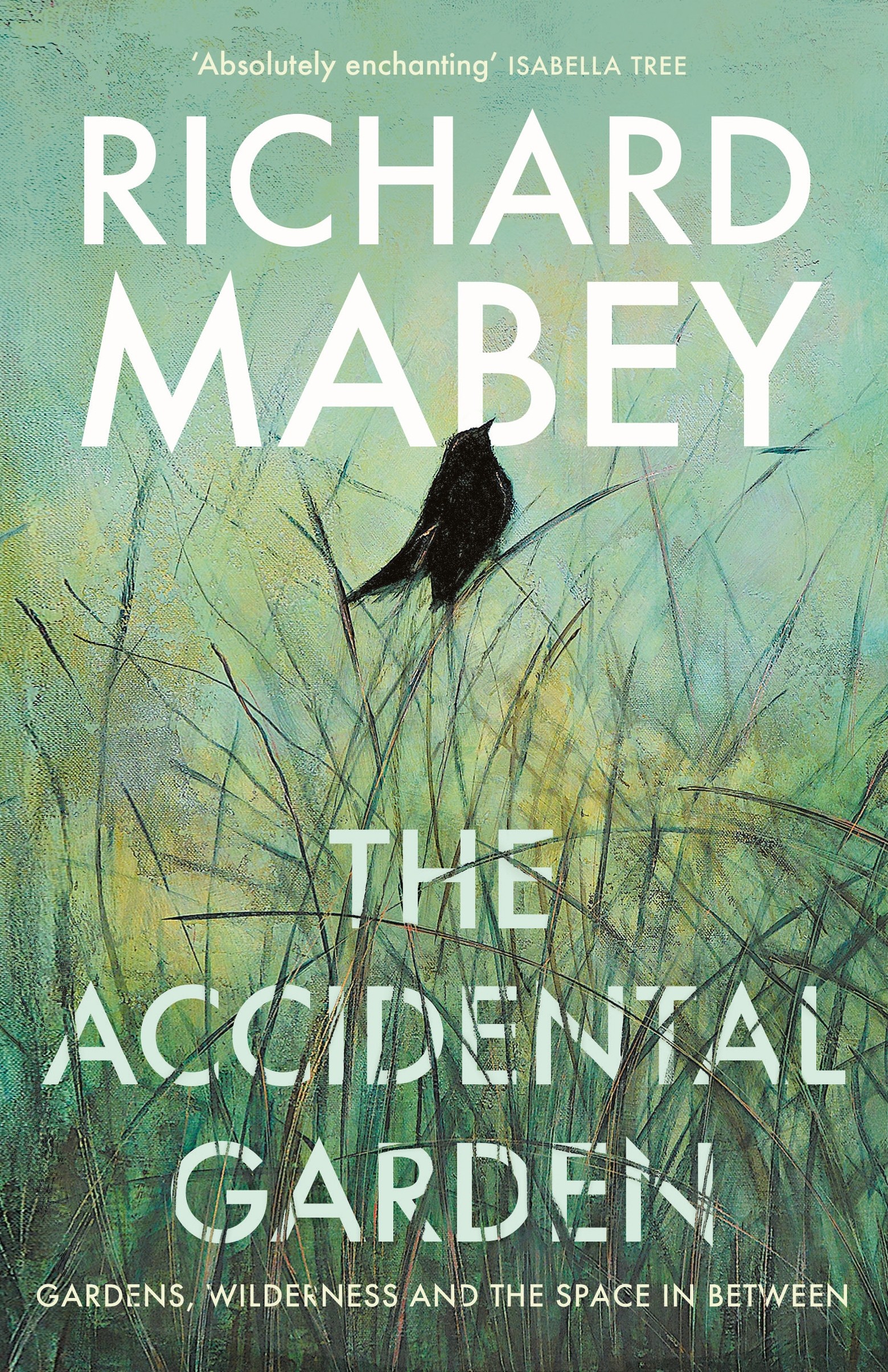 In The Accidental Garden, author Richard Mabey takes the reader on a journey through his own garden in Norfolk and explores the possibility of nature becoming humankind’s equal partner. He watches as his ‘accidental’ garden becomes its own director and reorganises itself in its own way, with ants sowing cowslips in their own patterns, roses serendipitously sprouting amid gravel, moorhens nesting in trees and other fascinating interactions.
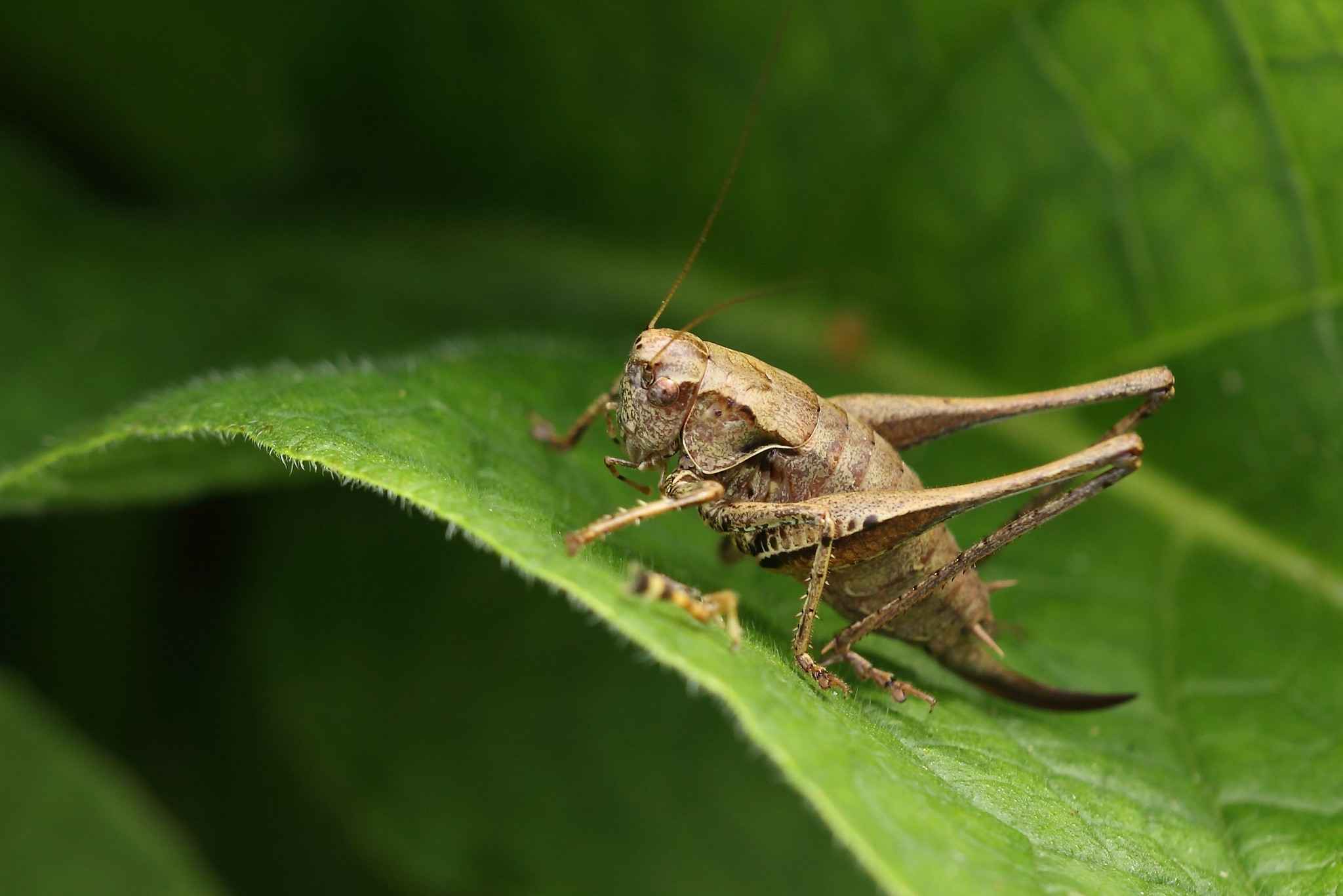
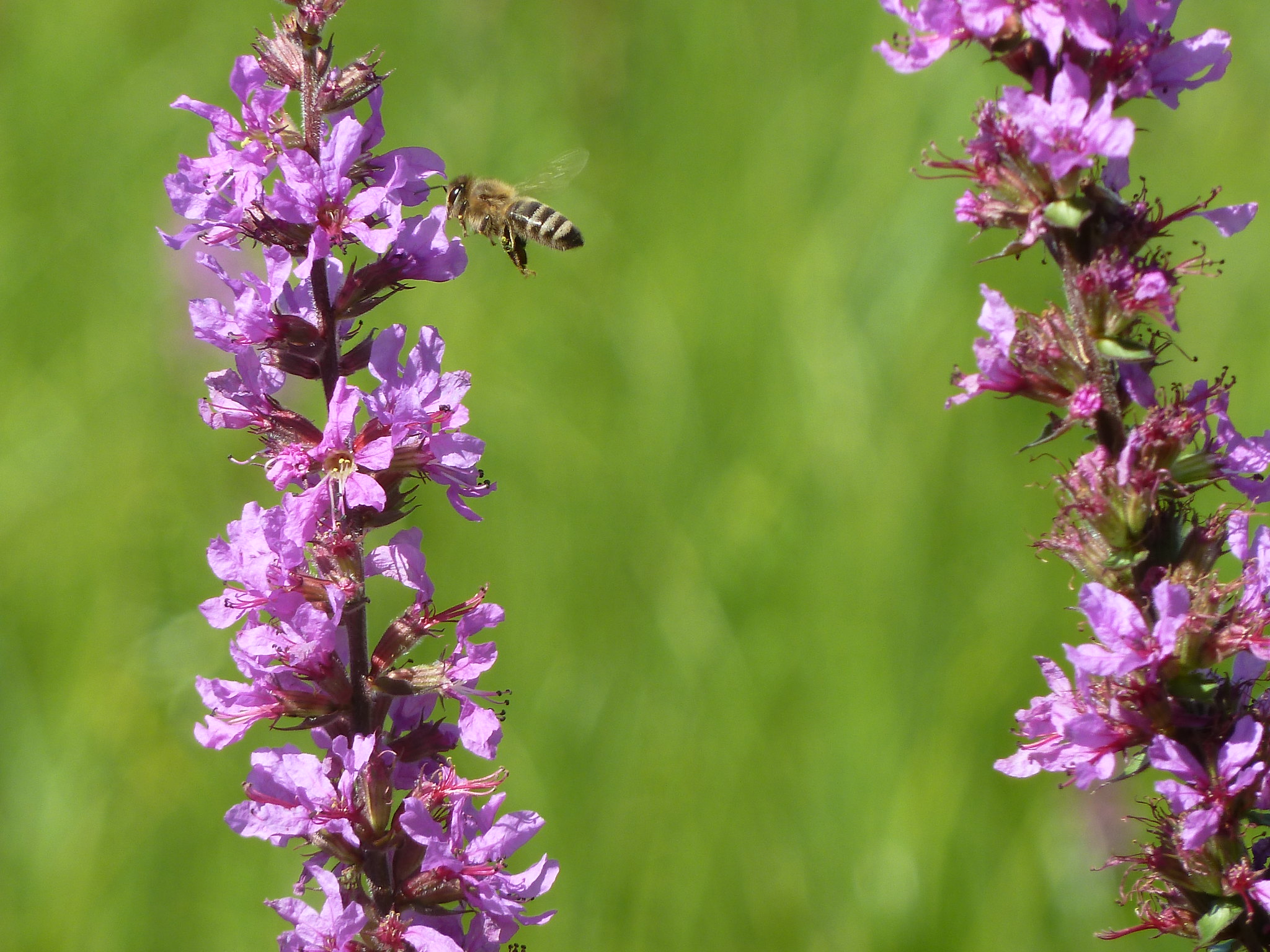
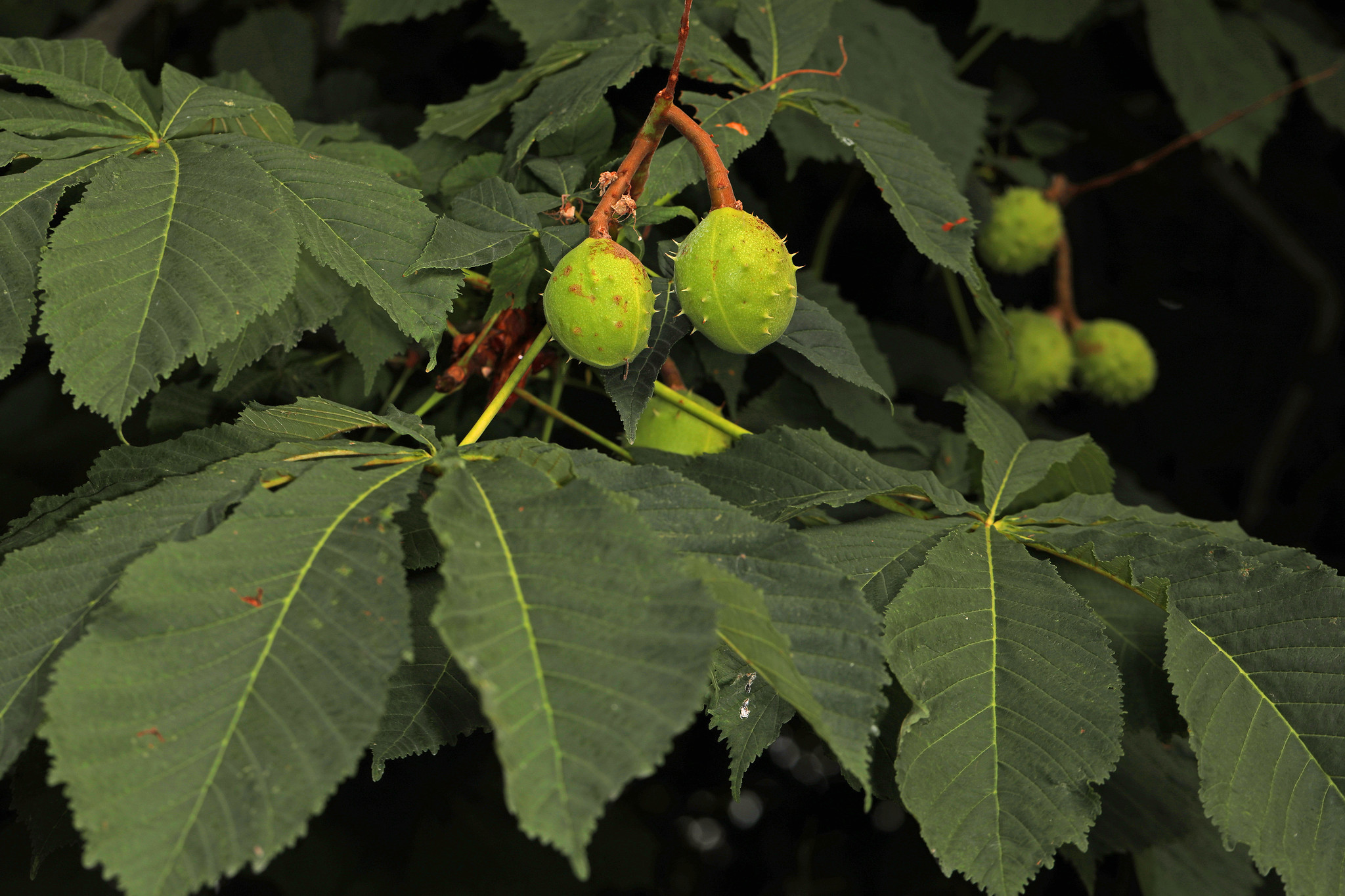
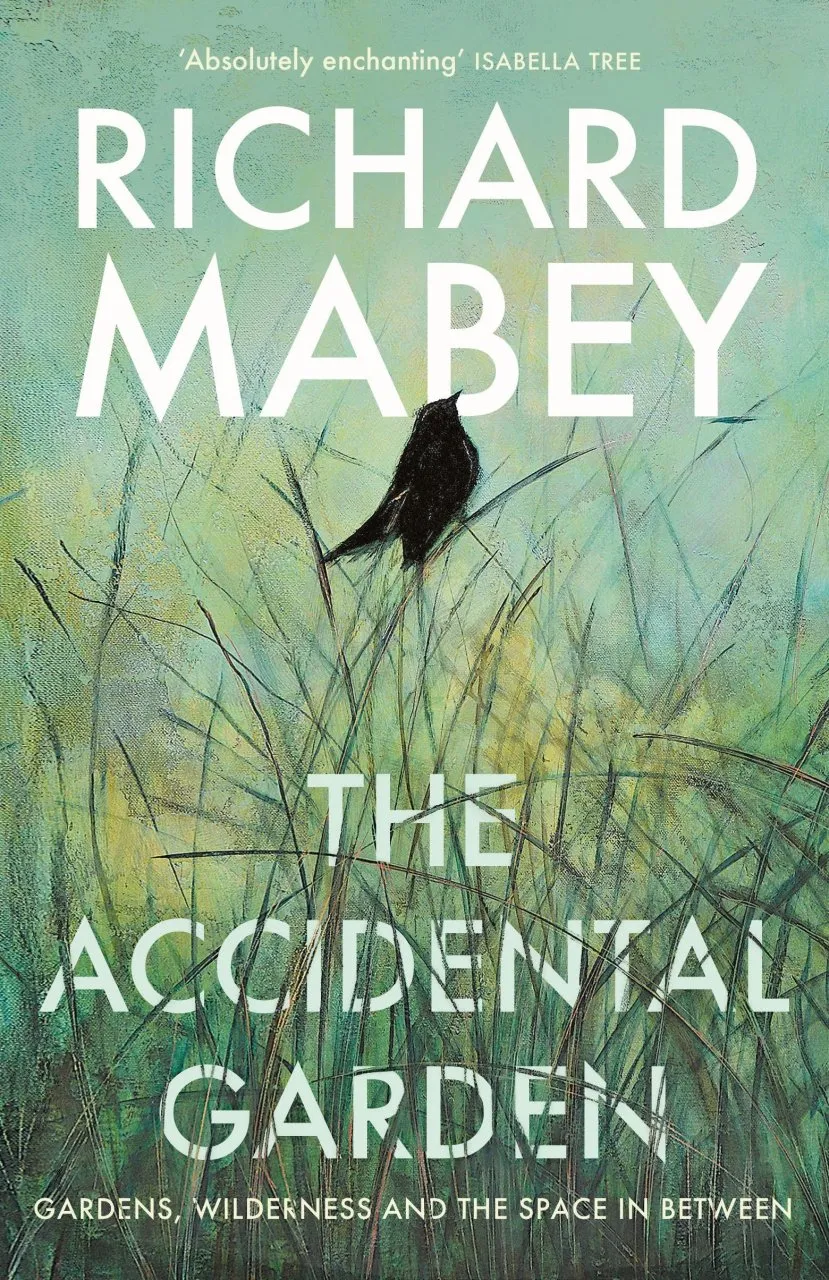
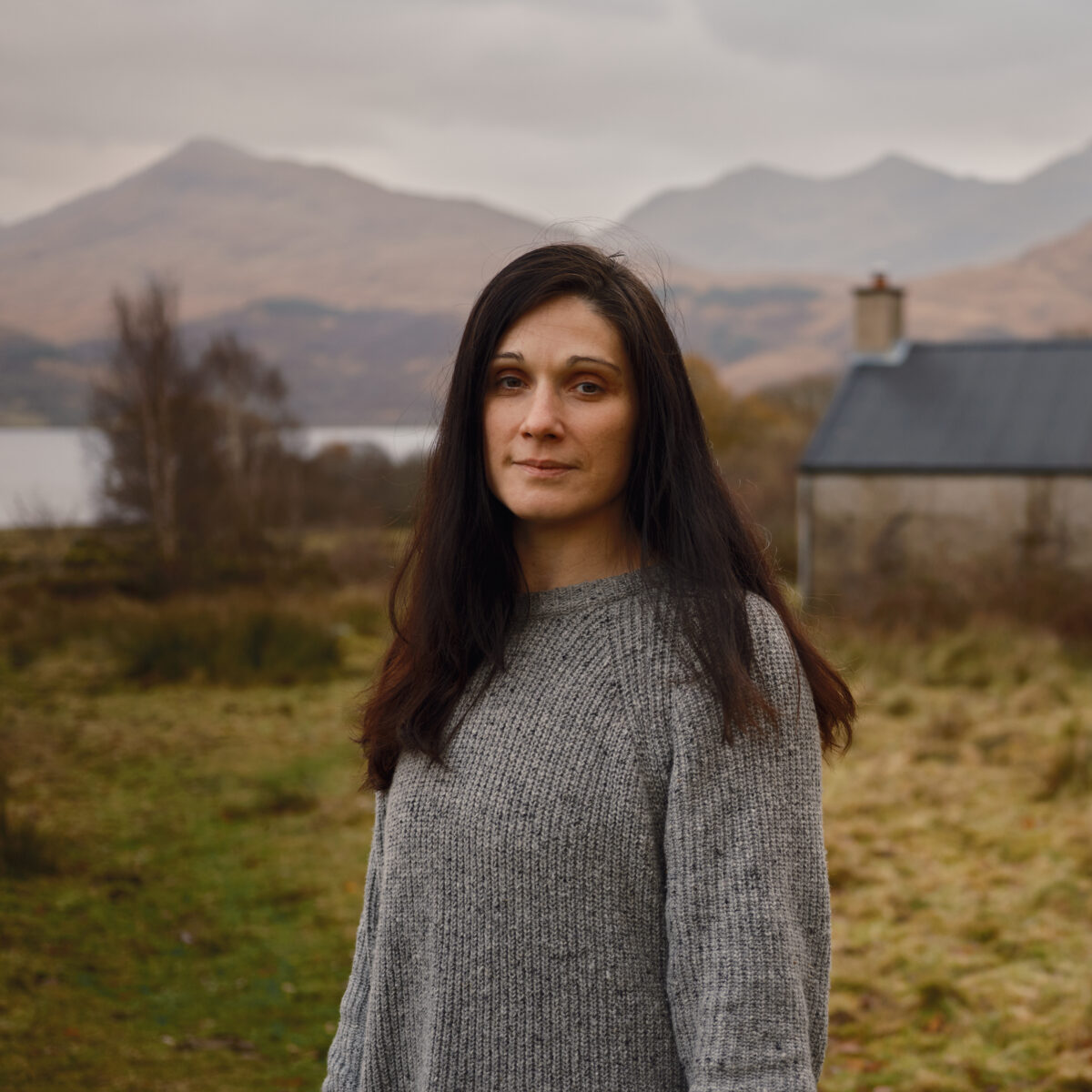
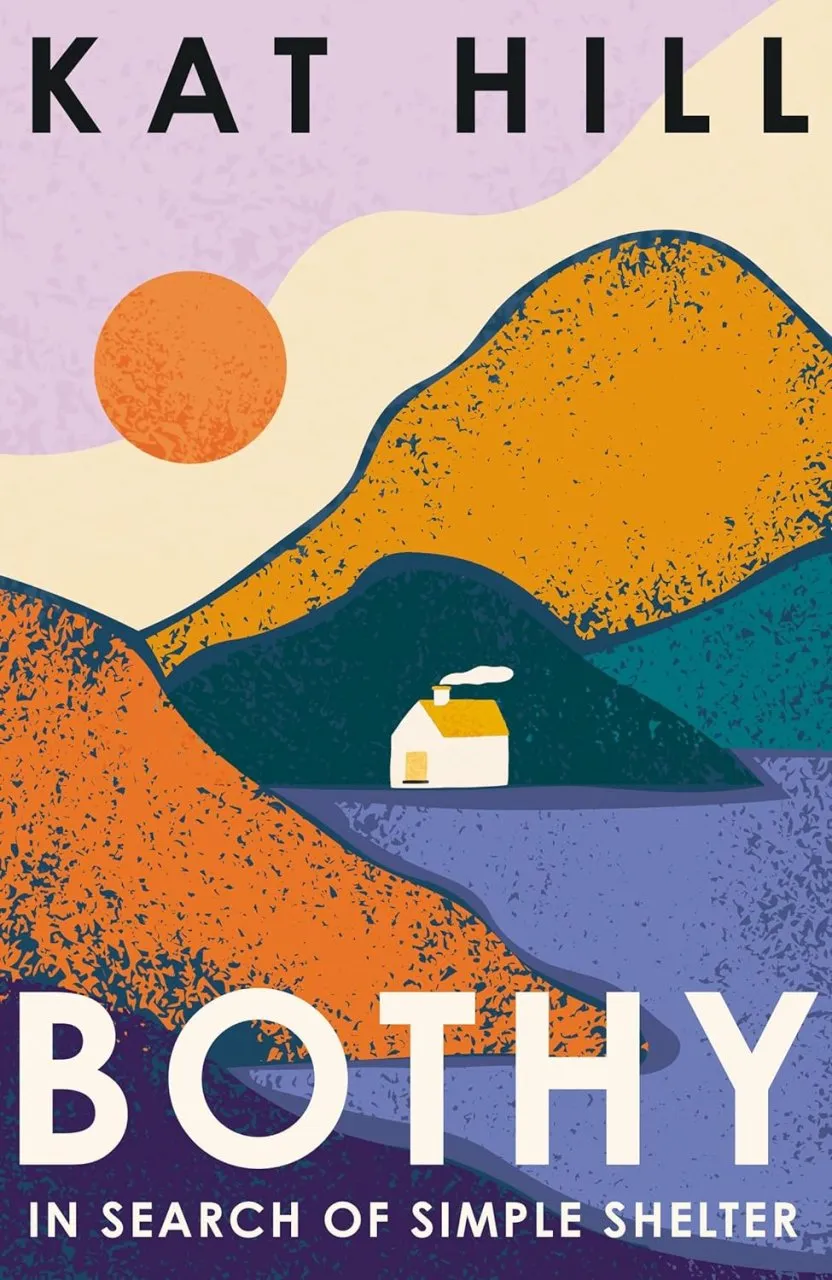 Join author Kat Hill on a journey across England, Scotland and Wales to explore 15 remote bothies, and uncover the beauty, history and stories of these wild shelters. In this stirring book of adventure, peace, wilderness and refuge, she intertwines her own story of heartbreak and new purpose, while taking into consideration the environment, what we owe to it, and why we all crave escapes into the remote.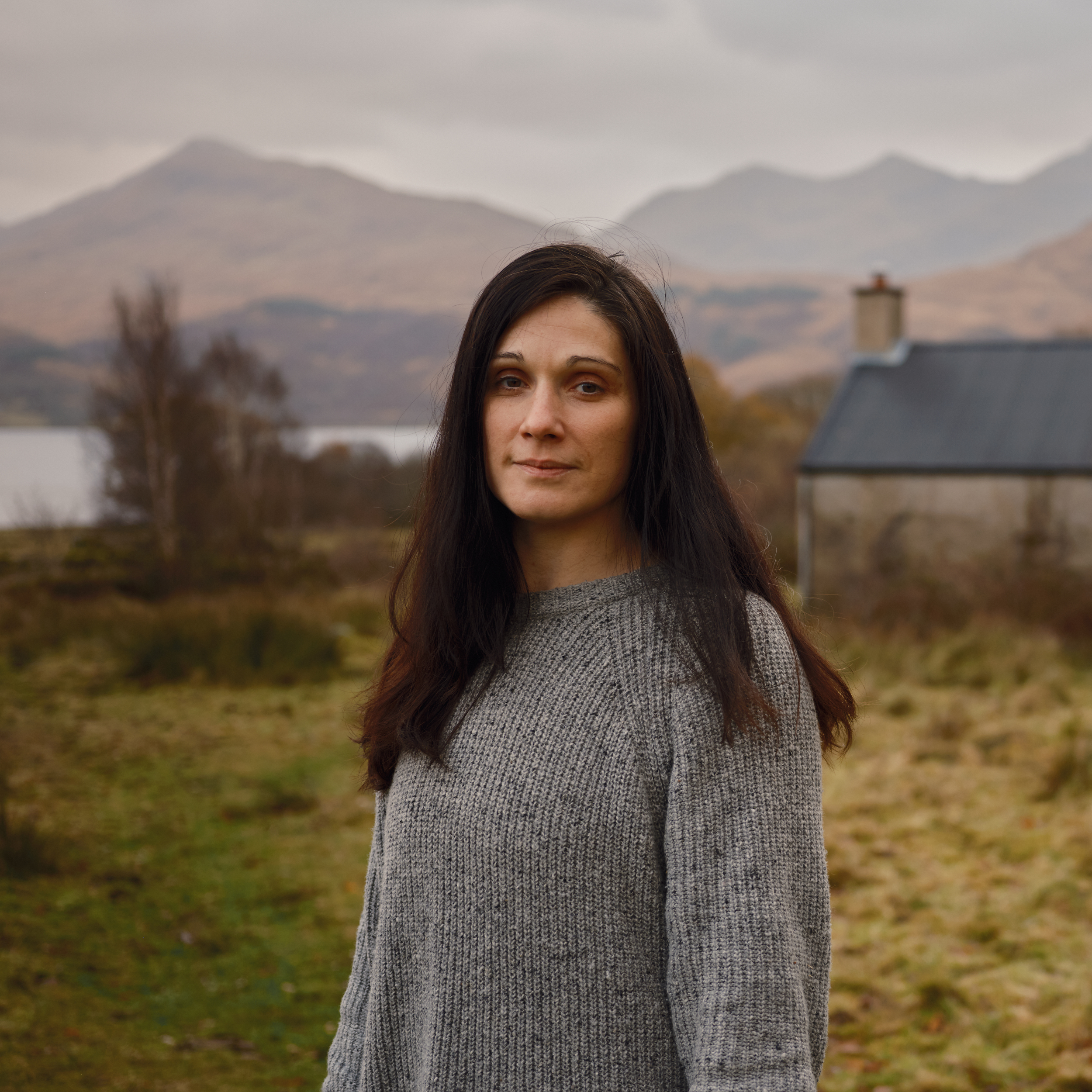
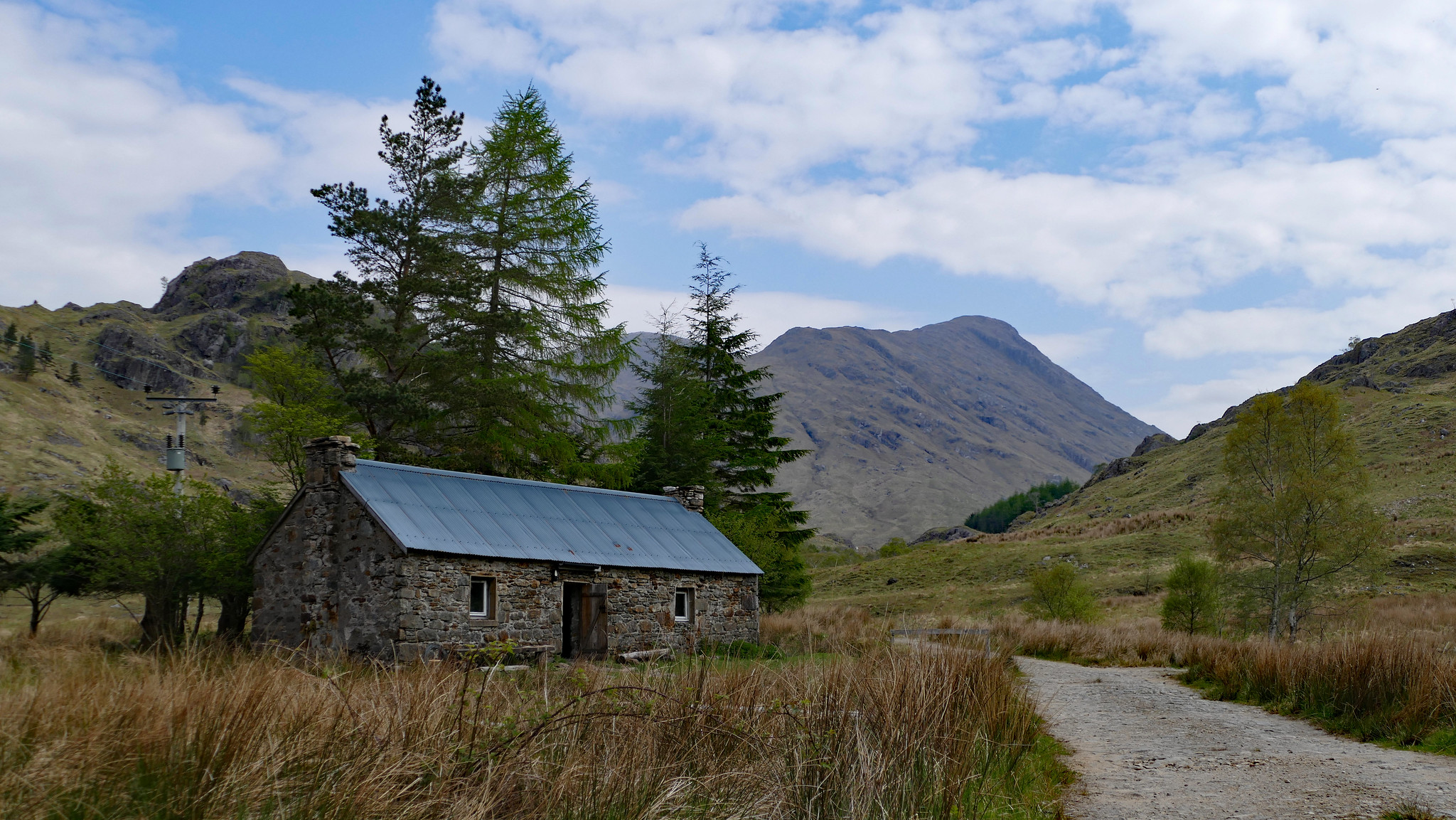
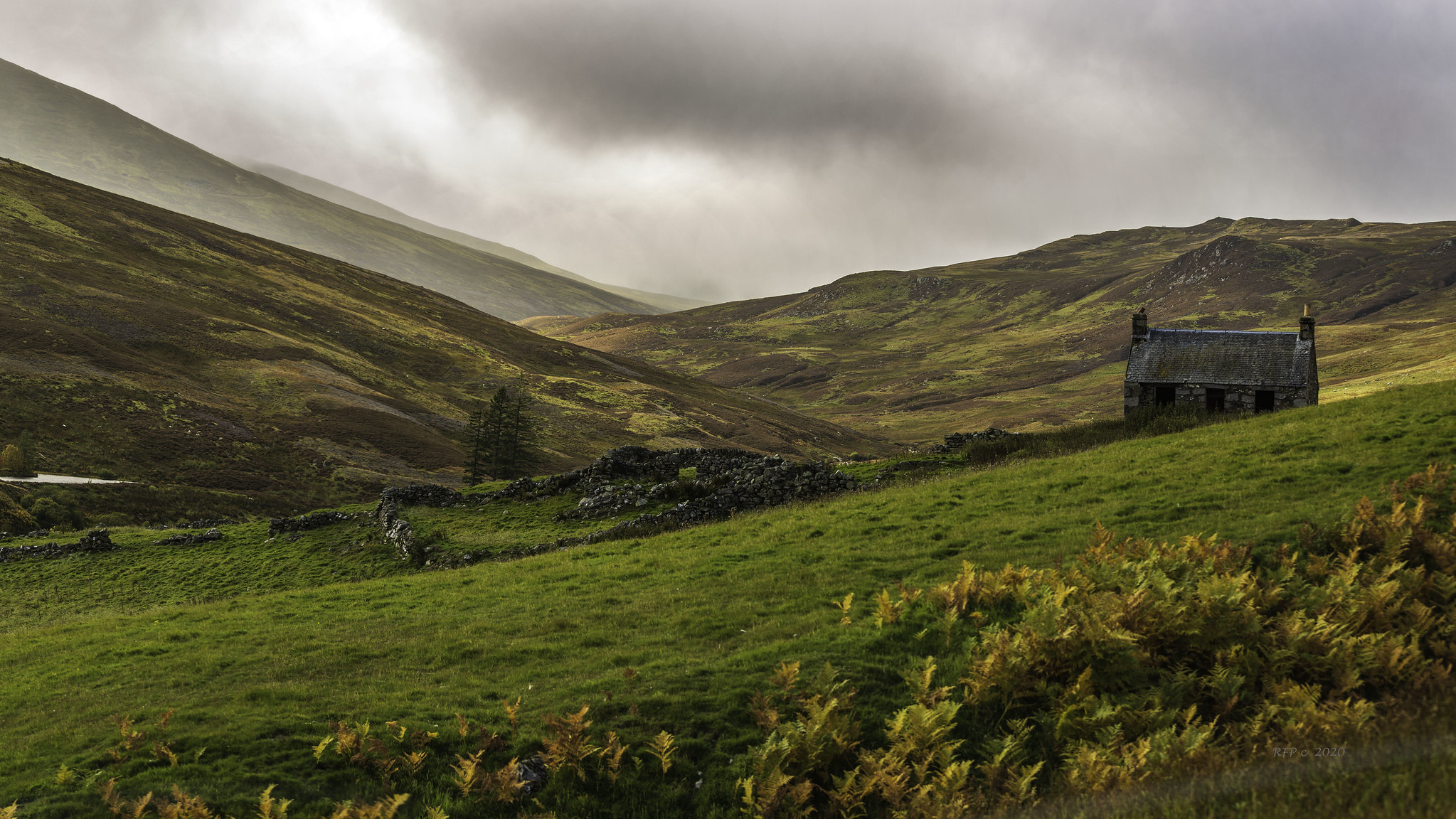
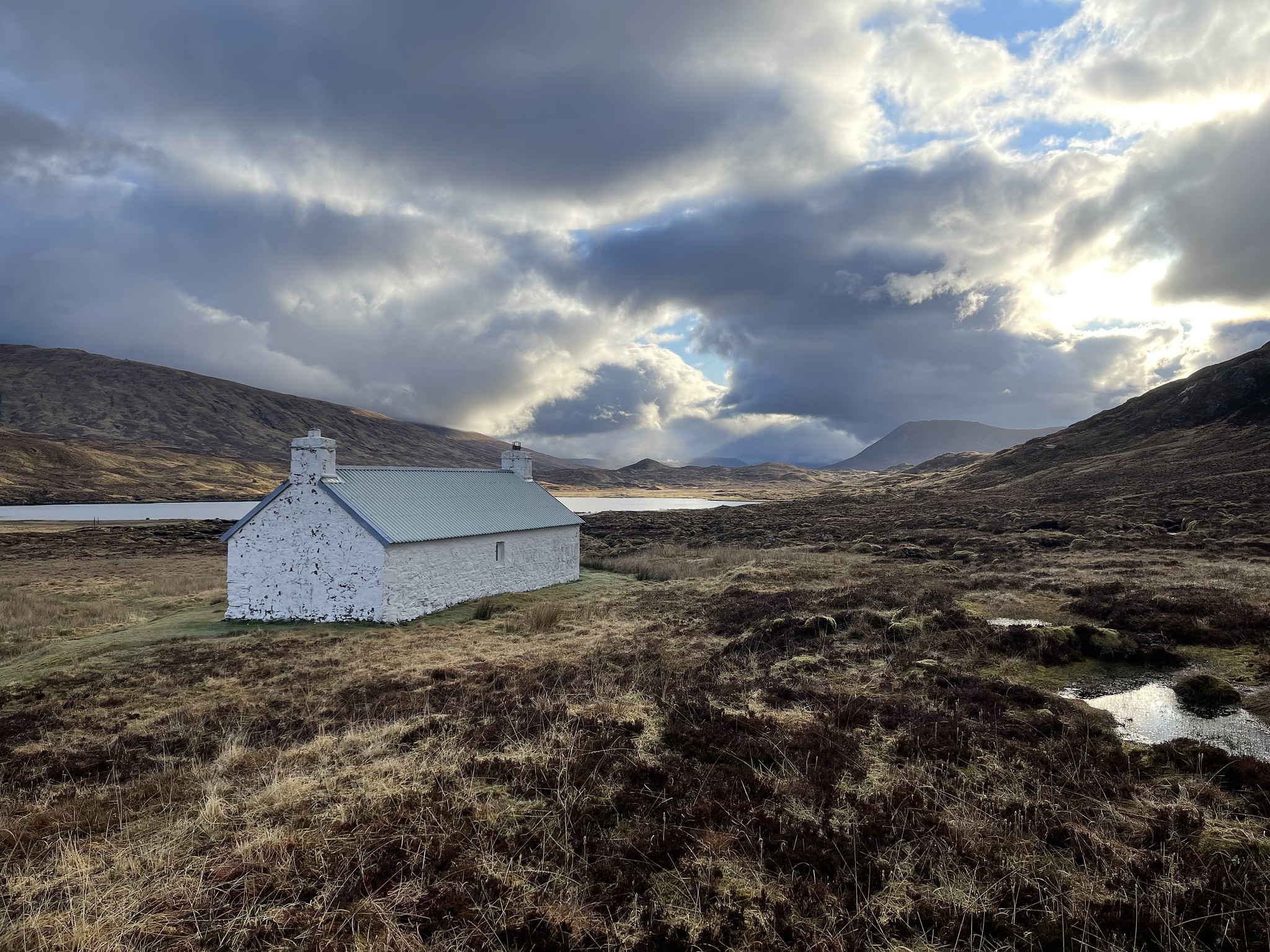
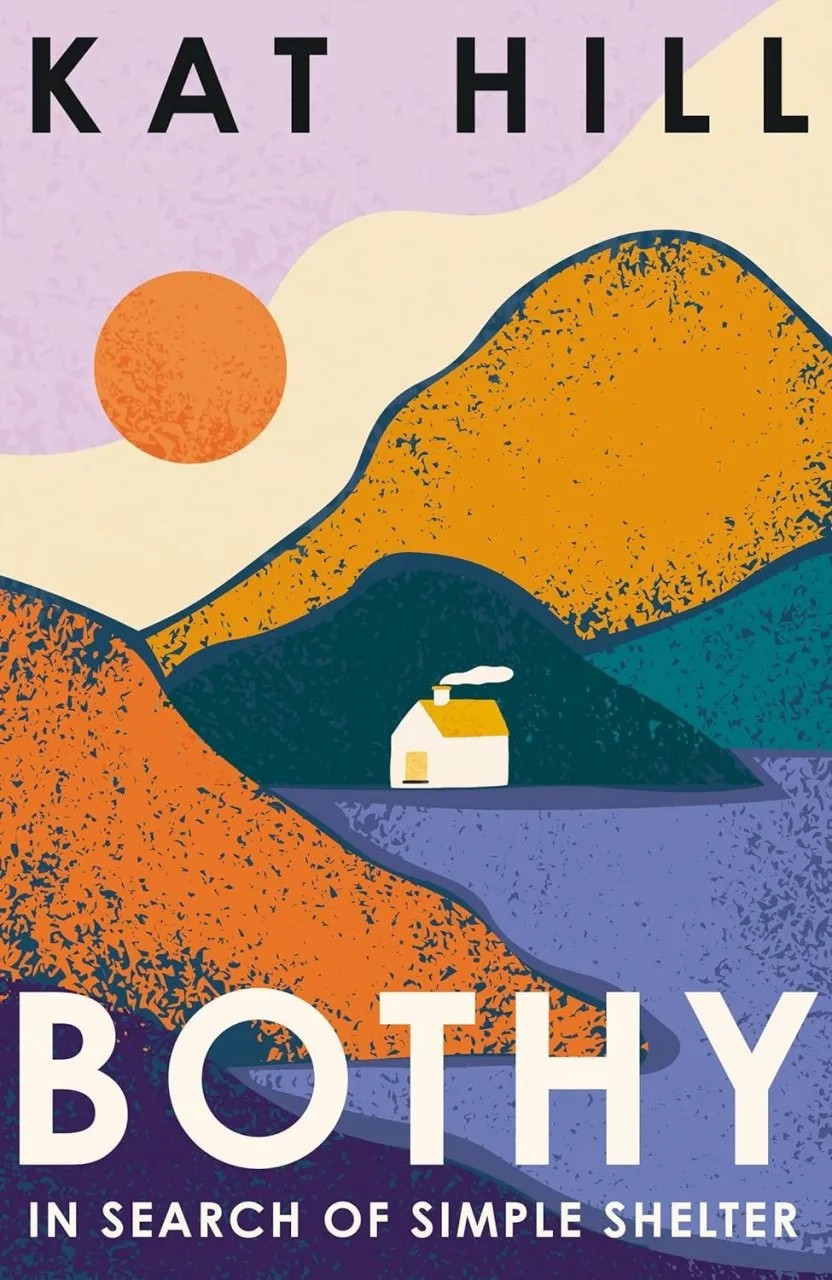
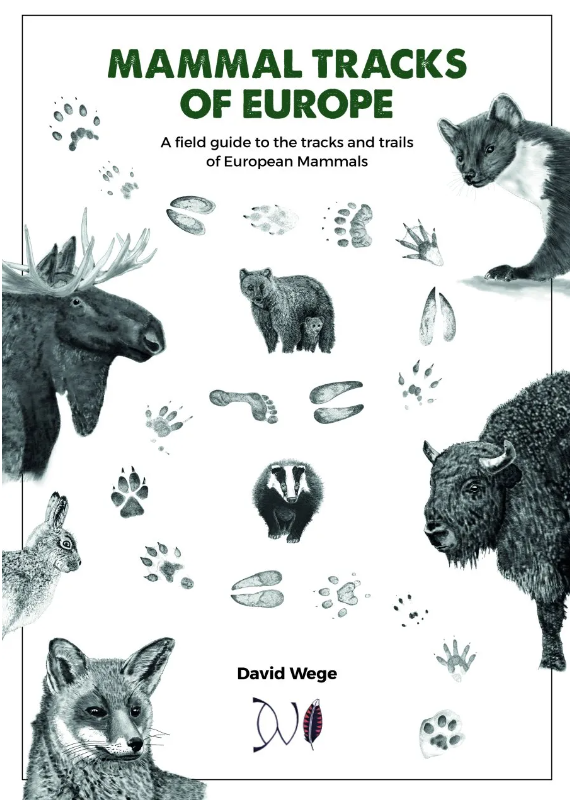
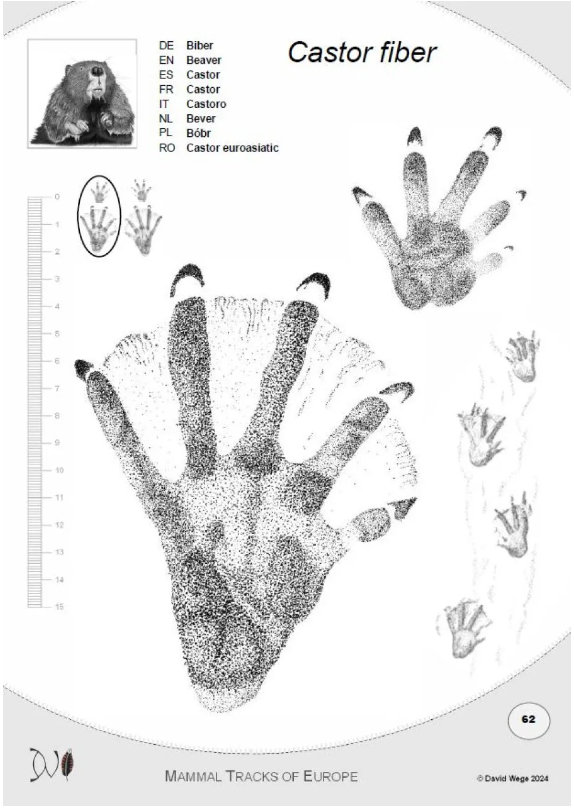
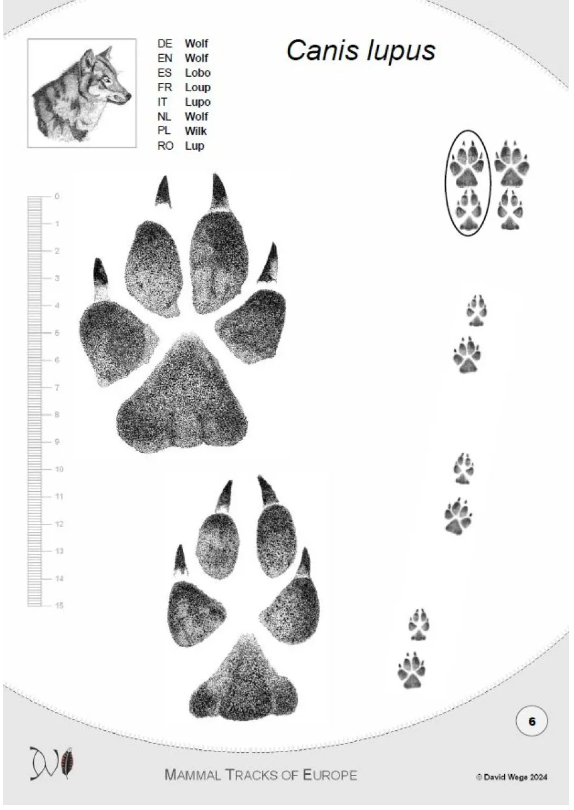
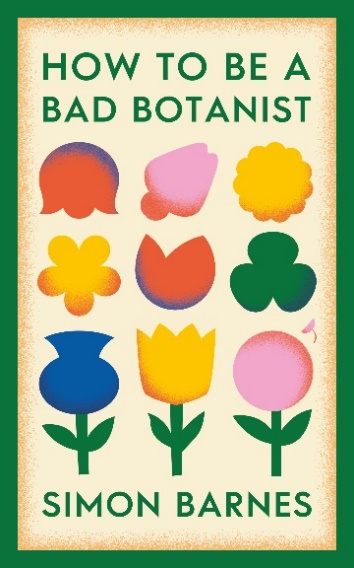
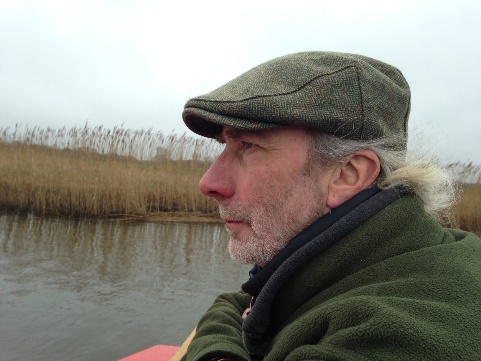
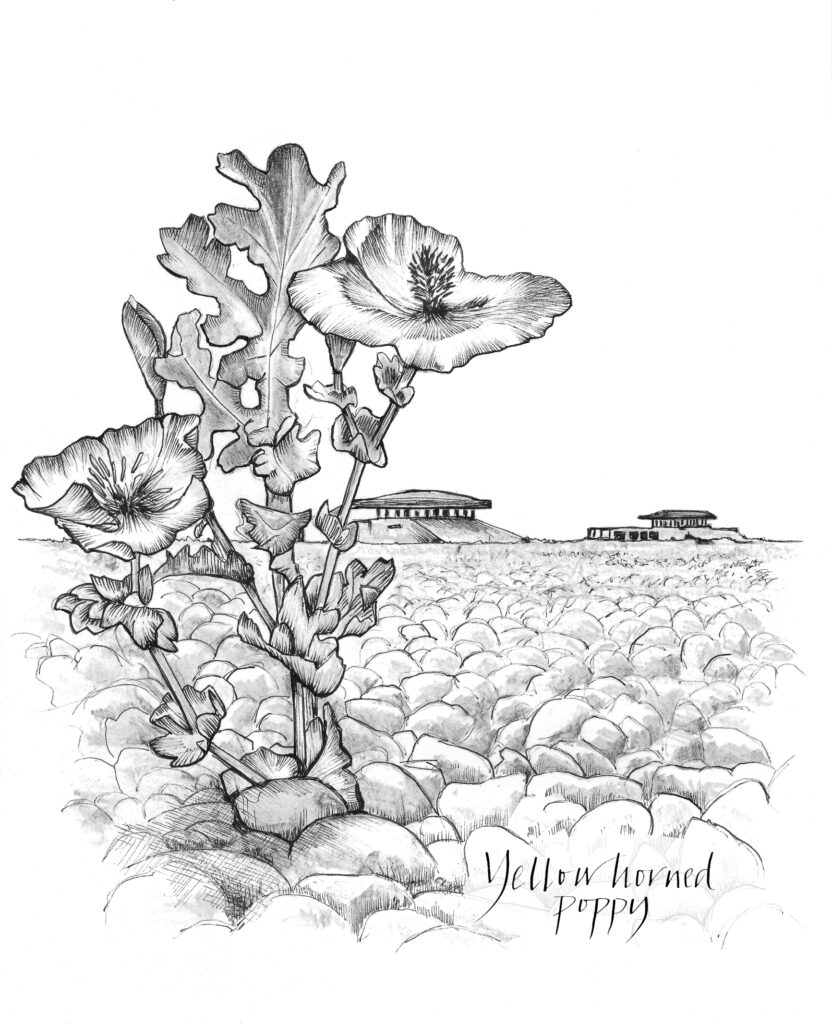
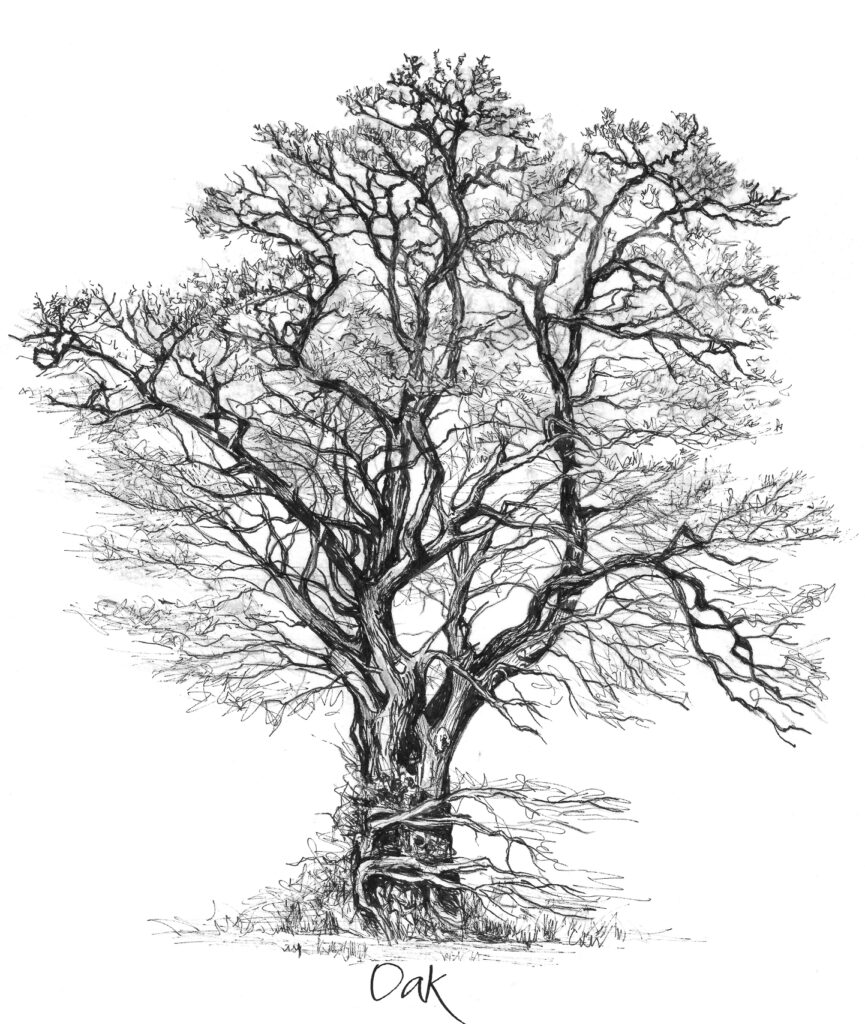
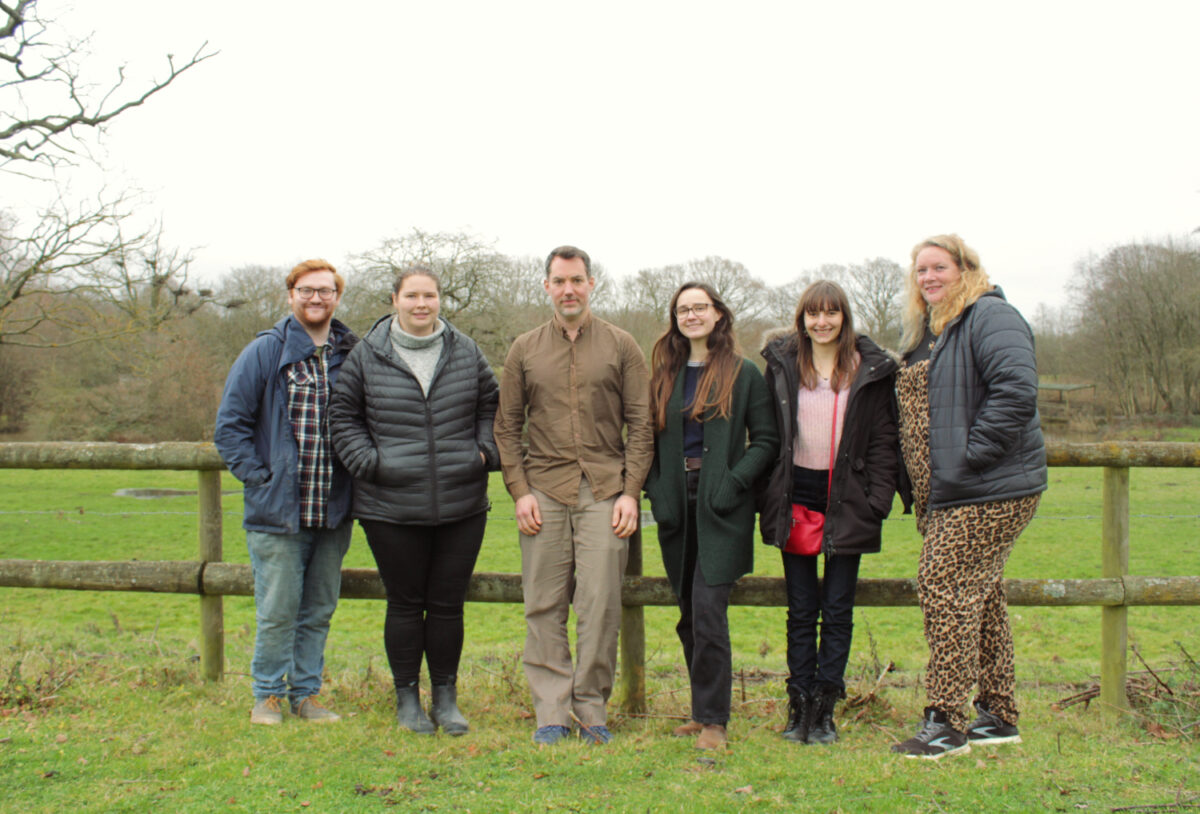
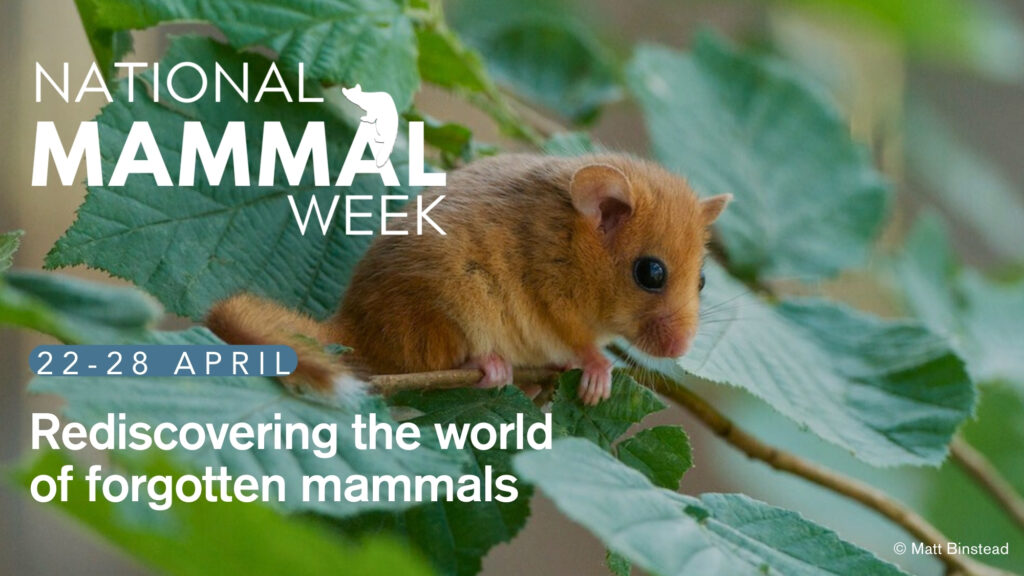
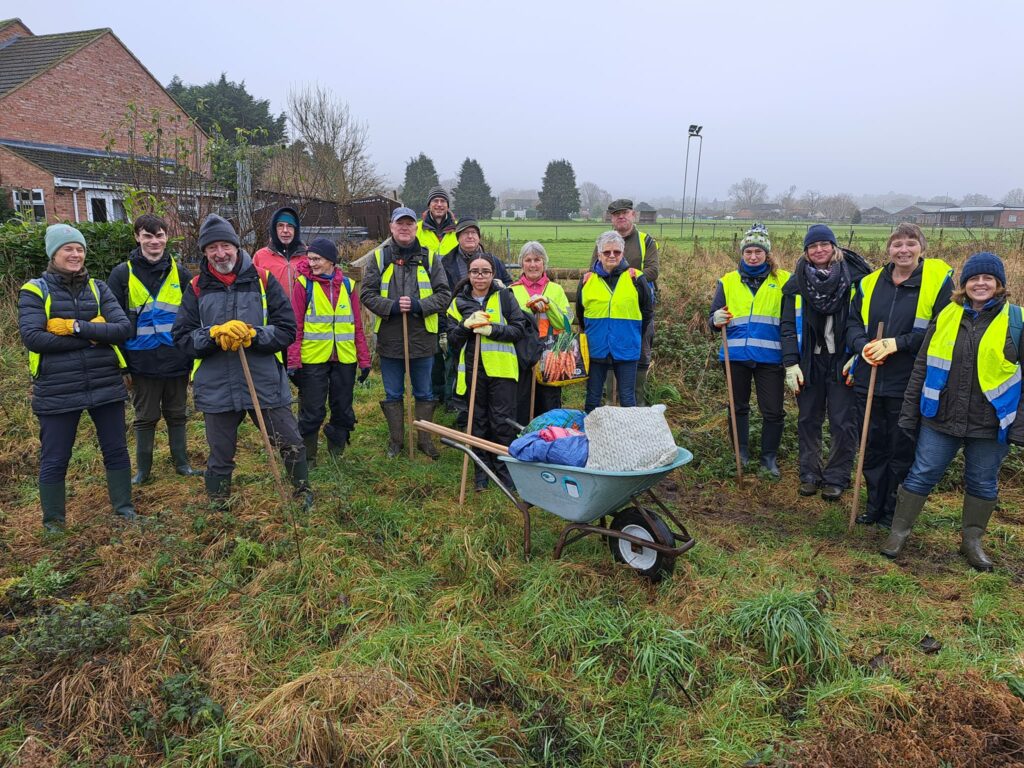
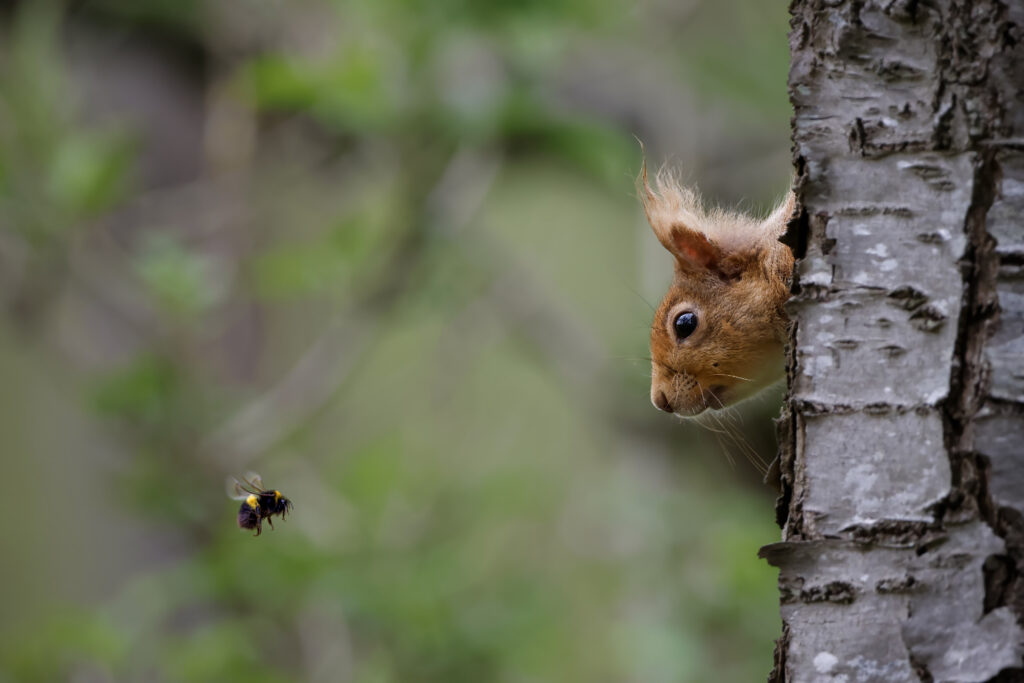
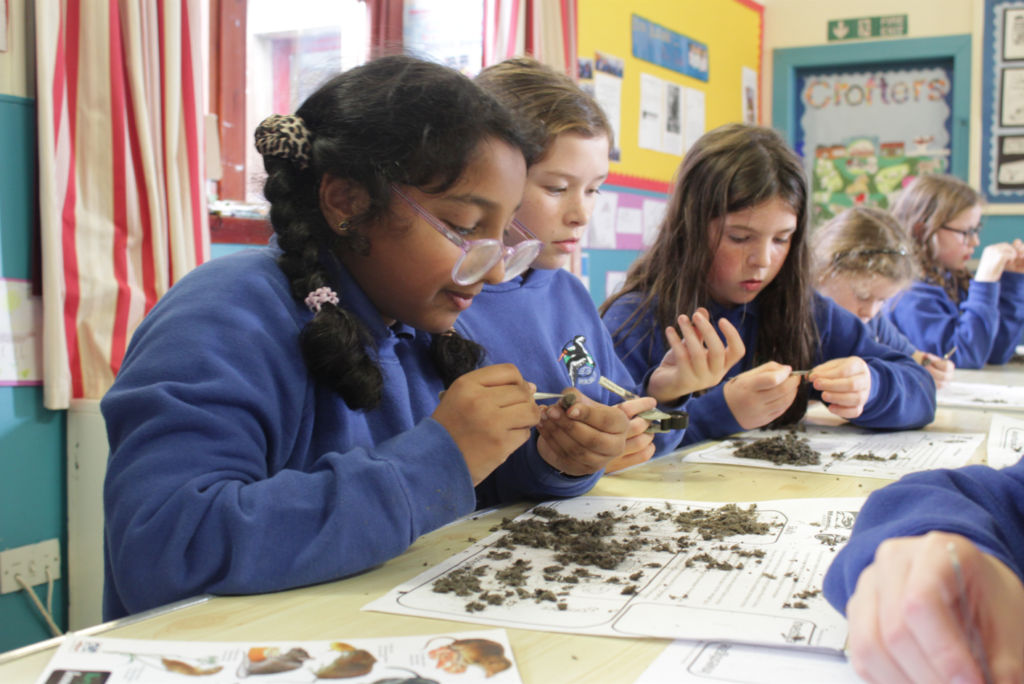
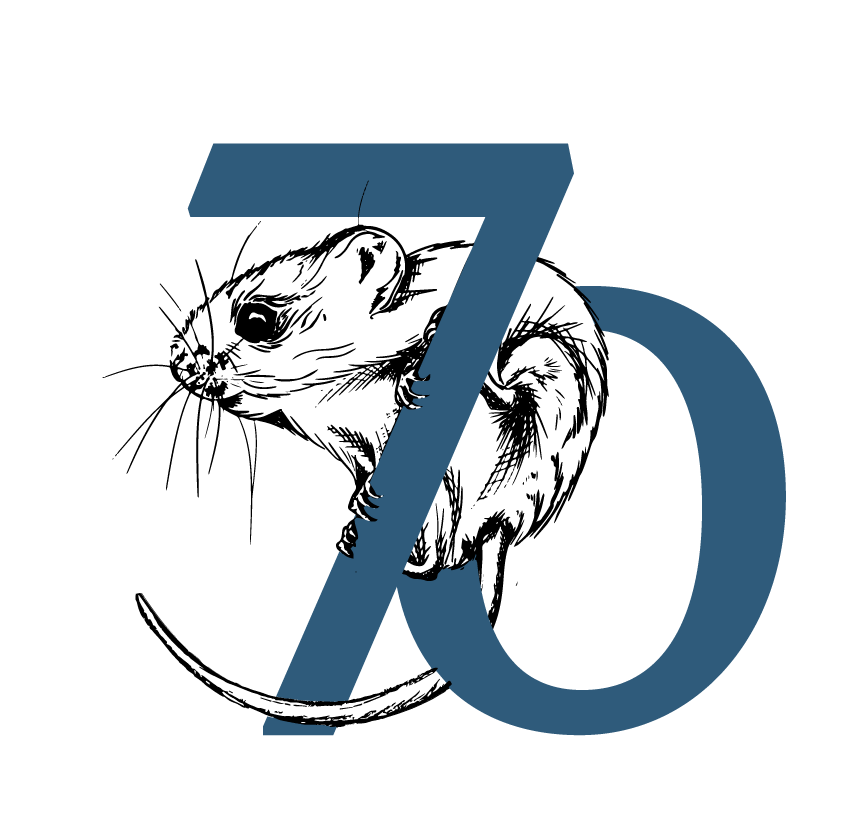
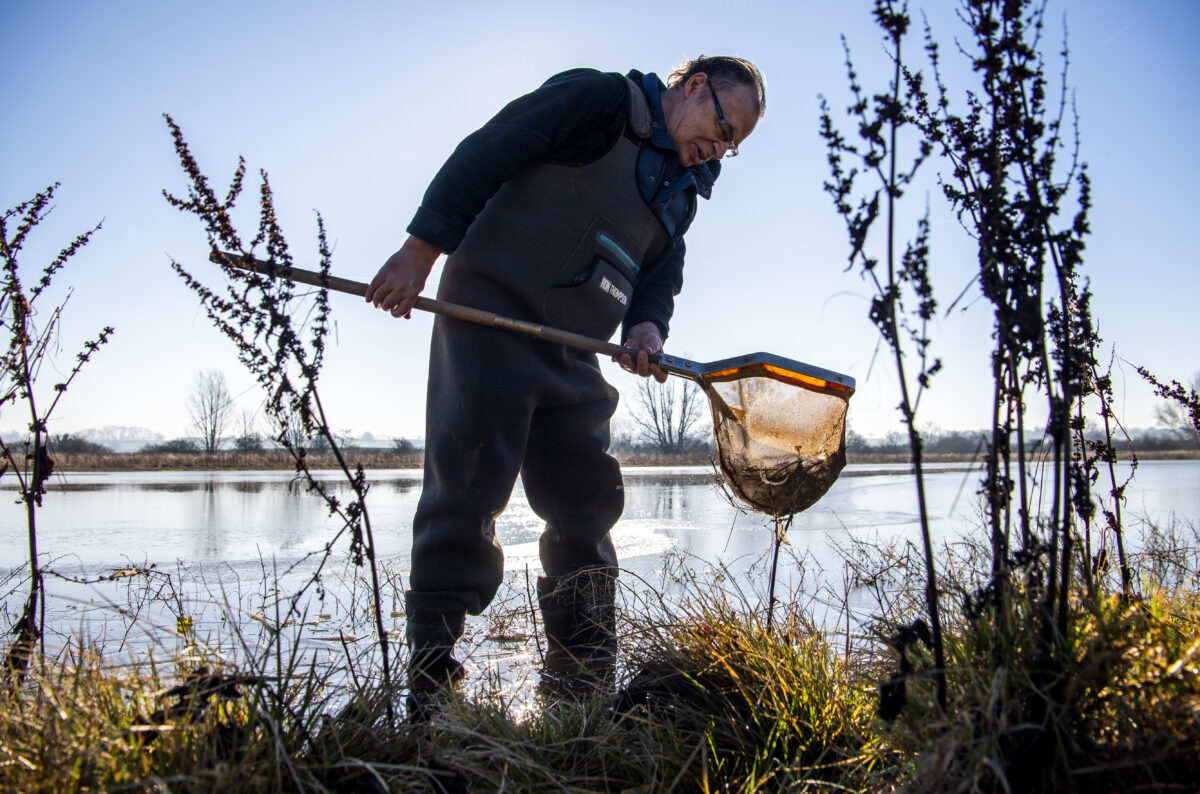
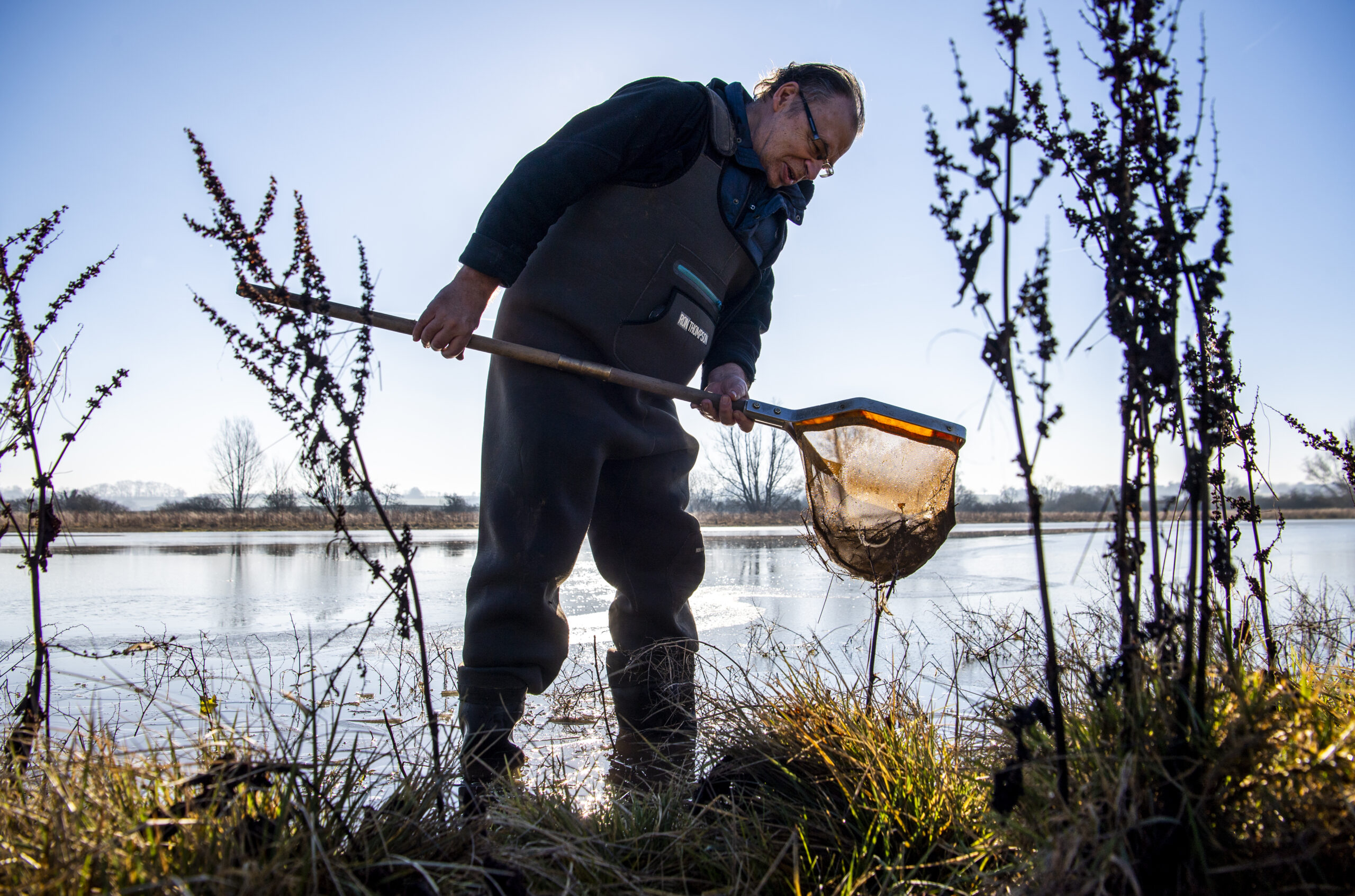
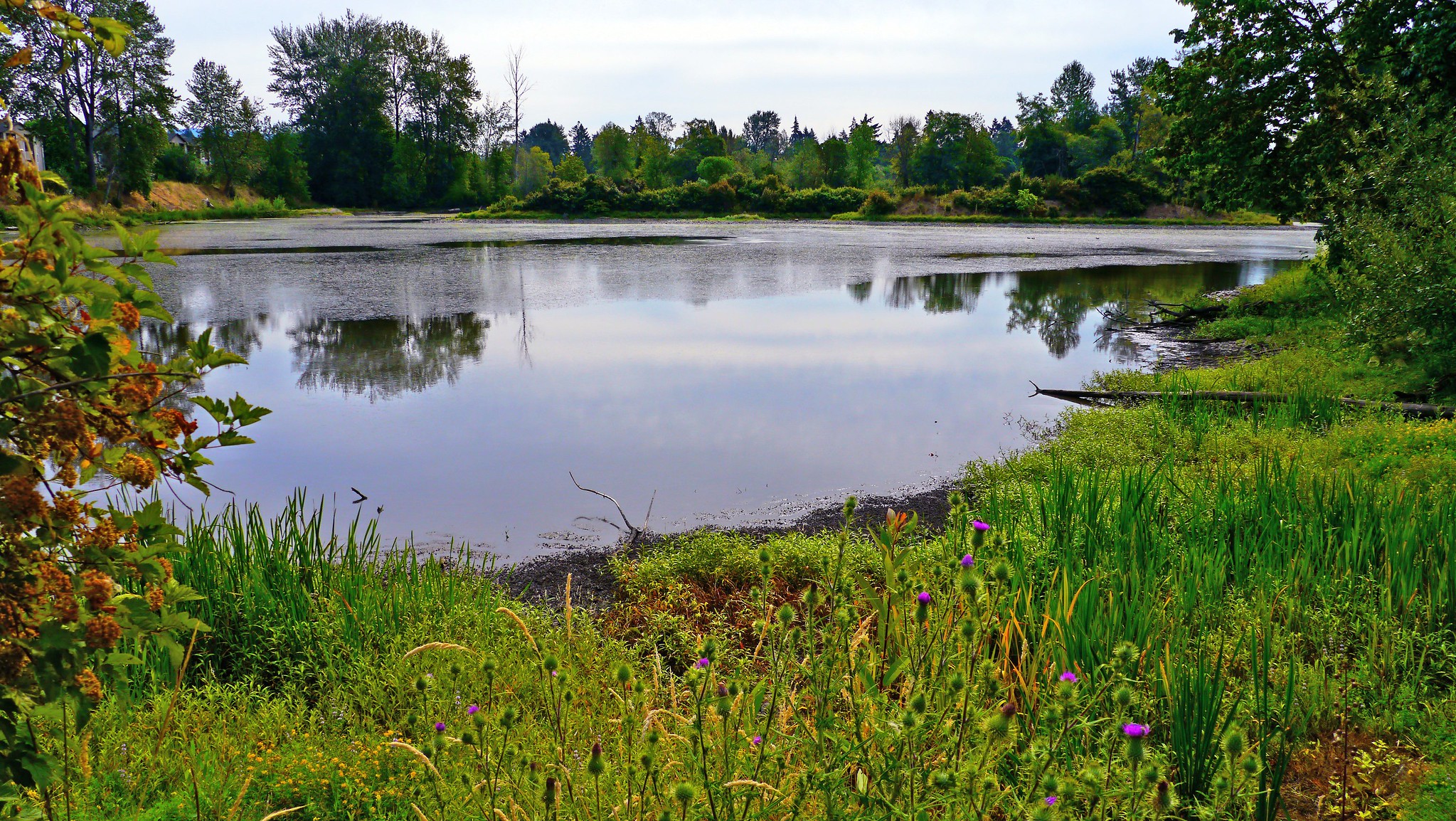
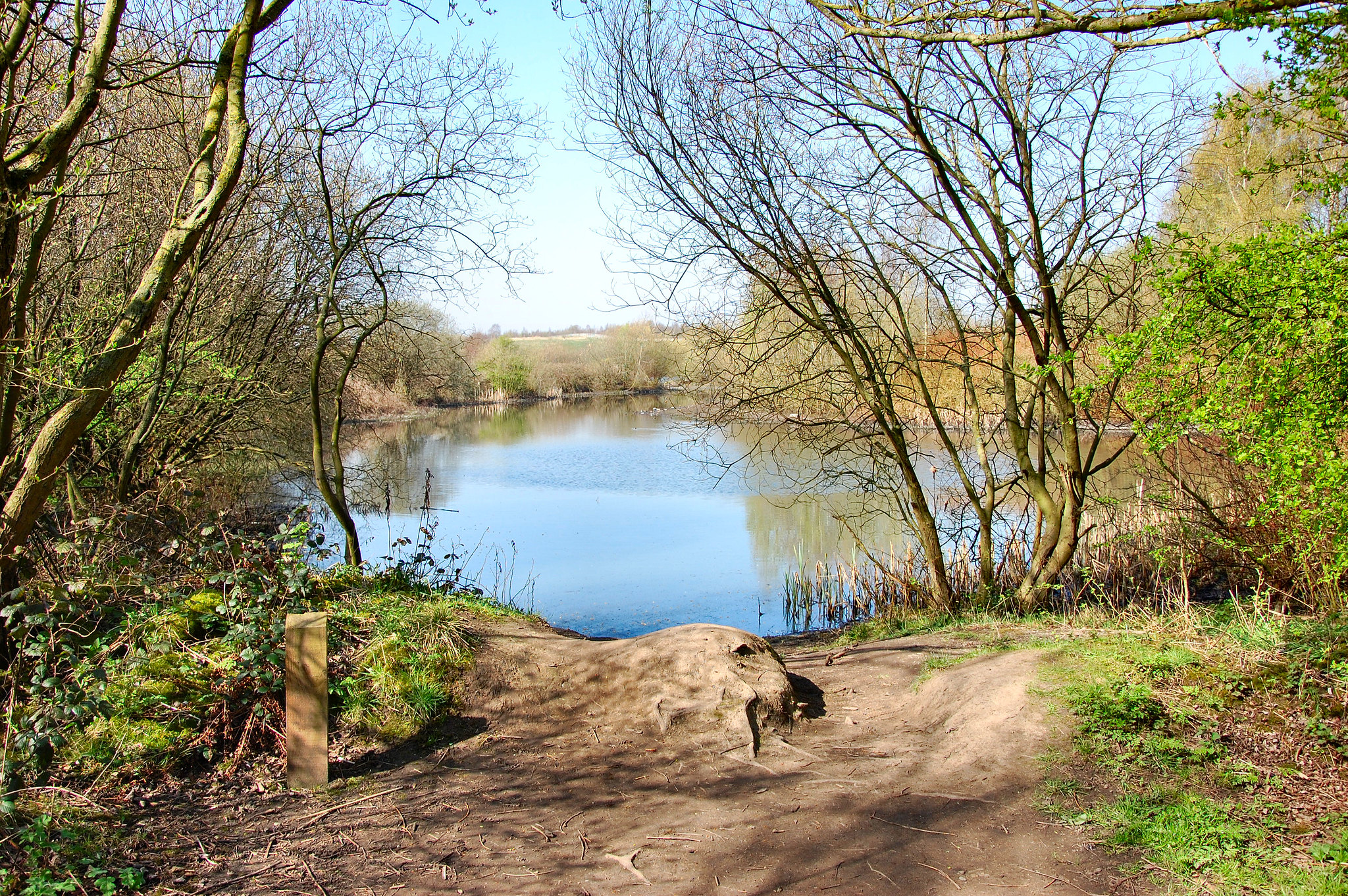
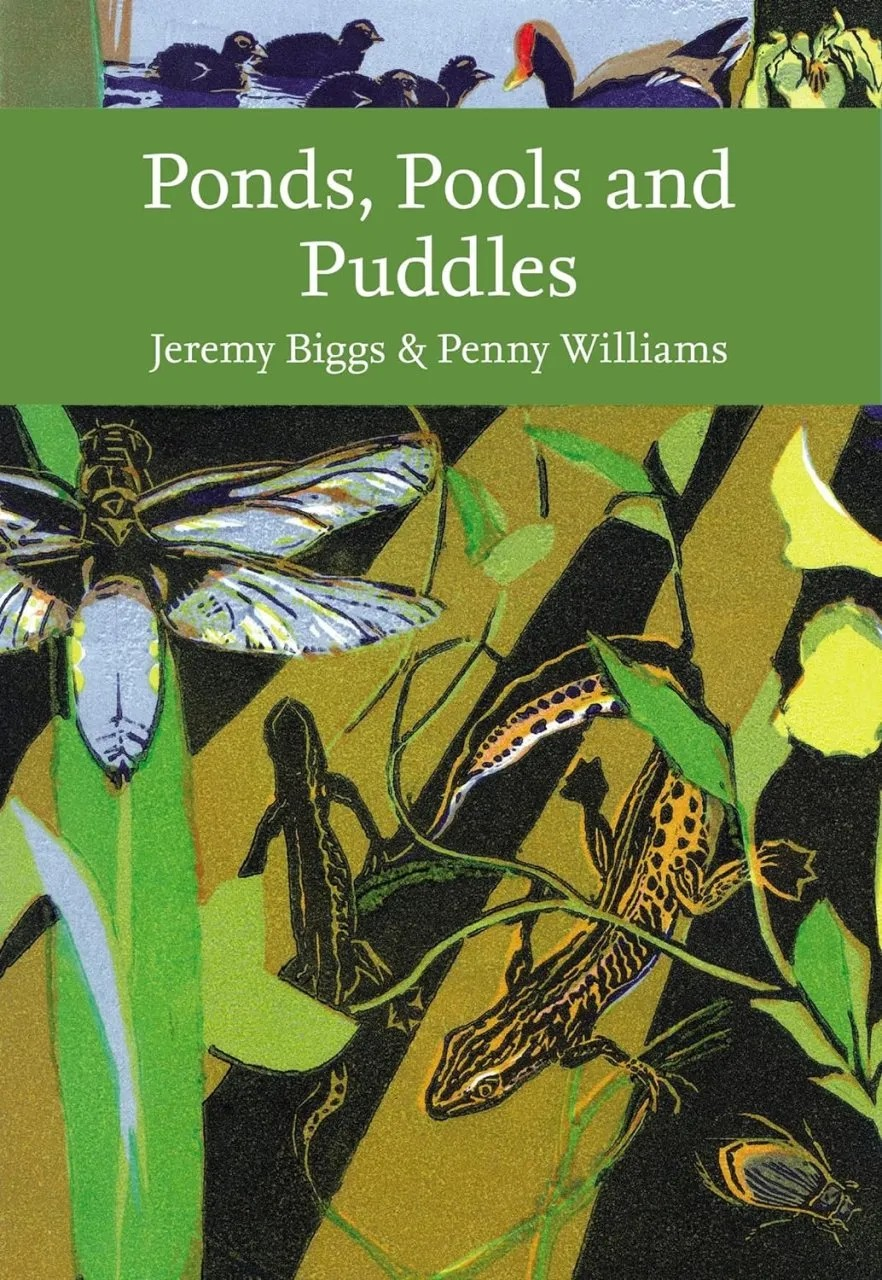
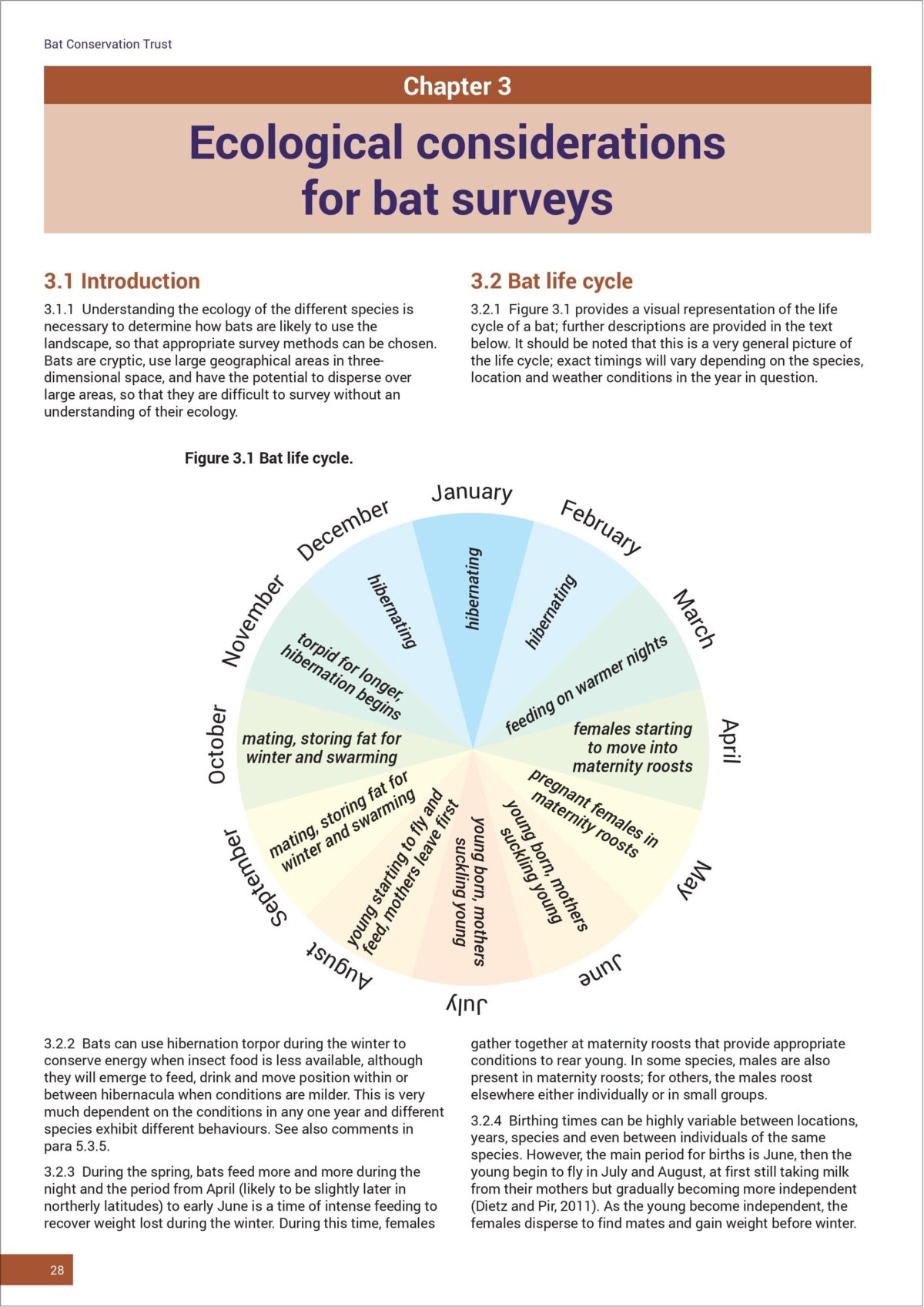
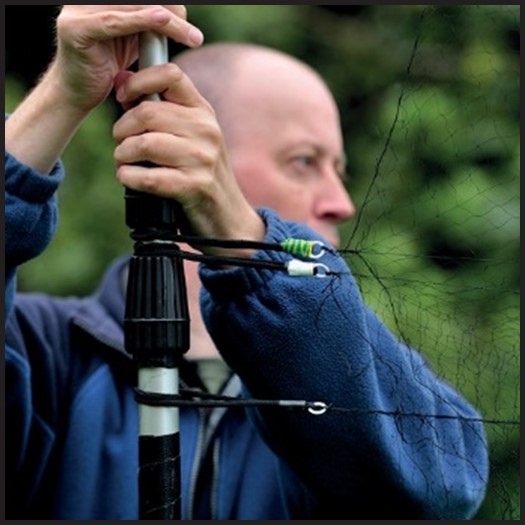
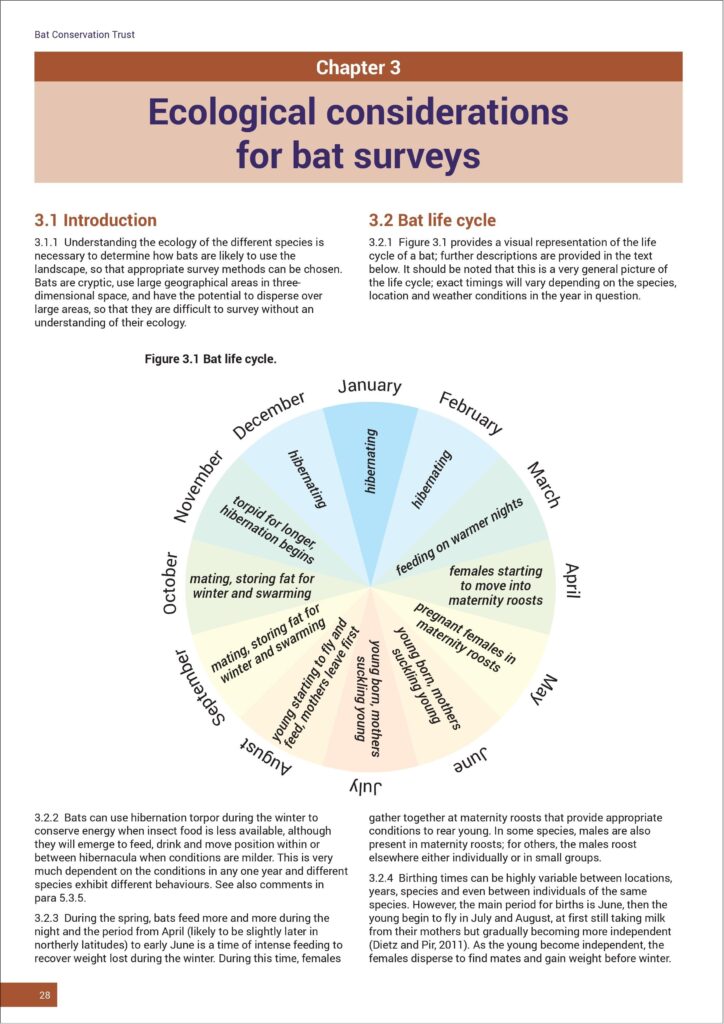 Broadly speaking, these Good Practice Guidelines are what we all need to be referring to now for guidance and, barring any new properly released formal material direct from BCT (i.e. it doesn’t matter what someone says on a social media post or during a webinar) that either updates, changes or gives additional explanation to what is in the 4th edition, this is where we, as a community, are at. BCT have confirmed that a few changes to the text will be made by way of an amendment document and this, in conjunction with printed Q&A material resulting from BCT webinars (November 2023 and February 2024), will prove to be essential complimentary reading for everyone relying upon these guidelines during their day-to-day work.
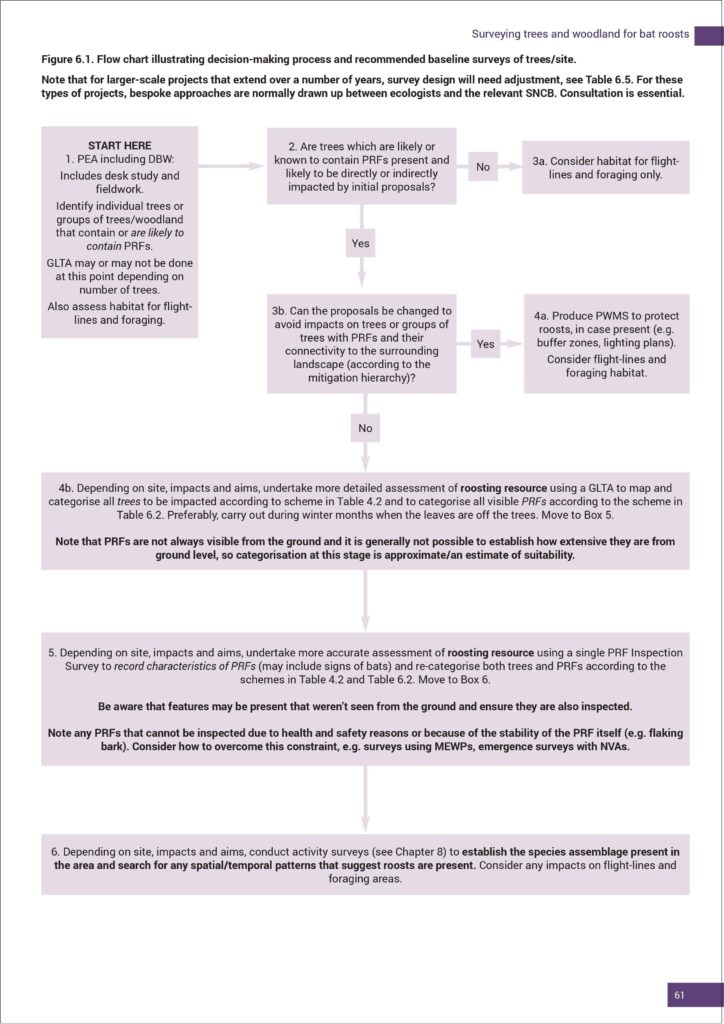 I mention this for two reasons. Firstly, it’s what I feel almost everyone was genuinely expecting. Secondly, these revised guidelines don’t (as anticipated rightly or wrongly!) fully address some of the specific aspects of where the NVA debate is going to finally arrive. Regarding this aspect of bat work, the finer detail around this matter is now being tackled by a review panel, and BCT will inform us as/when they are in a position to do so. In the meantime, the Interim Guidance (2022) remains as an additional, essential point of referral. Having said that, within these new guidelines there are regular pointers, reminders and requirements that NVAs should be incorporated within survey design.
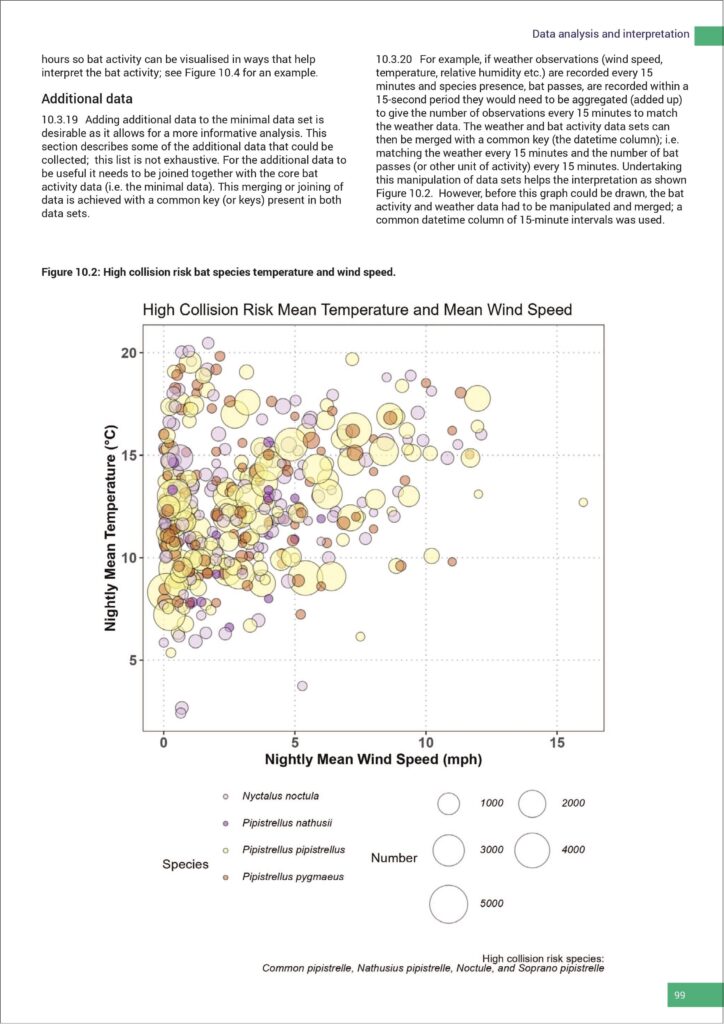 From a business owner’s perspective there are matters that will need serious consideration and budgeting for. This could impact (again negatively or positively) upon your turnover, your approach to tendering, resourcing, the deployment of staff and equipment, as well as the careful balancing of your team’s time at their desks versus time in the field. All of this, of course, needs to be considered against the benefits to bat conservation. The challenge on the business model is not necessarily a bad thing, provided you are fore-armed and have seriously thought through how these changes impact upon your organisation.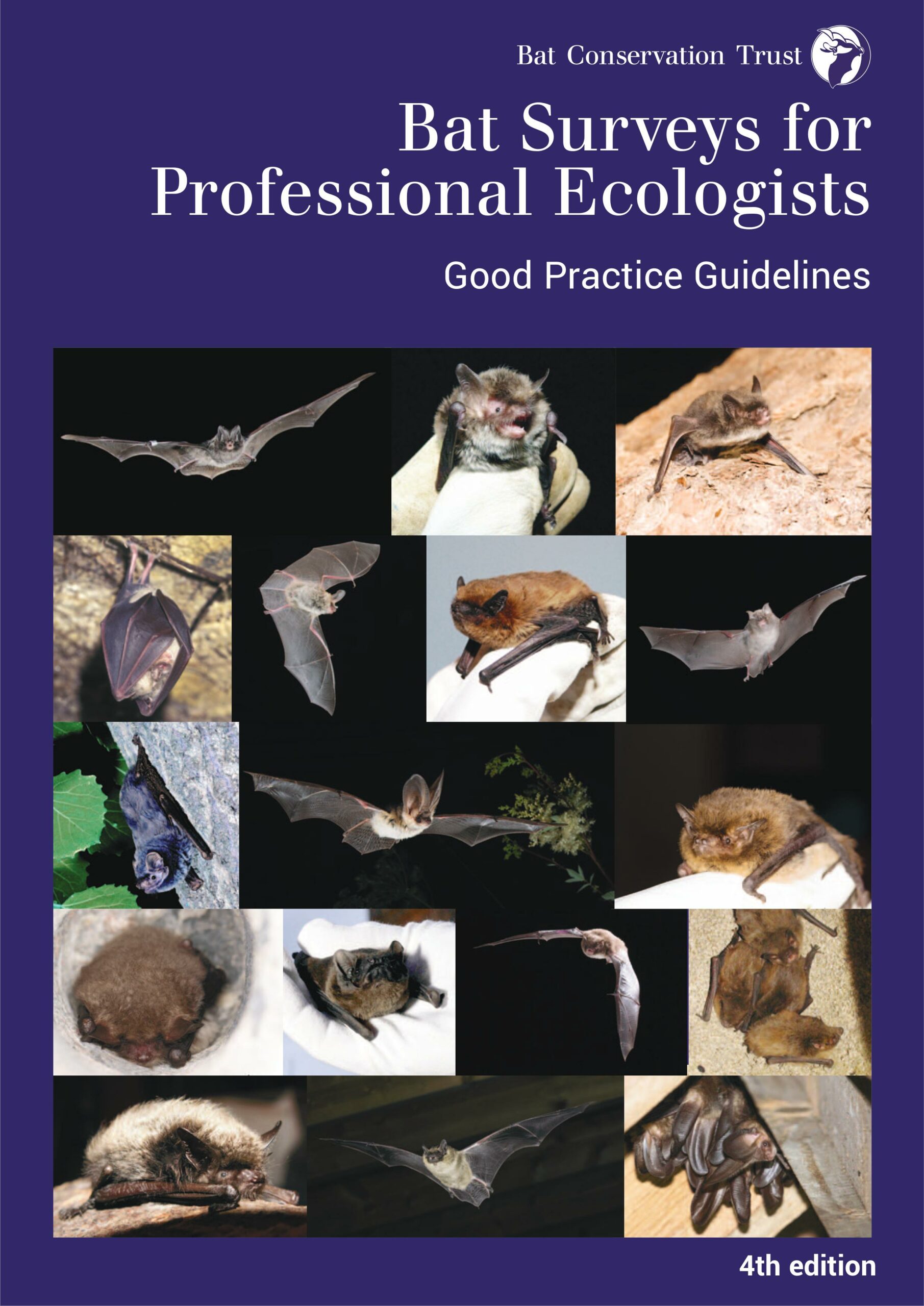
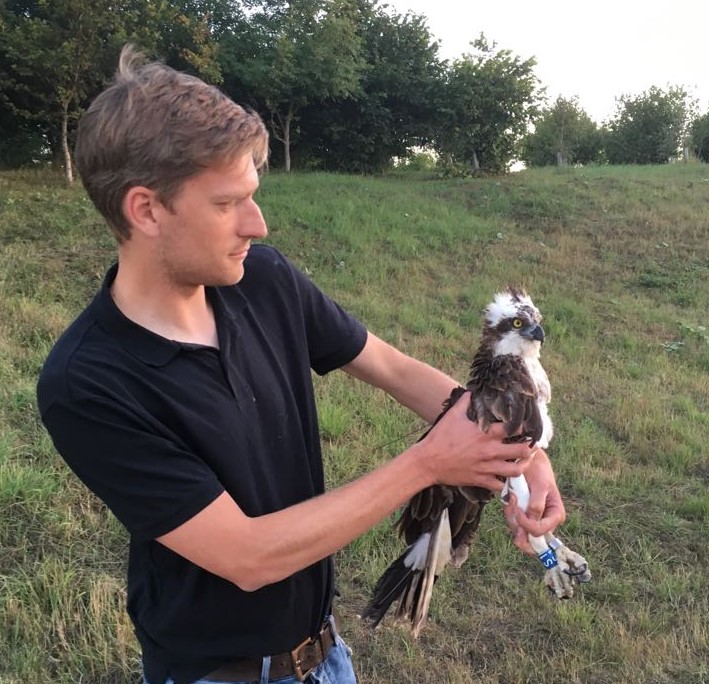
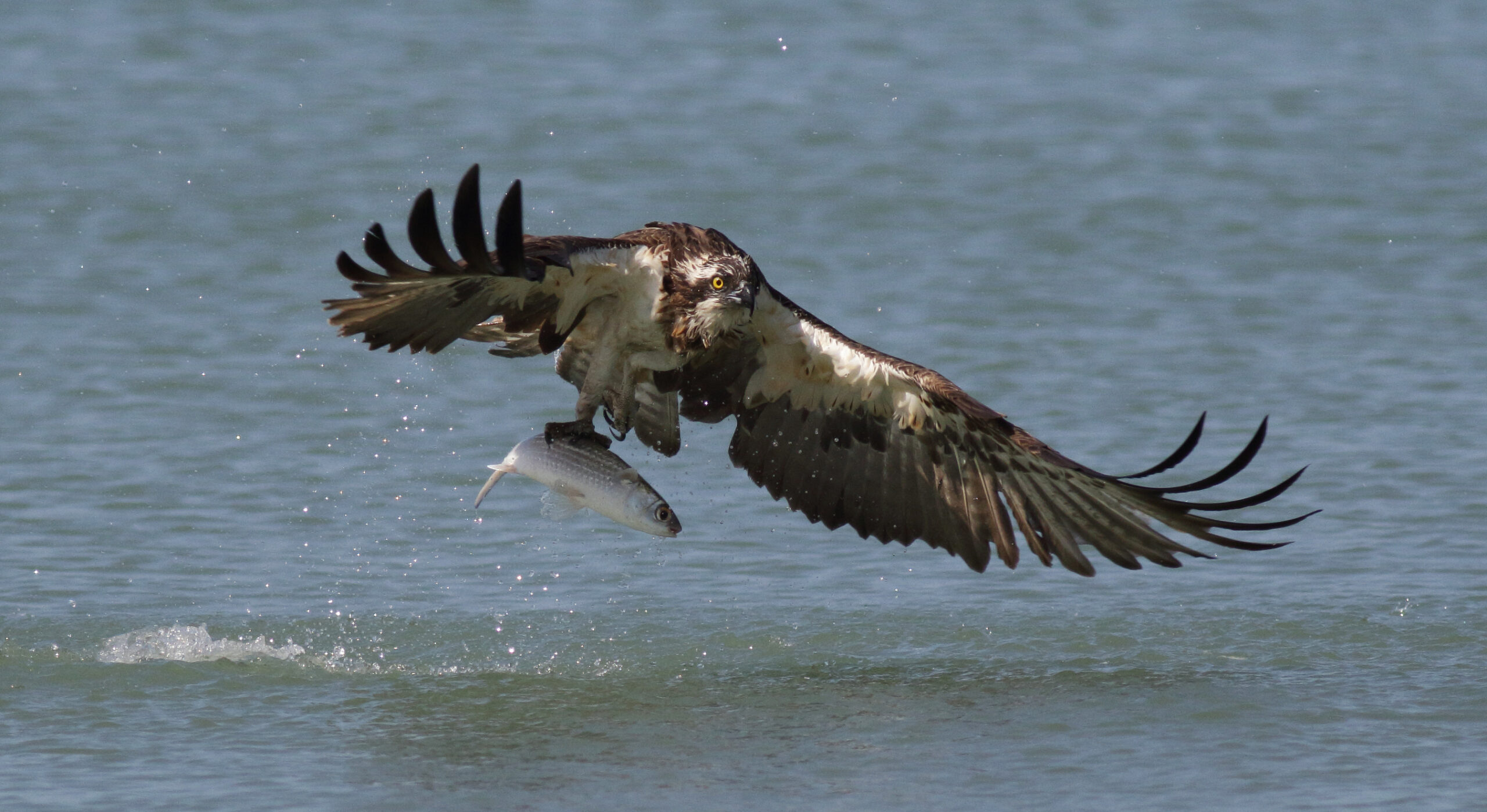
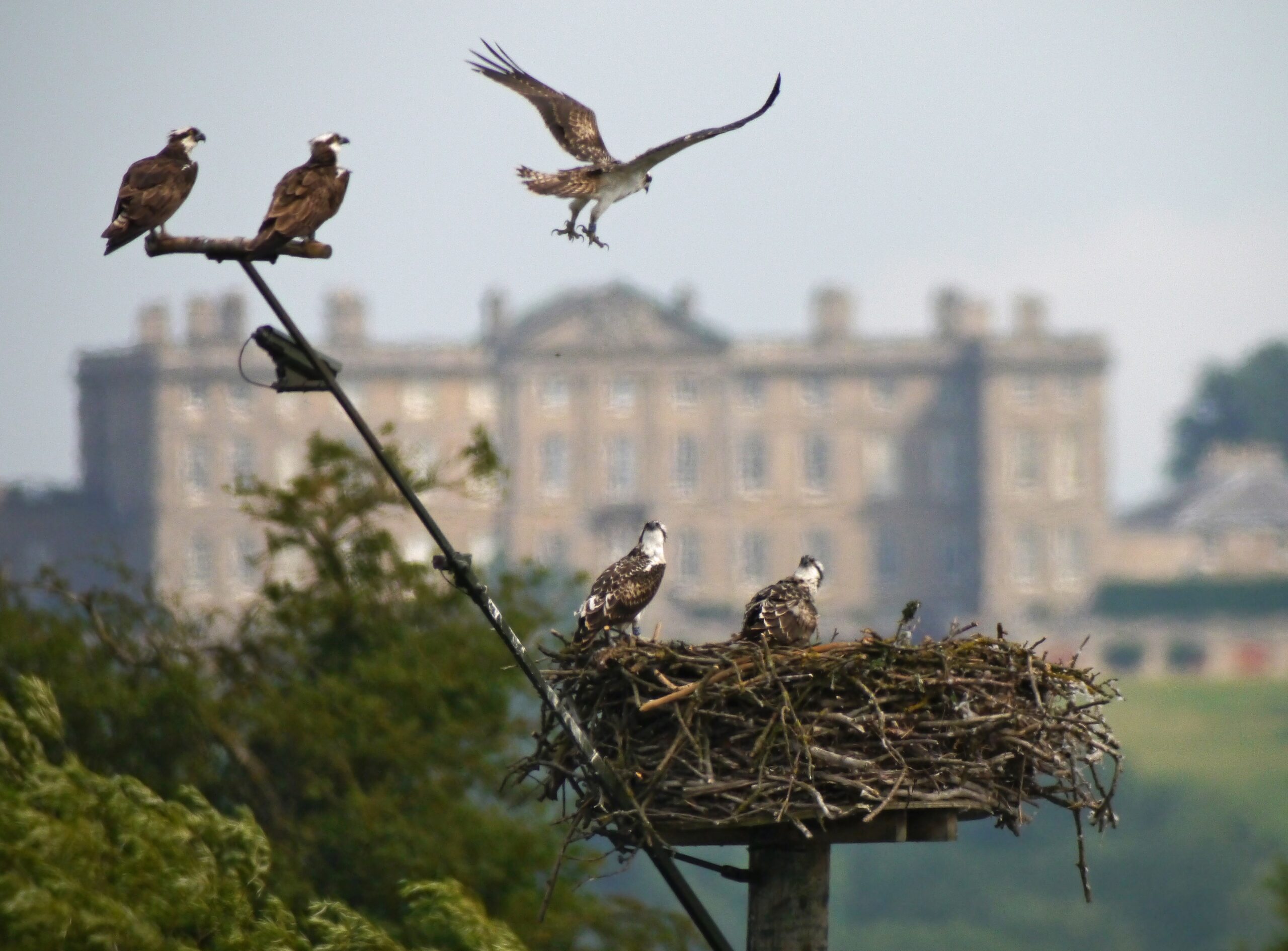
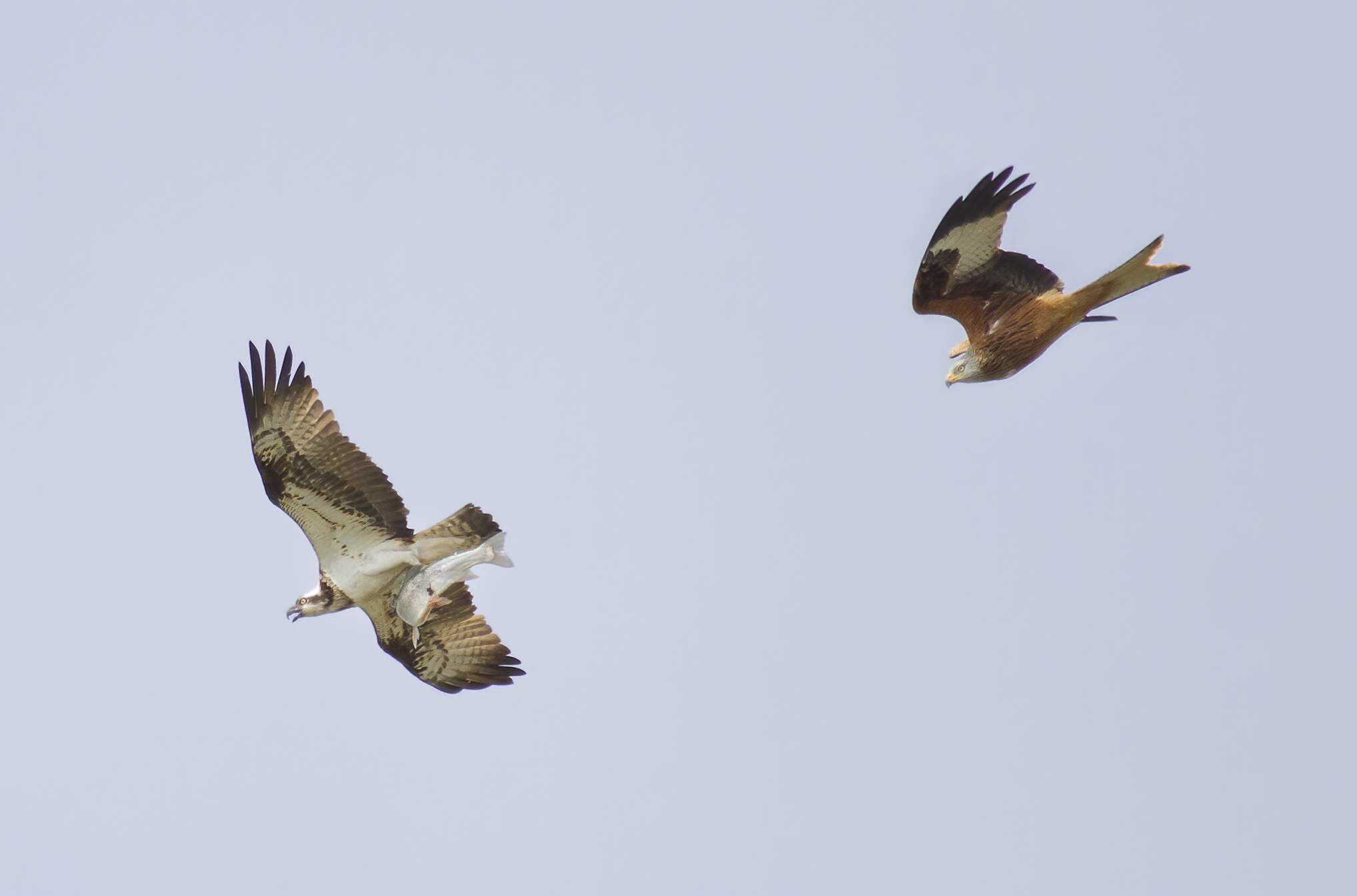
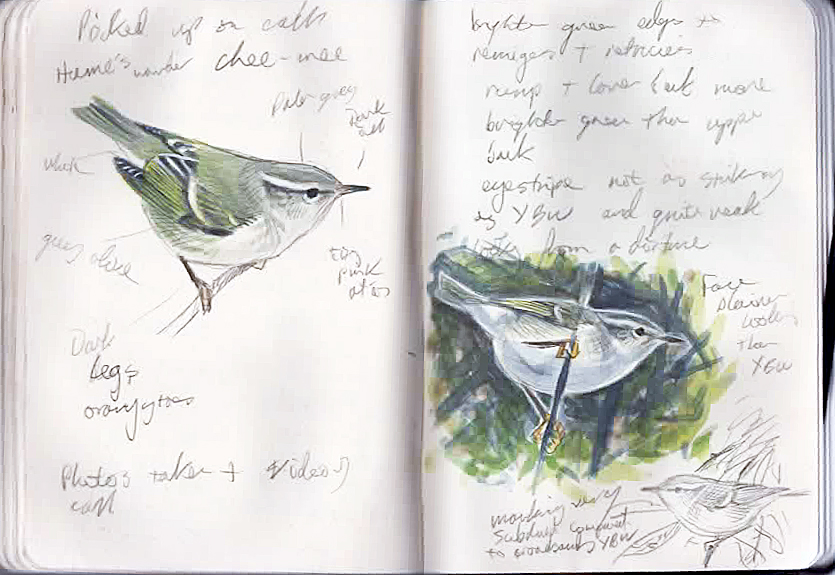
 Mike Langman has been a full-time illustrator specialising in birds since 1992 and has published a total of 85 books