
Free Webinar: Cold Weather Soundscapes; from Arctic Coasts to Alpine Valleys

Cold-Weather-Webinar_800x300_2024-01-10-151956_zlmv

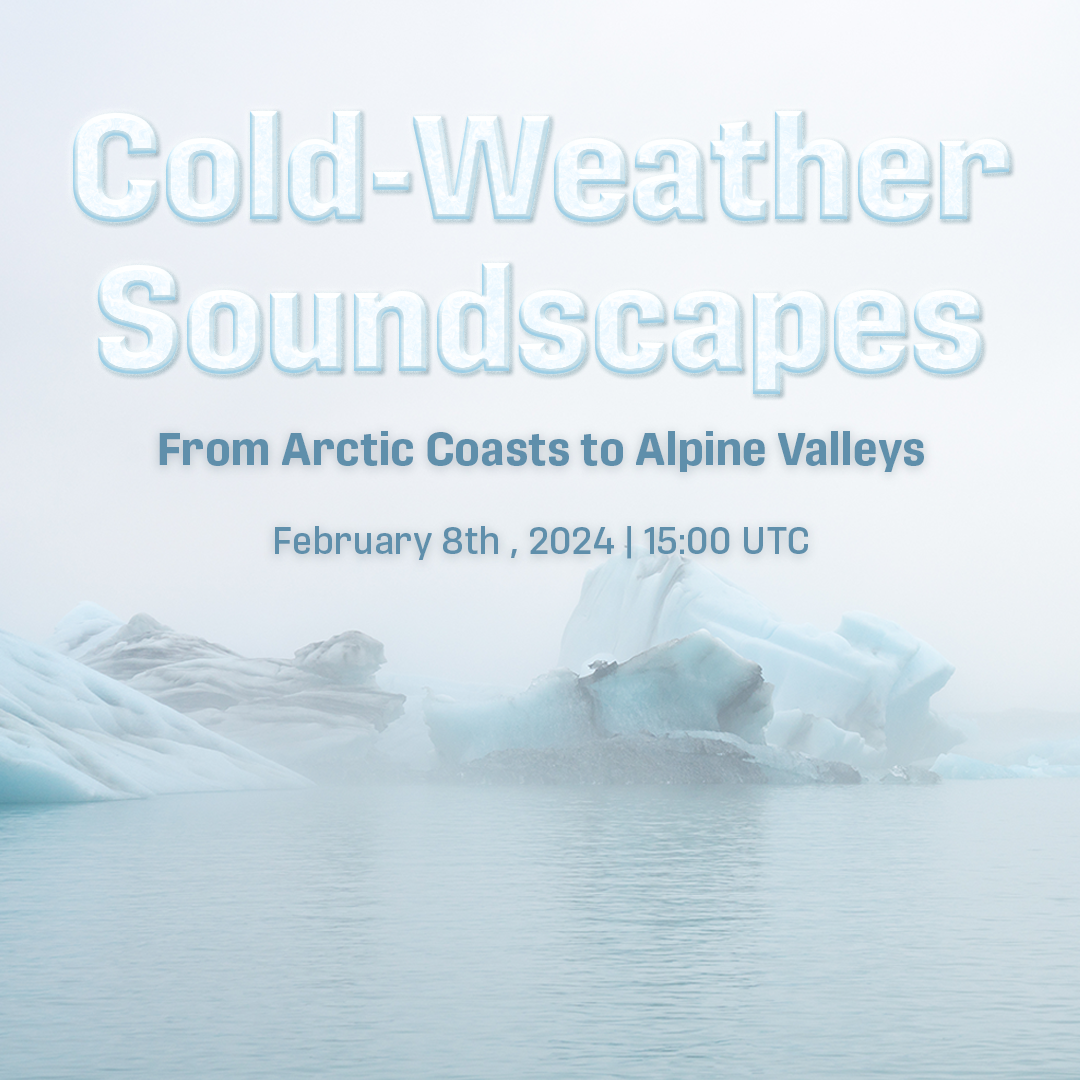
Researchers are using bioacoustics to study how animals in cold-weather environments hear and process sound, why they vocalise, and whether acoustic tools can help mitigate conflicts. Meanwhile, artists are documenting the impact of climate change, recording the sound of melting glacial ice to curate immersive exhibits.

How are their efforts drawing attention to fragile ecosystems? Find out at the Wildlife Acoustics FREE webinar at 3pm (GMT) on 8th February!

Click here to register your place.

Wildlife Acoustics Logo


FEATURING

The Cry Wolf Project: Bioacoustics & Carnivores in Yellowstone National Park

Come and learn about how bioacoustics are being used to study wolf vocalisations in the remote and often wintery locations of Yellowstone National Park. We’ll cover the use of wildlife recorders for studying the function of wolf vocalisations, generating population estimates, and mediating wildlife-livestock conflicts. We’ll also demonstrate how Kaleidoscope Pro classifiers were used to find wolf vocalisations in large recording datasets. Most importantly, we’ll have fun listening to never-before-heard wild wolf sounds, recorded non-invasively in 2023.

Un Suono in Estinzione (A Sound in Extinction) – Adamello Glacier, Italian Alps

Hear the results of an experimental research project aimed at monitoring the implications of climate change on Alpine glaciers through the analysis of sound expressed in educational, artistic, and scientific activities. Un Suono in Estinzione (A Sound in Extinction) began in 2020 with researcher and sound artist Sergio Maggioni, around whom a team of professionals from different fields was created in a short time. Learn about the results of this fascinating bioacoustics project and its inspiration.

Acoustic Sensory Ecology of Diving Alcid Seabirds & Potential Noise Impacts

Alcid seabirds like the Atlantic Puffin are important components of holarctic coastal ecosystems and may derive important acoustic cues from the surrounding natural soundscape. As people increasingly utilise Arctic coastal areas, it is essential to characterise these soundscapes as a baseline for understanding seabird acoustic biology so that we can quantify the effects of human activity on their acoustic ecology over time. Learn how passive acoustic monitoring was used to document and describe the aerial soundscape dynamics of puffins and other Alcids seabirds such as Common Murres and Marbled Murrelets, and explore how these soundscapes may be related to their acoustic sensory biology.

———————-

PRESENTERS

Jeff Reed, PhD
CEO | Grizzly Systems
Montana, United States
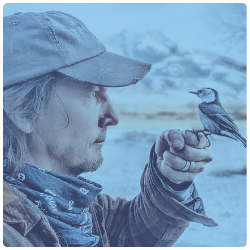
Jeff Reed, Wolf Researcher

Jeff Reed was born and raised in the Greater Yellowstone Ecosystem in southwest Montana, United States, and owns Reedfly Farm in Paradise Valley, Montana. After obtaining a PhD in computational linguistics and history, Jeff spent 30 years in the technology industry, working on linguistics and artificial intelligence solutions, and now builds visual and audio tech solutions for wildlife managers. He is an executive committee member of the Upper Yellowstone Watershed Group and Wild Livelihoods, promoting the coexistence of people and wildlife (though he considers people wildlife, too!).

Sergio Maggioni (NEUNAU)
Lead Artist | Un Suono in Estinzione
Adamello-Presanella Alps | Lombardy, Italy
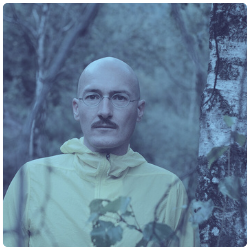
Sergio Maggioni (aka NEUNAU), Researcher and Artist

Sergio Maggioni is the mastermind behind NEUNAU, an artistic sound research project born in Val Camonica, Italy, in 2015. The artist’s namesake is engraved on a rock in Loa, a place of worship from the Iron Age. NEUNAU’s investigations begin with the details a sound source expresses, first capturing and then exploring the sound to compose audio tracks, documentary films, specific performances, and installations that tell the story of the sound’s origins. In 2020, Sergio became the lead artist of Un Suono in Estinzione (A Sound in Extinction), an experimental research project that monitors the implications of climate change on Alpine glaciers through sound analysis in collaboration with universities, institutions, and partners.

Adam Smith, PhD
Postdoctoral Investigator | Dept of Biology Marine Bioacoustics
University of Southern Denmark | Syddanmark, Denmark

Adam Smith, Alcid Researcher

Adam Smith, PhD, grew up in a small town in South Dakota, United States, but became fascinated with the ocean and marine biology through National Geographic magazine articles and Discovery Channel documentaries. As an undergrad, he volunteered to help with research projects on acoustic communication in frogs. This experience hooked him on studying bioacoustics, a field that naturally combines his two great interests: music and nature. In 2011, Adam received his PhD in Zoology from the University of Hawaii at Manoa, where he studied hearing and echolocation in marine mammals. He then spent the following year on a Fulbright Fellowship studying the acoustic sensory ecology of Atlantic Puffins in Iceland. Adam is currently a postdoctoral investigator at the University of Southern Denmark, where he continues to research seabird acoustics and studies the auditory dynamics of biosonar in toothed whales.
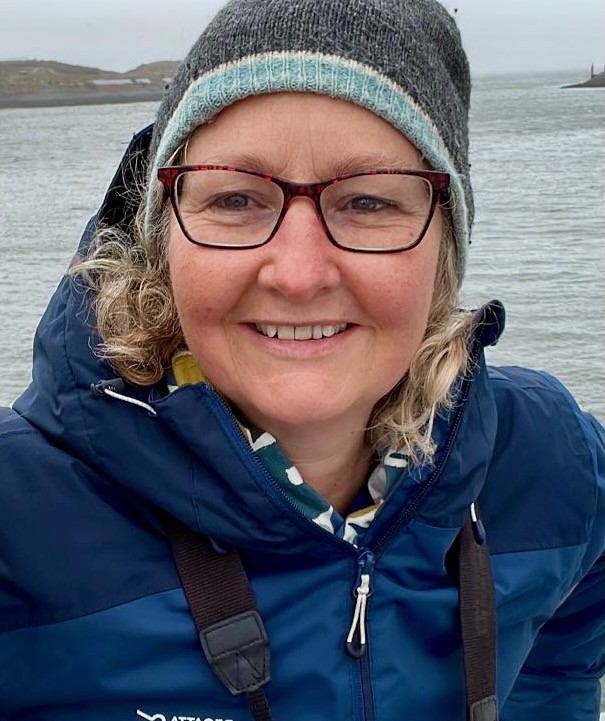

Supplier interview with Fran Tattersall from Wildlife Acoustics

Wildlife Acoustics creates world leading wildlife acoustic monitoring tools, specially designed to help scientists make impactful discoveries that expand our understanding of this biologically diverse planet.

A passionate and innovative group of technologists, operational experts, wildlife enthusiasts and conservationists, they have a zeal for helping their customers succeed in their research —understanding their needs and creating wildlife audio recording and analysis tools specially designed to help them conduct research across the globe.

We recently chatted with Fran Tattersall about the history of the company, their latest products, and the incredible ways that they are enabling researchers to collect vital data.

Fran works as the European Business Development Consultant for Wildlife Acoustics and is passionate about the environment and conservation. She is incredibly knowledgeable about the company and their products, and we were grateful to her for taking time out of her busy schedule to answer our questions.


Could you tell us about the history of Wildlife Acoustics? What inspired its creation?

Wildlife Acoustics was founded by Ian Agranat, an engineer, technologist, and nature enthusiast who is still the company’s CEO.

On a family hike in the early 2000s, Ian’s brother-in-law wondered aloud about creating a device for recording and identifying birds by their songs. Wildlife Acoustics’ first product, Song Sleuth, was launched shortly thereafter. Long before we were familiar with such tools, Song Sleuth used AI to identify North American bird species by their calls!

The US Geological Service was intrigued by the possibilities and asked Ian to develop a reliable, programmable recorder and software to help identify bird calls. This led to the invention of the Song Meter SM1, the first commercially available, built-for-purpose acoustic wildlife recorder, and the Song Scope software. Biologists now had a fully integrated, cost-effective, weatherproof solution for monitoring and analyzing the vocalizations of birds, amphibians, and terrestrial animals. (The first SM1 is still in the field today!)

Can you tell us more about the people that use Wildlife Acoustics’ products and what they use them for?

We have products for anyone who wants to record vocal wildlife, bats, or soundscapes!

Our recorders and sound analysis software are used for research projects at universities and NGOs around the world. For example, Bat Conservation International used a Song Meter SM4BAT-FS to re-discover the Hills Horseshoe bat in Rwanda—an endemic species once thought to be extirpated.

Song Meter recorders are also used by ecological consultancies working on everything from large infrastructure projects, such as HS2 and wind farms, to individual householders replacing their roofs.

Our Echo Meter Touch 2 bat detector, which allows people to use their Android devices to hear bats echolocating in real time, has been particularly popular with the general public and is a great engagement tool on bat walks. More recently, our Song Meter Micro has gained popularity with birders who want to record nocturnal migration flyovers.

What are some of the most interesting ways you have seen Wildlife Acoustics’ products being used?

In February, we will be hosting a webinar on the use of our recorders in cold places, and one of the speakers is monitoring glaciers with a Song Meter SM4. I’m looking forward to learning more about that!

More usually our recorders are listening to wildlife. Mammals are my personal favourite species group. We have people recording Maned Wolves, Manatees, elephants, Okapi, moose, Rock Hyrax, and many more.

Interestingly, it’s not just bats that use ultrasound to communicate. Our “bat” recorders have been instrumental in finding and monitoring the invasive White-toothed Shrew in northeast England and discovering that Indonesian Slow Loris use ultrasound to avoid predators. We even have a customer who records lab rats “laughing” when tickled.

Our customers are always finding fascinating new ways to use our equipment!

The new Song Meter Mini 2 and Song Meter Micro 2 are due to be launched soon. How do the new versions compare to their predecessors?

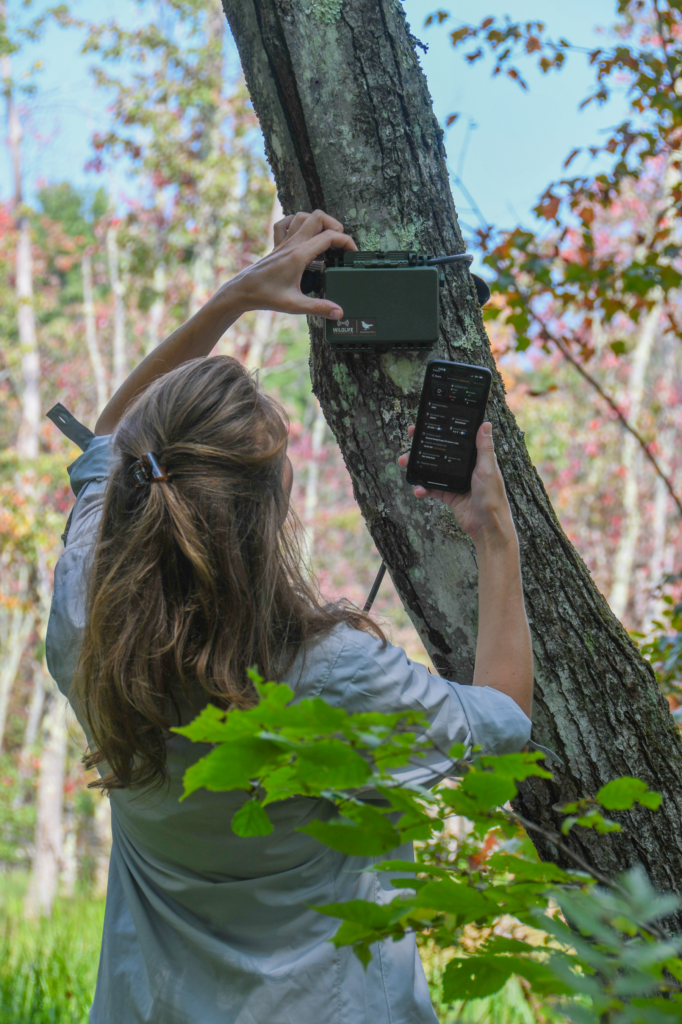
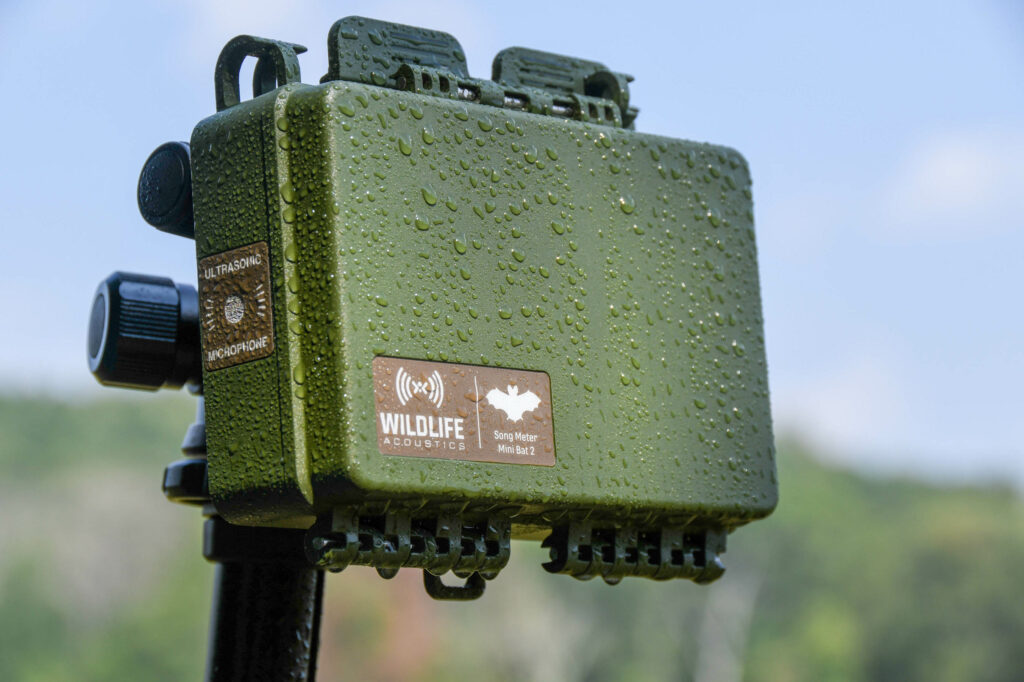
We’ve listened to customer feedback and improved the enclosure, extended battery life even further, created separate AA and Li-ion versions (18650 batteries) for the Mini 2 and the Mini Bat 2, and added a quarter-inch, 20-thread-per-inch tripod mount.

The ergonomics of the closure mechanism have been improved, using a hinged lid that can be secured with a simple cable lock. No more having to keep track of a separate lid. And the whole thing is now IP67-rated and built to withstand even the most rugged terrestrial deployments.

AA battery life has been significantly improved thanks to a larger battery tray that doubles the capacity from four to eight batteries. So for a Mini Bat 2, that means up to fifty 10-hour nights of recording, and for a Mini 2, it’s 420 hours of acoustic recording! (And best of all, the price of the AA versions remains the same.)

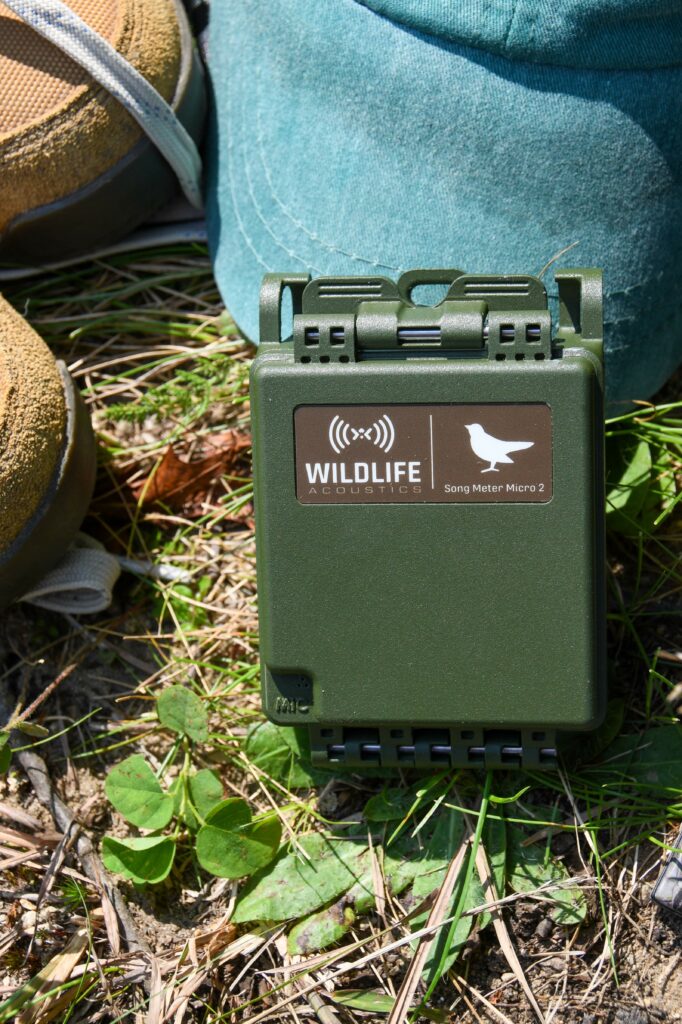
On the Micro 2, in addition to housing improvements, we improved the design by making room for an additional AA battery, which extends recording time by 33 percent.

Which of the new products is your favourite and why?

I enjoy exploring the new science of acoustic indices and soundscape analysis and am looking forward to using the Song Meter Micro 2, which has a flatter frequency response than its predecessor, making it eminently suitable for this type of work.

It’s also a great little device to take on wildlife holidays because it is so small—perfect for recording dawn choruses, nocturnal soundscapes, and finding that elusive bird. It’s always exciting to look at the contents of your SD card in the morning and hear what’s been around!

What can you tell us about plans for new features or products in the future?

Only that we’re not resting on our laurels. Our engineers are working on new ideas all the time, and NHBS will be the first to know when we’re ready to make announcements!


All of Wildlife Acoustics’ products are available at nhbs.com. For more information or advice tailored to your specific requirements, please contact us and speak with one of our technical advisors.

This week in biodiversity news – 15th January 2024

Extinction

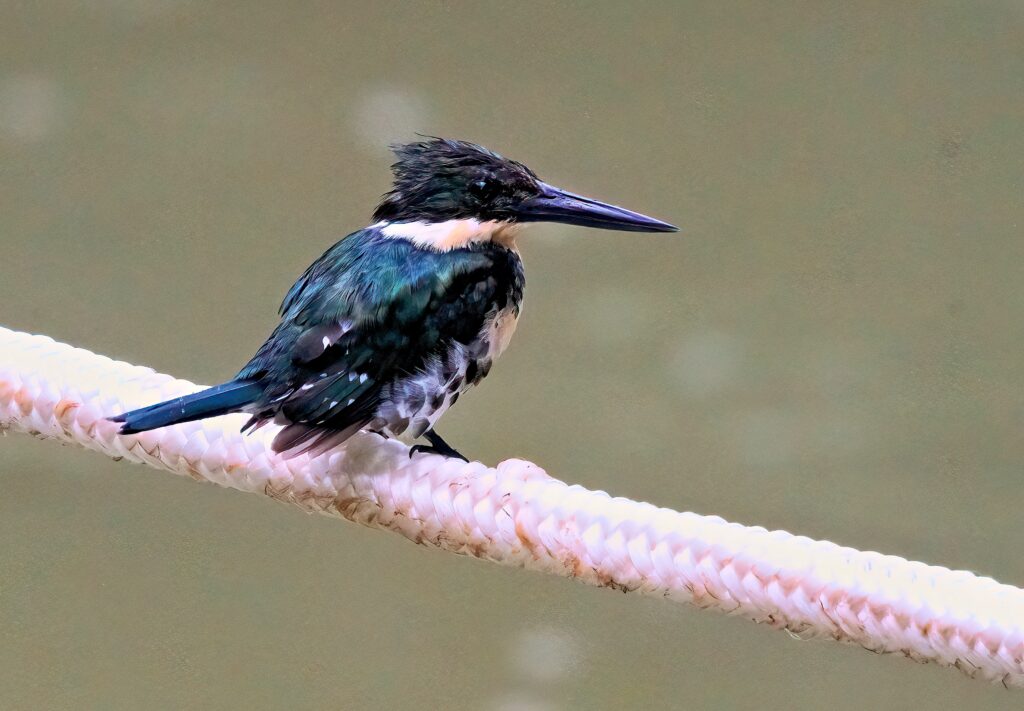
A recent study has found that humans have wiped out double the number of bird species as previously thought. According to the Centre for Ecology and Hydrology (UKCEH), 1,400 bird species have been made extinct which amounts to 12 percent of species being lost due to modern humans. The causes of the destruction of so many species include habitat loss, overexploitation and the introduction of species which have competed with native species and hunted them as prey. The loss of so many bird species is likely to have had harmful effects on ecosystems due to their key functions such as seed dispersal and pollination and because of the range of other species that depended on them for survival.

green kingfisher on a rope
Female Green Kingfisher by Aardwolf via Flickr.

The mystery of the extinction of the largest ever primate has finally been solved. Until recently, the extinction of Gigantopithecus blacki, a giant three-meter tall 250-kilogram primate that lived in the plains of southern China, was a mystery. A large study by a team of researchers from China, the US and Australia of 22 caves in China found that the species on the brink of extinction between 295,000 and 215,000 years ago struggled to adapt to its changing environment. While other primates such as the orangutan adapted their eating habits and behaviours in response to this change, Gigantopithecus blacki struggled to adapt, and as a consequence went extinct.

Biodiversity at risk

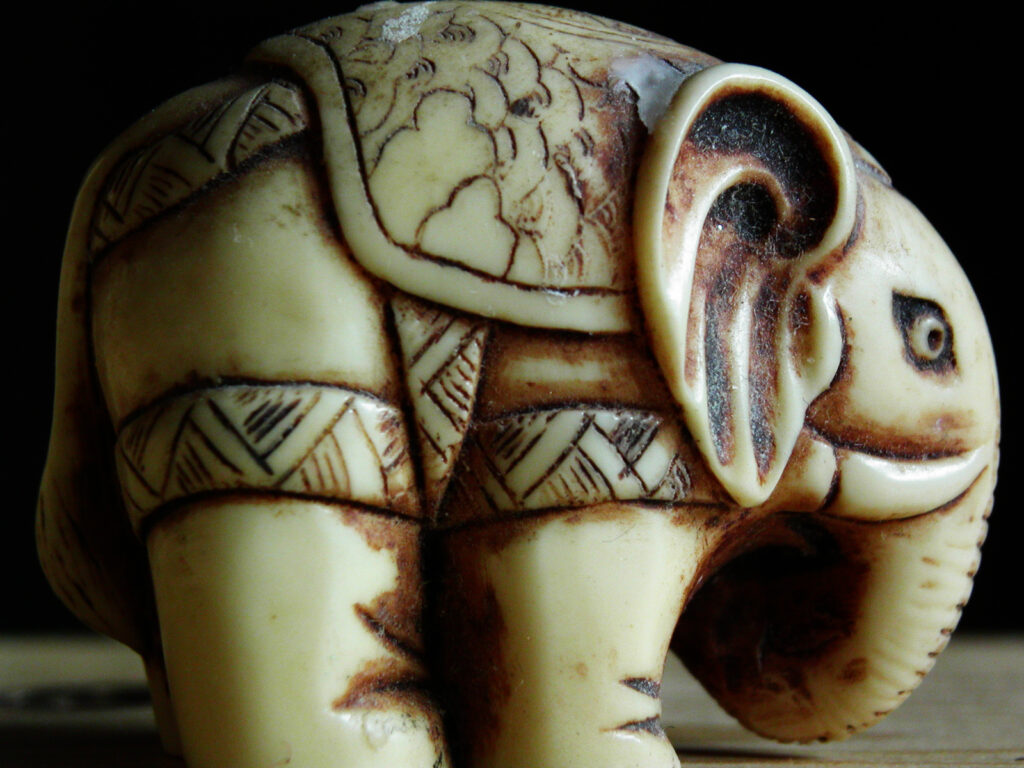
The Nigerian Government has destroyed £7 million worth of elephant ivory. The stock of elephant tusks was one of the largest ever seized in Nigeria and weighed close to 2.5 tonnes. Tens of thousands of elephants are killed worldwide each year for their tusks which are often carved into highly valuable works of art. It is estimated that fewer than 500,000 elephants persist in Africa, a considerable decline from 1.3 million in the 1970s. The destroyed ivory will be pulverised into powder which will be made into a monument symbolising the importance of elephant conservation in Nigeria.

Elephant Ivory carved in the shape of an elephant
Elephant Ivory by Theo via Flickr.

Norway is set to approve deep-sea mining operations despite major environmental concerns. The move will make Norway the first country in the world to open up its seabed for deep-sea mining. Scientists have voiced considerable concern over the potential impact on marine life and carbon storage. Recent studies in Norwegian waters have shown that mining operations would have severe impacts on unique marine wildlife. The EU and the UK have opposed such a move citing environmental concerns. Norway has claimed that exploiting deep-sea mineral deposits will aid the green transition.

Climate crisis

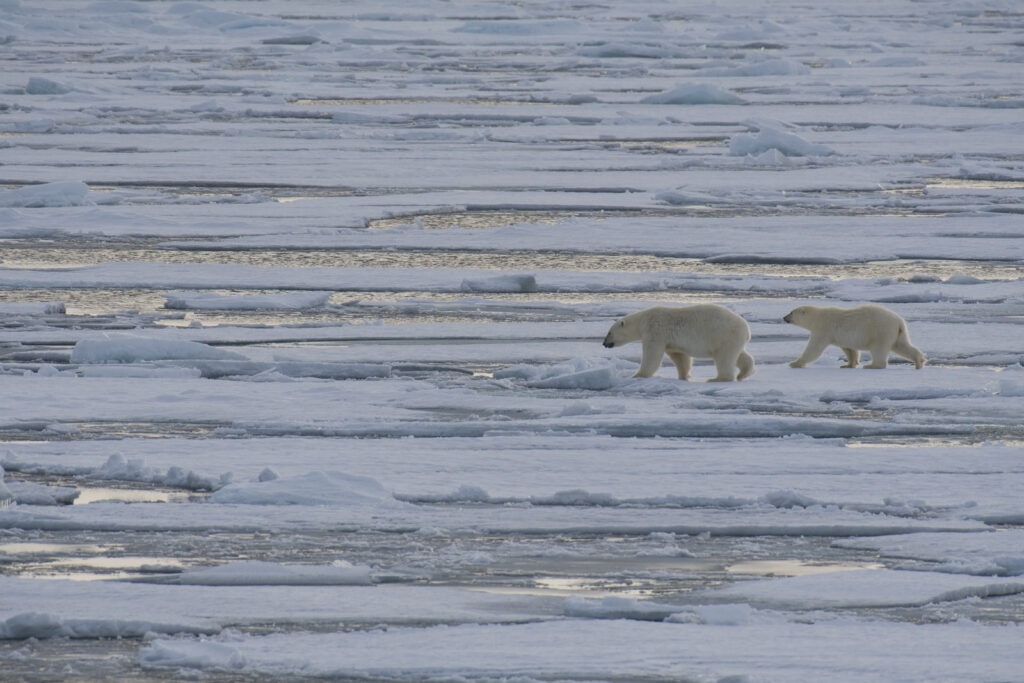
Scientists have confirmed that 2023 was the hottest year on record. Last year saw temperatures 1.48°C warmer than the long-term pre-industrial average temperature. The record high has been driven by a combination of human-caused climate change and the natural El Niño weather phenomenon. The latter half of 2023 saw temperature records for the time of year being broken almost every day with a worrying increase above previous records. 2023 was also notable for extreme glacial retreat, Antarctic sea-ice lows and record ocean temperature highs which far exceeded previous records.

polar bears walking on floating icebergs
Polar Bears on sea ice in Svalbard by Linking Tourism and Conservation via Flickr.

Germany’s greenhouse gas emissions hit a 70-year low in 2023, according to a German think tank. The low comes as Germany winds down its coal-fired power production resulting in a reduction of 73 tonnes of greenhouse gas emissions this year. This was made possible by reduced overall electricity demands and increased foreign imports from renewable energy sources. However, the study also highlighted that only 15% of the total can be counted as permanent emission reductions with a large proportion due to unpredictable social or economic activity.

Coal power plant above a river
Coal power plant in Germany by eutrophication&hypoxia via Flickr.

Farmers have called for stronger river defences after Storm Henk wreaked havoc on their crop fields. Many thousands of acres of agricultural land have been left sitting under water in the wake of the storm which follows Storm Babet and Ciaran in the autumn. The National Farmers Union has also called for compensation for farmers who are directed to let their fields flood as part of efforts to protect towns from flooding. The extreme flooding has caused significant financial stress for many affected farmers. The government has said that £221 million was being spent on flood defence maintenance in 2023/2024.

Scientific discoveries

Sperm Whales live in culturally distinct units, a new study has revealed. Scientists at Dalhousie University, Canada, analysed Sperm Whale feeding habits and the sounds they made using underwater microphones and drone surveys and found that they organised themselves into female-based groups of up to 20,000 animals. These groups were divided by distinctive sequences of clicks in their vocalisations. The researchers discovered that while different clans of the whales might meet, they never interbreed, recognising and maintaining their differences.


Author interview with Edward Bent: Plant-Life: A Walk with Nature

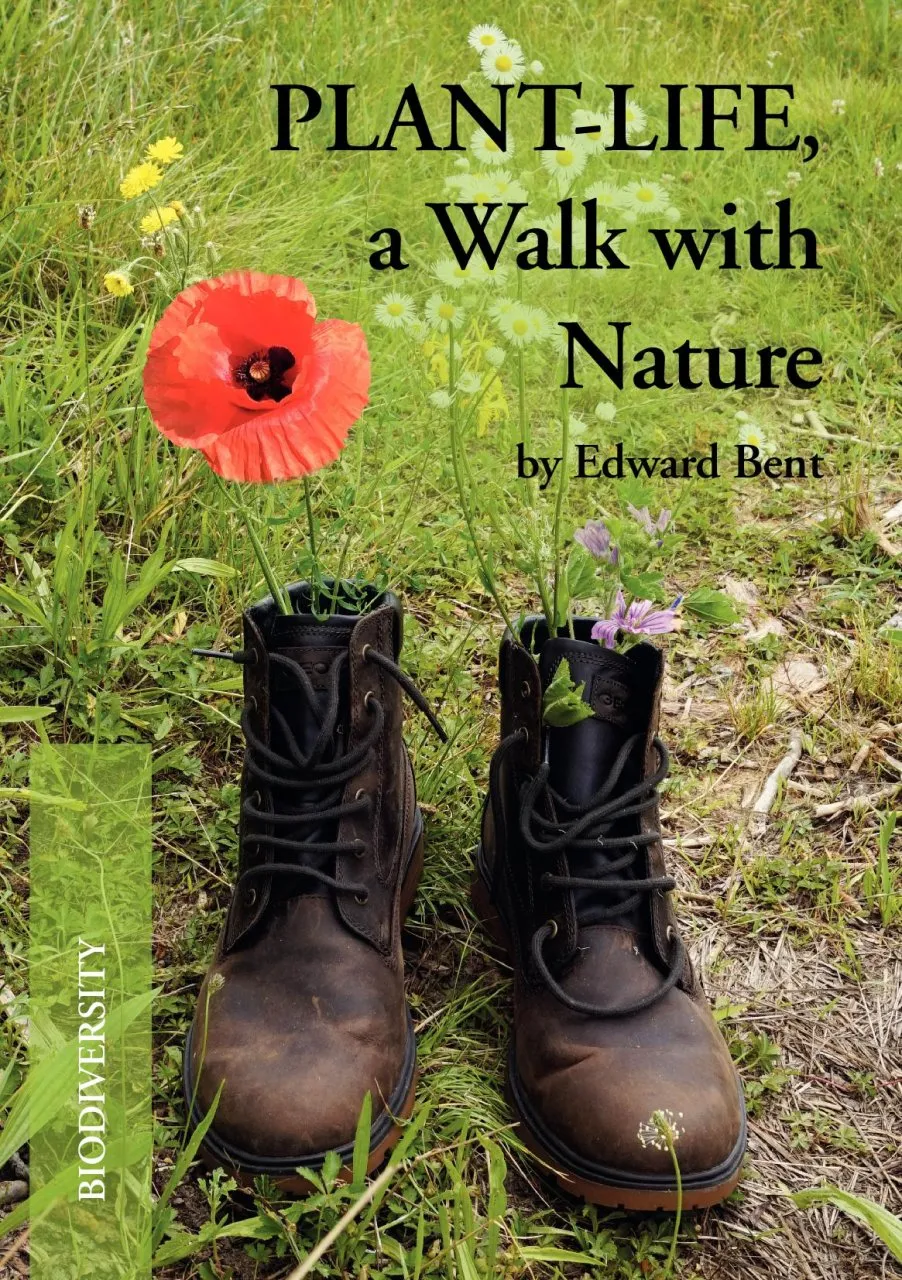
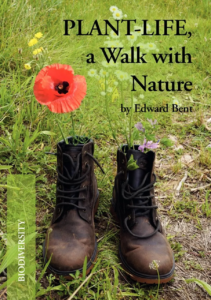
Plant-Life book cover showing a photograph of a pair of brown boots stood on a grassy path with a red poppy in the left hand bootThis adventurous and versatile book explores the wonders of our relationship with plants and our involvement with nature. Full of information on botanical science, ecological and environmental factors, artistic appreciation and philosophical reflection, Plant-Life offers a more holistic view of nature than in other books within this field. The text is supported by detailed images, diagrams and tables which provide a framework of understanding for the critical and questioning mind needed to approach biodiversity and climate change. 

Edward Bent, author of Plant-Life, stood wearing a red jumper holding his book.

Author Edward Bents career was founded on a Botany degree from the University of Hull, followed by many years of experience spent working across different sectors, including research, marketing and education. After moving to Italy, he became a self-employed consultant and writer with many of his articles published in leading international publications, as well as a founding director of UK plant breeding company Floranova Ltd. While producing a series of botanical art compositions exploring spatial relationships in plant communities, Edward was inspired to research and write this book as a way of reflecting on his understanding of plants and the ways of nature. 

Edward recently took the time out of his busy schedule to talk to us about the inspiration behind his book, why he chose to write in a journalistic style, other projects hes currently working on, and more.


In the first chapter it says that you have always wanted to explore the beauty of plants and flowers and to share an appreciation of their world with others. How did you first develop this fascination and love of botany?

From an early age I liked to draw and paint plants and flowers to express an artistic temperament and reveal what I thought to be aesthetically pleasing. This extended to outdoor landscapes. At secondary school, I studied botany at ‘O’ and ‘A’ levels, followed by a degree course at University. During these scientific studies, significant periods of practical work allowed greater awareness of the beauty of plants and flowers and led me to make drawings. This same awareness continued through research and teaching, in parallel with a scientific frame of mind. I refer later to the influence of realising botanical compositions of wildflower communities while retaining a botanical coherence.

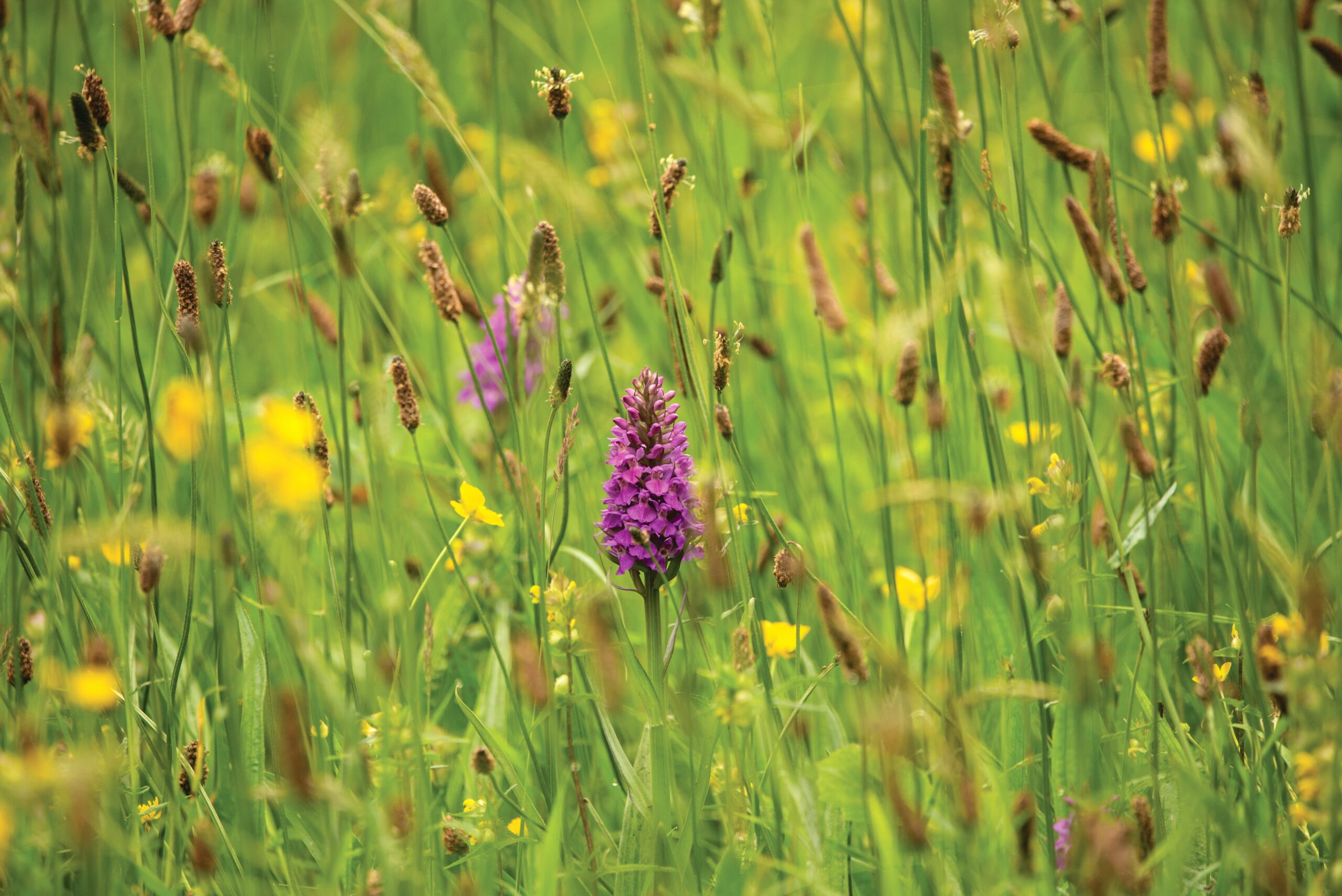
Marsh Orchid photograph in a meadow with other flowers taken from ground level.

A dichotomous key was one of the first methods used to identify different plant species and variants through a hand lens before pictorial guides were developed. How do you think this early identification technique has affected the ways in which we observe and identify plants in the present day?

Pictorial guides to identify plant species represent a very useful shortcut, but, in many cases, just a few characteristics such as flower type, colour and leaf shape are sufficient to get the answer. While most guides also carry some detailed written descriptions, this is not commonly referred to except for professional reasons or uncertainty. The methodology of using a dichotomous key not only requires more time, but also attentive observation of far more plant characteristics. This helps develop powers of observation, or a trained eye, and better understanding of taxonomy, while providing an enjoyable sense of investigation. I believe that pictorial guides were developed to speed up the process of identification and to provide ordinary people, not just botanists, with an easier-to-use instrument.

I really enjoyed how Plant-Life touched on the relationship between botany and other disciplines such as art, poetry, maths and bio-economics. What inspired you to investigate these relationships throughout the book?

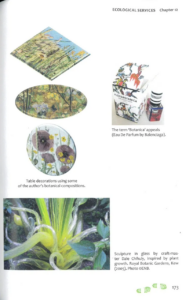
Image of different products that use floral and plant motifs in their design including coasters and jars.

Firstly, reading Keith Critchlow’s book (see my answer to your question six), but also because of the impressions perceived of the beauty of spatial relationships in natural plant communities, through observation and realising the botanical compositions from pressed plant material. The aspect of bio-economics relates to the common denominator of chaos and complexity. Some years ago, I had also written another book that had prepared my mind to be more receptive to these relationships, and gave rise to my logo/trademark WOWWalk on the Wild side.

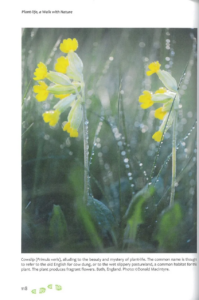
Plant-Life photograph of a yellow Cowslip plant.

When walking in the country, I always sought the big picture, since nature – of which we are part – is more than just the science. The concept of ‘Art of nature and Nature of art’ also came through in my research, strengthening the wish to break down perceived barriers between science, art and indeed philosophy. Scientific methodology works through separation, not only between different disciplines but also within them, while an examination of nature demands a more holistic approach.

What inspired you to write in a holistic, journalistic style rather than the more traditional, academic style that many ecology books demonstrate?

I think a holistic style is essential to understanding the ways of nature. It involved a strong desire to engage in artistic appreciation and philosophical/spiritual reflection on the perceived beauty of plants and wildflowers in their natural habitats. That is something I have, as long as I can remember, ‘taken aboard’ with a mixture of interest, observation and empathy. The artwork involved in the realisation of a series of botanical compositions also inspired the book and gave rise to logo, N-ART-URA The Culture of Biodiversity.

A journalistic style in communicating information in straightforward language was obligatory after analysing big data scientific papers, news releases, books etc to make the writing more accessible to a wider and multi-level readership. This mission and ability stems from teaching and years of writing feature articles for the horticultural trade press and a few books. Equally, easier, pre-digested science would be unable to deal with some of the concepts and information presented in my book.

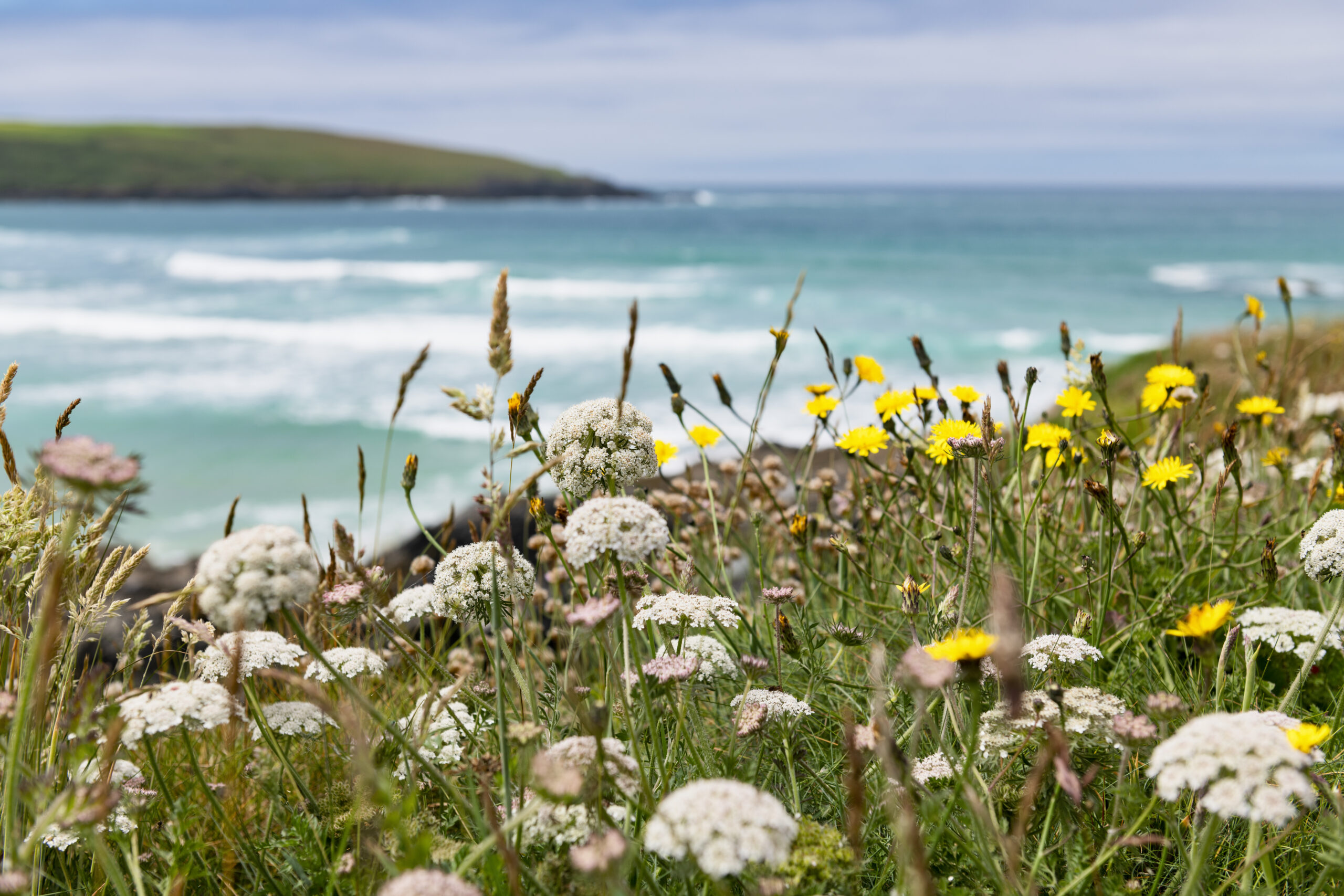
Field of Poppies and wild flowers overlooking Crantock Beach near Newquay Cornwall England UK Europe.

Do you think our plant life will reach a point where species will consistently be able to adapt to, and thrive within, the ever-changing environment that human activities have created? 

Much depends on the timeframe. Our destruction of ecosystems can be total or partial (leaving intact corridors) and usually happens very quickly, whereas the process of plant adaptation is gradual and long drawn out. The protection and conservation of large areas of wilderness are fundamental to securing the absence of damaging human activities. Despite this, nature is programmed to fill any ecological voids that occur.

The so-called ‘generalist’ plant species adapt far more quickly to new environmental challenges, as opposed to more specialist species adapted to precise habitats, such as alpine flora . The latter have a much smaller gene pool when needing to adapt to new conditions, rendering them more vulnerable to extinction. So, the generalist species will adapt more quicky and spread more widely throughout areas of ecological disruption and damage caused by human activity.

Species distributions will become increasingly alike between different geographical areas and continents, caused by human activities travel and transport, for example. There will be new opportunities for hybridisation, mutation and a few new species or sub-species. In a few cases, plant breeding and genetic manipulation in agricultural and horticultural crops, can ‘escape’, potentially affecting wild species from which crops were developed.

How did you develop your Holistic Notion diagram and what can this teach us about the relationship between nature and human emotions? 

This diagram is central to my book and needs further development. The publication The Hidden Geometry of Nature (Floris Books) by the late Keith Critchlow was inspirational and highly informative in providing links to further thought and research. I highly recommend this important book to students and teachers of botany to give the subject a wider context.

The human mind reasons and analyses, whereas the human heart brings natural phenomena together, connecting with natural beauty; something that is impracticable in scientific study, because scientific methodology invariably needs to be separate. The Holistic Notion diagram seeks to present mathematical principles lying behind nature and the universe that translate to specific aspects of ‘being’, the substance of what we are and what we see. In holism, emotions and intuition are as important as the science in terms of understanding. Emotions stem from our interest and perception of form and substance, engendering a feeling of continuity and gratitude.

Views Over Crantock Beach, Newquay, Cornwall, England, UK on a bright June day.

You briefly touched on the role of computers and artificial intelligence in creating ecological models that can be used to analyse data and potentially assist in the recovery of our environment. How important do you think these technologies will be in this process? 

I believe that artificial intelligence and computer power will be very important in realising ecological models because of the huge amount of data and number of variables involved. What is less certain is the success of these instruments in terms of conservation or rewilding, because the whole picture can never be pinned down to one moment in time. Plant-life and nature are in constant evolution, even more so with the dramatic effects of climate change. I define nature as working through dynamic instability, choosing complementary interdependence as the means. So, recovery will depend on the progressive ‘load’ of environmental challenges on plant communities, the biosphere and the Earth system itself, caused by climate change. Just how can artificial intelligence predict these events?

Do you have any current projects in progress that you can share with us? 
I am seeking ways to complete my NARTURA project by printing and publishing a series of nine botanical compositions, because earlier samples were well-received and complement the book. It requires, a printer, marketing, and distribution located in the UK. Living in Italy makes this more difficult, although I do have digital samples and plenty of ideas.


Plant-Life book cover showing a photograph of a pair of brown boots stood on a grassy path with a red poppy in the left hand bootEdward Bent’s book Plant-Life, a Walk with Nature was privately published and is available on the NHBS website at Plant-Life: A Walk with Nature | NHBS Good Reads

The RSPB Big Garden Birdwatch 2024

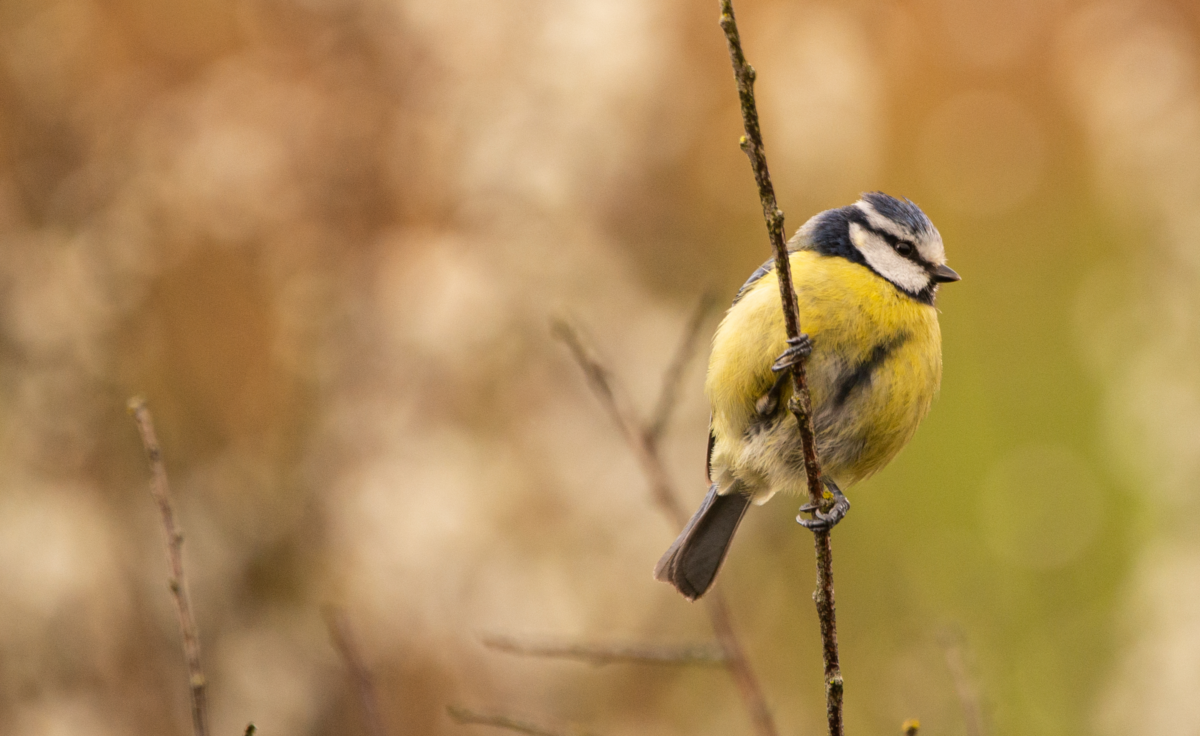
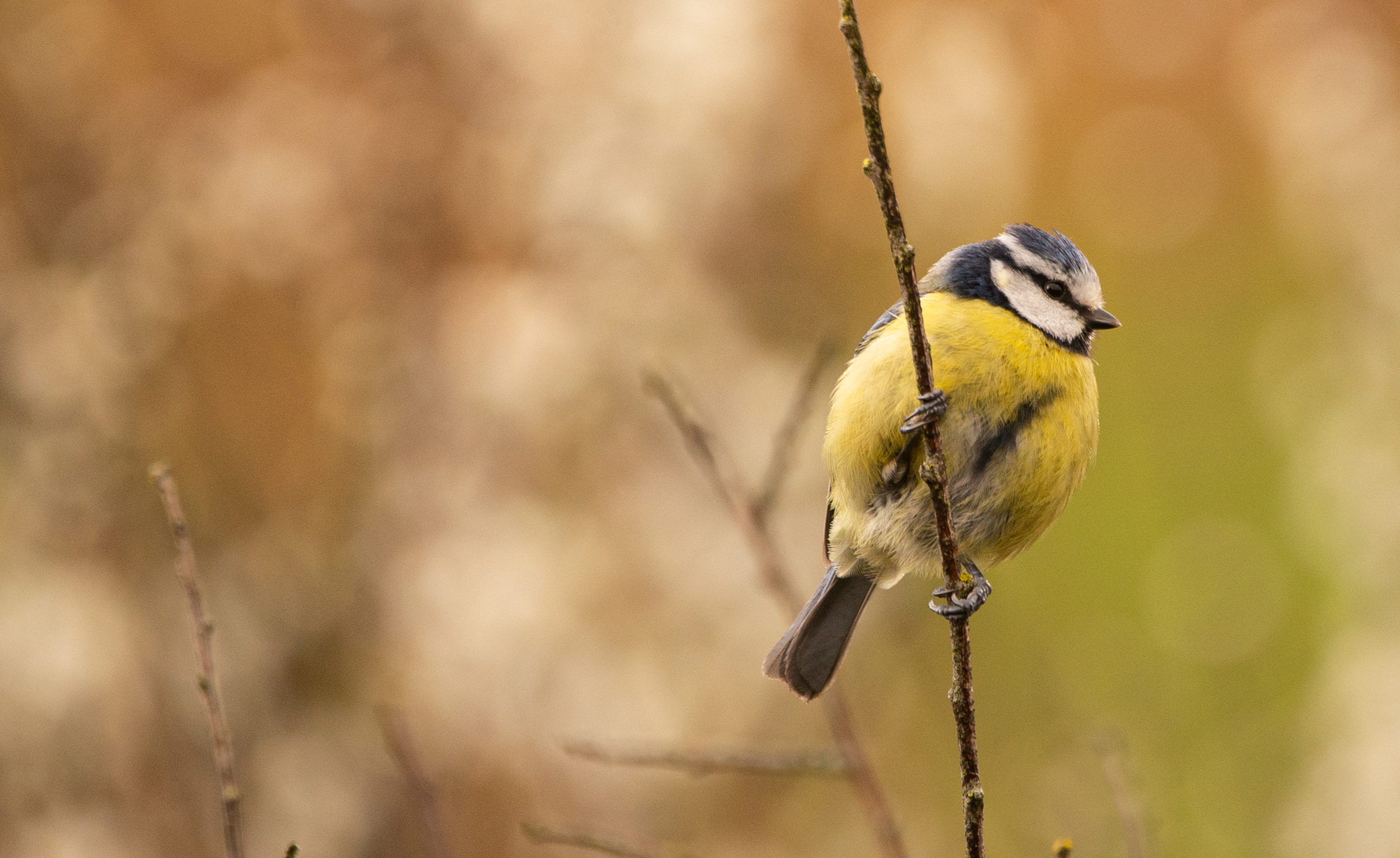
Blue Tit on a branch

For the past 45 years, the RSPB has been running one of the largest citizen science projects in the world, the Big Garden Birdwatch. Every January more than half a million people take to their gardens, parks and balconies to count the birds they see. This huge dataset has allowed the RSPB to create a comprehensive picture of how our local birds are faring, and to examine changes in both abundance and distribution over time.

This year’s Big Garden Birdwatch will take place from the 26th to 28th January and anyone can sign up to take part – all it takes is an hour of your time to record the birds you see in your area and send these results to the RSPB. They will then collate all of the data and publish the results in spring.

How to take part in the Big Garden Birdwatch

    • Sign up on the RSPB website 
    • Find a good spot to watch the birds in your garden or a local park and choose an hour between between Friday 26th and Sunday 28th January. 
    • Have fun identifying the species visiting your garden during that hour and count the maximum number of each species you see at any one time. For example, if you see a group of three House Sparrows together and after that another one, the number to submit is three. This method means it is less likely you will count the same birds more than once and makes data analysis easier. Make a note of any other wildlife that you spot as well. 
    • Submit your results on the Big Garden Birdwatch website. Even if you don’t see anything, that’s still useful information. (If you can’t submit your results online, you can print off the form from the free guide and send it by post). 
    • Join in the conversation on RSPB social channels throughout the weekend to see what other nature lovers are spotting across the UK and upload your own pictures and comments using #BigGardenBirdWatch 
    • Look out for the results in April and take pride in having contributed data from your patch.

What did we learn in the 2023 Big Garden Birdwatch?

In 2023, over half a million people took part in the Big Garden Birdwatch, submitting records of more than 9.1 million birds. The most frequently reported species was the House Sparrow which received 1.4 million sightings, however counts of this bird have notably decreased by 57% when compared to the first Birdwatch in 1979. The second and third spots were held by Blue Tits and Starlings respectively. 

Last year’s results highlighted the vulnerability of some of our smaller garden birds and the environments they live in. Long-tailed Tit sightings increased by 39% in 2023, however they are very susceptible to harsh weather conditions and as a result of this, population numbers have fluctuated since the Big Garden Birdwatch began. Meanwhile, Greenfinches and Chaffinches continued to be affected by a disease known as Trichomonosis, which has led to a 34% decline in UK Chaffinch populations and 65% decline in Greenfinches over the last decade.
It is hoped that this year’s Birdwatch will help to give a better picture of how these population are faring a year on.

How can I encourage more birds and other wildlife to my garden?


Participating in the Big Garden Birdwatch is the perfect opportunity to observe how wildlife is using your garden and to give you some insights into how you could make your outdoor space even more attractive to wildlife. 

Improving your garden for wildlife can be as simple as leaving a patch of long grass; providing native trees or plants that are good for pollinators such as lavender, buddleja and verbena; or leaving a woodpile for insects to shelter in. You can also supply nest boxes for birds, bat boxes for summer roosting bats, access panels and shelters for hedgehogs, shelter for frogs and toads, and of course bird feeders, which will bring a multitude of species to your garden.

Recommended books and equipment


Collins Bird Guide book coverCollins Bird Guide: The Most Complete Guide to the Birds of Britain and Europe 

With expanded text and additional colour illustrations, the third edition of the hugely successful Collins Bird Guide is a must for every birdwatcher. The combination of definitive text, up-to-date distribution maps and superb illustrations makes this book the ultimate field guide, essential for every birdwatcher and field trip. 


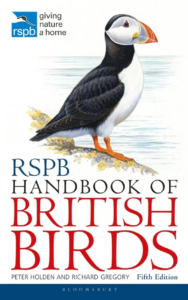
RSPB Handbook of British Birds cover

RSPB Handbook of British Birds 

This easy-to-use book is a complete guide to the UK’s most familiar birds and, having been revised for its fifth edition, the RSPB Handbook of British Birds now includes new artwork, additional rarities, extra comparison spreads and a fully updated taxonomic order, in addition to a detailed maps reflecting current UK distributions. 


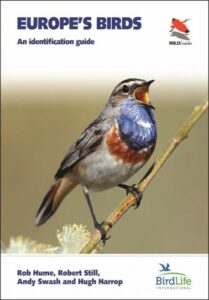
Europe’s Birds: An Identification Guide coverEurope’s Birds: An Identification Guide 

Covering more than 900 species, and illustrated with over 4,700 photographs, this is the most comprehensive, authoritative and ambitious single-volume photographic guide to Europe’s birds ever produced. The images are stunning to look at, making this a beautiful book to enjoy, as well as an up-to-date and essential source of identification knowledge.


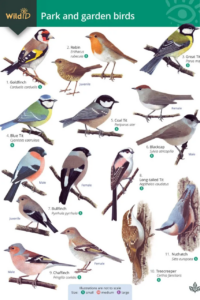
Park and Garden Birds coverPark and Garden Birds 

This newly updated fold-out guide covers the top 50 birds of gardens and parks, including ponds and rivers. Designed for speedy bird identification with living birds in the garden, the guide features beautiful colour paintings by Chris Shields. Accompanying text on the reverse side covers body size, food, key identification notes and conservation status. 


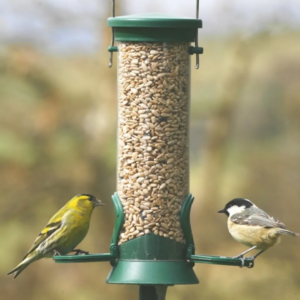
Challenger Plastic Seed Feeder Challenger Plastic Seed Feeder 

This seed feeder is ideal for small spaces due to its size and is made from durable, long-lasting plastic. The feeder includes perching rings which have been designed to allow birds to feed in their natural facing forward position and is available in two different sizes. 


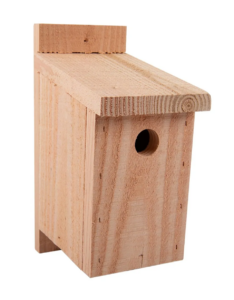
 NHBS Wooden Bird Nest Box NHBS Wooden Bird Nest Box 

Installing a nest box in your garden is one of the easiest ways to support local bird populations, providing them with a warm, sheltered environment with protection from most types of predators. Our own range of wooden bird nest boxes have been custom designed and manufactured from substantial 2cm thick FSC-certified wood, are available with either a 25mm or 32mm entrance hole and can be expected to last for 5–10 years. 


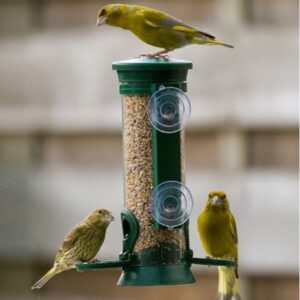
Discovery Plastic Window Seed FeederDiscovery Plastic Window Seed Feeder

The Discovery Plastic Window Seed Feeder is ideal for those with small gardens or balconies and who are new to bird feeding. It has two feeding ports with ring perches to allow the birds to feed in a natural position and the high-suction pads securely fix the feeder to glass which offers a fantastic way to watch garden birds up close.


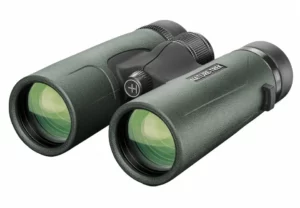
Hawke Optics Nature-Trek Binos in greenHawke Optics Nature-Trek Binoculars

The Hawke Optics Nature-Trek Binoculars are great value and ideal for fieldwork. They have a shock-resistant polycarbonate body, making them robust yet lightweight, and are waterproof and fog-free. The inner-focus optical design and BAK 4 roof prism produces high resolution images and ensures no detail is lost when viewing at long or short distances, while they also have effortless focusing and impressive depth of field which makes these binoculars quick and easy to use.


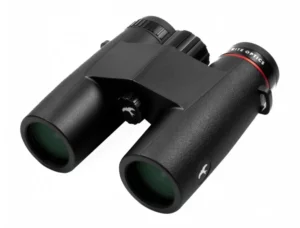
Kite Ursus Binoculars in black.Kite Ursus Binoculars

The Kite Ursus binoculars are an easy to use, entry-level pair of binoculars with all-round performance. They have been designed for everyday use and have a robust, fully waterproof housing, rubber touch points, and are lightweight and well balanced with a short hinge and a large ribbed focus wheel so changing focus is easy. As with other Kite binoculars, the Ursus also have a great field of view and, combined with their image quality, this makes them great for panning while watching fast moving subjects.


GPO PASSION 10x32 ED Binoculars in green.GPO PASSION 10×32 ED Binoculars

These binoculars combine a sleek design with high-quality features, including a Schmidt-Pechan prism, 10× magnification, ED multi-coated lenses and matched optics, which deliver exceptional clarity and colour transmission. They also offer a wide field of view, high edge-to-edge sharpness and a close minimum focus, which makes them unique among models in this price range, and come in five colours: green, brown, black, sand and orange.

Author Q&A with David Seamer: A Beginners Guide to Freshwater Microscopic Life

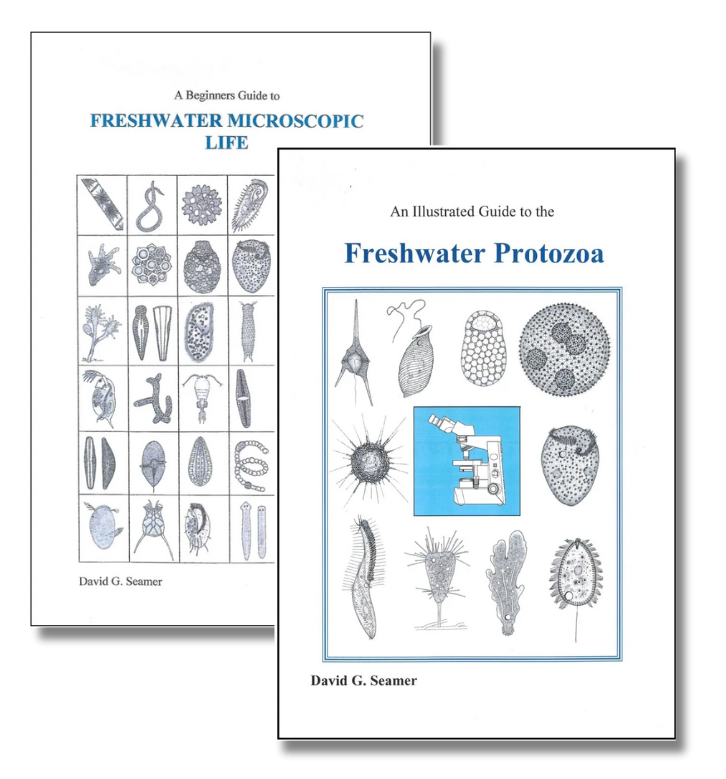
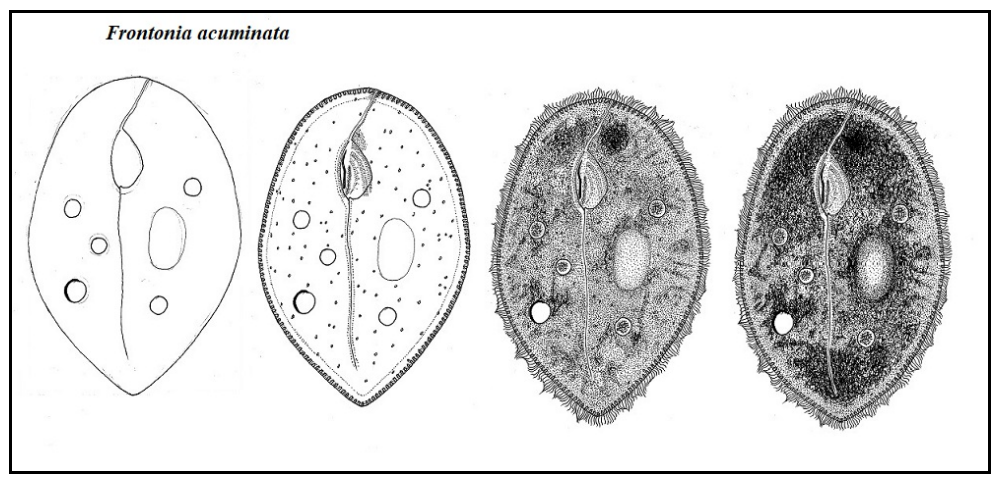
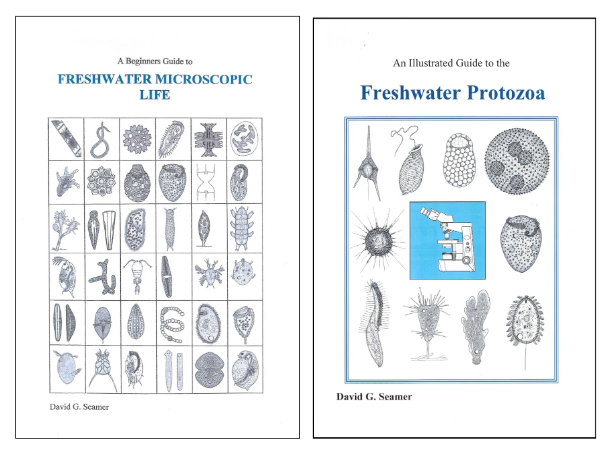
David Seamer book coversA Beginners Guide to Freshwater Microscopic Life is a practical, spiral-bound guide written by David Seamer which offers a fantastic introduction to the multitude of microscopic organisms found in freshwater. For those with a more specific interest, An Illustrated Guide to the Freshwater Protozoa provides an extensive review of taxonomic information and detailed descriptions of 400 genera of Amoebae, Flagellata and Ciliata, all of which have a worldwide distribution.

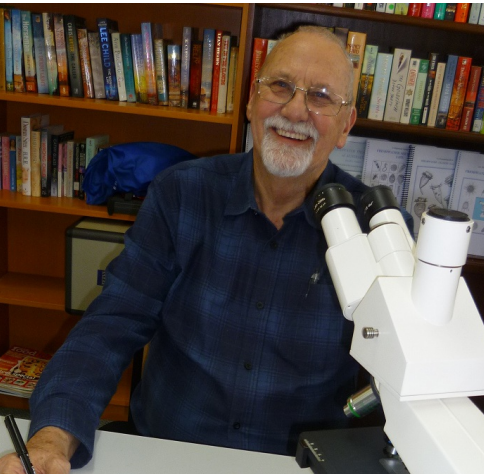
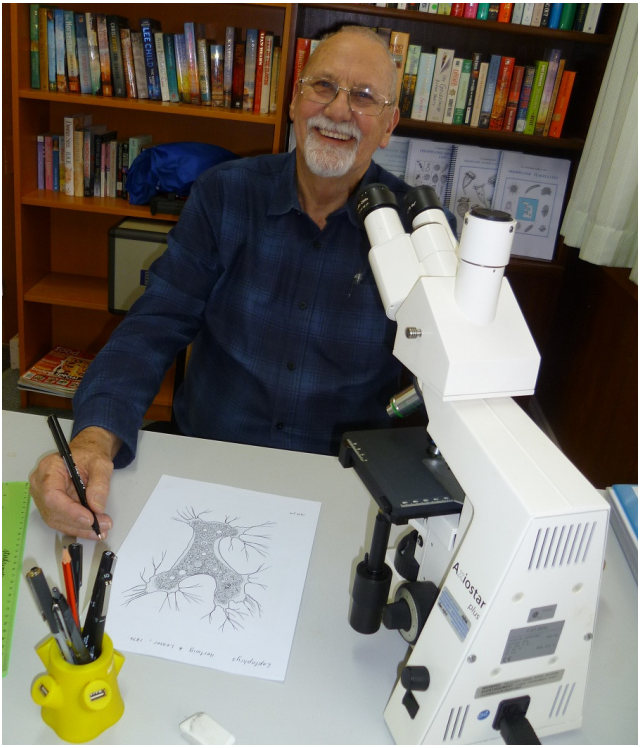
David Seamer looking at the camera smiling while sat at a table with a pencil in his hand and a large white microscope on his left and a partially complete drawing of a microorganism on his right.In 1993, David Seamer bought an old school bus and converted it into a mobile home and laboratory. He spent the next 20 years travelling around south-east Australia and Tasmania collecting, cataloguing and drawing the biodiversity of the micro-world. David has now settled in a county town in Australia where he has access to a great range of environments from semidesert springs to alpine ponds and lakes and continues to sketch, study and identify microscopic life.

David took the time out of his busy schedule to discuss how he first got into studying microscopic life, the biggest challenges he’s had to overcome while creating these books and more.


Can you tell us about how you first developed an interest in studying microscopic life? 

Ever since I was a small child, the natural world has fascinated me and my bedroom became a study place for caterpillars, tadpoles, lizards, insects of any description and anything else that I could keep in jars, boxes or old abandoned aquariums. But it wasn’t until I was about 15 and in high school that I discovered the micro-world, during a double biology lesson in which the teacher was using amoebas collected from a local pond as examples of an animal cell. While I was drawing an amoeba I noticed other ‘wigglers’ and drew them as well. After the lesson I approached the teacher and asked what these other things were. He pointed to a copy of Ward and Whipple’s Freshwater Biology and once I opened it and saw drawings of what I had seen, I was instantly hooked. I saved my money from a couple of lawn mowing jobs to buy my first microscope and it has become a lifelong passion ever since.  

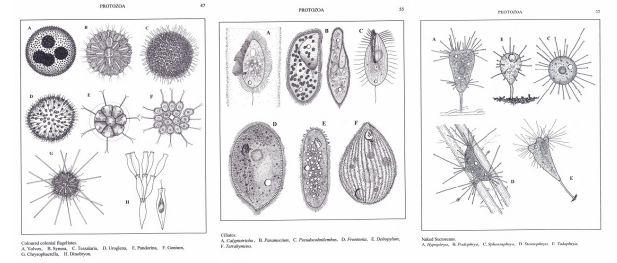
Black and white pen sketches of microorganisms in David Seamer's book A Beginners Guide to Freshwater Microscopic Life.

Which techniques would you advise a beginner in this field of study to use? 

My advice to beginners is to be aware that these organisms are real creatures and should be treated with the same respect as any other animal. Collect your samples and examine them as soon as possible. Ideally, they should still be alive for once dead many of them decompose and break down very quickly. Preserved specimens often change shape and distort so live is always best. A good microscope is essential and the use of a measuring slide or an eye-piece micrometer, as well as phase contrast, is of great help. There are thousands of species so don’t try and identify organisms to that level. Genus or even family are as far down as one should go to start with.

I found it really fascinating looking at your illustrations of microbes and the incredible detail you’ve included. Can you explain the process of drawing from live microscopic observations and the challenges of this method? 

David Seamer's progressive drawing of sketching a microorganism, from basic outlined sketch on the left to a detailed 3D representation on the right.

Drawing from life requires patience and lots of it. Starting with basic measurements to get proportions is the first step. This illustration (see above) is fairly typical of my technique. I draw the initial outline and basic details in 2B pencil and then when I am satisfied that all is correct, I use various grades of felt tipped pens to complete the drawing. Of course one must have knowledge of the subject so as to point out specific identification pointers.

What does your essential field kit include? 

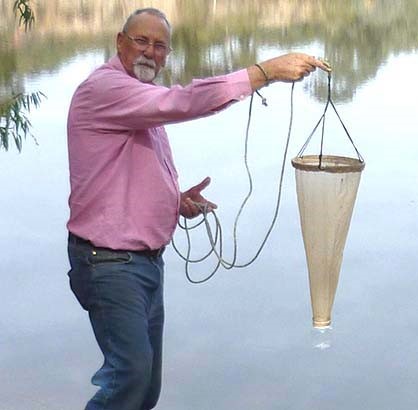
David Seamer stood on a lakes edge in a pink shirt and blue trousers collecting samples while holding a conical net over the water.My basic field kit apart from my wellington or gumboots, comprises a 30µm plankton net as seen in this photo, a basting pipette for mud surface collection, several numbered, widemouth jars with screw on lids, and a notebook for the recording of date, location, temperature and any other variable details – all packing into a large knapsack type bag in case a bit of a hike is involved.  
What’s the biggest challenge you’ve had to overcome while creating these books? 

The biggest challenge one faces is reference material. It is essential to get not only the identification correct, but also the internal structure of these tiny organisms. Because taxonomy is constantly changing and developing, keeping up with name changes can be a challenge. While the internet can be invaluable, it is full of incorrect information and one must be very cautious when using it.  

When I started out, I was constantly frustrated by not only the lack of availability of reference material on this subject but also the language. So many books were written by scientists for scientists, or were so simple that they were pretty well useless, that finally I decided to write a number of comparatively comprehensive but simple guides aimed at the amateur, student and enthusiast. These guides have proved quite popular and have currently been despatched to 50 countries around the world.  

How have environmental changes as a result of climate change affected the distribution of and variation in microorganism species? 

Environmental changes resulting from climate change affect the distribution and variation of microorganisms in very subtle ways. Whilst many species are incredibly robust, others are very delicate and can easily be affected by things like water temperature. Some protists need very specific environmental conditions in order to exist. Freshwater is a fluid (no pun intended) environment and every change has its ramifications. For example, droughts can obviously dry out ponds, streams and even small lakes as well as change the oxygen levels and pH of water bodies and this can result in a change in biodiversity. Likewise, floods will have the same effect with an increase in additional nutrients such as nitrates and phosphates from farmers’ paddocks causing algal blooms. 


David Seamer has privately published his collection, two of which are available at www.nhbs.com/david-seamer

Author Q&A with Michelle Sole: Antarctica: A Bird’s-eye View

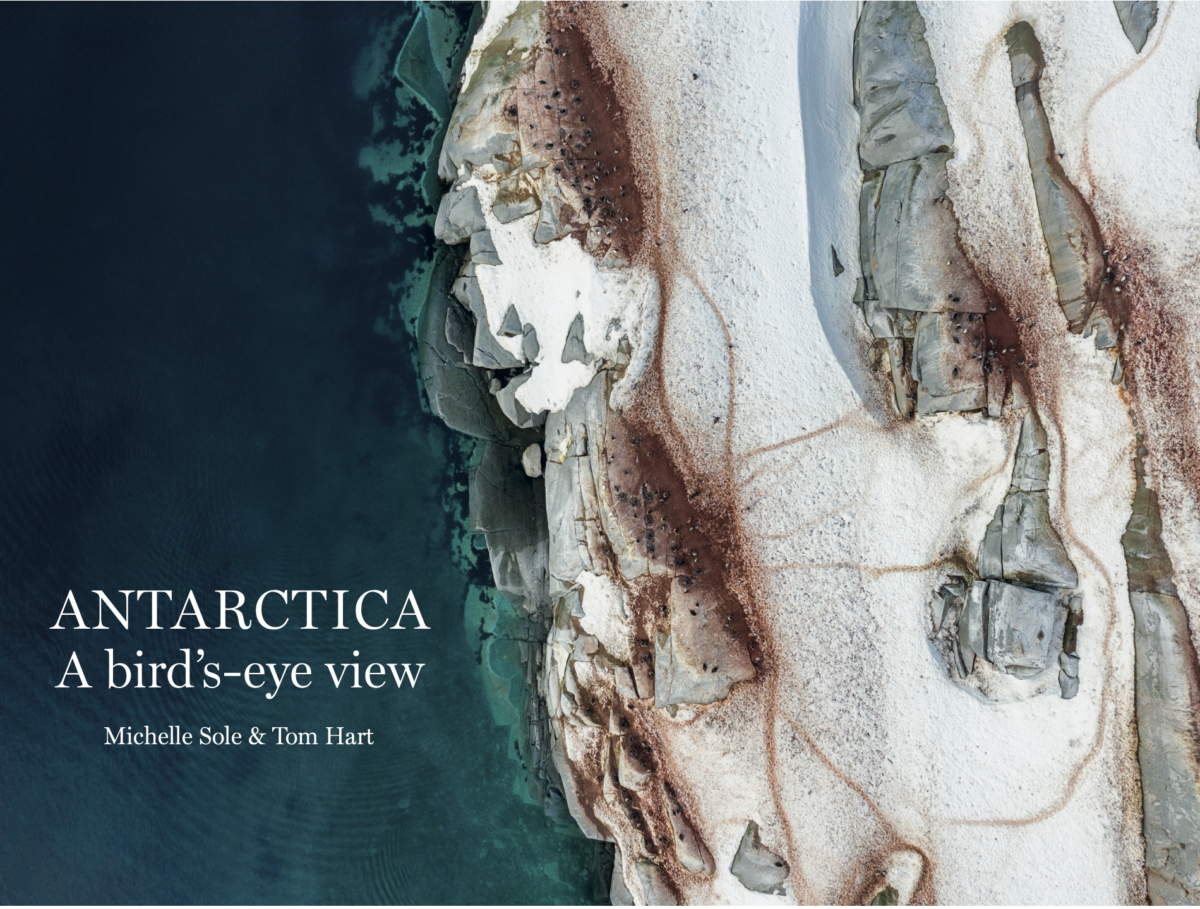
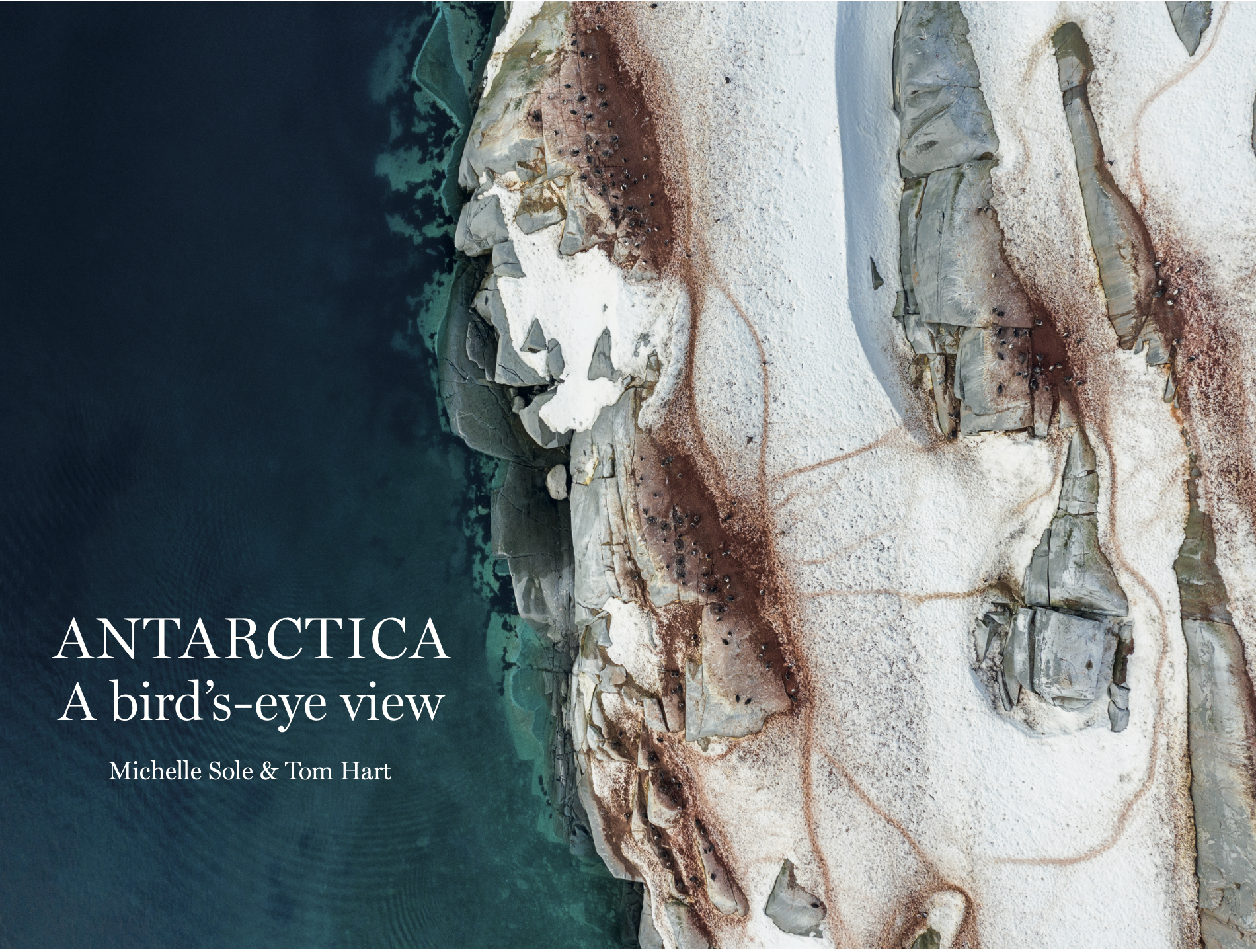
Antarctica: A Bird's-Eye View hardback book cover showing an aerial view of the edge of a cliff covered in snow and penguins.This stunning photographic book, written in collaboration with penguinologist Dr Tom Hart, offers a unique view of Antarctica from above and captures the wonders of this magical place, from vast icebergs to penguin colonies in their thousands. Each chapter includes an array of incredible captioned images, taken from both land and air, and describes the resident wildlife and conservation efforts in this remote area.
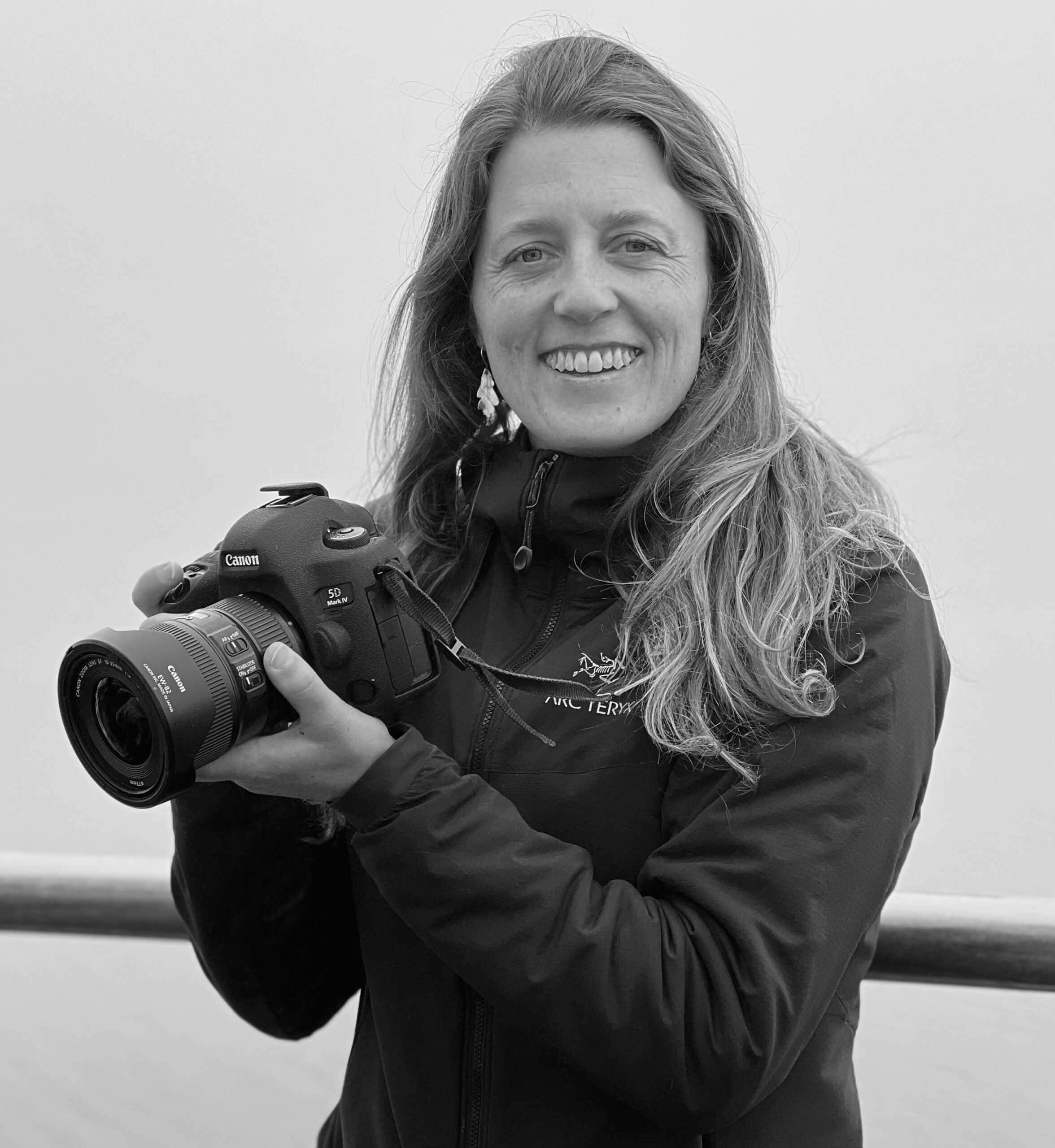
Black and white photograph of Michelle Sole, author of Antarctica: A Bird's-Eye View, holding a Canon camera and facing the camera.

Michelle Sole grew up living between the rolling hills of England and the alpine wilds of Andorra. In 2011 she moved to South Africa, spending the following six years working as a Safari Guide and nurturing her passion for photography, before becoming a photography guide on expedition ships in Antarctica and the Arctic where she continues to challenge her photography in extreme conditions today. Michelle’s thrill for adventure, nature and the outdoors is evident throughout her photography and writing, and since her career began her work has been published worldwide in papers including Africa Geographic and The Daily Mail.

Michelle recently took the time out of her Antarctica expedition to Snow Hill Island to talk to us about the inspiration behind the book, the challenges she faced photographing such a challenging environment and more.


You began getting into photography when you moved to South Africa in
2011. What encouraged you to take the leap from the sunny African
plains to Antarctica, and how does photography compare from one
environment to another?

I worked as safari guide in South Africa and one of my guests just so
happened to be the president of a polar expedition company and he offered
me a job! The opportunity was too good to pass up and in 2017 I started
working as a photography guide in Antarctica and the Arctic regions.

The photography varies drastically between Africa and Antarctica. In Africa
you are often hiding from the sun and in Antarctica the elements are against
you. The light in Antarctica is a lot harsher than in Africa and photographing black and white penguins on bright white snow takes some practice.

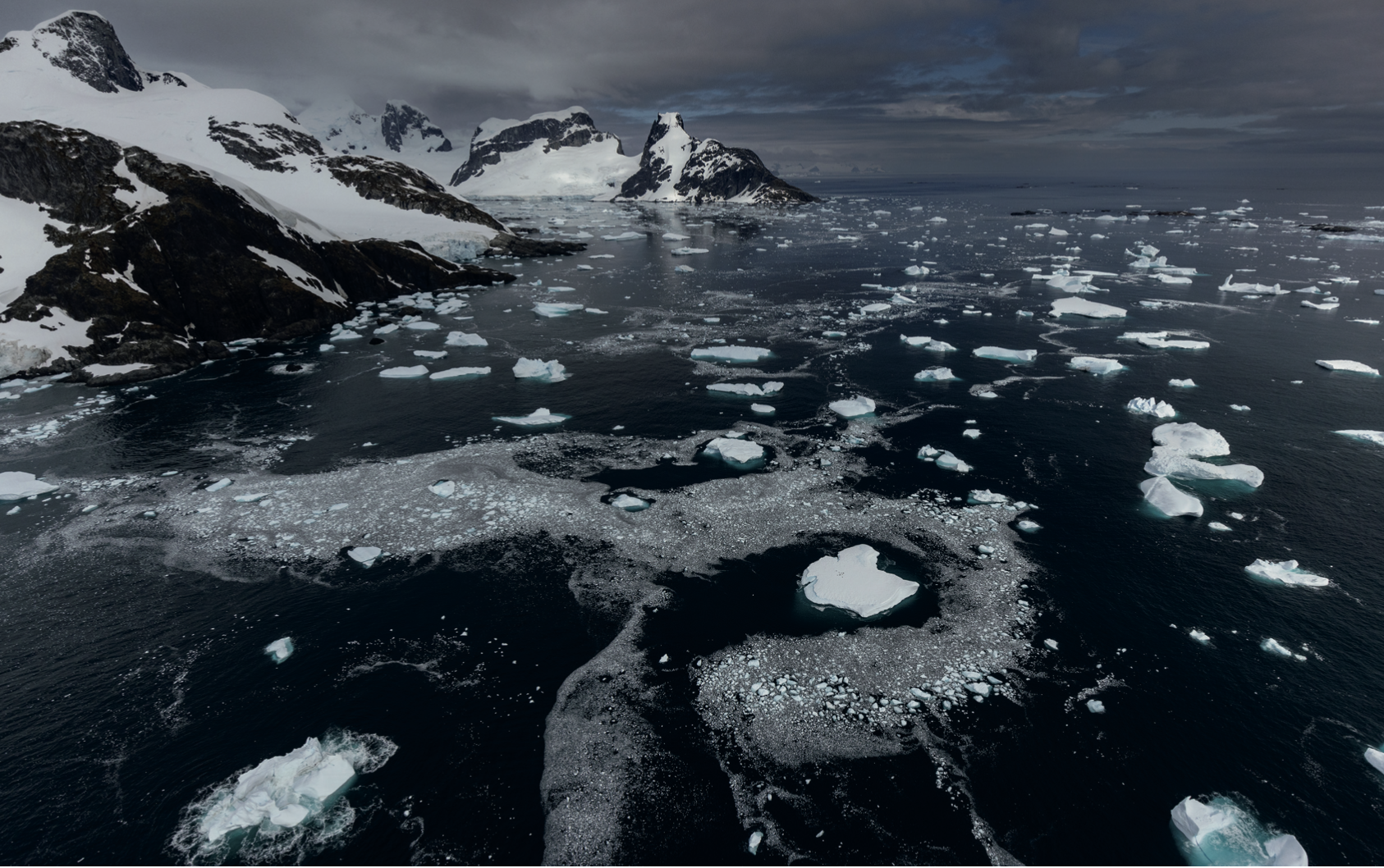
Aerial photograph of the sea withicebergs scattered over it and snowy mountains in the distance taken from a helicopter flying over Cape Tuxen, Antarctica.

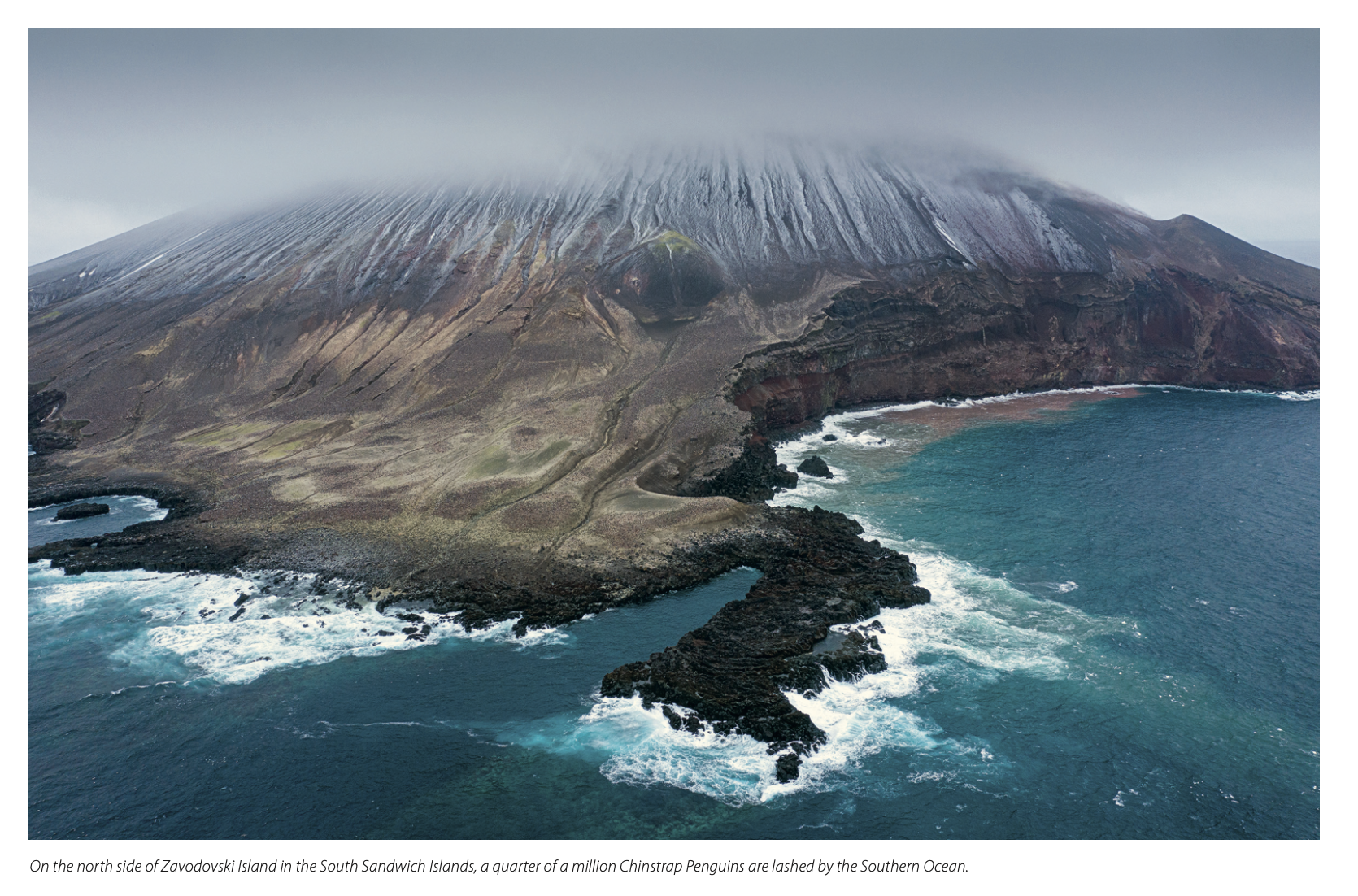
On the north side of Zavodovski Island in the South Sandwich Islands, a quarter of a million Chinstrap Penguins are lashed by the Southern Ocean at the base of a snowy mountain with the top covered by fog and big waves at the foot of the slopes.

What was it that inspired you to create this book and capture Antarctica
from the sky rather than focusing solely on more conventional, land-
based photography?

I was approached by Dr Tom Hart from Oxford University to collaborate and
make this book. Tom had over 40,000 drone images from penguin and seal
surveys. These are used to try and gather population trends across different
locations in Antarctica and the Southern Ocean. I had a similar number of
images from the ground and a collection from helicopters. The aerial shots really add a different dimension and together with the images from the ground tell a grander and more unique story of the landscapes and wildlife of this remarkable place.

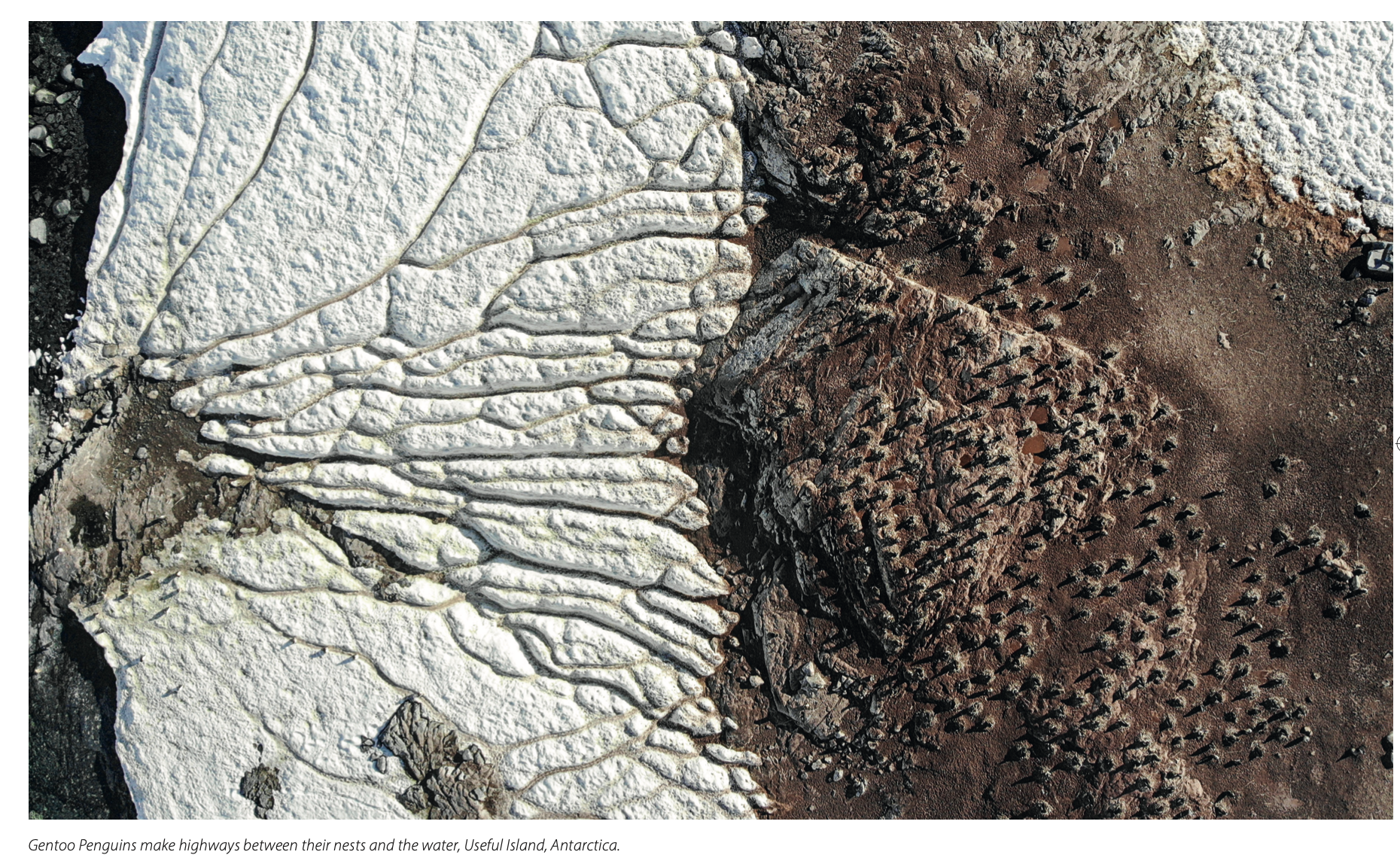
Aerial photograph of Gentoo Penguins making paths between their nests and the water on Useful Island, Antarctica.

Did you face any significant challenges that you had to overcome while
taking photographs in such a remote, harsh and often unpredictable
environment?

Yes! The weather in Antarctica can be brutal. Some days you are battered by
the winds and you can’t feel your finger tips, or you could be in a snow storm with snow collecting on the top of your camera as you shoot. I always carry a towel in my bag to protect my gear. Salt water takes a major toll on photographic equipment and throughout the years I’ve tried to salvage numerous cameras, sadly they didn’t all survive. On top of that, I am often photographing from an unsteady platform a zodiac (a type of rigid inflatable boat) that I am driving on the ocean.

Were you concerned over any possible impacts on the wildlife
that you photographed even though you used drones to capture some images?

Special permission was given to the researchers from the Penguin Watch
team to fly drones for scientific purposes to conduct penguin and seal surveys. The drones were flown at a non disturbance height. This is evident in the aerial wildlife photographs by the behaviour of the animals the seals continue to sleep and the penguins continue to walk on their highways without so much as looking at the drone.

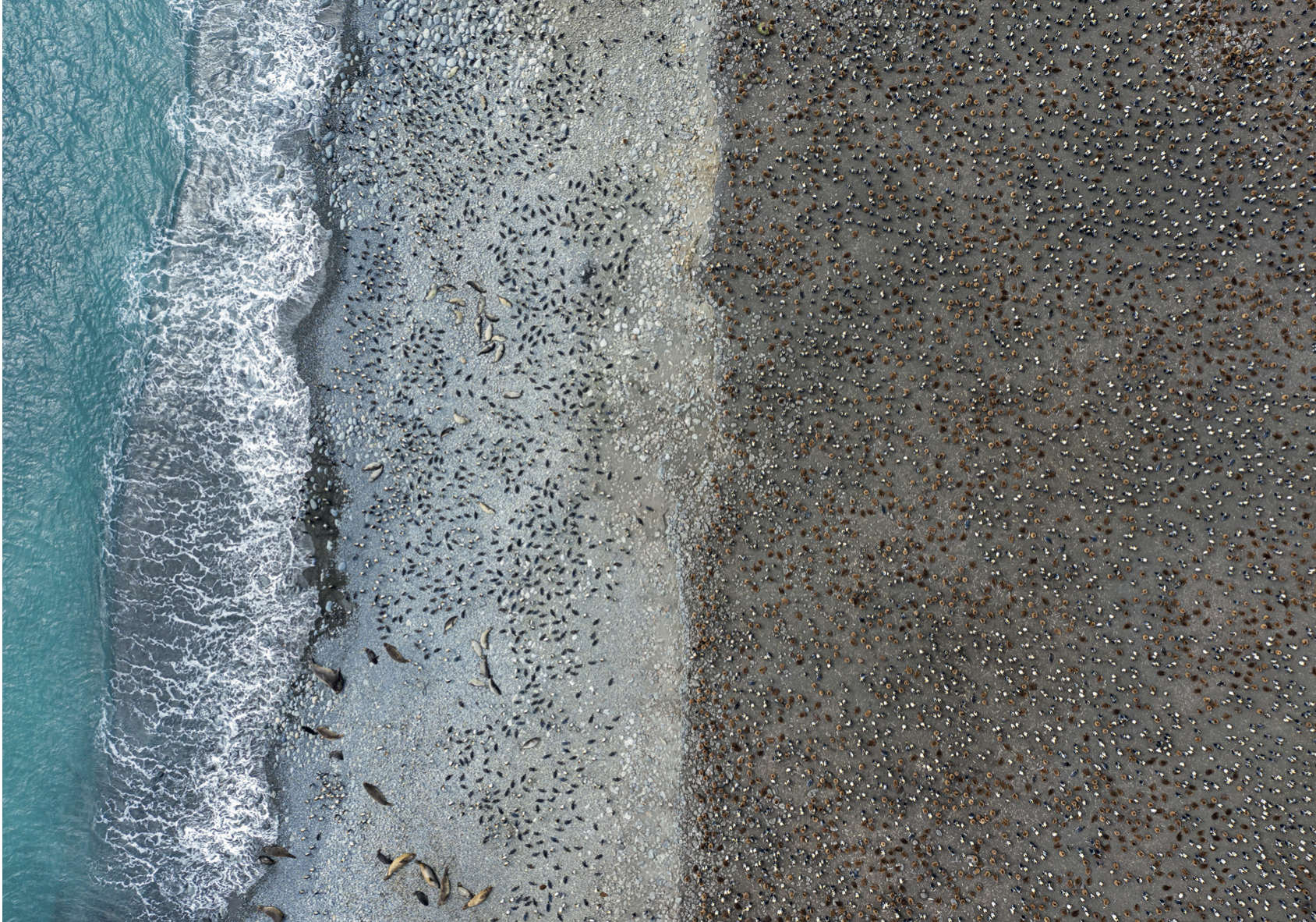
Aerial photograph of a beach with the sand on the right, covered in King Penguins, and a big wave breaking on the right of the photo, with Elephant Seals led sleeping on the waters edge in Gold Harbour, South Georgia.

I was really surprised to see such a wide variety of habitats and species
in your photographs as I, like many, often think of Antarctica and the
surrounding areas as enormous ice-shelves rather than steaming
volcanoes and vibrant pumice rocks. Was there anything that took you
by surprise while you were out taking photographs for this book?

At the time of putting together this book I had six years of experience in Antarctica, so I was familiar with many of the different landscapes. However, on my first trip to Antarctica, like many others visiting for the first time, I was taken aback by the variety of landscapes on the seventh continent. As a guide in this environment, this initial wonder and surprise is something that I see in other people experiencing this for the first time on nearly every trip.

Are you currently planning to undertake any other photography projects
next year that we can hear a sneak-preview about?

As I write this I am currently onboard an expedition ship south bound to the most northerly Emperor Penguin colony in the world Snow Hill Island,
Antarctica. I also work in the Arctic each summer and spend a significant
amount of time out in Africa. Although I have no current plans to produce
books on these areas, my photography portfolio continues to grow.

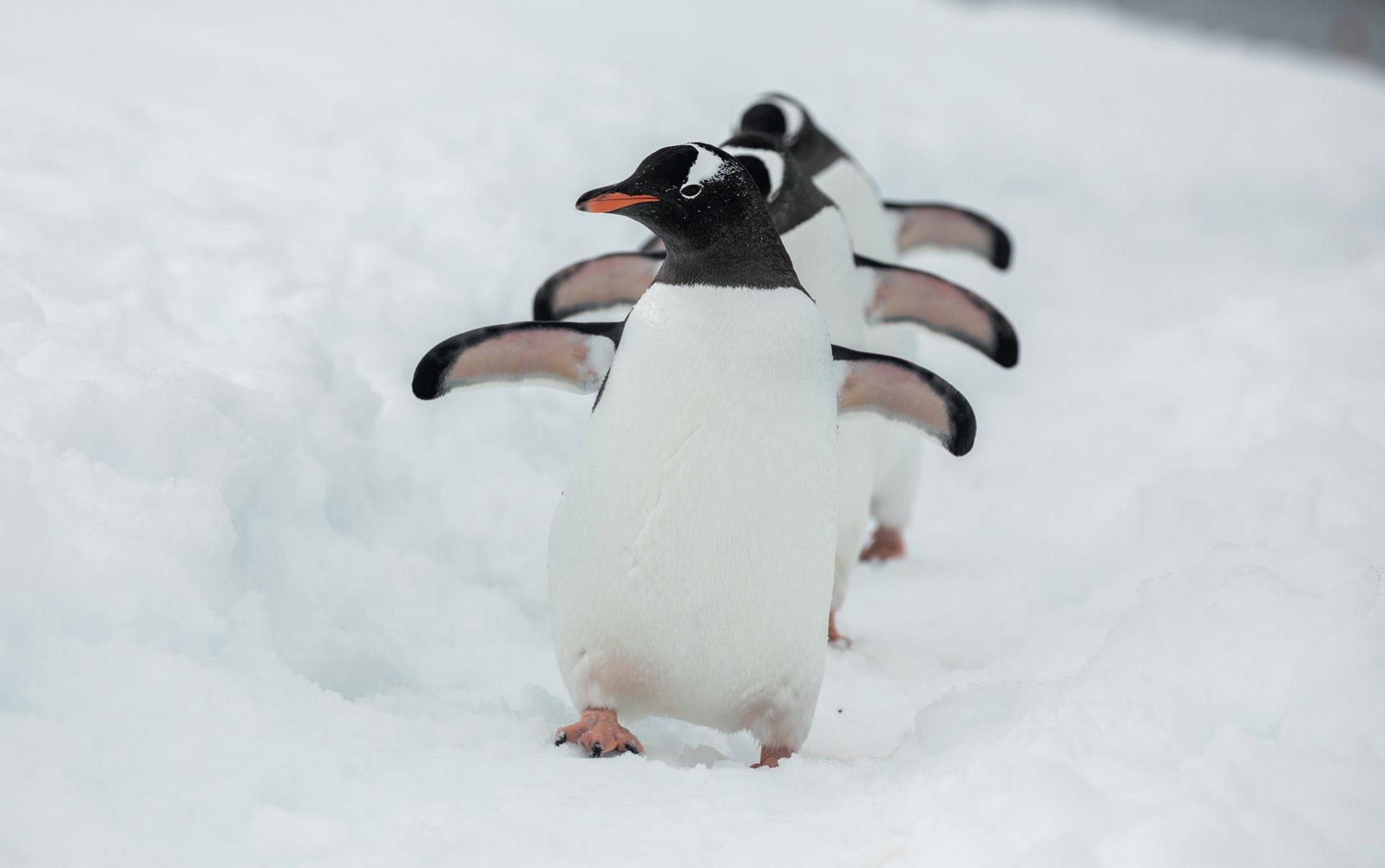
Three Gentoo Penguins walking towards the camera with their wings spread using a 'penguin highway' track in the snow on Danco Island, Antarctica.


Antarctica: A Bird’s-Eye View has been privately published by author Michelle Sole and is available at www.nhbs.com/Antarctica: A Bird’s-Eye View.

25% of profits from the sale of this book is donated to Penguin Watch.

You can also visit Michelle’s website and follow her adventures on Facebook, Instagram and Twitter.

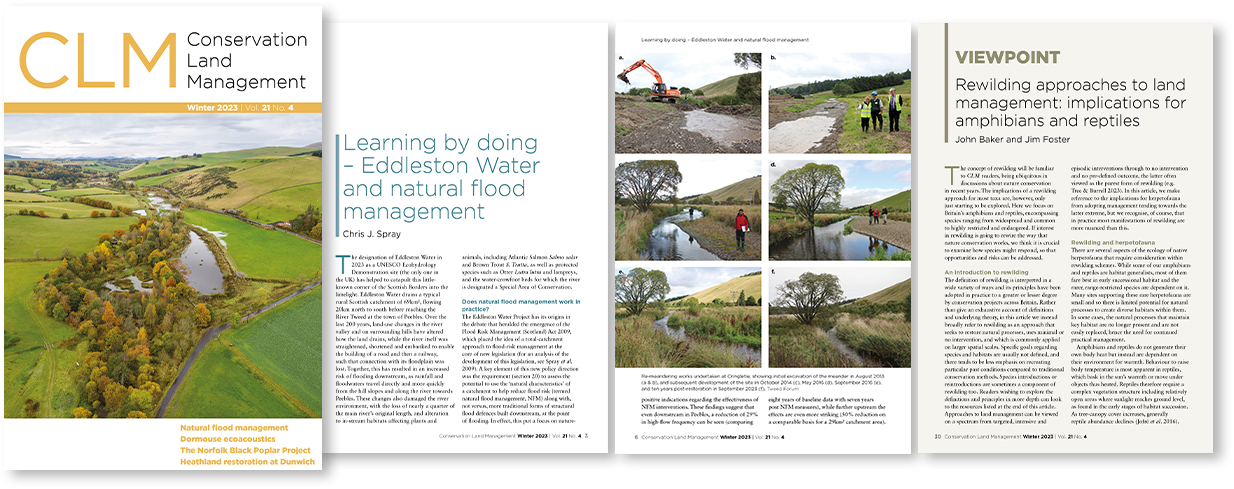
The Winter 2023 issue of Conservation Land Management

The Winter issue of Conservation Land Management (CLM), out soon, marks the end of volume 21. This issue covers a breadth of topics, including a discussion on the implications of rewilding on Britain’s native herpetofauna, the restoration of heathland on former conifer plantation sites, the native Black Poplar in Norfolk, the exciting potential of ecoacoustic monitoring for Hazel Dormouse surveys and the impressive Eddleston Water Project in Scotland. Read a more detailed summary of the articles featured in this issue below.  


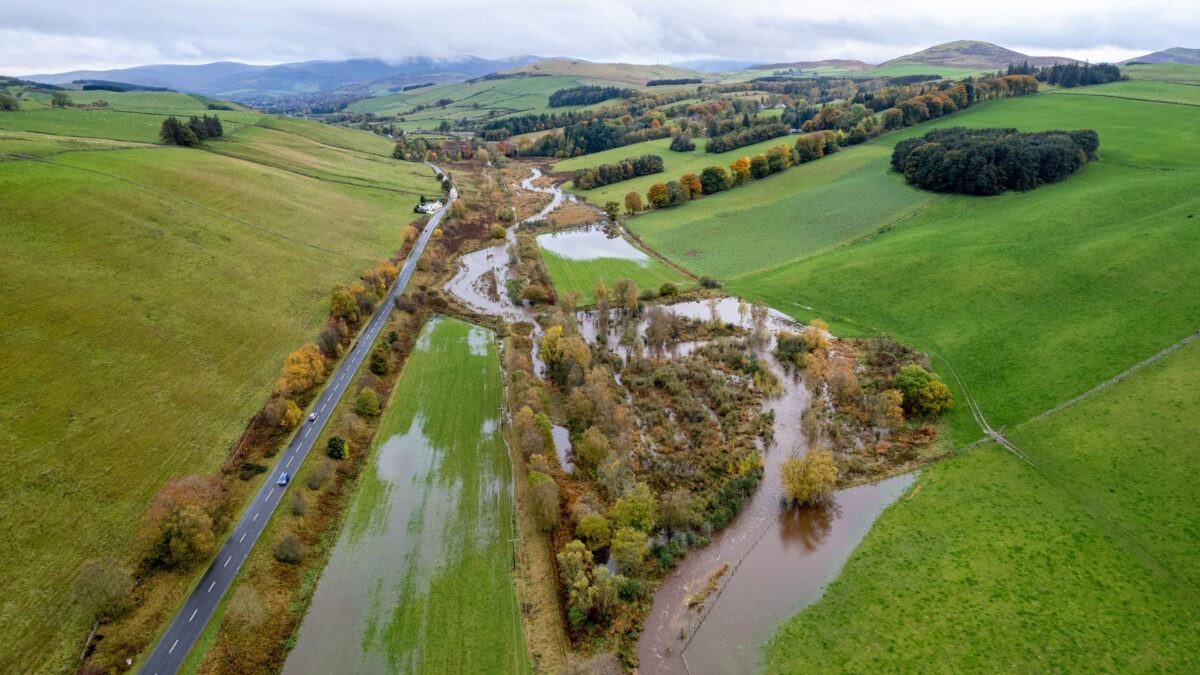
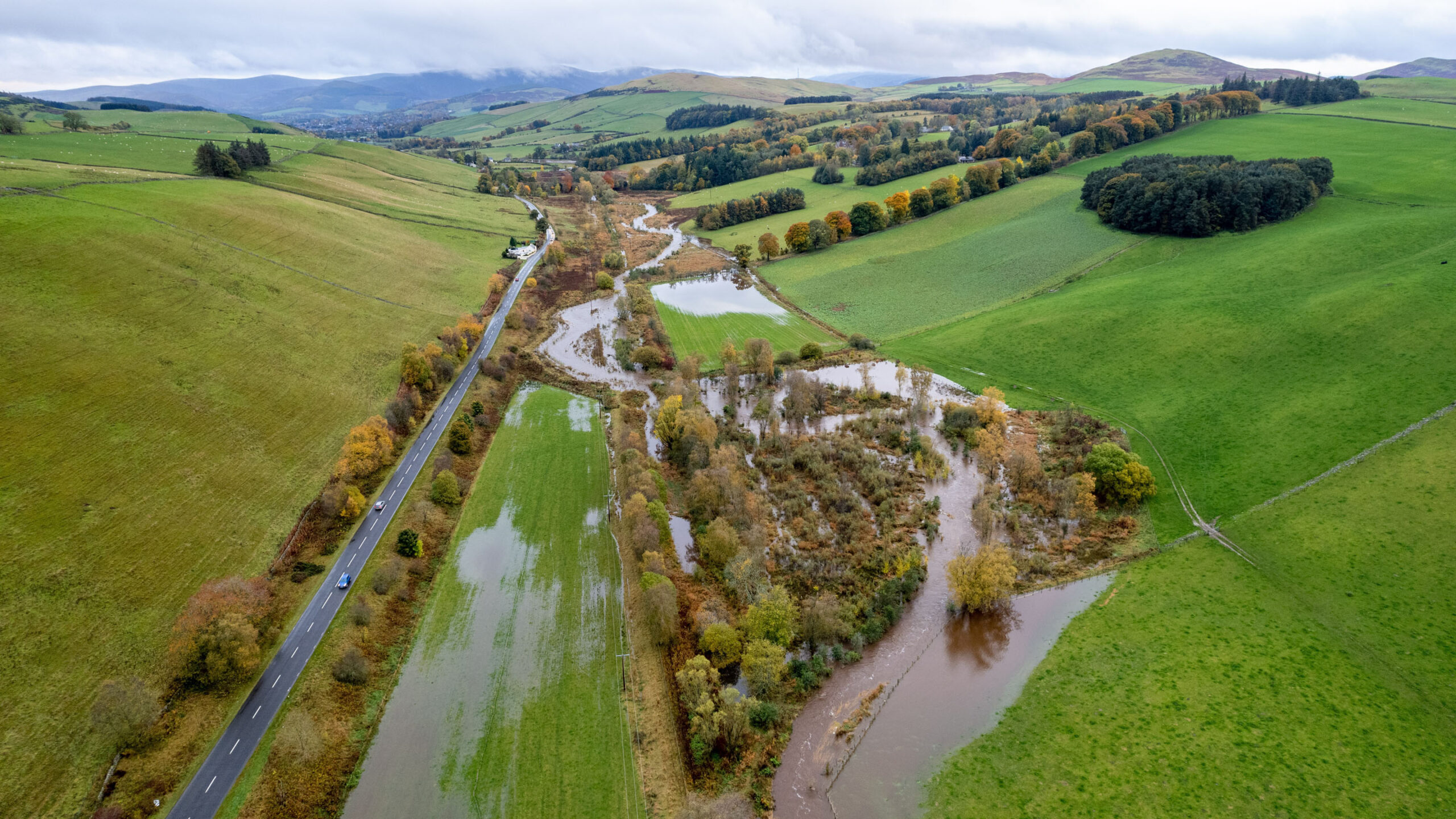
Eddleston Water is a tributary of the River Tweed, joining at the Scottish town of Peebles and draining a catchment of 69km². Over the last 200 years, land-use changes in the river valley have altered how the land drains and the river itself has been straightened to allow for the construction of a road and railway. As a result, the connection between the river and its floodplain has been severed, resulting in an increased risk of flooding downstream towards Peebles and changes to in-stream habitats important for wildlife such as Atlantic Salmon, Otter and lampreys. The Eddleston Water Project was set up in 2009 with the aim of reducing the flood risk to downstream communities and improving riparian habitats while maintaining local farm businesses. Interestingly, hydrological and ecological monitoring began two years before natural flood management (NFM) measures were first implemented, and so the Eddleston Water Project has provided, and continues to provide, empirical evidence for the effectiveness of NFM. Professor Chris Spray, the Tweed Forum’s Science Manager for the Eddleston Water Project, describes the NFM interventions that have been used, such as riparian tree planting, re-meandering the straightened channel, the creation of flood-storage ponds and the placement of high-flow restrictor log structures, and the benefits that these have provided across the Eddleston catchment.

Aerial image of a straight river being redirected around some trees at the Eddleston Water Project. The Eddleston water Project has involved a number of natural flood management measures, such as re-meandering straightened river channels. Image taken by Colin McLean.
The Eddleston water Project has involved a number of natural flood management measures, such as re-meandering straightened river channels. Colin McLean.

Ecoacoustic monitoring, the use of sound to determine a species’ presence or absence, has grown in popularity, but ecoacoustic studies have generally focused on ‘noisier’ animals, such as birds and bats. If this approach could offer a viable alternative to traditional monitoring methods for other species, it could provide a useful tool for ecologists and conservationists while also being less invasive for the animals themselves. A previous article in British Wildlife magazine demonstrated that the vocalisations of small terrestrial mammals (rodents and shrews) could be readily assigned to species with careful examination of recordings and spectrograms, suggesting that ecoacoustics could offer a new means of monitoring these animals. In this article, Jonathan Down, Stuart Newson and Alex Bush look specifically at the potential of acoustic methods in surveys of the Hazel Dormouse, a protected species that has experienced significant declines in the UK. The authors conducted a field test in south Cumbria in two areas where Hazel Dormice had recently been reintroduced in order to investigate how effective two different types of acoustic recorders, AudioMoth (a low-cost option) and the Song Meter Mini Bat Detector, were in detecting the presence of dormice. Here they describe their findings and highlight both the limitations and promise of ecoacoustics for dormouse surveys.  

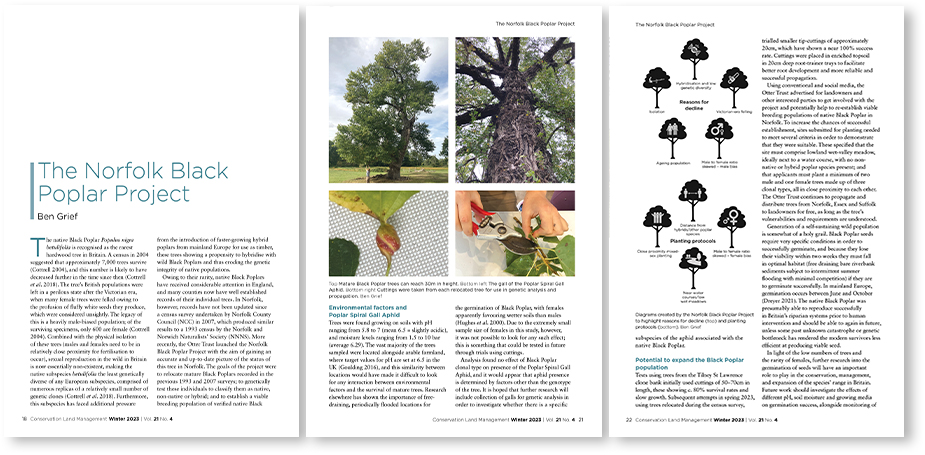
Conservation Land Management 3 page article spread focusing on The Norfolk Black Poplar Project.

The native Black Poplar is the rarest hardwood tree in Britain – approximately only 7,000 trees remain in Britain. Unfortunately, the population is also heavily male-biased; in the Victorian era many female trees were felled due to the fluffy white seeds that they produce, which were considered unsightly. This and the isolated nature of the remaining trees means that sexual reproduction is essentially non-existent in the wild and many individuals are genetic clones of a small number of trees. Due to their rarity, native Black Poplars have been well recorded in most parts of the country, but in Norfolk records have not been updated since a 2007 census survey. To address this, the Otter Trust launched the Norfolk Black Poplar Project to formulate an accurate and up-to-date picture of the status of the Black Poplar in the county The locations of individual trees recorded in previous surveys were updated and mapped, and cuttings were taken from each tree for genetic testing and propagation. Genetic analysis has allowed each tree’s clonal type and sex to be identified, and here Ben Grief outlines the results from this work and discusses the potential to expand the Black Poplar population in Norfolk.  

The Sandlings Heaths in Suffolk, once a vast unbroken landscape, have undergone significant landscape-scale changes in the last century. The planting of coniferous plantations played a part in this, but in 2006 the RSPB entered an agreement with the Forestry Commission to manage areas of clearfell in Dunwich Forest with the aim of restoring heathland and acid grassland habitats of high conservation value (compared to the scrub and trees likely to develop in the absence of management). Here, the authors focus on three cleared areas, describing the management that has been carried out since 2008 to restore the sites to high-quality heathland and what extensive vegetation monitoring has shown regarding the habitats that have since developed.  

In Viewpoint, the final article in this issue, John Baker and Jim Foster from the Amphibian and Reptile Conservation Trust discuss the implications of rewilding for Britain’s reptiles and amphibians. The authors broadly refer to rewilding as an approach that aims to restore natural processes with minimal or no intervention, generally applied over larger spatial scales, and highlight why, particularly for our specialist and rare species, rewilding in this sense may not always be the most suitable approach.

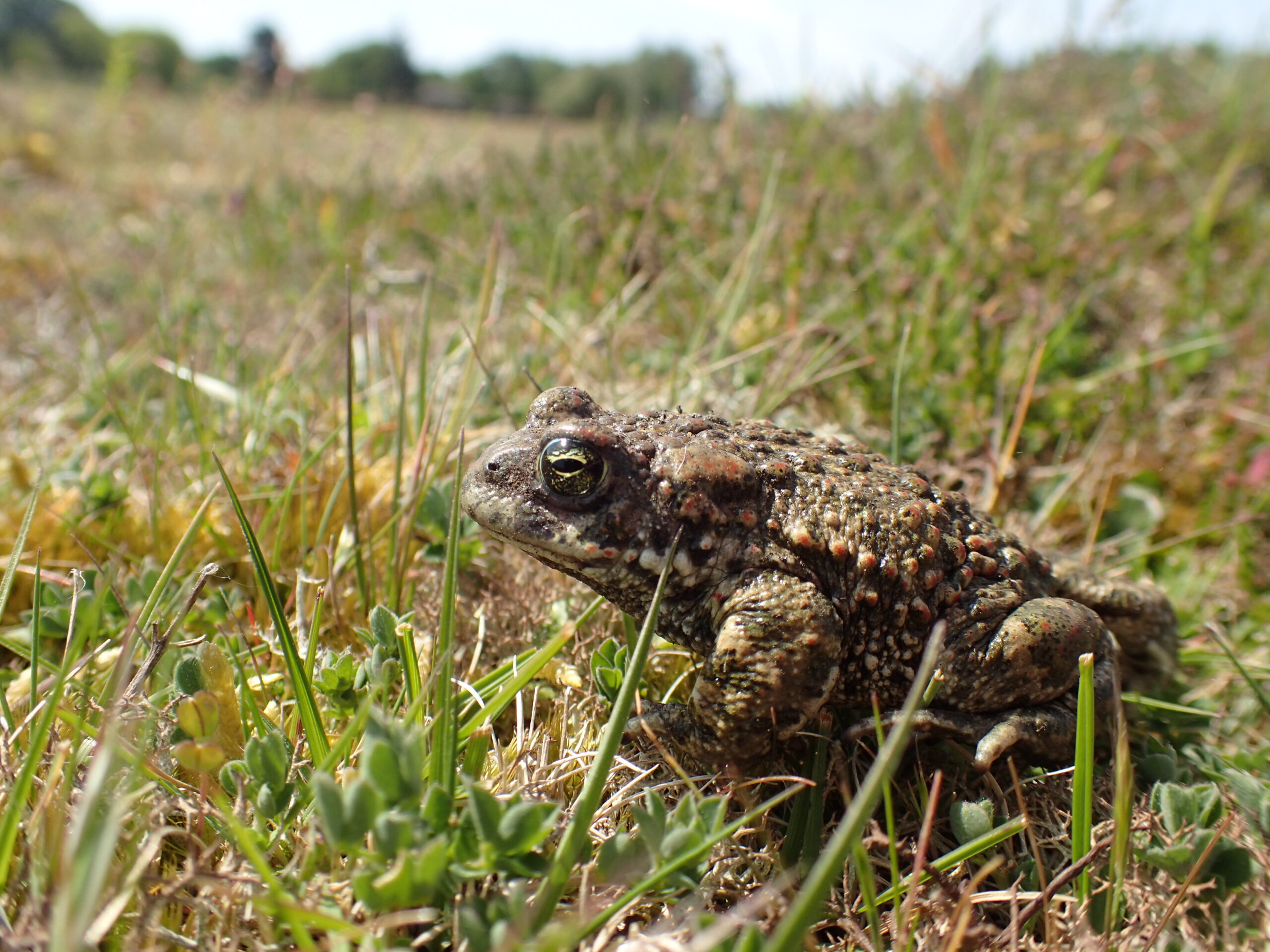
A Natterjack Toad photographed sat in a field on the grass.
Natterjack Toad. Jim Foster/ARC.
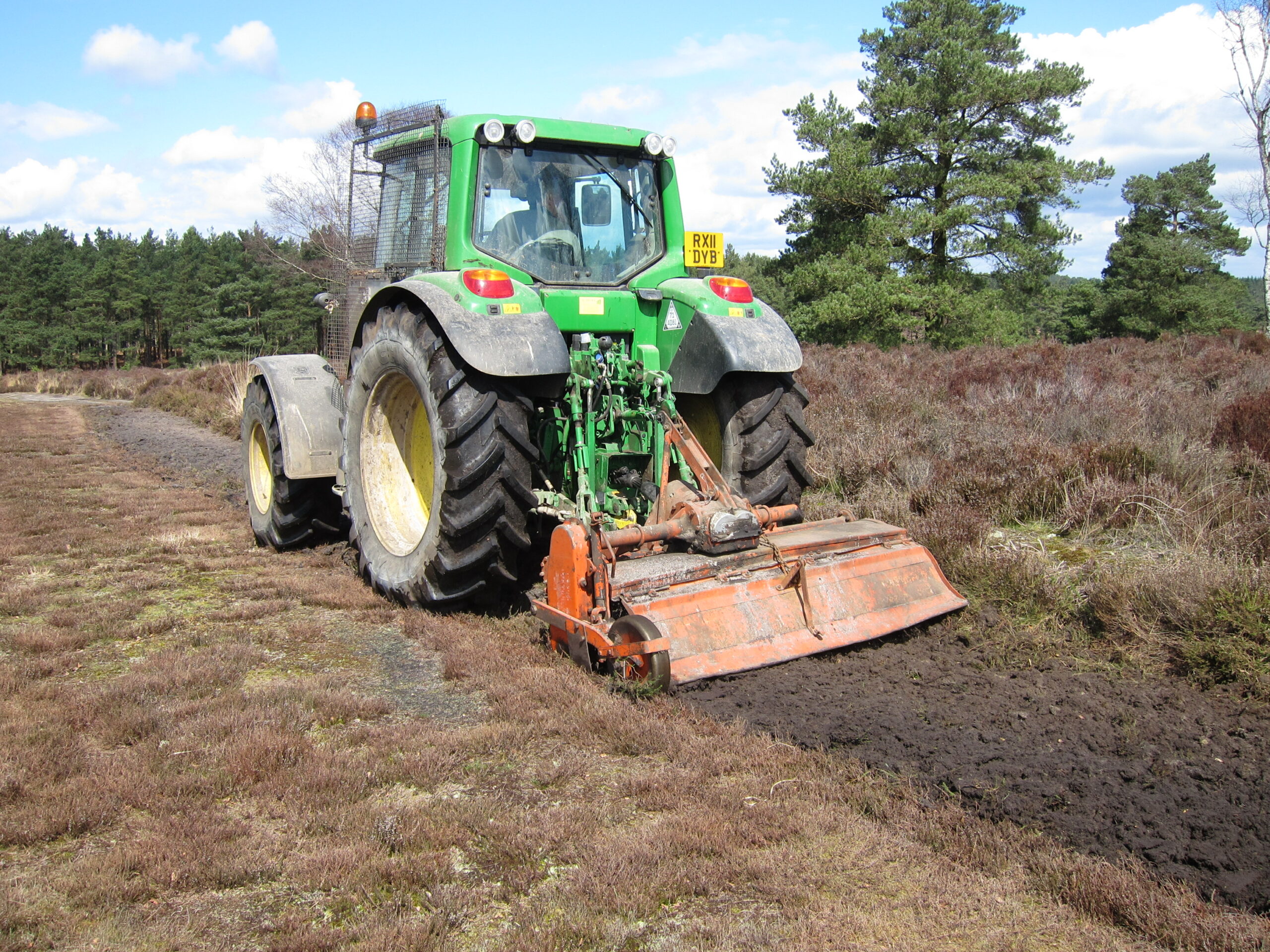
A green tractor ploughing a field as part of a reserve management programme.
Continued reserve management is needed to maintain specific conditions for our rare herpetofauna. Jim Foster/ARC.

In this and every issue you can expect to see Briefing, keeping you up to date with the latest training courses, events and publications, and On the ground, which provides helpful tips and updates on products relevant to land management. Other features, such as Review, which can include letters from readers or updates from our authors, also regularly appear in CLM 


Conservation Land Management: Winter 2023 issue, showing the front page of the magazine and three internal images highlighting the Eddleston Water Project article.

CLM is published four times a year, in March, June, September and December, and is available by subscription only. Subscriptions start from £22 per year. If you would like to read any of these articles, contact info@britishwildlife.com to pre-order a copy and receive the Winter 2023 issue when it is published, in mid-December.

This week in biodiversity news – 11th December 2023

Conservation

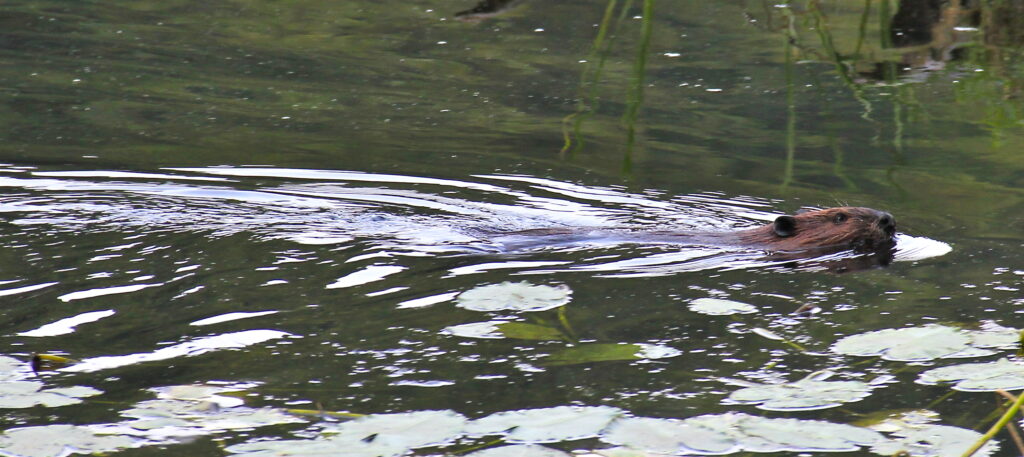
Beavers will return to the Cairngorms after 400 years in a bid to boost biodiversity. The new population will be established by the Cairngorms National Park authority after being approved by NatureScot, Scotland’s nature agency. Up to 15 families of beavers will be released at sites along the upper River Spey. This catchment is an ideal location for beaver translocation and poses a low risk of beaver/human conflict, according to NatureScot.

beaver swimming in a river
Beaver swimming by Chris Burke via Flickr.

The fight to save Red Squirrel populations continues to rage across the North of England. Retired police constable and firearms instructor, Ian Glendinning, monitors 2,000 acres of farmland in Northumberland and employs a range of techniques to keep the Grey Squirrels in check. Monitoring Northumberland’s Coquetdale, he has employed CCTV and traps that alert him via text and email when a squirrel is detected. Using this monitoring system, Glendinning has removed around 300 Grey Squirrels which has had a noticeable impact on the Red Squirrel population, allowing their population to increase from a dozen to more than 100 over the past four years.

Policy and diplomacy

Countries are set to commit to a major phasing down of fossil fuels over the coming decades, COP28 hosts expect. The United Arab Emirates, which is hosting the UN climate change conference in Dubai, has expressed “cautious optimism” regarding the commitment. Until COP26 in Glasglow in 2021, fossil fuels were rarely mentioned in these global gatherings. Even there, the only commitment was to phase down coal. While the pledge will not mean stopping the use of fossil fuels completely, it could signal a shift towards real progress on tackling climate change.

Chimneys spewing smoke from a powerplant.
Powerplant by Wladimir Labeikovsky via Flickr.

Carbon pricing could raise the money needed to tackle the climate crisis, the IMF has told COP28. The cash could be generated by putting a price on carbon emission and redirecting the trillions of dollars currently used to subsidise fossil fuels. Traditional carbon taxes have proven to be unpopular in a number of countries but Kristalina Georgieva, managing director of the IMF, has said that it would be possible to achieve similar outcomes by using a combination of regulation and reducing carbon subsidies. Studies have shown that developing countries will need more than $2 trillion a year to cut emissions and the IMF has calculated that direct and indirect subsidies for fossil fuels are in excess of more than $7 trillion. 

Climate Crisis

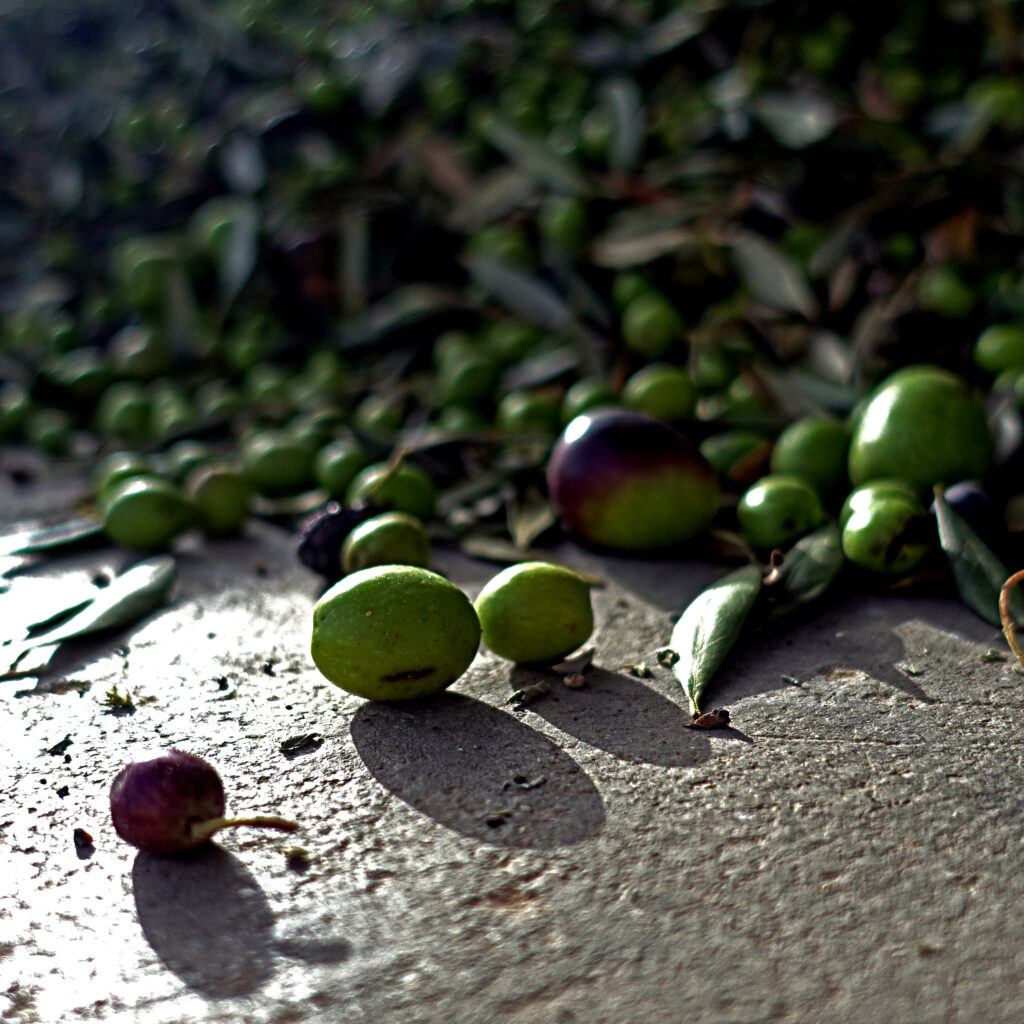
Olive oil prices are surging due to droughts in Spain. Spain is the world’s biggest producer of olive oil, accounting for 70% of European Union consumption and 45% of global consumption. The standard assumption that one bad year for olive production would be followed by a good one is shifting in the face of rising temperatures due to climate change. Spain has seen multiple years of drought in a short time frame, and together with higher fuel, electricity and fertiliser costs, Spanish olive oil production has suffered as a result. The price of olive oil has skyrocketed in Spain with prices in the UK and Ireland set to experience a similar surge once costs feed through to the supply chain.

olives with leaves in a pile on the ground
Olives for olive oil by Pom via Flickr.

Methane could be released from the Deep Ocean due to climate change, scientists have warned. Scientists at Newcastle University have shown that frozen methane trapped under the ocean is vulnerable to melting and is consequently released into the oceans and the atmosphere. Methane is a potent greenhouse gas, and the published report in the journal Nature Geoscience warns that vast amounts of methane stored as marine methane under the ocean could be released into the atmosphere, with the potential for accelerating rises in atmospheric greenhouse gas concentrations. 

Extinction 

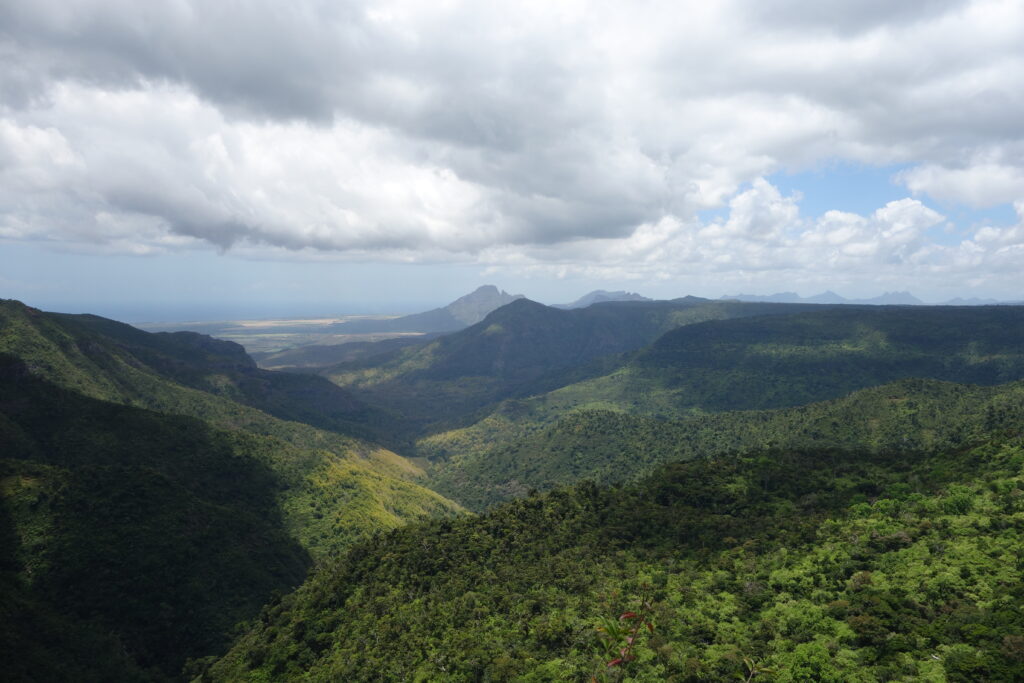
Plans to ‘de-extinct’ the dodo have been announced by geneticists. The audacious plan was announced by the US-based biotechnology company Colossal Biosciences which is researching methods to bring extinct species back from the dead. The company has entered a partnership with the Mauritian Wildlife Foundation (MWF) to find a suitable location for the reintroduction of the species. MWF approached Colossal Biosciences earlier this year about a partnership and has begun searching for the location that would pose the least threat to the survival of the dodo on the island. Colossal believes that the ‘de-extinction’ of the dodo would create ‘conservation optimism’; however, scientists have urged caution given how little is known about how the bird would interact with its environment. The full genome of the dodo has already been sequenced by Colossal. It hopes that it could then hybridise the dodo with closely related species like the extant Nicobar Pigeon, the bird’s closest living relative.

Forested area on rolling green hills.
Forests of Mauritius, the proposed habitat for dodos to live. By Evgenii via Flickr.
Science and research 

Birds are being lured to their deaths by artificial lights in cities, according to researchers. Using weather radar data to map bird stopover density in the United States, scientists found that artificial light is a major indicator of where birds land. Light from cities lures birds into a trap where there is less suitable habitat, less food and an increased chance of collisions with buildings. Researchers suggest that more public awareness of bird migration habits and the impact of light pollution could help to alleviate the pressure on migratory bird populations. Forecasts can pinpoint the nights which are most important for reducing light pollution.


Read the last edition of Biodiversity News covering stories about nuclear fusion technology and the pollution of England’s freshwater ecosystems.

This week in biodiversity news – 27th November 2023

Climate Crisis

Plants may absorb more CO2 from human activities than previously thought, according to new research. More realistic modelling that considers critical physiological processes inside plants paints a more positive picture than previous predictions. The efficiency of carbon transport in plant leaves, the ability of plants to adjust to changes in temperatures, and how plants distribute nutrients in the canopy, often ignored in climate modelling, were examined in this study. Scientists stress that simply planting more trees is not a silver-bullet solution, but that the research does underline the importance of efforts to conserve existing vegetation.

Beach forest
Beech forest by Picccus via Flikr.

Red alerts have been issued as Brazil suffers an unprecedented heatwave. Temperatures are likely to remain 5°C above average for longer than five days and could pose a serious danger to human health. Rio de Janeiro recorded 42.5°C, breaking November records, and due to high humidity felt like 58.5°C according to authorities. The heatwave has been attributed to a combination of the El Niño climate phenomenon and climate change. The human impact of such extremes is significant with “unbearable” temperatures leading to sleepless nights, exhaustion, illness and death.

Pollution

Most bathing spots in English rivers and lakes have unsafe pollution levels, according to a new report. The campaign group Surfers Against Sewage took a sample of popular swimming and water sports locations and found that 60% had unsafe levels of pollution. This year across the UK, untreated sewage was discharged 399,864 times into waterways, resulting in a reported 1,924 cases of illness. The report highlighted the case of a physics teacher from Exeter who contracted an incurable disease known as Ménierè’s disease after surfing at Saunton Sands in Devon. 

flooded river
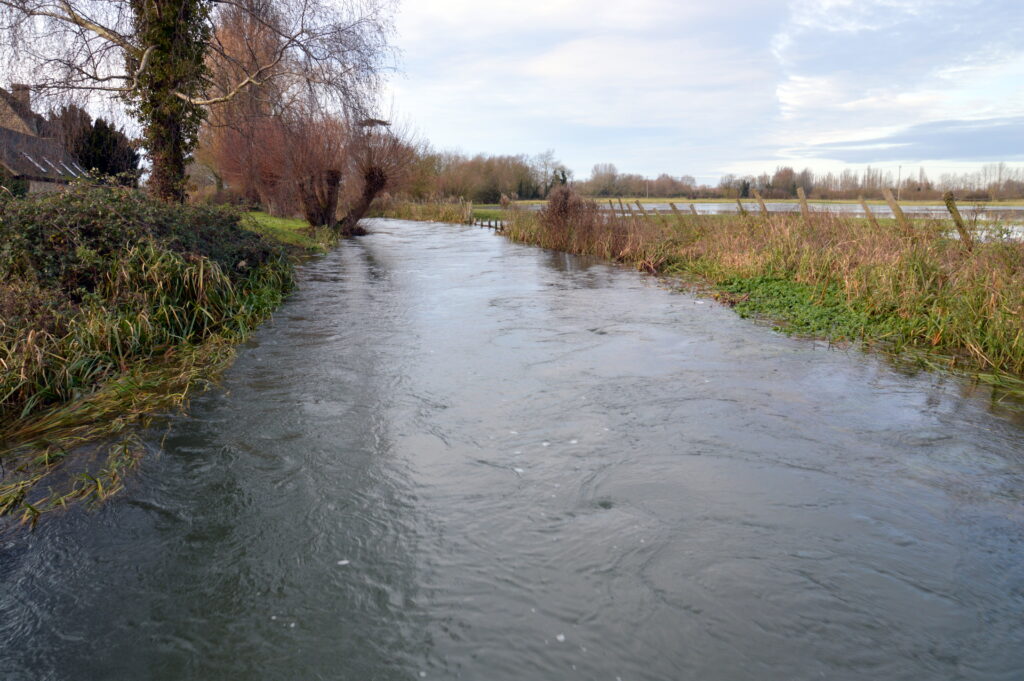
River Windrush by Dave_S via Flickr.

The high court has ruled that Defra’s failure to protect and restore water bodies is ‘unlawful’. Fish Legal and Pickering Fishery Association took the government to court over its river basin management plan for the Costa Beck, a small river in Yorkshire. They argued that the Environment Agency had failed to follow through with proposed action against polluters. The judge accepted discharges of pollution were contributing to the poor condition of the river and that the government and Environment Agency had failed in their mandatory duty to put in place measures to restore rivers under the Water Framework Directive.

Extinction Risk

Blue Whales have returned to safe havens in the Indian Ocean where they were wiped out decades ago. Underwater recordings made by researchers in the Seychelles revealed that the whales spend months in the region, suggesting that they may be breeding there. The discovery has been hailed as a “conservation win” given the decimation of whale populations by commercial whaling. More than 300,000 Blue Whales were killed by whalers in the southern hemisphere with around 30,000 killed in a single year during the 1930s. A crackdown on commercial whaling in the 1980s brought the species back from the brink of extinction; however, Blue Whale numbers remain a fraction of what they once were before the development of industrial whaling operations in the 20th century.

blue whale tail
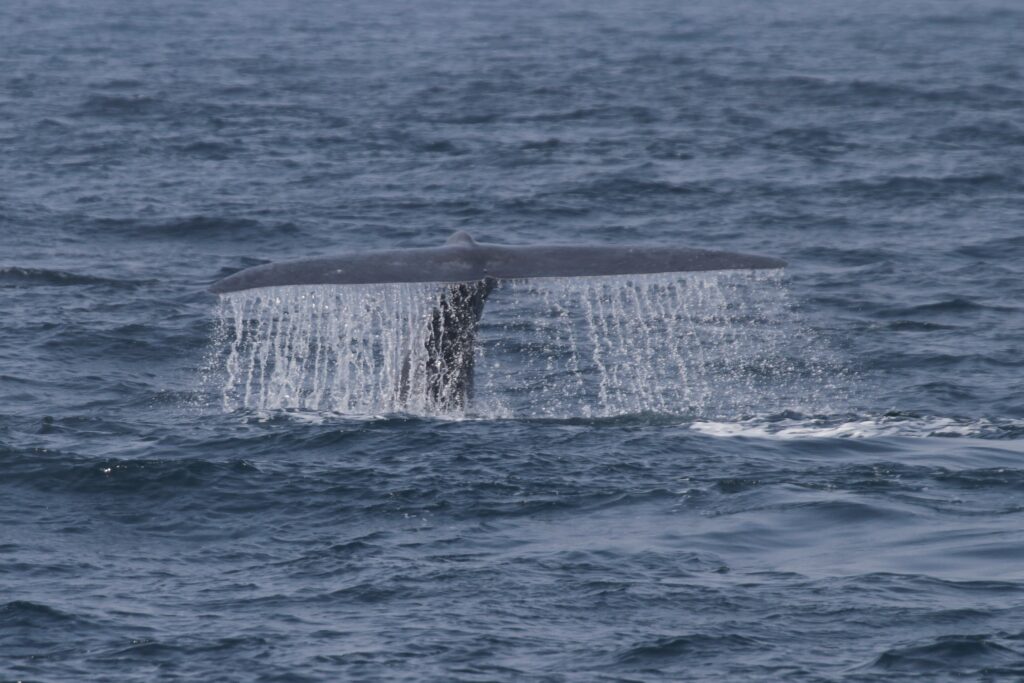
Blue Whale surfacing by Kenny via Flickr.

New research has revealed that there is a significant threat of future waves of invasive species. Biological invasions can cause extinctions, spread diseases and cost trillions in damage and control. Researchers found that, on average, around 1% of all living organisms have been transported by humans somewhere in the world. The study indicates a huge potential for future biological invasions with an expected rise in associated socio-economic and environmental impacts.

Conservation

A hedgehog fence in Dorset is helping to protect threatened seabird chicks. Little Terns are one of the most threatened seabirds in the UK and the RSPB’s Chesil Little Tern Recovery Project seeks to reverse its decline. Trail cameras had revealed that hedgehogs had been eating Little Tern eggs. Given the protected status of hedgehogs, the project worked with the charity Hedgehog Friendly Portland to design a hedgehog fence and implement diversionary feeding. At least 45 Little Terns successfully fledged at Chesil Beach in 2023, compared with just three in 2021.

hedgehog looking out from a bush
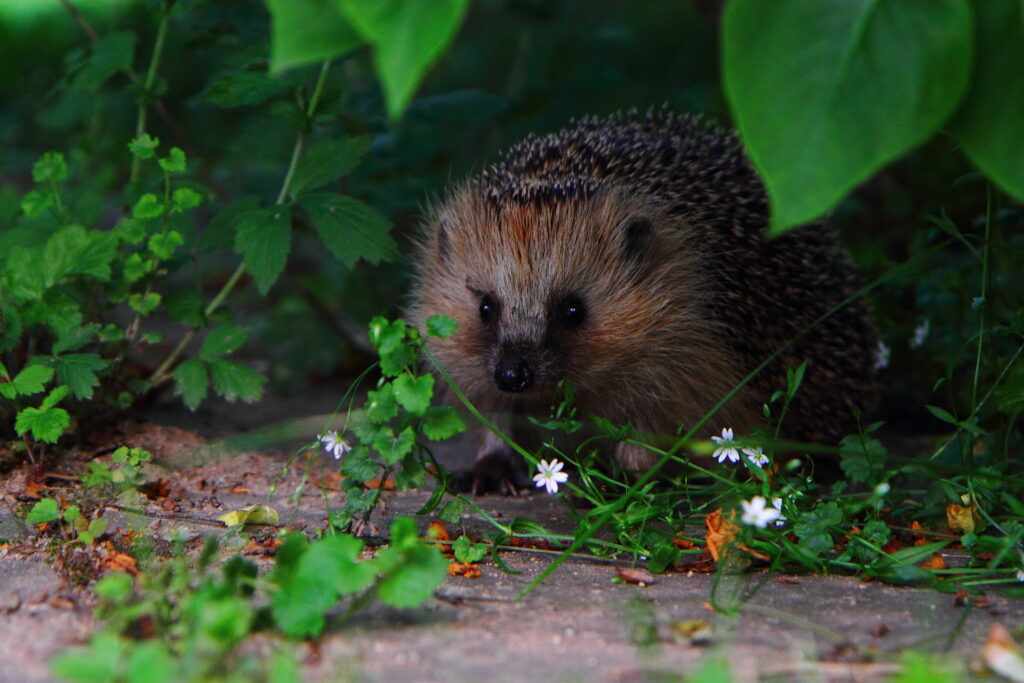
Hedgehog by Kalle Gustafsson via Flickr.
Policy

The US will outline its nuclear fusion power strategy at COP28. John Kerry, the US Special Envoy on Climate Change, will set out the plan at the UN summit that will be held in Dubai from the 30th of November. The plan has been described as being the first international strategy for nuclear fusion power commercialisation. Nuclear fusion has long been looked at as a potentially limitless source of clean energy.


Read the last edition of Biodiversity News from the NHBS Blog which follows stories on endangered echidnas and an explosion in jellyfish numbers.