Acoustics for surveying dormice and other small mammals

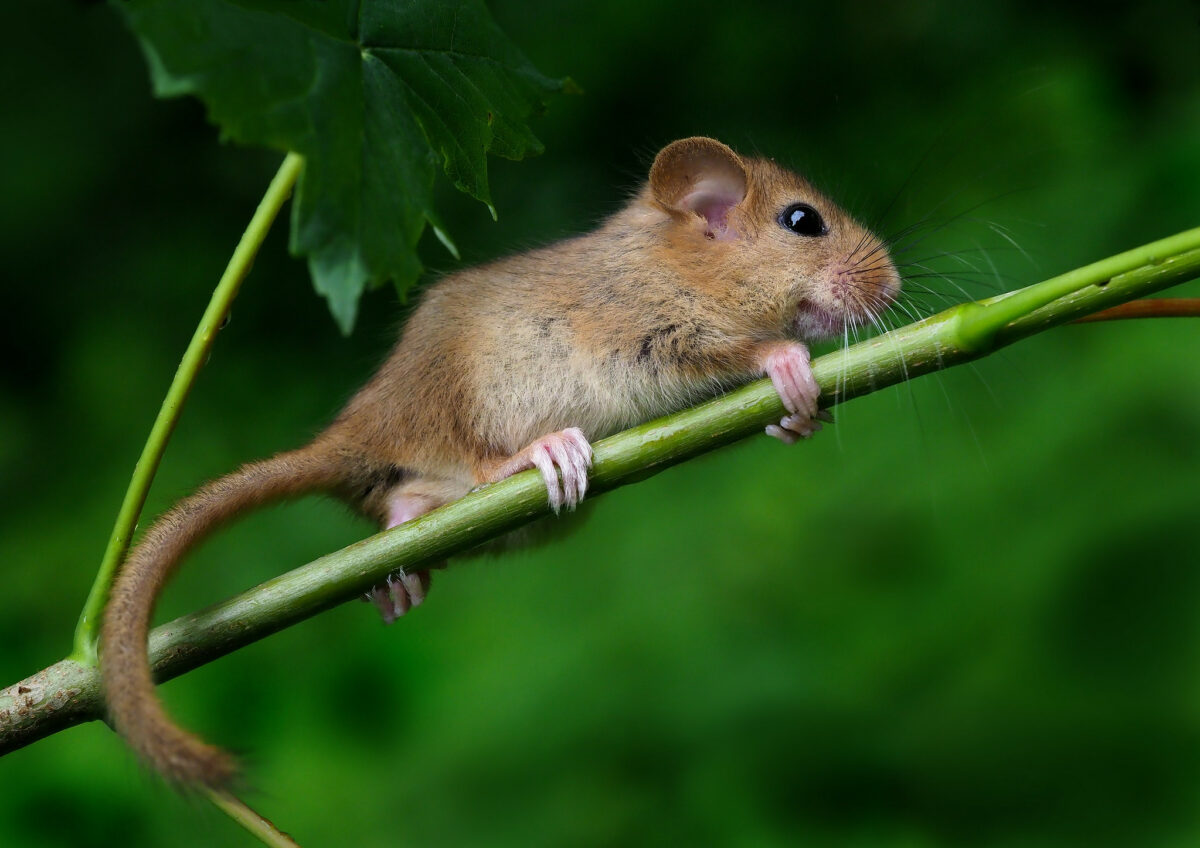
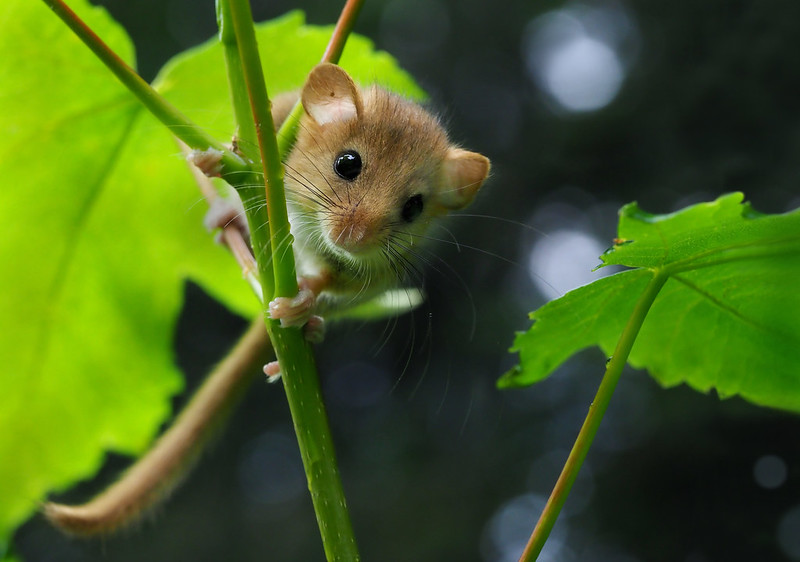
a small mouse resting on a bush branch
Image by Frank Vassen via Flickr

This is an updated version of a blog first published in 2020.

As static bat detectors continue to be more widely used and the technology improves, there are now many thousands of hours’ worth of nocturnal recordings captured each year from a vast spread of locations. This level of coverage has not only improved our ability to monitor bat populations, but also offers the potential to gather information on other animals that communicate at the same ultrasonic frequencies as bats. The calls of bush-crickets, for example, are commonly picked up as ‘by-catch’ during bat surveys, which has allowed the development of software that automatically recognises any cricket calls in a recording and assigns them to individual species.

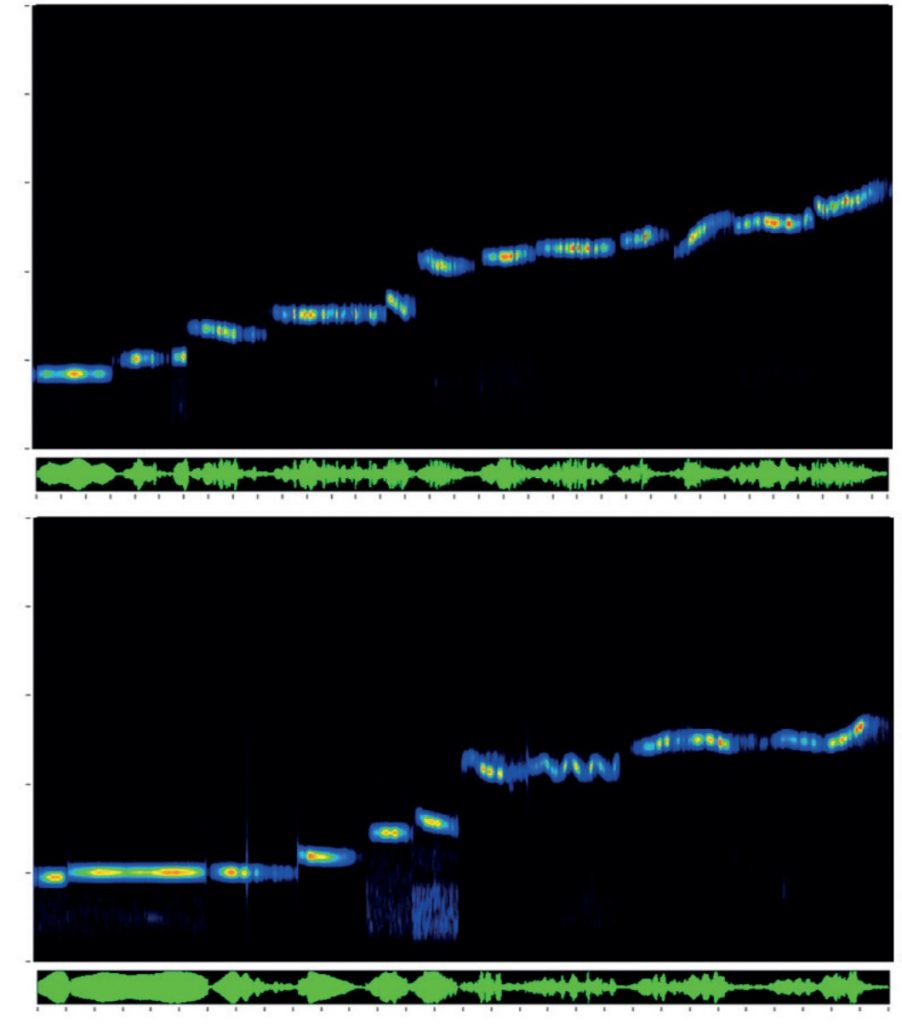
Back in December 2020,?British Wildlife published an article by Stuart Newson, Neil Middleton and Huma Pearce exploring the potential – relatively untapped at that time – of acoustics for the survey of small terrestrial mammals (rats, mice, voles, dormice and shrews). Small mammals use their calls for a variety of purposes, including courtship, aggressive encounters with rivals and communication between parents and offspring. To the human ear, the high-pitched squeaks of different species sound much alike, but closer examination reveals them to be highly complex, extending beyond the range of our hearing into the ultrasonic and showing great variation in structure.

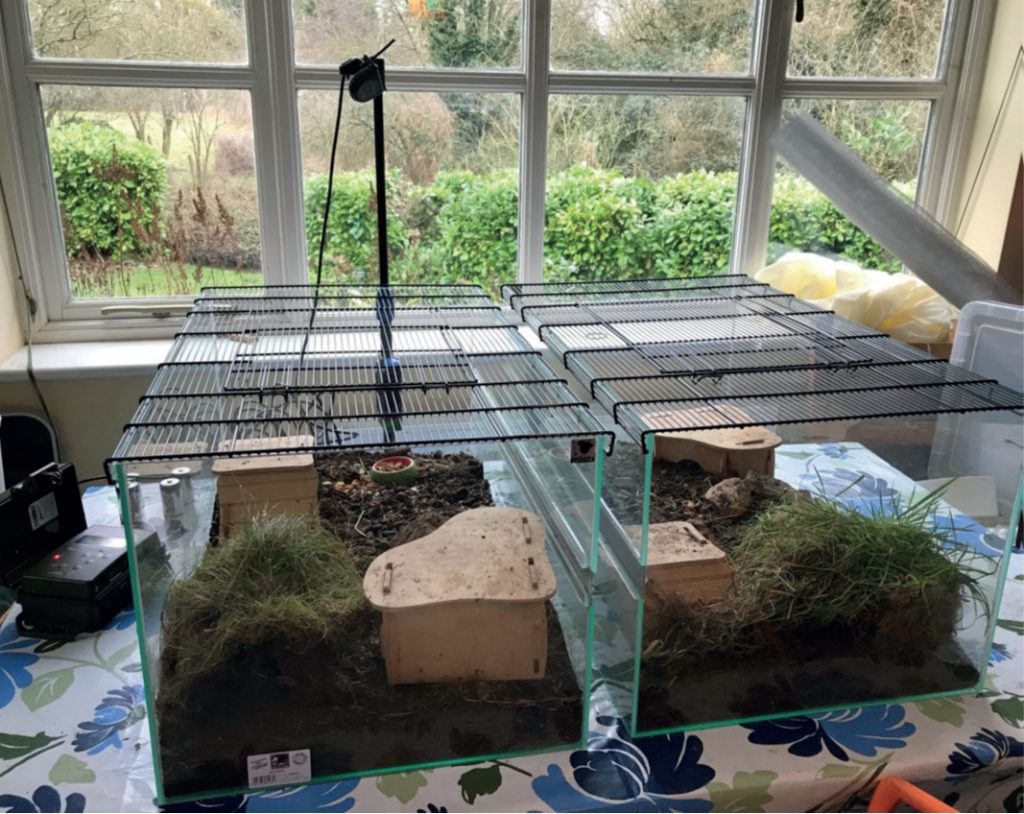
Mammal terrariums used for holding individuals overnight in the recording ‘studio’.

To answer the question of whether it’s possible to distinguish the calls of different species, the authors went through the time-consuming task of building a call library by taking recordings of all Britain’ native (and some non-native) small mammals. Call-analysis software was then used to examine the recordings and look for consistent differences between species, with some fascinating results – the calls of shrews, for example, can be readily separated from those of rodents by their warbling/twittering quality, while the house mouse typically calls at a higher frequency than any other species. Remarkably, it appears overall that the vocalisations of most species have their own diagnostic features, and that, with care, it should be possible to identify a high proportion of calls to species level. .

Recorded calls of (a) Brown & (b) Black Rats

Small mammals are unobtrusive and hard to observe, which means that even the more familiar species, such as the Brown Rat, are severely under-recorded. Given how critically important small mammals are within the food chain, this lack of knowledge is a problem – one that is gaining increasing attention, including through the creation of a Small Mammal Research Working Group by the Mammal Society.


In the mission to improve understanding of small mammal populations, the ability to detect and identify species by their calls therefore offers great potential as a survey tool. Analysis of calls collected by static detectors – whether specifically set to target small mammals or deployed as part of a bat survey – is already providing a rich source of data and helping to complement traditional methods, such as the use of Longworth traps or footprint tunnels.

Furthermore, this method also shows promise for monitoring some of our most threatened small-mammal species. In Winter 2023, an article in Conservation Land Management described a novel trial in which static-acoustic detectors were used to monitor the protected Hazel Dormouse (you can read the article in full here), with positive results. Two years on, we spoke to Stuart Newson, coauthor of both articles and the pioneering Sound Identification of Terrestrial Mammals of Britain & Ireland, about more recent developments in this exciting field of ecological survey.

Stuart writes, “Since the publication of our article in Conservation Land Management, our understanding of Hazel Dormouse acoustic identification has continued to advance, alongside major improvements in the BTO Acoustic Pipeline’s ‘bat’ classifiers, for automatically detecting and identifying the calls of this species.

As with bats, potential identifications still require verification by visually inspecting spectrograms and listening to recordings. However, this process can now be carried out relatively routinely alongside bat sound identification.

As a proof of concept, Hazel Dormouse recordings from Great Britain (2021–2024) that were shared by users of the BTO Acoustic Pipeline were manually verified. This work has produced what we believe may be the first national-scale map of a small terrestrial mammal generated using acoustic data – and it just represents the beginning.

Over the next six months, and through a collaboration with APHA and funded by Defra, I, with the BTO will manually verify small terrestrial mammal detections (from .wav files) that have been identified as ‘by-catch’ within bat acoustic data submitted and shared by users of the BTO Acoustic Pipeline across the UK and Ireland.

The total number of verified identifications for Great Britain and Ireland is still to be determined. However, between 2021 and 2025, the wider (predominantly European) dataset already includes an incredible 1,177,597 small mammal identifications.

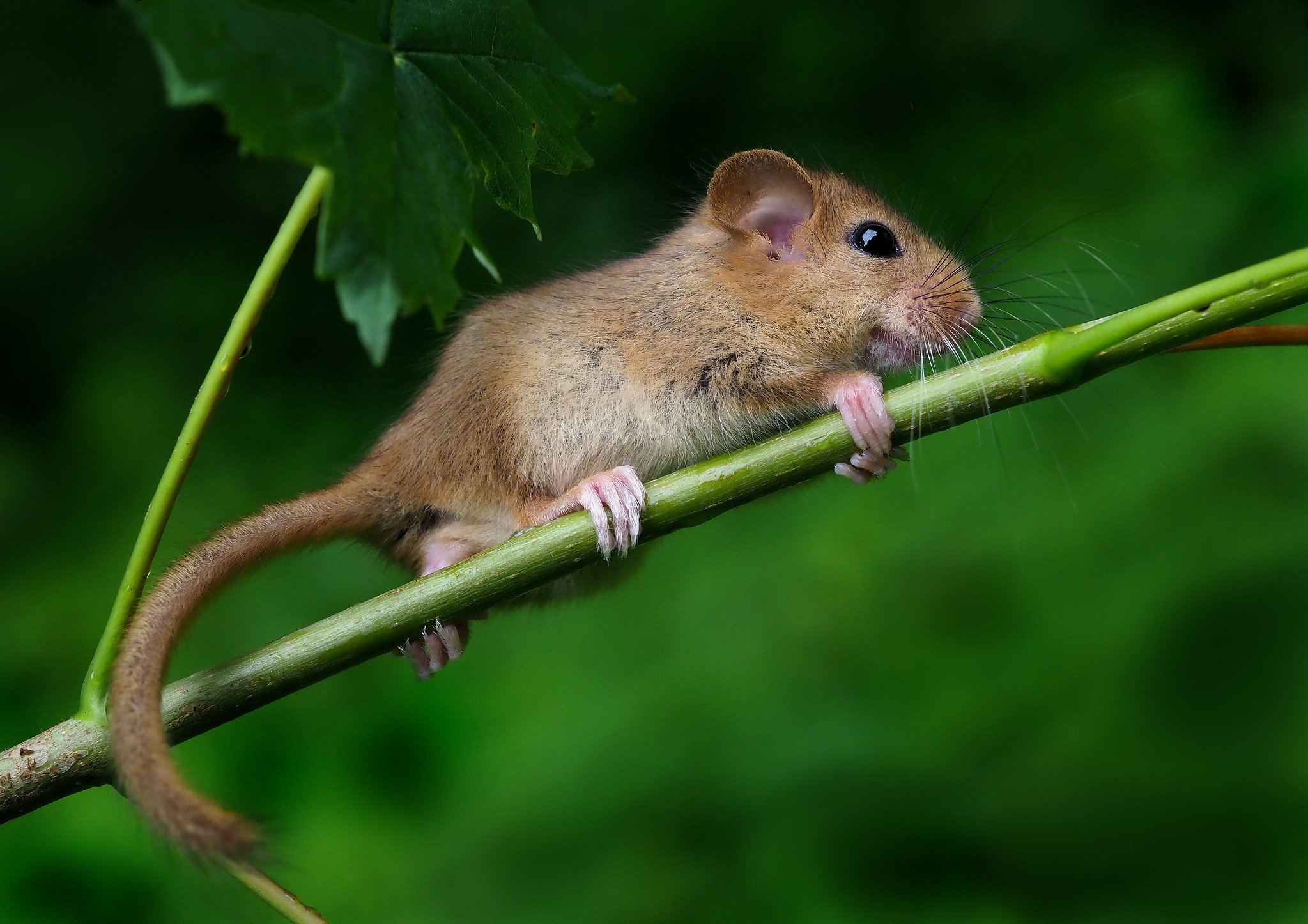
Hazel dormouse (Muscardinus avellanarius) by Frank Vassen, via flickr.
Frank Vassen, via flickr.

This planned project offers a unique opportunity to demonstrate the power of acoustic monitoring for identifying small terrestrial mammals at an unprecedented spatial scale. It will also create a large, novel dataset that has the potential to transform our understanding of these species – including insights into their seasonal and nightly vocal activity patterns across the UK and Ireland.”

To read about the key identification features of small-mammal calls, see the December 2020 issue of British Wildlife or, for all mammals, pick up a copy of Sound Identification of Terrestrial Mammals of Britain & Ireland. For more information and to contribute to the BTO Acoustic Pipeline visit the project’s webpage.


Supplier interview with Ria Painter-Coates: Founder and illustrator at Button and Squirt

The NHBS Guide to UK Wasps

Often seen as mere picnic nuisances, the UK is home to a surprising variety of wasps, including both social and solitary species. While many of us will be familiar with the iconic black and yellow social wasps, numerous solitary species display incredible diversity in both form and behaviour. Distinguishing them can seem daunting, but key features like body shape, coloration, and reproductive behaviour can offer valuable clues. 

Here, we’ll explore a selection of common wasp species, and some wasp families found across the UK, detailing their identifying characteristics and the typical habitats they can be found in.


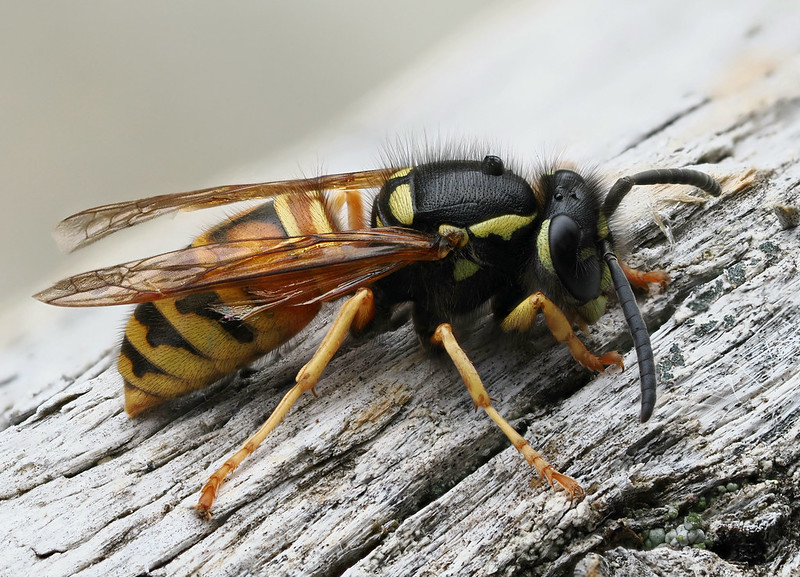
Common European Yellowjacket (Vespa vulgaris) 

Common wasp DSC_5493_edited-1 by Clifton Beard, via flickr.

Identification: Between 11-19mm in length with striking black and yellow stripes. These social wasps have six abdominal sections, each with one stripe, and there is a very distinguished waist between the thorax and the abdomen, which has black dots and rings. The species has a conspicuous face on a triangular shaped head with a black anchor or dagger shaped mark towards the base, and a pair of long, robust antennae. They have yellow cheeks and yellow legs.  

Distribution: Widespread throughout the UK. Common Social Wasps can be found in almost all habitats, particularly grassland, heathland and woodland from mid-March to November.  

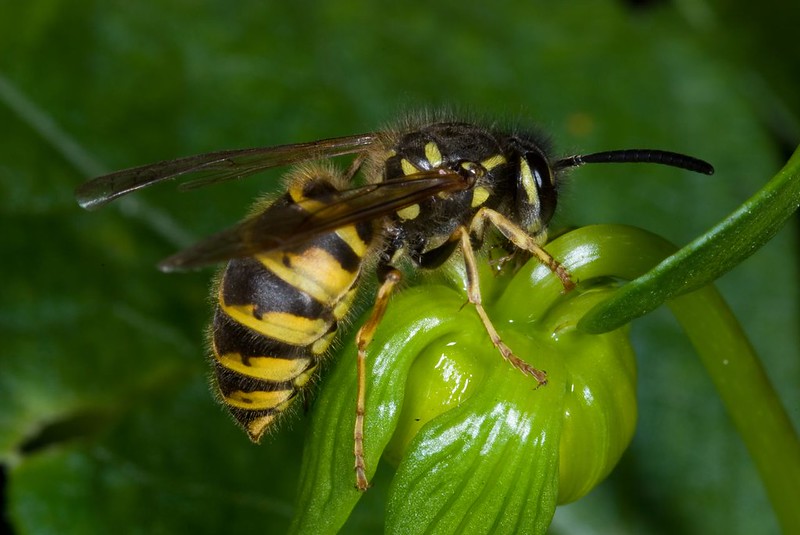
Red Wasp (Vespula rufa) 

Rote Wespe (Vespula rufa) by Frank Vassen, via flickr.

Identification: Growing up to 20mm in length, Red Wasps can easily be distinguished from V. vulgaris by reddish-brown markings on their upper back segments. 

Distribution: Widespread, and frequently found in open woodland, moorland and hedge banks from the end of March until September.  

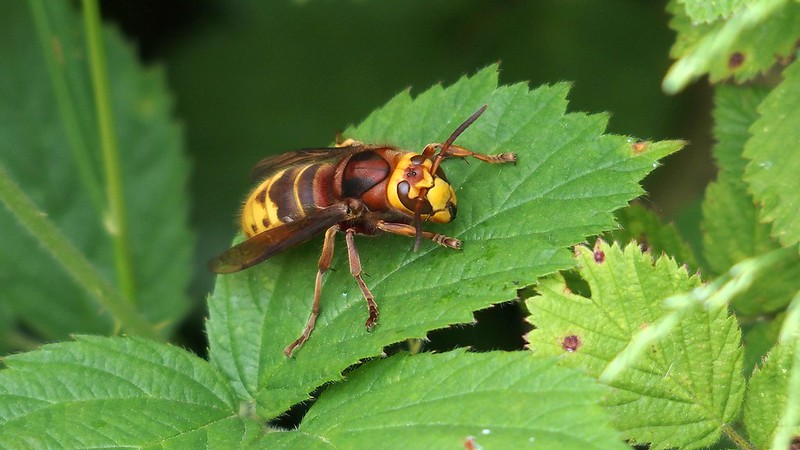
Hornet (Vespa crabro) 

Hornet (Vespa crabro) by Nick Wood, via flickr.

Identification: Hornets are Britain’s largest social wasp species. Around 15-35mm in size. The abdomen is yellow and unbanded, with brown markings on the upper parts, while the thorax is black and reddish-brown. Their legs are a reddish brown – a characteristic that can distinguish them from Asian Hornets – and antennae are yellow or brown in colour.  

Distribution: Widespread distribution and commonly found throughout England and Wales. Hornets can be found in many lowland habitats and are known to associate with ancient woodland, wood pasture and can be found in parks and gardens in more urban areas. Queens emerge from overwintering in early April, while workers can typically be seen from late June to November.   

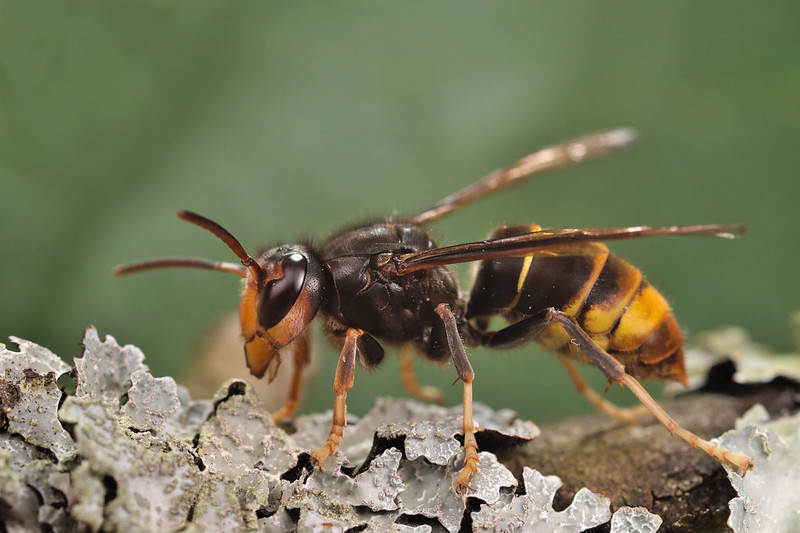
Asian Yellow-legged Hornet (Vespa velutina)

Asian hornet by Gilles San Martin, via flickr.Asian hornet by Gilles San Martin, via flickr.

Identification: Typically smaller than native hornets, this invasive species can grow up to 3cm in length. Their abdomen is dark in colour with fine yellow stripes, and the fourth segment towards the base of the hornet is distinctly yellow orange in colour, while the thorax is entirely black or dark brown and appears velvety in texture. From the front, the head appears orange and the legs have yellow tips. 

Distribution: Asian Yellow-legged Hornets were first recorded in England around 2016, after they were accidentally introduced from Asia. They have mostly been recorded in the south of England, particularly the South-east.

Please note: this is an invasive species and any potential sightings should be reported to the National Bee Unit. 

Wasp Families

The diversity of wasp families in the UK is vast and presents a significant identification challenge. In this blog, we have chosen to focus on a number of wasp families to demonstrate the wonderful diversity of this group.  

Ichneumon Wasps 

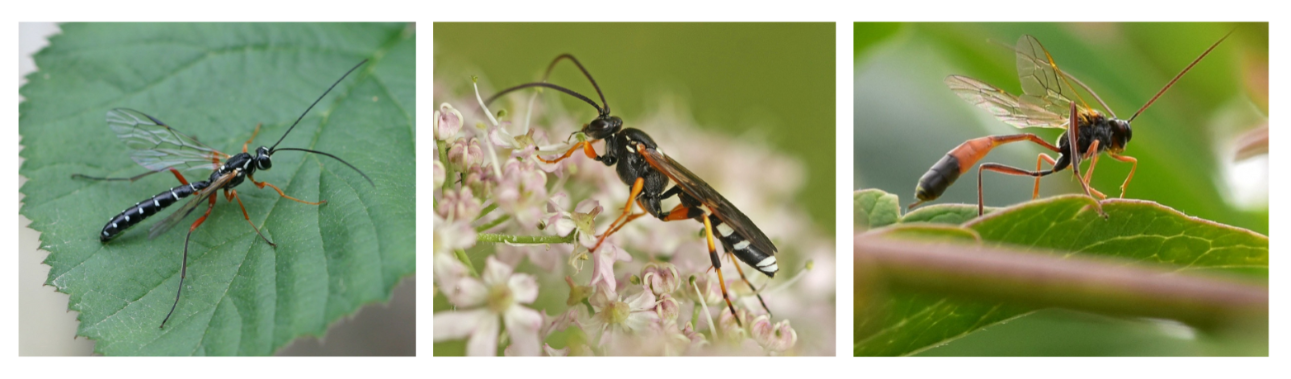
Sabre Wasp – Rhyssa persuasoria by Nature Spot. Ichneumon wasp by nutmeg66, via flickr. Barylypa propugnator by Nature Spot.

There are around 2,500 species of Ichneumon wasp in the UK. These small insects can vary in size but generally reach up to 1 ½ inches in length. They exhibit a wide range of colours and patterns, some with brightly coloured bands, and others with more subtle markings. Ichneumon Wasps can be distinguished by a slender sickle-shaped abdomen and a pair of long antennae, each with at least 16 segments. They have a narrow waist, long jointed legs and two pairs of wings. These parasitic wasps inhabit flower-rich meadows, gardens and woodland – they can often be seen around umbellifers or investigating vegetation and dead wood.  

Gall Wasps 

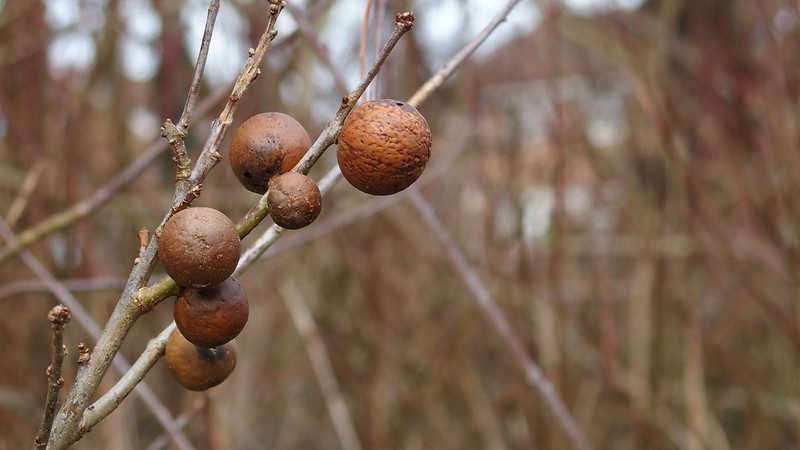
Oak Marble Gall by Nick Wood, via flickr.

The UK is estimated to have 86 Gall Wasps, a group of well-studied parasitic wasps. This group gets its name for a unique reproductive behaviour where adults lay eggs in the soft tissues of trees, flowers and other plants, creating a gall as the larva develop. Usually on the underside of leaves, branches and around acorns, these wasps produce conspicuous galls on their host plant – interestingly, they usually only infect a specific species of genus, for example, Citrus Gall Wasps will exclusively parasitise citrus trees. After overwintering, the larvae will emerge in spring and can be seen throughout summer. They are typically under 5mm in size, shiny, and are black or brown in colour with a humped thorax and wings. 

Cuckoo Wasps 

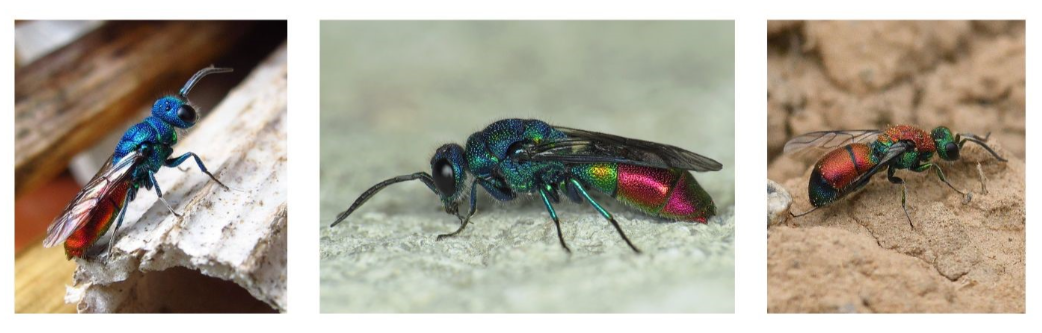
Crysis cf impressa close-cropped by Nigel Jones, via flickr. Chrysis fulgida by Ryszard, via flickr. Chrysis viridula by Tim Worfolk, via flickr.

Instantly recognisable by their brilliant metallic body colours in shades of blue, green, purple and red, these small chrysidids are also known as jewel or ruby tailed wasps. There are around 31 species of Cuckoo Wasp in the UK, which can be seen in sunny weather from April to October in a range of habitats; particularly in sandy soils around coastal areas, gardens and ancient woodlands. The group are often seen investigating the nests of other Hymenoptera species in order to reproduce – these parasitic species will enter the host nest and lay their own eggs in the host cells. Once hatched, Cuckoo wasp larvae will eat the eggs and larvae of the host species before restarting the cycle – hence the name ‘cuckoo’.  

Recommended Reading: 

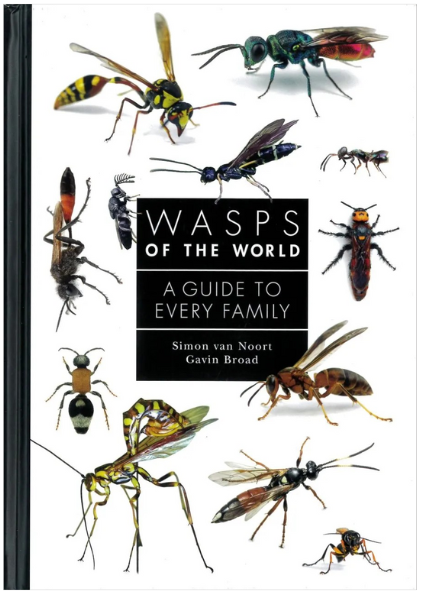
Wasps of the World book cover.

Wasps of the World | Feb 2024 

A richly illustrated guide to wasps around the world, providing a breathtaking look at the characteristics, habitats and lifestyles of these extraordinary insects.


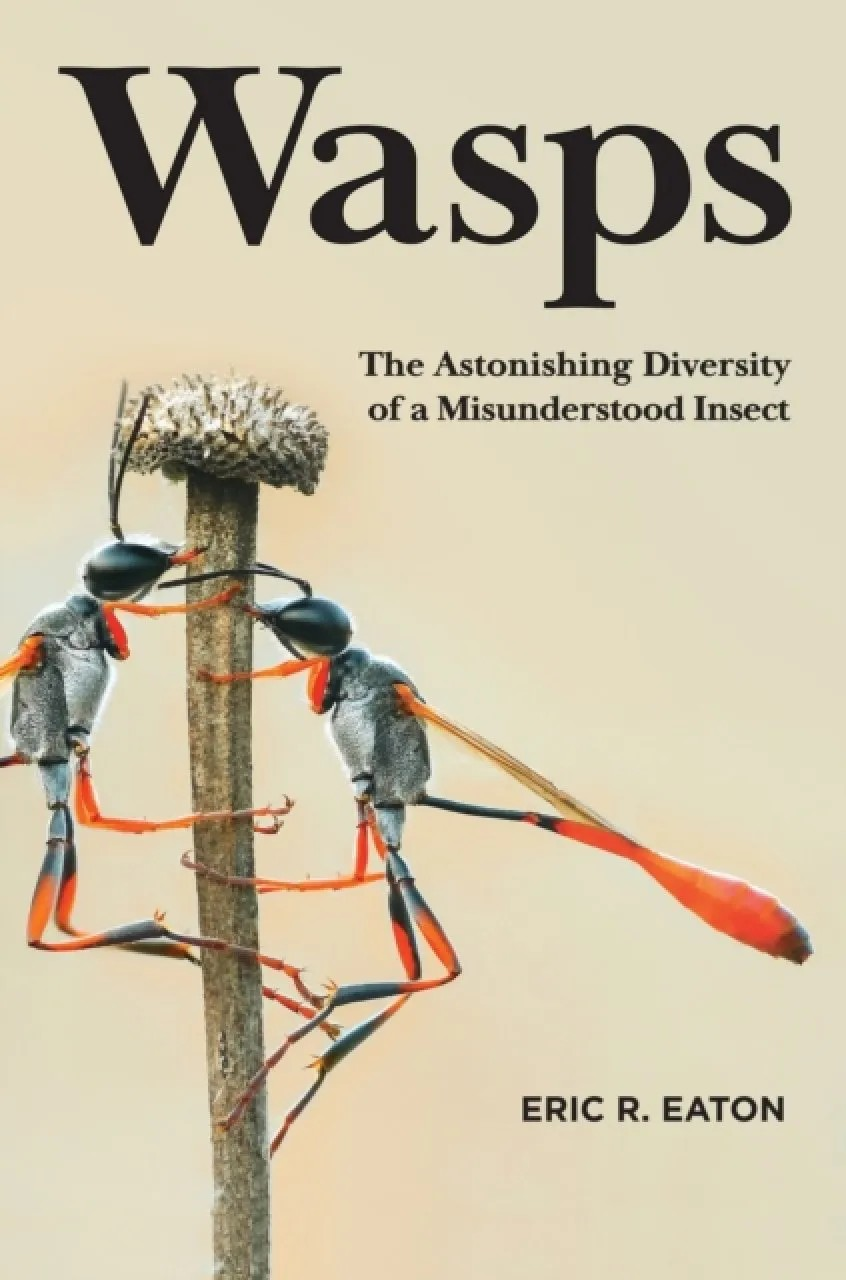
Wasps.Wasps | May 2021 

Written by a leading authority on these remarkable insects, Wasps reveals a world of staggering variety and endless fascination and is packed with over 150 incredible colour illustrations.


Hymenoptera book cover.

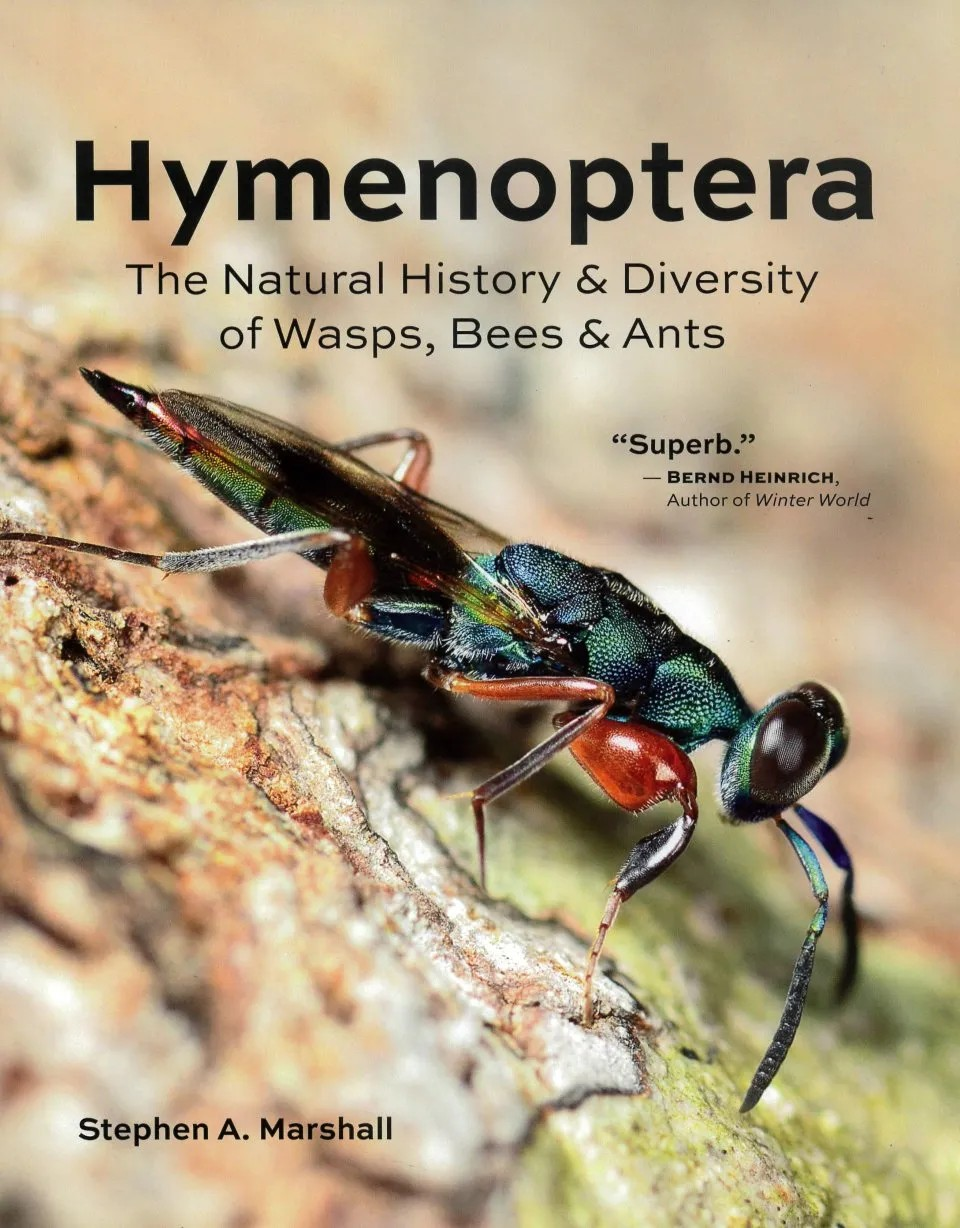
Hymenoptera | May 2023 

Comprehensive and packed with richly illustrated keys and thousands of colour photographs, this volume provides the reader with an enjoyable introduction to a huge group of organisms.


FSC Discovery Guide: Buzzing Insects

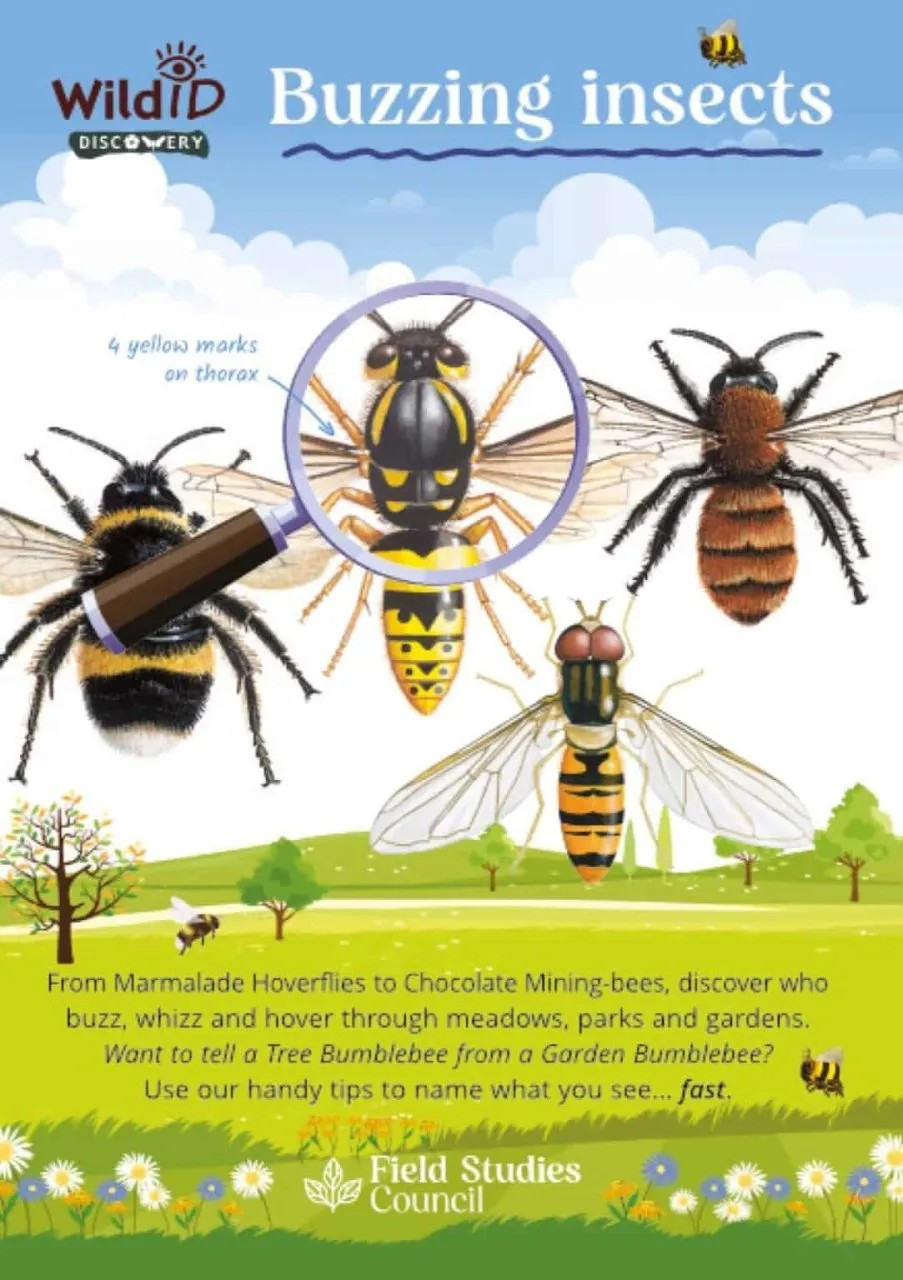
FSC Discovery Guide: Buzzing Insects | March 2025 

From Marmalade Hoverflies to Chocolate Mining-bees, discover 30 stripy insects that buzz, whizz and hover through meadows, parks and gardens with this compact fold-out guide.


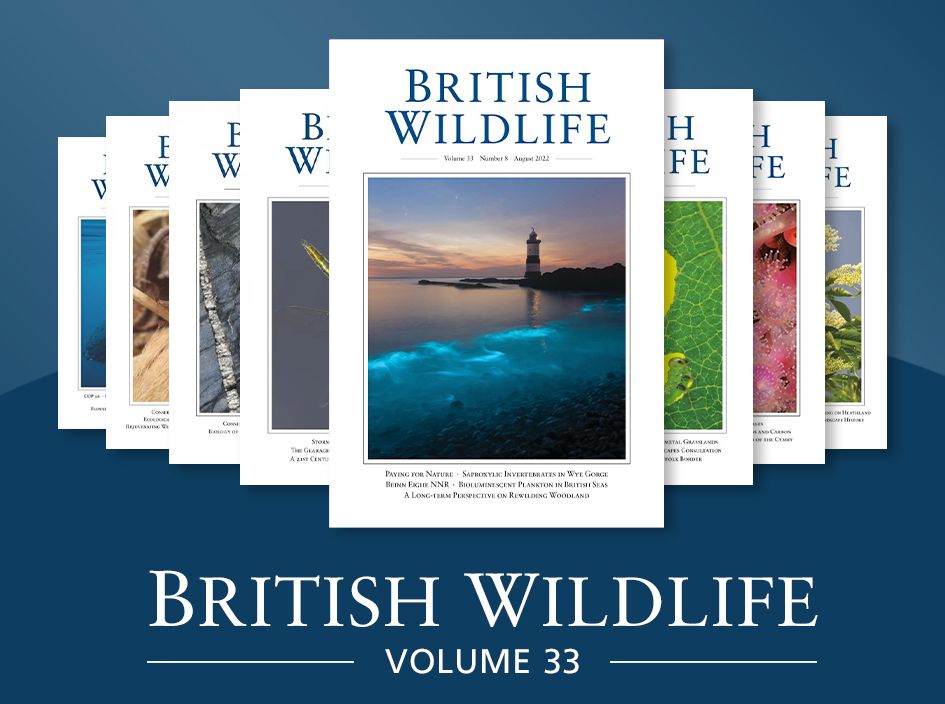
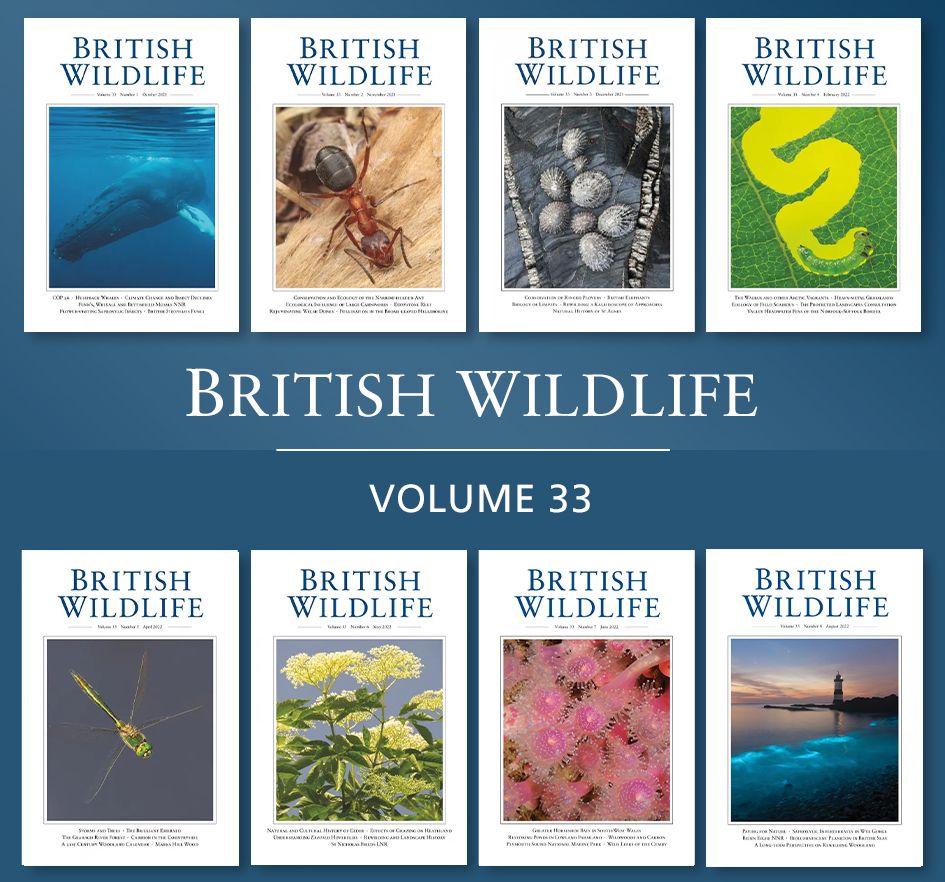
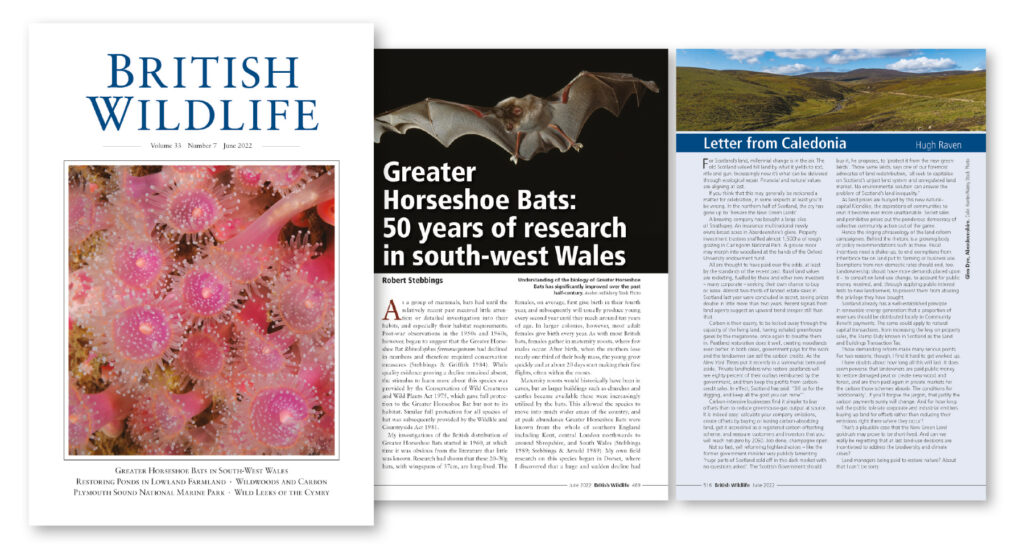
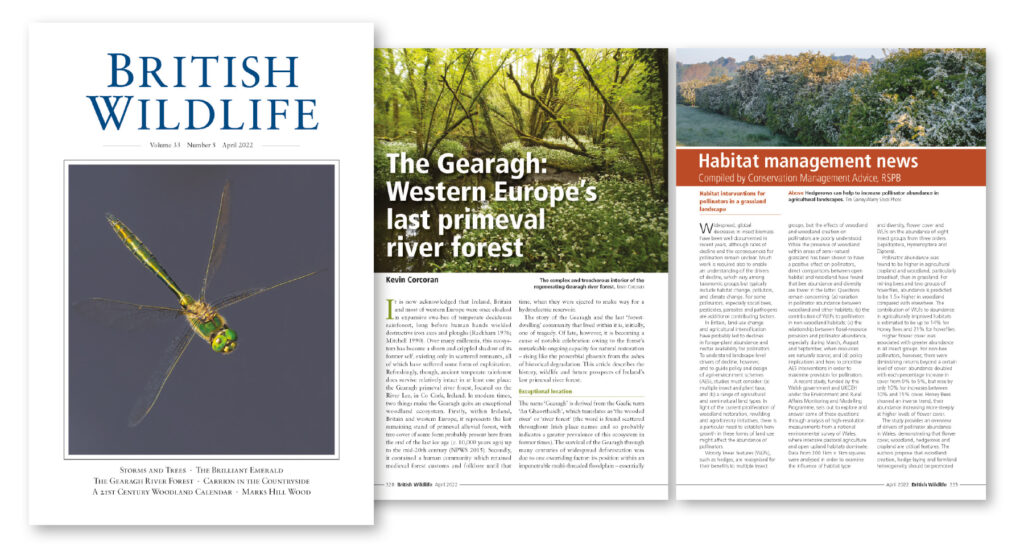
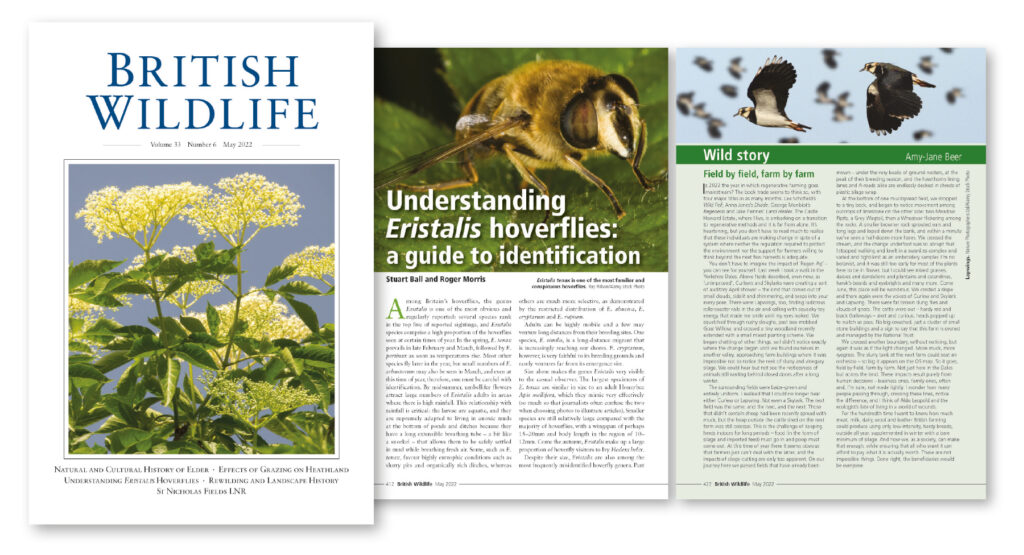
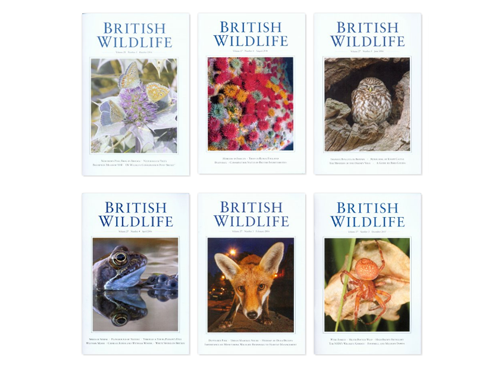
Volume 33 of British Wildlife

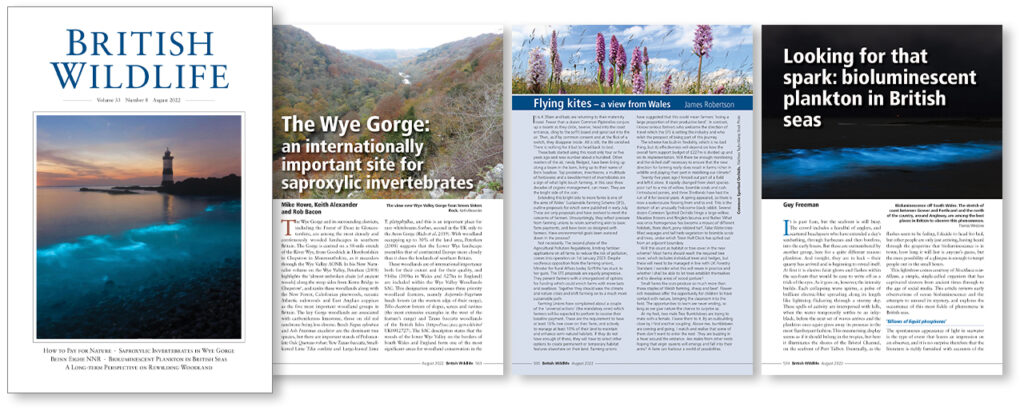
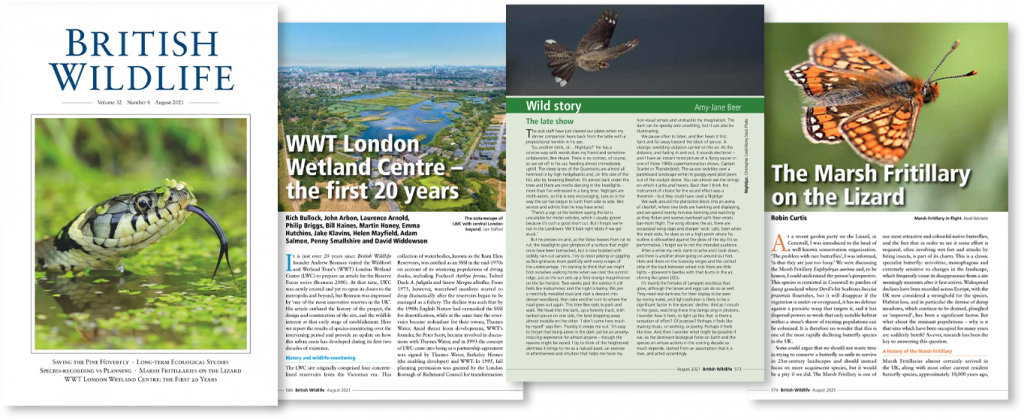
With publication of the August issue of British Wildlife, the magazine’s 33rd volume is complete. While we wait for the start of volume 34, in October, we have taken the opportunity to look back at some of the themes and topics covered during the past year, ranging from in-depth natural histories of species and places, to critiques and commentaries on key topics in environmental policy. The selection below offers just a small sample of recent subjects – for a full list of articles from volume 33 and further back in the magazine’s history, visit the British Wildlife website.

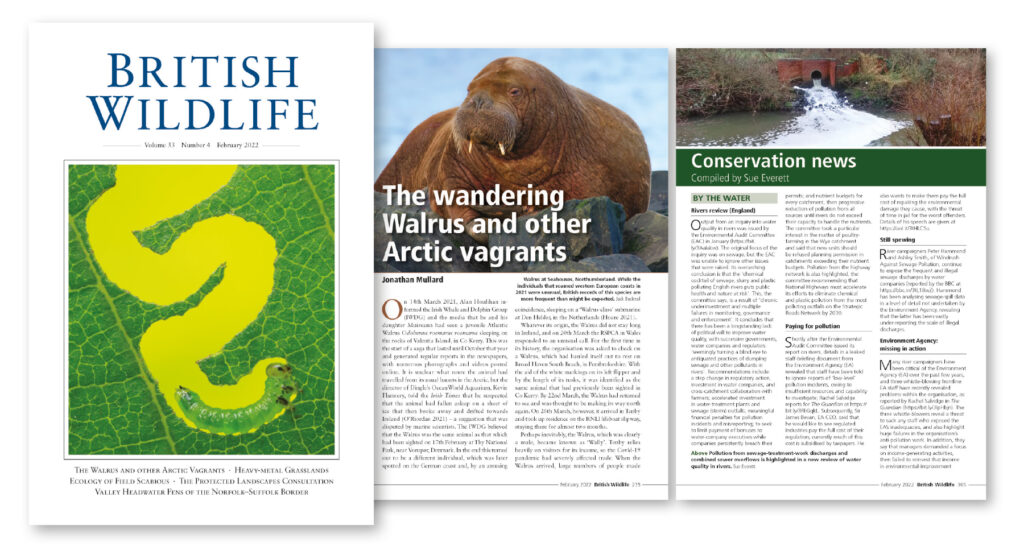
Species-focused articles have spanned the taxonomic spectrum, covering everything from fungi through to the (long-extinct) elephant species that roamed Britain through prehistory. Further mammalian subjects have included the Walrus and other Arctic vagrants and a long-term study of Greater Horseshoe Bats in south-west Wales, while, turning to the more ‘obscure’, we have seen pieces on the Narrow-headed Ant and Brilliant Emerald dragonfly, two rare insects with unusual split distributions in Britain, the remarkable biology of limpets and their influence on rocky-shore ecosystems, and the identification of British Stropharia fungi. Meanwhile, contributions on botany have explored the culture and ecology of Common Elder, and the place of Wild Leeks in Welsh history.

33.7 June 2022

Places featured include the unique primeval floodplain forest of the Gearagh in south-west Ireland; the surprisingly diverse grasslands formed on toxic mine spoil and metal-rich rocks in northern Wales; the vibrant St Nicholas Fields, an urban Local Nature Reserve in the heart of York; the varied submerged and coastal habitats of Plymouth Sound, Britain’s first National Marine Park; and Beinn Eighe NNR in the western Highlands, which in 2021/22 is celebrating its 70th year as a National Nature Reserve.

33.5 April 2022

Other articles have reviewed some of the most serious challenges for conservation, such as the disruption to invertebrate life-cycles caused by climate change, and the ecosystem-level impacts of overabundant carrion in the countryside. Meanwhile, on a practical level we have seen case studies on work to restore dynamism to Welsh sand dunes, the conservation of beach-nesting Ringed Plovers, the effects of grazing by cattle on the vegetation of lowland heathland, and techniques for finding and reviving ‘ghost ponds’ – old infilled farm ponds – for the benefit of aquatic species and other farmland wildlife.

33.6 May 2022

In environmental policy, we started the volume with analysis of what to expect from the COP 26 climate-change summit (held in Glasgow in October/November 2021), while later issues saw scrutiny of the government’s response to the protected landscapes review and, most recently, a critique by Professor Sir Dieter Helm of the government’s proposed Nature Recovery Fund. Outside the main articles, the conservation news feature has continued to keep a finger on the pulse of the most important stories and developments, including guest contributions on the scandal surrounding release of sewage into rivers, the tragic and ongoing outbreak of Highly Pathogenic Avian Influenza in wild bird populations, and analysis of potential threats to existing environmental-protection powers from the draft Levelling Up Bill.

33.4 February 2022

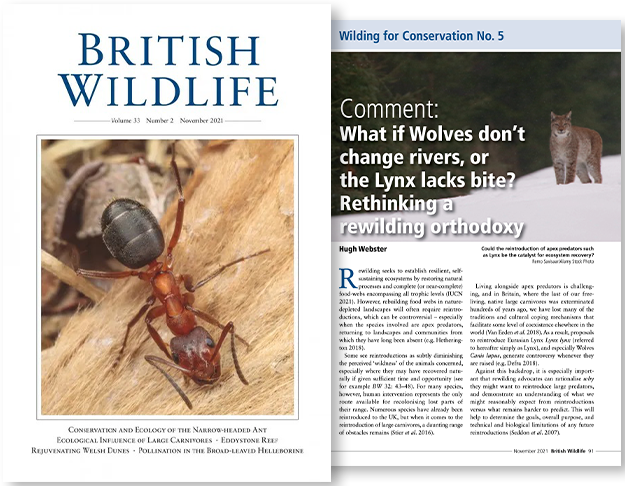
On top of this, we have continued to explore the role of rewilding in UK conservation as part of our ‘Wilding for Conservation’ series. Recent articles have discussed the possible limitations of rewilding based on perspectives from landscape history, the importance of ‘wildwoods’ in mitigation of climate change, and observations from a long-term study of rewilding in ex-coppice woodland.

Looking ahead, readers can expect a similarly eclectic mix from volume 34, including contributions on the folklore of the alluring but highly poisonous plant Henbane, the creation, management and wildlife of the Gwent Levels, the history of the Black Rat in Britain, efforts to conserve Black-tailed Godwits in the fens of East Anglia, further articles in the Wilding for Conservation series, and much more.

33.8 August 2022

British Wildlife is a subscription-only magazine published eight times per year: visit www.britishwildlife.com or email info@britishwildlife.com for more information. Individual subscriptions start from just £40 – you can subscribe online or by phone (01803 467166). Individual back issues of British Wildlife are available to purchase through the NHBS website.

‘Wilding for Conservation’ series – one year in

Rewilding has remained very much in vogue over the past 12 months: a wealth of new initiatives and enterprises have emerged, ‘celebrity rewilders’ have made headlines and, most significantly, Defra has announced recently that one part of the new, restructured farm-subsidy system in England will incentivise a switch from agriculture to nature restoration on large landholdings. With momentum only set to build, discussion of the direction of travel, and opportunities and challenges for rewilding remains as important as ever – the ‘Wilding for Conservation’ series, launched in British Wildlife at the start of 2021, aims to provide a forum for that discussion. Here, we revisit the varied topics covered in the series’ first year and look ahead to articles coming up in 2022 and beyond.

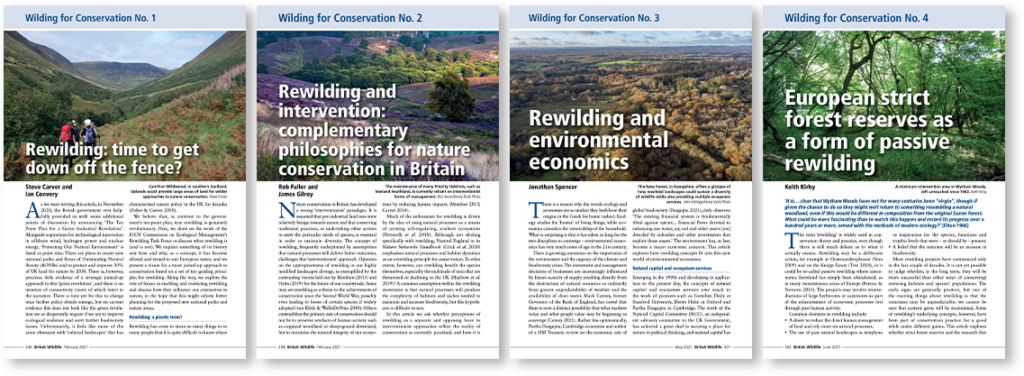
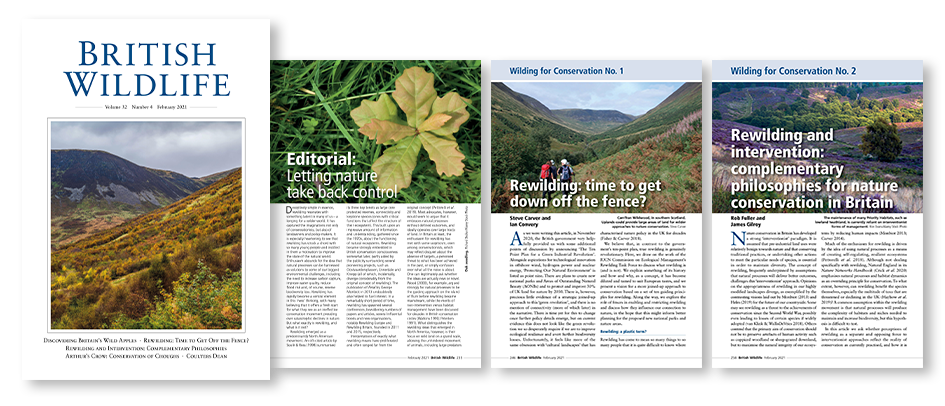
Wilding for Conservation, edited by Rob Fuller, began in the February 2021 issue of British Wildlife with an editorial explaining the aims of the series, including to ‘explore the many facets of rewilding as they relate to conservation in Britain’ and ‘bring ideas contained within the expanding scientific and cultural literature to a wider audience, while providing examples of what is happening on the ground in the UK and elsewhere’.

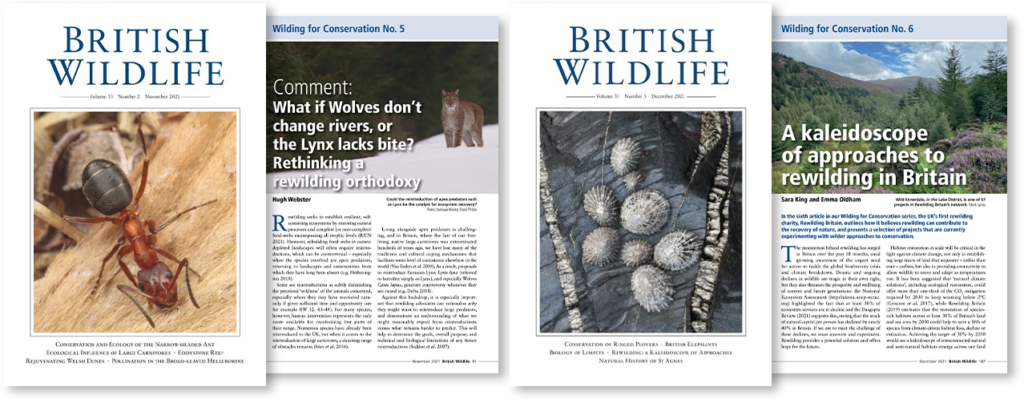
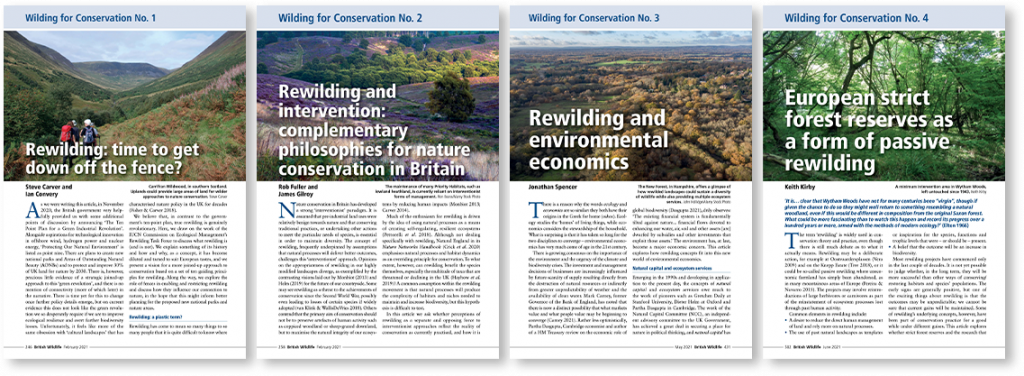
That same issue featured the first two articles in the series. To start, Steve Carver and Ian Convery set out the history and principles of rewilding, and argued that this approach in its pure form could offer a more ambitious future for conservation in Britain. Accompanying this was a piece by Rob Fuller and James Gilroy, who examined the limitations of, and similarities between, rewilding and ‘traditional’ conservation management, and discussed how the two could be used in tandem to produce the greatest possible benefit for wildlife.

In the May 2021 issue, Jonathan Spencer explored the economics of rewilding, offering a brief history of how industry first maintained, and then later destroyed, high-nature-value habitats, and explaining how the emergence of natural capital approaches and changes to farm subsidies could present new financial opportunities for rewilding enterprises.

In June, Keith Kirby, described European strict forest reserves – protected woodlands left to develop with minimal intervention – and outlined how these might provide lessons for rewilding in British forests.

In the November issue, Hugh Webster reviewed the ability of large carnivores, including wolf and lynx, to regulate populations of other species, and cautioned against building the case for reintroduction of apex predators on their potential ecological benefits, which may fail to materialise.

Most recently, in December 2021, the charity Rewilding Britain introduced a selection of projects currently trialling wilder approaches to conservation, and explained how rewilding can be applied, and yield benefits, in a great variety of contexts.

Wilding for Conservation will continue through 2022 and beyond with articles on a range of topics, including a landscape-history perspective on the limits of rewilding, the reality of passive rewilding in established woodland, the roles of rewilding in carbon storage and mitigating the impacts of climate change on wildlife, case studies on the New Forest and Southern Uplands of Scotland, and much more. And alongside the series, British Wildlife will continue to bring readers the best of natural history and species conservation, and the most important developments in environmental policy.

British Wildlife is a subscription-only magazine which has been published by NHBS since 2016. Annual subscriptions, starting from just £40, can be taken out online, by email (info@britishwildlife.com) or by phone (01803 467166). Individual back issues of British Wildlife are available to buy from the NHBS website.

British Wildlife: highlights from the past year

The August issue of British Wildlife is now out, marking the completion of the magazine’s 32nd volume and – more notably – the first since its expansion. The increase from six to eight issues per year has allowed more space for articles on the usual eclectic mix of topics from natural history, conservation and environmental policy. With the selection below we hope to give a taste of the variety that readers have enjoyed in recent months – for a full list of previous articles, see the British Wildlife website.

Volume 32 of British Wildlife

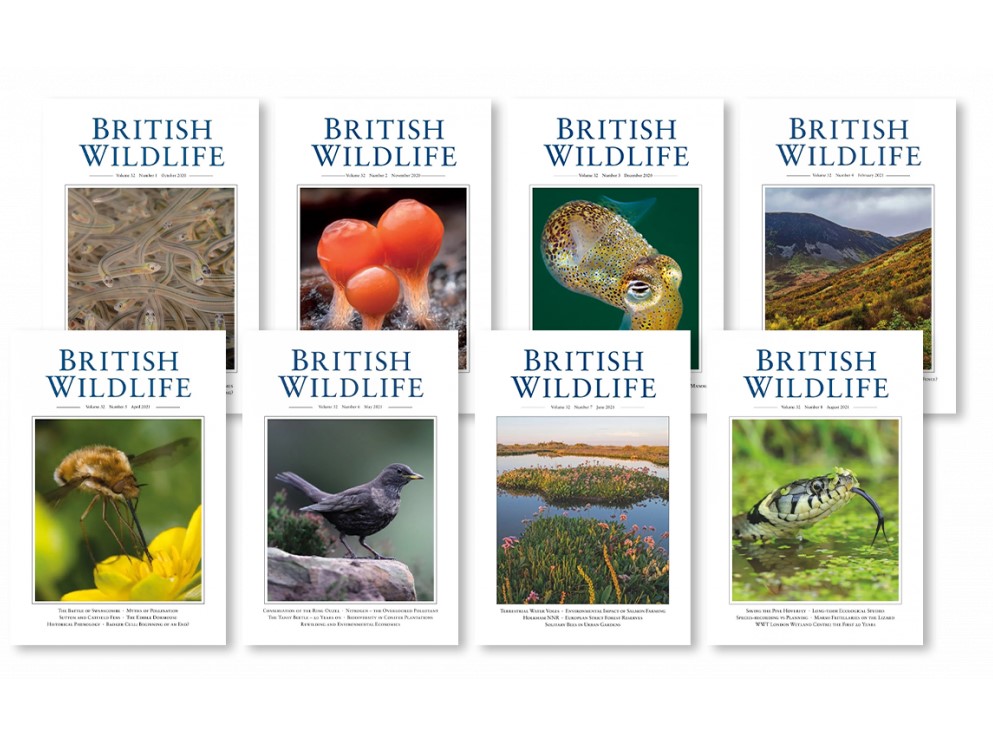
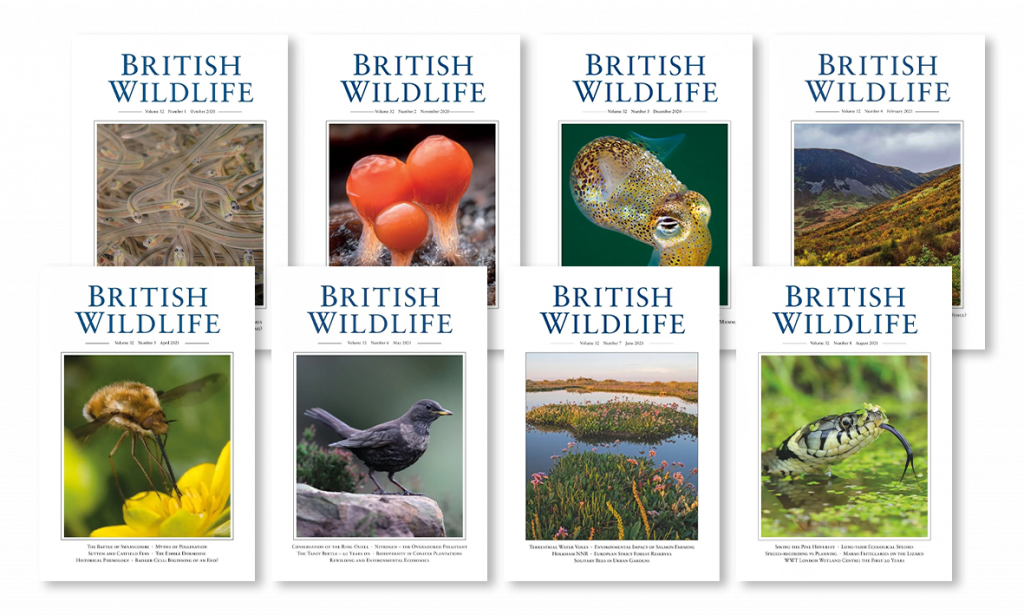
Species: in-depth profiles of individual species or groups have been a mainstay of British Wildlife since its inception. Highlights from this latest volume have included an introduction to the remarkable life histories of cephalopods in British seas; work to unravel the distribution and habitat associations of truly Wild Apples; the myths and misconceptions surrounding pollinating insects; ecological insights from efforts to conserve the Ring Ouzel; and the surprising history of Water Voles in terrestrial habitats.

Places: the magazine continues to celebrate the most important wildlife sites in Britain through regional features and reserve profiles. Recent articles have described work to conserve the botanical treasures of the Lizard, in Cornwall, and the unexpectedly rich biodiversity of conifer plantations in south Wales, while, from East Anglia, we have seen accounts of Holkham NNR – an exemplar of the benefits of large-scale habitat creation and a flexible approach to management – and the contrasting fortunes of two broadland reserves, Sutton and Catfield Fens.

Conservation: British Wildlife aims to tackle current controversies in conservation and shed light on long-term and pervasive threats to the natural environment. Volume 32 has highlighted the potential to eradicate mink from East Anglia and, possibly, from Britain as a whole; the catastrophic impact of nitrogen pollution on bryophytes and lichens; and the environmental impacts of salmon farming in Scotland. On top of this, we have continued to explore the role of rewilding in Britain through the ‘Wilding for Conservation’ series, which most recently has considered the economics of rewilding and lessons from observations of woodland dynamics in European Strict Forest Reserves.

The new Wilding for Conservation series

The August issue itself includes articles on the painstaking efforts to save the Pine Hoverfly, one of Britain’s rarest insects; the importance of long-term ecological studies; the potential for biological recording to influence – and help to defeat – planning applications; insights from studies of the Marsh Fritillary butterfly in Cornwall; and the amazing diversity of wildlife recorded at WWT London Wetland Centre during its first 20 years of existence.

The August issue of British Wildlife

And to give a hint of what is to come in volume 33, subscribers can look forward to articles on Humpback Whales in British seas, the significance of climate change in invertebrate declines, the restoration of dynamism to dune systems, and work to protect the critically rare Narrow-headed Ant, along with more from the Wilding for Conservation series, the usual selection of columns, news and features, and much more.

Subscriptions to British Wildlife start from £35 – for more information or to subscribe, visit the website. Individual back issues are available to purchase through the NHBS website.

Author Interview with David M. Wilkinson: Ecology and Natural History

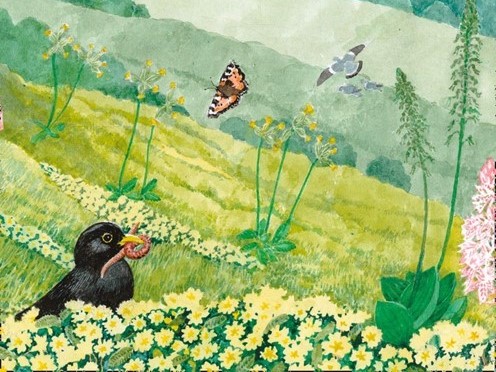
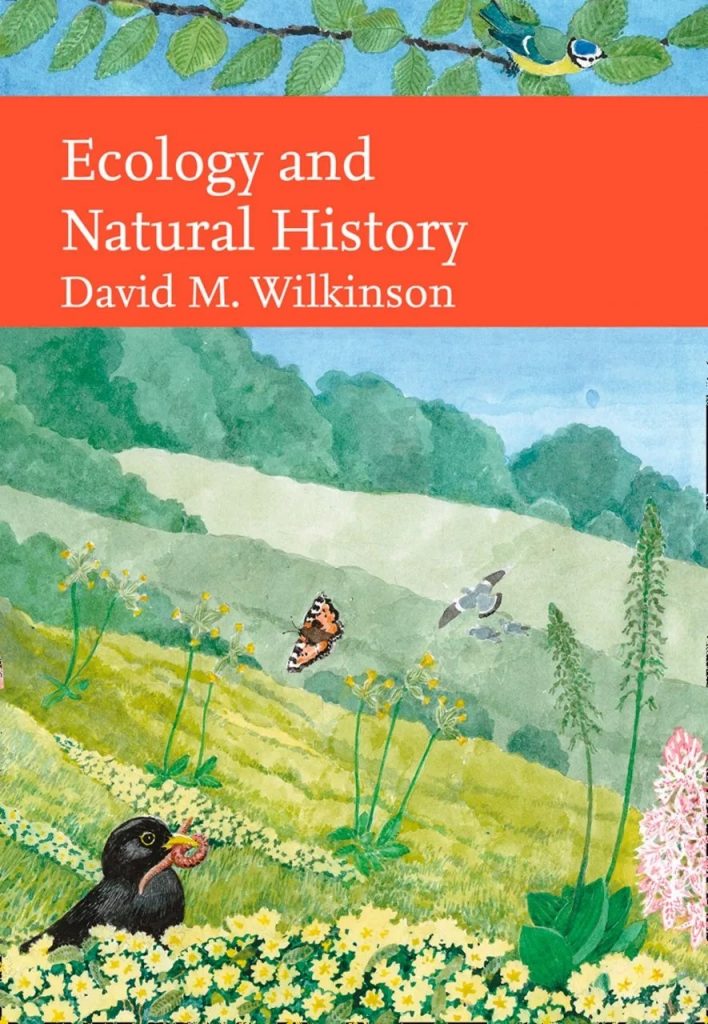
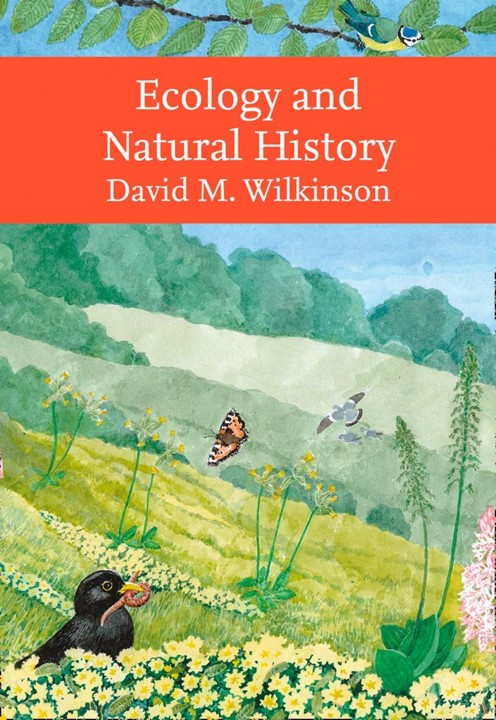
Many books in the Collins New Naturalist Library are underpinned by ecology, but the latest addition to the series is the first to be devoted to the science in its own right. In Ecology and Natural History, David Wilkinson provides an insightful and highly accessible account of the core ecological concepts and brings them to life with examples of classic research sites and studies from across Britain.

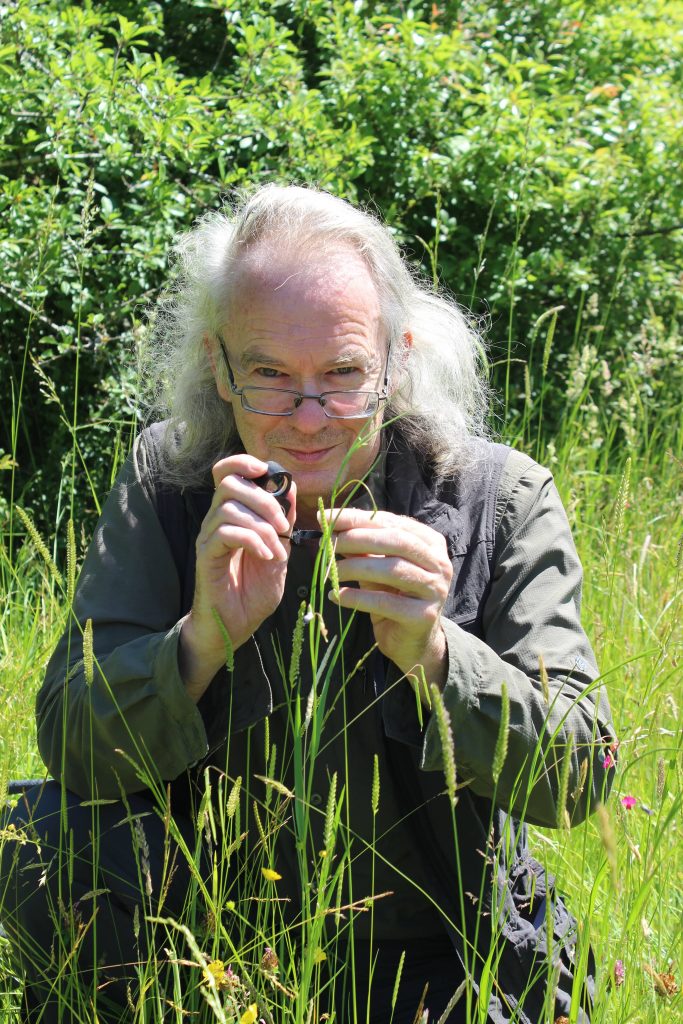
Image by Tim Bernhard

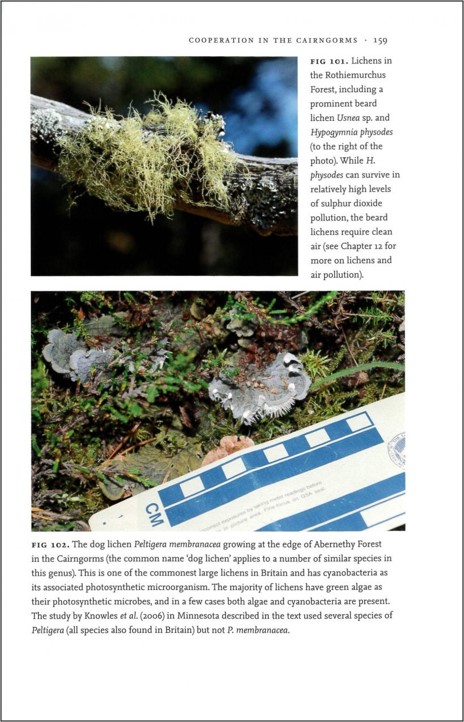
David Wilkinson is Visiting Professor in Ecology in the School of Life Sciences at the University of Lincoln and Honorary Research Fellow in Archaeology at the University of Nottingham. He has wide interests in ecology, and in recent years has written articles for British Wildlife on such varied subjects as scent-based mimicry in wild plants and animals, lichens as composite organisms, and autumnal colour change in leaves. Here, David has kindly answered some of our questions about his new book.

Ecology is a complex discipline, encompassing all the amazingly diverse ways in which living organisms interact with one another and with their environment. What drew you to ecology as a topic for your book, and how did you set about tackling such a wide-ranging subject?

As you say ‘Ecology is a complex discipline, encompassing all the amazingly diverse way living organisms interact with one another and their environment’ – with a topic as grand as this why would you write a book on anything else! Both of my previous books (for Oxford University Press) had been on aspects of ecology, but written for a more technical audience. Having walked away from my academic day job I now felt I had the time to try and write something more accessible, but still scientifically accurate. Most of the most pressing global problems are related to ecology, so there is an obvious need for as many people as possible to have some idea of basic ecological concepts. The approach grew out of over a quarter of a century’s experience of introducing the basic ideas of ecology to undergraduates.                                                                                                                                               

Chapters are split by topic but also by location, each one beginning with a scene from the site of a classic ecological study. What inspired this approach?

It seemed the obvious approach, as although this is a book on ideas I wanted to embed them in what you see in the field. The first chapter I wrote was chapter 2 which made a lot of use of Cwm Idwal in Snowdonia. Jonathan Silvertown (plant ecologist and science writer) was the member of the New Naturalist editorial board who oversaw my book. He liked the site based approach and encouraged me to use it throughout the book (his own popular book on plant diversity ‘Demons in Eden’ had used a similar approach). In many ways the approach grew out of my tendency to ‘tell stories’ when talking about ecology to beginning undergraduates. So in part the book is my lecturing style turned to prose.

Were you familiar with your chosen locations before embarking on writing, or did you make trips as part of your research for the book?

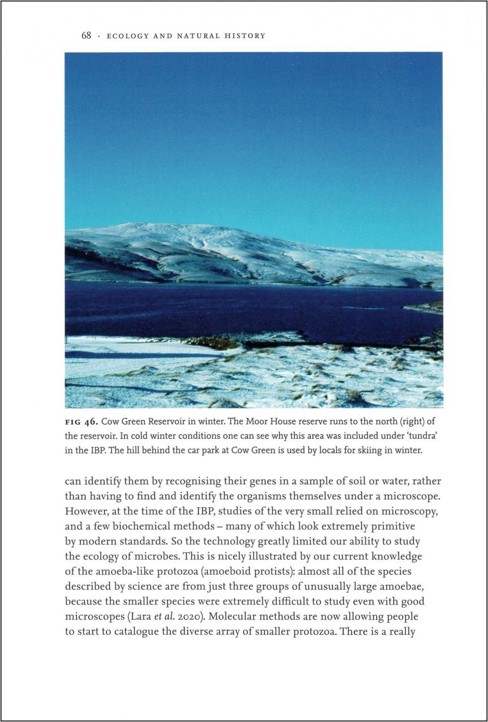
Most of the locations I used to open chapters were sites I was familiar with, but the two exceptions were Downe Bank and the Isle of Cumbrae – writing the book provided a great excuse to visit both of these. Most of the sites were visited on one or more occasion during the three years I worked on the book – the exceptions were Selborne (which I had visited a couple of years before I started writing) and Rothamsted, where the description is based on a visit in 2005. A highlight of the writing was a week’s fieldwork in the Cairngorms, taking photos for the book.

Smaller life forms such as bacteria and protists feature prominently in various chapters. How important are these organisms in helping us to understand the structure and function of ecosystems?    

A key theme of the book is the importance of such organisms. Considered from a genetic or biochemical perspective most of the diversity of life on Earth is microbial. Considered from a geological perspective for most of the history of life on Earth all ecology was microbial ecology, as microbes were the only life forms around. In ecological systems today they are still crucial. Many people vaguely realise that they have some importance in decomposition and nutrient cycling, but also much of photosynthesis (and related oxygen production) is by microbes rather than larger plants. Historically microbes have been hard to study in the wild, being by definition too small to see without microscopy. However, molecular methods (using DNA or RNA) are making things much more tractable, and now microbial ecology looks poised to be one of the big growth areas in ecological research.

You were able to draw on a number of examples of high-profile and long-running experiments from British sites. How influential have studies in Britain been for ecology as a science?

Ecology has a long history but really starts to take off as a science in the early 20th century. It started to develop earlier in Britain than in most countries, indeed the British Ecological Society (founded in 1913) was the first such society anywhere in the world. Because of this several of the key early studies that helped develop the basic ideas of ecology took place in Britain.

A number of the experiments described were initiated in the early/mid-20th century. Has there been a decrease in the creation of new long-term studies in recent decades and, if so, what are the implications for conservation and ecology?

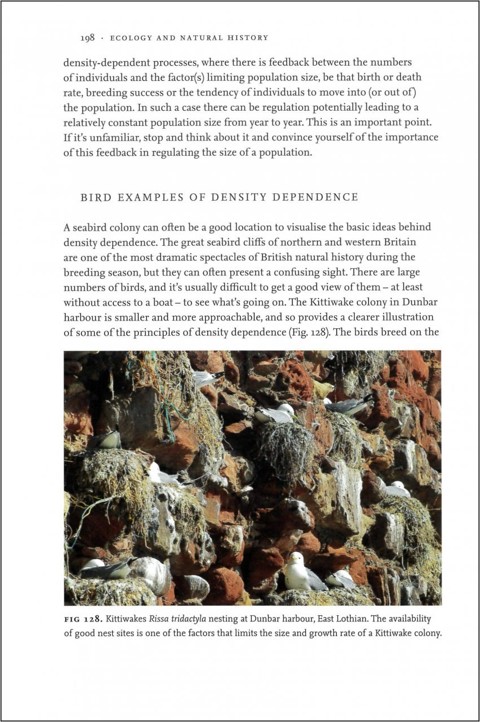
Because of the relatively early start of academic ecology in Britain the country has a number of very long running ecology field experiments. For example two I write about in the book are The Park Grass experiment at Rothamsted (started 1856) and the Godwin Plots at Wicken Fen (started 1927). Neither was started with the idea that they would run for 100 years or more – there is a large element of chance in their long-term survival. However, once an experiment has been running for a long time then people start to realise that such long runs of data are important and try and find the resources to continue them. More recent examples include (amongst many) the Buxton Climate Change Impacts Lab (which commenced in 1993 on limestone grassland in the Peak District) and grazing experiments set up in the Ainsdale Dunes system in Merseyside (started in 1974). But to be really long term requires luck and/or a succession of people determined enough to keep them going against the odds.

Finally, could you tell us about your plans for the future? Do you have any more writing projects lined up?

I have quite a list of books that would be interesting to write. The one I am most keen to do next is envisaged as a series of linked essays on ecology, evolution and the environment, as I would like to do an accessible general book that uses examples from around the world (rather than having the British focus of a New Naturalist). While I have an outline of the idea it’s in very early stages and I haven’t yet found a publisher for it. More long term another book that requires the extensive fieldwork that went in to the New Naturalist would provide a good excuse to not get trapped at a computer. I also have several ongoing ecological research projects.


Ecology and Natural History 
By: David M. Wilkinson
Hardback | Published June 2021 | £52.99 £64.99
Paperback | Published June 2021 | £27.99 £34.99


All prices correct at the time of this article’s publication.

Wilding for Conservation: new series in British Wildlife

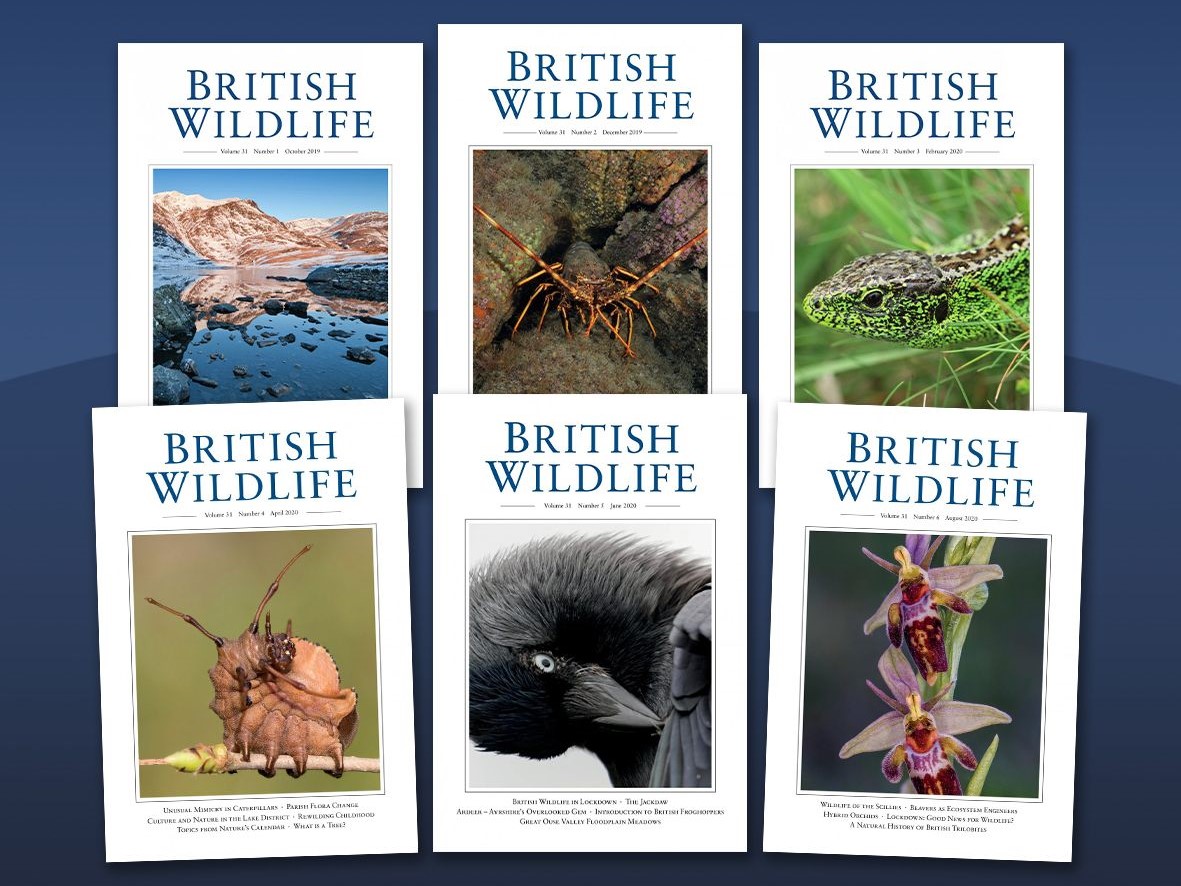
In a short space of time rewilding has grown to become a powerful force in conservation. The idea of giving nature the freedom and space to forge its own path is not just inspiring, but also raises deeper questions about our relationship with the natural world and how we best serve wildlife and ecosystems through a period of enormous challenge for conservation. To explore these and other aspects relating to rewilding, British Wildlife is launching a new series: Wilding for Conservation. The series started with two articles in the February issue, along with an editorial in which Series Editor Rob Fuller and BW Editor Guy Freeman explain how they hope to contribute to the discussion on rewilding and its role in conservation in Britain. An abridged and edited version of the editorial is included below.

The February issue of British Wildlife

Letting nature take back control

Deceptively simple in essence, rewilding resonates with something latent in many of us – a longing for a wilder world. It has captured the imaginations not only of conservationists, but also of landowners, policy-makers and, especially heartening, many young people too. Enthusiasm abounds for the idea that natural processes can be harnessed as solutions to some of our biggest environmental challenges, including climate change and biodiversity loss. Rewilding has rapidly become a central element in this ‘new’ thinking, with many believing that it offers a fresh start for what they see as an ineffective conservation movement presiding over catastrophic declines in nature. But what exactly is rewilding, and what is it not?

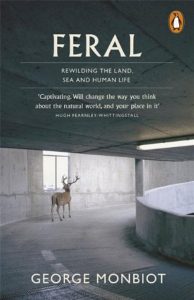
Rewilding emerged in the 1990s as a predominantly North American movement, but became strongly embedded in British conservation consciousness somewhat later, partly aided by the publicity surrounding several pioneering projects, such as Oostvaardersplassen, Ennerdale and Knepp. The publication of Feral by George Monbiot in 2013 undoubtedly also helped to fuel interest. In a remarkably short period of time, rewilding has spawned several conferences, bewildering numbers of papers and articles, several influential books and new organisations, notably Rewilding Europe and Rewilding Britain, founded in 2011 and 2015, respectively.

Interpretations of exactly what rewilding means have proliferated and often ranged far from the original concept. Most advocates, however, would seem to argue that it embraces natural processes without defined outcomes, and ideally operates over large tracts of land. In Britain at least, the enthusiasm for rewilding has met with some scepticism, even among conservationists, which may reflect disquiet about the absence of targets, a perceived threat to what has been achieved in the past, or simply confusion over what all the noise is about. One can legitimately ask whether the ideas are actually new or novel. Approaches guided by natural processes were being promoted long before rewilding became mainstream, while the merits of non-intervention versus habitat management have been discussed for decades in British conservation circles. What distinguishes the rewilding ideas that emerged in North America, however, is their focus on wild land on a grand scale, allowing the unhindered movement of animals, including large predators and their prey.

Discussions of rewilding in more heavily modified European landscapes quickly become entwined with questions of what can be classed as ‘natural’, the extent to which we should attempt to re-create historic environments, and the desirability and ethics of using species introductions to try to replicate processes that existed in the past as opposed to allowing ecosystems to develop a new kind of naturalness. Working to create wilder places for both people and nature is an admirable direction for conservation in Britain, but, given the constraints and small scale of many initiatives, ‘wilding’ perhaps captures their essence better than rewilding could.

Existing conservation approaches have not been able to prevent widespread declines in biodiversity over recent decades, although without them things could have been far worse. Some argue that rewilding (or wilding) is a way to set nature on a better course in our islands, but how can we be sure of this? There are severe limitations on land availability for conservation, especially in the lowlands, and the benefits from rewilding may not become apparent for many years. Are we approaching a point at which we need to rethink what kind of nature and wildlife we want?

British Wildlife has effectively been contributing to the ‘wilding debate’ through articles going back to a time when the ‘R word’ was unheard of on this side of the Atlantic. Notable early contributions include two from 1995, one vigorously challenging priorities in British conservation and arguing that greater attention be paid to more natural vegetation, and a second far-sighted article which echoes this from a different perspective and reads like a blueprint for much contemporary wilding. A special issue in 2009 was something of a milestone, containing a set of articles on naturalistic grazing and rewilding, stimulated by Frans Vera’s ideas about how large herbivores shaped pre-Neolithic landscapes. Topics tackled more recently include the nature of past landscapes, the definition of naturalness itself, reintroductions, natural regeneration of woodland and wilding in farmland landscapes.

Over the coming months, British Wildlife will be exploring the many facets of rewilding as they relate to conservation in Britain through a new series, ‘Wilding for Conservation’, a title which, we hope, captures the wide range of approaches to letting nature take back control. We start things off in the February issue with two pieces, one expounding a pure approach to rewilding , the other looking at relationships between traditional conservation management and rewilding . The series will examine some of the questions about rewilding raised in this editorial and bring ideas contained within the expanding scientific and cultural literature to a wider audience, while providing examples of what is happening on the ground in the UK and elsewhere. We hope that readers find the series to be thought-provoking and inspiring.

Articles in the Wilding for Conservation series will appear intermittently through 2021 and beyond. Individual copies of the February issue of British Wildlife are available to buy through the NHBS website, while annual subscriptions start from just £35 – sign up online here.

British Wildlife has expanded!

Editor, Guy Freeman

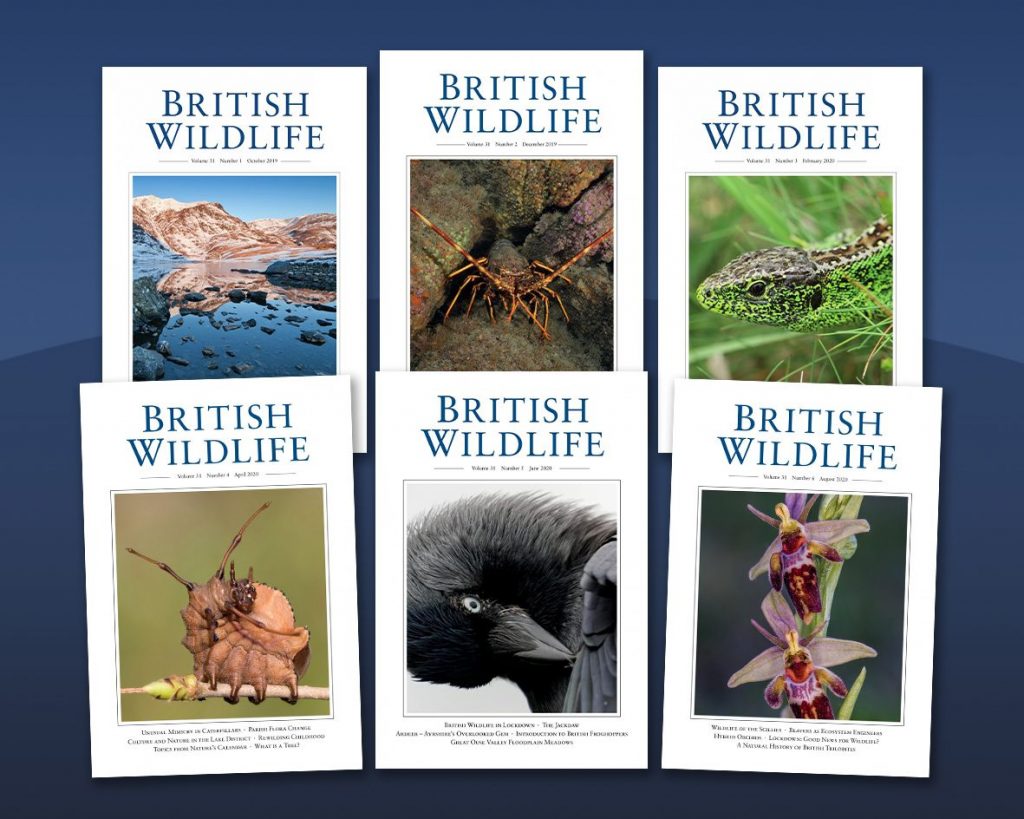
Since its launch in 1989, British Wildlife has established its position as the leading natural history magazine in the UK. NHBS first took on responsibility for publishing British Wildlife in 2016, and in August this year we were excited to announce that the magazine will be expanding, with the addition of two extra issues per volume. Here, British Wildlife’s Editor talks more about this change and highlights a small selection of the many fascinating articles published in recent issues.

This autumn has been a busy one for British Wildlife as, after 31 years as a bimonthly, we have begun our move to publishing eight times per year.

The main driver for this change has been the sheer volume and quality of articles we have received in recent years, and the sense of frustration at watching these sit on our hard drives for many months before they make it to print! The move to eight issues will speed up the publication process and, we hope, leave us better placed to track the most important developments in nature conservation. In a time of such rapid change, both in the fortunes of our wildlife and the world of environmental policy, the need for informed commentary and expert analysis is greater than ever. In British Wildlife, we will provide a forum for discussion of these topics while continuing, as always, to showcase the delights of natural history in Britain and Ireland.

Our additional space also provides the opportunity to bring further variety to some of our regular features, including through occasional contributions from guest columnists and expanding the coverage of our ever-popular wildlife reports section (see the October issue for our debut plant galls report, and look out for further additions over the next year).

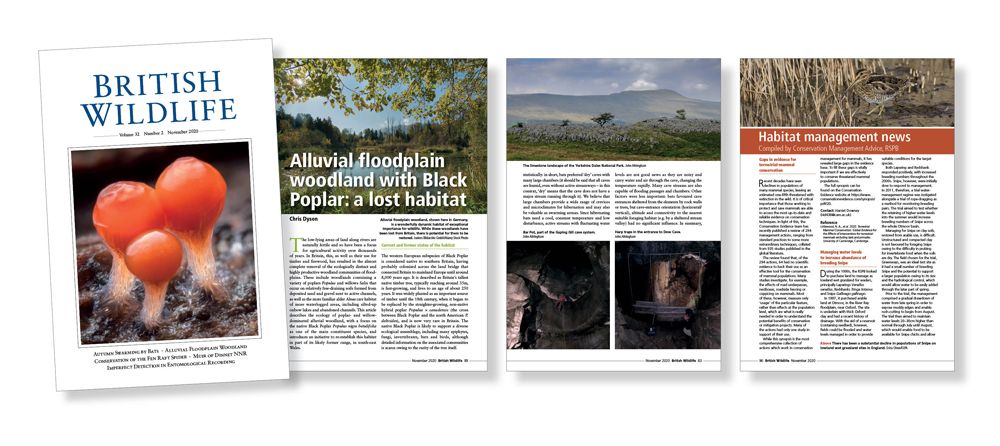
The first November issue of British Wildlife

As part of the expansion, last week saw our first ever November issue go to the printers. Subscribers can look forward to articles on a varied mix of subjects, including:

  • the story of discovery of autumn swarming by bats
  • the potential to create an alluvial floodplain woodland – a habitat lost from Britain – in the Usk Valley, in Wales
  • the conservation of one of Britain’s largest and rarest spiders, the Fen Raft Spider
  • the diverse wildlife and habitats of Muir of Dinnet National Nature Reserve, in Aberdeenshire
  • The limitations of photographs for identifying insects and the need for specialist recording

A number of other fascinating topics have appeared in recent months.

Highlights in October included an overview of the conservation and biology of the Critically Endangered European Eel – the most heavily trafficked wild animal in the world – along with a summary of the difficulties brought upon the conservation sector by the COVID-19 pandemic, and a detailed behavioural study of the common, yet often overlooked, Speckled Bush-cricket.

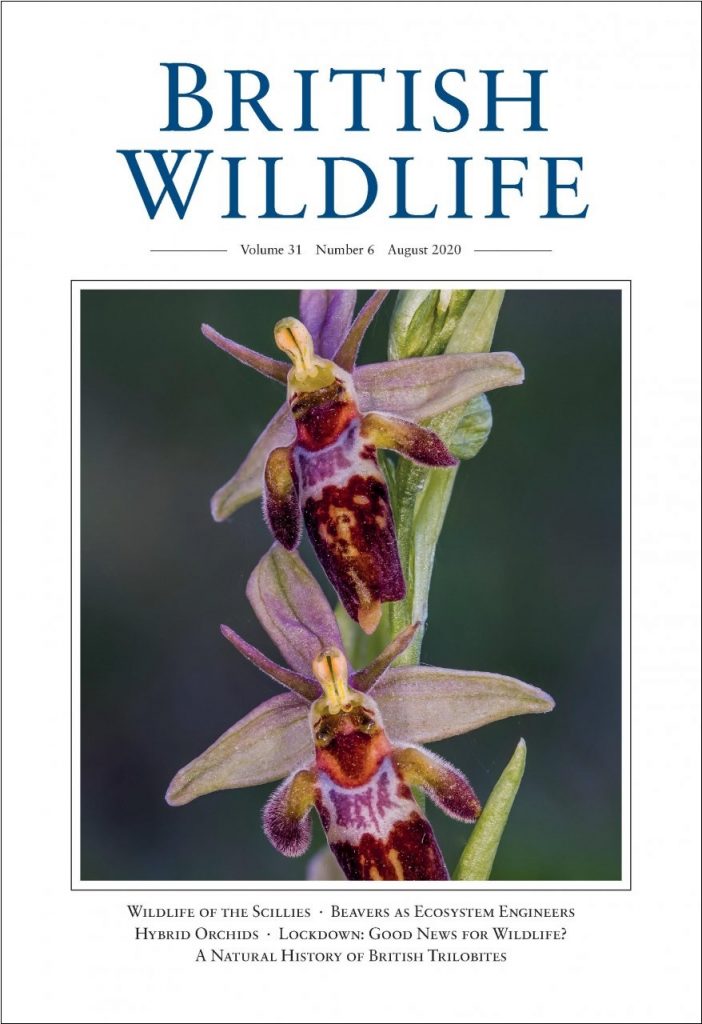
British Wildlife, August 2020

Our August issue explored the topic of island biogeography through the lens of the Scilly Isles and their unusual wildlife, the spectacular effect of beavers on wetland habitats, and the remarkable world of hybridisation between orchid species.

And in June, we covered the folklore and natural history of the Jackdaw, the amazing diversity of the Ardeer Peninsula, which is currently threatened by development, and the identification and biology of Britain’s ten species of froghopper, or ‘cuckoo-spit insect’.

The above includes just a small selection from recent issues – for a full list of articles and other features, visit the British Wildlife website.

Individual back issues of the magazine are available to buy through the NHBS website, while annual subscriptions start from just £35 – sign up online here.

If you know someone who might enjoy British Wildlife, gift subscriptions – complete with a free British Wildlife mug – are available through the NHBS website.

Author Interview: Andrew G. Duff, Beetles of Britain and Ireland Vol 3

In our latest Q&A we talk to Andrew Duff, keen naturalist and author of the new book Beetles of Britain and Ireland Volume 3, which joins a monumental 4-volume identification guide to to the adult Coleoptera of the Republic of Ireland, the United Kingdom of Great Britain & Northern Ireland, and the British Crown Dependency of the Isle of Man. By bringing together reliable modern keys and using the latest taxonomic arrangement and nomenclature, it is hoped that budding coleopterists will more quickly learn how to identify beetles and gain added confidence in their identifications.

Andrew has taken his time to answer our questions about his book and about the fascinating world of beetles.

 Aside from the most conspicuous species, beetles seldom seem to attract as much attention as some other insect orders. What is it that has drawn you to study this group? 

My initial attraction to beetles was by coming across some of the larger and more colourful species, as you might expect. The first occasion was in about the late 1970s. I was out birdwatching with my oldest and best friend, the Ruislip naturalist Mike Grigson, when he found a species of dor beetle. These are large black beetles, often found wandering in the open on heaths and moors. They have the most striking metallic blue undersides. Picking one up, Mike said to me: “beetles are really beautiful ”, and I can still picture him saying it. The next occasion was when I was assistant warden at the Asham Wood reserve on the Mendip Hills in Somerset, in the summer of 1982. The warden, Jim Kemp, was an expert mycologist with a side interest in beetles. One day we were on the reserve and he pointed out a black-and-yellow longhorn beetle sat on an umbel. I thought it was very exotic-looking, every bit as worthy of a naturalist’s attention as butterflies and orchids! So I resolved to find out more about the beetles found in Asham Wood. Bristol Reference Library had a copy of Norman Joy’s Practical Handbook of British Beetles and it was obvious that I needed to buy it. Once I had my own copy of ‘Joy’, there was no stopping me. I started finding beetles and was able to identify most of them. The more you study beetles, the more you realise that all of them have their own special kind of beauty, and this is what ultimately led me to become a coleopterist. That, and the intellectual challenge of identifying small brown beetles, are what continue to inspire me. 

 What motivated you to write and publish Beetles of Britain and Ireland?

Joy’s Practical Handbook of British Beetles was the standard beetle identification guide for at least two generations of British coleopterists, ever since its publication in 1932. Joy’s book provided concise keys to every British beetle in a handy two-volume set, one volume of text and one of line drawings. The trouble with this idea is that the keys were oversimplified and misleading because of all the detail that wasn’t included. By the 1980s ‘Joy’ was already long past its ‘best before date’. Talk started about somebody producing a successor set of volumes and the late Peter Skidmore made a start—after his death I was fortunate to obtain his draft keys and drawings, and in particular have made much use of his drawings in my book. Peter Hodge and Richard Jones then published New British Beetles: species not in Joy’s practical handbook (BENHS, 1995). This was a fantastic achievement because it brought together in one place a list of the species not included in ‘Joy’, as well as notice of recent changes in nomenclature and of some errors in his keys. But it was still only a stop-gap measure.

By around 2008 still nothing had been produced by anyone else. I reckoned it might be achievable and began to discuss with other coleopterists the idea of writing a new series of volumes. The turning point was a discussion with Mark Telfer at a BENHS Annual Exhibition in London. My main concern was over the use of previously published drawings in scientific papers, but Mark reassured me that provided the drawings were properly credited and that the book was clearly an original work in its text and design then it should not fall foul of any copyright issues. By 2010 I’d already made a start on Beetles of Britain and Ireland and in the summer of that year took early retirement so that I could work on it more or less full time. My own professional background is as a technical author in the world of IT and from the 1980s onwards I’d had extensive experience of what used to be grandly called desktop publishing, what we would now call simply word processing! I’d decided to go down the self-publishing route so that I could ensure the production values matched what I thought coleopterists would want: a book which was laid out clearly and would stand up to a lot of wear. It’s really for others to judge whether my volumes meet the needs and expectations of most coleopterists, but so far I’ve been pleasantly surprised at how well they’ve been received.

 How did production of this book compare to the previous volumes in the series? Was it difficult to bring together information on so many families exhibiting such a diversity of life histories?

As this is the third volume to have been completed I’d already learnt a lot about the best way to collate all of the material and summarise it, while trying to make as few mistakes as possible. The previous two volumes (vols. 1 and 4) were written in a rather erratic fashion, so that at any one time some sections would be more or less complete while others would not even have been started. This time I was determined to be more disciplined by starting with the first family, completing a draft which included the family introduction, keys to genera and species, and all of the line art illustrations, before going on the next family and doing the same again. In a way, having many families was an advantage because it meant I could use a ‘divide-and-rule’ strategy by breaking down a fauna of 1088 species into 69 smaller chunks. The fact that there are so many families in this volume didn’t generate any special problems, indeed families with only a few species like the stag beetles, glow-worms and net-winged beetles are relatively straightforward to document. But some of the family introductions were a challenge, insofar as some families are poorly defined taxonomically and hard to characterise in a way which would be accessible to amateur coleopterists. For example the darkling beetles (Tenebrionidae) exhibit a bewildering diversity which makes it well nigh impossible to say why a particular species is or is not assigned to this family. I made extensive use of the two-volume American Beetles (Arnett et al., 2002), which contains succinct summaries of nearly all of our beetle families, and this made my job a lot easier. But at the end of the day, the family diagnoses are not as important as the keys to genera and species. Most coleopterists won’t be coming to a particular family chapter as a result of methodically working through the key to families in volume 1. I imagine that in most cases people start by comparing their beetle with the colour plates, getting a shrewd idea as to what family it belongs to, and then going straight to the keys to genera and species. Picture-matching will always have its place in natural history, and I hope that Udo Schmidt’s 473 colour photos in this volume will be put to good use.

 This volume covers some of our most familiar beetles – the ladybirds and chafers, for example. What advice would you give to anyone seeking to extend their interest beyond these well-known families to the more ‘obscure’ groups? 

I would say that it largely depends on what kind of naturalist you are. What I mean by this is that there are two main ways of studying beetles, and you have to decide which path is right for you. On the one hand, many naturalists take photographs of beetles and by using the Internet or an expert validation service such as iRecord (www.brc.ac.uk/irecord/) they can usually achieve reliable identifications, at least to genus level, for medium-sized and large beetles. Some spectacular finds of beetles new to Britain have been found by general naturalists posting their images on the Internet, a very recent example being the flower-visiting chafer Valgus hemipterus, first posted to iRecord in April 2019 and already given the full works treatment in my volume 3. The problems start as soon as you try to identify smaller and more obscure beetles, because most of them are simply not identifiable from photographs. It’s not their small size and lack of bright colour patterns as such, so much as the need to view the underside, or the fore legs from a particular angle, or the head from the front, or the body orthogonally from directly above to ascertain the precise shape, which makes field photography impractical as a way to identify small beetles. So what you need to do is to go down the second path and start a beetle collection. This enables you to examine your specimen with a bright light source under a good stereomicroscope, turn it over to examine the underside, stretch out its legs to look for the pattern of teeth and spines, straighten it to measure its length and width, and if you’re feeling brave dissect out the genitalia which often provide the only definitive way to arrive at a species identification. Many naturalists balk at the thought of collecting beetles, but I would argue that the scientific value of having a comprehensive species list for a site outweighs any squeamishness I might feel about taking an insect’s life. In any case, my guilt is assuaged by the fact that insects are being eaten in their trillions every day, everywhere, by all manner of insectivorous animals and plants, so that the additional negative effect of my collection on beetle populations is vanishingly small.

Could you tell us a little about the process of compiling keys for the identification of the more challenging species? Were you able to draw upon the existing literature, or did you have to create them from scratch?

Some of the genera treated in this volume have been giving problems for coleopterists ever since the scientific study of beetles began. These are genera with a number of very similar, small and plain species that appear to have few distinguishing features. Nine genera in particular stand out for me as being conventionally ‘difficult’: Contacyphon, Dryops, Cryptophagus, Atomaria, Epuraea, Carpophilus, Meligethes, Corticaria and Mordellistena. It was always going to be a challenge for me to provide workable keys to these ‘nightmare nine’ genera, but I was keen to give it a go. It helps that I take a perverse interest in very difficult identification challenges, so I was motivated to come up with keys which would work. Fortunately I was able to pull together information from a variety of different sources until I had draft keys which could be put out for testing. The testing went through a number of iterations and by reworking the keys—for example adding my own illustrations, simplfying or reorganising couplets, or adding new couplets to account for ambiguous characters—they were gradually improved until I was happy with them. A second source of difficulty concerned the aphodiine group of dung beetles. The formerly very specious genus Aphodius was recently broken up into 27 smaller genera, and our leading dung beetle expert, Darren Mann, recommended to me that we should adopt the new taxonomy. This meant that I needed to construct a completely new key to genera, and that took a great deal of time and effort searching for characters. Incidentally I’d like to pay special thanks to Steve Lane and Mark Telfer for their advice and help with these difficult genera; I owe them both a great deal for their encouragement and support. The keys to challenging genera in this volume will certainly not be the last word on the subject, but I believe they are an improvement on previous keys.

 When gathering information on habitat and biology of the various families, did you notice any glaring omissions? Are there any families that could particularly benefit from further study?

Some of the families treated in this volume are well understood, in terms of their identification, ecology and distribution in Britain and Ireland. The scarab beetle family-group, jewel beetles, click beetle family-group, glow-worms, soldier beetles, ladybirds, oil beetles and cardinal beetles are all popular groups and have been reasonably well studied, while the ladybirds have received a huge amount of attention! But that accounts for just 13 of the 69 families treated in volume 3, and the remaining 56 families are in general much less well known. Modern identification keys in English already existed for some of the other families but for most the information is very basic. I would say that the biggest gap in our understanding concerns the synanthropic and stored-product beetles. Not only do amateur coleopterists rarely come across these species, but the information that has been gathered (mostly by food hygiene inspectors) has not been made publicly available. In a few cases it’s not even clear which country a species has been found in, and all we know is that it has been found at some time, somewhere in Britain. I would like to think that this group will one day be much better documented.

A particular favourite of mine are the silken fungus beetles (Cryptophagidae). This family contains two of the ‘nightmare nine’ genera: Cryptophagus with 35 species and Atomaria with 44 species. I’ve tried hard to produce workable new keys for these two genera, but their identification is never going to be easy and it will be necessary to validate records for a long time to come. But I hope that at least this family will begin to benefit from a greater level of interest, on the back of my new keys.

 There will be one more volume to come before this monumental series is complete – are you able to provide an estimation as to when that will come to fruition?

Volume 2 covers just one huge family: the rove beetles (Staphylinidae). This has been left until last for two good reasons. Firstly, the subfamily Aleocharinae, and in particular the hundreds of species in the tribe Athetini, are so poorly understood that it’s just not clear where the generic limits are drawn. This means I will have my work cut out trying to construct a new key to Aleocharinae genera. Preferably the key won’t involve dissecting out the mouthparts and examining them under a compound microscope, as we are expected to do now! Secondly, it has to be admitted that rove beetles are not the most exciting to look at. As publisher as well as lead author of my series of volumes it was always going to be difficult to sell a book which didn’t contain a lot of colourful plates. My plan all along, then, was to leave the rove beetles until last, in the hope that people would buy the book in order to complete their set! Volume 2 has already been started, and Udo has been working hard on the colour plates, but there is still a mountain to climb to complete the Athetini keys and illustrations to my satisfaction. My best estimate currently is that it will be published no later than 2024. Once that is done, and if I still have my wits about me, I suppose I’ll have to think about revised editions of the earlier volumes!
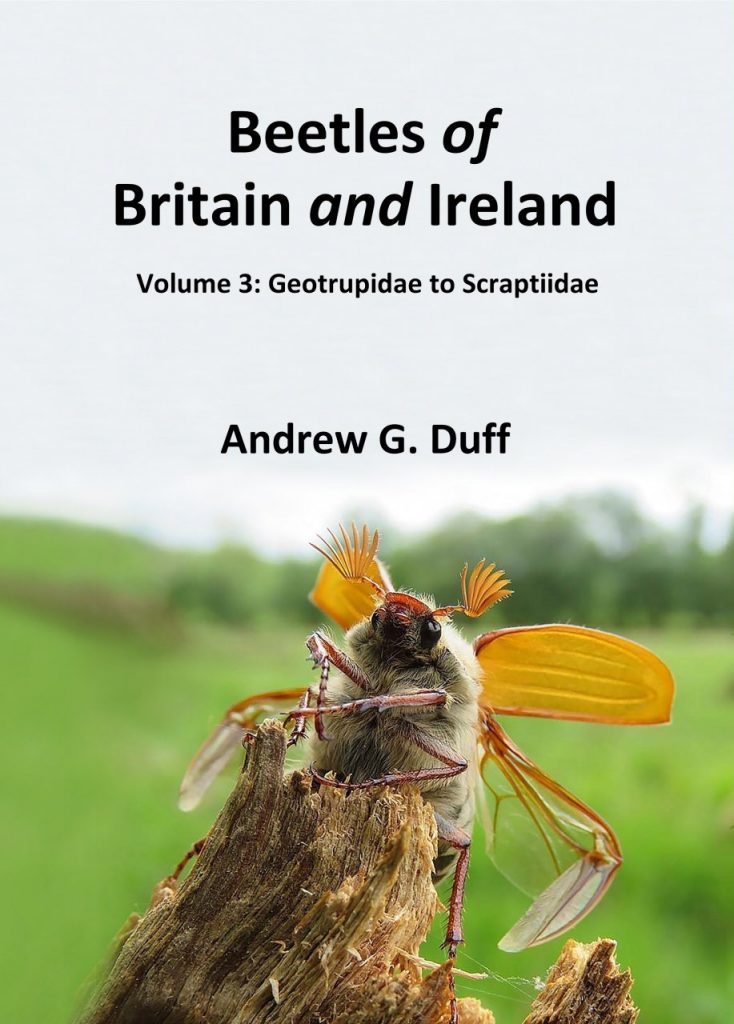
 

Beetles of Britain and Ireland: Volume 3 Geotrupidae to Scraptiidae

By: Andrew G.Duff
Hardback | Due July 2020| £109.00


Browse the rest of the Beetles of Britain and Ireland series on the NHBS website


All prices correct at the time of this article’s publication.