An amusing and light read
Of all the insects that have a PR problem, cockroaches must rank very high. That, however, did not stop German entomologist, journalist, and filmmaker Frank Nischk from spending a year-long internship studying them. In this book, he regales the reader with stories of his time in the lab and the field studying first cockroaches and later crickets. A light and breezy read despite the serious undercurrent of biodiversity decline, Of Cockroaches and Crickets turned out to be an entertaining read.
This book was originally published in German in 2020 as Die fabelhafte Welt der fiesen Tiere by Ludwig Buchverlag and has been translated into English by Jane Billinghurst who frequently works with Greystone Books. Carl Safina contributes a short foreword that cracked me up and immediately set the tone. The book is effectively a memoir of Nischk’s early years studying for his undergraduate and doctorate degrees in the mid-nineties, told in 18 short chapters in two parts. His subsequent career pivot to documentary filmmaking only receives passing mention.
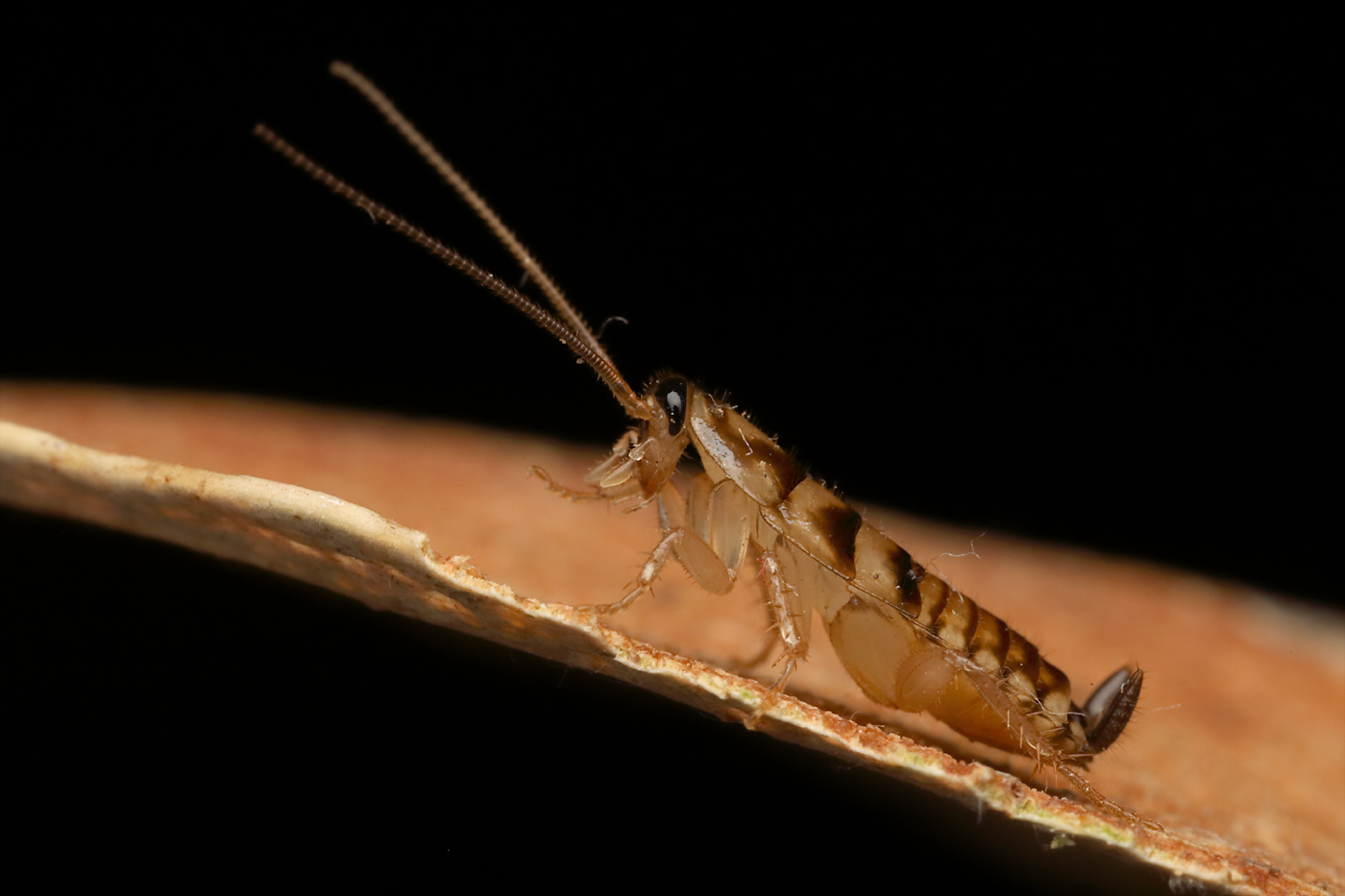
Given Nischk’s concern about biodiversity decline, and his desire to communicate to a broad audience why insects are fascinating and important, there is an irony to his undergraduate internship. He spent a year in the lab of Martin Dambach studying the aggregation behaviour of the German cockroach, Blattella germanica. By day, large groups of them bed down on their own excrement, likely attracted by pheromones released by the faeces. The irony? Nischk’s internship was funded by biotechnology giant Bayer which was hoping to isolate the chemicals responsible for putting the cockroaches in sleep mode to develop a pheromone-based cockroach trap: “the exterminator’s holy grail” (p. 25).
For his subsequent doctoral studies, Nischk got his conservation priorities in order. Staying with Dambach, he turned to crickets and spent time in Ecuador recording their songs. Next to discovering species new to science, this is his entry into the fascinating field of soundscape ecology or ecoacoustics. A small cadre of ecologists has been recording soundscapes of natural habitats. Bernie Krause (not mentioned here) is one particularly well-known example. By comparing recordings made years or decades apart they have shown how natural soundscapes are changing and often disappearing due to human encroachment. Others are hoping to train software to analyze recordings and identify species by their calls. If scaled up, the dream is to have passive acoustic monitoring stations in biodiversity hotspots around the globe.
This backbone of his research is livened up with personal anecdotes and interesting asides. A friend’s call about a wasp infestation in her kitchen drawer is an excuse to introduce the 18th-century French entomologist Jean-Henri Fabre who was one of the first European naturalists to systematically collect and study butterflies, beetles, and wasps. Getting stung by a bullet ant in the rainforest of Ecuador leads to an aside about the late entomologist Justin O. Schmidt, the man who got stung for science (and wrote a fine book about it too). Tracking down a particularly loud cricket in Ecuador is the starting point for an unusual case where entomologists helped to defuse international political tensions between the USA and Cuba (this story has a surprising twist that I will not spoil here). A botched attempt to eradicate cockroaches that escape his experimental setup backfires most spectacularly, while fieldwork in the tropics is always fodder for amusing cultural misunderstandings and sober reflections. There is a nice mix here that never dwells on any one topic too long and makes for a book that is hard to put down.
The third and final part is, perhaps surprisingly, comparatively the weakest of the book. In four chapters Nischk muses on the biodiversity crisis, particularly the still poorly understood decline of insects, and discusses examples of individuals and organisations who are creating and protecting wildlife habitat. Probably most interesting are the little-known grassroots initiatives in Ecuador that are undertaken by villagers and farmers turning to ecotourism. But is this really the answer? Or does it merely perpetuate the idea that nature can only be protected if it has monetary value? You will not find a critical or comprehensive analysis of wildlife conservation here. There is also an odd focus on projects in the USA, e.g. the High Line in New York, the Xerces Society, Joan Maloof’s Old-Growth Forest Network, and the Yellowstone to Yukon Conservation Initiative. I wonder if this was added for the English translation. There is no mention of e.g. the European Natura 2000 network of protected areas or E.O. Wilson’s bold call to protect half the planet, and only passing mention of the German environmental organisation NABU or the practice of rewilding. Putting aside such nitpicking, none of this takes away from his genuine concern about the ongoing loss of biodiversity nor from his conclusion that the key to protecting species is protecting their habitat.
Overall, Of Cockroaches and Crickets is an amusing and light read that I devoured in a day. Nischk offers a nicely balanced blend of interesting natural history, amusing personal stories, and captivating scientific research. Whether it is flies, wasps, or rats, we need more books that celebrate those species we all too readily dismiss as pests.
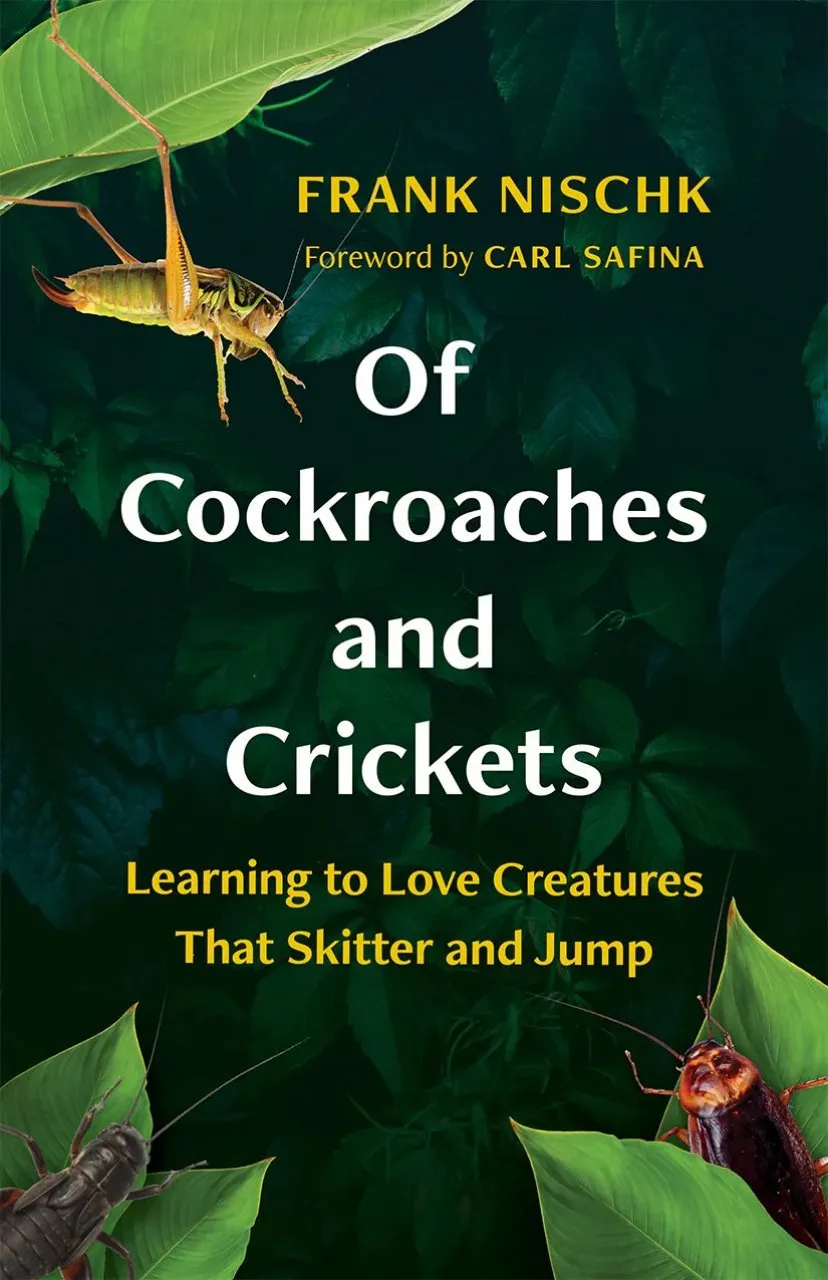 Of Cockroaches and Crickets is available from our online bookstore.
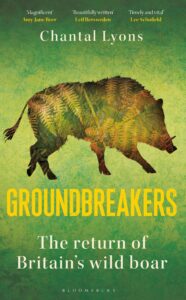
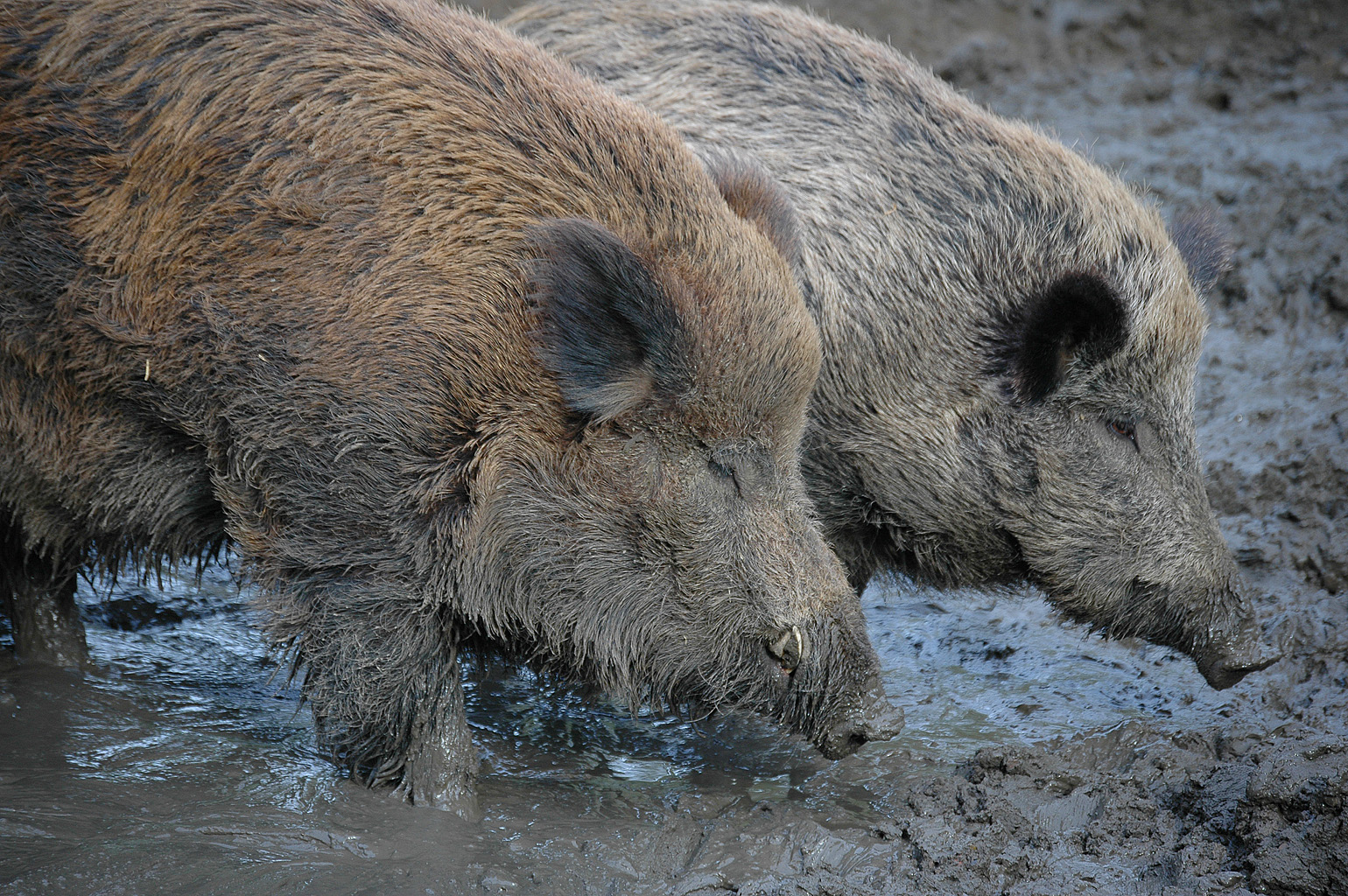
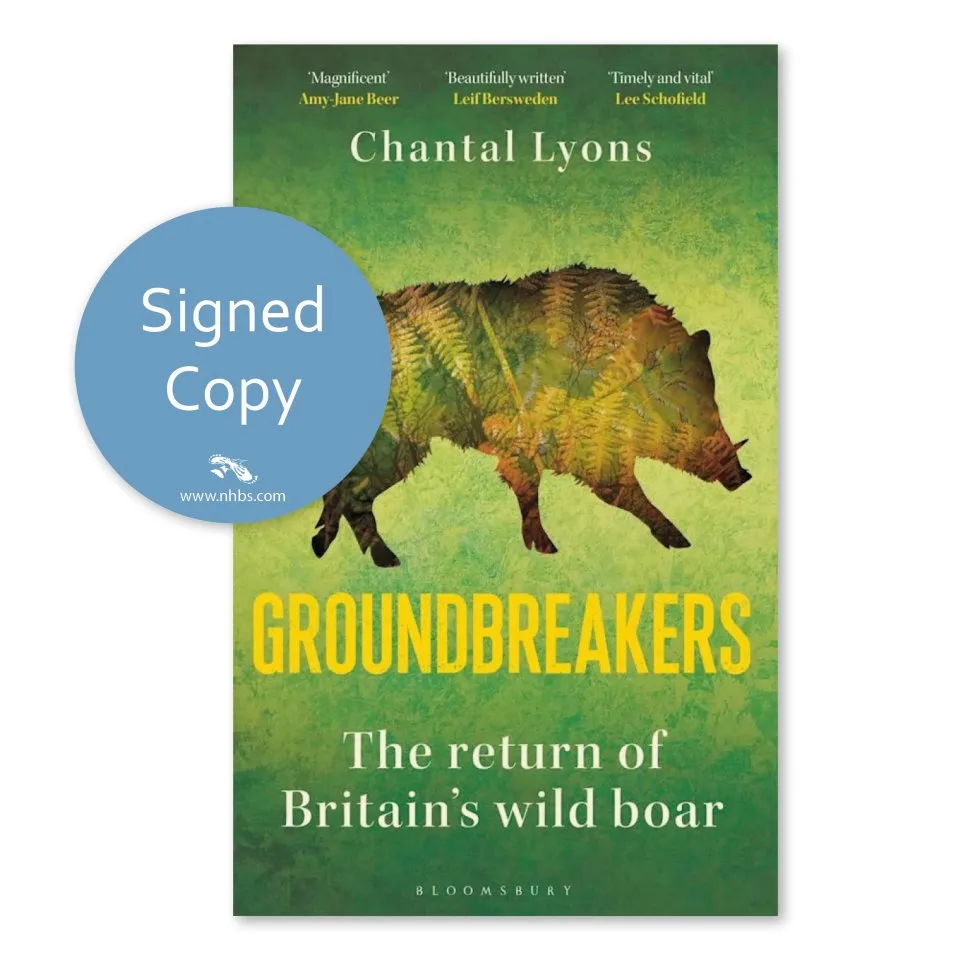
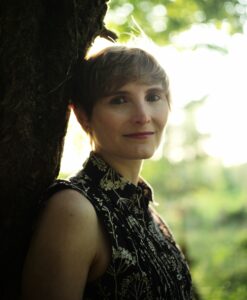 Chantal Lyons is a naturalist, writer and science communicator. Having grown up in the tidy countryside of Kent, her encounters with the growing rewilding movement opened her eyes to the potential for restoring nature in Britain, and inspired her to study the relations between people and Wild Boar in the Forest of Dean. She currently lives in Cheltenham, never too far from the boar.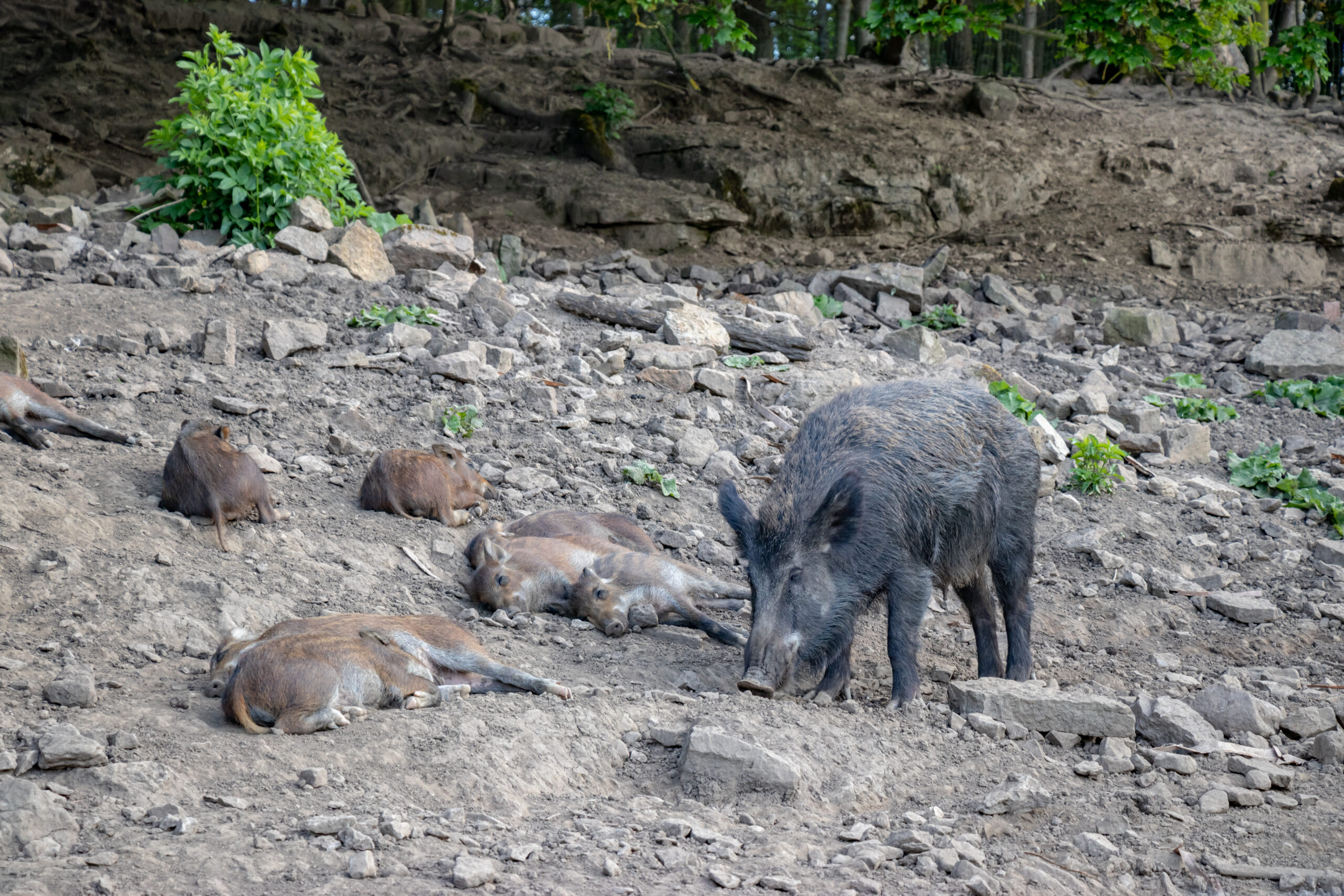
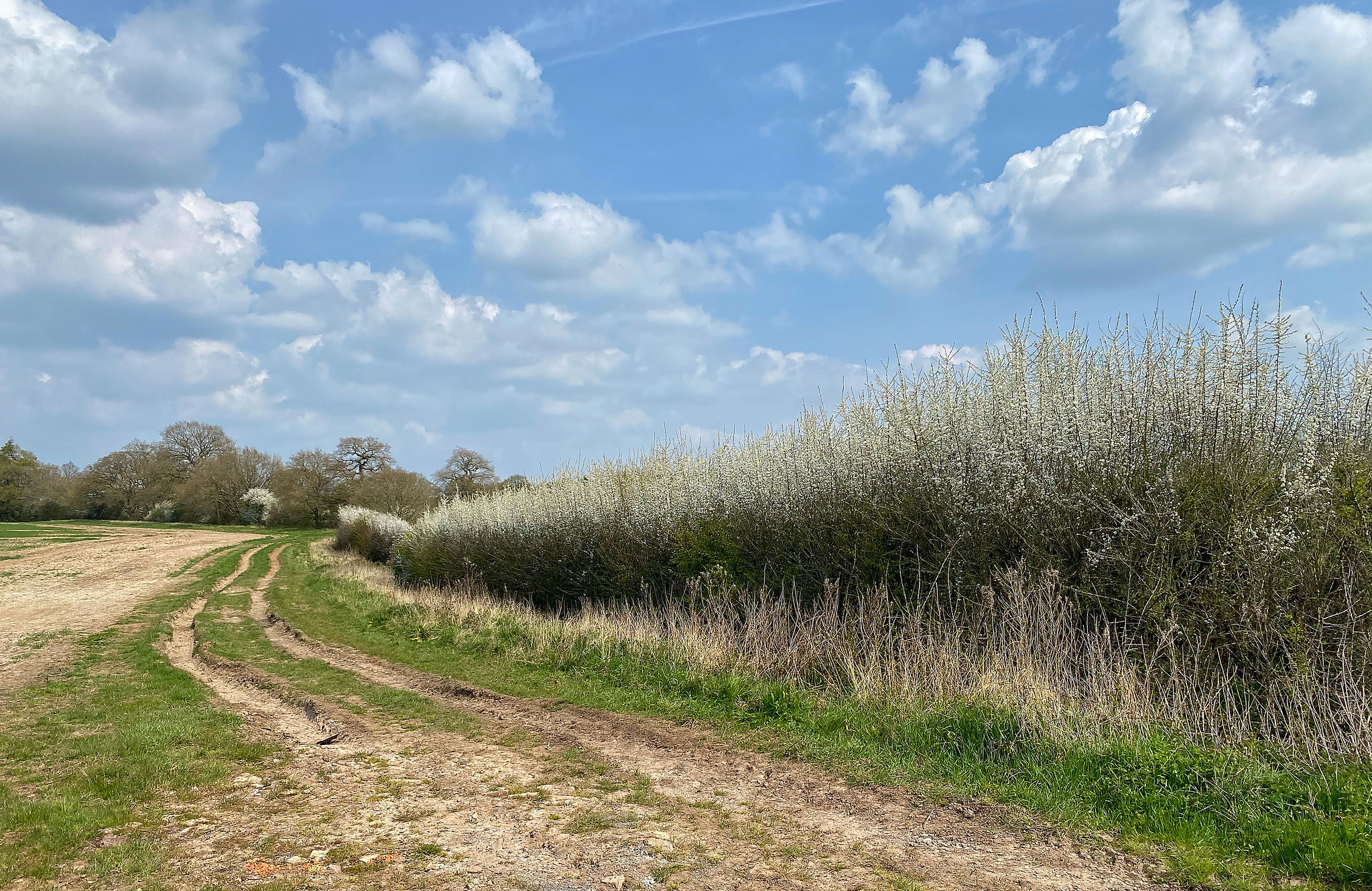
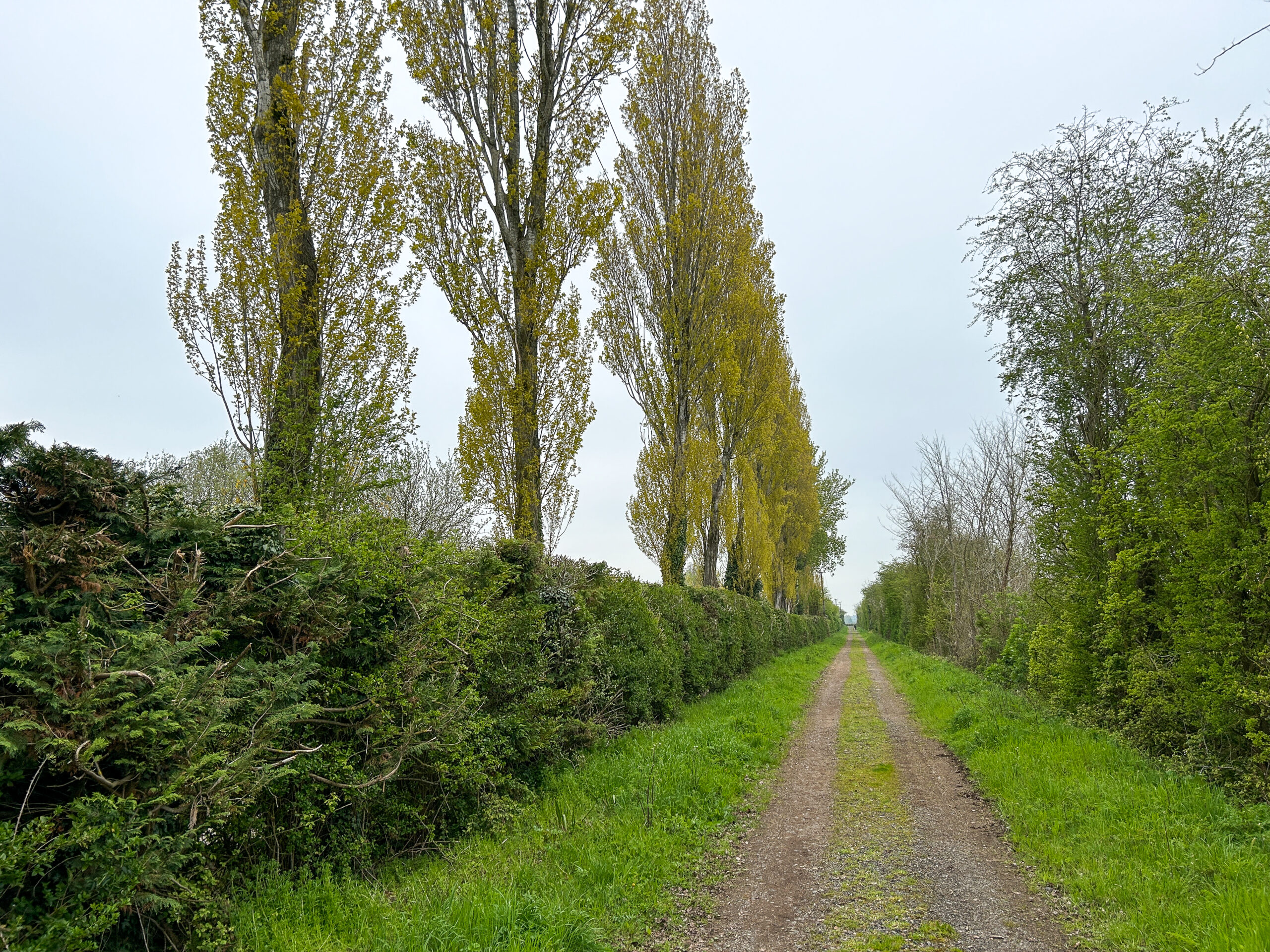
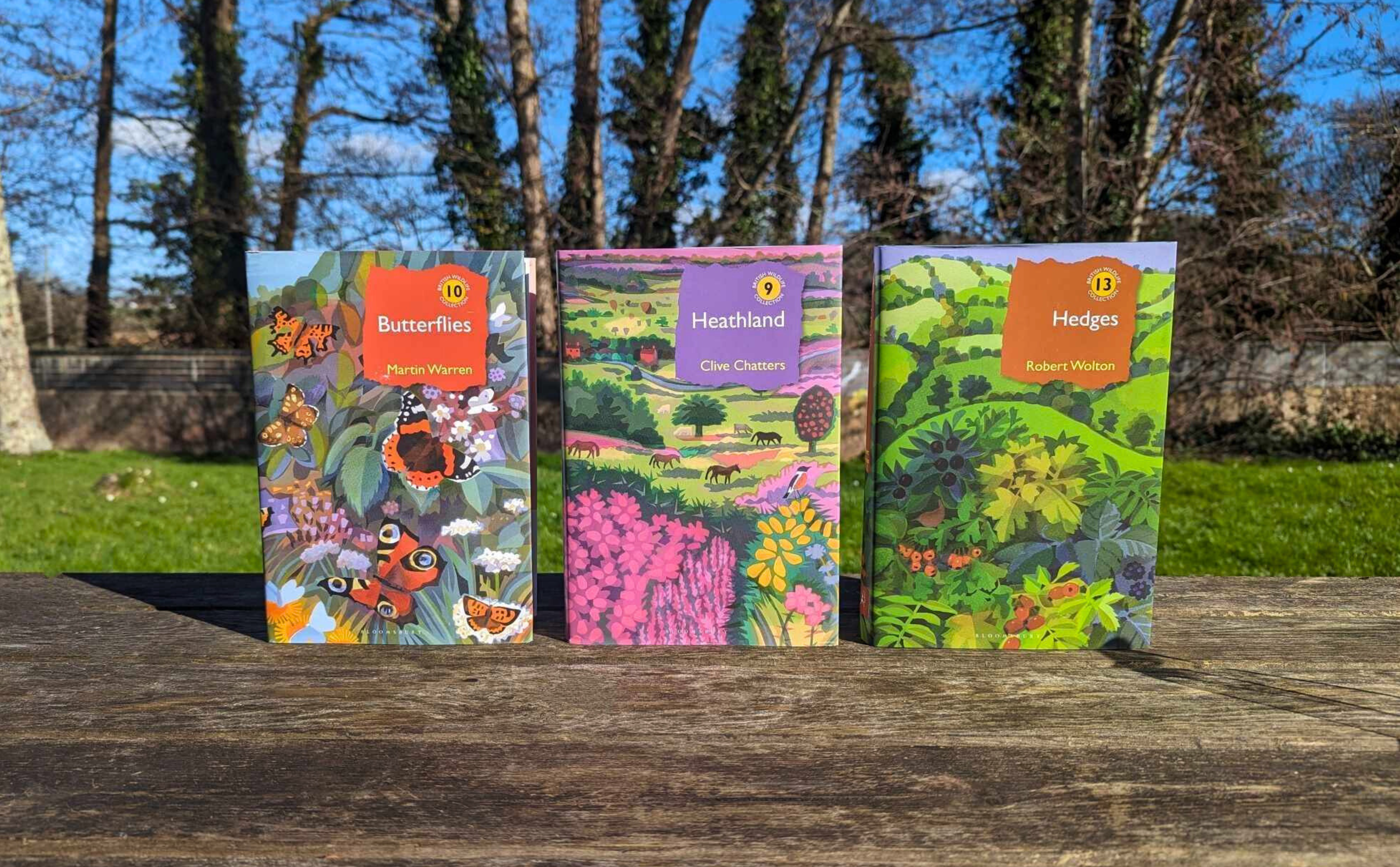
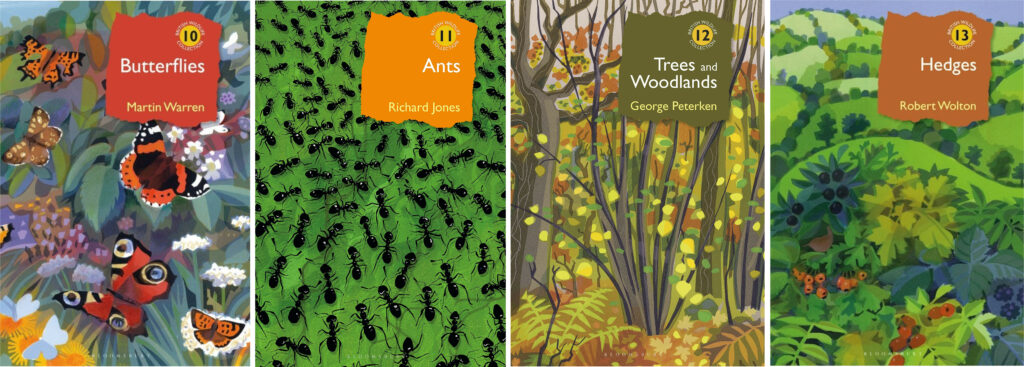
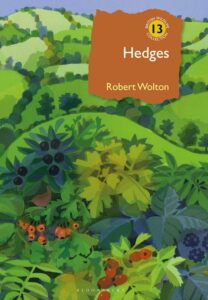 In Hedges, Robert Wolton brings together decades of research and personal experiences from his farm in Devon to explore the ecology, biology, nature conservation and wider environmental values of the hedges in the British Isles. Containing over 300 photographs and figures, this latest addition to the British Wildlife Collection offers a detailed commentary on hedges and their importance in our landscape.
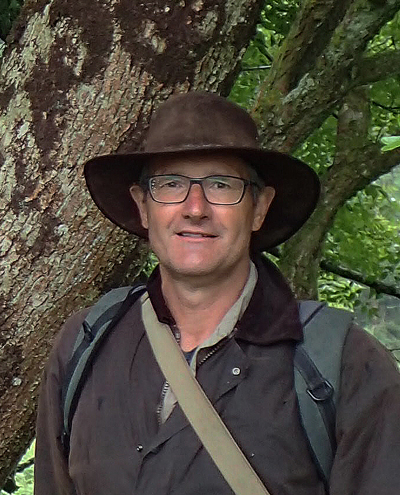
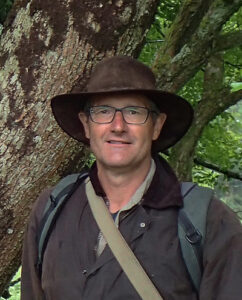 Robert is an ecological consultant and writer specialising in the management of farmland and associated habitats for wildlife. He is a former hedgerow specialist for Natural England, the founder, chair, editor and lead author of the Devon Hedge Group, has been involved in Hedgelink since it began, and has written a number of reports and articles specialising in hedges.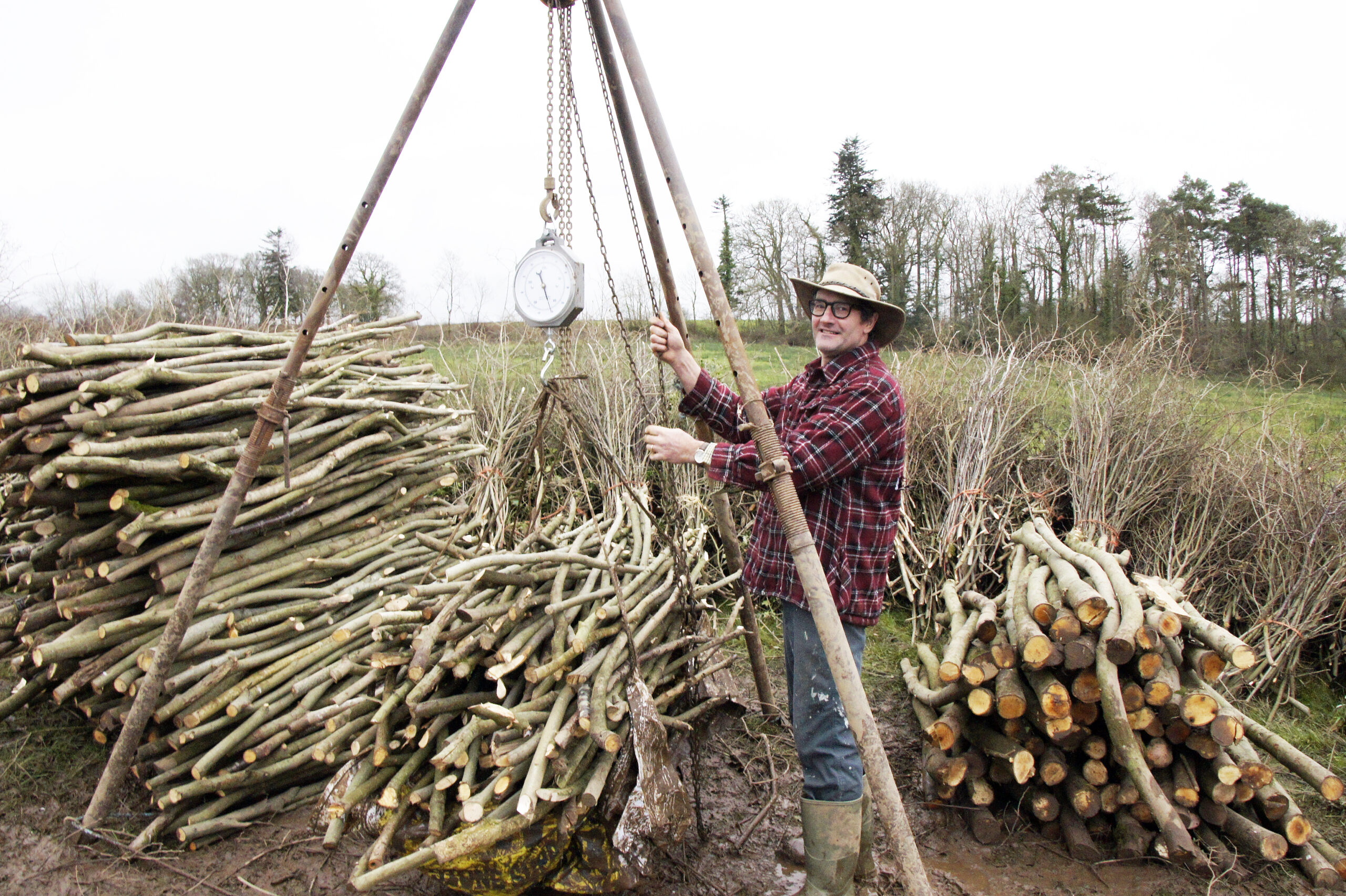







 What has stayed the same?