Often perceived as a pesky weed in garden lawns, clovers are low-growing, common plants belonging to the family Fabaceae – also home to beans, peas and legumes. These drought resistant plants can be found throughout Britain and Ireland in a range of habitats and are key food sources for a number of pollinators.
Here we look at a selection of clovers found in Britain, highlighting their identifying characteristics and where they can be found.
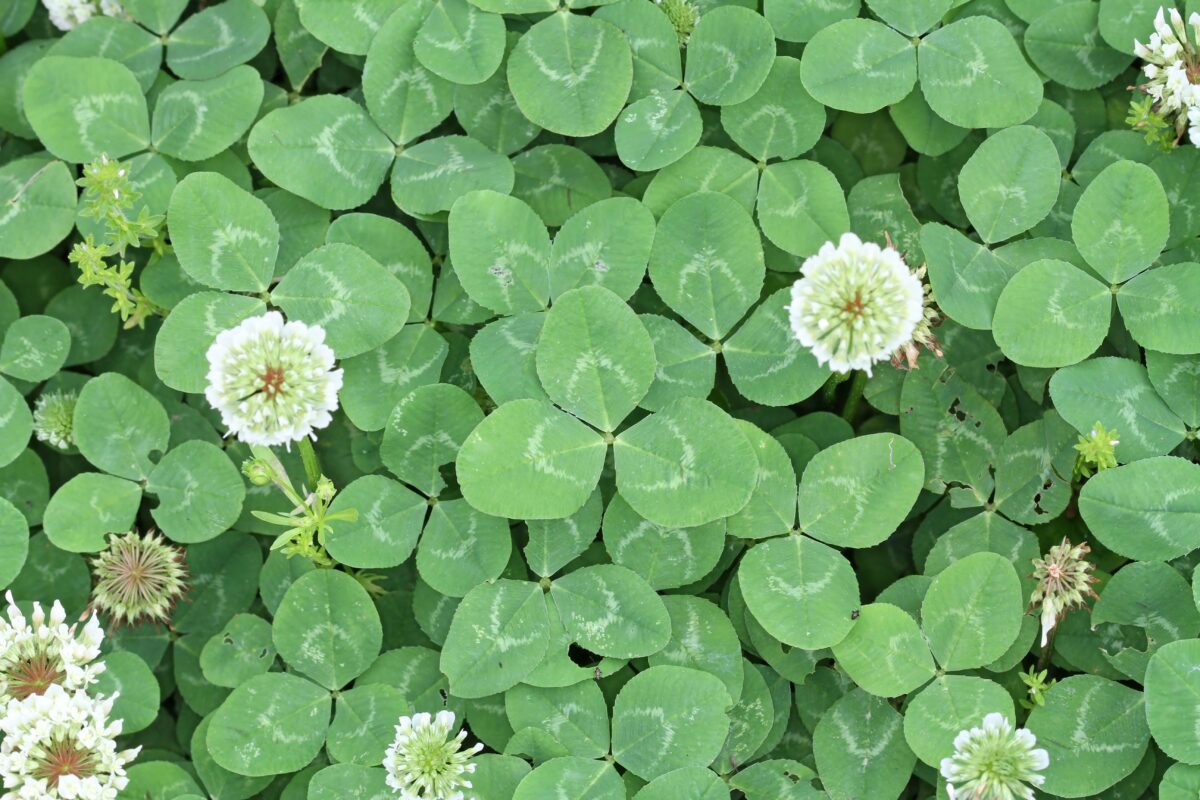
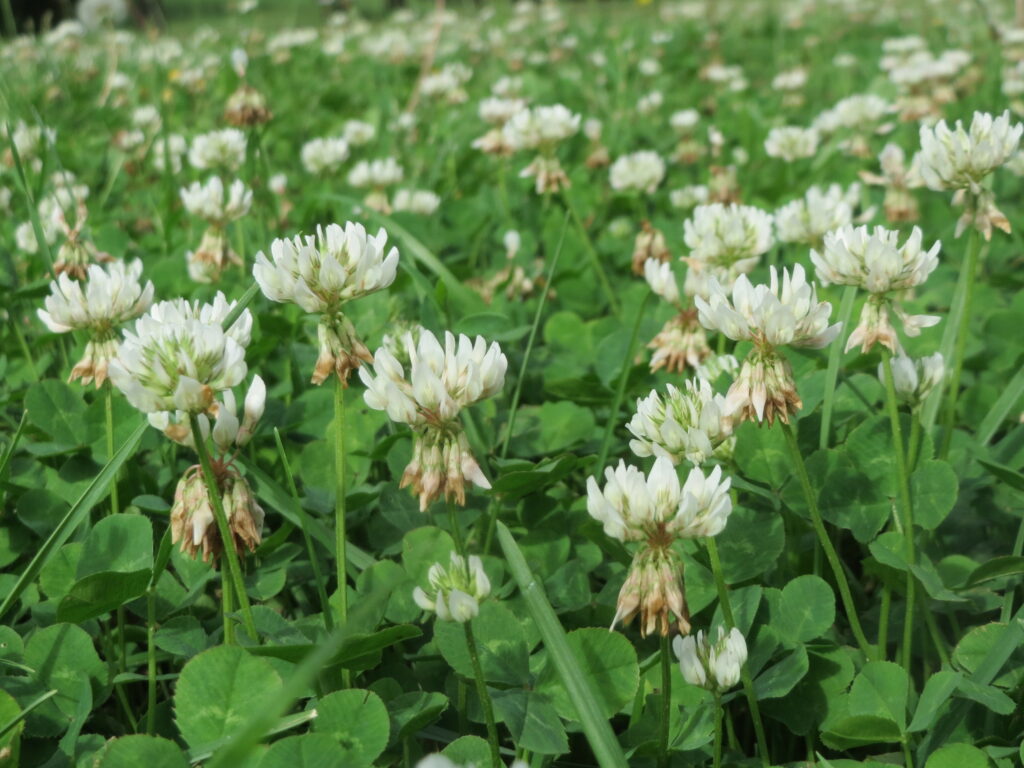
ID Notes: A familiar ‘weed’ of grassy spaces, the White Clover is easily recognised for its distinctive trefoil leaves – three leaflets bearing white markings. The flowers are white, sometimes pink toward the tips, with rounded heads made of many tubular blooms. Left to grow, this plant can grow up to 40cm in height, and is associated with Common Blue Butterflies (Polyommatus icarus) and bumblebees.
Distribution: Common and widespread throughout Britain and Ireland. This plant can be found in grassy areas from May to October, including gardens, roadsides, meadows and parks.
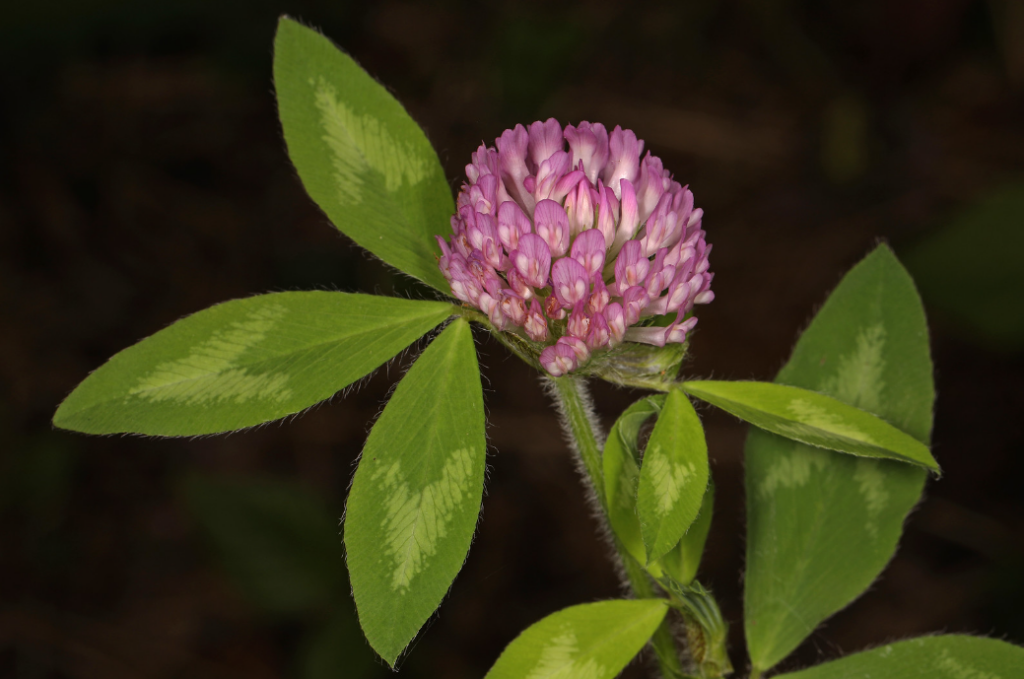
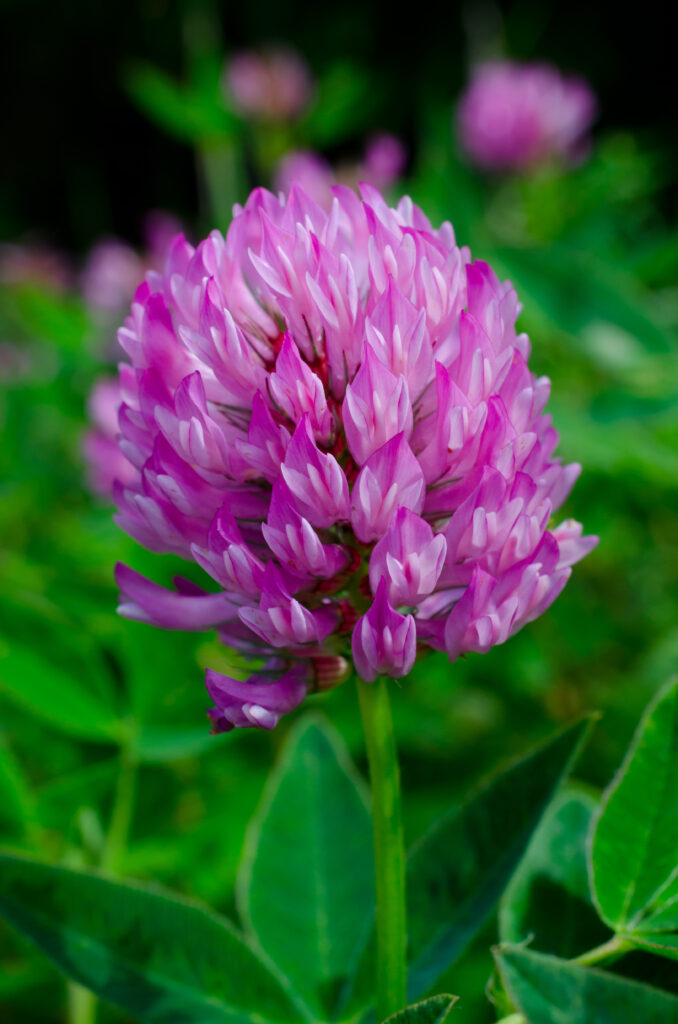
ID Notes: Similar to White Clovers, this species has three green leaflets bearing white markings, often ‘V’ shaped. The rounded flower heads bear pink/red flowers, forming clusters that are 2–3cm across.
Distribution: Common and widespread throughout Britain and Ireland. This species will flower from May to October, and can be found in gardens, meadows, parks and roadsides. It is also sown as a fodder crop for livestock, so can be found in open pasture.
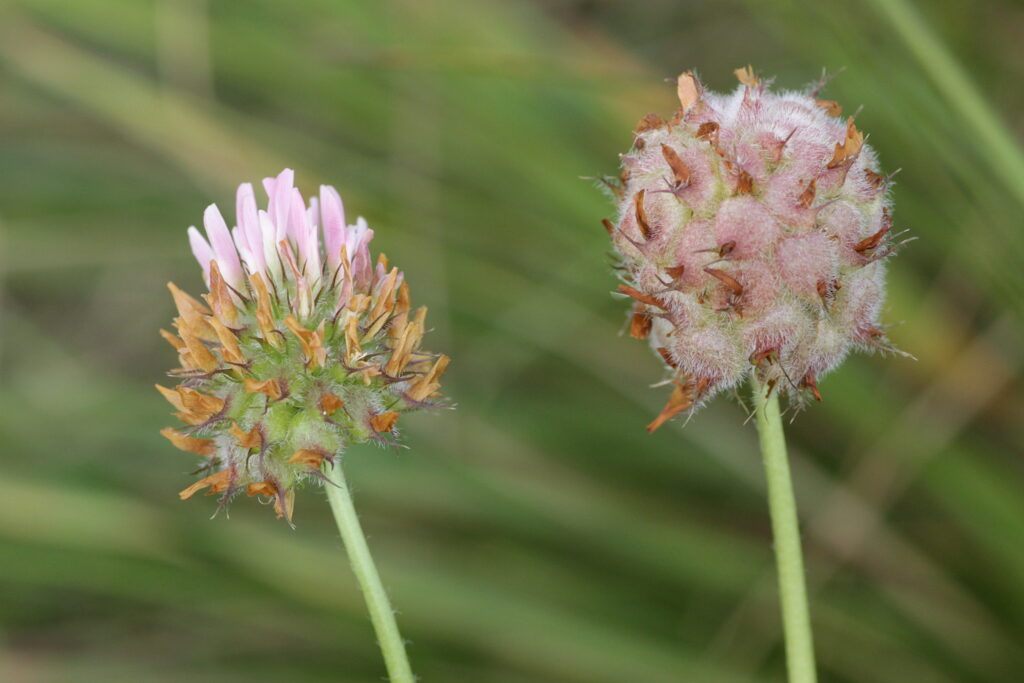
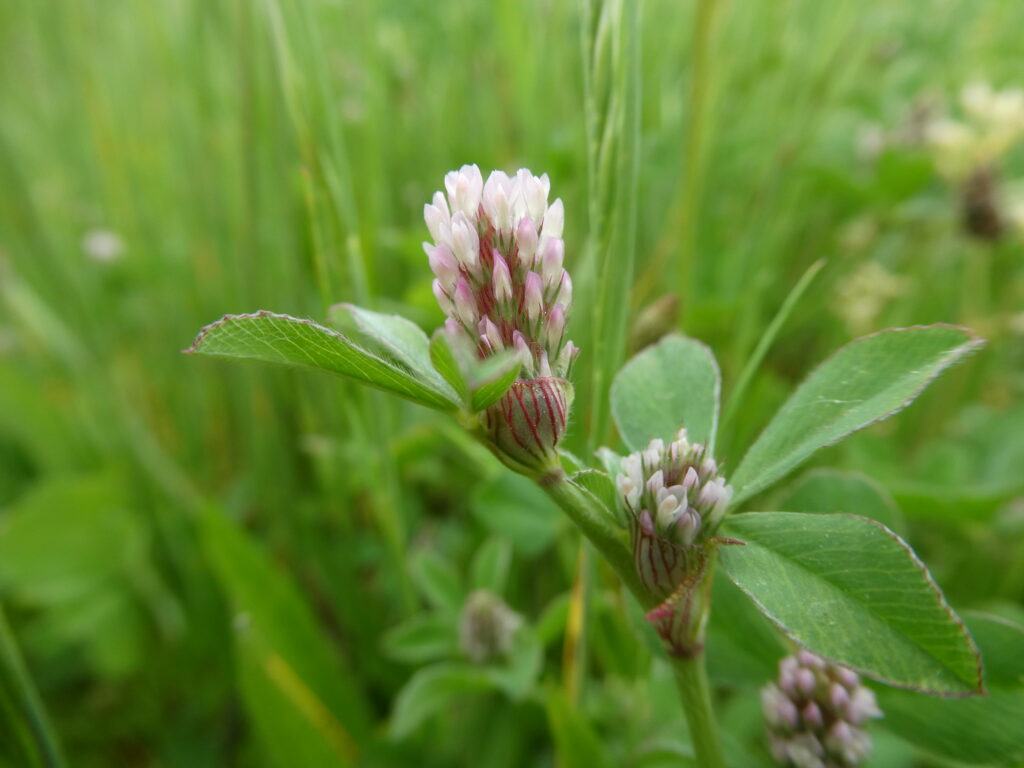
ID Notes: The Strawberry Clover has a densely packed flower head, brimming with pink-red pea-shaped flowers that turn darker throughout the growing season. The leaves have three leaflets, and the fruit resembles a pale raspberry.
Distribution: Common in the south-east of England, it is found both inland and at the coast. Throughout Wales and northern England, this plant is mostly found coastally. Strawberry Clover can be found in fields, gardens, grassland, woodland and rocky areas.
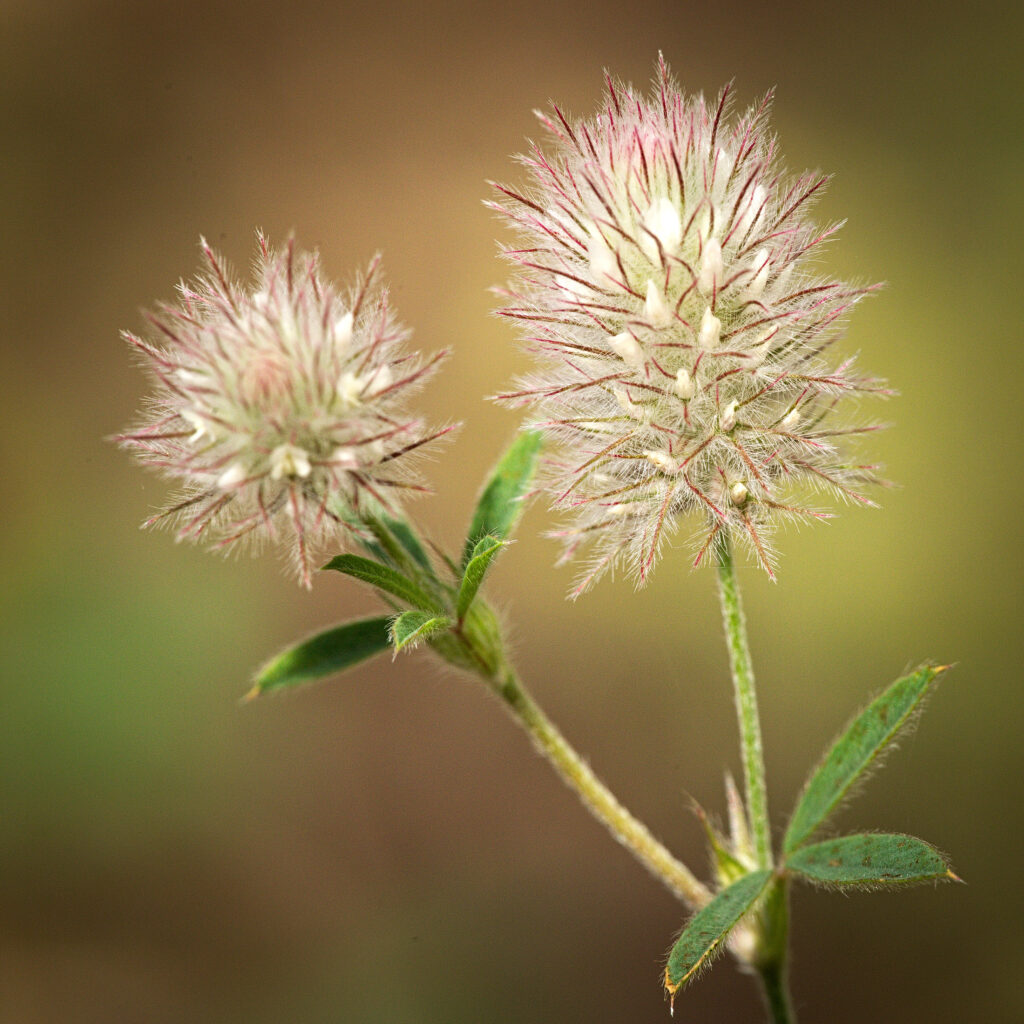
ID Notes: These pale pink flowers (2–3cm in size) are covered with small soft hairs giving it a cottony appearance, like a hare’s paw, as the name would suggest. The trifoliate leaves are divided into three leaflets, narrower than other clovers and covered in fine hair. The stalks are also covered in fine, white hair.
Distribution: Fairly common in England and Wales, with a preference for coastal areas. Hares-foot Clover is uncommon in Scotland and Ireland. It can be found from June to September in dry grasslands, meadows, sandy soils and coastal areas.
ID Notes: Up to 15mm across, the flowers of a Knotted Clover form pale pink (or white), ovoid flowerheads. The leaves are hairy on both sides and are divided into three toothed leaflets. This clover is easily distinguished by the knotting visible along the stem.
Distribution: Widespread throughout Britain. Mostly found flowering at coastal sites between May and July, it can be found on beaches, fields, grassland, meadows, roadsides and sand dunes.
ID Notes: A dense flowerhead up to 3.5cm across, the Zigzag Clover is similar to the Red Clover, except that it has darker, reddish-purple flowers and spreading flowerheads. The leaves are longer and narrower, with less hair than other clovers and the stem is distinctively zigzagged allowing for easy identification.
Distribution: Common in England, Wales and Scotland, except the far north. Zigzag Clover can be found from May to July in gardens, grassland, roadsides and verges, often on poor soil.
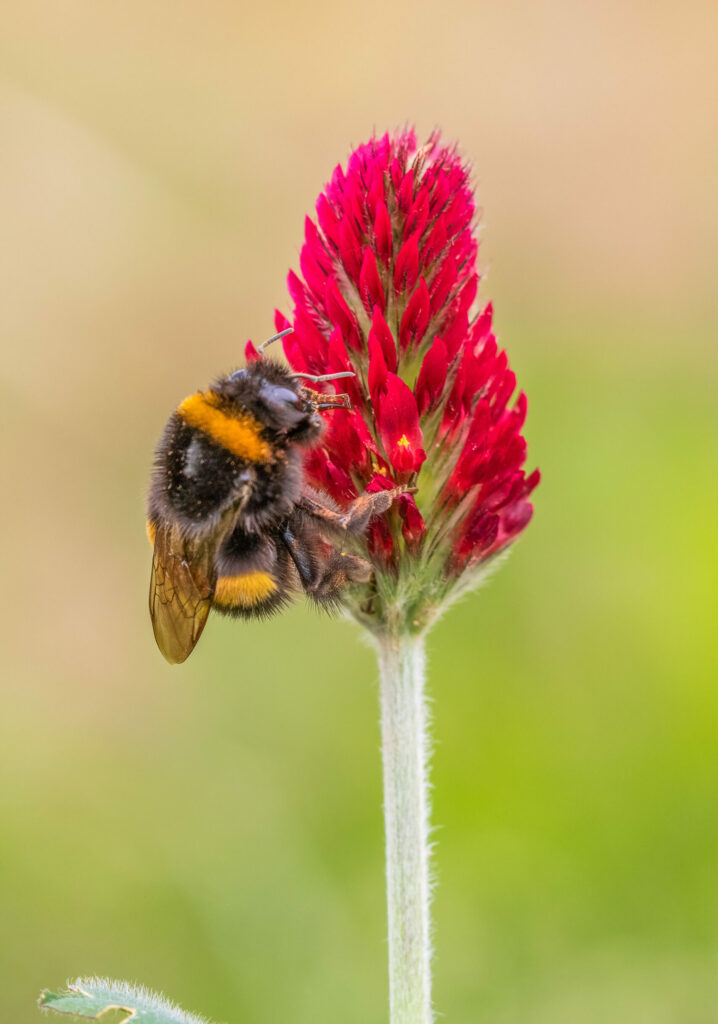
ID Notes: This plant produces dense, conical-shaped heads of vibrant red flowers. The blooms of Crimson Clover are very attractive to bees, forming a close association in spring and summer. The stem and leaves are hairy, the latter composed of three leaflets.
Distribution: Not commonly seen in Britain. This species is mostly found from May to September in grasslands, gardens, cliffsides and meadows in the south of the UK.
Global temperatures have hit 1.5°C above the pre-industrial era average for 12 consecutive months. Analysed by the Copernicus Climate Change Service, data revealed that July 2023 – June 2024 were the hottest 12 consecutive months on record – an average 1.64°C higher when compared to the pre-fossil fuel era (1850–1900). Analysis suggests that these results are not an anomaly but are instead consistent with a shift in the global climate.
A court has ruled that the rights of the Machángara river have been violated in Ecuador. The ruling was based on constitutional rights for natural features, where Ecuadorian authorities recognise the rights of natural features to remain unpolluted and undegraded. A wide range of contaminants and pollutants are released into the river, including untreated wastewater and litter, resulting in an average oxygen content of 2% which has inhibited the survival of aquatic life in the region. Although the ruling has been appealed by the city government, the court has ruled that a remediation plan will be required.
Science
Researchers have identified artificial light on coastlines as another threat for marine ecosystems. A study has shown that artificially lit areas can attract 2–3 times more fish compared to areas of natural lighting. It is thought that juvenile fish are attracted to congregations of plankton in these well-lit areas and are picked off by predators who are also attracted to the light. Nearly a quarter of the world’s coastline was artificially lit when it was last surveyed almost a decade ago, and the extent of the lighting is likely to have continued to increase since then. This issue has the potential to impact the breeding success of a range of marine species.
Ants have been found to amputate the legs of their nest-mates to boost survival. Researchers have found that Florida Carpenter Ants (Camponotus floridanus) will perform life-saving amputations on others, the first non-human animal found to do so. The colony was also found to cater their choice of care to the injury at hand and were observed ‘treating’ injuries through intensive licking. Ultimately, a survival rate of 90% was observed following amputation, and 75% with treated wounds. These ants are one of the few animals, aside from humans, that have been found to actively tend to the injuries of their own species.
For the first time, we are farming more seafood through aquaculture than we catch from the wild. The 2024 State of World Fisheries and Aquaculture (SOFIA) report was released in June and reported that overfishing increased and sustainable fishing declined over 2024 (+4% and –2%, respectively), while overall production rose by over 4%, producing an all-time high of 223 million metric tons of fish. The SOFIA report concluded that progress towards more sustainable fisheries is not moving fast enough, or has regressed to less sustainable practices, and global fisheries management is failing to support these practices when harvesting wild fish stocks.
Wildlife
Bee colonies in north east England are suffering from the worst disease outbreak in a decade. American Foulbrood (AFB) has been reported in more than 30 colonies in a 10km area, the biggest outbreak since 2014. The disease is caused by bacteria that infect the bee larvae, eventually spreading through the hive and resulting in the death of the colony. A spokesperson from the Cleveland Beekeepers Association has labelled the outbreak as ‘worrying’ but believes the disease is under control.
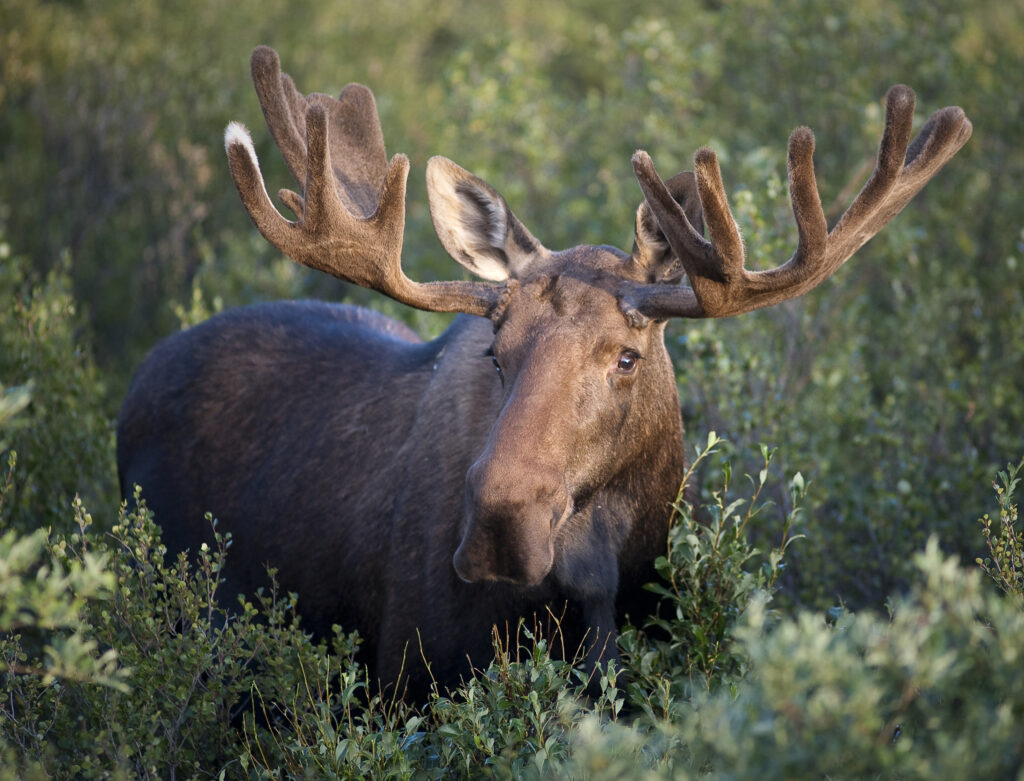
Bull Moose by Denali National Park and Preserve via Flickr
Human-wildlife conflicts are emerging in Colorado as Moose (Alces americanus) populations extend their range. Introduced to the state in the 1970’s, Moose are now moving into more urban areas from the woodlands and mountain ranges across the state, increasing the frequency of deadly human-wildlife conflicts. The number of recorded Moose attacks each year surpasses the number of puma and bear attacks combined, though Moose are less abundant in the area. Colorado reported three incidents in a fortnight in 2022, and over 59 animals were killed in road traffic accidents that same year. At risk of reaching unsustainable levels, the species could be subject to culling and contraceptive intervention in the future to prevent damage to the landscape and its keystone species.
Recently, Wildlife Acoustics and Bat Conservation International partnered together to host a webinarhighlighting the use of bioacoustics in bat conservation across the globe. The webinar featured three case studies tackling the impacts of white-nose syndrome, habitat loss and climate change with the help of bioacoustic technology. Here, we provide a summary of these case studies and the applications of acoustic monitoring in these investigations.
Florida USA, Dr. Melquisedec Gamba-Rios
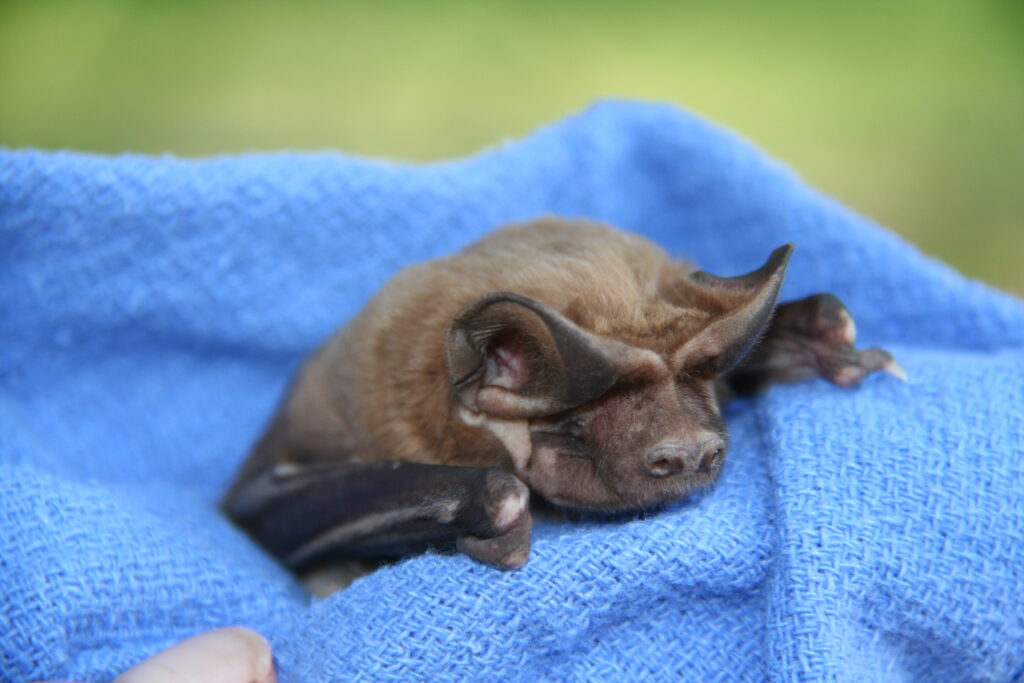
Endemic to the region, the Florida Bonneted Bat (Eumops floridanus) is increasingly threatened by habitat loss from sea level rise and destructive development. This species has one of the smallest ranges in Southern Florida and utilises old tree cavities and large, open spaces for roosting and feeding. Dr. Gamba-Rios and his team sought to identify critical habitat for this endangered species using bioacoustics, hoping to support their fragile populations.
The team used acoustic recorders to identify key roosting and feeding areas for the species. Interestingly, they found that Miami’s zoo, golf courses and tropical parks had high numbers of Florida Bonneted Bat calls. The research showed that the large, open areas surrounded by forest and absence of artificial light of these locations provided an ideal foraging space for the species.
Since these bats require older, cavitied trees, the habitat of the group is at risk as development increases. Plans for water park construction were proposed on a key site for this species, however the evidence gathered here was used to challenge the proposal, resulting in its rejection to protect key bat habitat.In March 2024, over 1.1 million acres of critical habitat were designated for the species in Florida, including foraging areas in urban habitat and over 4,000 acres of Miami Pine Rocklands. Federally protected species are known to be twice as likely to move toward recovery than those without protection, so the designation of these spaces is incredibly important in securing the future of this species.
Florida Bonneted Bat by Florida Fish and Wildlife via Flickr
Nyungwe National Park, Dr. Jon Flanders
Last seen in 1981, the Hill’s Horseshoe Bat (Rhinolophus hilli) was considered a ‘lost’ species in Rwanda. In January 2019, a group of scientists and researchers, including Dr. Jon Flanders, set out on a 10-day expedition in Nyungwe National Park, looking to rediscover this elusive animal.
Nyungwe National Park rangers played a key role in the early stages of this project, identifying caves and key habitat for bats in the area. The rangers conducted acoustic monitoring using SM4 Acoustics to identify foraging and roosting areas, collecting over 260,000 files of acoustic data.Eight of these recordings successfully detected the calls of the Hill’s Horseshoe Bat, found in small, defined ranges. During the 10-day trip, the team worked relentlessly to catch, measure and collect DNA samples from bats using mist nets and harp traps in these locations. The team successfully captured two Hill’s Horseshoe Bats and confirmed the capture of this critically endangered species with museum archive specimens. The expedition highlighted the spectacular diversity of Nyungwe National Park which features a large number of rare and endemic species, and these findings reinforce the parks importance as a biodiversity hotspot.
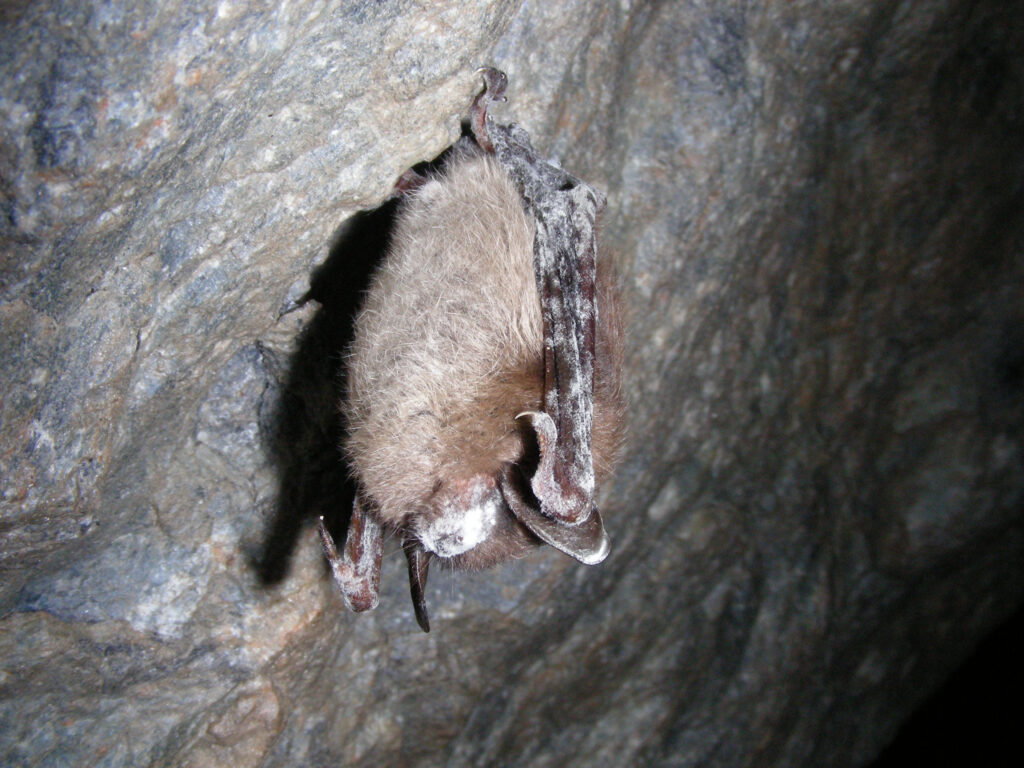
Little Brown Bat with white-nose syndrome by U.S. Fish and Wildlife Service via Flickr
White-nose Syndrome, Dr. Amanda Adams
White-nose syndrome is a cold-loving, infectious fungal disease found in bats. The fungus manifests in a total skin infection, most visible around the muzzle of the animal.This infection is responsible for significant mortality in several species, where the infection causes bats to wake often during hibernation – burning their fat stores, causing dehydration and starvation. Infected bats can expend up to twice the amount of energy as healthy individuals during hibernation, severely impacting their ability to survive the winter.Because of this, six million animals have succumbed to this infection so far, impacting 12 out of 44 species found in the USA.
Dr. Amanda Adams sought to use bioacoustics to enhance the management of foraging habitat to support these species through hibernation. The team used the Song meter mini to search for the presence of bats and observe their feeding behaviours. They found that feeding behaviours were observed up to three times more in prey patches, and this allowed researchers to designate feeding habitats for affected species. The survey will be used to inform vegetative management on passing corridors, aiming to increase the productivity of foraging areas to support the health of infected bats.
The ‘Going to Bat for Bioacoustics’webinarprovided an engaging insight into the applications of acoustic monitoring in bat research, showing how the technology can be used to support bat conservation. To learn more, the Wildlife Acoustics website has a range of training courses and webinars.Upcoming events can be found here.
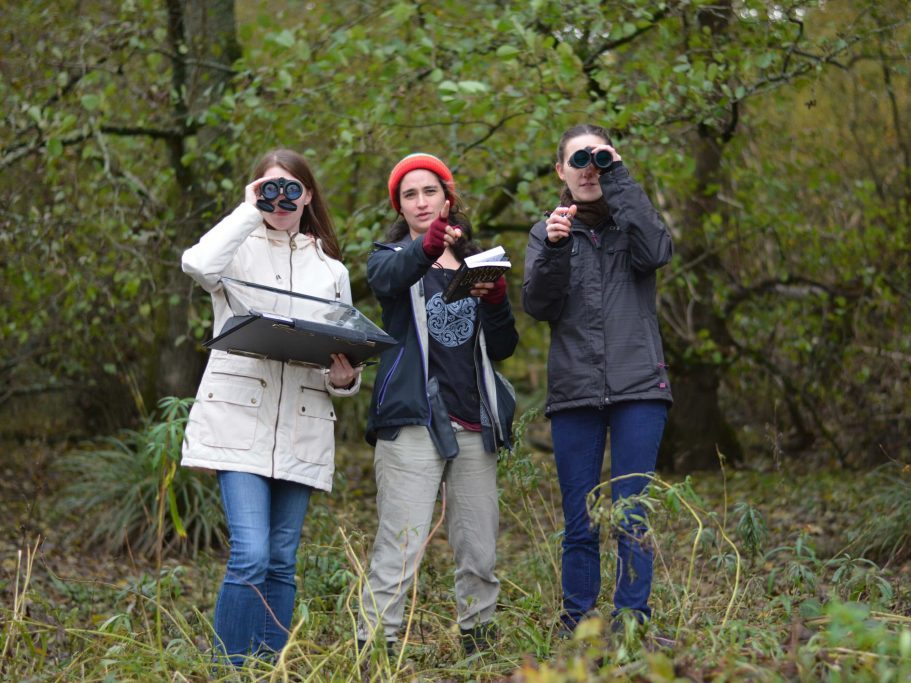
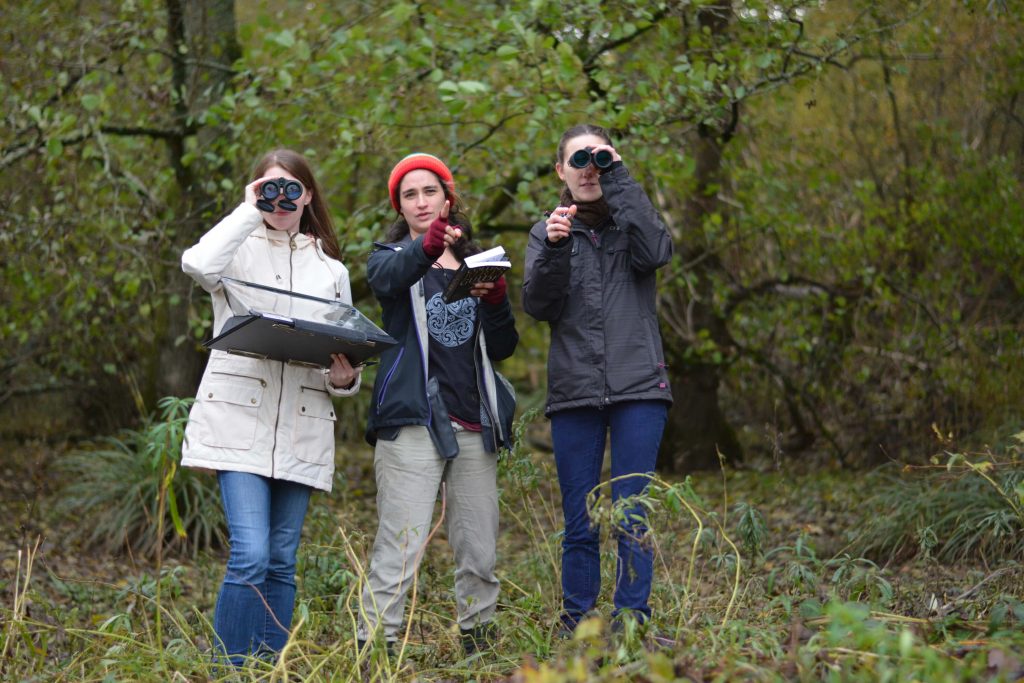
A good pair of binoculars is an invaluable part of any field kit and they provide some of the most memorable wildlife encounters. There is an overwhelming array of sizes and specifications and it can be difficult to choose between them when purchasing a new pair. In this post we will provide a summary of some of the key features of a pair of binoculars, to help you find the best pair to accompany you on surveys, whilst travelling or when enjoying your local wildlife.
Once you have decided on your budget, there are a few key metrics that will help you decide which pair of binoculars will suit you best. With binoculars it really is worth paying as much as you can afford as the glass, lens coatings and specifications improve with every step up in price.
Magnification
Binocular models generally have two numbers in their description. The first of these relates to the magnification. (For example, 8 x 42 binoculars will have a magnification of 8x). In general, binoculars have a magnification between 8x and 12x. As you would expect, the higher the magnification, the larger objects will appear when looking through them. As magnification increases, the field of view can be reduced and you will need to ensure that you have steady hands or use some kind of support.
Lens Diameter
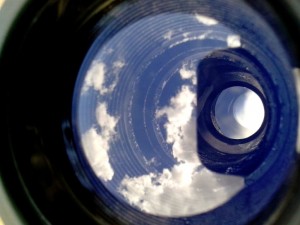
Larger diameter lenses provide brighter images at dawn and dusk. Photo credit: Paulo Valdivieso – www.flickr.com
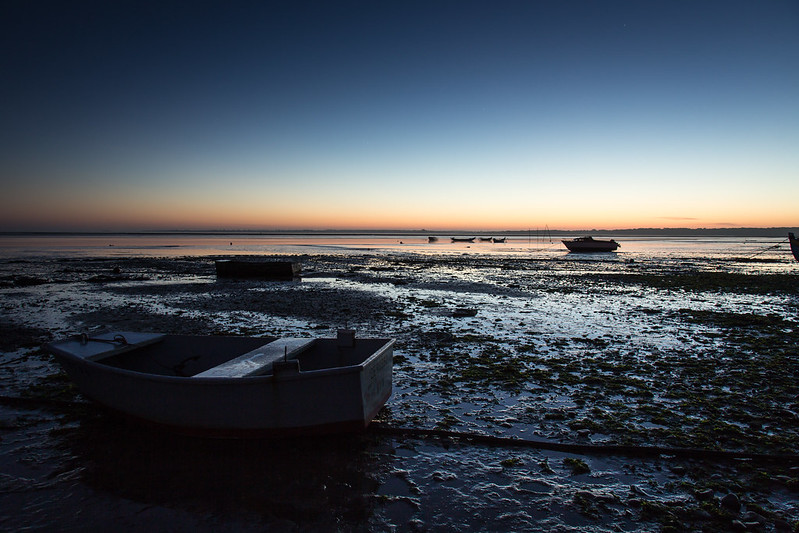
The second number in the binocular model description (e.g. 8 x 42) refers to the diameter of the objective lens. Standard size binoculars tend to have objective lenses of 32mm to 42mm whilst lenses in compact binoculars usually measure 25mm. Larger lenses can dramatically improve low light performance and are particularly good for use at dusk or dawn. The trade-off is that larger lenses are heavier. The most popular size of binoculars for birdwatching was traditionally 8 x 42, but with advances in manufacture and lens performance, 8 x 32 binoculars now offer fantastic specifications in a more compact body.
Glass Type
The type and quality of glass have a huge impact on image quality. Image by Bicanski via Public Domain Images
The type of glass used to manufacture the lenses can vastly affect the quality of the image. Two types of glass to look out for are extra-low dispersion (ED) and fluoride (FL) glass. These reduce chromatic aberrations giving clearer and sharper colours and reduced colour “fringing”.
Fringing is the blurring that can occur between light and dark parts of an image. If your budget allows for an upgrade to ED glass binoculars, you will notice a distinct improvement in clarity compared to binoculars without ED glass. Affordable pairs of ED binoculars include the Hawke Optics Endurance ED and the Opticron Explorer ED.
Lens and Prism Coatings
The primary difference in performance and the brightness of images between different pairs of binoculars is often due to lens and prism coatings. Light is lost as it travels across every surface inside a pair of binoculars and the aim of a good pair of binoculars is to keep light transmission as high as possible between the objective and the ocular lens. Lens and prism coatings reduce the amount of light that is lost helping to produce a brighter and sharper image. Lenses that are multi-coated have multiple layers of lens coatings. High-quality binoculars are fully multi-coated which means that they have multiple layers of coating on all lens surfaces. Roof prism binoculars have a particular problem with “phase shift” where the polarisation angle of the prism causes the light passing through to be split into two slightly out of phase beams. This results in an image that has lower resolution and may look slightly blurred. Prism coatings correct this problem by forcing the split light back into phase. Look out for binoculars with Phase Correction (PC) prism coatings.
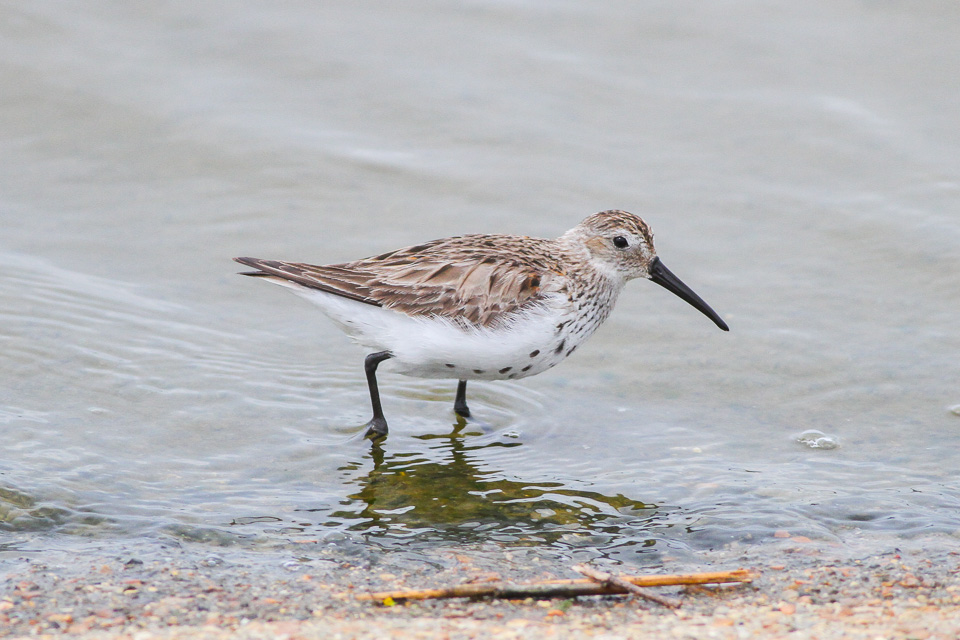
Dunlin (Calidris alpina). Photo credit: Ron Knight – www.flickr.com
Key Comparison Metrics
Comparing some of the performance metrics of a pair of binoculars can help when deciding which pair would best suit your purposes. In particular, field of view will be useful if you are looking at large landscapes (e.g. whale or sea watching) and close focus is very important if you are looking at insects.
Field of View – The field of view is how wide an image can be seen at a specified distance (usually 1000m). A wide field of view is useful for large landscapes and for fast-moving animals. Models with a particularly wide field of view include all of the Kite Optics range, the Opticron Discovery, Traveller ED and Explorer ranges, the Bushnell Prime ranges and the Swarovski EL binoculars.
Weight – The weight of the binoculars is incredibly important, as it is likely that you will be carrying them around for long periods of time. Higher quality models of comparable specification will tend to be lighter than entry-level models, and those with larger objective lenses will weigh more than those with smaller ones. Binoculars that are particularly lightweight and excellent for travelling include the Opticron Traveller range and the Hawke Optics Nature-Trek and Endurance ranges.
Close Focus – The close focus is the minimum distance at which the binoculars are able to focus. People interested in viewing insects using their binoculars would be advised to choose a model with a small close focus distance. Models with particularly low close focus include the Opticron Traveller ranges, the Swarovski EL and the Kite Lynx HD+ binoculars.
Eye Relief – This is the maximum distance from the eyepiece lens that the eye can be positioned at which the full width of the image is visible without vignetting (darkening of the image around the edges). Longer eye relief is useful for those who wear glasses.
If you have any queries regarding binoculars then our Customer Services team and trained Wildlife Equipment Specialists would be delighted to assist on 01803 865913 or via email at customer.services@nhbs.com.
Recommended Models
Entry Level
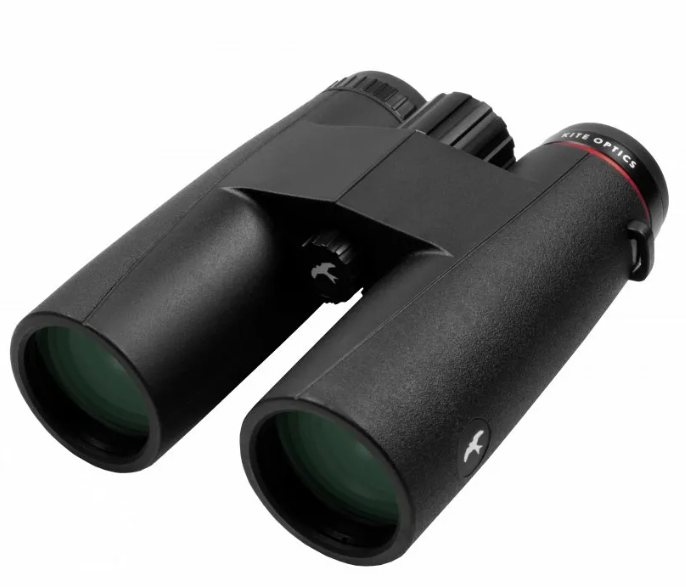
Kite Ursus Binoculars
Ease of use and excellent build quality in conjunction with a wide field of view and high image quality make this model ideal for beginner binocular users.
A high-power , budget option for birders and other outdoor enthusiasts. Light and comfortable with the option for tripod mounting.
Top of the Range
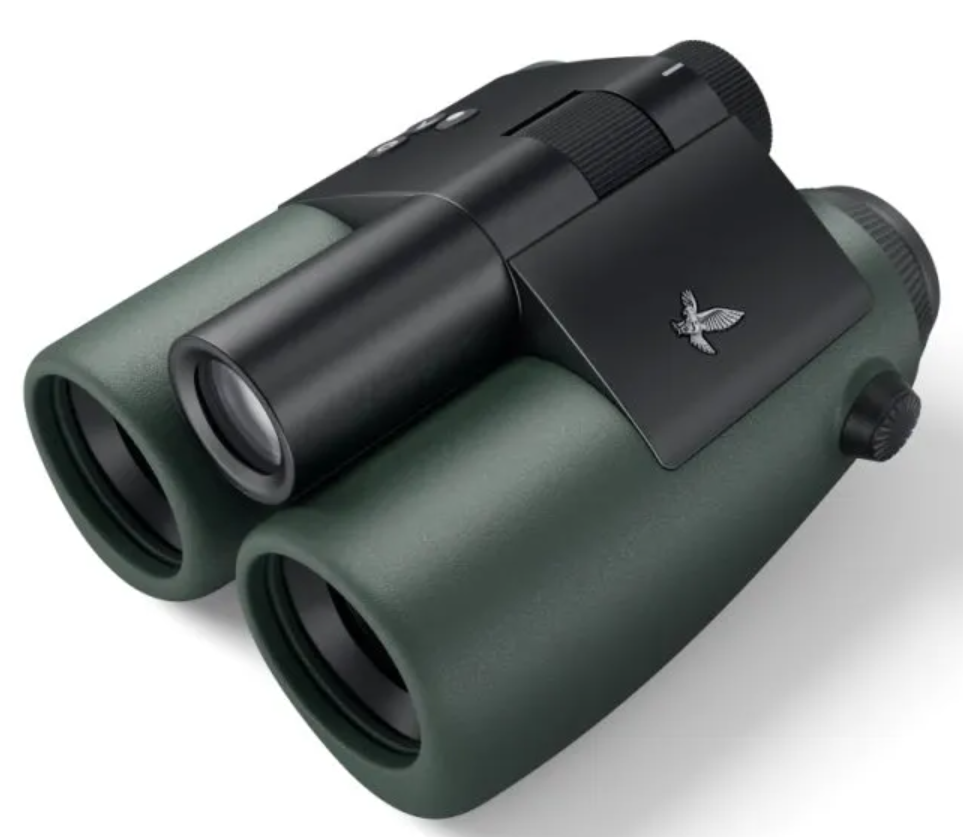
Swarovski NL Pure Binoculars Enhanced optics offer the widest field of view with almost discernible edges all housed within a revolutionary ergonomic housing.
Two available smartphone adapter options allow users to take crisp and stable shots directly down the lens of their binoculars or spotting scope using most smart-phone cameras.
Banner image features Northern Lapwings (Vanellus vanellus). Photo credit: Tony Hisgett – www.flickr.com
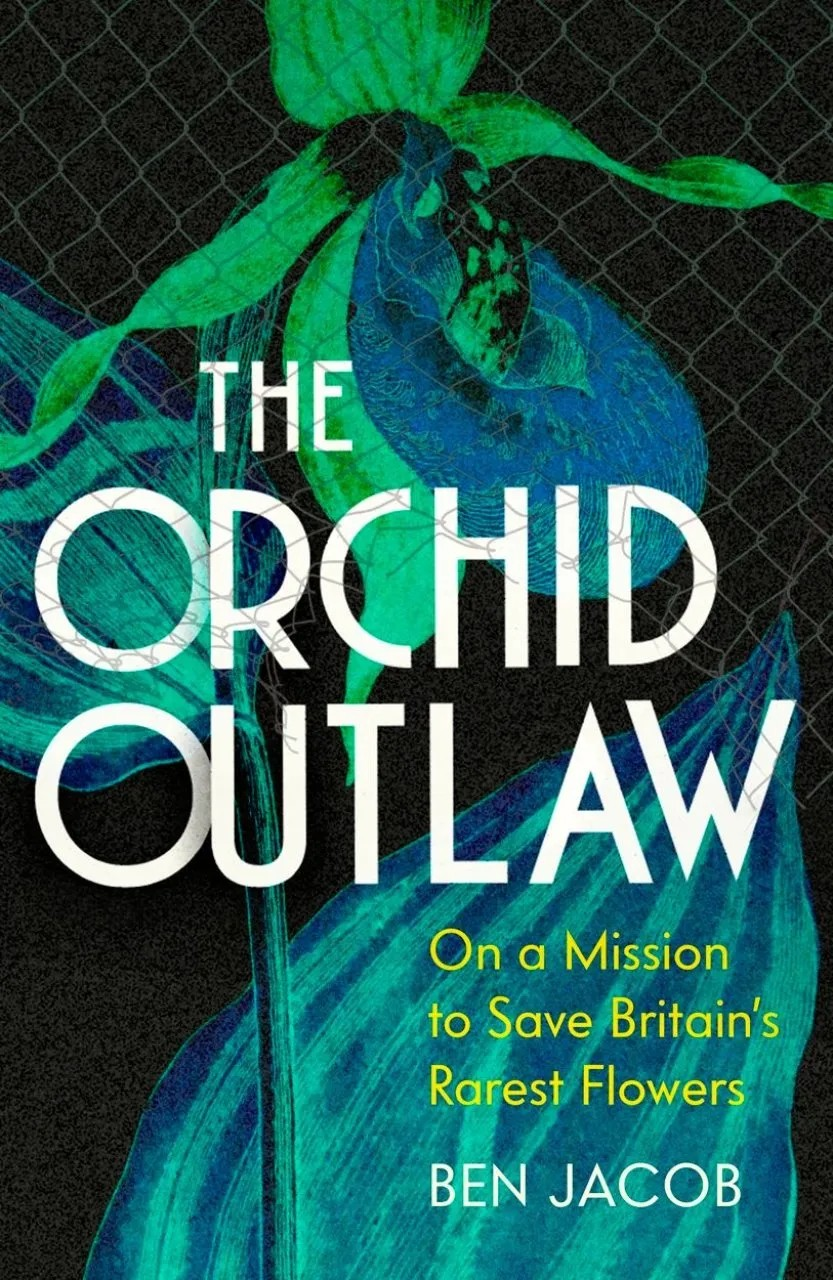
The Orchid Outlaw tells the tale of author Ben Jacob’s mission to save some of the UK’s rarest, native orchids. With many facing extinction due to land use change and the climate crisis, while also not being protected by environmental and planning laws, Ben took it upon himself to rescue these threatened plants and grow them in his own kitchen and garden, rather than losing the plants all together. In doing so, he placed himself on the wrong side of the law. This part memoir, part natural history piece shows us how we can all save the world one plant at a time.
Ben works as a University lecturer by day, and as a clandestine ecologist, conservationist and Orchid-saviour by night. It is always a pleasure to meet the authors behind our books, particularly those who are adopting their own approach to nature restoration and conservation, and we were delighted to have the opportunity to talk to Ben in person about The Orchid Outlaw and have him sign our books. We discussed how he first became interested in Botany, his thoughts on the Right to Roam movement, what he hopes the reader can learn from his book and more. Read the full author interview on the Conservation Hub.
Firstly, can you tell us about yourself and how you first became interested in both Botany and orchids?
By day I’m a mild-mannered lecturer (in a subject which has very little to do with science or botany); by night I am a guerrilla conservationist with a focus on rescuing, conserving, and bringing back to the land, our native orchids. The Orchid Outlaw explains the journey I took from a chance encounter with a tropical orchid in a garden centre as a child, which led me, when I was older, to trekking through jungles to look for tropical species, then, and older still, via a mugging, an enforced return to England and a broken back, to encounter Britain’s – and Europe’s – native orchids. As I learned more about these species, I realised that my preconceptions about our native orchids and the state of our natural environment were wrong. I became aware of the significant recent decline in orchid populations… and began my unorthodox means of saving them. I tell this story alongside (hopefully) entertaining diversions through history, medicine, man’s changing relationship with nature, Charles Darwin’s discovery of evolution, and a critical exploration of the laws which exist to protect wildlife in this country – but which are so full of huge holes that battalions of construction vehicles can rumble straight through, crushing all life before them. Which they do. Daily. Without any legal consequences.
In contrast, a well-intentioned conservationist (like me) rescuing wild flora or fauna from private land which is about to be turned into a housing estate, without first going through the hurdles required to gain permission from the landowner, risks fines of £5,000 per plant or six months in prison. Do these laws make sense? No. Are they helping sustain a healthy and diverse population of native species? No. So, like any laws which don’t work, someone should stand up to them and do what needs to be done.
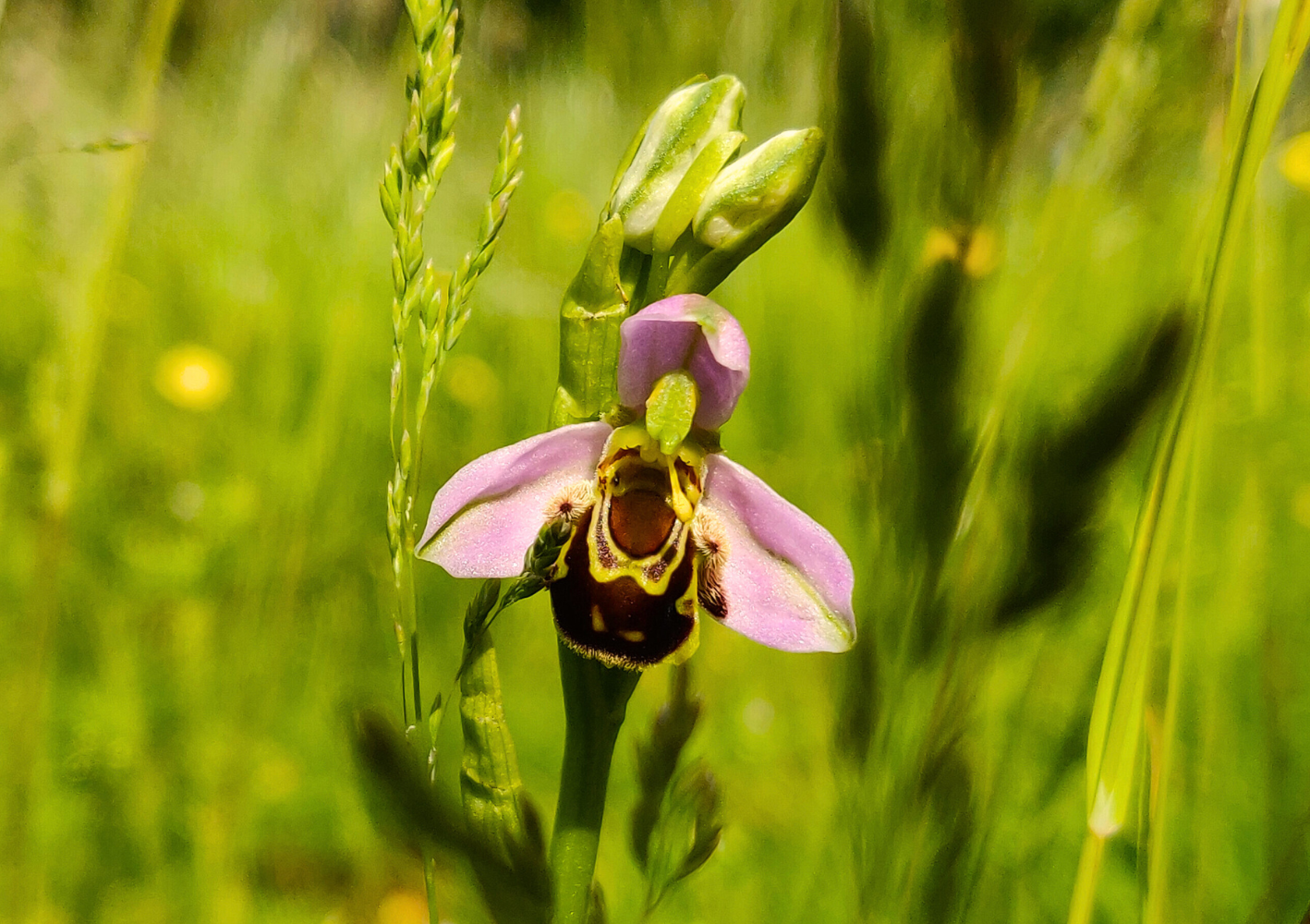
Bee Orchid (Ophrys apifera) by Oli Haines.
In the past week, the European Council has formally adopted the Nature Restoration law. Do you think this law could have any influence on conservation policy here in Britain, and to what extent do you think it will change people’s attitudes towards our responsibility to protect the natural environment?
In Britain (as elsewhere) 2024 is a national election year so any impact on British political attitudes of a European law will depend to an extent on which party wins. Unfortunately, none of our main political parties have a good track record when it comes to protecting our natural heritage for us and future generations – we have seen a rapid decline in numbers across all species and native habitats over many decades presided over by both main parties and a coalition. Of course, for the sake of everyone’s future, I’d like to think this European Council law marks a shift in geo-political will which will pull all national policies into its orbit (fingers-crossed)… but the realist in me suggests that unless meaningful, accountable, well-policed penalties accompany laws, those laws tend to make little concrete difference (consider for example international laws around freedom of expression, asylum, and war crimes, which are broken all around the world every day).
The Orchid Outlaw highlighted how pre-industry anthropogenic land use is intertwined with orchid distribution, particularly in the UK. How do you think rewilding (which is currently a very hot topic) can be implemented in a way that supports these species that may have benefitted from traditional land management rather than being left to nature?
The Orchid Outlaw looks a little bit at how native orchids thrived in the habitat niches created on a large scale by man, including hay meadows, and how centuries of people-managed woodland (the clearing of underwood and occasional felling) provided conditions which helped many native orchid species to thrive. Of course, these habitats had existed long before people (meadows had been formed, for example, by large, now extinct cattle, naturally falling trees, and wildfires) so, in many ways, mankind took on the role of these natural forces for his own benefit and, in the process, allowed many other species – not only orchids – to benefit too. In this sense, ‘rewilding’ is not simply a case of letting an area go wild without any human intervention – ironically this kind of habitat is completely ‘un-wild’ unless it is stocked with the right range of creatures which are going to complete the tapestry of life (and death) needed to reach a healthy, natural, sustainable equilibrium.
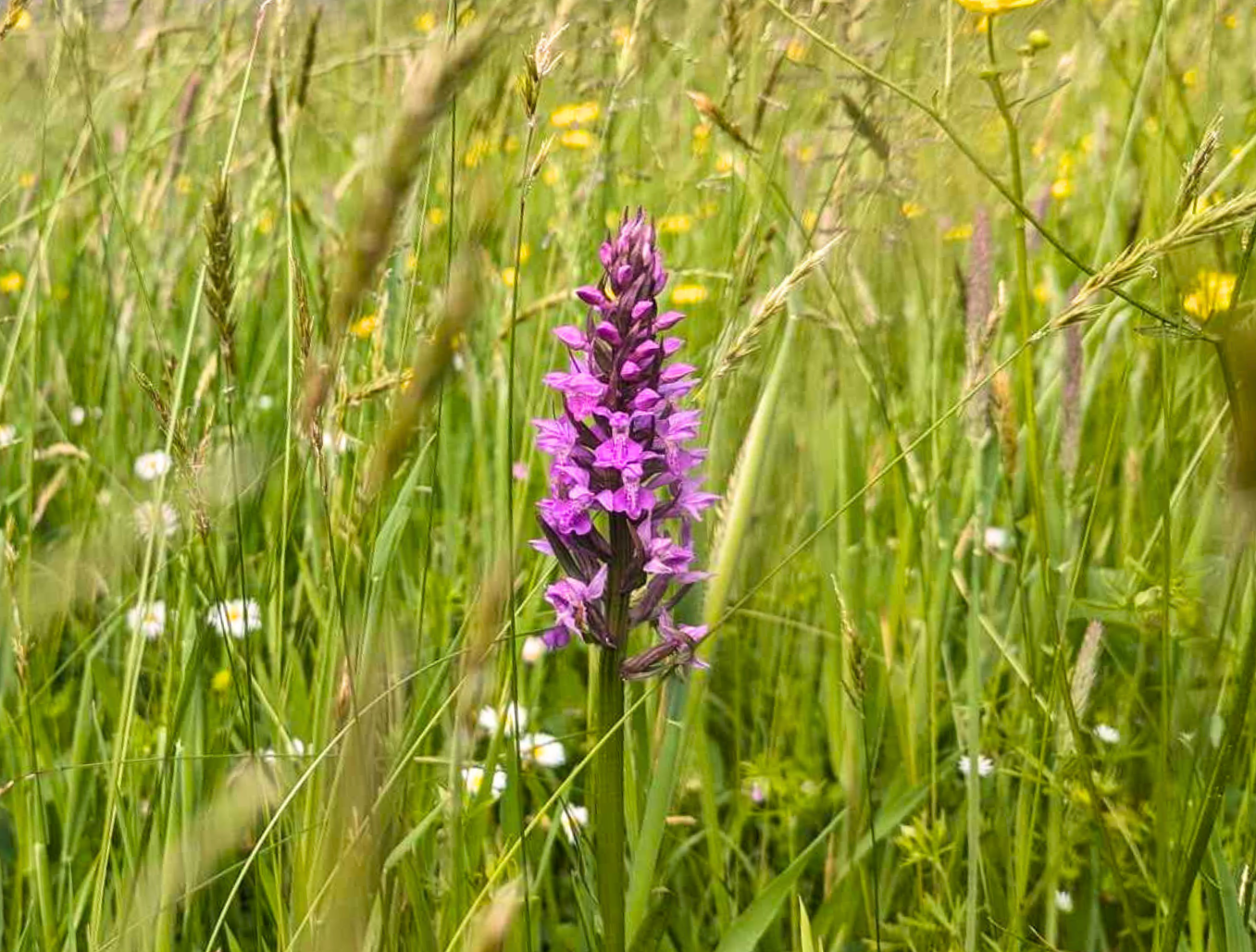
Marsh Orchid (Dactylorhiza) by Jo Graeser.
How can we mitigate orchid loss in a practical conservation framework when vital species-specific symbiotic relationships with fungi are not considered, so these species may not be protected under current schemes?
There are all kinds of gaping holes in our awareness of the world – and what really goes on in the soil, which sustains everything, is one of them. Because of this particular hole, soil health has fallen through the gaps of wildlife conservation laws, even though soil, like the sea, is a vast, living, environment containing more life than we can see and it is an environment upon which the world depends. Orchids in particular have a very complex, as yet only partially understood, crucial relationship with certain soil fungi (mycorrhizae). This is because orchid seed germinates unlike that of any other plant. It creates a symbiotic relationship with a specific mycorrhiza in order to then form a kind of hairy blob (a ‘protocorm’) which, eventually, sometimes after many years living underground sustained only by fungus, becomes a flowering plant. This makes orchids important indicators of soil health, because it seems that the mycorrhizae they need are adversely affected by artificial fertilisers and herbicides. In a way then, our orchids have taught me that any conservation framework has to start from the ground – literally, the dirt – up, because that is the secret to success. If the earth and the microbes in it are right for the plants there – and, of course, plants are crucial to any rewilding project – then insects, birds, mammals will come and the tapestry of life which orchids introduced to me will weave itself.
The right to roam movement is growing, especially close to home here in Devon. What are your thoughts on trespassing for the purpose of immersing and enjoying nature that is legally out of reach for the majority of citizens? Following this, if the laws were to change do you think it would affect attitudes towards nature with more people having the chance to be exposed to nature?
Let’s be honest, this is ‘our’ land. Our ancestors built it, fought for it, died for it, are buried in it; it is deplorable that we do not have the right to roam – considerately and with respect – upon our land. The right to roam exists in Scotland without any major detriment to anybody and the fact that it does not exist in England and Wales says a great deal about the sway the old class system still holds here – after all, 0.06% of the population owns half of rural England and Wales and much of this land distribution extends back to the days of feudal lords. For centuries, no one has done much to change this status quo.
Obviously, allowing people the chance to experience nature is a great way of changing attitudes to it… but a lot of the land we can roam in Devon is still unavailable to those in inner city areas, so a shift in awareness towards our natural world – our natural heritage, formed over thousands of years and which we should be proud to pass on to our children –– is not solely about opening up rural land. The recent pandemic made many people far more aware of how important being outside in nature is to our wellbeing – whether in a park or allotment or an uncut verge with a bench to sit on and wild flowers buzzing with insects and flickering with butterflies. So, while the right to roam is important, I think wider appreciation of the real value of nature will be helped by allowing nature to be more present everywhere in everyone’s life – from green roofs, wild parks and county farms, to unmown verges and tree-lined streets smothered in bird boxes…
What do you hope the reader can learn from The Orchid Outlaw?
On the one hand, I like to think that The Orchid Outlaw takes a reader on the same journey of discovery I went on, with orchids as my guide, opening my eyes to so much I hadn’t known. One of the biggest wake-up calls orchids gave me was the inadequacy of our wildlife laws and the massive, underreported decline of some our native flora. Orchids also taught me about the important microfauna all around us, the complex nature of soil, the history of botany and herbalism, and of course the fascinating world of native orchids themselves – the magical co-evolution that has occurred between orchids and their pollinators, the fact that some species never need sunlight, that others grow a metre tall and smell of decay, and some can live to be over a hundred years old… and a great deal more.
On the other hand, and perhaps more importantly, I’d like to think that what I do, as unorthodox as it is, shows that you don’t have to be a scientist, researcher, or working for an official institution to make a positive impact for the other living organisms on our planet.
Can you tell us what’s occupying your time at the moment? Do you have any other books in progress that we can hear about?
Aside from the usual rescuing and reintroducing native orchids, at the end of The Orchid Outlaw I talk about moving to the countryside to an old house which needed – and continues to need – a lot of attention. So, the garden (which was essentially a forest of nettles) and the lab I started building at the bottom of the garden to propagate orchids (so I no longer need to turn the kitchen into my lab) is largely what occupies my spare time. In any spare moments I am working on a couple of book proposals, both of which relate to elements of The Orchid Outlaw, but, for now, they’re closely guarded secrets!
The Orchid Outlaw has been published by John Murray and is available from our online bookstore.
An ocean-dwelling fungus has been found to break down marine plastic pollution. Parengyodontium album has recently been added to the list of four species of plastic degrading fungi. Researchers have discovered the fungus’ ability to degrade polyethylene plastic, the most abundant form of plastic in our oceans, following a period of exposure to UV radiation from sunlight. It is estimated that the fungus can break down polyethylene at a rate of 0.05% each day, and with over 400bn kilograms of plastic produced annually, this discovery has the potential to provide an answer to the problem of marine plastic pollution.
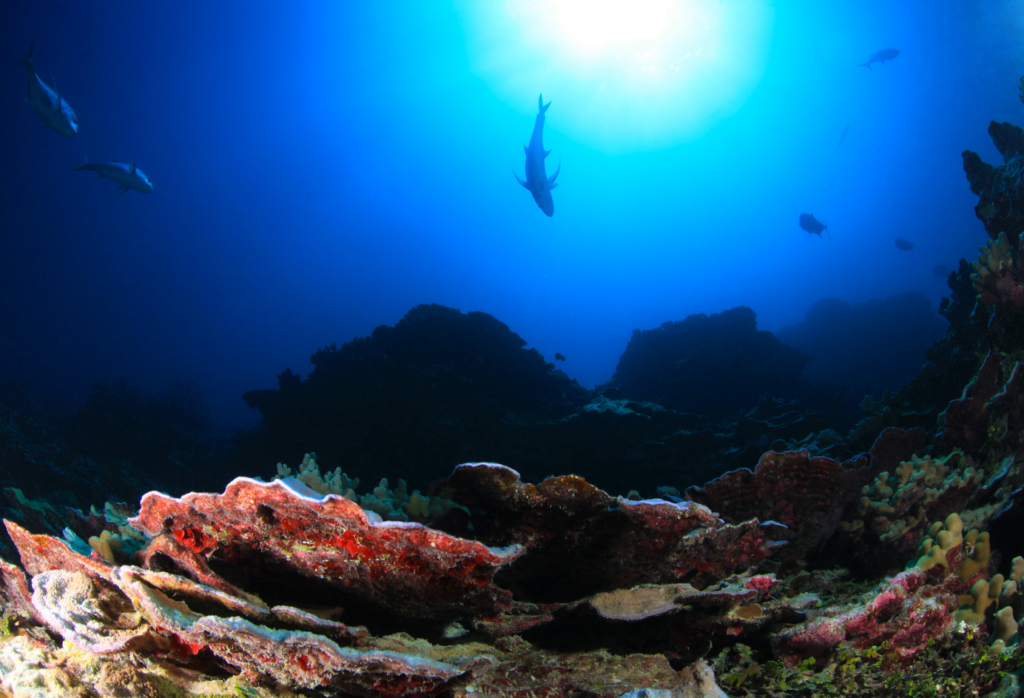
Image by Papahanaumokuakea Marine National Monument via Flickr
A recently launched programme will aim to restore a 193km stretch of coral reef. Named ‘Ako’ako’a, the project will be one of the first to attempt such large-scale restoration and will focus this effort on the west coast of Hawai’i Island. Due to start in 2025, researchers will identify individuals with desirable traits in the face of climate change, such as high thermal tolerance, fast growth and tolerance to pollution. These selected individuals will then be used to produce larvae with strengthened genetic resistance which will be released during natural spawning periods. With increasing declines occurring over more frequent bleaching events, ‘Ako’ako’a aims to restore ailing reefs across the region.
Conservation
Canada is set to ban open-net salmon farming in British Columbia in five years. The announcement follows the government’s decision to transition to closed-containment methods in 2019. With more than half of wild salmon stocks declining in the province, the decision has been made to make a step towards protecting wild pacific salmon populations through sustainable aquaculture and clean technology. The commitment has been praised by many, but there are concerns for significant losses in a $1.2bn industry and disruptions impacting up to 6,000 jobs.
Iberian Lynx are no longer endangered under the IUCN Red List of Threatened Species. Lynx pardinus has been promoted to ‘vulnerable’, a triumph resulting from a 20-year conservation programme by the EU, national governments in Spain and Portugal and wildlife NGOs. The population initially plummeted to under 100 individuals due to human persecution, reduced food sources and habitat loss across the region. Now, 20 years later, the population has reached over 2,000 in the peninsula. Over 86% of the current population resides in Spain and experts expect to see a full recovery in its native range over the next century.
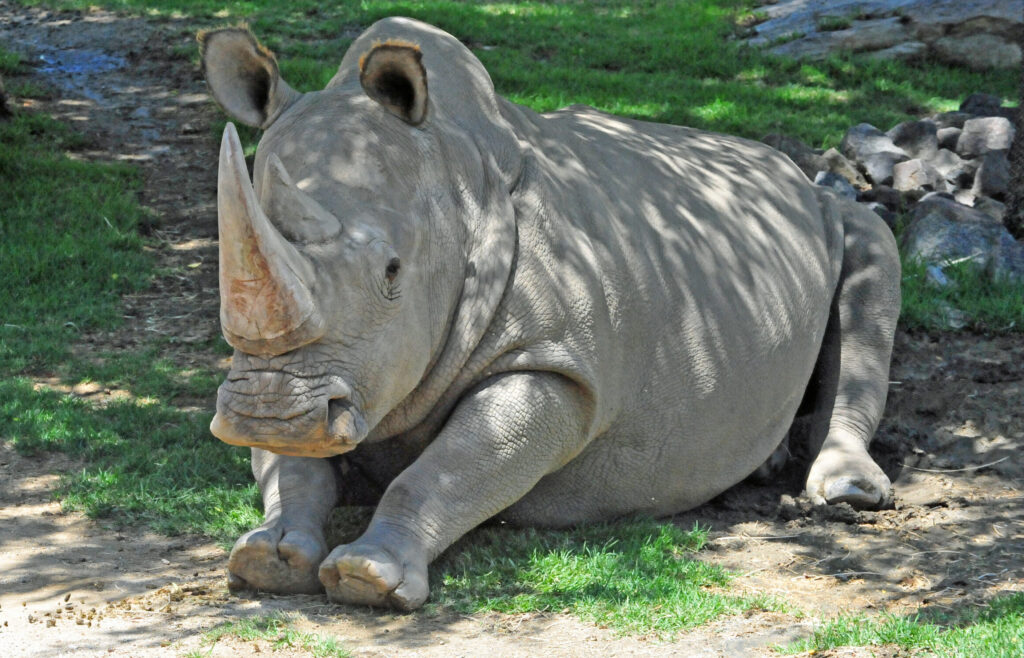
Northern White Rhino by Heather Paul via Flickr
Scientists have successfully implanted a rhinoceros embryo using IVF techniques for the first time. This breakthrough could prove to be a lifeline in saving the Northern White Rhinoceros from extinction. There are only two surviving females in the world, both based in Ol Pejeta Conservancy in Kenya where they are under 24-hour guard. Proving the feasibility of the technology, researchers can now move to transferring a Northern White Rhinoceros embryo into a surrogate Southern White Rhinoceros. This technology brings the scientific community closer to successfully reproducing this critically endangered species, which would significantly benefit the ecosystem of central and eastern Africa.
Wildlife
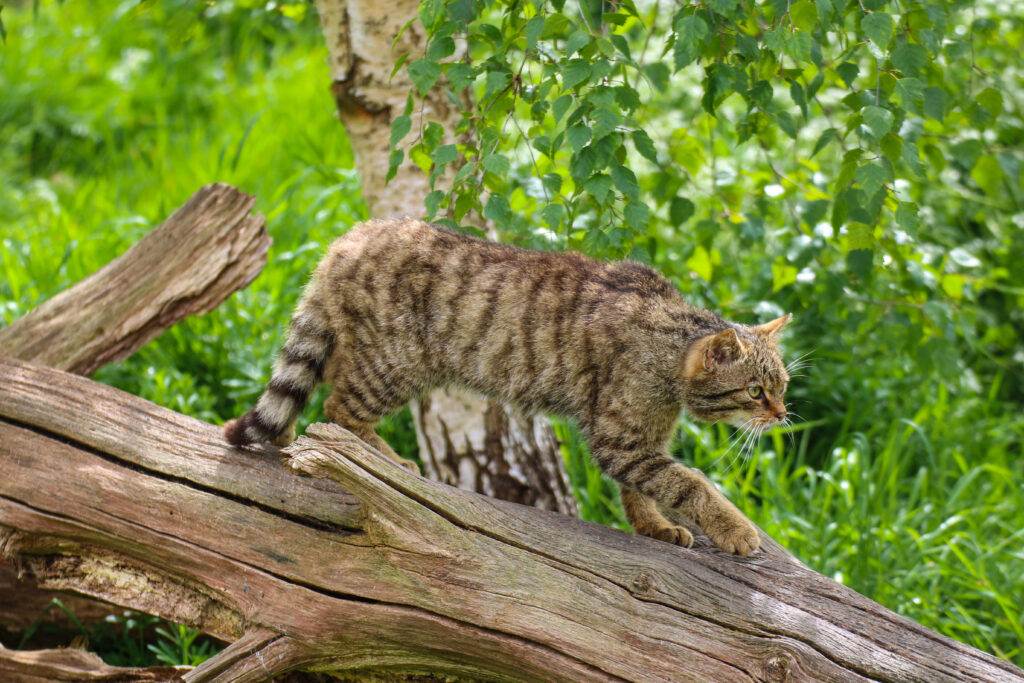
The first Scottish Wildcat kittens born outside of captivity have been recorded in Cairngorms national park. Their birth follows the reintroduction of 19 adult wildcats last summer and has been confirmed using camera trap footage. This discovery marks an important milestone in the efforts to reintroduce the species to Scotland, and they are the first to be born in the wild for more than five years. With significant population declines due to habitat loss and human persecution, this success story is an important turning point for the species and will help to reverse centuries of decline.
Scottish Wildcat by Chris Parker via Flickr
A subgroup of Gray Whales has undergone a significant decline in body length in the past 20-30 years. The Pacific Coast Feeding Group (PCFG), consisting of around 200 individuals, have decreased in size over the past 20-30 years. Researchers found that the group is 13% smaller than those born before 2000, which equates to around 1.65 metres lost in a mature adult. This smaller size could have significant consequences for the health and fecundity of the group, impacting survival rates of calves and their ability to store energy for growth and maintenance.
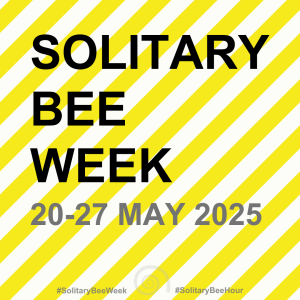
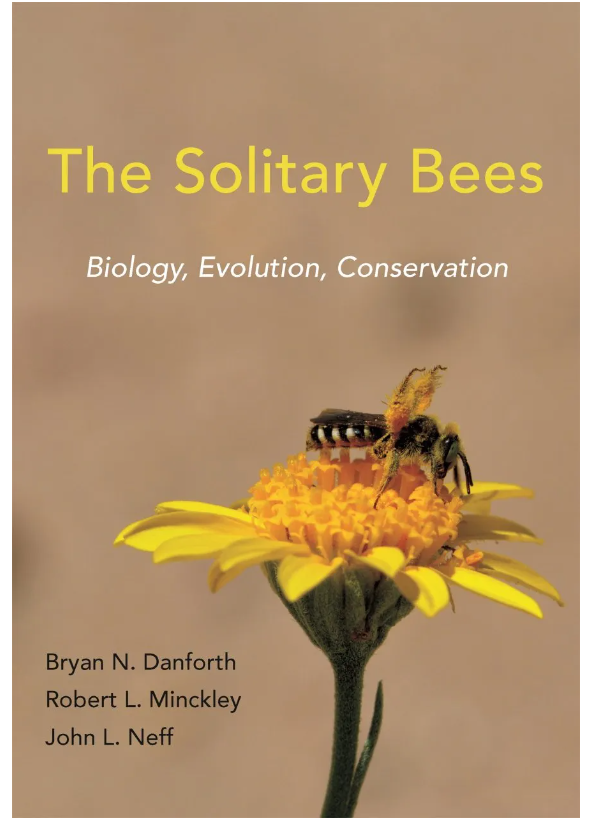
Solitary Bee Week was founded in 2018 to raise awareness of the importance of solitary bee populations across the globe. Now hosted by Buglife, this week-long event hopes to encourage the public to pledge their support for these unsung heroes. Solitary Bee Week 2025 (Tuesday 20th – Tuesday 27th May) gives us a chance to support these vital pollinators and #EarnYourStripes.
What are solitary bees and why are they important?
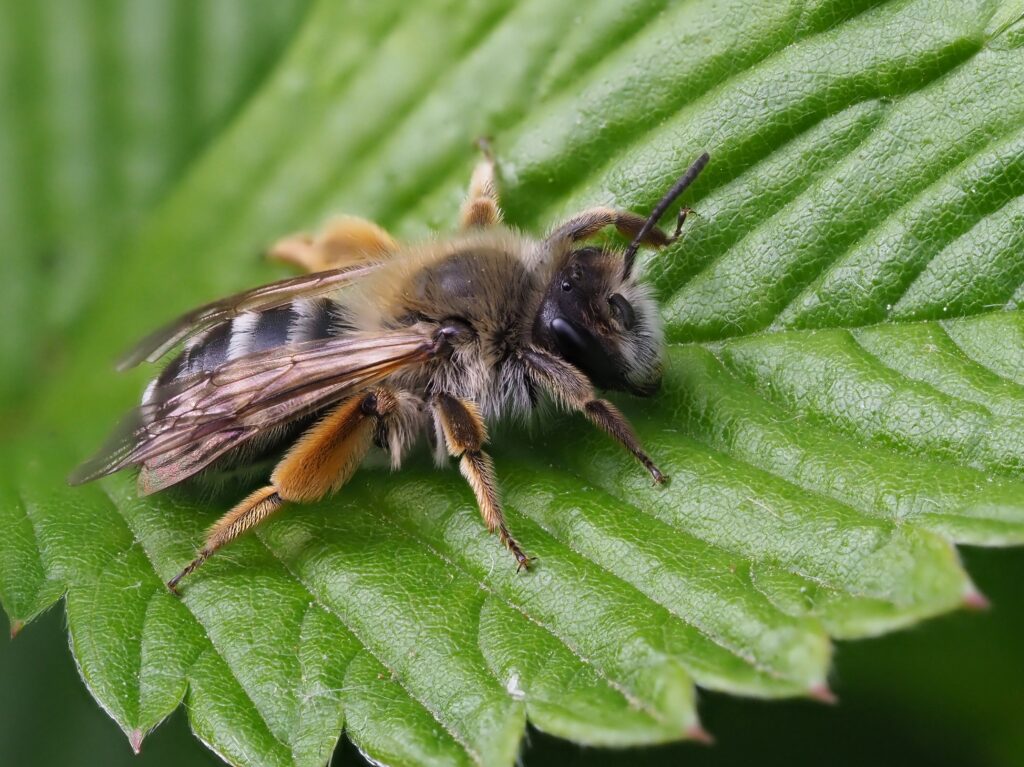
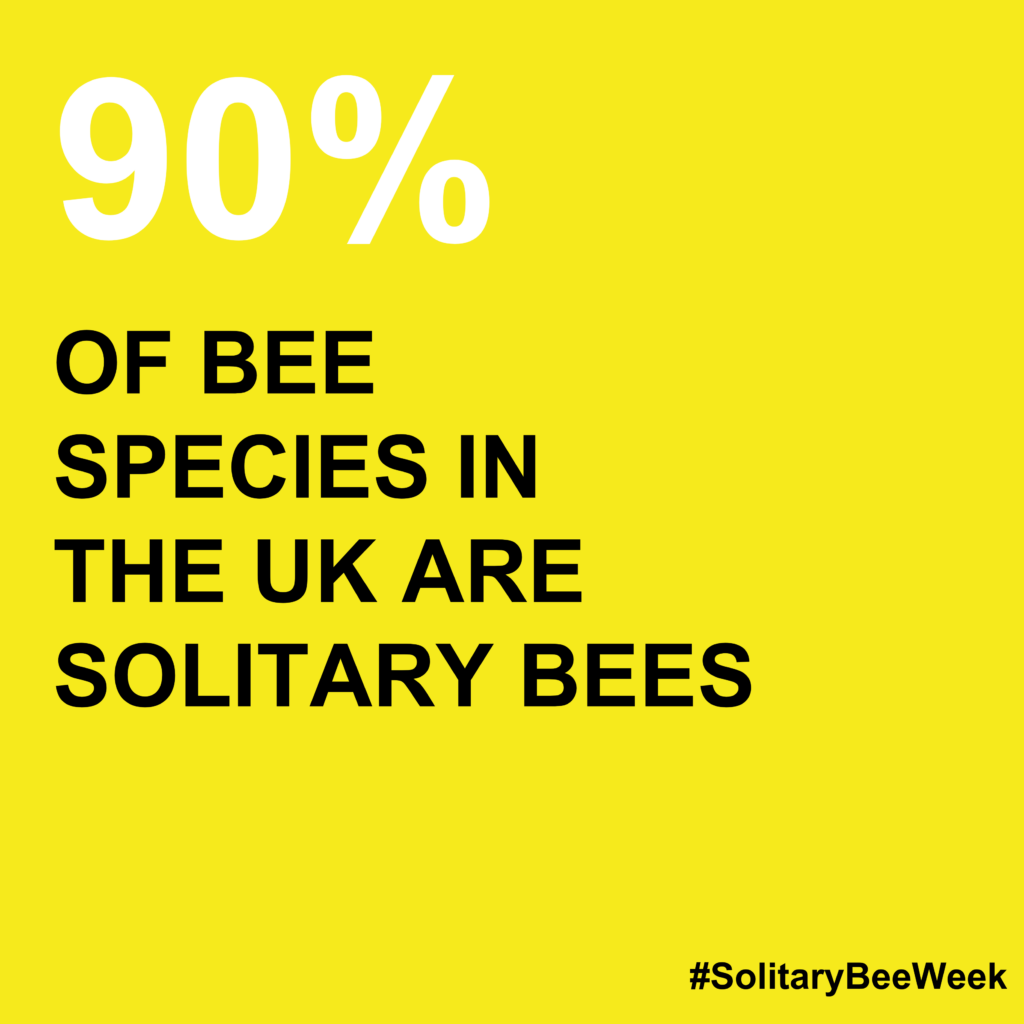
It is estimated that there are between 20,000–30,000 solitary bee species across the world, and the UK is home to 240 of them. Solitary bees do not produce wax or honey, do not form hives, and do not exhibit swarming behaviours – a striking difference to the behaviours we usually associate with bees. They typically nest in underground burrows or in the hollows of plant stems and tunnels, so it is no surprise that we are seeing a downturn in the abundance of the group with increasing urban development and environmental decline.
As we urbanise, we remove the habitat of these extraordinary pollinators – we are seeing fewer hedgerows and wildflower meadows, which would otherwise provide vital food sources for these insects. Partnered with agricultural intensification, environmental changes are contributing to the significant declines we see in pollinators. Solitary bees are important for pollination, and their loss could be devastating not only to the environment, but for food security worldwide. Solitary Bee Week is helping raise awareness of these insects in the hopes of managing their threats and preventing further declines in the future.
From pollinator identification workshops to solitary bee walks, Buglife is hosting a range of events in support of Solitary Bee Week. An interesting highlight of the week, Buglife have collaborated with Hayley Herridge the Pollinator Gardener to create the ‘B-Lines Garden’ to be featured in the Hampton Court Palace Garden Festival – highlighting the importance of insect pathways to provide corridors for pollinators. Find the full week’s itinerary here.
What can I do to support my local bees?
Solitary Bee Week is the perfect time to pledge your support for local solitary bees.
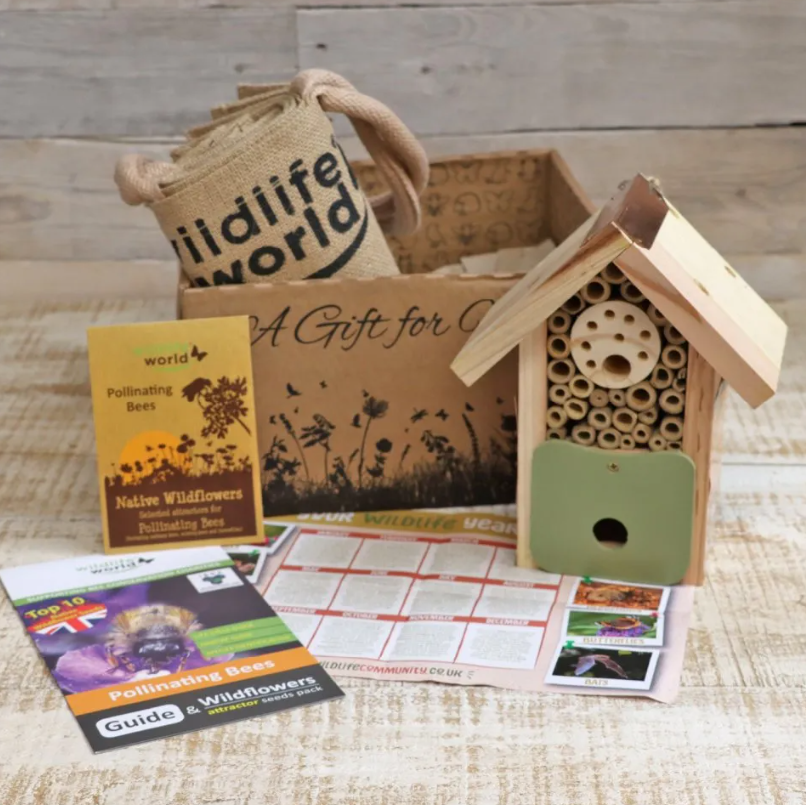
Leaving an area of exposed soil and providing bee hotels are great ways to provide nesting areas. Mining bees account for around 70% of solitary species – patches of exposed soil are an excellent way to provide space for this group, where they create underground nesting burrows. For cavity nesting bees, such as Red Mason Bees, hotels are a great way to provide nesting habitat where they will lay eggs in the dry, hollow tubes. Planting wildflowers and nectar-rich plant species is another way to support pollinators by providing an important food source.
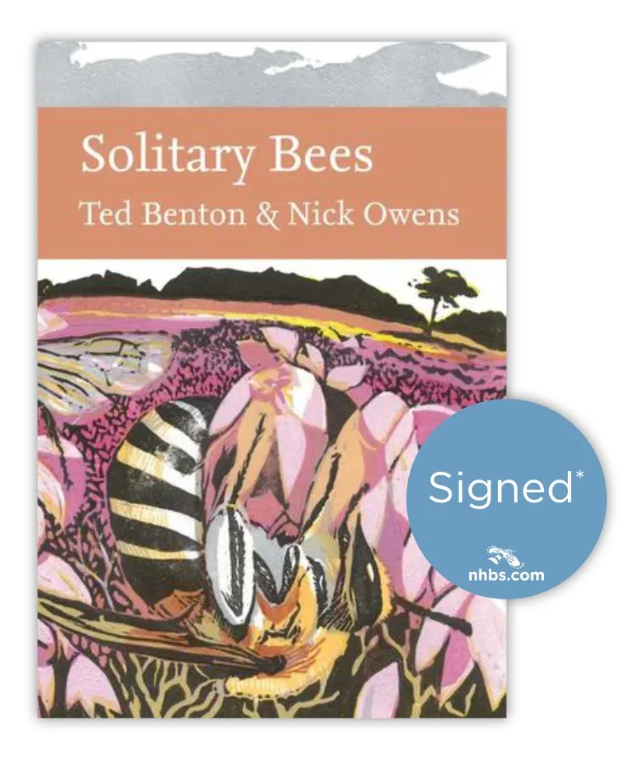
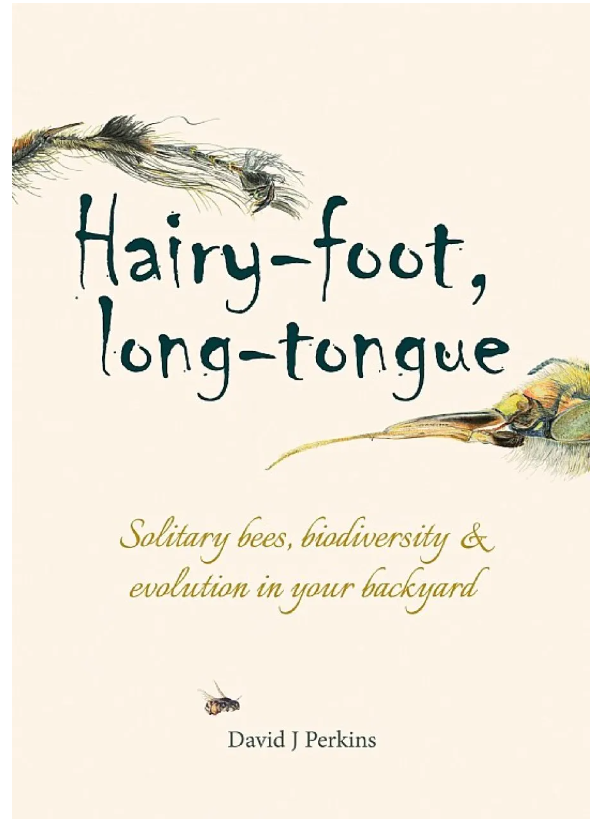
Here we have chosen a selection of products in our range that can support solitary bees in your outdoor space:
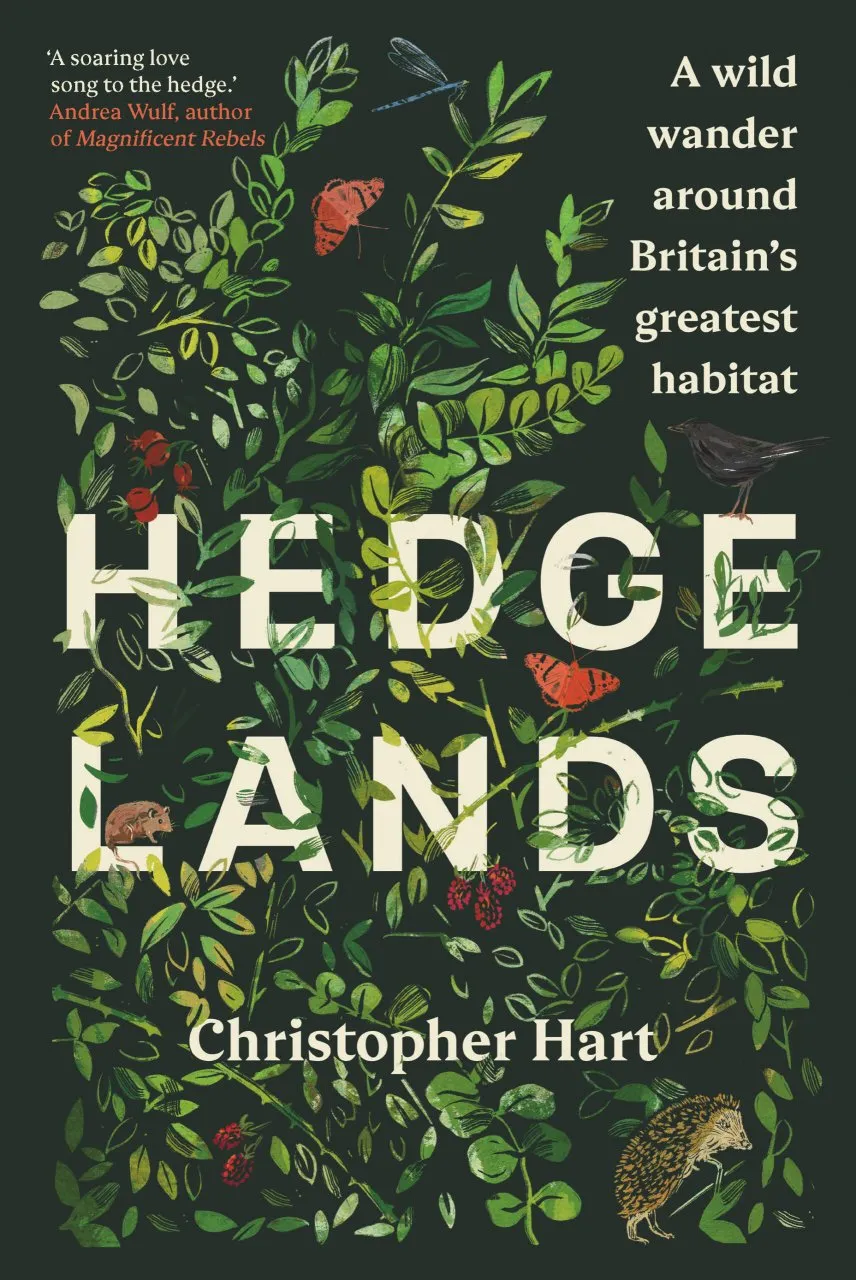
Hedges and hedgerows have long been an integral part of the British landscape and are now considered the greatest edge habitat on earth. Hedgelands shines a spotlight on the hawthorn and hazel of ancient hedges, thorny scrub and the creatures that call this habitat their home, telling you everything you could ever want to know about this wild, diverse and incredibly rich habitat – it may even change your perspective of the humble British hedgerow for good.
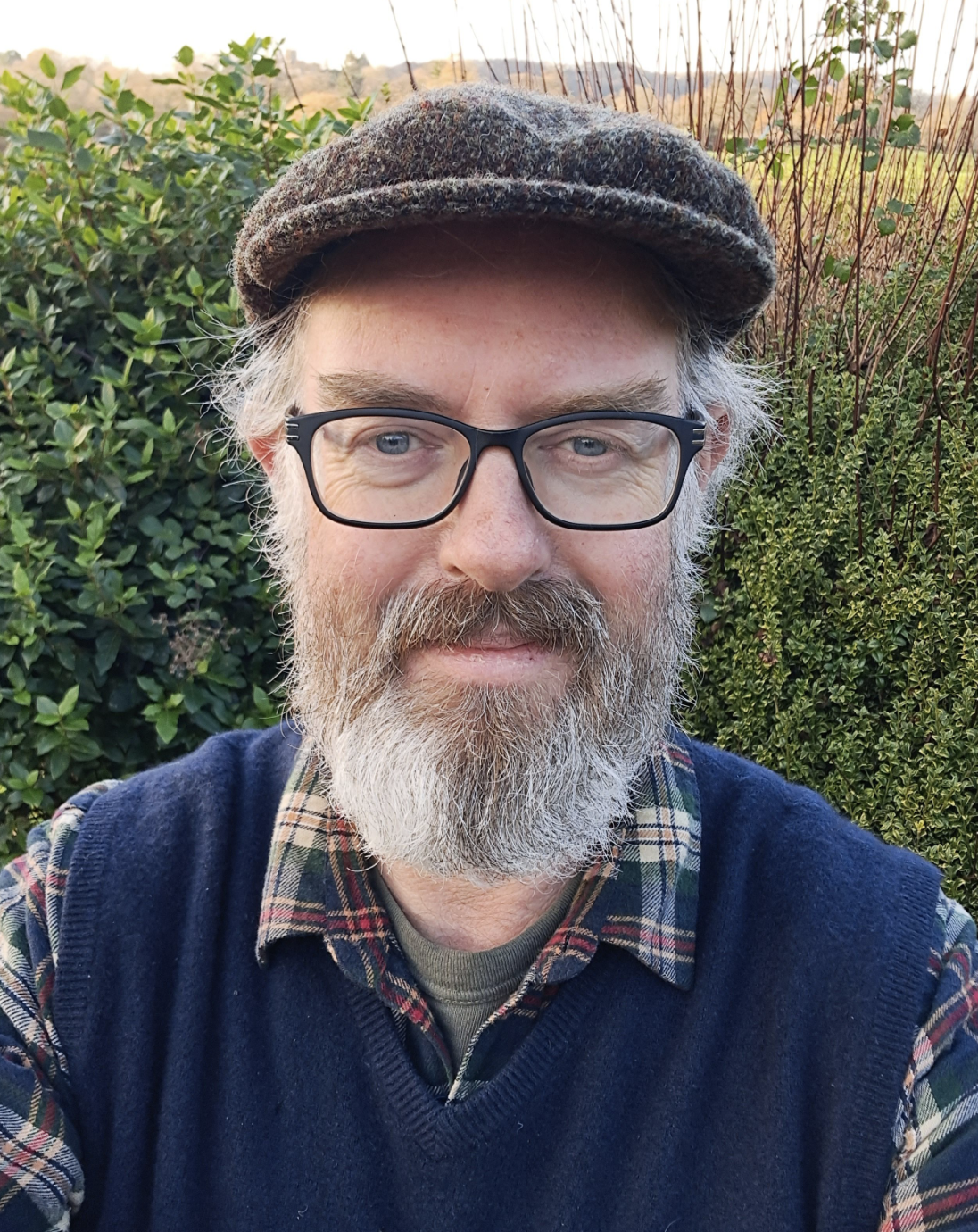
Christopher Hart has authored ten literary and historical books that have been praised by both The Times Library Supplement and Sunday Sport. He’s written numerous short stories, essays and reviews on a range of subjects, and has worked as a freelance journalist since the 1990s. Hart now lives on a seven-acre plot in Wiltshire which he is in the process of rewilding.
We recently had the opportunity to chat with Christopher about what inspired him to write a book about hedges, how he thinks we can change peoples perceptions of the humble hedgerow and more.
As a writer of primarily historical fiction, what inspired you to write a book celebrating British hedges?
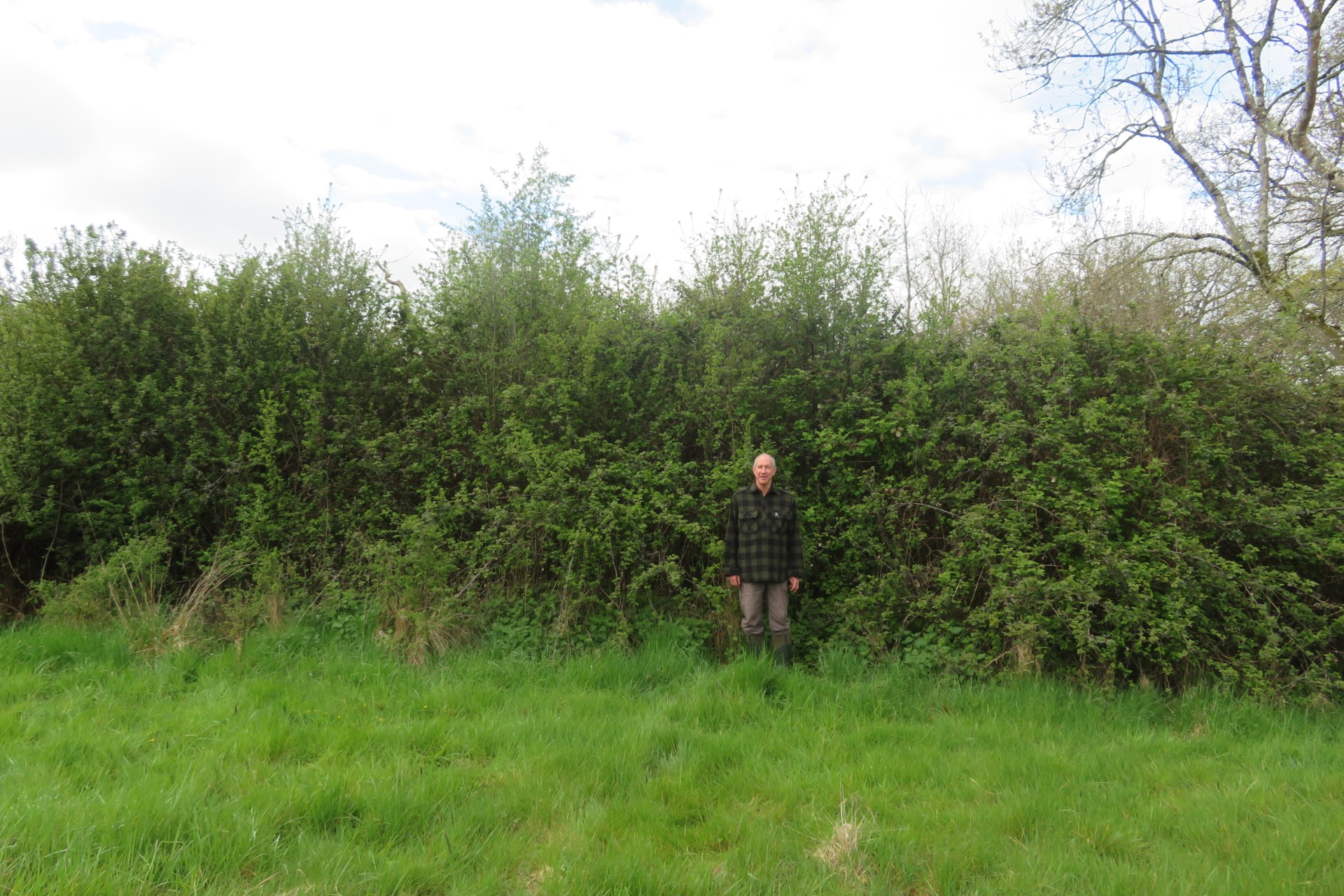
Well, I’ve had quite a chequered career: as well as the historical fiction thing, I’ve been a Mr Whippy Ice Cream Van Driver, Theatre Critic of the Sunday Times, and Agony Uncle for Time Out magazine. None of which qualify me to write about hedges! But really the English countryside is a lifelong passion, and working on our own patch of seven acres, with intermittent grazing, plus trying to encourage maximum wildlife, has taught me directly how vital hedges and thickets are to the entire system. Then my friend Jonathan did this survey on one of his own restored and re-laid hedges, found vivid evidence of the huge benefits to invertebrates, and said to me, ‘Why don’t you write a book?’ So that’s how it started.
Jonathan stood in front of his re-laid hedge, by Christopher Hart.
Hedgerows have demonstrable benefits to theenvironment, yet are often overlooked and under-appreciated by many. How can we change public perceptionof and attitudes towards the humble hedgerow?
I think real-life examples always work better than statistics. And maybe demonstrating to people directly how many birds, butterflies etc. flourish in our hedgerows could have a great effect, as could enlarging and protecting hedgerows on amenity land, where people actually go regularly, rather than farmland: allotments, for instance, churchyards, and even school grounds.
How does the historical, manual management of hedgerows compare to the mechanical methods usedin some agricultural practices today? And how can we encourage a change to more conservation-centred management in these spaces?
Like every other farm job, the old manual method of hedge-laying with an axe and billhook is a great art and beautiful to watch – but also very slow and expensive! Unless it could be done by teams of roving volunteers, which is a promising idea. But even flailing can be made instantly more eco-friendly by simply doing it every two years instead of one. That could really help, and as I think Jake Fiennes suggests, would actually save the average farmer around £2,500 a year on diesel alone.
Can you share some examples of individuals, organisations or locations that are paving the way for best-practice hedgerow management?
I think all the big conservation charities, like the RSPB, are very aware of hedgerows’ importance now, but there are also some admirable specialists like Hedgelink. And the Devon Hedge Group are terrific, doing direct, hands-on work there. If you want to see a truly spectacular hedge though, don’t miss the massive bristling rampart of the ‘Nightingale Hedge’ at Knepp. It’s magnificent!
How can we get involved in bringing hedgerows to our local communities, and how may we incorporate a hedge into areas with limited space?
One reader of my book has already contacted me for advice on how the hedges in his daughter’s school grounds could be made more nature friendly, perhaps by re-laying or just allowing to thicken up –that’sa great example of what we can do quite independently of farmlands. Another suggestion I have is to ‘rewild’ a typical, slightly overmanaged garden hedge, that might be just mono-cultural beech or holly, and let climbers and creepers into it as well: relax about a bit of ivy, or even bramble, let a few nettles grow, or as we have done, allow some self-sown honeysuckle to trail over your privet hedge. Then go out on a warm summer evening and admire the moths that turn up. If the sight of an Elephant Hawk moth doesn’t convert you, I don’t know what will!
What’s next for you? Do you have plans for more nature writing?
I most certainly do. The only difficulty is choosing which one to pursue. In the last year I did some experimental ‘re-bogging’ of a small riverside field that was just too waterlogged to offer good grazing, or any other kind of useful food production. It took me all of half an hour with a spade, diverting a field-side drainage ditch. The result has been a quite spectacular explosion of dragonflies – and snipe in the winter. I’d love to write something about that. ‘Re-bogging Britain‘, or ‘The Joy of Re-bogging‘. What do you think?
Hedgelands is published by Chelsea Green and is available from our online bookstore.
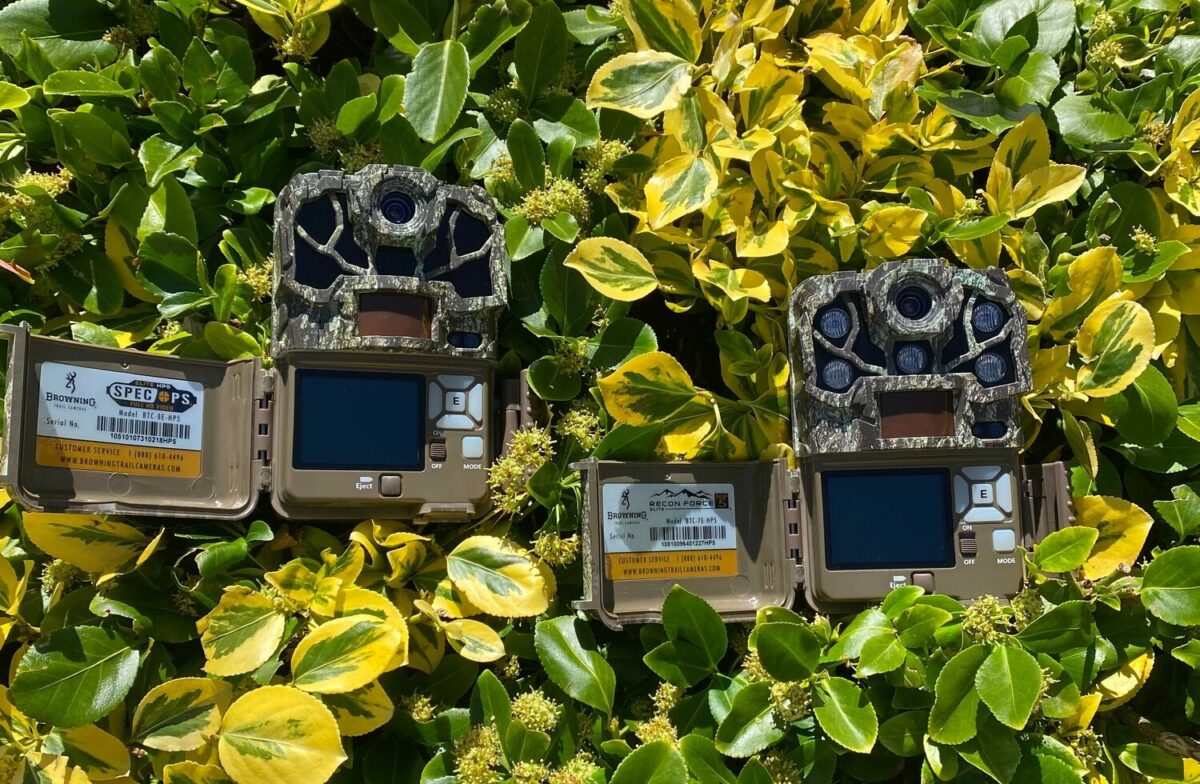
Trail cameras can be extremely useful tools for ecologists and naturalists, enabling simple non-invasive monitoring of wildlife.Here we feature five of our most popular models, highlighting the key features of each for easy comparison.
A super fast, no-glow model, this trail camera features a solar panel providing users with an extended battery life.
Image quality: 12 mp
Video quality: 1280 x 720p
Video length: Max 2 minutes
Glow: No glow
Trigger speed: 0.07 seconds
Flash range: 27 metres
Detection range: up to 33.5m
2″ colour screen
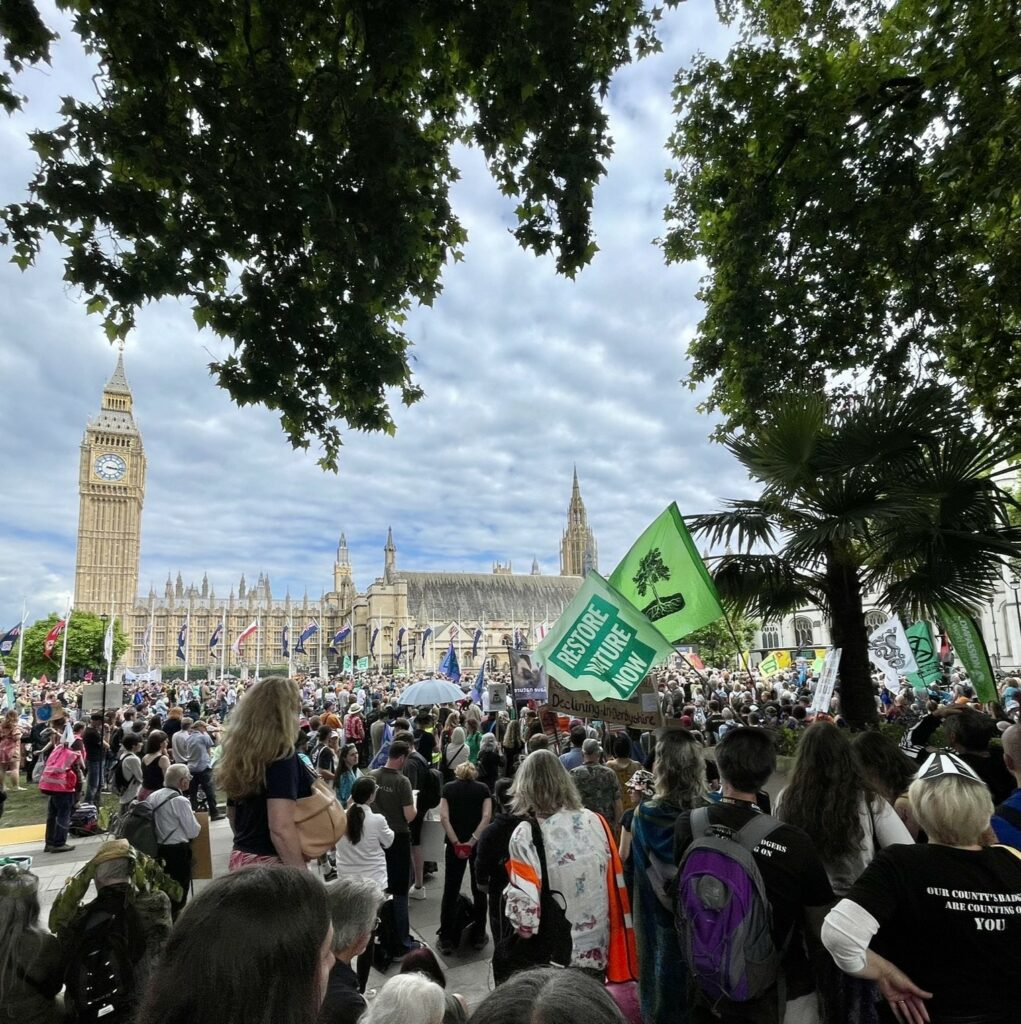
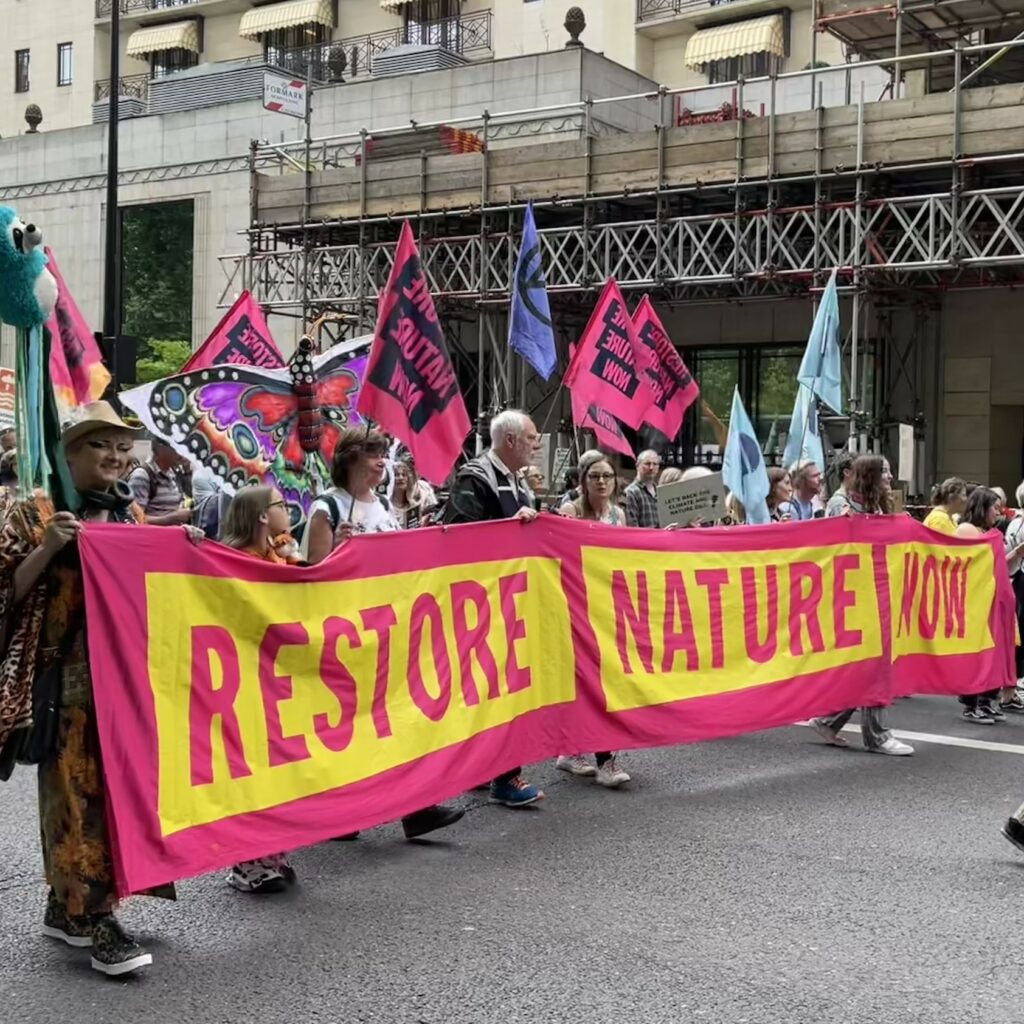
The Restore Nature Now March took placein Central London on Saturday 22nd June. Themarchsaw the coming together of over 350 charities, businesses and direct-action groups calling on thegovernment to work harder to protect biodiversity in the UKand Restore Nature Now!Some of the NHBS team travelled up from Devon and joined the estimated 100,000 peoplethat took part in the march.
‘The Restore Nature Now march felt really galvanizing. It was heartening to walk with so many ecologists, scientists and activists and to dip into conversations about the amazing work people are participating in around the country to lead and assist in nature recovery. I was really moved by the impassioned speeches in parliament square from a host of brilliant speakers, and the sight of three peregrine falcons over Westminster was a potent and magical moment too!’ – Oli
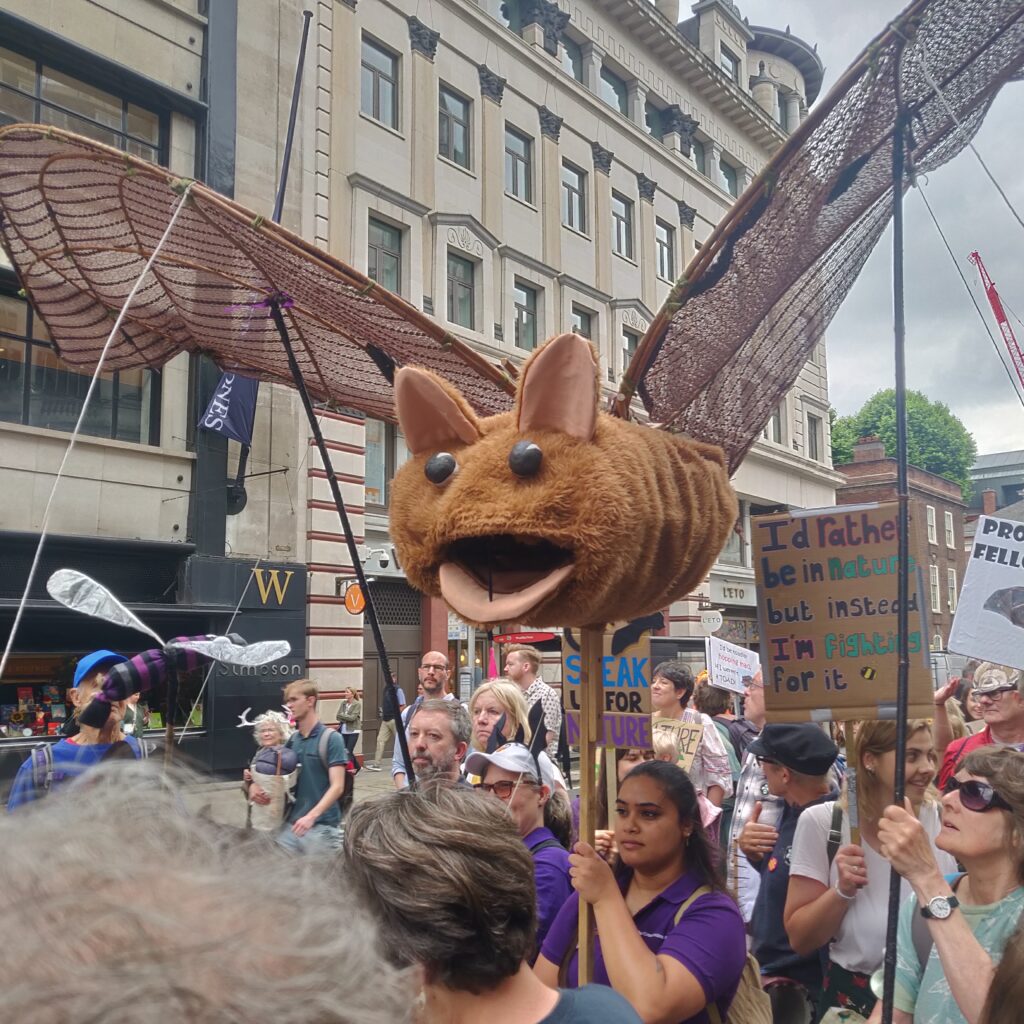
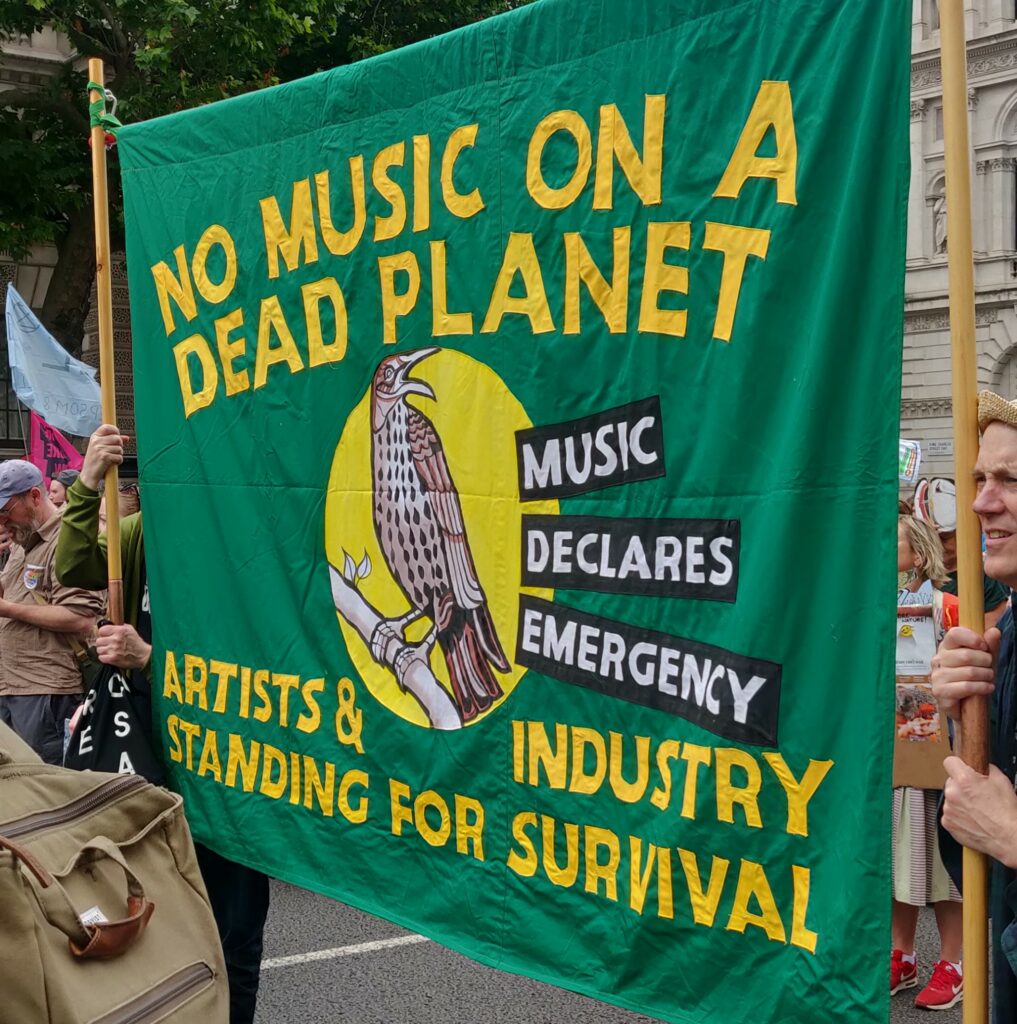
A large bat puppet made by the Bat Conservation Trust.A vibrant banner to stand up for nature.
‘It felt great to be a part of the march and join so many other people passionate about our nature and wildlife. The speakers at Parliament Square were inspirational, sadly I’m not sure if our politicians heard them, but we will be backand continue to be a voice for nature.’ – Adam
An estimated 100,000 took part in the march.The march was supported by a range of nature-focused organisations including RSPB, Plantlife and WWF.The family-friendly march had lots of entertainment and interactive activities.
WHY DID THE DEMONSTRATION TAKE PLACE?
Restore Nature Now took place to call on political parties to act on the climate crisis and use the upcoming general election as a turning point. Their demands are as follows:
A PAY RISE FOR NATURE: To facilitate nature recovery, agricultural landowners need more support to make climate-friendly choices, and to do this, Restore Nature Now urged the UK government to double the nature and climate-friendly farming budget.
MAKE POLLUTERS PAY: Big business significantly contributes to environmental decline and the climate crisis, and to tackle this, organisers asked for new rules and regulations to be introduced to enforce greater contributions.
MORE SPACE FOR NATURE: Restore Nature Now campaigned for the expansion and improvement of protected areas and called for an improvement of public land and national parks to make a greater contribution to nature recovery.
A RIGHT TO A HEALTHY ENVIRONMENT: Calling for the creation of an Environmental Rights Bill, organisers are looking for the UK Government to drive better nature decisions to improve public health.
FAIR AND EFFECTIVE CLIMATE ACTION: To solve the climate crisis, and in turn save nature, more investment is required into effective climate action.
Restore Nature Now was a fantastic demonstration of hope and a call to action for the UK government. Our staff had an enlightening experience and thoroughly enjoyed the entertainment and talks throughout the day.








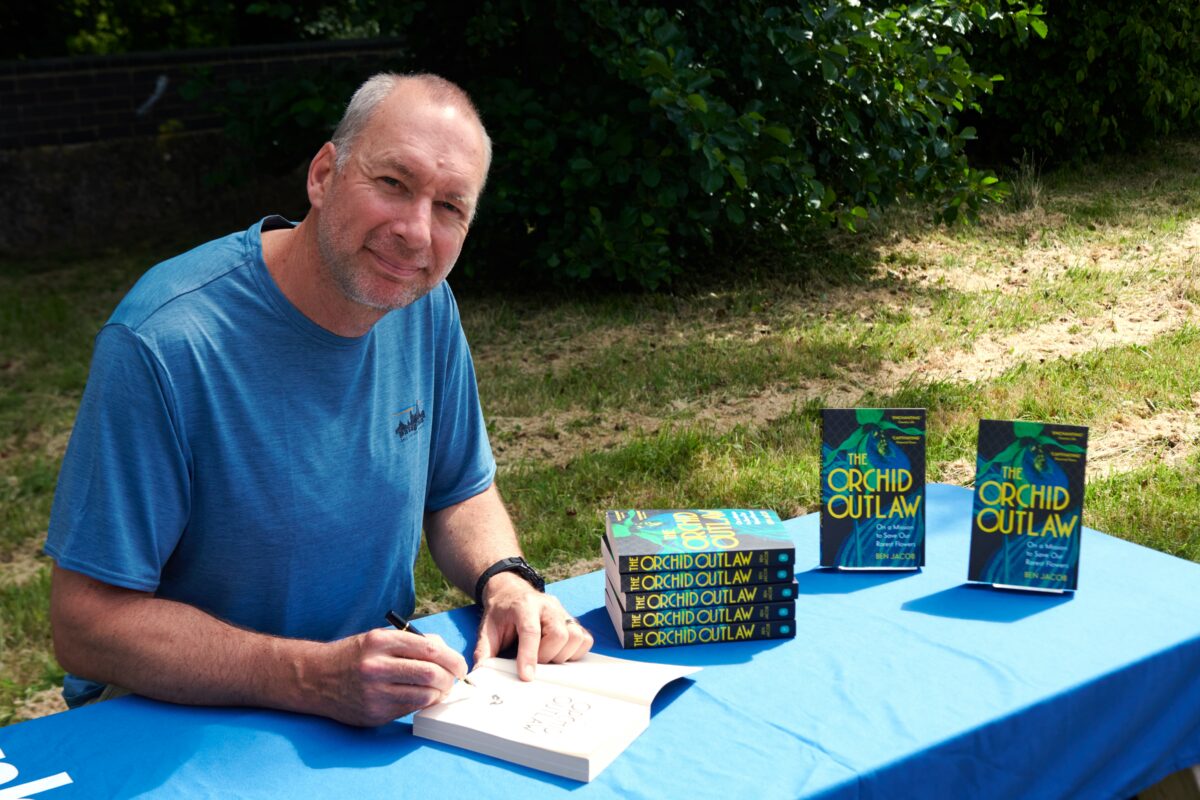
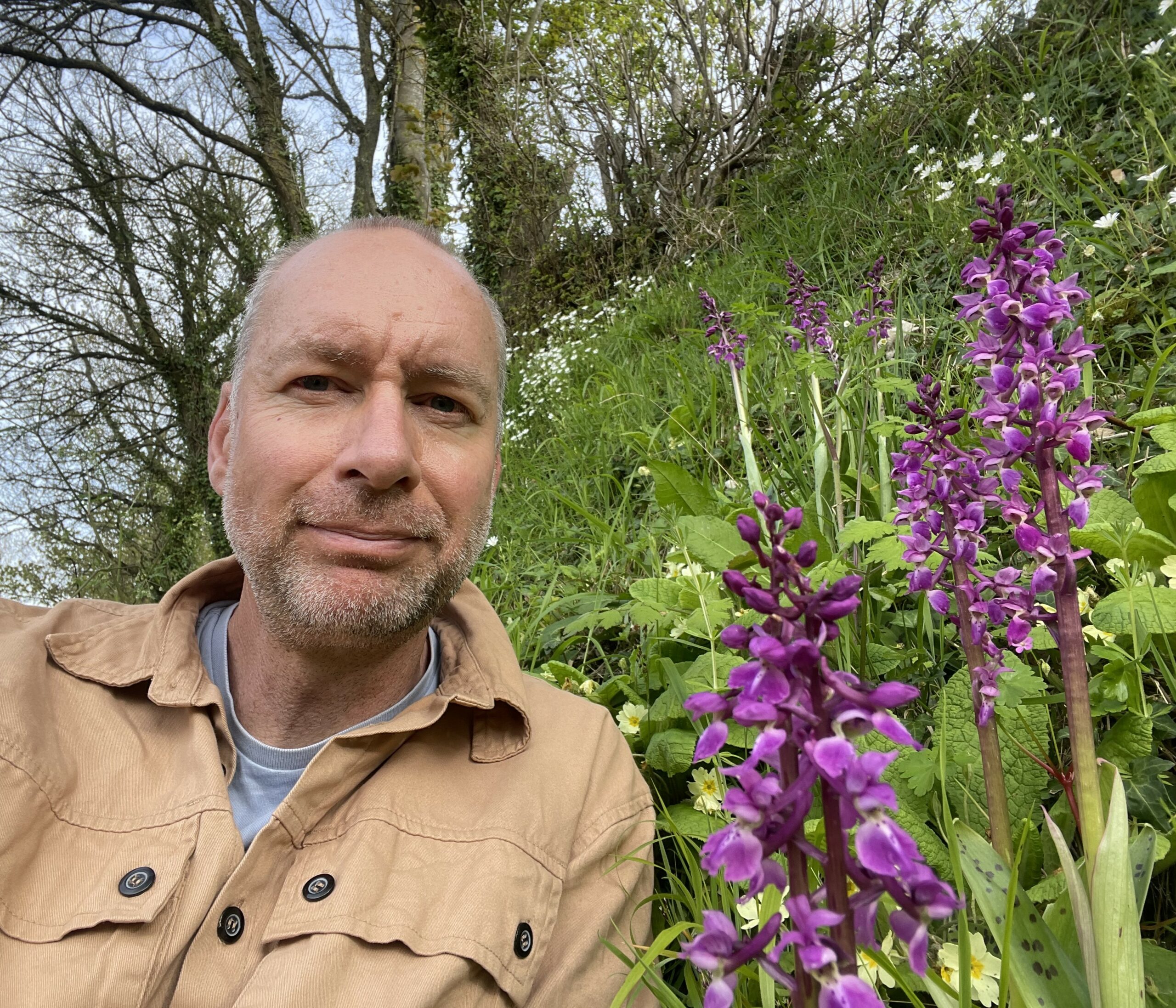 Ben works as a University lecturer by day, and as a clandestine ecologist, conservationist and Orchid-saviour by night. It is always a pleasure to meet the authors behind our books, particularly those who are adopting their own approach to nature restoration and conservation, and we were delighted to have the opportunity to talk to Ben in person about The Orchid Outlaw and have him sign our books. We discussed how he first became interested in Botany, his thoughts on the Right to Roam movement, what he hopes the reader can learn from his book and more. Read the full author interview on the Conservation Hub.