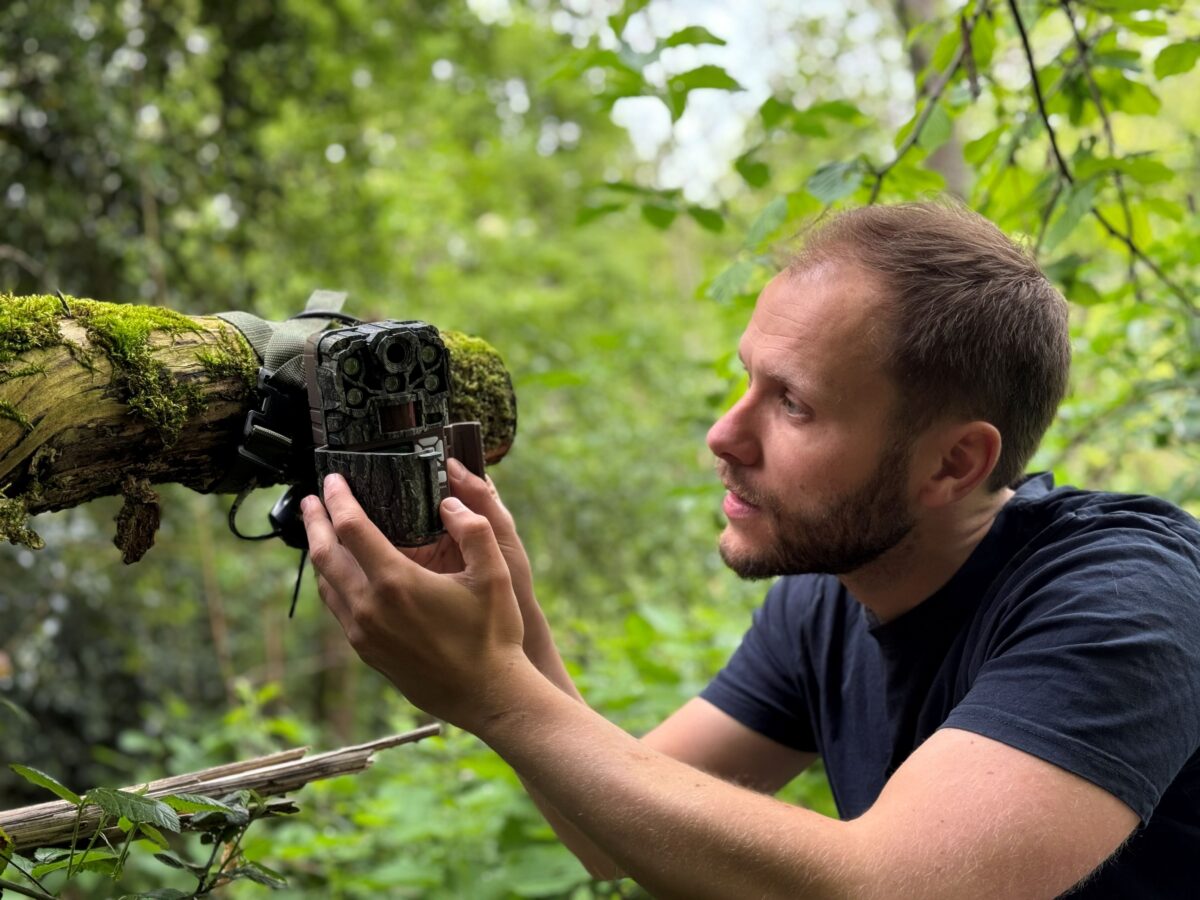
This spring, zoologist Billy Heaney has been keeping viewers entertained and enthralled with his ‘Watching the Wild’ series, documenting the lives of the wild animals in his local w oods. We were delighted to send a couple of our trail cameras to support his efforts, and recently heard back about how he’s been getting on with them. In this blog, Billy talks about the series and shares the excitement of camera-trapping, withs some useful tips for getting started.
There’s something irresistibly magical about seeing wildlife when no one – except for your camera – is watching. Whether it’s a badger trundling past under the cover of darkness or a vixen suckling her pups, camera trapping opens a secret window into the natural world. It’s wildlife documentary-making on your doorstep, minus the film crew, bulky tripods, and David Attenborough narration (though feel free to add your own).
From seals to setts
My love affair with camera traps started during my Masters research. Armed with an old Bushnell camera, I set about documenting a grey seal haul-out site on the north coast of Cornwall. The mission was simple: capture a photo every five minutes during daylight hours.
Now, it sounds exciting, and it was, at first. The site itself was spectacular, as were the post camera check surfs. But after a while, the resulting gallery of what can only be described as ‘furry slugs on a beach’ began to blur into monotony. Seals, it turns out, are not always the most dynamic of subjects when viewed in still frames at five-minute intervals.
Still, something stuck. The idea that a camera could quietly observe wildlife, completely undisturbed by human presence, was fascinating. It wasn’t just about what I saw, it was about what animals did when no one else was around.
Backyard espionage
Fast forward a few years, and camera trapping has become a full-blown obsession, and a way for me to connect with the nature on my doorstep here in the Cotswolds.
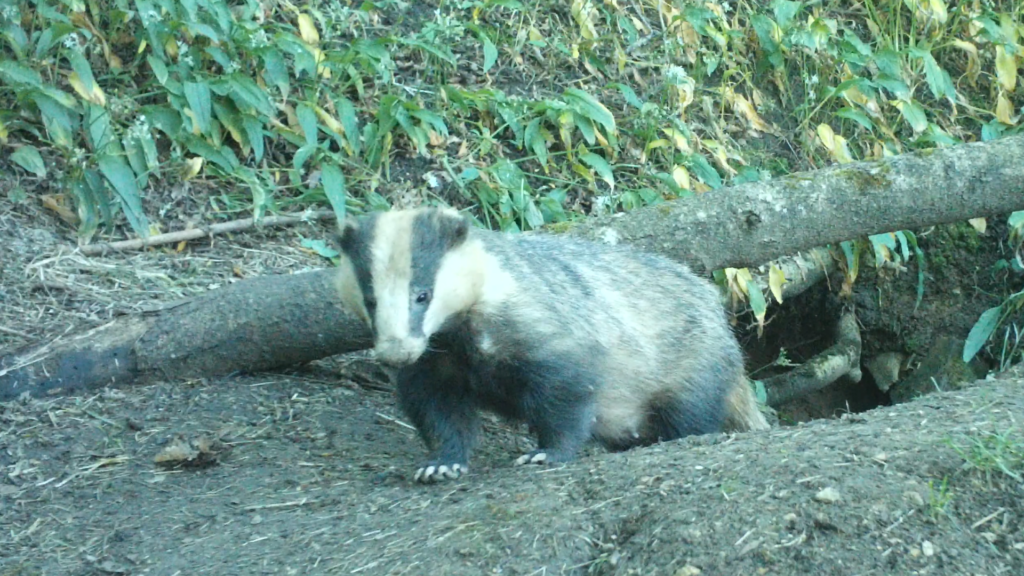
My favourites? My resident badgers. There’s something about them; the steady rhythm of their nightly routines, the unmistakable shuffle of their movements, cubs play fighting by a sett entrance, and some good old bum pressing (yep, it’s a thing).
One of the joys of camera trapping is that you never quite know what you’re going to get. Over time, the footage builds up into a kind of soap opera of the wild. Regular characters appear, drama unfolds, and every now and then, you get a plot twist you never saw coming.
Wildlife adventures further afield
While my local patch keeps me busy, I’ve also had the chance to take camera traps further afield. In the Forest of Dean, I’ve used them to help monitor the elusive and recently reintroduced pine martens, an animal that feels almost mythical until you see it bounding across a fallen tree on camera.
Trips to Scotland have brought encounters with red squirrels, their fiery coats lighting up the forest, and the occasional glimpse of an otter slipping through loch or river. Let me tell you: seeing an otter appear on your camera trap playback after a few weeks is one of the most satisfying moments in wildlife observation.
Patience is the name of the game. Camera trapping is not for the instantly gratified. You can leave a camera out for days and retrieve nothing but windblown leaves, someone’s cat, and the occasional overly curious robin. But when it pays off, it really pays off.
The thrill of the unexpected
What keeps me hooked is the unpredictability, and the honesty, of what you capture. Camera traps don’t stage scenes or edit reality. They simply record what happens, and sometimes that’s extraordinary.
I’ve captured otters scent marking, foxes tending to their cubs, and tiny badger cubs emerging above ground for the very first time.
These glimpses into behaviour are fascinating because they’re completely unfiltered. You’re witnessing moments that would otherwise go unseen. Natural, intimate, and often fleeting. In many ways, camera traps strip wildlife filmmaking back to its purest form.
Testing the tech
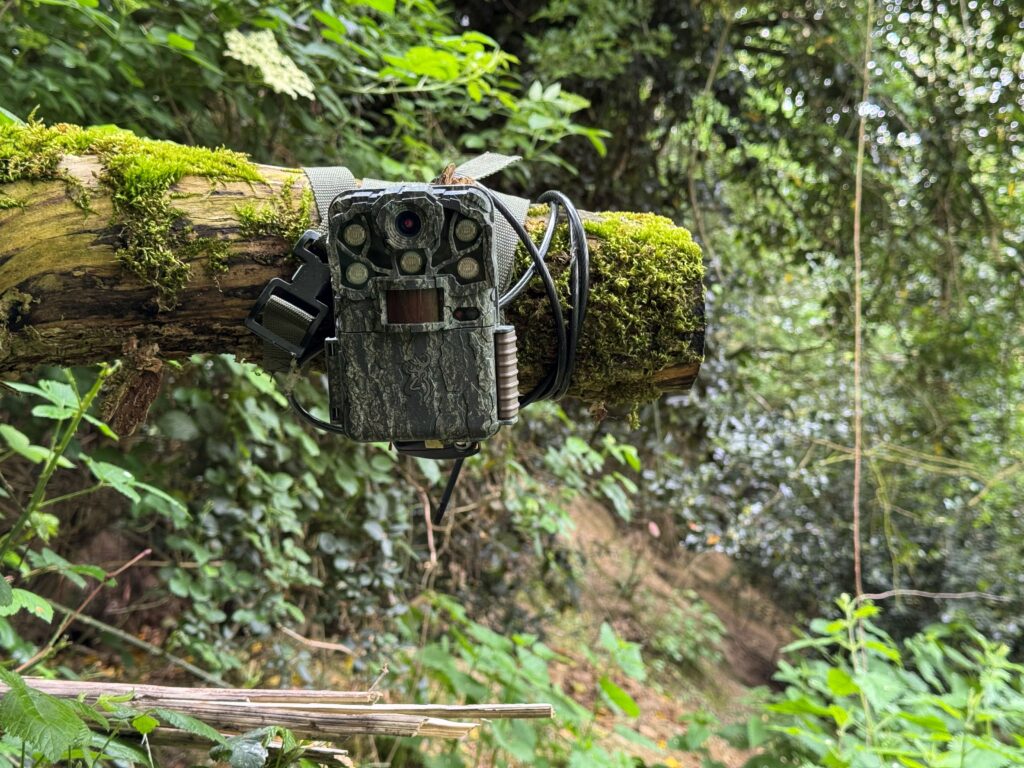
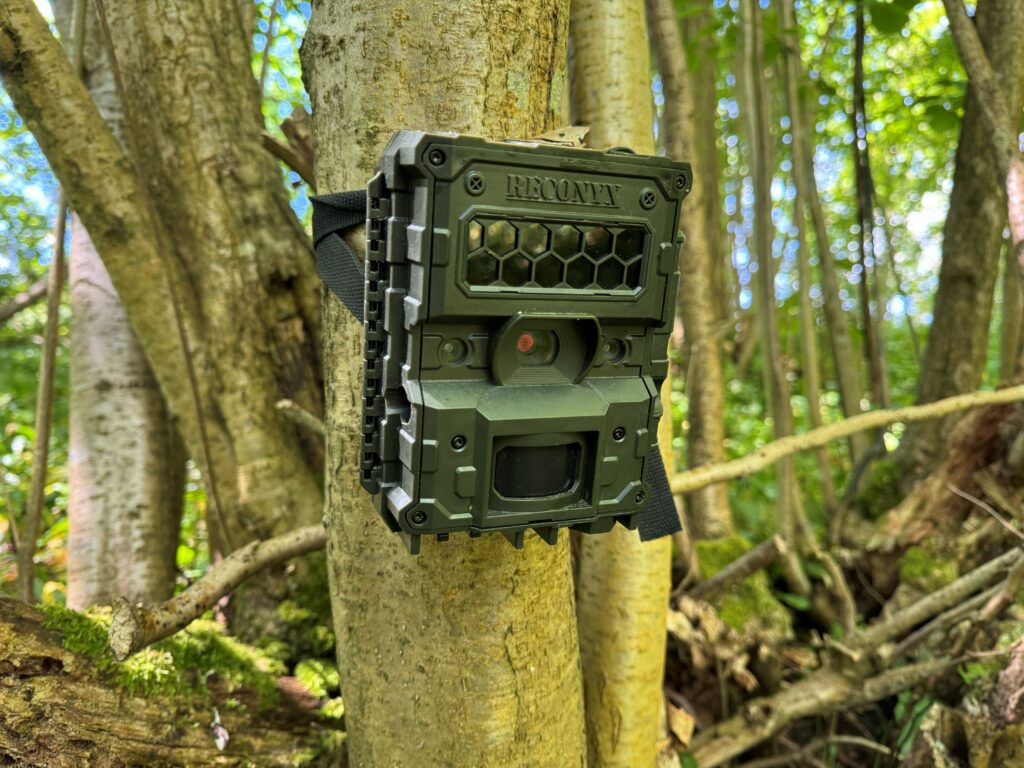
This spring, I’ve been teaming up with NHBS to put a few modern camera traps through their paces, specifically the Reconyx Hyperfire 4K Ultra HD, and the Browning Recon Force Elite HP5 Ultra. It’s been a brilliant way to expand my setup, filming my local wildlife in greater detail and creating some, admittedly, rather daft social media content along the way.
Springtime surprises
Spring is one of the most rewarding times to have cameras out. It’s when new life begins to emerge, quite literally in the case of badger cubs.
There’s nothing quite like reviewing your footage and spotting the first tentative appearances of cubs above ground, which this spring I captured on the Browning Recon Force Elite HP5 Ultra – see footage below. Their movements are clumsy, their curiosity obvious, and their high-pitched chirps unmistakable. This year, my local clan has produced two cubs and checking the cameras each week has become a highlight of my routine. Particularly now that the daylight is getting longer, and the cameras are now filming the cubs playing in full colour. It’s like opening a weekly episode of your favourite TV show, except the stars are far cuter.
Top tips for getting started
If you’re tempted to give camera trapping a go, and I highly recommend it, here are a few tips to help get you started.
- Follow the signs.
Wildlife leaves clues everywhere. Look for well-worn animal trails, deer footprints, or gaps in vegetation. These natural corridors are highways for wildlife and your best bet for capturing activity. If you’re setting one up in your garden, focus it on your pond, by a hole in the fence to see who’s sneaking through the flower beds, or even underneath any bird feeders you have up – you never know who might creep through at night to scoff any fallen seeds.
- Get the angle and distance right
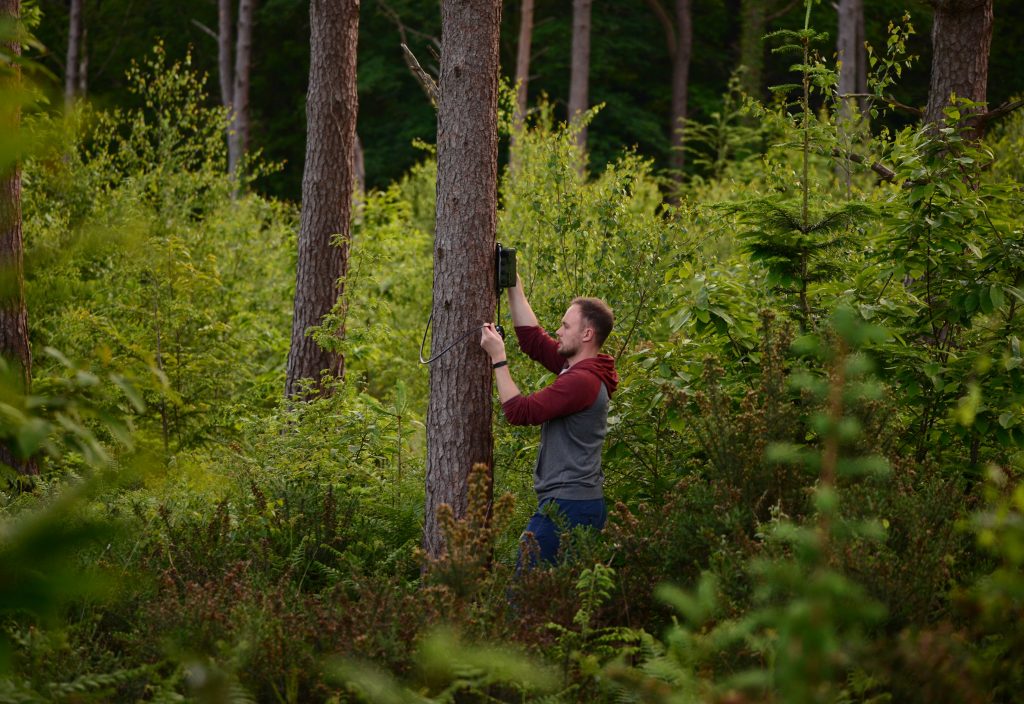
Propping your camera at a slight angle can make all the difference between a perfect shot or chopping off the head of your subject. I often place a stick between the top of my camera and the tree it’s attached to so that I can reposition it ever so slightly. Test the focal distance of your camera too: each model will be slightly different. I’ve found that with the Reconyx, I don’t need to worry about that at all, but with the Browning the best results come by positioning the camera at least 5ft away from the subject.
- Move things around
Don’t be afraid to experiment. I like to reposition my cameras every few weeks. This not only keeps things fresh but also helps build a full picture of animal behaviour across the same, but wider area. This lets you piece together sequences and start to tell more complete stories.
A window into the wild
At its heart, camera trapping is about curiosity. It’s about asking, ‘What happens here when I’m not looking?’, and then quietly letting nature answer.
Whether you’re documenting wildlife for research, conservation, or just your own enjoyment, camera traps offer a unique and endlessly fascinating perspective. They remind us that even in the most familiar places – our gardens, local woodland or nearby waterways – there’s a hidden world carrying on regardless.
And once you’ve seen it, it’s very hard to stop watching.
Browse our full range of trail cameras, including the one’s used by Billy here.