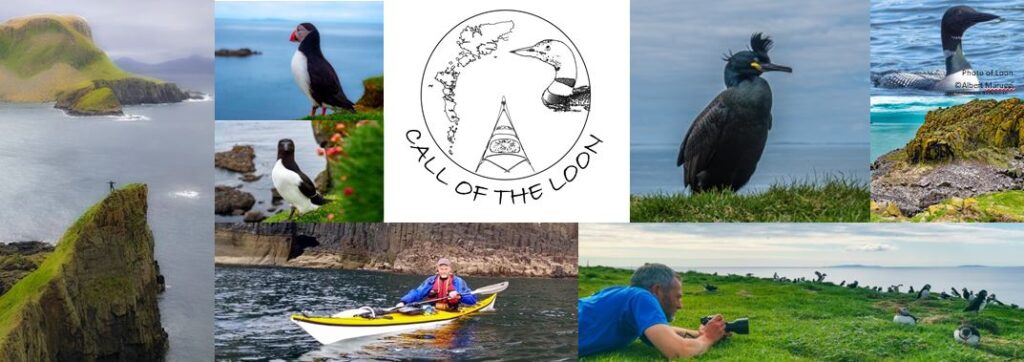
NHBS was proud to support Roland Arnison and his 2025 Call of the Loon Expedition, providing him with monitoring equipment including trail cameras and audio recorders. Roland’s mission to document Scotland’s seabirds and explore innovative, low-impact survey methods aligns strongly with NHBS’ commitment to advancing field research and conservation. With so many seabird populations in sharp decline, we were pleased to contribute to this important work, which explores new ways to monitor and protect seabirds and could benefit future conservation projects.
We have really enjoyed following Roland’s progress and seeing some of the incredible photos and recordings he has captured, and we hope you will too.
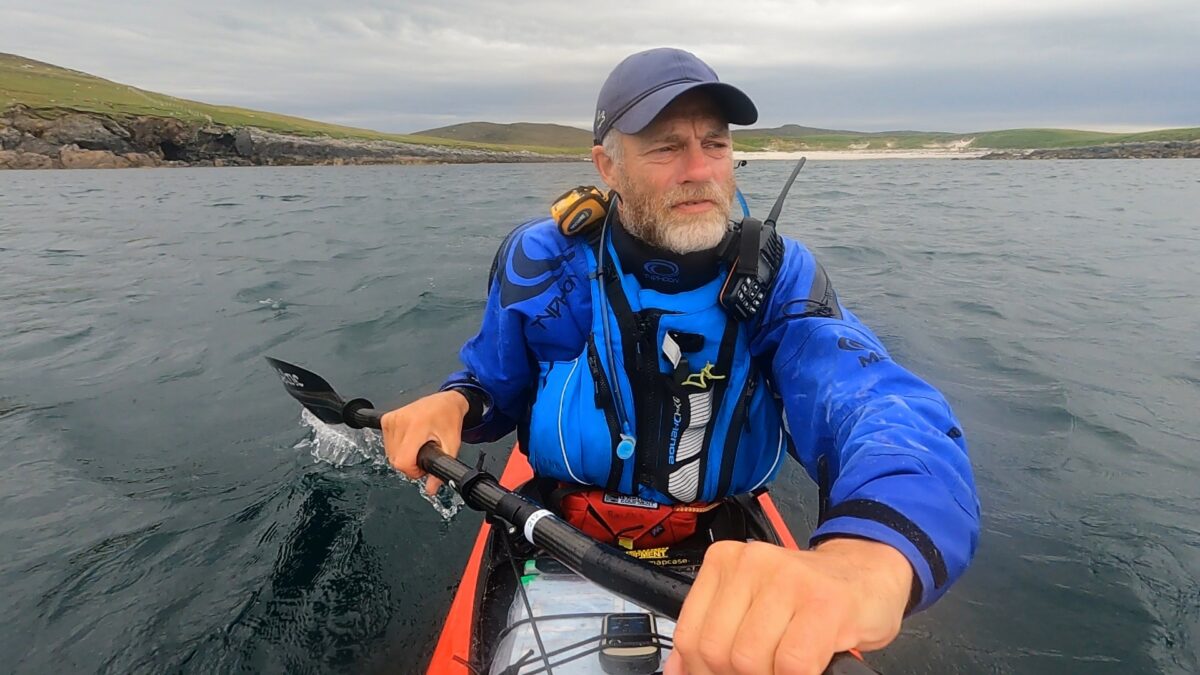
I have spent the last two summers kayaking around the Hebrides in Scotland, on the hunt for seabirds. The heart of this solo expedition is my self-appointed mission to record the calls of all of Scotland’s seabird species. This has gone well and after kayaking 700 miles, visiting countless seabird colonies on remote islands, I have captured sound recordings of 25 of the 30 species on my list, including the bird after which the Call of the Loon expedition is named: the Great Northern Diver Gavia immer, aka the Loon.
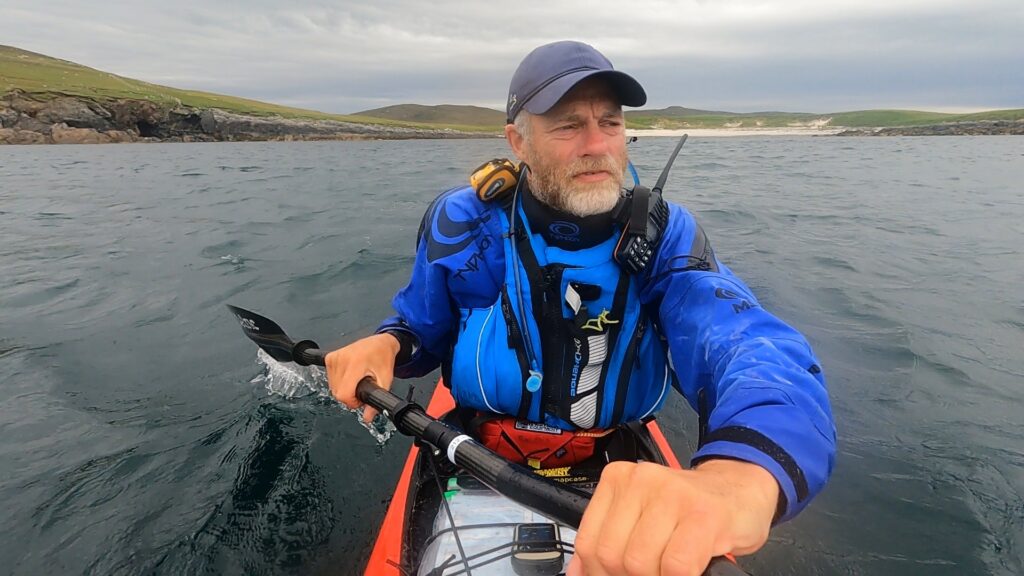
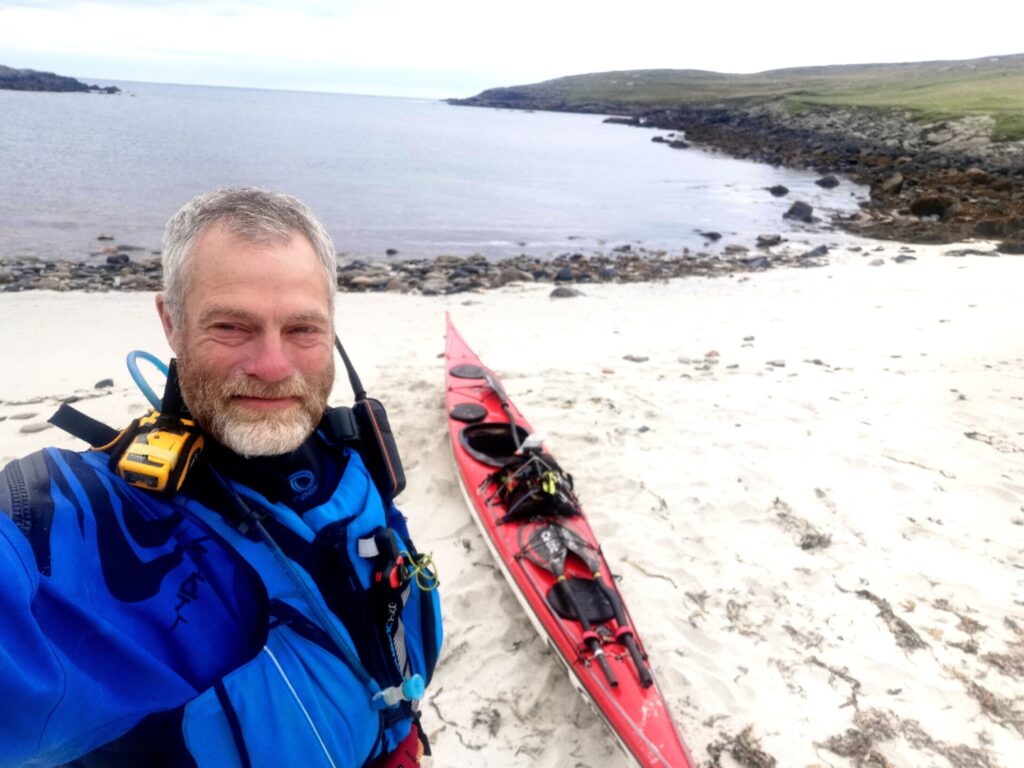
The solo sea kayaking has been adventurous, challenging, and at times at little too perilous. In 2024, my kayak floated away from the shore (due to a momentary lapse of concentration!). My attempts to recover it by swimming in the cold waters off the Isle of Coll resulted in hypothermia, exhaustion, the intervention of the Coastguard- and no kayak. My precious kayak was later found off south Skye and I was reunited with it and able to continue the expedition. In 2025, the expedition took me to the Outer Hebrides and I grabbed the opportunity to paddle out to St Kilda, that magnificent compact rocky archipelago in the Atlantic with the tallest seacliffs in Britain, some 40 miles off the west coast of North Uist. St Kilda is a haven for seabirds, a World Heritage Site, managed by National Trust for Scotland and an obvious destination for me on my seabird expedition. But it did involve a memorable 14 hour, 60km epic solo paddle to get there.
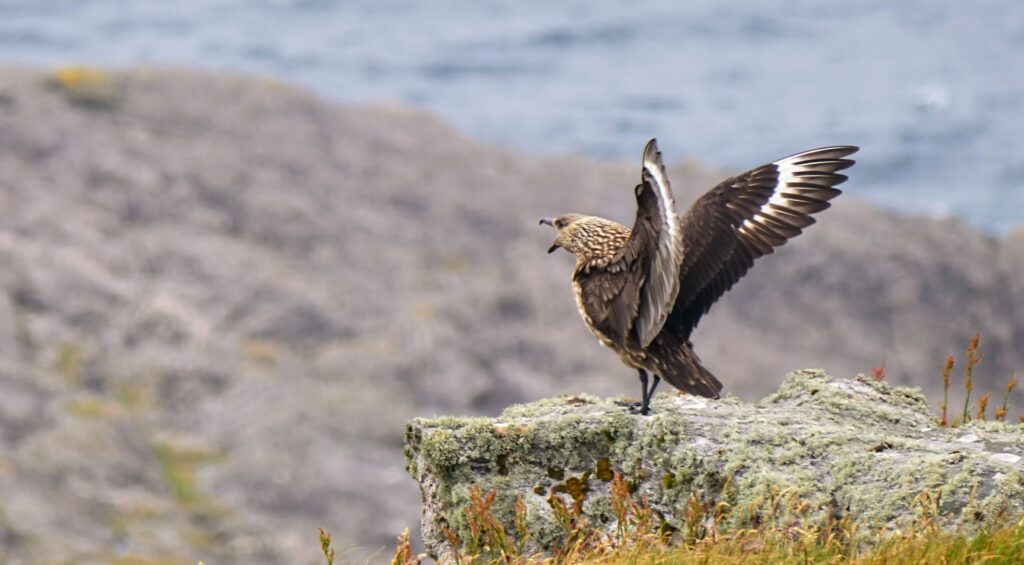
The Call of the Loon expedition has a particular relevance due to the ecological state of Britain’s seabirds. Most of our seabirds have seen significant declines in the last 20 years, due to climate change, overfishing, and the impact of invasive predator species amongst other factors. Of the 25 seabird species that regularly breed in Scotland, 21 are on the Red or Amber lists of Birds of Conservation Concern. In Scotland, over twenty years, puffin populations have dropped by 32%, Arctic Skua numbers fell by 66% and the rare Leach’s Storm Petrel is now classed as ‘critically endangered’ in the UK, with its Scottish population crashing by almost 80%. The bird flu epidemic in recent years has also hit some species such as Gannets and Great Skuas very hard.
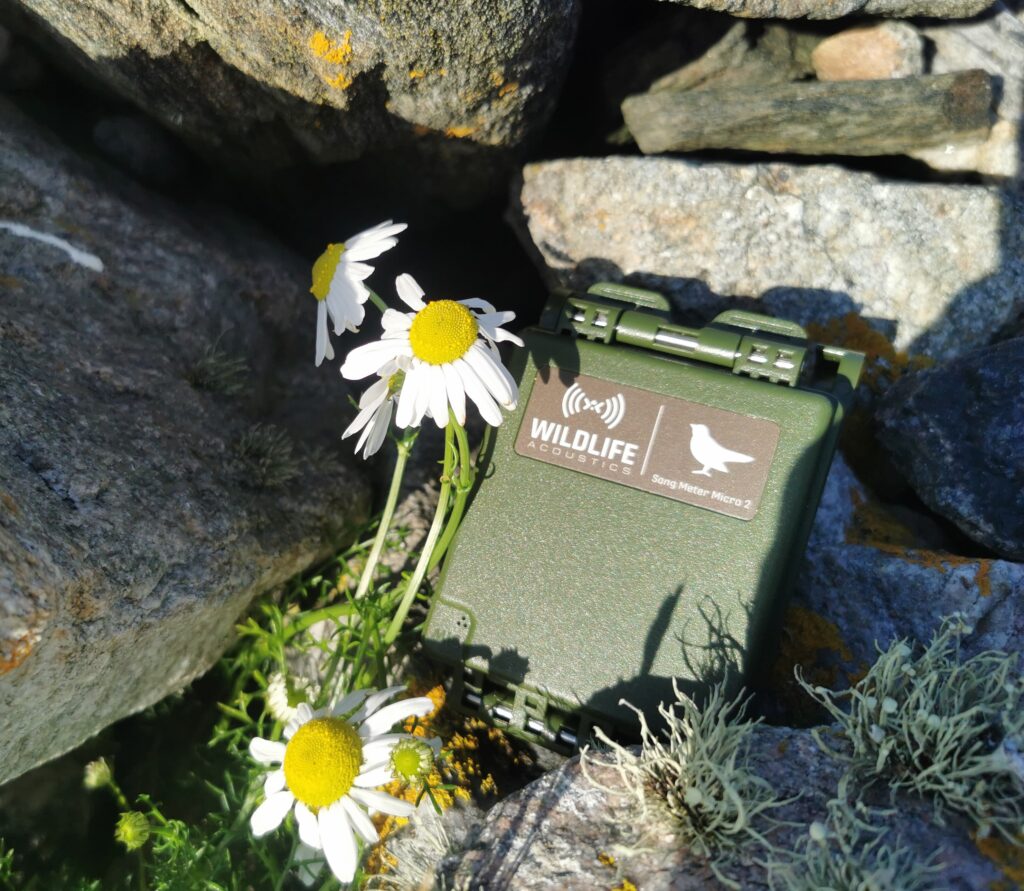
The Call of the Loon expedition has broader research aims beyond the quest to record the sounds of seabirds. One, disarmingly simple, research question I have been trying to answer is: is it possible to carry out transect surveys of seabirds from the cockpit of a sea kayak while paddling along coastlines and across the open sea? So far, my practical trials have shown some successes, recording both digitally (on a tablet or phone in Aquapac waterproof cases) and through use of waterproof notebooks. More specific research aims include using remote recording equipment to identify the presence of particular seabird species or to reveal certain behaviours, while minimising disturbance of the birds. The Song Meter Micro 2 remote audio recorder has been an essential piece of equipment, allowing me to capture recordings of seabird calls that I would not otherwise have been able to achieve, and providing evidence of the presence of nocturnal seabirds – notably European Storm Petrel Hydrobates pelagicus and Leach’s Storm Petrel Hydrobates leucorhous. Like many seabird species, these petrels spend most of their time at sea, only visiting land for the summer breeding season. In Britain, they only nest on remote rocky islands, far from humans (and rats). They only come and go from their crevice or burrow nests on dark nights, as a predator avoidance tactic. So, you can appreciate that these seabirds are not easy to find. Leach’s petrel is especially rare in Britain, only a handful of known colonies nest on offshore islands off the Outer Hebrides, with around 90% of them on St Kilda. The use of a sea kayak to reach their remote colonies and the deployment of the Song Meter Micro 2 have been powerful tools to find and record their calls.
A Browning Recon Force Elite HP5 trail camera has also been useful. I have used this remote camera to record images of puffins as they visit their burrow nests. The initial idea was to capture photos of Puffins carrying fish in their beaks to feed to their puffling chicks. These photos can be used to identify the type and quantities of fish that puffins are catching, as researched by National Trust for Scotland’s ‘Puffarazi’ citizen science project: https://www.nts.org.uk/stories/seabirds-camera-action But use of the camera trap outside a puffin burrow also revealed simpler data: how often the puffins visit their nests and at which times of day.
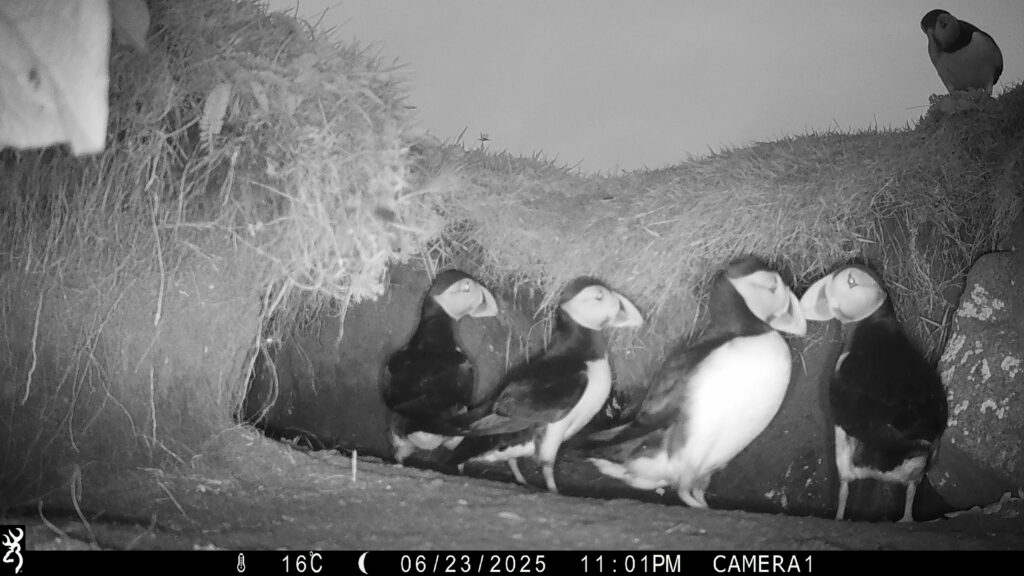
Experimenting with the Song Meter Micro 2 and Browning Elite has opened up new possibilities in potential applications in seabird research, and I am currently developing a plan for a future seabird research expedition using remote recording devices. Anyone interested in collaborating with me on this can contact me on roland@shearwater.me.uk
NHBS has been a very supportive partner in the Call of the Loon expedition, through supplying the research equipment and their technical advice and I would like to thank them hugely for their support.
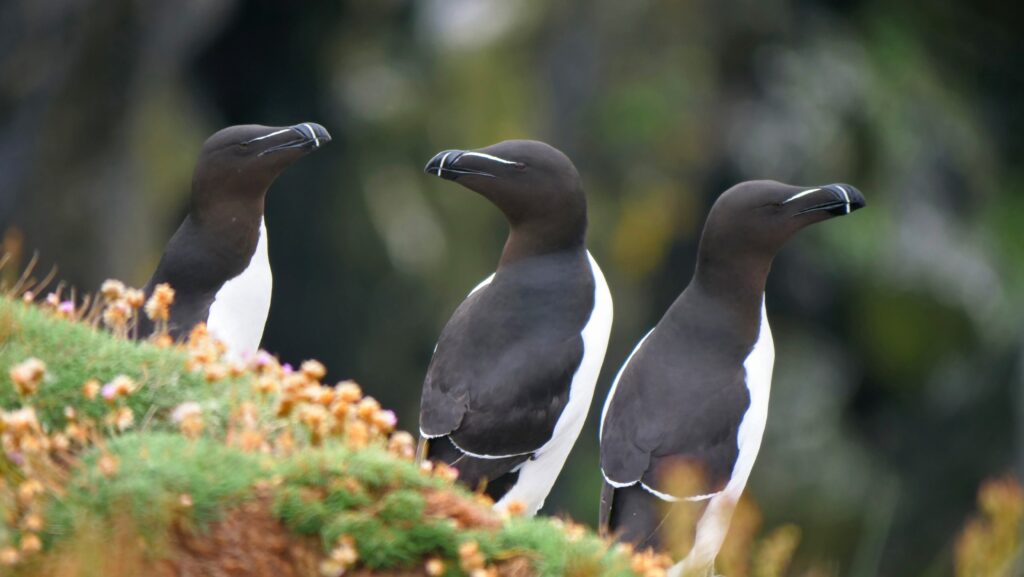
The Call of the Loon expedition is also supported by Sea Kayaking UK, Celtic Paddles, Sennheiser, Whetman Equipment, Reed Chillcheater, Aquapac and the European Nature Trust.
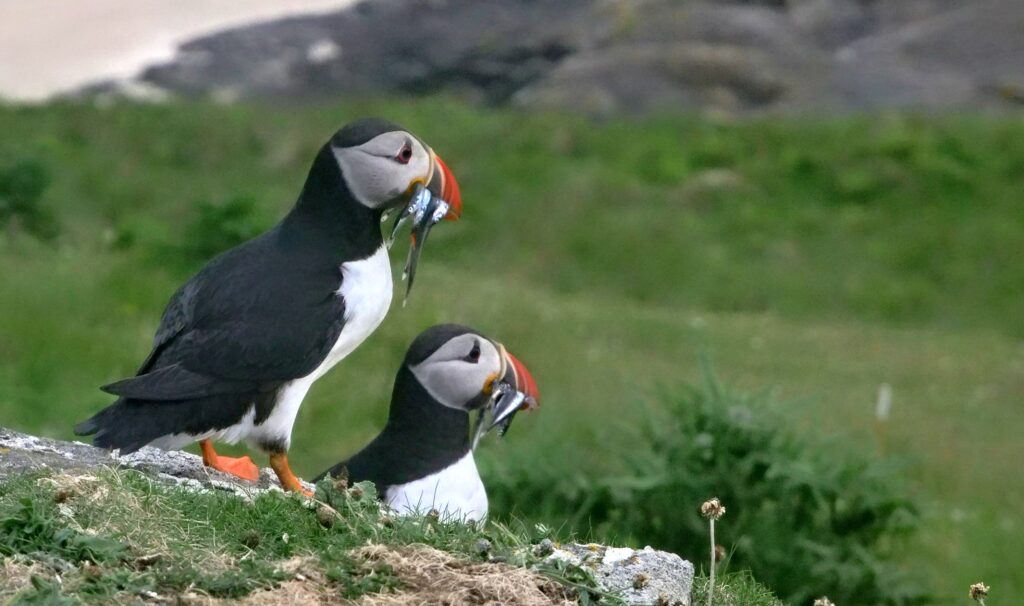
If you are interested in the Call of the Loon expedition, you can read more and sign up to the newsletter on the Call of the Loon website: https://rolandarnison.co.uk/call-of-the-loon-expedition/ and support the expedition through the Crowdfunder: https://www.crowdfunder.co.uk/p/call-of-the-loon-expedition-2025 You can read and subscribe to the expedition blogs: https://rolandarnisonadventures.wordpress.com/category/call-of-the-loon-2025/ and follow the expedition on Facebook: https://www.facebook.com/roland.arnison and Instagram: https://www.instagram.com/rolandarnisonadventures/
Author – Roland Arnison