
Cop 30
Cop 30 has ended in Belem, Brazil. A last-minute deal was struck, however, the final decision text decidedly omitted any mention of ‘fossil fuels’ or their ‘phaseout’. Having taken place in an atmosphere of geopolitical turmoil and among credible fears that debates would collapse entirely, the fact that a decision was reached at all has been welcomed as a success for multilateralism in some quarters. The UN chief climate envoy Simon Stiell described the outcome, with some optimism, as evidence that ‘climate cooperation is alive and kicking’. Whilst, for now, multilateralism has maintained a shaky hold, COP 30 closed with a flawed deal and, crucially, without a roadmap for a global transition away from fossil fuels.
From carbon sink to carbon source
The planet’s three main rainforest regions, the South American Amazon, south-east Asia and Africa now all contribute to climate breakdown. The alarming study published in Scientific Reports shows a gradual shift since 2010, in all three regions, from carbon sink to carbon source. The shift can be accounted for by human activity, including deforestation to make space for food production, infrastructure projects and mining.
From a British perspective, prime minister Keir Starmer has announced that the UK will not contribute to the Tropical Forests Forever Facility (TFFF), a flagship fund which aims to raise $125bn for the protection of existing tropical forests, such as those in the aforementioned regions.
Europe’s hidden land fill sites
Thousands of landfill sites across Europe are situated in floodplains and pose a threat to drinking water as well as freshwater ecosystems if waste is released into rivers and soils. More than 61,000 landfill sites have been identified as a potential risk with 28% located in areas vulnerable to flooding. Roughly 90% of European landfill sites predate pollution control regulations (such as landfill linings which prevent leaching) posing a significant risk to wildlife and people.
Search for German Hairy Snail
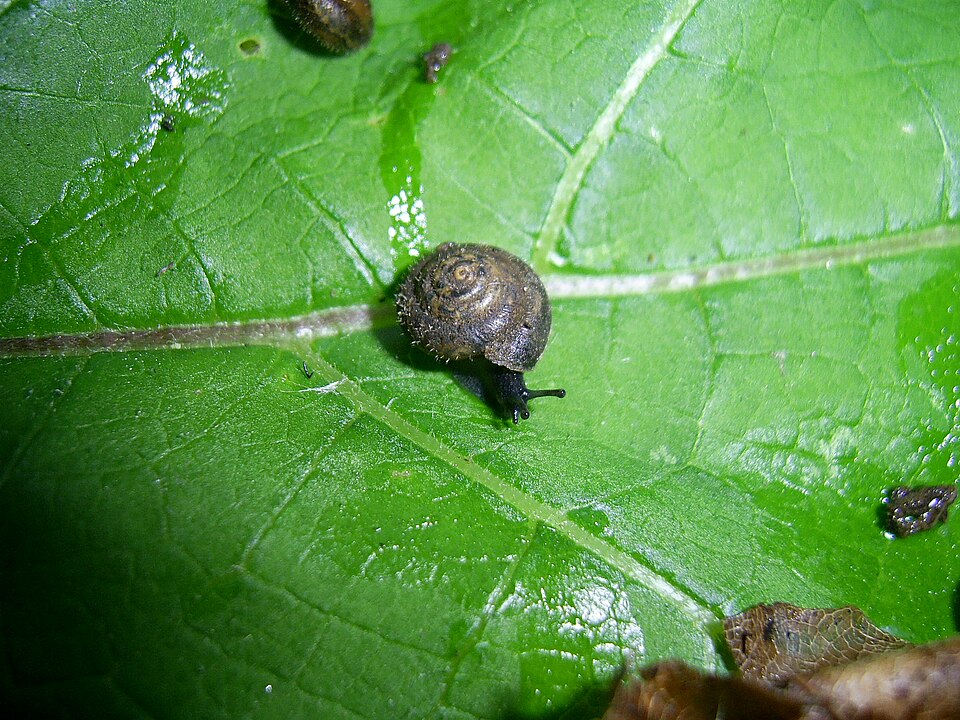
Known for the fine hairs that run along its shell, the fingernail-sized German Hairy Snail Pseudotrichia rubiginosa is believed to be one of the most endangered molluscs in the UK. It was not recorded in Britain until 1982 but fossilised remains indicate that it may have been here since the last ice age. In a coordinated effort, led by Citizen Zoo and Zoological Society of London (ZSL), more than 100 volunteers have conducted a search for the snail and a consequent series of surveys which will help to identify how habitat restoration, pollution management and the potential for translocation could boost the species.