
The birth of the Earth Rover Programme
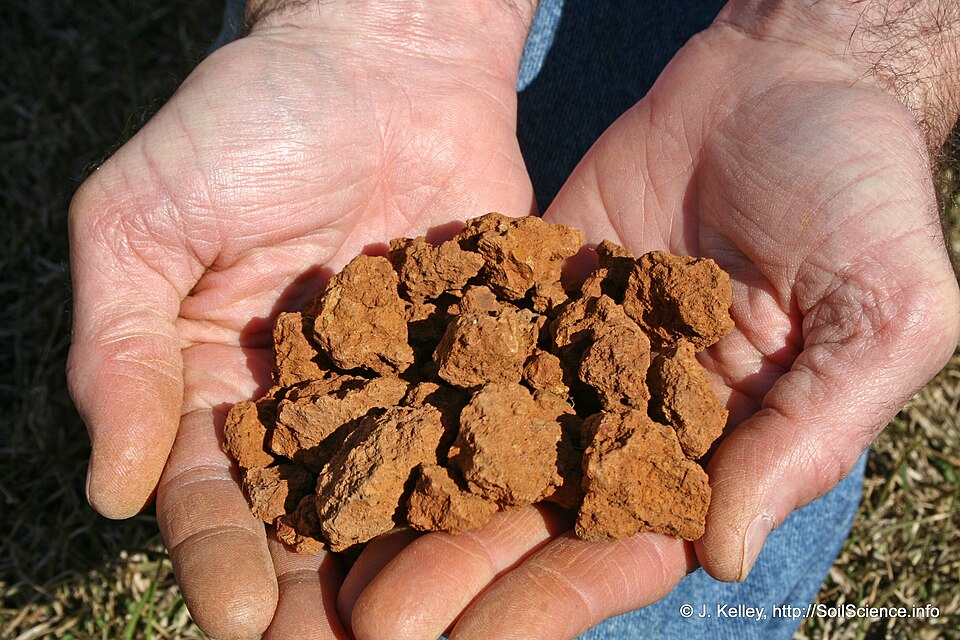
A groundbreaking new soil-health measuring technique could be crucial in helping to avert famine and drought. Most soil properties are undetectable from the surface, meaning that farmers currently rely on broad interventions such as fertilising and tilling the whole field, which is harmful to soil health and wildlife. The newly convened ‘Earth Rover Programme’, will use seismology (measuring down to the Earth’s crust, usually to assess potential for earthquakes) to assess the properties of soil in detail for the first time. The non-profit programme was set up with the support of author George Monbiot who called for an ‘advanced science of soil’ in his 2023 book Regenesis. A greater understanding of localised soil properties could be instrumental in maintaining global food security and creating a greener future for agricultural production.

The annual New Year Plant Hunt organised by the Botanical Society of Britain and Ireland (BSBI) has taken place. Early results show common wildflowers such as Daisies and Dandelions among the hundreds of native species that have bloomed unexpectedly. The annual plant hunt has revealed and seen an increase of 2.5 species in bloom for every 1C temperature rise. Kevin Walker of the BSBI has described the early blooms as a ‘visible signal’ of climate change and a ‘very clear link between rising temperatures and impacts on our plant species’.
The BSBI study focused exclusively focused on Britain and Irelands flora, however, there is evidence of warming effecting spring phenology across Europe and beyond.
UNEP Global Environment Outlook Report
The Global Environment Outlook (GEO) report, the United Nation’s Environment Programme (UNEP) flagship report which monitors global environmental change, has been released. The 2025 report emphasised several ‘critical truths’ including the fact that environmental crises are political and social emergencies. Robert Watson, co-chair of the assessment says that the climate crisis, destruction of nature and pollution are ‘undermining economy, food security, water security, human health and national security’. The report is usually followed by an agreement summary approved by the world’s countries, however, objections from Saudi Arabia, Iran, Russia, Turkey and Argentina regarding the proposed inclusion of references to fossil fuels, plastics, reduced meat in diets and other issues meant that no agreement was reached. The report proposes measures such as universal basic income, taxes on meat and subsidies for healthy, plant-based foods alongside the removal or repurposing of environmentally harmful subsidies to fossil fuels, food and mining.